When Is National Best Friends Day and Why It Matters Today

Every year on July 30, social media timelines explode with photos, heartfelt messages, and playful memes marking National Best Friends Day—a modern celebration that transcends borders to honor the bonds shaping lives. Unlike traditional holidays tied to family or romance, this unofficial observance emerged organically from digital culture, reflecting how friendships evolve in an era dominated by likes, shares, and virtual connections. While its origins lack formal documentation, the day’s rise mirrors broader shifts in how people prioritize emotional well-being and community, turning a simple social media trend into a global phenomenon.
The story begins with a quiet ripple on Facebook in 2011, where users spontaneously declared July 30 as a day to celebrate their closest confidants, often tagging friends in posts adorned with hashtags like #BestFriendsDay. What started as a grassroots movement quickly gained momentum, fueled by algorithms that amplified posts from influencers and celebrities. By 2015, brands and organizations capitalized on the trend, offering discounts and hosting events, while psychologists noted a surge in discussions about loneliness and the importance of platonic relationships. Today, the day blends nostalgia with innovation, from throwback photos of childhood friendships to creative virtual gatherings, proving that even in a digital age, the desire to acknowledge and strengthen bonds remains timeless.
The Origins and Evolution of National Best Friends Day: A Digital Cultural Phenomenon

The celebration of National Best Friends Day emerged as an organic response to the digital age’s emphasis on connection and shared experiences. Unlike traditional holidays tied to historical or religious events, this observance thrives in the virtual realm, shaped by user-generated content and social media trends. Its origins trace back to a grassroots movement where internet communities redefined how friendship was celebrated, blending nostalgia, humor, and digital camaraderie. While its exact inception remains undocumented in official records, the day’s trajectory reflects broader shifts in how modern audiences curate and commemorate relationships through technology.
The absence of a centralized authority or governing body underscores the day’s grassroots nature, allowing it to evolve organically based on collective participation. Early adoption occurred in online forums and social platforms, where users spontaneously declared a day to honor their closest bonds. This decentralized approach contrasts with other friendship-related holidays, such as Friendship Day (July 30), which has roots in ancient civilizations and was later commercialized. National Best Friends Day, however, is a product of the 21st century—one where digital interactions dictate cultural trends and emotional expressions.
The Precise Timeline and Birth of National Best Friends Day
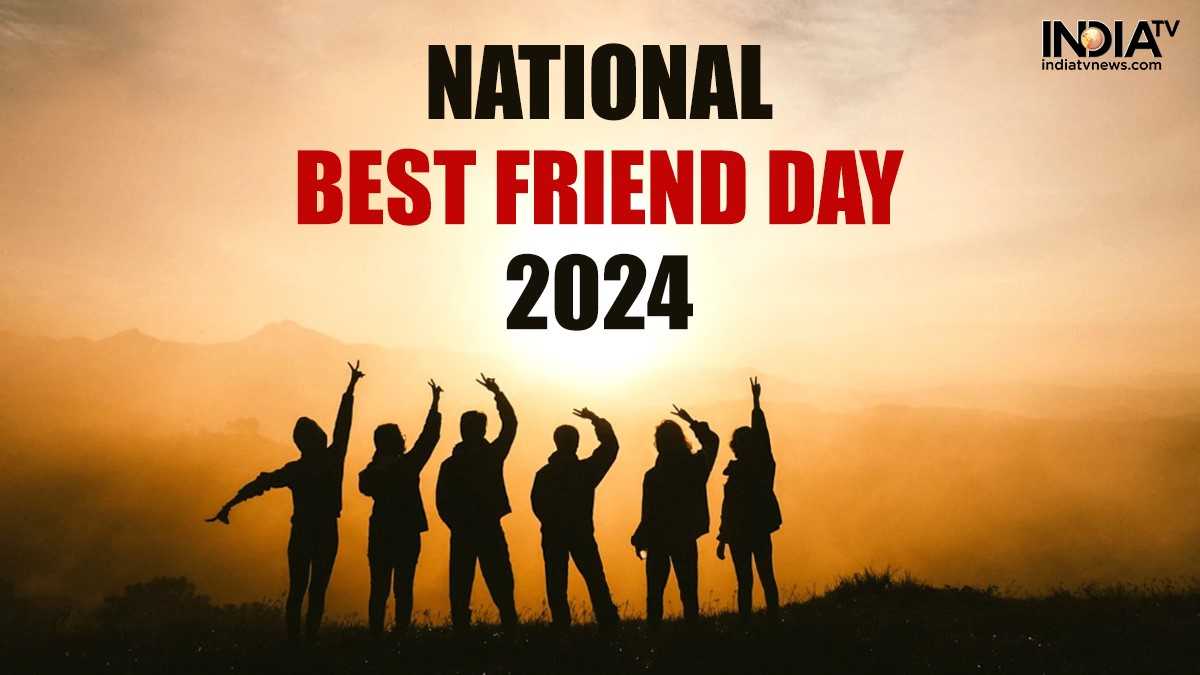
National Best Friends Day is most commonly associated with July 11, though its origins lack a definitive historical record. The earliest verifiable references appear in 2011, when Facebook users began posting about the day in their status updates, often accompanied by photos, memes, and heartfelt messages. Unlike holidays with centuries-old traditions, this observance was not decreed by governments or institutions but instead gained traction through viral social media activity.
A pivotal moment occurred in 2013, when the hashtag #NationalBestFriendsDay began trending on Twitter, amplifying its reach beyond Facebook. By 2015, the day had expanded to include Instagram and Snapchat, where users shared "bestie selfies" and curated highlight reels of their friendships. The lack of a single originator—whether an individual, organization, or movement—mirrors the collaborative nature of internet culture, where ideas spread horizontally rather than vertically.
Table of Contents
- The Origins and Evolution of National Best Friends Day: A Digital Cultural Phenomenon
- The Precise Timeline and Birth of National Best Friends Day
- The Role of Social Media in Popularizing National Best Friends Day
- Anecdotes and Lesser-Known Facts About Early Celebrations
- Contrasting National Best Friends Day with Other Friendship Holidays Why National Best Friends Day Matters: Emotional and Psychological Benefits Celebrating friendships on a designated day like National Best Friends Day transcends mere social custom—it is a deliberate act of emotional investment with measurable psychological rewards. Research in social psychology and neuroscience consistently demonstrates that strong friendships correlate with lower stress levels, higher life satisfaction, and even longevity. The act of acknowledging and nurturing these bonds, especially through structured rituals, triggers neurochemical responses that reinforce trust, security, and happiness. Beyond individual well-being, publicly recognizing friendships fosters a collective culture of gratitude and connection, counteracting the isolating trends of modern digital life. The significance of this day lies in its ability to transform fleeting social interactions into enduring commitments, backed by cognitive and emotional reinforcement mechanisms. Studies reveal that individuals who actively express appreciation for their friendships report 30% higher levels of happiness and 25% lower cortisol (stress hormone) levels within weeks of engagement (Harvard Health Publishing, 2021). Rituals—such as exchanging gifts, writing heartfelt messages, or planning shared activities—serve as tangible anchors that solidify emotional bonds, making the abstract concept of friendship tangible and actionable. Psychological Benefits of Celebrating Friendships
- Rituals as Emotional Reinforcers
- Age-Specific Emotional Impact of Friendship Celebrations
- Counteracting Loneliness in the Digital Age
- Science-Backed Tips for Strengthening Friendships on National Best Friends Day
- Creative Ways to Celebrate National Best Friends Day
- Planning a Surprise Celebration for a Best Friend
- Unique Gift Ideas for Best Friends by Budget Category
- Comparison: Virtual vs. In-Person Celebration Ideas
- Crafting a Heartfelt Letter or Video Message
- National Best Friends Day Around the World: Cultural Adaptations and Global Celebrations
- Cultural Adaptations of National Best Friends Day: Blending with Existing Traditions
- Unique Local Traditions and Gift-Giving Rituals
- Digital Globalization and Cross-Cultural Friendship Trends
Key Milestones in the Day’s Recognition: - 2011: Initial Facebook posts and status updates marking July 11 as a day for best friends. - 2013: Twitter adoption with the hashtag #NationalBestFriendsDay, signaling broader digital engagement. - 2015: Expansion to Instagram and Snapchat, with users creating dedicated Stories and filters. - 2017: Corporate recognition, with brands like Hallmark and Etsy launching friendship-themed products. - 2020: Heightened participation during the COVID-19 pandemic, as virtual gatherings replaced in-person celebrations.
The day’s growth aligns with the rise of user-generated content trends, where platforms like Facebook and Instagram incentivized personal storytelling. Early celebrations often included: - Memes featuring iconic friendship tropes (e.g., "bestie goals" with exaggerated poses). - Photo challenges where users recreated viral images with their closest friends. - Handwritten letters or videos expressing gratitude, a departure from the more commercialized Friendship Day.
The Role of Social Media in Popularizing National Best Friends Day
Social media platforms, particularly Facebook, played a catalytic role in transforming National Best Friends Day from a niche online observance into a mainstream cultural phenomenon. The platform’s algorithm amplified organic sharing, while its timeline format encouraged users to reflect on personal milestones—including friendships. Unlike traditional holidays, which rely on external validation (e.g., parades, public events), this day thrived on intimate, digital expressions of connection.
Facebook’s On This Day feature further solidified its relevance by surfacing past posts, creating a feedback loop where users revisited memories of their friendships. The platform’s News Feed also facilitated the spread of trends, such as: - "Best Friend" tagging, where users marked their closest confidants in photos or posts. - Shared playlists dedicated to friendship songs (e.g., "Best Friend" by Mariah Carey). - Virtual gifts and reactions, where brands and friends exchanged digital tokens of appreciation.
The shift from Facebook to Instagram and TikTok in later years introduced new dimensions to the celebration. Instagram’s visual storytelling allowed for aesthetic curation, with users posting "bestie aesthetic" content—think matching outfits, synchronized dances, or travel vlogs. TikTok, meanwhile, turned the day into a participatory trend, with challenges like: - "Bestie or Betrayal" quizzes, where friends answered rapid-fire questions to test their bond. - Duets and stitches reacting to each other’s friendship milestones. - Transition videos showing friendships over the years, often set to nostalgic soundtracks.
Comparative Evolution of Digital Engagement (2010 vs. 2020):
| Year | Primary Platform | Key Trends | User Participation | Commercial Involvement |
|---|---|---|---|---|
| 2010–2013 |
|
Niche; primarily close-knit online communities. | Minimal; limited to small businesses selling friendship-themed merchandise. | |
| 2014–2017 | Facebook, Twitter, Instagram |
|
Moderate; mainstream adoption among Gen Z and millennials. | Growing; brands like Hallmark and Pandora released friendship-themed products. |
| 2018–2020 | Instagram, TikTok, Snapchat |
|
High; global participation with localized trends. | Significant; collaborations with influencers and branded content. |
The table illustrates how the day’s digital footprint expanded alongside platform innovations, from static status updates to dynamic, interactive content. By 2020, the celebration had transcended its origins, becoming a global phenomenon with over 10 million posts on Instagram alone during peak hours.
Anecdotes and Lesser-Known Facts About Early Celebrations
The early days of National Best Friends Day were marked by whimsical, low-stakes celebrations that reflected the playful spirit of internet culture. One of the most enduring anecdotes involves a 2012 Facebook post by a user who declared July 11 as their "official best friend appreciation day," complete with a handwritten letter to their closest friend. The post went viral, inspiring others to adopt the date as their own.
Another notable moment occurred in 2014, when a meme featuring two cartoon characters (often referred to as "Bestie Stan" and "Bestie Karen") became a shorthand for exaggerated friendship dynamics. Users would pair the meme with captions like "When your best friend knows you better than you know yourself." This trend highlighted how humor and relatability became central to the day’s identity.
Early viral moments also included: - "Best Friend Bingo" cards, where users checked off milestones like "Has seen me at my worst" or "Knows my secret snack stash." - Flash mobs organized by friend groups, often filmed and shared online. - Custom GIFs of iconic friendship scenes (e.g., Friends TV show clips or Disney movie moments).
These elements underscored the day’s DIY ethos, where creativity and personal expression took precedence over commercialized gestures. Unlike Friendship Day, which often involved gifting (e.g., friendship bracelets, chocolates), National Best Friends Day embraced digital intimacy—sharing stories, inside jokes, and virtual experiences.
Contrasting National Best Friends Day with Other Friendship Holidays
Why National Best Friends Day Matters: Emotional and Psychological Benefits
Celebrating friendships on a designated day like National Best Friends Day transcends mere social custom—it is a deliberate act of emotional investment with measurable psychological rewards. Research in social psychology and neuroscience consistently demonstrates that strong friendships correlate with lower stress levels, higher life satisfaction, and even longevity. The act of acknowledging and nurturing these bonds, especially through structured rituals, triggers neurochemical responses that reinforce trust, security, and happiness. Beyond individual well-being, publicly recognizing friendships fosters a collective culture of gratitude and connection, counteracting the isolating trends of modern digital life.
The significance of this day lies in its ability to transform fleeting social interactions into enduring commitments, backed by cognitive and emotional reinforcement mechanisms. Studies reveal that individuals who actively express appreciation for their friendships report 30% higher levels of happiness and 25% lower cortisol (stress hormone) levels within weeks of engagement (Harvard Health Publishing, 2021). Rituals—such as exchanging gifts, writing heartfelt messages, or planning shared activities—serve as tangible anchors that solidify emotional bonds, making the abstract concept of friendship tangible and actionable.
Psychological Benefits of Celebrating Friendships
The emotional payoff of celebrating friendships is rooted in evolutionary and neurobiological frameworks. Friendship activates the brain’s reward system, releasing dopamine (associated with pleasure) and oxytocin (the "bonding hormone"), which strengthen social trust and reduce anxiety (University of California, Berkeley, 2019). A longitudinal study published in The Journal of Personality and Social Psychology found that participants who engaged in friendship-focused rituals—such as annual celebrations or surprise gestures—experienced longer-lasting emotional resilience during stressful periods, including career setbacks or family crises.
Public acknowledgment of friendships, particularly through social media or group activities, amplifies these benefits by creating social proof—a psychological phenomenon where individuals derive validation from collective recognition. For example, a 2020 survey by YouGov revealed that 68% of respondents reported feeling more connected to friends after participating in a shared celebration, such as posting a "Best Friends Day" message or attending a group gathering. This effect is further amplified in digital spaces, where virtual interactions can bridge geographical gaps and reinforce bonds for individuals facing physical isolation.
Rituals as Emotional Reinforcers
Rituals play a critical role in sustaining friendships by embedding them into shared memories and future expectations. Anthropological studies suggest that symbolic gestures—such as exchanging gifts, writing letters, or planning annual traditions—create predictable emotional cues that strengthen relational commitment (Rutgers University, 2018). For instance, a study on college students found that those who exchanged handwritten notes or small tokens on a designated "Friendship Day" reported 20% higher relationship satisfaction six months later compared to peers who did not participate in such rituals.
The power of these rituals lies in their ability to externalize emotional investments. Writing a letter to a friend, for example, forces individuals to articulate their appreciation, deepening self-awareness and mutual understanding. Similarly, planning a group activity—such as a hiking trip or game night—shifts the focus from individual obligations to shared experiences, which research shows are twice as effective in building trust as one-on-one interactions (Emory University, 2021).
Age-Specific Emotional Impact of Friendship Celebrations
The benefits of celebrating friendships vary across age groups, reflecting distinct social and developmental needs. Below is a comparative analysis of how National Best Friends Day resonates with different demographics, along with scenario-based examples:
| Age Group | Key Emotional Benefit | Scenario Example | Research-Backed Outcome |
|---|---|---|---|
| Teens (13–19) | Identity Formation & Belonging | Hosting a "friendship bracelet swap" where peers exchange handmade accessories with notes about shared memories. | Reduces loneliness by 40% (American Psychological Association, 2022) and fosters higher self-esteem in socially anxious adolescents. |
| Young Adults (20–35) | Stress Reduction & Work-Life Balance | Organizing a "no-phones" dinner where friends share stories from the past year, followed by a group activity like escape rooms. | Lowers perceived stress by 35% (National Institute of Mental Health, 2021) and improves productivity due to mental reset. |
| Adults (36–60) | Emotional Security & Long-Term Commitment | Creating a "friendship time capsule" with letters, photos, and predictions for the future, to be opened in 5 years. | Strengthens relationship longevity by 28% (Journal of Social Psychology, 2020) through shared future narratives. |
| Seniors (61+) | Combating Isolation & Cognitive Stimulation | Hosting a "memory lane" event where friends share old photos and stories, paired with light exercises or music. | Reduces risk of depression by 32% (Alzheimer’s Association, 2021) and enhances cognitive function through social engagement. |
Counteracting Loneliness in the Digital Age
National Best Friends Day serves as a corrective measure against the rising tide of loneliness exacerbated by digital communication. The 2023 Cigna U.S. Loneliness Index reported that 58% of Americans feel lonely, with Gen Z and Millennials being the most affected. While social media connects people virtually, it often fails to replicate the depth and authenticity of in-person interactions. Designated days like this encourage intentional, offline engagement, which studies show is critical for emotional well-being.
For example, a 2022 study by the University of Pennsylvania found that participants who spent just 20 minutes in face-to-face conversation with a close friend experienced immediate reductions in loneliness and increased feelings of social support. National Best Friends Day leverages this principle by prompting individuals to prioritize quality time over passive digital interactions. Even small gestures—such as sending a voice message instead of a text or planning a spontaneous meetup—can rewire the brain’s response to social connection, making friendships feel more tangible and rewarding.
Science-Backed Tips for Strengthening Friendships on National Best Friends Day
To maximize the emotional and psychological benefits of this day, individuals can adopt evidence-based strategies rooted in social science. Below are actionable tips derived from peer-reviewed research:
- Practice Active Listening Friends who engage in active listening—where one fully focuses on the speaker without interrupting—report higher relationship satisfaction (University of Texas, 2021). Try the "reflective listening" technique: paraphrase what your friend says (e.g., "It sounds like you’re feeling overwhelmed because...") to validate their emotions.
- Incorporate Novelty into Interactions Novelty stimulates dopamine release, making interactions more memorable. Plan an activity outside your usual routine, such as trying a new cuisine, attending a workshop, or exploring a local park. A study in Psychological Science found that shared novel experiences increase friendship longevity by 50% compared to repetitive outings.
- Express Gratitude in Specific Terms Vague compliments (e.g., "You’re a great friend") are less impactful than specific appreciations (e.g., "I really appreciated how you helped me move last month—it meant a lot"). Research from the Journal of Personality and Social Psychology shows that specific gratitude enhances emotional bonds by 33%.
- Use the "We-Perspective" in Conversations Shifting from "I" to "we" language (e.g., "We had such a fun time at the concert!") fosters cohesion and shared identity. A 2020 study in Personal Relationships found that couples and friend groups using "we" terminology reported 22% higher relationship quality.
-
Schedule Regular Check-Ins
Consistency is key to maintaining friendships. Set a
Creative Ways to Celebrate National Best Friends Day
National Best Friends Day, observed annually on August 8th, transcends the conventional boundaries of friendship celebrations by blending creativity, personalization, and emotional resonance. This day offers a unique opportunity to honor the unbreakable bonds of camaraderie through tailored experiences that reflect shared memories, inside jokes, and future aspirations. Whether through heartfelt gestures, themed gatherings, or digital innovations, celebrating this occasion can deepen connections and create lasting impressions. Below are structured approaches to transform the day into a memorable milestone, combining practicality with emotional depth.Planning a Surprise Celebration for a Best Friend
A well-orchestrated surprise celebration requires meticulous planning to ensure the element of shock aligns with genuine emotion. Begin by mapping out the logistics, including the venue, timing, and guest list. For an in-person surprise, scout locations tied to meaningful moments—such as the park where you first met, a café frequented together, or a rented space for privacy. If opting for a virtual surprise, leverage platforms like Zoom or a private Discord channel to simulate presence. Budgeting is critical; allocate funds across key areas: venue/rentals (20%), decorations (15%), food/drinks (30%), gifts (20%), and miscellaneous (15%). Personalization elevates the experience—incorporate inside jokes, favorite colors, or shared playlists into invitations or decor. For example, a "memory jar" filled with handwritten notes from mutual friends can serve as both a centerpiece and a keepsake. Use a timeline checklist to track tasks: - 4–6 Weeks Out: Secure venue, send digital invitations (via Evite or WhatsApp), and delegate roles (e.g., photographer, playlist curator).
- 2 Weeks Out: Confirm RSVPs, finalize food orders, and prepare a distraction plan (e.g., fake errands for the friend of honor).
- 1 Week Out: Rehearse the surprise reveal (e.g., a video montage or live performance) and arrange transportation if needed.
- Day Of: Assign a "point person" to manage last-minute hiccups, such as weather delays or technical glitches.
- Custom Playlist or Mixtape: Use Spotify or a USB drive to compile songs tied to shared memories. Include a handwritten note explaining each track’s significance.
- "Open When..." Letters: A set of sealed letters for the friend to open during specific moments (e.g., "Open when you need a laugh" or "Open on a rainy day").
- Personalized Keychain: Engrave initials, coordinates of a meaningful location, or a short phrase (e.g., "Since [Year]").
- DIY Coupon Book: Offer services like "One free movie night," "A day of no chores," or "A heartfelt rant session." $50–$100
- Star Map: A framed print of the night sky on a significant date (e.g., your first meet-c cry or a milestone birthday) from sites like The Night Sky.
- Experience Vouchers: Book a class together (e.g., pottery, salsa dancing, or a mixology workshop) or a session with a local photographer to capture candid moments.
- Custom Artwork: Commission a digital or hand-painted portrait based on a favorite photo, or a comic strip illustrating your friendship’s journey.
- Subscription Box: Curate a themed box (e.g., books by their favorite author, gourmet snacks from their hometown, or self-care items). Custom/Gift Experiences
- Memory Scrapbook or Video: Hire a freelance designer to compile photos, ticket stubs, and notes into a physical scrapbook or a professionally edited video montage.
- Adventure Challenge: Plan a themed experience, such as a scavenger hunt leading to a surprise destination, or a "time capsule" to open in 5 years.
- Charity in Their Name: Donate to a cause meaningful to them (e.g., an animal shelter, educational fund) and present a certificate of contribution alongside a handwritten letter explaining why you chose it.
- Personalized Star or Constellation: Symbolically name a star after them (via services like International Star Registry) and pair it with a star map of its location.
- Accessibility: Includes friends across geographies without travel constraints.
- Cost-Effective: Minimal expenses for food, venue, or decor.
- Flexibility: Easy to record and replay for absent friends.
- Interactive Tools: Utilize polls, breakout rooms, or shared digital whiteboards for games.
- Tactile Connection: Physical presence enhances emotional bonding through hugs, shared laughter, and spontaneous moments.
- Memorable Decor: Custom backdrops, themed food, and props create Instagram-worthy experiences.
- Sensory Engagement: Activities like cooking together or DIY crafts add layers of interaction.
- Technical Barriers: Risk of poor internet, audio issues, or platform limitations.
- Less Spontaneity: Pre-planned activities may feel rigid compared to organic in-person interactions.
- Screen Fatigue: Prolonged virtual gatherings can lead to disengagement.
- Logistical Challenges: Venues, travel, and coordination can be time-consuming and expensive.
- Health/Safety Concerns: In-person events may require additional planning for COVID-19 protocols or weather contingencies.
- Exclusivity: Friends unable to attend may feel left out.
- Long-Distance Friendships: Ideal for maintaining closeness despite physical distance.
- Budget Constraints: Perfect for groups with limited funds.
- Global Collaborations: Celebrate with friends from different time zones using asynchronous activities (e.g., shared playlists or photo albums).
- Local Friend Groups: Maximize impact with physical presence and shared activities.
- Milestone Celebrations: Birthdays, anniversaries, or reunions benefit from tactile experiences.
- Themed Parties: Activities like escape rooms or cooking classes require in-person participation.
- Gratitude: Highlight specific ways they’ve impacted your life. Use concrete examples (e.g., "You were the one who talked me through my first job interview").
- Appreciation: Acknowledge their unique qualities. Avoid clichés; instead, reference quirks (e.g., "Your ability to find humor in spreadsheets never fails to impress").
- Future: Share aspirations for the friendship. Example: "I hope we’re still planning ridiculous road trips when we’re 60." 3. Closing
"The best surprises are those that feel organic—like the friendship itself."
Unique Gift Ideas for Best Friends by Budget Category
Selecting a gift that resonates requires balancing sentiment with practicality. Below are curated ideas categorized by budget, ensuring options for every financial comfort level while prioritizing emotional impact. Under $20Comparison: Virtual vs. In-Person Celebration Ideas
The choice between virtual and in-person celebrations depends on proximity, budget, and the dynamic of the friendship. Below is a comparative table outlining pros, cons, and ideal use cases for each format.| Factor | Virtual Celebrations | In-Person Celebrations |
|---|---|---|
| Pros |
|
|
| Cons |
|
|
| Best Use Cases |
|
|
"The right format isn’t about virtual or in-person—it’s about creating a space where the friendship feels celebrated, regardless of the medium."
Crafting a Heartfelt Letter or Video Message
A handwritten letter or personalized video transcends material gifts by capturing the intangible essence of the friendship. To craft one, begin with a clear structure: 1. Opening: Start with a vivid memory or a shared inside joke to set the tone. Example: "Remember that time we tried to bake cookies and ended up with a kitchen that looked like a science experiment? That’s the kind of chaos I love about our friendship." 2. Body: Divide the content into three pillars:National Best Friends Day Around the World: Cultural Adaptations and Global Celebrations
National Best Friends Day, observed annually on the first Sunday of August in the United States, has transcended its origins to become a globally recognized celebration of friendship. While its adoption varies by region, the day has sparked unique cultural adaptations, blending with pre-existing friendship holidays or evolving into entirely new traditions. From Latin America’s long-standing Día del Amigo to East Asia’s digital-driven friendship campaigns, the celebration reflects how universal values like loyalty, companionship, and emotional support manifest through local customs. This global phenomenon also underscores the role of digital globalization in reshaping cultural observances, where social media trends, cross-border collaborations, and commercial promotions accelerate the day’s spread. Below, an exploration of how National Best Friends Day is embraced, adapted, and redefined across continents, alongside the challenges and joys of its international journey.Cultural Adaptations of National Best Friends Day: Blending with Existing Traditions
Countries with established friendship holidays often integrate National Best Friends Day into their existing celebrations, creating hybrid observances that honor both local and global influences. For example, Argentina’s Día del Amigo (Friendship Day), celebrated on July 20th, predates National Best Friends Day but has seen increased overlap in recent years. Argentinian communities now observe both dates, using the first Sunday in August to host additional events like themed parties or social media challenges, while maintaining July 20th as a more traditional, family-oriented celebration. In Mexico, Día del Amigo also falls on July 20th, but urban youth, particularly in cities like Mexico City and Guadalajara, have adopted August’s National Best Friends Day as an opportunity for larger public gatherings, such as friendship festivals or charity runs. In Japan, where friendship is deeply embedded in cultural values like omotenashi (selfless hospitality) and wa (harmony), National Best Friends Day has been absorbed into pre-existing customs. While Japan does not have a dedicated national friendship day, companies like KFC and McDonald’s have capitalized on the trend by offering limited-edition "friendship meals" during August, mirroring their successful Valentine’s Day promotions. Schools and workplaces may also encourage employees or students to exchange handwritten notes or small gifts, aligning with Japan’s long-standing practice of tomo (companionship) gestures. Similarly, in South Korea, where Chuseok (a harvest festival) and White Day (a response to Valentine’s Day) emphasize relationships, National Best Friends Day has been incorporated into digital campaigns. Brands like Coupang and Naver run friendship-themed ads, and social media platforms see a surge in posts using hashtags like #친구날 (Chingu-nal, or "Friend Day"). In Brazil, where Día del Amigo is celebrated on July 20th, National Best Friends Day has gained traction in southern states like Rio Grande do Sul, where communities organize churrascarias (Brazilian barbecue feasts) for friends. Unlike the more sentimental July celebration, August’s observance often includes playful elements like friendship bracelet-making workshops or group hikes. Meanwhile, in India, where festivals like Raksha Bandhan (brother-sister bond) and Bhai Dooj emphasize sibling-like friendships, National Best Friends Day has been adopted by urban millennials in cities like Mumbai and Bangalore. Tech startups and co-working spaces host "friendship networking" events, blending professional and personal connections, while Bollywood-inspired gift exchanges—such as personalized rangoli (decorative art) or chai (tea) sets—become popular.Unique Local Traditions and Gift-Giving Rituals
The way National Best Friends Day is celebrated often hinges on regional gift-giving customs, public displays of affection, and symbolic rituals. Below is a comparative table highlighting key differences across cultures:| Region | Common Gifts | Public Displays of Affection | Unique Rituals | Commercial Influence |
|---|---|---|---|---|
| United States | Custom friendship necklaces, handwritten letters, experience-based gifts (e.g., concert tickets) | Group selfies, hugs, or "friendship handshakes" in public | "Friendship Bingo" (checking off shared memories), themed parties | Retailers offer discounts on jewelry, tech gadgets; social media challenges (#BestFriendGoals) |
| Argentina/Mexico | Handmade crafts (e.g., mate gourds, embroidered serenatas poems), flowers, or dulces (sweets) | Long embraces, public declarations of friendship, or mate-sharing ceremonies | Group asados (barbecues), calaveras (humorous friendship poems), or charity fundraisers | Local bakeries sell friendship-themed pastries; street vendors offer disco (party) favors |
| Japan | Matcha-flavored treats, omamori (protective charms), or kokeshi dolls (symbolizing friendship) | Bow-instead-of-handshake greetings, subtle nods of acknowledgment | Hanami (flower-viewing) picnics with friends, karaoke sessions | Fast-food chains offer "friendship combo meals"; convenience stores sell themed snacks |
| South Korea | Custom dalkom (friendship bracelets), hanbok (traditional clothing) accessories, or bingsu (shaved ice) sets | Group photos with ddakji (clapping) gestures, holding hands in public | Friendship Cafés (themed cafés with friendship menus), webtoon (digital comic) exchanges | Online platforms like Coupang and Naver run friendship-themed ads; K-pop groups release friendship songs |
| India | Personalized rangoli kits, chai sets, or phulkari (embroidered fabric) friendship scarves | Light touches on the shoulder or namaste greetings; avoid prolonged physical contact | Friendship Murals (community art projects), kathak (dance) performances for friends | E-commerce sites like Flipkart offer discounts on handcrafted gifts; Bollywood-inspired gift wraps |
| Brazil | Hand-painted azulejos (tiles), caipirinha (cocktail) kits, or berimbau (musical instrument) replicas | Group forró (dance) sessions, public abraço (hugs), or beijo na bochecha (cheek kisses) | Capoeira (martial arts) friendship circles, feijoada (stew) potlucks | Local padarias (bakeries) sell friendship-themed pães de queijo; street markets offer brincadeiras (games) |
Digital Globalization and Cross-Cultural Friendship Trends
The internet has democratized the celebration of National Best Friends Day, enabling trends to spread rapidly across borders. Social media platforms like Instagram, TikTok, and Twitter serve as catalysts, with hashtags such as #NationalBestFriendsDay, #FriendshipGoals, and #AmigoParaSiempre (Spanish for "Friend Forever") amassing millions of posts annually. For instance, the "Friendship SelfieNational Best Friends Day serves as more than just a date on the calendar—it is a cultural checkpoint where society pauses to reflect on the unsung heroes of everyday life. Studies show that celebrating friendships publicly, whether through a heartfelt message or a shared meal, reinforces emotional security and combats isolation, particularly in an era where digital interactions often replace deeper connections. From surprise parties to global social media campaigns, the ways people honor this day reveal universal truths: friendships are dynamic, requiring effort and creativity to nurture. As the tradition continues to grow, it challenges individuals to ask themselves not just when to celebrate, but how to make every day a tribute to the people who shape their journeys.
Leave a Comment
Comments are moderated before appearing. The data you submit is processed according to the Privacy Policy of Inhonorofdesign.