Full Archive Download liqui moly leak stop essentials and sourcing guide
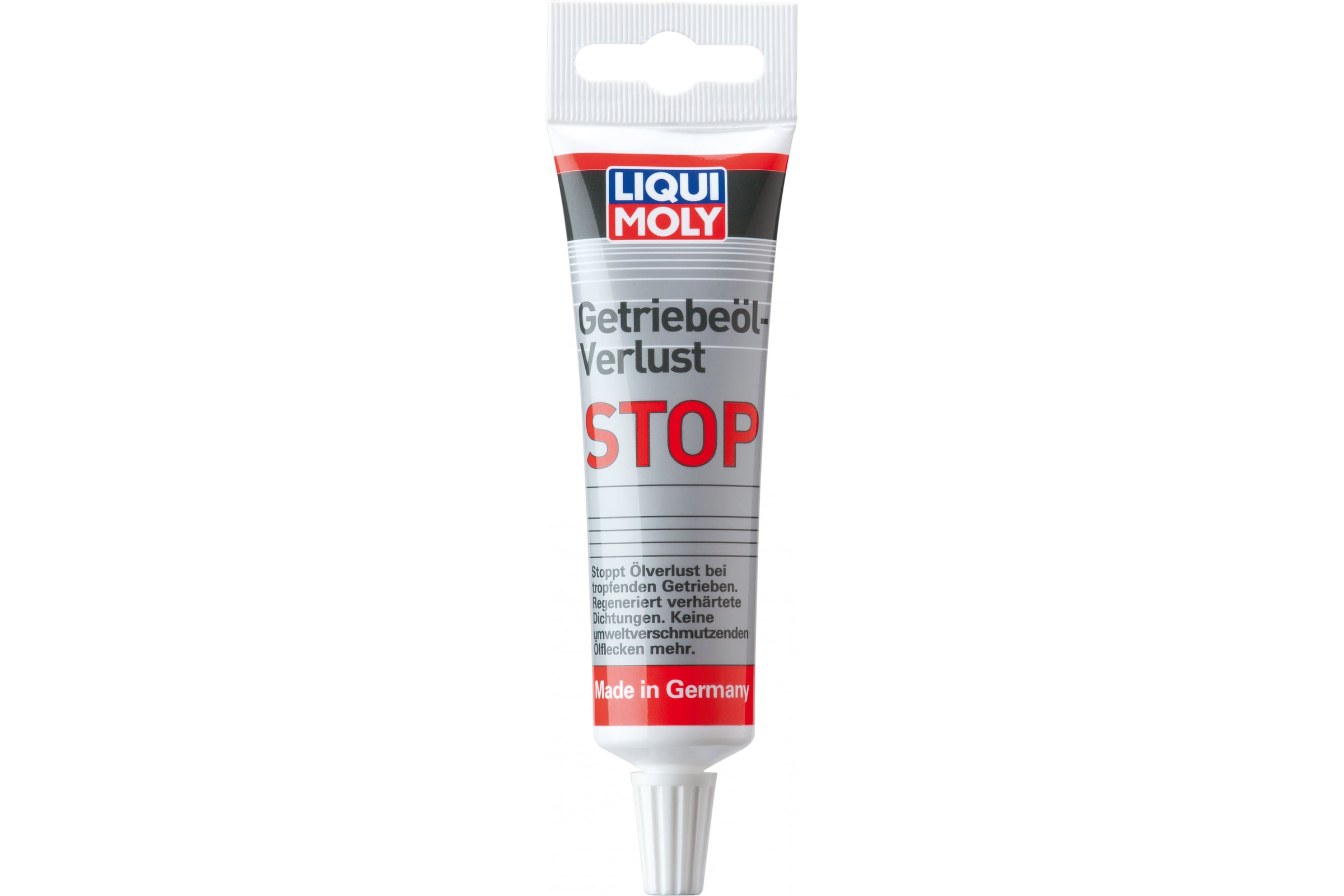
Automotive professionals and DIY enthusiasts relying on Liqui Moly Leak Stop for high-stakes repairs now face a critical decision: how to access its full product archive. Beyond standard product sheets, these archives contain decades of technical refinements, safety certifications, and compatibility data—resources indispensable for fleet managers, racing teams, or mechanics troubleshooting legacy engines. Without them, even minor repairs risk costly mistakes, from incompatible sealants to voided warranties.
The challenge lies in distinguishing legitimate archives from counterfeit or outdated versions flooding unofficial channels. A single misstep—such as downloading an expired MSDS sheet or a reformulated product variant—could disrupt supply chains or compromise engine integrity. This guide dissects the anatomy of a full archive, from its legal safeguards to the hidden red flags in third-party downloads, while mapping verified sourcing pathways for global audiences. Whether you’re a distributor negotiating bulk access or a hobbyist restoring a classic, mastering these archives ensures precision where it matters most: under the hood.
Comprehensive Analysis of Liqui Moly Leak Stop and the Strategic Value of Full Archive Downloads

Liqui Moly Leak Stop has established itself as a cornerstone in automotive leak repair solutions, trusted by mechanics, racing teams, and DIY enthusiasts for its reliability in sealing oil, coolant, and fuel leaks across diverse engine architectures. Unlike generic sealants, Liqui Moly’s formulations leverage advanced polymer technology to provide temporary-to-semi-permanent fixes, compatible with gasoline, diesel, and turbocharged engines—including high-performance applications where traditional gaskets fail under thermal or mechanical stress. The demand for full archive downloads of Liqui Moly product documentation stems from operational, compliance, and historical needs, particularly in industries where version control, safety certifications, and supply chain continuity are critical. This analysis explores the technical and practical dimensions of Leak Stop’s chemical efficacy, the advantages of archival access, and how structured product catalogs mitigate risks in procurement and application.
Chemical Composition and Engine Compatibility of Liqui Moly Leak Stop

Liqui Moly Leak Stop is formulated as a synthetic polymer-based sealant, combining elastomers, binders, and corrosion inhibitors to create a flexible yet durable barrier against fluid leaks. The primary active ingredients include: - Polyurethane elastomers (for flexibility under thermal expansion/contraction cycles). - Modified silicones (to resist degradation in high-temperature zones, e.g., exhaust manifolds or turbocharger housings). - Alcohol-free solvents (to prevent damage to painted surfaces or rubber components). - Anti-corrosion additives (e.g., zinc or molybdenum disulfide) to protect metal interfaces from oxidation.
The product’s viscosity range (typically 500–1,200 cSt) ensures it adheres to both porous and smooth surfaces, from cast-iron blocks to aluminum heads. Liqui Moly offers variants tailored to specific engine types: - Universal Leak Stop (e.g., 7710): Suitable for gasoline and diesel engines, including direct-injection systems where fuel compatibility is critical. - High-Temperature Leak Stop (e.g., 7700): Designed for turbocharged or supercharged applications, with a drying time of 15–30 minutes and a temperature resistance up to 300°C (572°F). - Coolant Leak Stop (e.g., 7701): Engineered for water-cooled systems, with glycol resistance and compatibility with ethylene or propylene glycol-based coolants.
Compatibility testing by Liqui Moly confirms performance across OEM-approved materials, including: - Metals: Cast iron, aluminum, steel, and magnesium alloys. - Plastics: Polyamide (PA), polycarbonate (PC), and EPDM rubber (common in modern coolant hoses). - Elastomers: Nitrile (NBR) and silicone seals, though pre-cleaning with isopropyl alcohol is recommended to ensure adhesion.
Table of Contents
- Comprehensive Analysis of Liqui Moly Leak Stop and the Strategic Value of Full Archive Downloads
- Chemical Composition and Engine Compatibility of Liqui Moly Leak Stop
- Use Cases Driving Demand for Full Archive Downloads
- Comparison of Single Product Downloads vs. Full Archive Downloads
- Technical Comparison: Liqui Moly Leak Stop vs. Alternative Sealants
- Where to Source Full Archive Downloads for Liqui Moly Leak Stop
- Official Channels for Full Archive Downloads
- Comparison of Official vs. Third-Party Archive Sources
- Red Flags When Sourcing Archives from Unofficial Vendors
- Role of Distributors and Wholesalers in Archive Provision
Use Cases Driving Demand for Full Archive Downloads
Full archive downloads of Liqui Moly Leak Stop documentation serve distinct purposes beyond individual product sheets, addressing gaps in scalability, compliance, and historical tracking. Key scenarios include:
1. Bulk Procurement and Inventory Management Automotive distributors and fleet operators require archival access to: - Batch-specific formulations (e.g., pre-2015 vs. post-2020 reformulations) to avoid compatibility issues during bulk orders. - Shelf-life data and storage recommendations (e.g., Liqui Moly Leak Stop has a 36-month shelf life when stored below 25°C/77°F). - Cross-referencing with OEM part numbers for warranty claims or recall notices (e.g., matching Leak Stop variants to specific vehicle models like BMW N54 turbocharged engines).
2. Professional Repair Workflows Garages and service centers use archives to: - Align repair procedures with Liqui Moly’s step-by-step application guides, which include surface preparation (degreasing with Liqui Moly Engine Cleaner 2030) and curing times. - Access troubleshooting matrices for failed seals (e.g., leaks persisting after application may indicate surface contamination or incompatible materials). - Train technicians via embedded multimedia (e.g., video tutorials for high-pressure diesel injectors).
3. Historical and Compliance Documentation Archives preserve critical records for: - Regulatory audits (e.g., EPA or ISO 9001 compliance proving use of certified sealants in vehicle modifications). - Warranty validation (e.g., proving a Leak Stop variant was used in a pre-purchase inspection for a classic car). - R&D reference (e.g., comparing older formulations to identify improvements in adhesion strength or chemical resistance).
Comparison of Single Product Downloads vs. Full Archive Downloads
While single product downloads provide basic specifications, full archives offer system-level advantages in precision and risk mitigation. Below is a comparative analysis:
| Feature | Single Product Download | Full Archive Download |
|---|---|---|
| Coverage Scope | One variant (e.g., 7710 Universal Leak Stop) | All variants + historical versions (e.g., 2010–2023) |
| Technical Depth | Basic specs (viscosity, drying time, temp resistance) | MSDS, formulation breakdowns, lab test reports |
| Application Guidance | General instructions | Engine-specific workflows (e.g., VW TDI vs. Toyota Hybrid) |
| Troubleshooting | Limited to common issues | Root-cause analysis for rare failures (e.g., leaks in electric vehicle coolant loops) |
| Compliance Docs | None | ISO 9001, EPA, REACH certifications, and OEM approvals |
| Multimedia Support | None | Videos, CAD diagrams, and 3D surface prep simulations |
| Update Frequency | Static | Auto-updated with reformulations or recalls |
| Use Case Fit | DIY users or one-time repairs | Fleets, distributors, or high-stakes repair shops |
Key Benefit of Full Archives: Access to version-controlled data ensures consistency in multi-location operations. For example, a European auto parts chain using Liqui Moly Leak Stop across 500+ service centers can cross-reference localized compliance notes (e.g., EU REACH restrictions on certain additives) with global inventory records.
Technical Comparison: Liqui Moly Leak Stop vs. Alternative Sealants
Not all leak sealants are created equal. Below is a responsive comparison table highlighting how Liqui Moly Leak Stop outperforms competitors in critical automotive applications:
| Attribute | Liqui Moly Leak Stop (7710/7700) | Permatex Ultra | CRC Leak Stop | ABRO Leak Stop | |||||||||||||||||||||||||||
|---|---|---|---|---|---|---|---|---|---|---|---|---|---|---|---|---|---|---|---|---|---|---|---|---|---|---|---|---|---|---|---|
| Viscosity (cSt) | 500–1,200 (adjustable with thinner) | 800–1,500 (fixed) | 600–1,000 (fixed) | 700–1,300 (fixed) | |||||||||||||||||||||||||||
| Drying Time | 15–30 mins (high-temp variant) | 20–40 mins | 30–60 mins | 25–50 mins | |||||||||||||||||||||||||||
| Temperature Resistance | Up to 300°C (572°F) | Up to 260°C (500°F) | Up to 200°C (392°F) | Up to 280°C (536°F) | |||||||||||||||||||||||||||
| Fuel/Oil Compatibility | Gasoline, diesel, synthetic oils, ethanol blends | Gasoline, diesel (limited ethanol compatibility) | Gasoline, diesel (avoid turbo
Where to Source Full Archive Downloads for Liqui Moly Leak StopObtaining a comprehensive full archive of Liqui Moly Leak Stop requires a strategic approach, balancing authenticity, reliability, and accessibility. The product’s historical data—including formulation changes, batch-specific performance metrics, and application guidelines—is critical for industries like motorsports, fleet management, and automotive restoration. However, sourcing these archives demands careful evaluation of official channels, third-party platforms, and regional distributors. Each option presents distinct advantages and risks, from legal compliance to data accuracy. Below is a structured breakdown of verified sourcing methods, comparative analyses, and procedural guidelines to ensure stakeholders access the most relevant and legally compliant archives.Official Channels for Full Archive DownloadsLiqui Moly provides full product archives primarily through its official website, authorized dealers, and industry-specific trade events. These channels guarantee authenticity, adherence to regulatory standards, and direct support from the manufacturer. The official Liqui Moly website (liquimoly.com) offers digital archives for registered users, particularly businesses with verified purchase histories. Authorized dealers, such as those in the EU or North America, often curate localized archives tailored to regional specifications (e.g., metric vs. imperial units). Trade shows like the SEMA Show (Las Vegas) or IAA Mobility (Munich) occasionally feature exclusive archive distributions, especially for OEM partners or high-volume buyers. For bulk clients—such as racing teams or commercial fleets—Liqui Moly’s distributor network acts as a direct pipeline. These distributors often pre-compile archives spanning decades, including discontinued formulations or special editions (e.g., Leak Stop Ultra for high-performance engines). The process typically involves submitting a formal request with documentation, such as a business license or proof of prior purchases, to access restricted archives.Comparison of Official vs. Third-Party Archive SourcesThird-party platforms like eBay, AliExpress, or specialized automotive forums (e.g., Speedhunters, Nasio Oel) offer full archives at lower costs but introduce risks related to reliability and legality. Below is a comparative analysis of sourcing options:
Red Flags When Sourcing Archives from Unofficial VendorsArchives obtained from unauthorized sellers often lack verification, exposing users to legal and technical risks. Below is a checklist of warning signs to avoid:
Role of Distributors and Wholesalers in Archive ProvisionDistributors and wholesalers serve as intermediaries for bulk clients, offering curated archives with added value. These entities often specialize in niche markets, such as:Securing a full Liqui Moly Leak Stop archive isn’t just about downloading files—it’s about future-proofing repairs with verified, up-to-date specifications that align with modern and vintage engines alike. By leveraging official channels, cross-referencing technical documentation, and anticipating regional variations in product formulations, users can mitigate risks and optimize performance. The archives hold more than data; they embody a legacy of reliability tested in garages, racetracks, and industrial fleets worldwide. For those who treat leaks as more than a nuisance but a solvable challenge, the right archive is the first tool in the toolbox. |
Leave a Comment
Comments are moderated before appearing. The data you submit is processed according to the Privacy Policy of Inhonorofdesign.