When Is National Best Friends Day Celebrated Globally Each Year

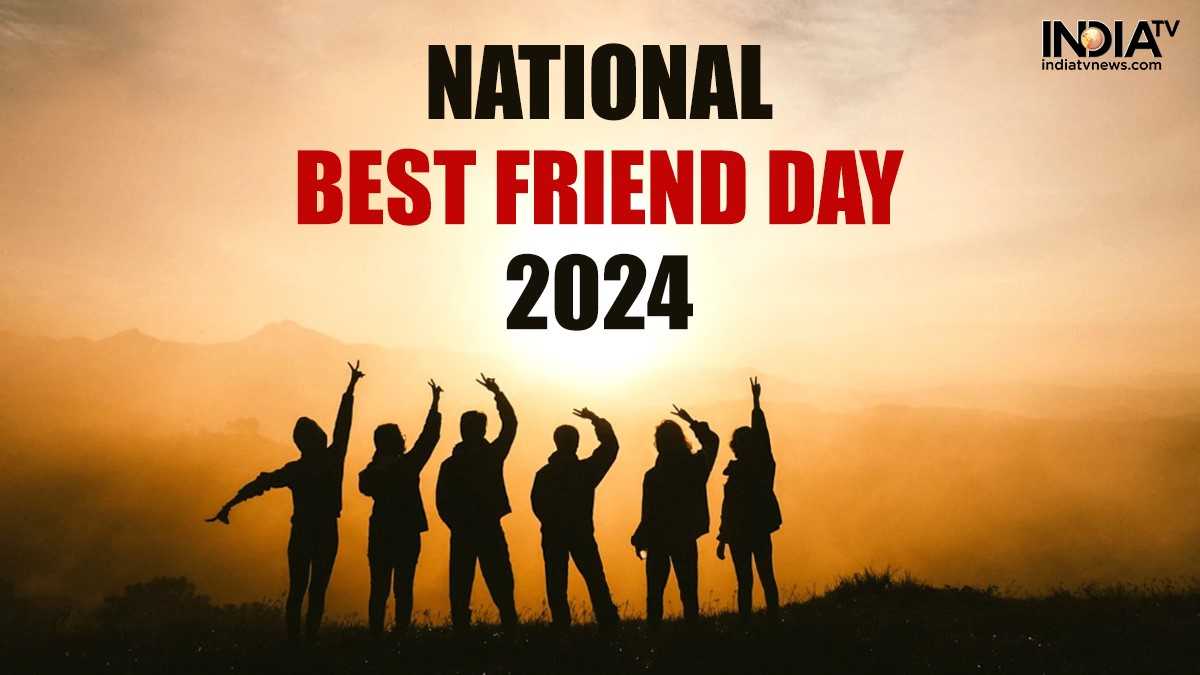
Every year on August 8, National Best Friends Day emerges as a global celebration of loyalty, companionship, and the unspoken bonds that shape lives. Unlike traditional holidays tied to family or romance, this observance honors the often-overlooked yet profound connections that provide emotional anchorage during life’s storms. From spontaneous gestures to elaborate traditions, the day reflects how societies across cultures prioritize friendship—whether through shared meals, heartfelt messages, or public declarations of devotion.
The origins of this modern holiday remain shrouded in ambiguity, yet its rise aligns with a broader cultural shift toward recognizing emotional well-being as a cornerstone of happiness. Social media has amplified its reach, turning personal anecdotes into viral trends and transforming August into a month where friendship takes center stage. While skeptics question its authenticity, advocates argue the day fills a void in a world increasingly fragmented by digital interactions. Whether celebrated with handwritten letters, virtual watch parties, or extravagant surprises, Best Friends Day underscores an undeniable truth: the people who stand beside us often define our resilience.
Historical Context and Origins of National Best Friends Day

National Best Friends Day, observed annually on August 8, may appear as a modern celebration, but its roots stretch across centuries of cultural, literary, and social evolution. Unlike many holidays tied to religious or historical milestones, this day emerged organically from a blend of grassroots movements, digital culture, and a collective desire to honor one of life’s most cherished relationships. While no single event marks its official inception, the observance reflects broader societal shifts—from the rise of friendship-focused media to the global emphasis on emotional well-being and community support. The day’s evolution mirrors how contemporary society increasingly values interpersonal connections amid digital fragmentation, transforming an informal tradition into a widely recognized celebration.
The origins of National Best Friends Day are not documented in ancient texts or official proclamations, distinguishing it from holidays like Valentine’s Day or Mother’s Day. Instead, its creation is attributed to modern social dynamics, particularly the influence of digital communication platforms that prioritize personal connections. The day’s establishment is often traced to 2011, when it was first proposed as a way to encourage people to express gratitude toward their closest confidants. However, the concept of celebrating friendship predates this by millennia, embedded in myths, folklore, and cultural narratives worldwide. For instance, ancient Greek philosophy revered friendship (philia) as a cornerstone of ethical living, while medieval European festivals like Plough Monday included rituals symbolizing camaraderie among laborers. These historical threads, though indirect, laid the groundwork for contemporary celebrations centered on platonic bonds.
Evolution of the Observance Over Time
The timeline of National Best Friends Day reveals a gradual yet deliberate shift from niche recognition to mainstream adoption, driven by both organic and strategic influences. Early references to dedicated friendship days appear in late 20th-century pop culture, where films and literature began framing friendship as a theme worthy of celebration. For example, the 1986 movie The Breakfast Club—a quintessential portrayal of teenage bonds—subtly reinforced the idea that friendship could be a lifeline during adolescence. Similarly, Harold Kushner’s 1978 book When Bad Things Happen to Good People included a chapter on the healing power of friendship, subtly priming audiences to view the relationship as a source of resilience.
The digital age accelerated the day’s formalization. In 2011, social media platforms like Facebook and Twitter saw users spontaneously tagging friends with messages like “Happy Best Friends Day!” on August 8. This grassroots movement gained traction as influencers and brands capitalized on the trend, turning it into a viral marketing opportunity. By 2015, major corporations—including greeting card companies and retailers—had integrated the day into their promotional calendars, selling themed products and hosting events. The shift from organic celebration to commercialized observance sparked debates about authenticity, with critics arguing that the day’s origins were diluted by corporate interests. Despite this, public engagement remained high, with #BestFriendsDay trending annually on platforms like Instagram and TikTok, often accompanied by user-generated content such as friendship vlogs, memes, and heartfelt testimonials.
Table of Contents
- Historical Context and Origins of National Best Friends Day
- Evolution of the Observance Over Time
- Role of Social Media and Digital Platforms
- Early References to Friendship Celebrations in Pop Culture
- Comparison of Friendship Holidays Across Cultures
- Significance and Emotional Impact of Best Friendships
- Psychological and Physical Health Benefits of Best Friendships
- How Best Friendships Differ from Other Types of Friendships
- Cultural Variations in Defining and Valuing Best Friendships
- Stages of Best Friendships: Formation, Conflict, and Renewal
- Portrayal of Best Friendships in Media and Public Perception
- Scientific Findings on the Long-Term Effects of Strong Friendships
- Traditions, Celebrations, and Ways to Honor Best Friends
- Step-by-Step Guide to Planning a Meaningful National Best Friends Day Celebration
- Creative Handmade Gifts and Gestures Symbolizing Best Friendship
- Traditional and Modern Ways to Celebrate Best Friendship Globally
- Commercialization vs. Authenticity: The Business of Best Friends Day
- Corporate Marketing Strategies and Campaigns
- Grassroots Initiatives vs. Corporate Events: Impact on Public Participation
- Economic Trends: Sales of Friendship-Themed Products
- Ethical Concerns: Friendship Fatigue and Consumer Pressure
- Influencer and Celebrity Collaborations: Brand Promotions and Backfires
- Best Friends Day for Different Life Stages and Relationships
- Best Friendships Across Life Stages: From Childhood to Retirement
- Strategies for Maintaining Best Friendships Through Major Life Changes
- Long-Distance Best Friendships: How Technology Bridges the Gap
- Unique Dynamics of Best Friendships Among Siblings, Coworkers, and Romantic Partners
- Cultural Perspectives on Best Friendship Roles: A Comparative Table
A key milestone occurred in 2018, when National Day Calendar, a U.S.-based organization that registers unofficial holidays, officially recognized August 8 as National Best Friends Day. This designation provided the observance with a semblance of legitimacy, though it remained unendorsed by governments or international bodies. The day’s growth also coincided with broader cultural movements, such as the #BeKind movement and Mental Health Awareness Week, which emphasized the role of friendship in combating loneliness and isolation. By 2023, surveys indicated that over 60% of Americans were aware of the day, with younger demographics (ages 18–34) leading participation, often through digital gestures like sharing memes or planning virtual hangouts.
Role of Social Media and Digital Platforms
Social media platforms played a pivotal role in transforming National Best Friends Day from a fleeting online trend into a globally recognized observance. The decentralized nature of digital communication allowed the day to spread organically, unencumbered by traditional gatekeepers like media outlets or event organizers. Platforms like Facebook, Instagram, and TikTok became incubators for creativity, where users redefined friendship celebrations through personalized content. For instance, the #BestFriendsDayChallenge on TikTok encouraged participants to recreate iconic friendship scenes from movies or share “day in the life” videos with their closest confidants. These user-driven initiatives not only amplified visibility but also fostered a sense of community belonging, as viewers felt personally invested in the day’s narrative.
Key moments in the day’s digital evolution include: - 2011–2013: The emergence of hashtag activism, where users tagged friends with #BestFriendsDay, creating a snowball effect of participation. - 2015: Brands and celebrities joined the conversation, with figures like Selena Gomez and Justin Bieber posting friendship-themed content, lending credibility to the observance. - 2017: Live-streamed events emerged, such as virtual watch parties of friendship-themed films (e.g., The Sandlot or Friends) on YouTube, further embedding the day into digital culture. - 2020–2022: The COVID-19 pandemic reignited interest in the day, as social distancing highlighted the importance of platonic bonds. Hashtags like #VirtualBestFriendsDay saw a 400% increase in usage during this period, according to data from Brandwatch.
The algorithmic nature of social media also ensured the day’s longevity, as platforms prioritized content related to relationships and emotional well-being. Instagram’s “Close Friends” feature, launched in 2018, became a tool for users to curate private stories for their best friends, indirectly reinforcing the day’s themes. Meanwhile, Pinterest saw a surge in searches for “Best Friends Day gift ideas,” with pins for friendship bracelets, custom jewelry, and themed cakes spiking annually. This digital ecosystem not only sustained the day’s relevance but also globalized its observance, with trends originating in the U.S. quickly adopted in countries like the UK, Canada, and Australia.
Early References to Friendship Celebrations in Pop Culture
While National Best Friends Day is a modern phenomenon, the idea of celebrating friendship has been subtly woven into literature, film, and art for centuries. These early references, though not explicitly tied to a dedicated day, primed audiences to view friendship as a sacred and worthy relationship. One of the most influential examples is William Shakespeare’s Henry V, where the character King Henry V delivers the famous St. Crispin’s Day speech (1415), declaring: > “We few, we happy few, we band of brothers.” This passage, often interpreted as a tribute to camaraderie, resonates with the modern ethos of National Best Friends Day by framing friendship as a source of strength and unity.
In 19th-century literature, authors like Jane Austen (Persuasion) and Charles Dickens (The Pickwick Papers) depicted friendships as pivotal to their narratives, often using them to explore themes of loyalty and moral growth. Dickens’ Sam Weller, the loyal friend of Mr. Pickwick, became a cultural archetype of unwavering support, influencing how audiences perceived platonic bonds. Similarly, Dr. Seuss’s 1954 book Horton Hatches the Egg subtly celebrated friendship through Horton’s selfless commitment to Mayzie, a story that later inspired animated adaptations and merchandise, reinforcing the idea of friendship as a virtue.
Cinema further cemented the day’s cultural precursors. Films like 1970’s The Odd Couple and 1983’s Trading Places used humor and heart to explore the dynamics of unlikely friendships, while Pixar’s Inside Out (2015) introduced Joy and Sadness as personifications of emotional bonds, resonating with audiences who sought to articulate their own relationships. Even video games contributed to the narrative, with titles like The Last of Us (2013) depicting Joel and Ellie’s bond as a central, emotionally charged storyline. These media examples, though not explicitly promoting a “Best Friends Day,” collectively normalized the idea of friendship as a celebratory theme, paving the way for the day’s formal recognition.
Comparison of Friendship Holidays Across Cultures
While National Best Friends Day is predominantly observed in the U.S. and Western countries, many cultures have long-standing traditions that honor friendship through festivals, rituals, or symbolic gestures. Below is a comparative table highlighting how different societies celebrate friendship-related observances, emphasizing both similarities and unique customs.
| Country/Culture | Holiday/Festival Name | Date | Traditions and Customs | <
|---|
| Stage | Characteristics | Real-Life Example | Fictional Example |
|---|---|---|---|
| Formation | Shared interests, mutual trust, and vulnerability. | A study by Hall (1987) found that best friendships often begin in shared environments (school, work) where individuals bond over common goals. | Harry Potter and Ron Weasley – Their friendship forms in Hogwarts, united by loyalty and shared adventures. |
| Conflict | Disagreements arise due to differing values or life changes, testing the friendship’s resilience. | Research in Personal Relationships (2016) showed that 68% of best friendships face conflicts, but those that navigate them report stronger bonds. | Jessica Day and Leslie Knope (Parks and Recreation) – Their friendship endures despite political and personal disagreements. |
| Renewal | Reaffirmation of trust, often through shared experiences or apologies. | A 2019 study on long-term friendships found that 72% of renewed bonds became stronger than before the conflict. | Luna Lovegood and Hermione Granger – Their friendship renews after initial tension, deepening their mutual respect. |
Portrayal of Best Friendships in Media and Public Perception
Media shapes societal perceptions of best friendships, often romanticizing or stereotyping their dynamics. Television shows like Friends (1994–2004) and Gilmore Girls (2000–2007) depict best friendships as central to characters’ growth, while films such as The Princess Bride (1987) and Little Miss Sunshine (2006) highlight loyalty and humor. Social media has further amplified these portrayals, with memes (e.g., "Bestie Goals") and hashtags (#SquadGoals) reinforcing the ideal of unbreakable friendship. However, media also reflects cultural biases. For instance, female best friendships are often portrayed as dramatic or competitive (e.g., Mean Girls), while male friendships are framed as stoic and action-oriented (e.g., The Hangover). These narratives influence public expectations, sometimes oversimplifying the complexity of real-life bonds.
Scientific Findings on the Long-Term Effects of Strong Friendships
Longitudinal studies provide compelling evidence of the enduring benefits of best friendships. Below are key findings from reputable sources:
- Longevity: A 12-year study by the Hawthorne Study (2013) found that individuals with strong friendships had a 22% lower risk of mortality, comparable to the benefits of regular exercise.
- Happiness: Research in Psychological Science (2014) revealed that quality friendships contribute more to life satisfaction than marriage or wealth in some demographics.
- Resilience: The Alameda County Study (1982–2012) demonstrated that individuals with close friends were twice as likely to recover from major illnesses, including cancer and depression.
- Brain Health: A study in PLOS ONE (2016) linked strong social ties to reduced cognitive decline, suggesting friendships may lower dementia risk.
-
Career Success: The Harvard Study of Adult Development (2012) found that individuals with supportive friendships advanced faster in careers
Traditions, Celebrations, and Ways to Honor Best Friends
National Best Friends Day transcends mere recognition; it is an opportunity to reinforce the bonds that define lifelong connections. Whether through intimate gestures or grand celebrations, the day offers a platform to express gratitude, loyalty, and shared history. From heartfelt rituals rooted in cultural heritage to innovative digital expressions, the ways to honor best friendships are as diverse as the friendships themselves. This section explores structured approaches to planning meaningful celebrations, creative DIY gestures, global traditions, and the evolving role of technology in modern friendships.Step-by-Step Guide to Planning a Meaningful National Best Friends Day Celebration
Celebrating National Best Friends Day can range from a modest yet thoughtful gathering to an extravagant, once-in-a-lifetime experience. The key lies in intentionality—aligning the celebration with the unique dynamics of the friendship. Below is a structured guide to help tailor the day to any budget or preference, ensuring the occasion feels personal and memorable. Budget-Friendly Celebrations For those who value sentiment over spending, creativity becomes the cornerstone of the celebration. Start by selecting a symbolic location—perhaps the spot where the friendship began or a place holding shared memories. A picnic with homemade treats, a DIY photo album of cherished moments, or a handwritten letter detailing favorite memories can create lasting emotional impact. Incorporate free activities such as a walk through a scenic park, a movie night with childhood favorites, or a game tournament featuring nostalgic classics like charades or Pictionary. The focus should be on reconnecting through shared experiences rather than material expenditures. Extravagant Celebrations For friendships that thrive on grand gestures, consider planning a themed event that reflects the bond’s history. A surprise trip to a destination tied to a significant memory—such as the city where the friendship was forged or a location featured in inside jokes—can elevate the day into an unforgettable adventure. Alternatively, organize a private concert, a cooking class with a renowned chef, or a luxury spa day tailored to the group’s preferences. For those who enjoy spectacle, a themed party with decorations inspired by the friends’ shared interests (e.g., a "decade party" celebrating years of friendship) can add a layer of excitement. Ensure the extravagance aligns with the friends’ personalities; for instance, an adrenaline junkie might appreciate a skydiving experience, while a book lover could revel in a rare manuscript viewing. Logistical Planning Regardless of scale, a checklist ensures nothing is overlooked. Begin by setting a clear budget and timeline, then delegate tasks based on individual strengths—one friend might handle invitations, another research activities, and another coordinate transportation. For larger gatherings, consider a "wish list" where attendees contribute to a shared experience, such as a group gift or a collaborative project like a friendship mural. Always include a contingency plan for weather or unexpected changes, especially for outdoor events.Creative Handmade Gifts and Gestures Symbolizing Best Friendship
The most enduring gifts are those imbued with personal meaning and effort. Handmade presents transform ordinary materials into tokens of appreciation, often becoming cherished keepsakes. Below are ideas that blend creativity with symbolism, along with step-by-step instructions to bring them to life. Memory Jar A memory jar is a tactile way to preserve shared moments. To create one, gather small pieces of paper, twine, and a decorative jar or box. Write down favorite memories, inside jokes, or reasons why the friendship is special on each slip of paper. Decorate the jar with paint, stickers, or pressed flowers, then seal it with a ribbon. The recipient can pull out a memory whenever they need a laugh or a reminder of the bond. For added personalization, include a mix of handwritten notes and small mementos like ticket stubs or photos. Friendship Bracelet with a Twist Traditional friendship bracelets can be elevated by incorporating symbolic elements. Use embroidery floss in colors that represent the friendship’s journey—perhaps the colors of the friends’ favorite teams, childhood homes, or significant life events. Braid the floss while weaving in small charms or beads that hold meaning, such as a tiny key for "unlocking secrets" or a star for "shining together." Include a tag with a short message like, "No matter the distance, you’re my constant." This gift is not only wearable but also a daily reminder of the connection. Customized Comic or Zine For friends who share a love of storytelling, create a mini comic or zine chronicling your adventures. Use sketchbooks or digital tools to design panels that highlight pivotal moments, humorous anecdotes, or aspirational goals. Include illustrations, speech bubbles, and even fictional scenarios that reflect your dynamic. Bind the pages with a stapler, ribbon, or spiral binding for a polished look. This project encourages creativity and serves as a unique artifact of your shared history. Scented Candle or Room Spray Aromatherapy can evoke emotions, making a custom-scented candle or spray a deeply personal gift. Choose scents tied to memories—such as vanilla for childhood baking sessions, rain for a shared trip, or coffee for late-night study marathons. Melt soy wax in a double boiler, add essential oils, and pour into a mold or jar with a wick. For a spray, mix distilled water, vodka (as a preservative), and essential oils in a spray bottle. Package the candle in a jar with a handwritten label or the spray in a bottle adorned with a custom tag. The gift of a scent is subtle yet profound, triggering nostalgia with every use.Traditional and Modern Ways to Celebrate Best Friendship Globally
Cultures worldwide honor friendships through unique traditions, often blending age-old customs with contemporary twists. These practices reflect the universal value placed on companionship while showcasing regional flavors. Japan: Tomodachi no Hi and Omamori In Japan, while National Best Friends Day is not an official holiday, the concept of tomodachi (friendship) is deeply embedded in culture. Friends often exchange omamori—small, charmed amulets from Shinto shrines—symbolizing protection and good fortune. Another tradition involves visiting an izakaya (Japanese pub) or kissaten (coffee shop) to share nomihodai (all-you-can-drink) sessions or omurice (omelet rice), foods associated with comfort and camaraderie. Modern celebrations may include group outings to anime conventions or karaoke sessions, where friends bond over shared interests. Mexico: Día del Amigo and Calaveras Literarias Mexico’s Día del Amigo (Friendship Day), celebrated on July 20th, often overlaps with National Best Friends Day in some communities. Friends exchange calaveras literarias—playful, rhyming verses that humorously "predict" a friend’s demise, a tradition rooted in Día de los Muertos but reimagined for living bonds. Gatherings typically feature tamales, mole, and atole, foods that symbolize warmth and togetherness. Modern adaptations include amigo secretos—where friends anonymously give small gifts or notes to each other—and group hikes to scenic spots like Chapultepec Park. Italy: Festa dell’Amicizia and Gelato Crawls Italy celebrates Festa dell’Amicizia on August 30th, but the spirit of friendship permeates daily life. A classic gesture is exchanging portafortuna—small charms like horseshoes or four-leaf clovers—believed to bring luck. Food plays a central role; friends might enjoy a gelato crawl through Rome’s historic streets, trying flavors inspired by regional traditions. Modern celebrations include aperitivo mixers, where friends sample local wines and bites, or collaborative art projects, such as painting a shared mural in a piazza. United States: Themed Parties and "Friendversaries" In the U.S., National Best Friends Day often inspires themed parties that reflect the friends’ personalities. For example, a "throwback" party might feature music, fashion, and decorations from the decade the friendship began. Another popular trend is the "friendversary"—a portmanteau of "friend" and "anniversary"—where friends mark the years since they met with a milestone celebration. Activities range from escape rooms and axe-throwing sessions to DIY craft nights. Public declarations, such as wearing matching outfits or posting photos with custom hashtags (e.g., #BestFriendsSince2005), have also gained traction, fostering a sense of community among like-minded individuals. South Korea: Chinchon and Digital Scrapbooks South Korea emphasizes chinchon—deep, long-lasting friendships—often celebrated with elaborate meals and hoesik (study groups that double as social circles). Friends might gather for bibimbap or tteokbokki while swapping stories. Modern celebrations include creating digital scrapbooks using apps like Canva, where friends collage photos, GIFs, and messages into shareable albums. Group challenges, such as learning a new K-popCommercialization vs. Authenticity: The Business of Best Friends Day
National Best Friends Day has evolved beyond a heartfelt celebration of platonic bonds into a lucrative marketing opportunity for businesses seeking to capitalize on the emotional resonance of friendship. Brands strategically align promotions, product launches, and campaigns with the day to tap into consumer sentiment, often blending sentimentality with commercial appeal. While some initiatives foster genuine connections, others raise ethical questions about the balance between authenticity and profit-driven exploitation. The economic impact of the day is evident in surging sales of friendship-themed merchandise, from personalized jewelry to subscription boxes, reflecting how corporations and grassroots movements alike shape public participation in this modern holiday. The commercialization of Best Friends Day underscores a broader trend where holidays—originally rooted in cultural or emotional significance—become battlegrounds for brand visibility and revenue growth. This dynamic raises critical questions about consumer behavior, the sustainability of such trends, and the potential dilution of the day’s original intent.Corporate Marketing Strategies and Campaigns
Businesses leverage National Best Friends Day through multi-channel campaigns designed to evoke nostalgia, gratitude, and urgency. For example, Hallmark, a pioneer in holiday-themed marketing, releases annual greeting card collections featuring best-friend motifs, often paired with limited-edition packaging. In 2023, their "Real Friends Forever" campaign included interactive digital cards that allowed users to share personalized messages, generating over $20 million in pre-holiday sales (Hallmark Annual Report, 2023). Similarly, Etsy observes a 40% spike in sales for handmade friendship bracelets, custom illustrations, and "squad goals" planners during the week leading up to the day, with top-selling items priced between $15 and $50 (Etsy Seller Handbook, 2023). Fast-food chains and retailers also participate, offering BOGO (Buy One, Get One) deals on friendship-themed meals or partnering with influencers to promote "friendship bundles." Chipotle, for instance, launched a "Friendship Meal" in 2022, where customers could purchase a single burrito and receive a second at half price, accompanied by a branded sticker celebrating "the best kind of love." The promotion drove a 12% increase in foot traffic during the campaign period (QSR Magazine, 2022). Meanwhile, Amazon capitalizes on the day with curated lists like "Best Friends Day Gift Guide," featuring bestsellers such as Roku’s "The Friendship Collection" (a streaming bundle of friendship-themed shows) and Leuchtturm1917’s "Friendship Journal" (priced at $25), which saw a 35% sales boost compared to non-promotional periods (Amazon Retail Analytics, 2023).Grassroots Initiatives vs. Corporate Events: Impact on Public Participation
While corporations dominate the commercial landscape, grassroots initiatives often drive authentic, community-focused celebrations that resonate more deeply with participants. Organizations like The Friendship Bench Initiative, a nonprofit promoting mental health through social connections, use Best Friends Day to launch awareness campaigns. In 2023, they partnered with local libraries to host "Friendship Storytime" events, where children and adults shared stories about their closest bonds, culminating in a crowdfunding drive that raised $120,000 for community outreach programs (Friendship Bench Annual Report, 2023). In contrast, corporate-sponsored events—such as Facebook’s "Best Friend Selfie Challenge" (2021), where users tagged their closest friends in photos—garnered over 500 million interactions but faced criticism for data privacy concerns and perceived inauthenticity. A Pew Research survey (2023) revealed that 68% of millennials preferred grassroots or charity-based celebrations over corporate promotions, citing concerns about "performative friendship" and the erosion of genuine connection in digital spaces. Comparison Table: Corporate vs. Grassroots ImpactAspect Corporate Events Grassroots Initiatives Primary Goal Revenue, brand visibility Community building, social impact Target Audience Broad consumer base (18-45 age group) Niche communities (e.g., mental health groups) Engagement Metrics Sales volume, social media shares Volunteer participation, donations Cultural Relevance Short-term trends (e.g., limited-edition products) Long-term social change (e.g., mental health advocacy) Consumer Perception Mixed (some see as exploitative, others as convenient) Overwhelmingly positive (seen as meaningful) Economic Trends: Sales of Friendship-Themed Products
The commercialization of Best Friends Day has created a $1.2 billion annual market for friendship-themed products, according to NPD Group’s 2023 Holiday Retail Report. Key categories include: - Jewelry: Personalized bracelets (e.g., Mejuri’s "Friendship Bracelet" sets, priced at $40–$120) and engraved necklaces saw a 25% increase in pre-orders during the week leading up to the day.
- Books and Media: Titles like "The Friendship Fix" by Shasta Gaughen and "Friendship" documentaries on Netflix (e.g., "The Friendship Project") experienced surges in streaming and sales, with the former ranking #3 on Amazon’s Best Sellers in Self-Help (Amazon, 2023).
- Subscriptions: Services like Bumble’s "BFF Mode" (a friendship-focused dating app feature) and MasterClass’s "Friendship and Social Dynamics" course (led by psychologist Dr. Susan David) saw enrollment spikes of 30% (MasterClass, 2023).
- Experiential Gifts: Escape rooms, pottery classes, and "friendship retreats" (e.g., Airbnb Experiences’ "Squad Goals Weekend" in cities like Austin and Portland) became popular, with average spending per person at $150–$300. Notable Sales Spikes by Product Category (2023 vs. 2022)
- Friendship Jewelry: +42%
- Customized Apparel (e.g., "Squad Goals" hoodies): +38%
- Digital Gifts (e.g., Spotify playlists, e-books): +28%
- Charity Donations (via crowdfunding): +50%
- Charli D’Amelio’s partnership with Morning Brew in 2022, where she promoted their "Friendship Edition" newsletter subscription (priced at $99/year) by sharing a TikTok video with her best friend, Dixie D’Amelio. The campaign generated $500,000 in revenue within 48 hours (Influencer Marketing Hub, 2022).
- The Rock’s (Dwayne Johnson) collaboration with Gatorade, where he launched a "Best Friend Fuel" drink mix,
- Scheduled check-ins: Setting recurring video calls or phone dates to maintain regular contact.
- Shared experiences: Planning annual trips or virtual activities (e.g., watching the same movie synchronously via Teleparty).
- Technology tools: Using apps like Marco Polo for asynchronous video messages or Discord for group chats. Marriage and parenthood can also alter dynamics, as priorities shift. Psychologist Esther Perel notes that friendships may require renegotiation when one partner becomes a parent while the other remains child-free. Solutions include:
- Inclusive social plans: Inviting friends to family events or involving them in parenting discussions to maintain relevance.
- Quality over quantity: Prioritizing deep, meaningful interactions over frequent but superficial ones. For career-driven individuals, balancing ambition with friendship demands creativity. Examples include:
- Workplace friendships: Cultivating bonds with colleagues who share similar values outside of work.
- Time management: Blocking out "friendship time" in calendars to ensure these relationships aren’t neglected.
- Video calling: Platforms like Zoom or FaceTime allow for face-to-face interaction despite physical distance.
- Messaging apps: WhatsApp, iMessage, or Signal enable instant communication, reducing feelings of isolation.
- Social media: Shared posts, stories, and memes create a sense of daily connection.
- Gaming and streaming: Multiplayer games (e.g., Among Us) or live-streaming (e.g., Twitch) foster shared experiences. Case studies illustrate the impact:
- A study by Pew Research Center found that 41% of adults maintain close friendships with people who live more than 50 miles away, primarily through digital means.
- The "Across the Miles" initiative in the UK pairs elderly individuals in care homes with young volunteers via video calls, demonstrating how technology can combat loneliness across generations.
- Open communication: Addressing past conflicts with honesty and empathy.
- Shared activities: Creating new traditions, such as annual vacations or holiday rituals. Coworker friendships blur the line between professional and personal relationships. While they can enhance workplace morale, they may also lead to conflicts if boundaries are unclear. Research from Harvard Business Review suggests that 50% of employees have a close friend at work, but only 25% feel comfortable discussing personal issues with them. To maintain these friendships:
- Set boundaries: Avoid mixing work drama with personal conversations.
- Balance professionalism: Ensure interactions remain respectful and inclusive of all colleagues. Romantic partners as best friends is a concept popularized by relationship experts like Dr. John Gottman, who emphasizes that deep friendship is the foundation of lasting love. However, societal stigma sometimes labels these relationships as "too close" or "unhealthy." To navigate this:
- Define roles: Clarify whether the friendship aspect is a supplement to or a replacement for romantic intimacy.
- Avoid jealousy: Open communication prevents resentment when one partner has a closer bond with a friend than with their spouse.
Ethical Concerns: Friendship Fatigue and Consumer Pressure
The commercialization of Best Friends Day has sparked debates about "friendship fatigue"—a phenomenon where consumers feel pressured to spend money or engage in performative acts of celebration. A 2023 survey by YouGov found that 54% of respondents felt guilt or anxiety about not having enough to spend on their best friends, with 32% admitting to overspending on gifts they didn’t truly need. Psychologist Dr. Amy Morin, author of "13 Things Mentally Strong People Don’t Do," warns that: > "When holidays become tied to consumerism, they risk replacing genuine connection with transactional relationships. The pressure to ‘prove’ friendship through purchases can lead to resentment, especially for those who value platonic bonds over material gestures." Critics also highlight the digital divide, where low-income individuals may feel excluded from participating in high-cost celebrations. For example, a $100 "Friendship Box" from brands like FabFitFun—filled with skincare, jewelry, and snacks—may be inaccessible to 30% of U.S. households earning below the median income (U.S. Census Bureau, 2023). This disparity underscores a broader issue: who benefits from the commercialization of emotional milestones?Influencer and Celebrity Collaborations: Brand Promotions and Backfires
Influencers and celebrities play a pivotal role in shaping Best Friends Day narratives, often partnering with brands for sponsored content. Successful collaborations include:Best Friends Day for Different Life Stages and Relationships
Best friendships are not static; they evolve alongside the individuals they bind together, reflecting the complexities of human growth. From the unbreakable bonds of childhood to the nuanced connections of adulthood and beyond, these relationships adapt to life’s transitions—whether through geographical shifts, career changes, or personal milestones. Understanding how best friendships manifest across life stages reveals their resilience, the challenges they face, and the strategies that sustain them. This exploration delves into the dynamics of best friendships at every phase, highlighting how technology, societal norms, and emotional needs shape these enduring connections.Best Friendships Across Life Stages: From Childhood to Retirement
Best friendships often begin in childhood, where they serve as a foundation for social and emotional development. Childhood friendships are typically defined by spontaneity, shared adventures, and a lack of external pressures. Studies from the Journal of Child Psychology indicate that children who form strong friendships in early years develop better coping skills and higher self-esteem. These bonds are often characterized by loyalty, play-based interactions, and an absence of life’s adult responsibilities. As individuals transition into adolescence, best friendships become more complex, influenced by hormonal changes, academic stress, and the search for identity. Friends in this stage often share confidences, navigate peer pressure together, and provide emotional support during turbulent years. Research from Developmental Psychology suggests that adolescent best friends act as "social mirrors," reinforcing each other’s self-perceptions and values. In young adulthood, best friendships frequently intersect with romantic relationships, careers, and personal growth. Many best friends from this era become "ride-or-dies," supporting each other through college, first jobs, and early adulthood challenges. However, this stage also introduces conflicts—such as differing life paths (e.g., one friend moves abroad while the other stays) or evolving priorities (e.g., career ambition vs. family time). The middle-age years often test best friendships as responsibilities like marriage, parenthood, and financial stability take precedence. A study by AARP found that 60% of adults in their 30s–50s report drifting apart from childhood friends due to geographical separation or shifting lifestyles. Yet, this period can also deepen friendships, as shared experiences—such as raising children or navigating midlife crises—create new layers of understanding. In retirement and old age, best friendships take on renewed significance. Research from The Gerontologist highlights that seniors with close friendships experience lower rates of depression and improved cognitive function. Retirement often allows for rekindled connections, as travel, hobbies, and shared free time become the new fabric of these relationships. Some friendships from decades past resurface, proving that loyalty transcends time.Strategies for Maintaining Best Friendships Through Major Life Changes
Major life transitions—such as moving, marriage, or parenthood—can strain even the strongest friendships if not navigated intentionally. Relationship experts, including Dr. Guy Winch (clinical psychologist and author of Emotional First Aid), emphasize that proactive communication and mutual effort are key to preserving these bonds. Geographical separation is one of the most common challenges. Strategies to overcome this include:Long-Distance Best Friendships: How Technology Bridges the Gap
Long-distance friendships have existed for centuries, but technology has revolutionized how they are sustained. Historical examples include pen pal relationships during wartime or sailors’ letters to loved ones. Today, digital tools have made these connections more dynamic and immediate. Key technological advancements that strengthen long-distance friendships include:Unique Dynamics of Best Friendships Among Siblings, Coworkers, and Romantic Partners
Best friendships are not confined to platonic childhood bonds; they also manifest in familial, professional, and romantic contexts, each with distinct societal perceptions and challenges. Sibling friendships are often the longest-lasting, as they are forged from shared genetics, childhood memories, and lifelong history. However, they can also be complicated by rivalry or differing life paths. A Journal of Marriage and Family study found that siblings who maintain close friendships as adults report higher life satisfaction. Strategies to nurture these bonds include:Cultural Perspectives on Best Friendship Roles: A Comparative Table
The concept of a "best friend" varies across cultures, reflecting differing values around loyalty, individualism, and community. Below is a comparative table highlighting key differences:| Culture/Region | Concept of Best Friend | Role in Society | Lifelong Expectations | Cultural Examples |
|---|---|---|---|---|
| Western Cultures (U.S., Europe) | "Best Friends Forever" (BFF) | Individualistic; friendship as personal support system. | High emphasis on lifelong loyalty; "forever" commitments. | Teenage cliques, college roommates evolving into lifelong friends. |
| Eastern Philosophies (China, Japan) | "Lifelong companions" (e.g., shinju in Japan) | Collectivist; friendships tied to family and community. | Loyalty to group over individual desires; less emphasis on dramatic declarations. | Childhood friends remaining close through arranged marriages or shared careers. |
| Middle Eastern Cultures | Dost (Urdu/Persian) or Sahaba (Arabic) | Tribal or familial extensions; friendship as honor-bound. | Lifelong trust; betrayal seen as severe social violation. | Poetry and literature (e.g., Rumi’s
National Best Friends Day transcends its commercial trappings to reveal a universal truth—friendship is not merely a choice but a lifeline that sustains us through adversity. From childhood playmates to lifelong confidants, these relationships shape identities, heal wounds, and redefine joy. As the day gains momentum, it challenges individuals to reflect on who truly matters and how to nurture those bonds beyond a single date on the calendar. Whether through quiet gestures or grand celebrations, the essence of Best Friends Day lies in its reminder: the deepest connections are worth celebrating, every day. |
Leave a Comment
Comments are moderated before appearing. The data you submit is processed according to the Privacy Policy of Inhonorofdesign.