What Time Does Mcdonald's Stop Serving Breakfast Worldwide Breakfast Cutoff Insi

McDonald’s breakfast menus have become a global phenomenon, offering convenience to millions of early risers and late-night diners alike. Yet, behind the golden arches lies a complex web of operational decisions that dictate when these morning staples vanish from counters—often before customers realize their hunger hasn’t. From Tokyo’s 24-hour breakfast culture to New York’s rush-hour rush, service cut-off times vary drastically, shaped by local demand, labor laws, and corporate strategies that balance profitability with customer satisfaction.
The question of what time does McDonald’s stop serving breakfast isn’t as straightforward as it seems. While some locations embrace "all-day breakfast" as a marketing gimmick, others adhere to traditional hours, forcing diners to plan meticulously—or risk missing out on hash browns and sausage biscuits. Regional adaptations, technological integrations like drive-thru automation, and even seasonal shifts such as Daylight Saving Time play pivotal roles in these decisions. Understanding these dynamics reveals not just a fast-food policy, but a reflection of how global chains navigate cultural nuances while maintaining operational efficiency.
Understanding McDonald’s Breakfast Service Hours Globally
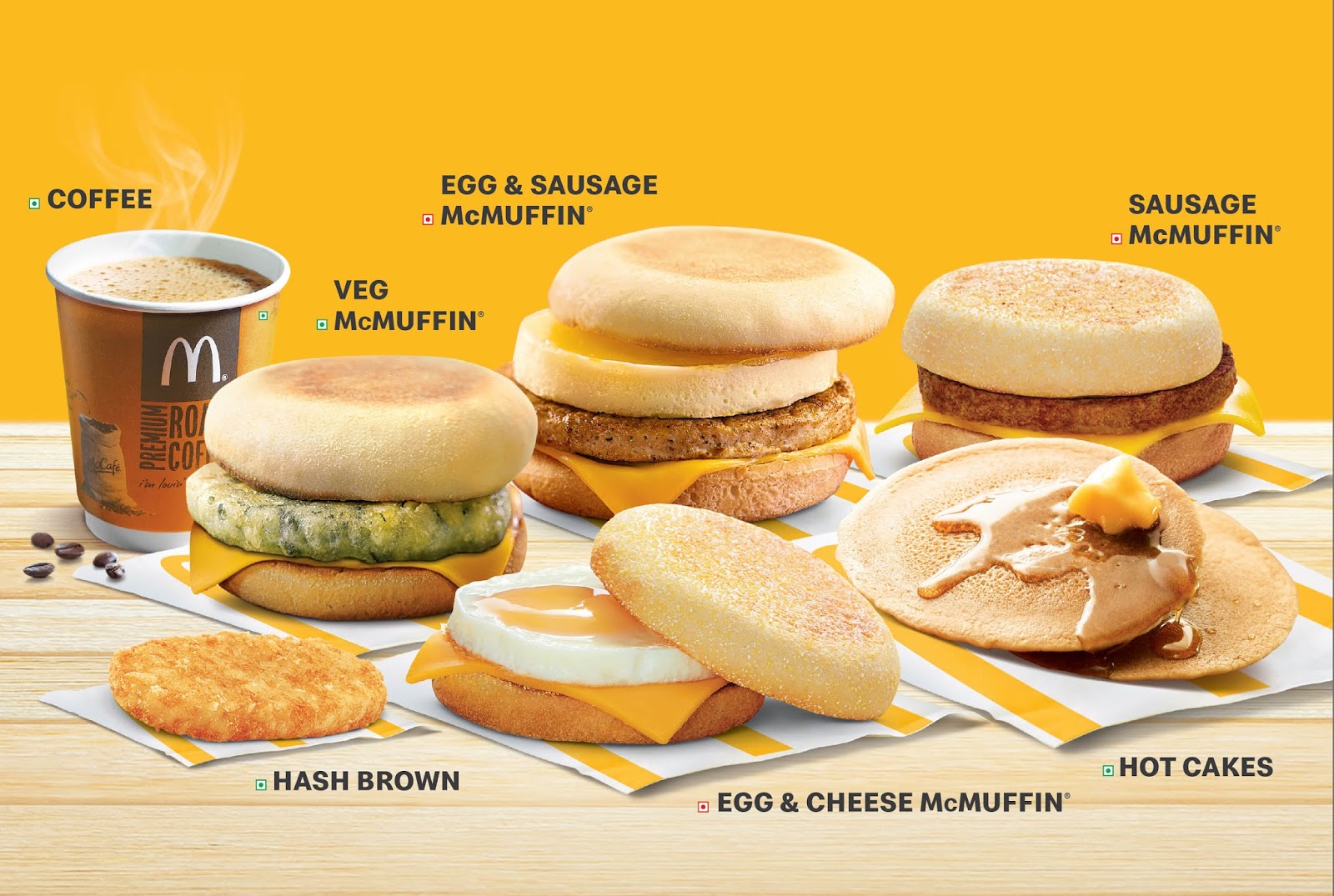
McDonald’s breakfast service hours represent a blend of corporate strategy, regional adaptation, and operational logistics, designed to align with local consumer behavior while maintaining efficiency. Unlike its standardized global menu, breakfast operating times vary significantly—reflecting differences in cultural eating habits, labor regulations, and market demand. These variations are not arbitrary; they result from a structured interplay between McDonald’s corporate guidelines and the autonomy granted to franchisees. The system prioritizes flexibility to capture peak breakfast consumption periods, often extending service during weekends, holidays, or local events where foot traffic surges. In some cases, like Dubai or parts of Australia, McDonald’s has introduced 24-hour breakfast menus, a move driven by late-night dining cultures and tourism demand. Understanding these dynamics requires examining how McDonald’s balances standardization with localization, the role of data in shaping service cut-offs, and the technological innovations that enable extended breakfast availability without compromising kitchen efficiency.
Corporate Guidelines and Franchise Autonomy in Breakfast Service Hours

McDonald’s breakfast service hours are governed by a tiered framework where corporate policies set broad parameters, but franchisees retain discretion to adjust based on local conditions. The global headquarters in Chicago establishes foundational principles, such as recommending breakfast service to begin between 4:00 AM and 7:00 AM and end between 10:00 AM and 11:00 AM in most markets. However, franchisees can modify these times, provided they adhere to labor laws, kitchen capacity limits, and regional demand patterns. For example, in Japan, where breakfast is often consumed later due to cultural preferences for a lighter morning meal, many locations serve breakfast until 11:30 AM, while in Germany, breakfast may conclude as early as 9:00 AM to align with the country’s structured lunch-oriented dining culture.
The autonomy granted to franchisees is not absolute; McDonald’s enforces minimum service windows during high-demand periods, such as weekends and holidays. Data from McDonald’s Operational Performance Metrics (OPM) system—which tracks sales, foot traffic, and kitchen efficiency—guides these adjustments. Franchisees in urban areas with high tourism, like Las Vegas or Singapore, often receive corporate approval to extend breakfast hours during conventions or festivals, where late-night breakfast demand spikes. Conversely, in rural or low-traffic locations, breakfast service may be truncated to 8:00 AM or earlier to optimize labor costs.
Regional Variations in Breakfast Service Times and Cultural Influences
Breakfast service hours at McDonald’s are heavily influenced by cultural eating habits, labor laws, and competitive landscapes. A comparative analysis of five major cities reveals distinct patterns:
Table of Contents
- Understanding McDonald’s Breakfast Service Hours Globally
- Corporate Guidelines and Franchise Autonomy in Breakfast Service Hours
- Regional Variations in Breakfast Service Times and Cultural Influences
- Seasonal Adjustments and Special Event Considerations
- Data-Driven Decision-Making for Breakfast Cut-Off Times
- Evolution of McDonald’s Breakfast Service Hours Over 20 Years
- Breakfast Service Hours by McDonald’s Region in the U.S.: A State-by-State Analysis
- State-by-State Breakfast Hours and Urban-Rural Divides
- Breakfast Cut-Off Times in Major U.S. Cities and Influencing Factors
- Adjustments During Major Events and Labor Challenges
- Responsive HTML Table: McDonald’s Breakfast Hours in 10 U.S. States
- McDonald’s Breakfast Cut-Off Times: Operational Logistics and Decision-Making Framework
- Kitchen Workflow and Food Safety Protocols Defining Breakfast Cut-Off Times
- Supply Chain Logistics and Perishable Ingredient Shelf Life
- Technological Integration in Breakfast Service Transitions
| City | Breakfast Start Time | Breakfast End Time | Key Influencing Factors |
|---|---|---|---|
| New York, USA | 4:00 AM (drive-thru) | 10:30 AM (varies by location) | Late-night work culture, high foot traffic in business districts, labor laws permitting early shifts. |
| Tokyo, Japan | 7:00 AM | 11:30 AM | Later breakfast culture, emphasis on lunch as the primary meal, high demand for convenience during commutes. |
| London, UK | 5:00 AM (some locations) | 11:00 AM | Shift work culture, high tourism in central areas, competition from local cafés influencing extended hours. |
| Dubai, UAE | 24/7 (selected locations) | N/A (continuous) | Late-night dining culture, expatriate workforce, tourism-driven demand, and labor laws allowing round-the-clock operations. |
| Sydney, Australia | 5:00 AM | 11:00 AM (some until 12:00 PM) | Longer daylight hours, later breakfast habits, high demand from shift workers and international travelers. |
In Dubai, McDonald’s 24-hour breakfast menu at locations like Dubai Mall or Airport Terminal 3 caters to the city’s night owl culture, where late-night meals are common due to hot daytime temperatures. The decision was also influenced by UAE labor laws, which permit extended operating hours for hospitality businesses. Similarly, in Sydney, breakfast service often extends to 11:00 AM or noon in areas with high proportions of shift workers, such as near hospitals or transport hubs. In contrast, London’s breakfast hours reflect a mix of traditional British habits (where breakfast is often a mid-morning affair) and tourism demand, with some locations in Covent Garden or West End staying open until 11:00 AM to serve theatergoers and nightlife patrons.
Seasonal Adjustments and Special Event Considerations
McDonald’s breakfast service hours undergo seasonal adjustments to account for changes in consumer behavior, daylight savings, and special events. During Daylight Saving Time, for instance, locations in Europe and North America may temporarily adjust opening times to align with earlier sunrise or sunset patterns. In Scandinavia, where summer daylight extends past 10:00 PM, some franchisees in Stockholm or Helsinki have experimented with extended breakfast hours during peak tourist seasons, offering breakfast items until 12:00 PM to capitalize on late breakfasts by visitors.
Religious and cultural holidays also trigger adjustments. In Saudi Arabia, McDonald’s locations near Mecca or Medina extend breakfast service during Ramadan to accommodate suhoor (pre-dawn meal) demand, with some offering 24-hour breakfast leading up to Eid. Similarly, in India, breakfast hours may be prolonged during Diwali or Holi weekends when families gather for extended meals. In Mexico, Día de los Muertos celebrations in cities like Mexico City see breakfast service extended to 12:00 PM to serve early-morning visitors to cemeteries.
Data-Driven Decision-Making for Breakfast Cut-Off Times
McDonald’s determines breakfast service cut-off times using a combination of kitchen capacity metrics, employee shift scheduling, and customer foot traffic data. The company’s POS (Point of Sale) systems track sales velocity, identifying peak periods where breakfast items like Egg McMuffins or Sausage McGriddles sell out fastest. Locations with drive-thru lanes often extend breakfast service later than those without, as drive-thru transactions reduce kitchen congestion. For example, a McDonald’s in Atlanta might serve breakfast until 11:00 AM at its dine-in location but extend to 11:30 AM at its drive-thru-only outlet.
Labor costs are a critical factor. McDonald’s uses workforce management software to simulate kitchen workflows, ensuring that breakfast service cut-offs align with employee shift changes. Overstaffing during low-demand breakfast hours increases labor costs, while understaffing risks kitchen bottlenecks. In Singapore, where labor is expensive, breakfast service typically ends by 10:30 AM to avoid paying premium overtime wages. Conversely, in Brazil, where informal labor practices are common, some franchisees keep breakfast running until 11:00 AM despite higher costs.
Evolution of McDonald’s Breakfast Service Hours Over 20 Years
The past two decades have seen significant shifts in McDonald’s breakfast service hours, driven by menu expansion, globalization, and technological advancements. Below is a timeline of key developments:
- 2004: Introduction of the McGriddle in the U.S., prompting franchisees to extend breakfast service to 11:00 AM in high-traffic urban areas. Corporate guidelines began recommending flexible end times based on local demand. - 2008: McDonald’s launched "Breakfast Any Time of Day" promotions in select U.S. markets, indirectly extending breakfast availability through dynamic pricing (e.g., discounts on breakfast items after 10:00 AM). - 2011: Global expansion of the Sausage McMuffin and Biscuit menu items led to standardized breakfast start times (5:00 AM–7:00 AM) in Europe and Asia, with end times adjusted by franchisees. - 2015: Introduction of 24-hour breakfast in Dubai and Sydney, marking the first global test of continuous breakfast service. This was followed by pilot programs in Las Vegas and Orlando during major conventions. - 2018: McDonald’s Operational Performance Metrics (OPM) system integrated AI-driven demand forecasting, allowing franchise
Breakfast Service Hours by McDonald’s Region in the U.S.: A State-by-State Analysis
McDonald’s breakfast service hours in the U.S. are not uniform, reflecting regional demand, urban-rural divides, and operational logistics. While corporate guidelines provide a baseline, franchise flexibility and local market dynamics create significant variations—from early cut-offs in rural areas to extended hours in major cities. This analysis explores how breakfast availability differs across states, cities, and special circumstances, including labor challenges, major events, and strategic menu expansions.
State-by-State Breakfast Hours and Urban-Rural Divides
McDonald’s breakfast service hours in the U.S. are influenced by population density, commuter patterns, and franchise autonomy. Urban locations, particularly in cities with high foot traffic or late-night commutes, often extend breakfast service later than rural or suburban counterparts. For example, a McDonald’s in New York City’s Times Square may serve breakfast until 10:00 AM or 11:00 AM due to tourist demand and rush-hour commuters, while a location in Upstate New York might end service by 9:00 AM to align with local breakfast habits.
Key Observations Across States: - Coastal and Metropolitan States (California, New York, Florida): Breakfast hours frequently extend to 10:00 AM or later, especially in cities like Los Angeles, San Francisco, and Miami, where late-night workers and international travelers contribute to sustained demand. - Midwest and Southern States (Texas, Illinois, Georgia): Hours vary more sharply between urban and rural areas. Chicago’s downtown locations may serve breakfast until 10:30 AM, while smaller towns in Illinois might end service by 9:00 AM. - Northeast and Rust Belt States (Pennsylvania, Ohio): Rural franchises often adhere to 8:00 AM–9:00 AM cut-offs, whereas Pittsburgh or Philadelphia branches may extend to 10:00 AM during weekdays. - Western States (Arizona, Nevada): Las Vegas and Phoenix locations leverage tourism and late-night entertainment industries to serve breakfast until 11:00 AM or midnight at select drive-thrus, though traditional sit-down breakfast hours typically end by 10:00 AM.
Franchise vs. Corporate-Owned Locations: Corporate-owned McDonald’s (flagship or high-traffic urban stores) tend to have more standardized and extended breakfast hours, often aligning with peak commuter times. Franchise-owned locations, particularly in smaller towns, may operate under localized schedules influenced by franchisee preferences or labor constraints. A map-style breakdown (conceptual) would show: - Red zones (earlier cut-offs): Rural areas, small towns, and states with strict labor regulations (e.g., parts of Oregon or Washington). - Yellow zones (moderate hours): Suburban areas with mixed commuter patterns. - Green zones (extended hours): Major cities, airport locations, and tourist hubs.
Breakfast Cut-Off Times in Major U.S. Cities and Influencing Factors
Local factors such as traffic congestion, public transit schedules, and tourism heavily dictate breakfast service hours in major cities. Below are examples of how McDonald’s adapts to urban environments:
- Los Angeles, California: - Breakfast cut-off: 10:00 AM–11:00 AM at most locations, with 24-hour drive-thrus in areas like Hollywood and Westwood extending breakfast items until 3:00 AM or later (limited menu). - Influencing factors: Heavy morning traffic delays commuters, prompting later cut-offs. Tourist-heavy areas (e.g., Santa Monica Pier) often serve breakfast later to accommodate visitors.
- Chicago, Illinois: - Breakfast cut-off: 9:30 AM–10:30 AM in downtown and Loop areas; 8:00 AM–9:00 AM in suburbs. - Influencing factors: The city’s robust public transit system (e.g., CTA trains) encourages later breakfast runs, while suburban locations align with school and work schedules.
- Atlanta, Georgia: - Breakfast cut-off: 10:00 AM–11:00 AM near Hartsfield-Jackson Airport and Midtown; 9:00 AM in outer suburbs. - Influencing factors: Airport proximity means early-morning flights drive demand for quick breakfast options. Downtown Atlanta’s business district extends hours to accommodate late-night workers.
- New York City, New York: - Breakfast cut-off: 10:00 AM–11:00 AM in Manhattan, with 24-hour breakfast availability at select locations (e.g., near Penn Station or JFK Airport). - Influencing factors: Subway commuters and international travelers create a 24/7 demand, leading to creative solutions like overnight breakfast menus (e.g., McMuffins available until 4:00 AM).
- Houston, Texas: - Breakfast cut-off: 9:00 AM–10:00 AM in downtown; 8:00 AM in residential areas. - Influencing factors: Oil industry shift workers and hospital staff in the Texas Medical Center extend demand, but suburban locations prioritize traditional breakfast hours.
Tourism and Special Events: During major events like the Super Bowl (hosted in cities like Los Angeles or Phoenix), McDonald’s near stadiums may extend breakfast hours by 1–2 hours to accommodate late-night fans. Similarly, Thanksgiving weekend sees some locations offering early-morning breakfast specials (e.g., McGriddles or breakfast burritos) to capitalize on post-parade crowds.
Adjustments During Major Events and Labor Challenges
McDonald’s dynamically adjusts breakfast service hours during sports events, holidays, and labor disputes, often communicating changes via mobile app notifications or social media. Below are key scenarios:
Major Events and Holiday Adaptations: - Super Bowl Weekend: - Locations within 5 miles of the host stadium may serve breakfast until 12:00 PM or 1:00 PM, with extended drive-thru hours for tailgate-goers. - Example: During Super Bowl LVI in Los Angeles, McDonald’s in Inglewood extended breakfast to 11:00 AM and offered limited-time "Tailgate Breakfast Boxes."
- Thanksgiving: - Some franchises in high-traffic areas (e.g., New York, Chicago) introduce "Thanksgiving Morning Specials" (e.g., McMuffin + coffee combos) and extend hours to 10:00 AM to serve post-parade shoppers. - Rural locations may shorten hours due to reduced staffing during the holiday.
- Local Festivals (e.g., Mardi Gras in New Orleans, Oktoberfest in Munich-style venues): - McDonald’s near event zones may add 1–2 hours to breakfast service and promote boozy breakfast items (e.g., mimosa pairings in select markets).
Labor Shortages and Union Negotiations: Labor challenges have forced temporary adjustments in breakfast service hours, particularly in unionized states like California, Illinois, and New York. Notable incidents include: - 2022 California Strikes: - During McDonald’s franchisee strikes in Los Angeles and Sacramento, some locations suspended breakfast service or reduced hours due to staffing shortages. Corporate-owned stores maintained operations but with limited menus. - 2021 Illinois Union Disputes: - In Chicago, Service Employees International Union (SEIU) negotiations led to temporary breakfast hour reductions at franchises struggling with wage demands. Corporate stores absorbed the gap by extending hours. - COVID-19 Labor Crunch (2020–2021): - Many locations shortened breakfast hours by 30–60 minutes due to staffing issues, though urban areas with higher pay incentives recovered faster.
Staffing Challenges During Late-Night Hours: In cities with 24-hour drive-thrus (e.g., Las Vegas, Atlantic City, or Houston), breakfast items are often available until 3:00 AM–5:00 AM, but with limited staffing. Challenges include: - Menu restrictions: Only pre-made items (e.g., McMuffins, hash browns) are served; custom orders may be delayed. - Automated systems: Some locations use self-order kiosks or voice-command drive-thrus to reduce labor costs during off-peak hours.
Responsive HTML Table: McDonald’s Breakfast Hours in 10 U.S. States
Below is a responsive HTML table outlining breakfast service hours in 10 diverse U.S. states, including notes on consistency and urban vs. rural variations. The table is designed to be mobile-friendly
McDonald’s Breakfast Cut-Off Times: Operational Logistics and Decision-Making Framework
McDonald’s breakfast cut-off times are not arbitrary; they result from a meticulously designed interplay of operational efficiency, food safety regulations, and supply chain constraints. Behind the scenes, franchise managers and corporate logistics teams balance kitchen workflows, perishable ingredient shelf life, and regional demand patterns to determine when breakfast service concludes. The process involves real-time adjustments, technological interventions, and standardized protocols to ensure consistency across thousands of locations globally. Understanding these mechanics reveals how McDonald’s maintains its reputation for speed and reliability while adhering to strict operational guidelines.
The decision to end breakfast service is influenced by multiple factors, from the last possible hour eggs can be safely cooked to the moment hash browns begin to lose crispiness. Technology plays a pivotal role in signaling the transition—whether through digital menu boards, POS system updates, or mobile app modifications—while supply chain disruptions or unexpected events can force premature closures. Below, the operational logistics, behind-the-scenes workflows, and adaptive strategies employed by McDonald’s are examined in detail, alongside real-world examples of how these systems respond to external pressures.
Kitchen Workflow and Food Safety Protocols Defining Breakfast Cut-Off Times
The core of McDonald’s breakfast cut-off times lies in its kitchen workflow optimization, designed to prevent food safety risks while maximizing efficiency. Breakfast items, particularly those involving perishable ingredients like eggs, bacon, and dairy, adhere to time-and-temperature control guidelines set by health departments and corporate standards. For instance, scrambled eggs must be cooked within two hours of the first batch to prevent bacterial growth, while hash browns lose optimal texture after 90 minutes of being fried. These constraints create a critical window during which breakfast items remain viable for service.
McDonald’s kitchens operate on a modular assembly-line model, where breakfast preparation occurs in designated stations. Crew members follow a standardized sequence: - Egg station: Whisking, cooking, and holding eggs in warmers. - Bacon and sausage station: Grilling and maintaining internal temperatures above 145°F (63°C). - Hash brown and potato station: Frying in batches and holding in dedicated warmers. - Biscuit and muffin station: Toasting or reheating pre-baked items.
A visual and auditory cue system signals the end of breakfast service. When the kitchen approaches the last viable batch window, managers trigger the following actions: - Removal of breakfast items from physical menus and digital displays. - Disabling breakfast options in the POS system, preventing further orders. - Switching fryers and grills to dedicated lunch/dinner prep modes. - Clearing breakfast-specific utensils (e.g., egg cartons, bacon racks) to avoid cross-contamination.
Food safety protocols dictate that any leftover breakfast ingredients must be discarded or repurposed (e.g., eggs used for omelets or scrambled egg sandwiches for lunch). Corporate guidelines prohibit holding breakfast items in temperature danger zones (40°F–140°F / 4°C–60°C) beyond specified limits, which often aligns with the advertised cut-off time.
Supply Chain Logistics and Perishable Ingredient Shelf Life
McDonald’s breakfast cut-off times are heavily influenced by supply chain logistics, particularly the shelf life of key ingredients. Unlike lunch or dinner items, breakfast menus rely on highly perishable components that cannot be stored overnight without compromising quality. A breakdown of critical ingredients and their operational lifespans includes:
| Ingredient | Shelf Life (Uncooked) | Safe Holding Time (Cooked) | Key Logistical Constraint |
|---|---|---|---|
| Eggs (liquid or shell) | 3–5 days (refrigerated) | 2 hours (scrambled/over-easy) | Bacterial growth risk if held beyond 2 hours post-cooking. |
| Bacon | 7–10 days (vacuum-sealed) | 1 hour (post-grilling) | Fat oxidation and texture degradation after reheating. |
| Hash Browns | 14 days (frozen) | 90 minutes (fried) | Starch retrogradation causes sogginess; oil absorption reduces crispiness. |
| Butter and Cream Cheese | 30 days (refrigerated) | 4 hours (exposed in warmers) | Separation and spoilage risk in high-humidity environments. |
| Biscuits/Muffins | 5–7 days (baked) | 30 minutes (reheated) | Staling occurs rapidly; reheating beyond 30 minutes causes dryness. |
To mitigate waste, McDonald’s employs just-in-time inventory models, where breakfast ingredients are delivered overnight or early morning to align with service windows. Franchisees receive daily shipments of perishables, with corporate logistics teams using demand forecasting algorithms to adjust orders based on regional trends. For example, locations in college towns or near construction sites may receive larger bacon and egg shipments to accommodate early-morning crowds.
Regional variations also play a role. In areas with longer commutes, breakfast service may extend later to capture late-shift workers, while rural locations might close earlier due to limited supplier delivery routes. McDonald’s corporate office provides flexible guidelines, allowing franchisees to adjust cut-off times within a 1–2 hour window based on local inventory turnover rates.
Technological Integration in Breakfast Service Transitions
The shift from breakfast to lunch service is facilitated by integrated technology systems that automate menu changes and prevent order errors. Unlike traditional dine-in restaurants relying on manual updates, McDonald’s leverages centralized POS networks, digital menu boards, and mobile ordering platforms to streamline transitions. Below are the key technological components:
"The breakfast cut-off is not just a time—it’s a synchronized system where technology, staff training, and inventory align to prevent operational disruptions." — McDonald’s Global Kitchen Operations Manual, 2023
1. POS System Lockdowns - When the kitchen reaches the last viable batch threshold, the POS system automatically grays out breakfast items. - Drive-thru lanes receive a visual alert on the order screen, prompting crew members to inform customers. - Mobile app orders are prevented from being placed past the cut-off, with a pop-up notification: "Breakfast items are no longer available."
2. Digital Menu Board Synchronization - LED and LCD screens update in real-time, removing breakfast items and displaying a "Breakfast Service Ended" banner. - Some locations use countdown timers (e.g., "Breakfast ends in 15 minutes") to manage customer flow. - Regional corporate offices can push overrides (e.g., extending breakfast in high-traffic areas) via satellite links.
3. Kitchen Display Systems (KDS) - Touchscreen terminals in the kitchen highlight breakfast items in red as they near expiration. - Printed tickets for breakfast orders include a timestamp, ensuring crew members prioritize them before the cut-off. - Alerts for managers appear when inventory levels drop below 20% for perishables.
4. Mobile and Third-Party App Integrations - Delivery partners (DoorDash, Uber Eats) receive automated updates when breakfast is discontinued. - Loyalty app users (e.g., McDonald’s My App) see a notification if they attempt to order breakfast post-cut-off. - Dynamic pricing tools may offer discounts on breakfast items in the final 30 minutes to clear inventory.
Comparison: Traditional Dine-In vs. Drive-Thru/Mobile Ordering Traditional restaurants often rely on human communication (e.g., servers informing customers) to signal breakfast closures, leading to inconsistencies. McDonald’s drive-thru and mobile systems introduce real-time precision, but this also creates challenges: - Drive-thru delays: If the cut-off is enforced strictly, customers in
McDonald’s breakfast service hours are far more than a logistical detail—they’re a microcosm of how multinational corporations adapt to local realities while standardizing global operations. Whether it’s a franchise owner in Dubai extending hours to cater to late-night shift workers or a Chicago location adjusting cut-off times during the Super Bowl, every decision reflects a delicate balance between customer expectations and backend constraints. As technology reshapes ordering systems and labor shortages redefine staffing models, the end of breakfast service remains a dynamic puzzle. For diners, the lesson is clear: timing is everything, and knowing the rules of the game—whether through the app, a quick call, or old-fashioned observation—can mean the difference between a full stomach and an empty tray.
Leave a Comment
Comments are moderated before appearing. The data you submit is processed according to the Privacy Policy of Inhonorofdesign.