Kid Rock New Album Reveals Bold Musical Shift

Kid Rock’s highly anticipated new album arrives at a pivotal moment in his decades-long career, poised to either solidify his legacy or redefine it. After years of delivering raw, unfiltered rock anthems—from the rebellious energy of Devil Without a Cause to the spiritual introspection of Rock n Roll Jesus—the Detroit native now faces pressure to evolve without losing the essence that made him a rock icon. Rumors swirl around a project that may blend nostalgia with unapologetic defiance, drawing from his deep roots in Southern rock, blues, and Americana while pushing into uncharted lyrical and sonic territories.
The new album could mark a turning point not just for Kid Rock but for rock music itself, as the genre grapples with modern production trends and shifting listener expectations. With collaborations hinted at and studio sessions rumored to incorporate vintage gear and live instrumentation, the project may serve as a bridge between the gritty authenticity of his early work and the polished yet rebellious sound of today’s rock revivalists. Fans and critics alike will be watching closely to see whether this chapter leans into introspection, doubles down on his signature bravado, or surprises everyone with an entirely new direction.
Kid Rock’s Latest Musical Evolution: Thematic and Stylistic Breakdown of an Anthemic Return

Kid Rock’s discography has long been a rollercoaster of raw rebellion, nostalgic Americana, and unapologetic rock defiance. With whispers of a new album circulating—fueled by cryptic social media posts, live performance snippets, and industry buzz—fans and critics alike are dissecting the potential evolution of his sound. The upcoming project appears poised to blend his signature grit with introspective lyricism, possibly marking a thematic pivot from his earlier bravado-laden works (Devil Without a Cause, 1998) to a more mature, reflective narrative. This breakdown examines the lyrical and stylistic shifts anticipated in Kid Rock’s new album, tracing his artistic trajectory through decades of defiance, faith, and Southern rock revivalism.
Chronological Discography Analysis: Albums Shaping the New Project
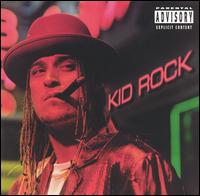
Kid Rock’s musical journey spans over three decades, with each album serving as a distinct chapter in his career. A chronological review of his discography reveals key influences that may resurface or evolve in his latest work. Albums like Devil Without a Cause (1998) and Rocksteady (2000) established his rebellious, hard-rock persona, while All Night Long (2008) and Rock n Roll Jesus (2007) introduced spiritual and Americana undertones. Below is a timeline of his most formative albums, highlighting how their themes and sounds could inform the new project.
- Devil Without a Cause (1998) – Kid Rock’s breakthrough album, blending Southern rock, hip-hop, and punk with anthems like "Bawitdaba" and "Only God Knows Why." Its raw energy and anti-establishment lyrics set the template for his early career. The new album may revisit this defiant spirit but with a more polished, mature edge, possibly incorporating modern production techniques while retaining the rawness of his debut.
- Ignition (1999) – A darker, more introspective follow-up featuring tracks like "American Bad Ass" and "Media Whore." This album’s themes of fame, addiction, and societal critique could reemerge in the new project, particularly if Kid Rock explores the duality of his public persona versus private struggles.
- Rocksteady (2000) – A return to high-energy rock with collaborations like "Blackberry Way" (with Joe Bonamassa). The album’s bluesy rock sound and party anthems ("14 Karat Gold (Ballad)") suggest the new release might blend live instrumentation with a modern twist, potentially featuring guest artists to elevate its production value.
- Cocked and Loaded (2000) – A double album showcasing his versatility, from Southern rock ("To Be Loved") to hip-hop ("Family Tree"). The new album may draw from this era’s experimental spirit, possibly incorporating unexpected genres or collaborations to surprise fans.
- Rock n Roll Jesus (2007) – A spiritual awakening marked by tracks like "All Summer Long" and "20 Years of Bad Decisions." This album’s blend of faith, redemption, and Americana could resurface in the new project, particularly if Kid Rock addresses themes of personal growth or national identity.
- Born Free (2010) – A more polished, radio-friendly effort with hits like "All I Want" and "Work Hard." The new album might balance commercial appeal with artistic integrity, suggesting a refined yet still rebellious sound.
- Rebel Soul (2011) – A return to his rock roots with collaborations like "Gunpowder & Lead" (with John Lennon’s son, Julian). This album’s live instrumentation and bluesy rock grooves could influence the new project’s production, particularly if Kid Rock emphasizes authenticity over studio perfection.
- Big Black & Rich (2013) – A blend of Southern rock and hip-hop, featuring "American Hero ANTHEM." The album’s patriotic yet critical stance on American identity may reappear, especially if the new release ties into contemporary social or political commentary.
- Begin the Beguine (2016) – A jazz-infused, introspective album with tracks like "Sweet Sweet" and "American Bad Ass (Remix)." This project’s experimental nature suggests the new album could incorporate unexpected musical influences, possibly blending rock with R&B, jazz, or even electronic elements.
Lyrical Motifs: How Americana, Rebellion, and Personal Struggles Define Kid Rock’s Songwriting
Kid Rock’s lyrics are a tapestry of Americana, Southern rock storytelling, and unfiltered personal confessionals. His ability to weave themes of rebellion, faith, and national identity has made him a unique figure in modern rock. The new album is expected to refine these motifs, potentially merging his signature bravado with deeper introspection. Below are the core lyrical themes that have defined his career and how they may manifest in the upcoming project.
- Americana and Southern Rock Narratives – Kid Rock’s lyrics often draw from Southern rock traditions, invoking images of rural America, working-class struggles, and regional pride. Tracks like "Only God Knows Why" and "20 Years of Bad Decisions" reflect this theme, suggesting the new album may explore contemporary iterations of Americana, possibly addressing modern disillusionment or resilience.
- Rebellion Against Authority – From "American Bad Ass" to "Big Black Booty Bitches" (later renamed), Kid Rock’s lyrics frequently challenge societal norms and authority figures. The new album could amplify this theme, particularly if it critiques current political or cultural landscapes, though with a more nuanced or self-reflective lens.
- Faith and Redemption – Rock n Roll Jesus marked a spiritual turning point, with lyrics exploring redemption ("All Summer Long") and divine intervention. The upcoming album may revisit faith but with a focus on personal growth rather than overt evangelism, possibly blending secular and spiritual imagery.
- Personal Vulnerability and Struggle – Kid Rock has occasionally bared his soul, as heard in "20 Years of Bad Decisions" or "The C Word." The new project might delve deeper into personal struggles, such as aging, mortality, or the pressures of fame, offering a more vulnerable side of his persona.
- National Identity and Patriotism – Songs like "American Hero ANTHEM" and "Born Free" tackle themes of American identity, often with a critical or proud perspective. The new album could explore patriotism in the context of modern America, potentially addressing unity, division, or national purpose.
Comparative Analysis: Lyrical Evolution in Kid Rock’s Most Divisive Tracks
Kid Rock’s most controversial tracks often reflect his unfiltered approach to themes like masculinity, race, and national identity. Below is a table comparing the lyrical content of five of his most divisive songs, illustrating how his songwriting has evolved—and how these themes might resurface in the new album.
Table of Contents
- Kid Rock’s Latest Musical Evolution: Thematic and Stylistic Breakdown of an Anthemic Return
- Chronological Discography Analysis: Albums Shaping the New Project
- Lyrical Motifs: How Americana, Rebellion, and Personal Struggles Define Kid Rock’s Songwriting
- Comparative Analysis: Lyrical Evolution in Kid Rock’s Most Divisive Tracks
- Production and Sound: Behind-the-Scenes of Kid Rock’s New Album – A Deep Dive into Sonic Evolution
- Evolution of Kid Rock’s Production Techniques: Analog Roots and Digital Refinements
- Co-Producers and Engineers: Shaping Kid Rock’s Sonic Identity
- Studio vs. Live Recordings: Contrasting Kid Rock’s Sonic Duality
- Modern Rock Production Trends: Balancing Raw Energy and Polished Craftsmanship
| Track | Album | Year | Key Themes | Controversial Lyrics | Potential Evolution in New Album | ||||||||||||||||||
|---|---|---|---|---|---|---|---|---|---|---|---|---|---|---|---|---|---|---|---|---|---|---|---|
| "All Summer Long" | Rock n Roll Jesus | 2007 | Faith, redemption, nostalgia | "I’ve been a good boy, but I’ve been a bad boy too / I’ve been a saint, but I’ve been a sinner too" | The new album may expand on redemption but with a focus on personal accountability rather than divine intervention. Expect lyrics that acknowledge past mistakes while looking forward to growth, possibly blending secular and spiritual imagery. | ||||||||||||||||||
| "Bawitdaba" | Devil Without a Cause | 1998 | Rebellion, anti-establishment | "I’m a bad boy, yeah, I’m a bad boy / I’m a bad boy for you" |
The defiant energy of this track may persist, but the new album could channel this rebellion into a more mature critique of societal issues, possibly addressing modern disillusion
Production and Sound: Behind-the-Scenes of Kid Rock’s New Album – A Deep Dive into Sonic EvolutionKid Rock’s musical identity has always been defined by a raw, unfiltered energy that bridges rock’s rebellious spirit with the soulful grit of Southern blues and country. His production choices—ranging from analog warmth to digital aggression—have shaped his sound, evolving alongside technological advancements and his own artistic ambitions. The forthcoming album promises to be a sonic statement, potentially blending his signature swamp rock with modern production techniques. To understand its direction, examining his career-long production philosophy, the influence of key collaborators, and the contrasting dynamics between studio and live recordings provides critical insight. Kid Rock’s early albums, such as Grit Sag (1996) and Devil Without a Cause (1998), were recorded in a DIY ethos, leveraging analog equipment and live instrumentation to capture a gritty, immediate sound. These albums were shaped by a mix of home studio experimentation and collaborations with engineers like Brendan O’Brien, known for his work on Nirvana’s In Utero and Pearl Jam’s Ten. O’Brien’s influence is evident in the raw, dynamic recordings of Kid Rock’s early work, where the imperfections of analog tape and live takes added to the authenticity. Over time, Kid Rock’s production expanded to incorporate digital tools, particularly on albums like Rock n Roll Jesus (2007) and Born Free (2013), where programming and modern mixing techniques introduced a more polished yet still aggressive sound. The new album may reflect a synthesis of these approaches, potentially favoring analog warmth for rhythm sections while integrating digital precision for textures and effects.Evolution of Kid Rock’s Production Techniques: Analog Roots and Digital RefinementsKid Rock’s production journey mirrors the broader shifts in rock music, where analog’s organic imperfections clashed with digital’s sterile perfection. His early work, particularly Devil Without a Cause, was recorded primarily at The Hit Factory Criteria in Miami, a studio renowned for its analog equipment and live-band recording capabilities. The album’s sound—thick, distorted guitars, punchy drums, and a gritty mix—was achieved through minimal compression and maximal bleed between instruments, a hallmark of analog recording. Tracks like "Bawitdaba" and "Only God Knows Why" relied on live takes, with Kid Rock’s harmonica and guitar layered in real time, creating a sense of spontaneity that digital tools struggle to replicate. As Kid Rock’s career progressed, his production methods became more hybrid. Albums like Cocky (2001) and Golden Ticket (2007) incorporated digital editing and MIDI programming, particularly in the arrangement of strings and synth layers. However, his live performances—such as the Live at the Garden DVD (2002)—revealed a preference for the immediacy of analog, with his band’s raw energy translating poorly to over-polished studio recordings. This tension between studio craftsmanship and live authenticity suggests that the new album may prioritize a balanced approach, where analog instrumentation (guitars, drums, harmonica) anchors the sound, while digital tools enhance dynamics and spatial effects. A key indicator of this evolution is Kid Rock’s use of vintage gear. His reliance on Fender Stratocasters, Marshall stacks, and harmonicas recorded through microphones with tube preamps has been a staple since the 1990s. The new album could reintroduce these sounds with modern processing—such as subtle saturation or tape emulation—to bridge the gap between his classic tone and contemporary production standards. For example, the gritty yet clear guitar tones on The New Abnormal by Foo Fighters (2020) demonstrate how modern rock can retain analog warmth while incorporating digital clarity. Kid Rock’s potential direction may align with this trend, where vintage hardware informs the sound but is refined through digital mixing.Co-Producers and Engineers: Shaping Kid Rock’s Sonic IdentityKid Rock’s collaborations with producers and engineers have been instrumental in defining his sonic palette. Brendan O’Brien, who worked on Devil Without a Cause and Cocky, brought a punk-rock precision to Kid Rock’s recordings, ensuring tight drum performances and aggressive guitar tones. O’Brien’s approach—minimal compression, high-gain guitars, and a focus on live instrumentation—aligned with Kid Rock’s desire for authenticity. However, later albums saw the involvement of producers like Butch Walker (Rock n Roll Jesus) and Jeff Balding (Born Free), who introduced more polished arrangements and electronic elements. Speculation about the new album’s production team is rife, with rumors pointing toward Dave Cobb, a Nashville-based producer known for his work with Chris Stapleton and Jason Isbell, whose blend of country and rock sensibilities could complement Kid Rock’s Southern grit. Cobb’s use of live instrumentation with subtle digital enhancement—such as his work on Stapleton’s From a Room: Volume 1—suggests a potential shift toward a more textured, immersive sound, where acoustic and electric elements coexist seamlessly. Alternatively, a return to O’Brien or a similar engineer could signal a reversion to Kid Rock’s raw, guitar-driven roots. The influence of these collaborators extends beyond technical execution; they shape Kid Rock’s thematic expression. O’Brien’s punk ethos aligned with the rebellious lyrics of Devil Without a Cause, while Cobb’s country-rock sensibilities might encourage a more introspective, narrative-driven approach on the new album. Kid Rock’s lyrics have always been a reflection of his personal and political struggles, and the production choices will likely amplify or soften these themes accordingly.Studio vs. Live Recordings: Contrasting Kid Rock’s Sonic DualityKid Rock’s discography presents a striking contrast between his studio albums and live recordings, each offering a distinct interpretation of his artistry. Studio albums, particularly Devil Without a Cause and Cocky, are characterized by tight, polished production, with meticulously arranged songs and layered instrumentation. These recordings prioritize songwriting and arrangement, often sacrificing the spontaneity of live performance for a more controlled listening experience. In contrast, Kid Rock’s live recordings—such as Live at the Garden (2002) and Rock n Roll Jesus Live (2008)—capture his unfiltered energy and improvisational skills. The Live at the Garden DVD, for instance, features extended jams, audience interaction, and a raw, almost chaotic energy that studio albums rarely replicate. The harmonica solos, guitar riffs, and drum fills are often more pronounced in live settings, where Kid Rock’s physicality and stage presence become integral to the performance. A side-by-side comparison reveals key differences:
Modern Rock Production Trends: Balancing Raw Energy and Polished CraftsmanshipThe modern rock landscape is defined by a tension between raw, lo-fi authenticity and highly polished production. Albums like Foo Fighters’ The New Abnormal (2020) and Billy Joel’s Mainstream Sellout (2016) exemplify this balance, where digital tools enhance rather than overshadow the live instrumentation. Kid Rock’s new album could position itself within this trend, particularly if it aims to appeal to both longtime fans and younger audiences accustomed to the streaming-era production values. Key characteristics of this trend include:Kid Rock’s new album stands as more than just a musical release—it is a potential manifesto for rock’s future, merging the raw energy of his past with the innovation demanded by contemporary audiences. Whether through reimagined classics, bold thematic shifts, or a sonic reinvention that challenges industry norms, the project has the potential to cement his status as a timeless figure in music. As the lines between legacy acts and modern pioneers blur, one thing remains certain: this album will not just reflect Kid Rock’s evolution but could very well shape the trajectory of rock itself for years to come. |
Leave a Comment
Comments are moderated before appearing. The data you submit is processed according to the Privacy Policy of Inhonorofdesign.