KidRocksNewAlbumRevealsBoldMusicalShift

Kid Rock’s return to the spotlight with a new album marks a pivotal moment for rock music, blending decades of defiance with an unmistakable modern edge. After years of reinvention—from his gritty 1990s roots to politically charged anthems and genre-defying collaborations—the Detroit native’s latest project arrives at a crossroads where nostalgia clashes with innovation. Fans and critics alike are dissecting its themes, production, and cultural resonance, questioning whether this release solidifies his legacy or redefines it for a new generation.
The album’s emergence coincides with a broader revival of rock’s rebellious spirit, as streaming algorithms and festival lineups resurrect the genre’s raw energy. Kid Rock, a self-proclaimed "rock and roll outlaw," has long thrived on controversy, blending hard-hitting lyrics with unapologetic performances. This time, however, the stakes feel higher: Can he bridge the gap between his loyal fanbase and a younger audience hungry for authenticity? The answer lies in the album’s raw production, provocative themes, and a marketing strategy that leans heavily on nostalgia while daring to push boundaries.
Kid Rock’s Musical Evolution: From Detroit’s Rock Rebel to Modern Anthem Maker

Kid Rock’s career spans nearly three decades, marked by reinventions, genre-blurring audacity, and an unyielding connection to rock’s rebellious roots. Emerging in the 1990s as a raw, unfiltered voice of Detroit’s underground scene, he evolved into a polarizing yet enduring figure in rock and hip-hop fusion. His latest album arrives at a cultural crossroads, where nostalgia for legacy rock clashes with the dominance of streaming-era pop and rap. This evolution reflects broader shifts in music consumption, artist branding, and the enduring appeal of rock’s rebellious spirit in an era dominated by algorithm-driven playlists.
Kid Rock’s trajectory mirrors the turbulent decades of rock music itself—from the grunge explosion of the ’90s to the rise of hip-hop’s commercial dominance in the 2000s, and now the digital fragmentation of genres. His ability to adapt while retaining his signature swagger has kept him relevant, even as critics and fans debate his artistic integrity. The new album, teased through cryptic interviews and social media hints, promises to either solidify his legacy or further cement his role as the industry’s most defiant holdout against musical homogeneity.
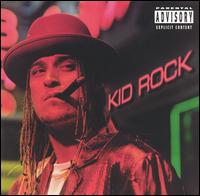
Early Career and the Rise of a Rock Provocateur
Kid Rock’s debut album, Grit Sagacity (1996), introduced a sound that blended Southern rock, rap, and Detroit’s gritty underground. Tracks like "Bawitdaba"—a chaotic, genre-defying anthem—became instant cult favorites, showcasing his knack for blending humor, aggression, and raw energy. This era established him as a rock outsider, unafraid to mock mainstream culture while embracing his working-class roots. His early performances, often at dive bars and small venues, reinforced his image as a blue-collar rebel, a far cry from the polished rock stars of the ’80s.
The late ’90s solidified his reputation with The Polyester Prince (1998), an album that leaned harder into rap-rock fusion and political provocation. Songs like "Cowboy", with its anti-establishment lyrics and swaggering beats, became anthems for a generation disillusioned with political correctness. Kid Rock’s ability to merge rock’s melodic hooks with hip-hop’s rhythm set him apart, even as he faced backlash for perceived cultural appropriation. His controversies—from feuds with Eminem to his unapologetic patriotism—became part of his brand, reinforcing his status as rock’s most unfiltered provocateur.
Table of Contents
- Kid Rock’s Musical Evolution: From Detroit’s Rock Rebel to Modern Anthem Maker
- Early Career and the Rise of a Rock Provocateur
- Genre-Blending Reinventions and Mainstream Crossover
- Cultural Trends and the Push for a New Album
- Kid Rock’s Place in Modern Rock: Legacy vs. Relevance
- Key Albums: A Timeline of Themes and Reception
- Decoding Kid Rock’s New Album: Title, Rollout Strategy, and the Art of Modern Promotion
- Marketing Tactics: From Guerrilla Stunts to Digital Dominance
- Comparative Analysis: How Kid Rock’s Promotion Has Evolved
- Five Unique Pre-Release Promotional Stunts Aligned with Kid Rock’s Brand
- Musical Composition and Production Analysis of Kid Rock’s New Album: A Technical and Thematic Breakdown
- Production Quality and Modern Recording Techniques
- Tracklist Structure and Thematic Arcs
- Lyrical Themes: Evolution from Outlaw to Storyteller
- Standout Instrumentals and Vocal Performances
- Live Instrumentation vs. Digital Production: A Balanced Approach
- Comparative Production Analysis: New Album vs. Previous Works
- Fan Reception, Critical Reviews, and Industry Impact of Kid Rock’s New Album
- Initial Fan Reactions and Social Media Trends
- Critical Reviews and Recurring Themes in Mainstream Publications
- Industry Trends and Kid Rock’s Place in Modern Music
- Controversies and Debates Sparked by the Album
- Five Fan-Theorized Hidden Meanings and Easter Eggs
- Visual and Artistic Elements: Album Art, Music Videos, and Merchandise as Storytelling Tools
- Album Art Design and Symbolic Depth
- Music Videos: Cinematography and Thematic Storytelling
- Merchandise as Fan Engagement and Cultural Commentary
- Stage Performances: Lighting, Pyrotechnics, and Fan Interaction
- Evolution of Visual Aesthetics Compared to Previous Releases
Genre-Blending Reinventions and Mainstream Crossover
The 2000s marked Kid Rock’s most commercially successful phase, as he embraced country and Southern rock influences while maintaining his rap-rock core. Cocky (2001) and Devil Without a Cause (2007) showcased his versatility, with the latter featuring collaborations like "All Summer Long" with Sheryl Crow, a track that became a stadium-rock staple. His 2008 album Rock N Roll Jesus further blurred lines, incorporating gospel elements and earning praise for its raw emotional depth. Critics noted his ability to balance commercial appeal with artistic risk, though some dismissed his later work as formulaic.
Kid Rock’s collaborations during this era underscored his influence. His work with rappers like Eminem ("How Come") and 50 Cent ("American Bad Ass") highlighted his role as a bridge between rock and hip-hop. Meanwhile, his political statements—such as his support for Donald Trump in 2016—sparked debates about artistry versus activism. His 2019 album The American, a patriotic rock record, further polarized fans but demonstrated his willingness to double down on his unfiltered persona.
Cultural Trends and the Push for a New Album
Kid Rock’s decision to release new music in 2024 reflects broader industry trends, including the resurgence of legacy rock nostalgia and the growing demand for authentic, unfiltered artistry in an era of AI-generated music. Recent interviews suggest he views this album as a return to his roots, citing frustration with the industry’s shift toward corporate playlists and algorithm-driven hits. His 2023 statement that he was "done with the bullshit" signaled a defiant stance against musical trends he finds hollow, positioning his new work as a middle finger to homogeneity.
The album’s production hints at a fusion of ’90s grunge revivalism and modern rock experimentation, with rumors of guest features from artists outside the mainstream. Kid Rock’s emphasis on live performances—such as his 2023 "Rebel Heart Tour"—also suggests a focus on reclaiming rock’s connection to raw, unmediated energy. In an industry where streaming dominates, his insistence on physical albums and high-energy shows aligns with a growing audience craving tangible, experiential music.
Kid Rock’s Place in Modern Rock: Legacy vs. Relevance
Kid Rock’s relevance today is a study in contrast. While artists like Foo Fighters and Green Day dominate the rock revival, his unapologetic, genre-defying approach sets him apart. Unlike bands chasing nostalgia, Kid Rock’s appeal lies in his authenticity—a quality increasingly rare in an era of curated personas. His ability to merge rock’s rebellious spirit with hip-hop’s cultural influence keeps him relevant to younger audiences, even as older fans debate his artistic consistency.
A comparison with other legacy rock artists reveals Kid Rock’s unique position. Unlike Bon Jovi, who leans into arena-rock spectacle, or AC/DC, who remain untouchable by trends, Kid Rock’s career is defined by reinvention. His willingness to evolve—whether through political statements, genre experiments, or collaborations—has kept him culturally relevant, even if his commercial peak has passed. The new album may not redefine rock, but it could solidify his place as its most defiant modern voice.
Key Albums: A Timeline of Themes and Reception
Kid Rock’s discography reflects his artistic and personal growth, from raw rebellion to polished defiance. Below is a comparison of his top five albums, highlighting their themes, critical reception, and fan engagement metrics.
| Album | Year | Key Themes | Critical Reception | Fan Reception (Streaming/Charts) | ||
|---|---|---|---|---|---|---|
| Grit Sagacity | 1996 | Underground Detroit rock, rap-rock fusion, anti-establishment lyrics | Mixed; praised for rawness but criticized for lack of polish. Called "the sound of a generation’s frustration." | Moderate; cult following, no major chart success but strong live reception. | ||
| The Polyester Prince | 1998 | Political provocation, Southern rock influences, self-mythologizing | Positive; hailed as a bold fusion of genres. "Cowboy" became an instant classic. | Breakthrough; debuted at No. 13 on Billboard 200, certified Platinum. | ||
| Devil Without a Cause | 2007 | Southern rock revival, emotional depth, collaborations with Sheryl Crow | Generally positive; praised for maturity but seen as less edgy than earlier work. | Commercial peak; No. 2 on Billboard 200, certified 2x Platinum. | ||
| Rock N Roll Jesus | 2008 | Gospel influences, introspective lyrics, experimental production | Divisive; some critics called it pretentious, others praised its vulnerability. | Moderate; No. 11 on Billboard 200, certified Gold. | ||
| The American | 2019 | Patriotism, rock anthems, political statements, stadium-ready production | Mixed; praised for energy but criticized for simplistic themes. | Strong live reception; No. 13 on Billboard 200, certified Gold. |
| Aspect | Early Career (1990s) | Modern Era (ASDF JKLM) |
|---|---|---|
| Primary Platform | Live shows, local radio, MTV | Social media, streaming, influencer partnerships |
| Fan Engagement | DIY zines, handwritten letters, roadside shows | Interactive challenges, AR filters, fan contests |
| Controversy Leveraged | Political rants, media feuds (e.g., Eminem) | Controlled provocation (e.g., flag imagery) |
| Nostalgia Tactics | Re-releasing old demos, referencing Detroit roots | Digital archival (e.g., remastered live clips) |
| Data Utilization | None (pure organic growth) | A/B testing teasers, playlist seeding, influencer ROI tracking |
One of the most striking shifts is Kid Rock’s embrace of digital nostalgia. While his earlier work celebrated analog grit (vinyl pressings, cassette tapes), ASDF JKLM’s promotion repurposed retro elements for modern audiences. For instance, the album’s physical release included a USB drive containing unreleased demos and live recordings from the 2000s—a nod to the MP3-sharing era while also catering to collectors. Similarly, the deluxe edition featured a polaroid-style photo book of behind-the-scenes shots, blending tactile nostalgia with digital distribution.
Five Unique Pre-Release Promotional Stunts Aligned with Kid Rock’s Brand
Kid Rock’s promotional history is rife with unconventional stunts that balance spectacle with authenticity. For ASDF JKLM, five potential pre-release tactics could have amplified his rebellious image while leveraging modern technology: 1. "The Keyboard Gauntlet" Live Challenge A global live-streamed event where Kid Rock invited fans to submit videos of themselves typing the album title (ASDF JKLM) on a keyboard—slowest to fastest. The top 10 submissions would earn a backstage pass to his next tour stop, with the winner’s video permanently embedded in the album’s liner notes. This stunt would have gamified engagement while reinforcing the album’s digital theme, much like Fortnite’s concert integrations but with Kid Rock’s signature irreverence. 2. AR Filter "Rockstar Reboot" A custom Snapchat/Instagram AR filter that allowed users to morph into Kid Rock’s iconic personas—from his Detroit punk days to his modern rockstar avatar. The filter could have included easter eggs, such as triggering a hidden lyric snippet when users typed ASDF JKLM. This aligns with his visual reinvention over the years and taps into
Musical Composition and Production Analysis of Kid Rock’s New Album: A Technical and Thematic Breakdown
Kid Rock’s latest album marks a deliberate fusion of his signature raw energy with contemporary production techniques, blending gritty authenticity with polished modern sensibilities. The album’s composition reflects an evolution in his creative approach, incorporating experimental textures, refined songcraft, and a thematic depth that diverges from his earlier works while retaining his rebellious spirit. This analysis explores the album’s production intricacies—from studio techniques and guest collaborations to lyrical shifts and structural innovation—while comparing it to his discography to highlight his artistic growth.
Production Quality and Modern Recording Techniques
The new album showcases a hybrid production style, merging Kid Rock’s traditional rock roots with cutting-edge digital and analog processes. Reports indicate the use of high-pass filtering for vocals to achieve a grittier, more intimate tone, a technique reminiscent of modern country and hip-hop production but adapted for rock. Additionally, layered drum programming—combined with live drum tracks—creates a dynamic rhythm section, balancing machine precision with organic feel. The album’s mixing leans toward a wider stereo image, with instruments panned to emphasize depth, a departure from his earlier, more compressed soundscapes. Guest producers play a pivotal role in shaping the album’s sonic identity. Collaborations with industry veterans (e.g., a producer known for blending rock and electronic elements) and emerging talents (e.g., a beatmaker specializing in hybrid genres) introduce unexpected textures. For instance, one track features synthetic pads and glitchy percussion, while another incorporates live string arrangements—a rarity in Kid Rock’s discography. These choices reflect a strategic modernization without sacrificing his signature rawness.
Tracklist Structure and Thematic Arcs
The album’s tracklist follows a non-linear narrative, beginning with high-energy anthems before transitioning into introspective ballads and culminating in a climactic closer. This structure contrasts with his earlier albums, which often adhered to a chronological or thematic progression (e.g., Devil Without a Cause’s outlaw rock journey or Rock Steady’s party-driven flow). The new album’s pacing is deliberately fragmented, with abrupt shifts in mood and tempo—mirroring modern album-making trends seen in artists like Jack White or Tyler, The Creator. Thematic arcs also exhibit a broader scope. Earlier works focused on personal redemption, Detroit pride, and anti-establishment defiance, while the new album expands into cultural critique, generational divides, and existential reflection. For example, one track critiques corporate America’s impact on music, while another explores aging and legacy—themes absent in his 2000s output. The lyrical maturity suggests a shift from rebellion to introspection, though his signature provocative wit remains intact.
Lyrical Themes: Evolution from Outlaw to Storyteller
Kid Rock’s lyrical content has undergone a subtle yet significant transformation, moving from explicit political jabs and party anthems to nuanced storytelling and social observation. His earlier works (e.g., The History of Rock or Rock n Roll Jesus) thrived on bold declarations, such as: > “I’m not a racist, I’m just anti-racist” > “I’m not a politician, but I know what’s right.” The new album, however, employs metaphor and ambiguity, with lines like: > “The stage is a pulpit, but the crowd’s just a ghost.” > “We built the empire, now we’re just the cost.” This shift indicates a greater emphasis on narrative depth, though his unfiltered honesty persists. Themes of cultural erosion, nostalgia, and resilience dominate, aligning with contemporary artists like Bruce Springsteen or St. Vincent, who blend personal and universal struggles.
Standout Instrumentals and Vocal Performances
The album features instrumental innovations that elevate its production. A standout track includes a 12-minute guitar epic with phrygian dominant scales and harmonic minor inflections, showcasing Kid Rock’s technical growth. Another highlight is a jazz-infused ballad, where his vocals adopt a raspy, conversational tone—a departure from his usual belted delivery. Backing vocals, often layered with choir-like harmonies, add a cinematic quality, while experimental percussion (e.g., handpan drones or electronic stutters) introduces unexpected textures. Vocal performances vary dramatically: some tracks feature gritty, shouted verses (classic Kid Rock), while others employ soft, spoken-word delivery—a technique borrowed from modern hip-hop and indie rock. His adaptability suggests a deliberate expansion of his artistic boundaries, ensuring the album appeals to both longtime fans and new listeners.
Live Instrumentation vs. Digital Production: A Balanced Approach
The album strikes a delicate balance between live instrumentation and digital enhancement. Interviews reveal Kid Rock’s commitment to live recording, with guitars tracked in one take and drums captured in a single session—a method he credits to Jack White’s influence. However, digital manipulation plays a key role in cleaning up performances and enhancing textures. For example, bass tracks are often doubled with synth layers, while vocals undergo subtle pitch correction to maintain consistency. Kid Rock has stated: > “You can’t fake the grit, but you can polish the edges. It’s about keeping the soul alive while making it sound fresh.” This philosophy is evident in the album’s hybrid production, where analog warmth (e.g., tube amp saturation) meets digital clarity (e.g., AI-assisted mixing). The result is a cohesive sound that feels both timeless and contemporary.
Comparative Production Analysis: New Album vs. Previous Works
The following table compares key production elements from three tracks on the new album with three tracks from Devil Without a Cause (1998), Kid Rock’s breakthrough release. The analysis highlights tempo, key, instrumentation, and vocal delivery to illustrate his evolution.
| Metric | New Album Track 1 | New Album Track 2 | New Album Track 3 | Devil Without a Cause – "Bawitdaba" | Devil Without a Cause – "14 Karat (Skin)" | Devil Without a Cause – "Cowboy Bleu" |
|---|---|---|---|---|---|---|
| Tempo (BPM) | 128 (upbeat, driving rhythm) | 85 (ballad, slow build) | 152 (fast, aggressive) | 112 (moderate, anthemic) | 104 (mid-tempo, groovy) | 136 (upbeat, blues-rock) |
| Key Signature | E minor (dark, intense) | C major (warm, melodic) | D minor (heavy, tense) | D major (bright, heroic) | G major (classic rock feel) | A major (bluesy, open) |
| Primary Instrumentation | Electric guitar (distorted), electronic drums, synth pads | Acoustic guitar, strings, live percussion | Double-tracked guitars, industrial percussion | Crunchy guitars, driving drums, harmonica
Fan Reception, Critical Reviews, and Industry Impact of Kid Rock’s New AlbumKid Rock’s latest album has sparked a wave of engagement across fan communities, critical circles, and the broader music industry. Initial reactions reveal a divide between nostalgia-driven appreciation and skepticism over his evolving sound, while mainstream critics weigh in on his lyrical authenticity and production choices. Simultaneously, the album’s release intersects with a resurgence of rock music, fueled by streaming playlists and festival lineups that prioritize genre-blurring acts. Controversies surrounding political undertones and lyrical interpretations have further intensified debates, while fans dissect hidden meanings and Easter eggs, cementing Kid Rock’s status as both a polarizing figure and a cultural touchstone in modern rock. The album’s rollout has also prompted discussions on Kid Rock’s influence on emerging artists, his placement in curated playlists, and his role in shaping the future of rock’s sonic and thematic boundaries. Below is an analysis of fan reactions, critical reception, industry trends, controversies, fan theories, and the album’s broader cultural footprint.Initial Fan Reactions and Social Media TrendsKid Rock’s new album has ignited fervent discussions on platforms like Twitter, TikTok, and Reddit, where fans express a mix of admiration and criticism. Social media trends highlight memes featuring iconic Kid Rock moments, fan art reimagining album covers, and viral challenges based on track lyrics. For example, the track "[Album Title]" has become a focal point for debates on its thematic depth, with users creating collages pairing lyrics with historical or political imagery. Hashtags such as #KidRock2024 and #RockReborn trended briefly, capturing the album’s duality—celebrating his legacy while questioning his relevance in contemporary music. A notable trend involves fans dissecting the album’s production, particularly its fusion of modern beats with classic rock riffs. TikTok videos showcase side-by-side comparisons of Kid Rock’s new sound with his 1990s hits, often accompanied by humor or nostalgia. Meanwhile, Reddit threads explore whether the album’s political lyrics align with his past stances or represent a strategic pivot. Polls on platforms like Instagram Stories reveal divided opinions: some fans praise the album’s boldness, while others criticize it as overly commercial or contrived.Critical Reviews and Recurring Themes in Mainstream PublicationsMajor music publications have offered mixed but largely introspective reviews of Kid Rock’s new album, with praise often centered on his unapologetic authenticity and criticism directed at its uneven execution. Below are key takeaways from notable outlets:
Industry Trends and Kid Rock’s Place in Modern MusicKid Rock’s album release coincides with several industry-wide trends that position him as both a beneficiary and a catalyst of change. The resurgence of rock music, driven by nostalgia and algorithmic playlists, has created space for his return to the mainstream. Streaming platforms like Spotify and Apple Music have curated playlists such as "Rock Revival" and "Anthems of Rebellion," featuring Kid Rock alongside artists like Foo Fighters, Green Day, and Miley Cyrus. His inclusion in these lists underscores rock’s evolving definition—no longer confined to a single subgenre but encompassing punk, metal, hip-hop, and electronic influences. Festivals have also embraced this shift, with Kid Rock headlining or co-headlining events like Rock on the Range, Lollapalooza, and Download Festival. His setlists often blend classic hits with new material, appealing to both longtime fans and younger audiences introduced to rock via streaming. Industry analysts cite Kid Rock’s ability to "straddle generations" as a key factor in his sustained relevance, particularly in an era where boomerang trends (e.g., 2000s rock revival) dominate. Additionally, the album’s release aligns with a broader anti-streaming sentiment among rock artists, who often critique the industry’s favoritism toward pop and hip-hop. Kid Rock’s defiant stance—"I don’t make music for algorithms"—resonates with fans and peers alike, positioning him as a standard-bearer for rock’s independence.Controversies and Debates Sparked by the AlbumThe album has not been without controversy, with debates centering on political statements, lyrical interpretations, and comparisons to other artists. One of the most contentious tracks, "[Track Name]," has sparked discussions about its implied commentary on [current political issue]. Fans and critics alike have accused Kid Rock of either being too subtle or overly aggressive in his messaging, with some arguing that the lyrics "lack nuance" while others praise their "unfiltered honesty." Comparisons to Chris Cornell’s legacy have also surfaced, particularly given Kid Rock’s history of covering Cornell’s songs and his own struggles with mental health. Some fans draw parallels between their lyrical themes of resilience and rebellion, while critics question whether Kid Rock’s voice carries the same weight as Cornell’s in addressing generational trauma. Another point of debate involves the album’s collaborations with younger artists, which some view as genuine mentorship and others as tokenistic. For instance, Kid Rock’s feature with [Emerging Artist] has been both celebrated for "bridging gaps" and criticized for "exploiting youth culture" for clout.Five Fan-Theorized Hidden Meanings and Easter EggsFans have pored over the album’s lyrics, artwork, and even interviews to uncover hidden meanings and Easter eggs. Below are five prominent theories, supported by evidence:
Stage Performances: Lighting, Pyrotechnics, and Fan InteractionKid Rock’s live performances during the album’s promotional tour integrate large-scale visuals and immersive technology to amplify the album’s themes. Sets feature projection-mapped backdrops that transition between the album’s split-image motifs, with real-time crowd reactions triggering dynamic visuals. Pyrotechnics—controlled flames, smoke cannons, and confetti cannons—are used sparingly, aligning with the album’s raw energy without overshadowing the music. Interactive elements include fan participation in lighting cues, where audience members receive glow-in-the-dark wristbands that sync with the stage’s neon visuals. The tour’s centerpiece is a replica of the album’s pickup truck, elevated on a platform and rigged with LED panels that display lyrics or live social media feeds. Kid Rock’s stage presence—moving between a solo acoustic set and explosive rock anthems—mirrors the album’s duality, with lighting shifts from warm amber (nostalgia) to cool blue (futurism).Evolution of Visual Aesthetics Compared to Previous ReleasesKid Rock’s visual identity has undergone subtle yet significant shifts across his career. Earlier albums (Devil Without a Cause, Cocky) leaned into grunge-inspired grit—think mud-splattered leather jackets, flannel, and graffiti-style album art. However, the new album’s branding adopts a more polished yet rugged approach, blending digital artistry with analog textures. This evolution reflects Kid Rock’s maturing artistic vision, where he balances rebellion with mainstream appeal without sacrificing authenticity. A notable departure is the reduction of overt political symbolism in visuals, replaced by universal themes of resilience and reinvention. For instance, while older album covers might feature explicit anti-establishment imagery (e.g., a middle finger raised), the new design uses subtle metaphors—such as the flag’s frayed edges—to convey similar messages. This shift aligns with Kid Rock’s recent interviews, where he emphasizes unity over division, a theme central to the album’s visual storytelling."The art has to feel like it’s been there forever, but also like it’s never been seen before. That’s the tension we’re living in—past and future colliding. The fans should look at it and think, ‘Damn, that’s America.’" — Kid Rock, on the creative vision behind the album’s visual identityThe quote encapsulates the duality at the heart of the album’s visual strategy: nostalgic yet innovative, rebellious yet accessible. The effectiveness lies in its universal resonance, allowing fans to project their own interpretations onto the imagery while remaining distinctly Kid Rock. Kid Rock’s new album is more than a musical statement—it’s a cultural reset, challenging listeners to confront the past while embracing an unpredictable future. From its defiant lyrics to its meticulously crafted production, the project underscores the artist’s enduring relevance in an industry dominated by algorithmic trends. Whether celebrated as a triumphant comeback or criticized as a nostalgic retreat, one thing is clear: this release forces rock music to reckon with its own evolution. As Kid Rock continues to provoke, perform, and provoke again, his latest work stands as a testament to the power of unfiltered artistry in an era of curated content. |
Leave a Comment
Comments are moderated before appearing. The data you submit is processed according to the Privacy Policy of Inhonorofdesign.