I Know What Did Last Summer Unveils Decades of Horror Legacy

Three decades after its chilling debut, I Know What You Did Last Summer remains a defining entry in teen horror, blending psychological dread with the sun-soaked aesthetics of the 1990s. The film’s iconic tagline, "You can run, but you can’t hide," didn’t just sell tickets—it embedded itself in pop culture, becoming a shorthand for guilt, revenge, and the inescapable consequences of youthful indiscretion. Beyond its box office success, the franchise sparked debates about censorship, genre evolution, and the shifting boundaries of horror, proving that its influence extended far beyond the silver screen.
The original 1997 release, directed by Jim Gillespie, was more than a slasher flick; it was a cultural artifact that mirrored the anxieties of Generation X and Millennials, where the beach became a battleground for moral reckoning. Sequels, reboots, and international adaptations later expanded its reach, while social media revived its tropes through viral challenges and memes, ensuring its relevance in the digital age. From the neon-lit forests of North Carolina to the masked killer’s relentless pursuit, the franchise’s visual and thematic language continues to dissect the darker corners of adolescence—where every secret feels like a ticking time bomb.
Understanding the Cultural Impact of I Know What You Did Last Summer

The franchise I Know What You Did Last Summer transcends its status as a slasher film to become a defining element of 1990s horror cinema, shaping teen thrillers and leaving an indelible mark on pop culture. Released during a decade marked by the rise of Y2K paranoia and the dominance of neon aesthetics, the film’s blend of suspense, revenge, and psychological tension resonated deeply with audiences. Its influence extended beyond box office success, embedding itself in the collective consciousness through iconic imagery, quotable lines, and a tagline that became synonymous with dread. This section explores the franchise’s origins, its evolution across sequels and reboots, and its enduring legacy in horror storytelling, social media trends, and international cinema.
Origins and Evolution of the Franchise: Release Dates, Directors, and Key Cast
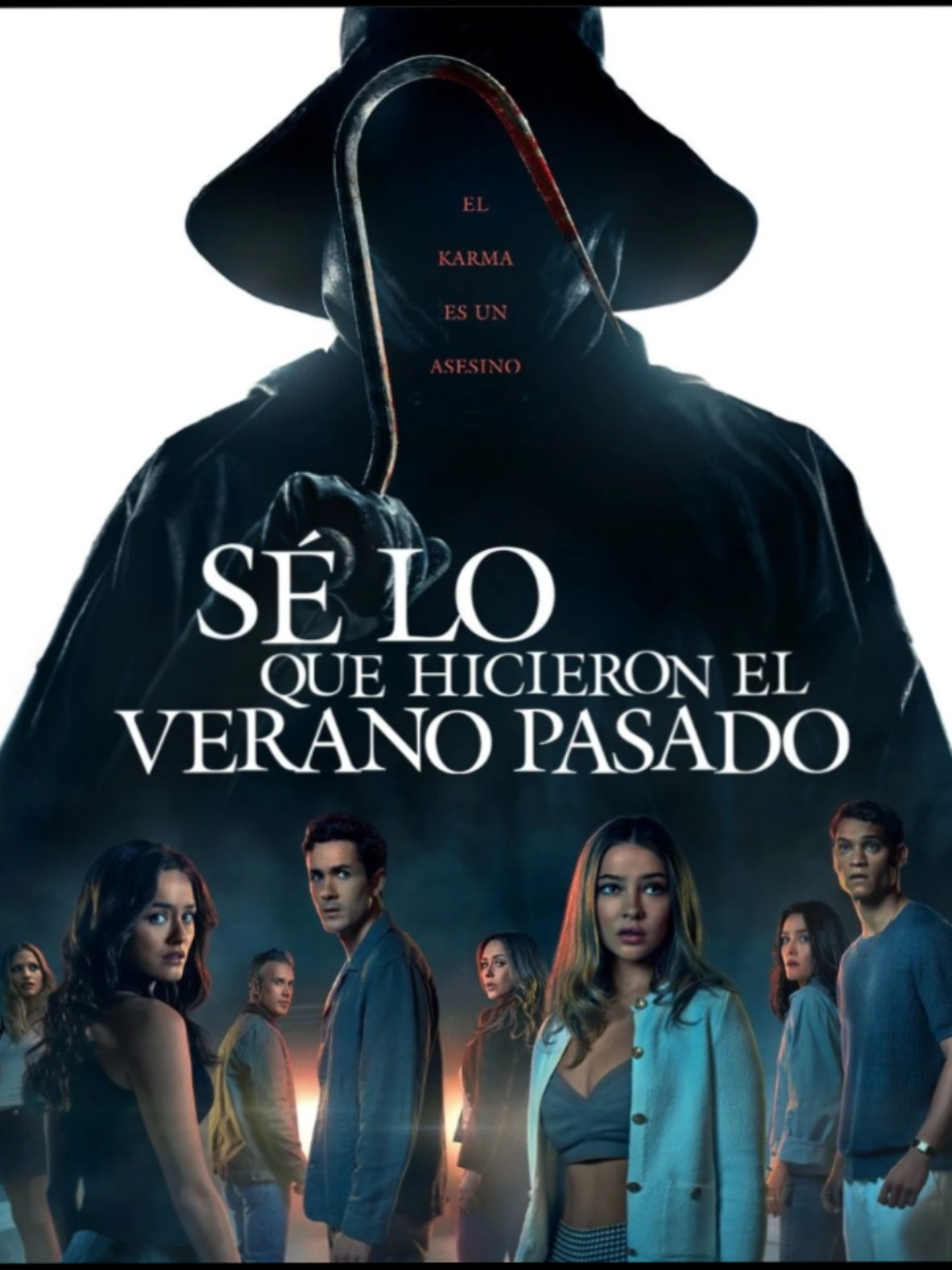
The I Know What You Did Last Summer franchise originated from a 1973 novel titled Days of Fear by Lois Duncan, which served as the foundation for the film’s premise. The 1997 original, directed by Jim Gillespie, was produced by Dimension Films and marked a turning point in teen horror, blending elements of suspense, revenge, and supernatural horror. The film’s success propelled it into a franchise with three direct sequels: I Still Know What You Did Last Summer (1998), directed by Danny Cannon; I Know What You Did Last Summer: The New Blood (2002), directed by Sylvain White; and I Know What You Did Last Summer (2006), a reboot directed by Danny Cannon. Each installment introduced new directors, casting choices, and tonal shifts, reflecting the changing landscape of horror cinema.
The original film starred Jennifer Love Hewitt as Julie James, Freddie Prinze Jr. as Barry William Collins, Sarah Michelle Gellar as Helen Shivers, and Ryan Phillippe as Kyle Bradford. Hewitt’s portrayal of Julie became particularly iconic, with her character’s arc of guilt and redemption defining the franchise’s emotional core. The sequels experimented with different casts, including Brandy Norwood and Fred Savage in the second film, and Jessica Lucas and Nick Lachey in the reboot. These casting decisions often mirrored the evolving tastes of audiences, with later entries leaning into more campy or over-the-top horror elements.
Box Office Performance and Critical Reception Over the Years
The original I Know What You Did Last Summer (1997) grossed $103.8 million worldwide against a $12 million budget, making it a commercial success and cementing Dimension Films’ reputation for producing profitable horror films. The film’s critical reception was mixed; while some praised its suspense and atmospheric tension, others criticized its predictable plot and reliance on teen angst. However, its box office performance opened doors for sequels and influenced a wave of teen horror films like Scream (1996) and The Craft (1996).
Table of Contents
- Understanding the Cultural Impact of I Know What You Did Last Summer
- Origins and Evolution of the Franchise: Release Dates, Directors, and Key Cast
- Box Office Performance and Critical Reception Over the Years
- The Iconic Tagline and Its Psychological Appeal in Horror Storytelling
- Timeline: Original Film vs. Sequels, Spin-Offs, and Reboot Attempts
- Comparative Table: Cultural References in the Franchise (1990s vs. Modern Audiences)
- Themes and Symbolism in I Know What You Did Last Summer
- Guilt as an Inescapable Force
- Nature as a Symbolic Backdrop for Internal Struggles
- Escaping the Past: Narrative Execution Across the Franchise
- Comparison of Revenge Themes: Original Film vs. Later Installments
- Fate vs. Free Will: Agency in the Franchise
- Behind-the-Scenes: Production Secrets and Challenges of I Know What You Did Last Summer
- Production Challenges: Weather, Locations, and Budget Constraints
- Cast Experiences: Improvisations and Physical Training
- Practical Effects: Makeup, Prosthetics, and Creature Design
- Production Techniques: Original Film vs. Later Sequels
The second film, I Still Know What You Did Last Summer (1998), underperformed compared to its predecessor, earning $78.7 million worldwide with a slightly higher budget of $14 million. Critics largely dismissed it as a cash-grab, though it retained a cult following for its darker tone and more explicit violence. The New Blood (2002) struggled even further, grossing $18.3 million worldwide on a $15 million budget, signaling the franchise’s waning appeal. The 2006 reboot, despite a $20 million budget, only earned $22.7 million worldwide, marking the franchise’s lowest financial return. Critical reception for the reboot was particularly harsh, with many dismissing it as a failed attempt to recapture the original’s magic.
Despite these fluctuations, the franchise’s cultural footprint remained significant. The original’s success proved that teen horror could be both commercially viable and thematically resonant, paving the way for films like Urban Legend (1998) and Disturbing Behavior (1998). Its box office trajectory also reflected broader industry trends, such as the rise of franchise fatigue in horror and the shift toward more self-aware, meta-commentary films in the 2000s.
The Iconic Tagline and Its Psychological Appeal in Horror Storytelling
The franchise’s tagline, "You can run, but you can’t hide," became one of the most recognizable in horror cinema. Its psychological appeal lies in its duality: it promises relentless pursuit while also evoking a sense of inescapable fate. The phrase taps into primal fears of exposure and consequences, themes that resonate deeply in horror narratives where protagonists are haunted by their past actions. This tagline also reflects the franchise’s core premise—guilt as a driving force—making it a memorable and marketable hook.
The tagline’s effectiveness can be attributed to its simplicity and universality. It doesn’t rely on complex metaphors but instead distills the horror of being watched or judged into a concise, punchy statement. This approach aligns with the franchise’s reliance on cat-and-mouse dynamics, where the killer (often the ghostly figure of the drowned victim) stalks the characters with an almost supernatural persistence. The tagline’s repetition across sequels reinforced its cultural staying power, ensuring that audiences associated the franchise with this specific brand of dread.
In modern horror, similar taglines like "What’s your worst fear?" (The Conjuring) or "In space, no one can hear you scream" (Alien) serve the same psychological function. However, I Know What You Did Last Summer’s tagline stands out for its focus on moral consequences rather than physical threats, making it uniquely tied to the franchise’s themes of redemption and guilt.
Timeline: Original Film vs. Sequels, Spin-Offs, and Reboot Attempts
The evolution of the I Know What You Did Last Summer franchise can be visualized through a timeline that highlights shifts in genre trends, directorial styles, and audience expectations.
| Year | Title | Director | Key Cast | Genre/Trend Shift | Box Office (Worldwide) |
|---|---|---|---|---|---|
| 1997 | I Know What You Did Last Summer | Jim Gillespie | Jennifer Love Hewitt, Freddie Prinze Jr. | Atmospheric teen horror, supernatural revenge, 90s neon aesthetic | $103.8 million |
| 1998 | I Still Know What You Did Last Summer | Danny Cannon | Brandy Norwood, Fred Savage | Darker tone, more explicit violence, franchise fatigue begins | $78.7 million |
| 2002 | I Know What You Did Last Summer: The New Blood | Sylvain White | Jessica Lucas, Nick Lachey | Campy, self-aware horror, shift toward teen comedy-horror hybrid | $18.3 million |
| 2006 | I Know What You Did Last Summer (Reboot) | Danny Cannon | Jessica Lucas, Nick Lachey | Attempted modern reboot, failed to recapture original’s magic, more CGI-heavy | $22.7 million |
| 2014 | I Know What You Did Last Summer (TV Series) | Various (TV) | New cast (TV adaptation) | Shift to television, serialized storytelling, lower budget | N/A (Canceled after 1 season) |
The timeline reveals a clear trajectory: the original film’s success led to rushed sequels that struggled to maintain its tone, culminating in a reboot that failed to resonate with modern audiences. The franchise’s attempt to transition to television in 2014 further underscored its declining cultural relevance, though it briefly sparked nostalgia among fans of the original.
Comparative Table: Cultural References in the Franchise (1990s vs. Modern Audiences)
The I Know What You Did Last Summer franchise is rich with cultural references that reflect the tastes and anxieties of its respective eras. Below is a comparative table highlighting how these references differ between the 1990s and modern audiences.
| Reference Type | 1990s Context | Modern Context | Relevance to Audiences |
|---|---|---|---|
| Music | Grunge (Nirvana, Pearl Jam), pop-punk (Green Day), and 90s R&B (Boyz II Men) | Indie folk (The Lumineers), hip-hop (Lil Uzi Vert), and synthwave revival | The 90s soundtrack evoked rebellion and angst; modern references lean into nostalgia and irony. |
| Fashion | Neon windbreakers, flannel shirts, baggy jeans, and platform shoes |
Themes and Symbolism in I Know What You Did Last Summer
The 1997 slasher I Know What You Did Last Summer transcends its status as a teen horror staple by weaving complex psychological and existential themes into its narrative. Beyond its surface-level suspense, the film explores guilt as an inescapable force, nature as a mirror of internal turmoil, and the cyclical nature of fate versus human agency. Each installment in the franchise builds upon these foundations while subverting or reinforcing horror tropes, particularly in its portrayal of revenge, friendship, and mental health. The franchise’s use of symbolism—ranging from the iconic shark to recurring motifs like the mask and diary—further deepens its thematic resonance, distinguishing it from contemporaries like Scream or The Craft.
Guilt as an Inescapable Force
The original film establishes guilt as its central psychological driver through the characters’ inability to outrun their collective crime. After accidentally killing a man during a joyride, Julie James (Jennifer Love Hewitt), Barry Williams (Freddie Prinze Jr.), Helen Shivers (Sarah Michelle Gellar), and Ray Bronson (Ryan Phillippe) bury the victim in the woods, only to be haunted by visions of the corpse resurfacing. The film’s opening scene—a flashback to the fatal incident—immediately frames guilt as an inescapable specter, with each character experiencing fragmented memories of the event. Julie’s recurring nightmares of the corpse’s hand emerging from the sand symbolize the repressed trauma that refuses to stay buried, both literally and metaphorically.
The consequences of their actions manifest physically: Barry’s paranoia and hallucinations (e.g., seeing the corpse in his car), Helen’s denial (she initially dismisses the supernatural elements as stress), and Ray’s self-destructive behavior (his reckless driving and eventual death) all stem from their shared guilt. The film’s twist—that the victim’s spirit is exacting revenge—serves as an externalization of their internal torment. This portrayal aligns with psychological horror traditions, where guilt becomes a character in itself, driving the narrative forward. Later installments, however, dilute this theme, often replacing existential dread with more conventional slasher mechanics.
Nature as a Symbolic Backdrop for Internal Struggles
The franchise’s setting—primarily coastal forests, beaches, and stormy waters—serves as more than a backdrop; it functions as an extension of the characters’ psychological states. The original film’s use of nature is particularly effective, with the dense woods representing the characters’ repressed memories and the ocean embodying their fear of being consumed by their past. The storm sequences, for instance, mirror the chaos within the characters: Barry’s breakdown during a thunderstorm reflects his unraveling psyche, while the shark’s emergence from the water symbolizes the inescapable nature of their crime.
In I Know What You Did Last Summer (2006), the coastal town of Blackwood becomes a character itself, with its eerie quietude and decaying infrastructure mirroring the characters’ isolation. The film’s reliance on found footage further blurs the line between reality and hallucination, as the environment itself seems to warp under the weight of the characters’ guilt. However, the 2014 reboot simplifies this symbolism, reducing nature to a generic horror setting rather than a reflective element. The contrast highlights how the original film’s use of landscape deepens its thematic complexity, whereas later entries prioritize spectacle over psychological depth.
Escaping the Past: Narrative Execution Across the Franchise
The concept of "escaping the past" is central to the franchise, but its execution varies significantly. The original film frames escape as an illusion; despite their attempts to move on—Julie’s college plans, Barry’s new relationship—the past relentlessly pursues them. The shark, as a recurring symbol, represents the inescapable consequences of their actions. In Last Summer (2006), the characters’ attempts to outrun their sins are similarly futile, though the film leans into a more supernatural interpretation of fate. The 2014 reboot, however, shifts the focus to a literal "monster in the closet" trope, where the past manifests as a vengeful entity (the "Boogeyman") rather than a psychological burden.
The franchise’s success in exploring this theme lies in its balance between external and internal conflicts. The original film’s strength is its portrayal of guilt as an internal force that distorts reality, making the supernatural elements feel organic. Later installments, however, often resort to more conventional horror devices, such as jump scares or over-the-top revenge plots, which undermine the deeper exploration of escapism. For example, I Still Know What You Did Last Summer (2014) introduces a time-travel element that feels contrived, reducing the theme of inescapability to a literal plot device rather than a psychological one.
Comparison of Revenge Themes: Original Film vs. Later Installments
The evolution of revenge in the franchise reflects broader shifts in tone and character motivation. Below is a comparative table illustrating these changes:
| Aspect | I Know What You Did Last Summer (1997) | I Know What You Did Last Summer (2006) | I Still Know What You Did Last Summer (2014) |
|---|---|---|---|
| Nature of Revenge | Supernatural; the victim’s spirit seeks retribution for a crime committed in ignorance. | Supernatural; a vengeful entity (the "Boogeyman") targets those who wrong others. | Supernatural/literal; time-travel mechanics allow the victim to physically return and enact revenge. |
| Motivation | Guilt-driven; characters are punished for their collective moral failure. | Moral justice; the Boogeyman punishes those who enable or ignore wrongdoing. | Personal justice; the victim’s return is framed as a quest for closure rather than punishment. |
| Tone | Psychological horror; revenge is a manifestation of guilt and paranoia. | Dark comedy/horror hybrid; revenge is played for suspense and dark humor. | Action-horror; revenge is a vehicle for spectacle and twists. |
| Character Agency | Limited; characters are trapped by their past and have little control over their fate. | Moderate; characters can outsmart or evade the Boogeyman but at a cost. | High; characters actively manipulate time to change their fate. |
| Symbolism | Shark = inescapable consequences; nature = repressed trauma. | Boogeyman = collective guilt; mirrors = distorted self-perception. | Time loops = denial of the past; masks = hidden identities. |
The original film’s revenge is deeply tied to its themes of guilt and fate, whereas later installments prioritize external conflicts and action-driven resolutions. This shift aligns with broader trends in teen horror, where psychological depth is often sacrificed for marketability.
Fate vs. Free Will: Agency in the Franchise
The franchise’s portrayal of fate versus free will evolves from a deterministic view in the original film to a more agency-driven narrative in later entries. In I Know What You Did Last Summer (1997), the characters’ lack of control is emphasized through their inability to escape their guilt. The shark’s appearances—first as a hallucination, then as a real threat—suggest that their fate is predetermined. Julie’s final confrontation with the corpse, where she accepts her role in the crime, underscores the film’s fatalistic tone.
By contrast, I Know What You Did Last Summer (2006) introduces elements of free will, as the characters must actively outsmart the Boogeyman. Helen’s decision to confront the entity directly, rather than flee, demonstrates agency, though her survival comes at a moral cost. The 2014 reboot takes this further, with time-travel mechanics allowing characters to rewrite their pasts. However, this approach undermines the franchise’s earlier themes of inescapability, reducing fate to a plot device rather than a philosophical exploration.
Key scenes illustrate this shift: - 1997: Barry’s breakdown during the storm reflects his powerlessness, as he is consumed by his guilt. - 2006: Helen
Behind-the-Scenes: Production Secrets and Challenges of I Know What You Did Last Summer
The production of I Know What You Did Last Summer (1997) was a high-stakes endeavor that blended teen horror tropes with practical effects, real-world locations, and a tight budget. Behind its sleek, sun-soaked aesthetic lay a series of logistical hurdles, creative improvisations, and technical innovations that shaped the franchise’s identity. From battling North Carolina’s unpredictable weather to balancing studio expectations with artistic vision, the film’s production process reveals how resourcefulness and improvisation became the backbone of its success. The challenges faced during filming—from location constraints to the physical demands on the cast—left a lasting imprint on the franchise, influencing everything from its visual style to its enduring cult status.
Production Challenges: Weather, Locations, and Budget Constraints
Filming I Know What You Did Last Summer in the summer of 1996 presented immediate and formidable obstacles, primarily due to North Carolina’s volatile coastal weather. The production team scouted locations along the Outer Banks, particularly Cape Hatteras National Seashore and Bodie Island, where the film’s eerie, isolated beaches were shot. However, the region’s frequent hurricanes, thunderstorms, and high winds disrupted schedules repeatedly. Director Jim Gillespie later recounted in interviews how entire shooting days were lost to sudden downpours or storm warnings, forcing the crew to reshoot scenes under artificial lighting or relocate to nearby inland areas. The reliance on natural light—critical for the film’s sunny, deceptive aesthetic—meant that even minor weather delays could cascade into weeks of reshoots.
Budget constraints further complicated production. With an estimated $12 million budget, the film had to balance the demands of a horror franchise with the limitations of a mid-tier studio production. Columbia Pictures, the distributor, initially viewed the project as a low-risk, high-reward teen horror film, but the lack of funding for extensive CGI or elaborate sets pushed the crew toward practical effects and location shooting. This constraint became a defining feature of the film’s production style, as seen in the handcrafted shark prosthetic, the realistic blood effects, and the minimal use of green screens. The decision to shoot in real locations—not only in North Carolina but also in Savannah, Georgia, for urban scenes—also saved costs while enhancing the film’s authenticity.
Another challenge arose from the remote filming locations, which posed logistical nightmares. The crew had to transport equipment, cast, and crew across rough terrain, often relying on local fishermen and boat rentals to access certain beach spots. Jennifer Love Hewitt, who played Julie James, revealed in a 2019 interview with Dread Central that the isolation of the Outer Banks meant limited access to makeup artists, wardrobe, and craft services, requiring the cast to adapt quickly to changing conditions. Despite these hurdles, the team’s ability to work within these constraints became a hallmark of the film’s resourceful and gritty production ethos.
Cast Experiences: Improvisations and Physical Training
The cast of I Know What You Did Last Summer brought their own unique contributions to the film, often through improvisation or rigorous physical preparation. Fred Savage, who played Barry William Cox, was known for his comedic timing, and his scenes in the film reflect that background. Savage later admitted in a 2006 interview with Shock Till You Drop that he improvised several lines, particularly in the diner scene where Barry’s nervous energy is on full display. His ability to blend humor with genuine fear—such as his reaction to the shark attack—added layers to his character, making Barry one of the franchise’s most memorable figures.
Jennifer Love Hewitt, then a rising star fresh off Party of Five, underwent intensive physical training to prepare for her role. The film’s opening scene, where Julie is chased through the woods, required stunt coordination and rigorous rehearsals to ensure Hewitt’s safety. She trained extensively in martial arts and agility drills to execute the chase sequences convincingly. Hewitt also had to master swimming in open waters, as several scenes required her to be submerged or partially underwater. Her preparation paid off, as her performance earned her critical acclaim and solidified her status as a horror leading lady.
Sarah Michelle Gellar, as Helen Shivers, faced her own set of challenges. Gellar was still relatively new to horror at the time, having primarily appeared in sitcoms like Sabrina the Teenage Witch. To embody Helen’s vulnerable yet tough exterior, she worked closely with director Gillespie to refine her delivery, particularly in scenes involving emotional breakdowns. Gellar’s improvisation during the psychiatric evaluation scene—where Helen’s erratic behavior is exposed—was later kept in the final cut, adding authenticity to her performance.
The cast’s dynamic also played a crucial role in shaping the film’s tone. Ryan Phillippe, as Wyatt Donnelly, and Jensen Daggett, as Ray Bronson, developed organic chemistry through long takes and unscripted moments. Phillippe, who had experience in independent films, brought a gritty, grounded approach to Wyatt’s character, while Daggett’s physicality—particularly in the shark attack scenes—was enhanced by his background in theater.
Practical Effects: Makeup, Prosthetics, and Creature Design
The creature design in I Know What You Did Last Summer is a testament to the film’s reliance on practical effects, a rarity in horror films of the late 1990s, which were increasingly turning to CGI. The shark, known as "The Hooker" due to its distinctive, jagged teeth, was created by KNB EFX Group, a company known for its work on The Abyss (1989) and Jurassic Park (1993). The shark was a hybrid of animatronics and prosthetic makeup, with a full-body suit for underwater scenes and a partial animatronic head for close-ups. The creature’s teeth alone were a marvel of practical effects, crafted from hand-sculpted latex and metal hooks to create its signature menacing grin.
The blood effects were equally impressive, using a combination of corn syrup, fake blood, and food coloring to achieve realistic splatter. The gore in the film’s climax—such as the severed foot and the dismembered body parts—was achieved through practical prosthetics and forced perspective, rather than digital enhancement. This approach not only saved on costs but also added a tactile, visceral quality to the film’s scares.
Comparing these techniques to modern CGI reveals the artisan quality of the original film’s effects. While later sequels and remakes leaned heavily on digital creatures and motion capture, the 1997 film’s shark remains one of the most tactile and unsettling horror creatures of the decade. The lack of CGI allowed for more improvisation—actors could physically interact with the shark, and the creature’s movements felt organic and unpredictable.
Production Techniques: Original Film vs. Later Sequels
The evolution of I Know What You Did Last Summer across its sequels reflects broader changes in horror film production, particularly the shift toward digital effects and studio-driven storytelling. Below is a comparative table outlining key differences in production techniques between the original film and its sequels:
| Production Aspect | I Know What You Did Last Summer (1997) | I Still Know What You Did Last Summer (2006) | I Know What You Did Last Summer: The Final Chapter (2014) |
|---|---|---|---|
| Primary Filming Locations | North Carolina (Outer Banks, Savannah), Georgia | Dominican Republic (Punta Cana), California (studio sets) | Romania (Bucharest, Transylvania), studio backlots |
| Creature Effects | Practical animatronics (KNB EFX), latex prosthetics, forced perspective | CGI-enhanced shark (digital enhancements), minimal practical effects | Full CGI creature, motion capture, digital matte painting |
| Camera Work | Handheld and steadycam for chase scenes, natural lighting | Steadicam and dolly shots, artificial lighting dominance | Heavy use of CGI camera angles, green screen integration |
| Sound Design | Practical sound effects (water splashes, creature growls), minimal
I Know What You Did Last Summer endures not just as a horror franchise, but as a mirror reflecting societal fears about accountability, fate, and the ghosts of our past. Its blend of psychological tension, symbolic landscapes, and unforgettable characters has cemented its place in cinematic history, while behind-the-scenes struggles and production innovations reveal the grit behind its polished final product. Whether through its iconic tagline, haunting soundtrack, or the way it weaponized 90s nostalgia against modern audiences, the franchise proves that some fears never go out of style—no matter how hard we run. |
Leave a Comment
Comments are moderated before appearing. The data you submit is processed according to the Privacy Policy of Inhonorofdesign.