I Know What Did Last Summer Unlocked Its Horror Legacy

Nearly three decades after its chilling debut, I Know What You Did Last Summer remains a defining chapter in teen horror, blending slasher tropes with psychological unease that redefined summer blockbuster expectations. Released in 1997, the film arrived at a cultural crossroads where slasher fatigue had dulled audience appetite for predictable terror, yet its subversive storytelling—rooted in guilt, betrayal, and the blurred lines between victim and villain—revitalized the genre. The movie’s hook-handed killer, lurking in the shadows of Florida’s neon-lit coastal towns, became more than a monster; he became a symbol of unresolved trauma, mirroring the anxieties of an entire generation.
The franchise’s evolution from cult favorite to pop culture phenomenon reflects broader shifts in horror’s landscape, from the shock-value marketing of the ’90s to the nuanced, character-driven scares of today. Beyond its jump scares and iconic imagery, the film’s legacy lies in its ability to tap into universal fears—peer pressure, parental authority, and the terror of being watched—while its sequels, reboots, and spin-offs have expanded its universe into novels, comics, and even potential TV adaptations. Yet, the original’s psychological depth and visual innovation continue to cast a long shadow, proving that some horrors never truly fade.
The Cultural Impact of I Know What You Did Last Summer (1997): Subverting Tropes and Redefining Teen Horror

I Know What You Did Last Summer (1997) emerged as a defining entry in the late-'90s slasher revival, blending nostalgia, teen angst, and horror in a way that both honored and redefined the genre’s conventions. Released during a period of cinematic transition—where slasher fatigue from the '80s clashed with the rising demand for fresh, marketable horror—the film became a cultural touchstone. Its success hinged on a delicate balance: leveraging the familiarity of slasher tropes while introducing subversive storytelling elements that resonated with a generation weary of predictable horror narratives. By recontextualizing the "final girl" trope, playing with unreliable narration, and embedding its horror within a coming-of-age framework, the film carved out a unique space in both teen cinema and the broader horror landscape.
The film’s cultural footprint extended beyond its box office performance, influencing marketing strategies, audience expectations, and even the visual language of horror. Its impact was particularly pronounced in the U.S., where it capitalized on the "slasher revival" trend, but its reception abroad revealed nuanced differences in genre appeal. Meanwhile, the film’s aesthetic—defined by neon-lit beach settings, '90s fashion, and the iconic "hook hand" killer—became a visual shorthand for the era’s blend of innocence and dread.
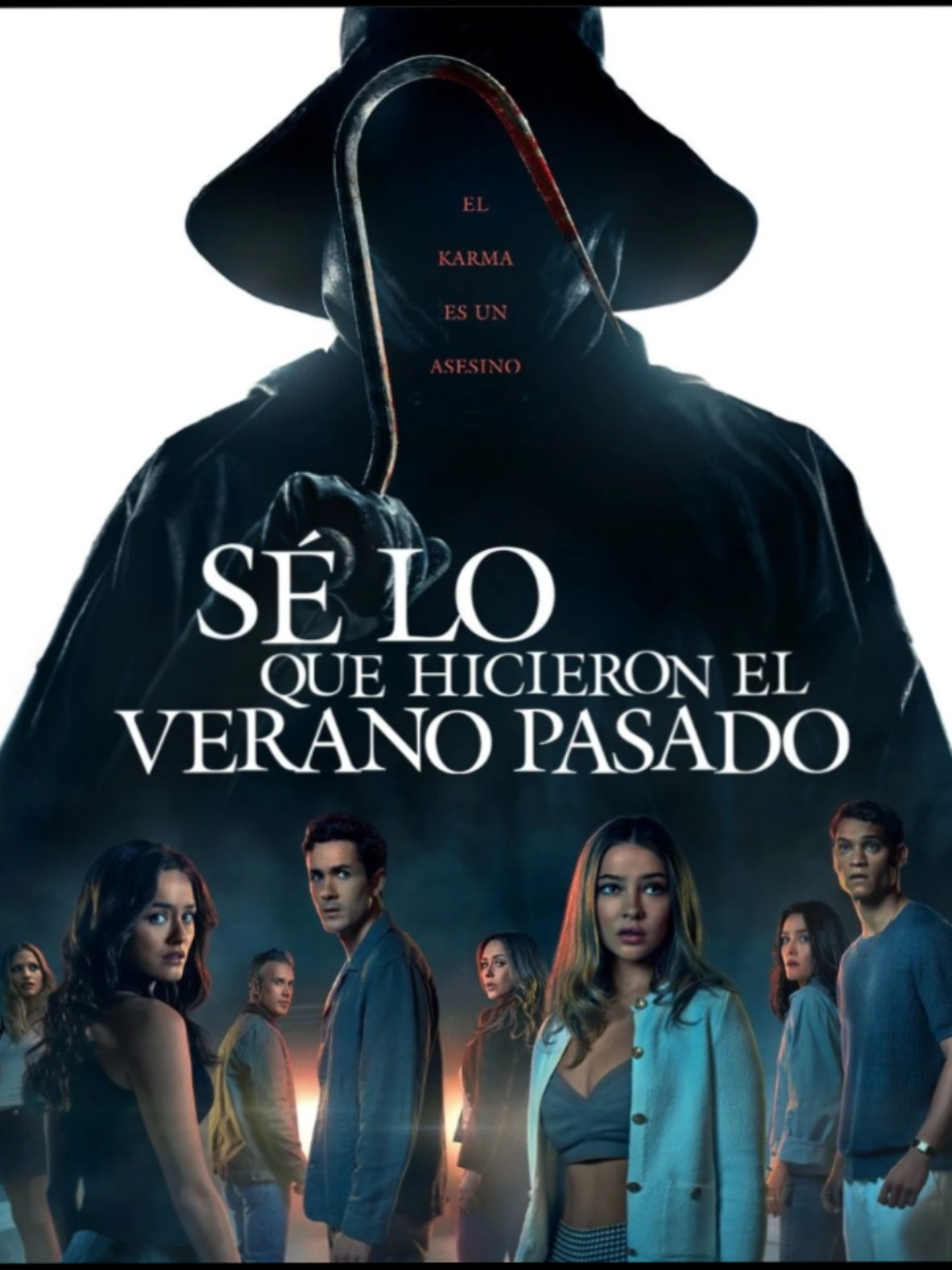
Subverting Slasher Tropes: How I Know What You Did Last Summer Rewrote Horror Rules
The late '90s marked a turning point for slasher films, as audiences grew disillusioned with the formulaic violence and one-dimensional villains of the '80s. I Know What You Did Last Summer addressed this fatigue by introducing structural and thematic innovations that distinguished it from its predecessors. Unlike traditional slashers, where the killer’s identity was often revealed early or through campy exposition, this film delayed the reveal of the antagonist’s true nature until the third act, creating sustained tension. The twist—revealing the killer as one of the protagonists—was a bold departure from the era’s dominant slasher playbook, which favored external, often supernatural threats (Scream’s Ghostface being a notable exception).
Additionally, the film deconstructed the "final girl" archetype, a staple of '80s slashers. Instead of a passive victim, the protagonists—particularly Helen Shivers (Jennifer Love Hewitt)—exhibited agency, resourcefulness, and moral ambiguity. Their actions, including the fatal hit-and-run that sets the plot in motion, blurred the line between victim and perpetrator, a narrative choice that reflected the era’s cynicism toward authority and moral absolutes. This ambiguity extended to the film’s ending, which deliberately left the killer’s fate unresolved, a rarity in slasher cinema. Such choices positioned I Know What You Did Last Summer as both a homage to and a critique of the genre, appealing to audiences seeking something more complex than the slashers of decades past.
Table of Contents
- The Cultural Impact of I Know What You Did Last Summer (1997): Subverting Tropes and Redefining Teen Horror
- Subverting Slasher Tropes: How I Know What You Did Last Summer Rewrote Horror Rules
- A Timeline of Cultural Moments: Summer Blockbusters, Slasher Fatigue, and the Rise of I Know What You Did Last Summer
- Comparative Analysis: U.S. vs. International Reception of I Know What You Did Last Summer
- The Franchise Evolution: From Film to TV and Beyond
- Narrative Arcs and Horror Subgenre Shifts Across Films (1997–2022)
- Creative Choices in the 2022 Reboot: Tone, Cinematography, and Marketing
- Spin-Offs, Merchandise, and Extended Universe Content
- Franchise Timeline: Production Delays, Cast Changes, and Behind-the-Scenes Controversies
- The Psychology of Fear in I Know What You Did Last Summer : Crafting Paranoia and Relatability
- Found Footage and the Illusion of Surveillance: Blurring Reality and Paranoia
- Billy Loop: A Killer Rooted in Psychological Motivation, Not Just Bloodlust
- Teenage Fears Exploited: Betrayal, Authority, and the Horror of Growing Up
- Jump Scares and Audio Manipulation: The Science of Modern Horror Tension
- Behind the Scenes: Production Secrets and Trivia of I Know What You Did Last Summer
- Filming Challenges in Real Locations and Adaptive Horror Setups
- The Killer’s Hook Hand: Prosthetic Design and Actor Training
- Unused Scenes and Alternate Endings from Early Drafts
- Real-Life Inspirations and Urban Legends Behind Characters
- Cast Anecdotes: Jennifer Love Hewitt’s Preparation and On-Set Accidents
- Pre-Production Timeline: Script Revisions, Casting, and Location Scouting
The film’s unreliable narration further set it apart. The opening voiceover—"I know what you did last summer"—immediately established a tone of paranoia and introspection, framing the audience as complicit in the characters’ secrets. This device mirrored the psychological horror of films like The Blair Witch Project (1999) and Urban Legend (1998), where the audience’s role in deciphering clues became part of the experience. By the time the killer’s identity was revealed, the film had already primed viewers to question their own perceptions, a meta-narrative technique that would later influence horror-thrillers like The Ring (2002).
A Timeline of Cultural Moments: Summer Blockbusters, Slasher Fatigue, and the Rise of I Know What You Did Last Summer
The release of I Know What You Did Last Summer in February 1997—unusually early for a horror film—was a strategic move by New Line Cinema to capitalize on the summer blockbuster season, a trend that had dominated Hollywood since the late '70s. However, the film’s timing also reflected a broader shift in how horror was marketed and consumed. The late '90s saw a resurgence of slasher films, but this revival was distinct from the '80s boom, characterized by self-aware, teen-oriented horror that often incorporated elements of comedy or satire.
- 1994–1996: The Lead-Up to the Slasher Revival The groundwork for I Know What You Did Last Summer was laid by films like Scream (1996), which revitalized the slasher genre by mocking its own tropes while delivering genuine scares. Scream’s success proved that audiences craved horror with wit, meta-commentary, and a younger demographic. Meanwhile, the rise of MTV and teen-oriented television (Beverly Hills, 90210, Dawson’s Creek) created a cultural moment where teen angst and rebellion were commercially viable, making films like I Know What You Did Last Summer ripe for exploitation.
- February 1997: Early Release and Word-of-Mouth Hype New Line Cinema’s decision to release the film in February—typically a slow month for horror—was risky but effective. The film’s limited initial release (1,000 screens) generated buzz through theatrical screenings and college campus promotions, targeting the 13–25 demographic. This strategy contrasted with the mass saturation releases of '80s slashers, instead relying on organic, grassroots marketing that would later define the "viral" era of the 2000s.
- Summer 1997: The Blockbuster Peak By summer, I Know What You Did Last Summer became a cultural phenomenon, grossing over $103 million domestically on a $12 million budget. Its success was fueled by summer camp marketing, including tie-in merchandise (T-shirts, posters) and a soundtrack featuring bands like Smashing Pumpkins and Bush. The film’s beach and lake settings aligned with the season’s leisure themes, making it feel like a natural extension of summer entertainment rather than a traditional horror release.
- 1997–1998: The Franchise Effect and Genre Influence The film’s sequel, I Still Know What You Did Last Summer (1998), further cemented its place in the slasher revival, though it underperformed critically. However, the franchise’s longevity demonstrated the marketability of teen horror, paving the way for later entries like The Final Destination series. The film’s influence also extended to television, with I Know What You Did Last Summer inspiring episodes of Buffy the Vampire Slayer and Charmed, where teen protagonists grappled with supernatural consequences of their actions.
- Late '90s–Early 2000s: The Legacy of the Slasher Revival I Know What You Did Last Summer was part of a broader trend that included Urban Legend (1998), The Faculty (1998), and Disturbing Behavior (1998), all of which blended horror with teen drama. These films reflected a cultural shift where horror was no longer just a genre for adults but a vehicle for exploring youthful rebellion, guilt, and the consequences of bad decisions. The film’s unresolved ending also foreshadowed the rise of open-ended horror, a trend that would dominate the 2000s with films like The Ring and Let the Right One In (2008).
Comparative Analysis: U.S. vs. International Reception of I Know What You Did Last Summer
While I Know What You Did Last Summer was a domestic sensation, its reception abroad revealed regional differences in horror genre appeal, marketing strategies, and cultural sensibilities. In the U.S., the film’s teen-focused horror aligned with the Y2K-era obsession with nostalgia and coming-of-age stories, while international markets often received it as either a campy thriller or a failed attempt at American teen drama.
| Aspect | United States | Europe (UK, Germany, France) | Asia (Japan, South Korea, Australia) | |||||||||||||||||||||
|---|---|---|---|---|---|---|---|---|---|---|---|---|---|---|---|---|---|---|---|---|---|---|---|---|
| Primary Audience |
| Year | Event | Impact |
|---|
| Jump Scare Scene | Placement & Context | Audio Cues | Psychological Trigger | Modern Rewatch Effectiveness (1/5 to 5/5) |
|---|---|---|---|---|
| Security Cam Flashback | Billy’s body is discovered; the cam switches to the teens’ car moments before the crash. | Sudden silence followed by a distorted scream (Helen’s POV). | False sense of safety—viewers assume the threat is over until the reveal. | 4/5 (Nostalgia + effective foreshadowing) |
| Boat Chase – "You’re Not Alone" | Julie is alone on the boat; Billy’s voice whispers from the water. |
Behind the Scenes: Production Secrets and Trivia of I Know What You Did Last Summer
Filming I Know What You Did Last Summer (1997) was a high-stakes endeavor that blended improvisational horror with the unpredictability of real-world production challenges. From navigating Florida’s natural hazards to crafting the killer’s iconic grotesque appearance, the production team faced obstacles that tested their creativity and adaptability. The film’s success stemmed not only from its script but also from the behind-the-scenes ingenuity that turned logistical hurdles into atmospheric horror elements. Below, the intricacies of the film’s production—from location scouting to practical effects—reveal how a modest budget and resourcefulness shaped one of the most enduring teen slasher films of the late '90s.
Filming Challenges in Real Locations and Adaptive Horror Setups
The decision to shoot I Know What You Did Last Summer in Florida’s natural landscapes presented both aesthetic and practical challenges. The crew faced hurricanes, restricted access to private beaches, and permits that required creative workarounds to capture the film’s eerie coastal atmosphere. Director Jim Gillespie and his team initially scouted locations in Crystal River, Florida, where the film’s infamous opening scene—a group of teens driving into the water—was shot. However, securing permits for night shoots on public beaches proved difficult, forcing the crew to film some scenes under the cover of darkness with minimal lighting to avoid detection by authorities. The boat chase sequence, a pivotal moment in the film, was particularly perilous. The crew had to contend with unpredictable tides, strong currents, and the risk of the boat capsizing during takes. To heighten realism, the actors performed their own stunts, including Freddie Prinze Jr. and Sarah Michelle Gellar, who endured hours in the water and on a swaying boat while filming. The production also had to adapt to Florida’s wildlife, with alligators and stray dogs occasionally appearing in the frame, unscripted. These unplanned elements added an unsettling authenticity to the film’s horror aesthetic, reinforcing the idea that danger lurked in the natural world. The abandoned house where the killer’s hideout was filmed required extensive modifications to appear derelict and menacing. The crew transformed a real, but functional, home in Crystal River by boarding up windows, adding graffiti, and staging debris to create a sense of decay. The challenge was balancing the house’s structural integrity with its eerie appearance, as some scenes required the actors to move freely inside. The production team also had to contend with squirrelly wildlife—literally. During one scene, a raccoon wandered onto set, prompting the crew to pause filming until the animal was safely relocated, a moment that later became a humorous anecdote among the cast and crew.
The Killer’s Hook Hand: Prosthetic Design and Actor Training
The killer’s most chilling feature—a hook hand—became an iconic symbol of the film’s horror. Created by KNB Effects Group, the prosthetic was designed to be both grotesque and functional, allowing the actor (Musetta Vander, who played the killer) to manipulate objects with eerie precision. The hook was crafted from steel and latex, with a mechanism that enabled the actor to open and close it using a wire system controlled by her hand movements. The design was inspired by classic horror villains like Leatherface and Pinhead, but with a more mechanical, almost industrial edge to reflect the killer’s methodical nature. Training for the role was rigorous. Vander underwent weeks of physical therapy to strengthen her hand and wrist muscles, as the prosthetic required significant dexterity. She also practiced improvised dialogue to deliver lines with a menacing, raspy voice while wearing the heavy makeup and hook. The killer’s movements were choreographed to appear unnatural yet fluid, with the hook often used to grab objects or threaten characters in ways that felt both sudden and inevitable. The prosthetic was so effective that it became a fan-favorite detail, later influencing costume design in horror films and even inspiring cosplay replicas.
Unused Scenes and Alternate Endings from Early Drafts
The original script for I Know What You Did Last Summer underwent significant revisions before filming began, with several scenes and alternate endings cut due to budget constraints or pacing issues. One notable unused scene involved a prolonged chase through the woods, where the killer pursued the teens with a chainsaw. This sequence was scrapped to tighten the film’s runtime, but elements of it were repurposed into the boat chase and the killer’s ambush in the house. Another discarded idea was a flashback sequence revealing the killer’s backstory, which would have explored their motives in more detail. This was omitted to maintain the film’s mystery and ambiguity, a choice that later critics praised for its suspense. The alternate ending was particularly intriguing. In one version, Julie James (Jennifer Love Hewitt) survived the film’s events but was haunted by the killer’s presence, leading to a psychological breakdown in the final scene. This ending was abandoned in favor of the more open-ended conclusion, where Julie’s fate remains uncertain. The decision to leave the ending ambiguous was a deliberate stylistic choice, aligning with the film’s theme of unresolved guilt and paranoia. Director Jim Gillespie later stated that the ambiguity allowed audiences to project their own fears onto the story, enhancing its cultural impact.
Real-Life Inspirations and Urban Legends Behind Characters
Several characters in I Know What You Did Last Summer were inspired by real-life experiences or urban legends. The film’s premise—four friends haunted by a killer after a fatal accident—was loosely based on urban myths about vengeful spirits or unseen witnesses. Gillespie drew from his own teenage experiences in Florida, where he recalled hearing stories of mysterious disappearances and urban legends about hidden killers in the Everglades. These local tales influenced the film’s setting and tone, giving it a grounded, almost mythic quality. Julie James was partially inspired by Jennifer Love Hewitt’s real-life persona, as the actress brought her method-acting intensity to the role. Hewitt prepared by immersing herself in the character’s guilt and fear, even avoiding social interactions off-set to maintain the emotional weight of Julie’s isolation. The character’s red hoodie, a symbol of her vulnerability, was chosen for its stark contrast against the dark, natural backdrop of Florida’s forests. The killer’s identity was intentionally left ambiguous, but some speculate that Musetta Vander’s character was influenced by the legend of the "Hook Man"—a cryptid said to lurk in the swamps of the American South. Vander’s performance was designed to be unsettling yet enigmatic, with her raspy voice and erratic movements contributing to the killer’s uncanny, almost supernatural presence.
Cast Anecdotes: Jennifer Love Hewitt’s Preparation and On-Set Accidents
Jennifer Love Hewitt’s portrayal of Julie James required a deep dive into psychological horror, and she approached the role with method-acting dedication. Hewitt spent weeks studying real-life cases of guilt and paranoia, including interviews with survivors of traumatic events. She also avoided sleep during certain scenes to heighten the character’s exhaustion and paranoia, a technique that left her visibly drained but committed to the performance. Hewitt later revealed that she cried real tears during the film’s emotional moments, particularly in scenes where Julie confronts her friends about the accident. The cast also faced physical challenges during filming. One of the most harrowing moments occurred during the boat chase sequence, where Sarah Michelle Gellar nearly fell overboard while performing a stunt. The crew had to pause production to ensure her safety, and the scene was reshot with additional safety measures. Another incident involved Freddie Prinze Jr., who suffered a minor concussion during a fight scene with the killer. Despite the setbacks, the cast’s improvisational spirit helped maintain the film’s tense, unpredictable atmosphere.
Pre-Production Timeline: Script Revisions, Casting, and Location Scouting
The pre-production phase of I Know What You Did Last Summer spanned over a year, with key milestones shaping the film’s final form. Below is a timeline of critical developments:
| Phase | Duration | Key Activities |
|---|---|---|
| Script Development | January–June 1996 | The original script, titled "Last Summer", was rewritten multiple times to refine the killer’s identity and the teens’ backstory. Early drafts included a more detailed backstory for the killer, later simplified for ambiguity. |
| Casting Calls | July–September 1996 | Jennifer Love Hewitt was cast as Julie after a screen test where she improvised the character’s guilt-ridden monologue. Freddie Prinze Jr. was chosen for his natural chemistry with the female leads, while Sarah Michelle Gellar was signed |
I Know What You Did Last Summer did more than scare audiences—it redefined how horror could intertwine with teenage life, blending visceral terror with emotional stakes that resonated far beyond the screen. From its groundbreaking use of found footage to manipulate perception to the killer’s design becoming a cultural shorthand for vengeful retribution, the film’s influence persists in modern horror’s obsession with unreliable narrators and cyclical guilt. As the franchise ventures into new mediums, its core question remains: Can horror ever truly escape its past? The answer, like the killer’s hook, is always lurking just out of sight.
Leave a Comment
Comments are moderated before appearing. The data you submit is processed according to the Privacy Policy of Inhonorofdesign.