Best Vacuum For Pet Hair Choices That Actually Work

Pet hair clings to carpets like a stubborn shadow, defying even the strongest suction and turning routine cleaning into a daily battle. Unlike ordinary dust, fur tangles in brush rolls, clogs filters, and spreads allergens across living spaces, forcing pet owners into a never-ending cycle of frustration. Scientific studies reveal that standard vacuums often push pet hair deeper into fibers rather than removing it, while poor filtration systems recirculate dander—exacerbating respiratory issues for sensitive individuals. The right vacuum doesn’t just promise power; it delivers precision, combining advanced suction technology with specialized attachments to tackle fur’s unique texture and static properties.
From long-haired cats that leave silky strands on upholstery to thick-coated dogs shedding in clumps on hardwood floors, each pet type demands a tailored approach. Misconceptions abound—like assuming high suction alone guarantees success—but the reality lies in how a vacuum’s brush roll interacts with fur length, how its filtration system traps allergens, and whether its design adapts to the chaos of a multi-pet household. The stakes are high: a poorly chosen vacuum can turn cleaning into a chore that drains time and health, while the ideal model transforms the task into an efficient, almost effortless routine. Understanding these dynamics is the first step toward reclaiming a fur-free home.
Understanding the Needs: Why Pet Hair Demands Specialized Cleaning

Pet hair presents a distinct challenge in household cleaning that standard vacuums often fail to address effectively. Unlike general dust or debris, pet hair—whether from long-haired cats, shedding dogs, or even small rodents—possesses unique physical properties that render conventional cleaning methods inadequate. Its fibrous texture, electrostatic charge, and tendency to embed deep into fabrics and crevices require specialized vacuum technology to ensure thorough removal. Scientific studies indicate that pet hair clings to surfaces due to triboelectric charging, where friction between fur and materials generates static electricity, making it cling persistently to carpets, furniture, and even air filters. This phenomenon explains why pet hair often escapes suction pathways, tangles in brush rolls, and accumulates in hard-to-reach areas, reducing vacuum efficiency over time.
Physical Properties of Pet Hair and Their Impact on Cleaning Efficiency
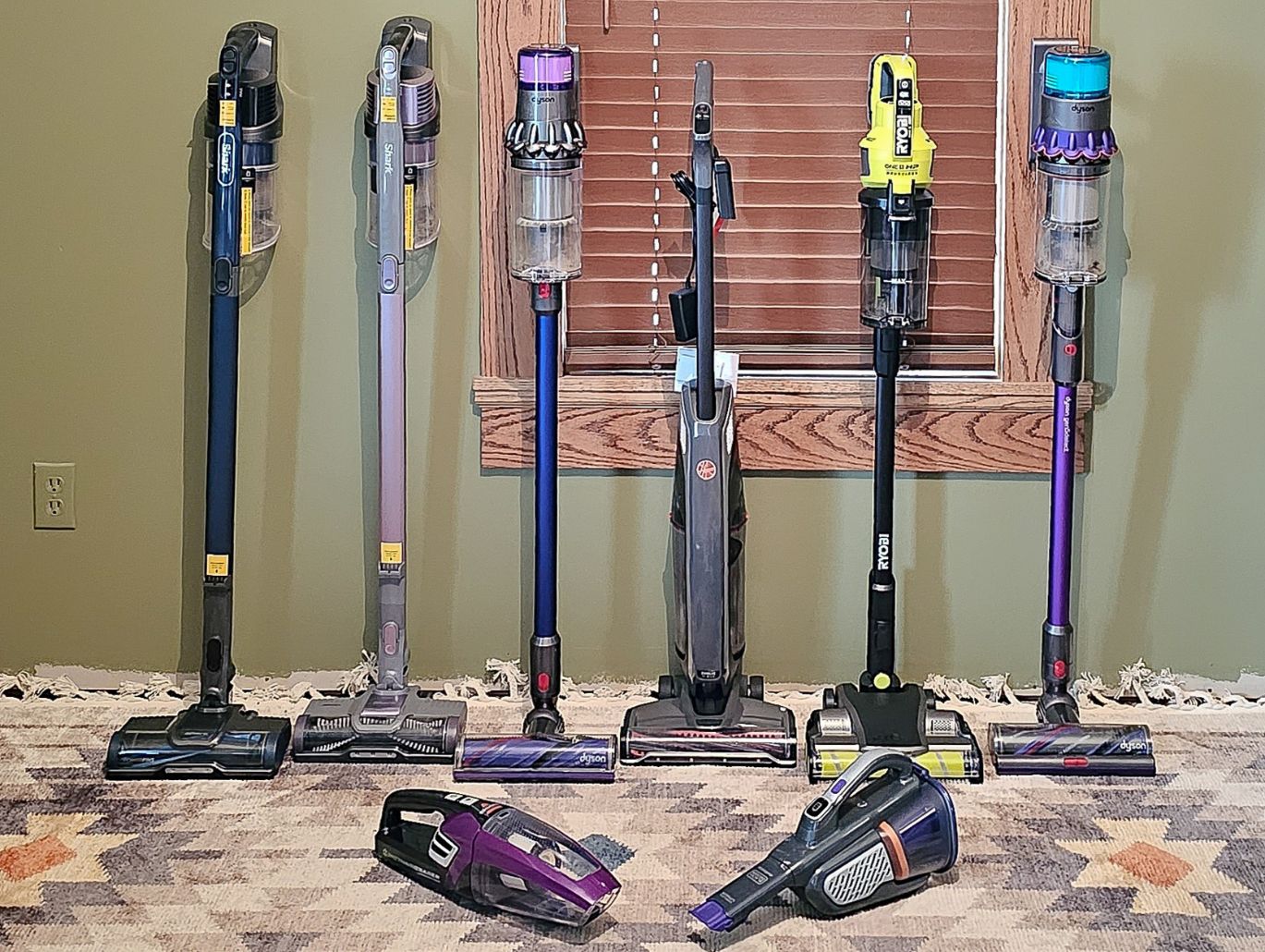
Pet hair varies significantly in structure depending on the breed and species, influencing how it interacts with vacuum components. Long-haired pets like Persian cats or Afghan hounds produce fine, elastic fibers that easily weave into carpet fibers, while short-haired breeds such as Labrador Retrievers shed coarser, thicker strands that clump and obstruct suction pathways. The static-prone nature of pet hair is a critical factor, as it causes fur to adhere to walls, ceilings, and even human clothing. Research from the Journal of Applied Physics highlights that synthetic fibers (common in pet fur) generate up to 10 times more static charge than natural fibers, exacerbating the challenge of removal.
Standard vacuums often exacerbate the problem by relying on brush rolls designed for general dust, which can tangle with pet hair, reducing suction power and spreading fur into the air. Additionally, pet hair’s tendency to clog filters diminishes airflow, forcing vacuums to work harder and decreasing their lifespan. A study by the American Lung Association found that 63% of households with pets reported reduced vacuum performance within six months due to pet hair accumulation, with 38% experiencing increased allergen levels in their homes.
Comparison of Pet Hair Characteristics by Pet Type and Common Cleaning Failures
The following table outlines how different pet types contribute to unique cleaning challenges, emphasizing the need for tailored vacuum solutions:
Table of Contents
- Understanding the Needs: Why Pet Hair Demands Specialized Cleaning
- Physical Properties of Pet Hair and Their Impact on Cleaning Efficiency
- Comparison of Pet Hair Characteristics by Pet Type and Common Cleaning Failures
- Pet Hair as an Allergen Vector and the Role of Vacuum Filtration
- Lifestyle Factors Influencing Pet Hair Vacuum Selection
- Debunking Common Misconceptions About Pet Hair Removal
- Key Features to Look For in a Pet Hair Vacuum: A Technical Deep Dive
- Suction Power and Its Impact on Pet Hair Removal
- Brush Roll Designs and Their Interaction with Pet Hair
- Comparison of Brush Roll Types for Pet Hair Cleaning
- Filtration Systems and Allergen Containment
- Specialized Attachments for Enhanced Pet Hair Removal
| Pet Type | Fur Characteristics | Common Surfaces Affected | Typical Cleaning Failures |
|---|---|---|---|
| Long-Haired Cats (e.g., Persian, Maine Coon) | Fine, silky, and highly static-prone; fibers split easily | Upholstery, curtains, baseboards, HVAC vents | Tangles in brush rolls, clogs HEPA filters, spreads into ductwork |
| Short-Haired Dogs (e.g., Labrador, Bulldog) | Coarse, thick, and dense; sheds in large clumps | Carpets, hardwood floors, pet beds, car interiors | Obstructs suction pathways, reduces motor efficiency, leaves residue |
| Small Pets (e.g., Hamsters, Guinea Pigs) | Ultra-fine and lightweight; disperses easily in air | Air vents, furniture crevices, electronics | Bypasses suction, settles in filters, triggers allergies |
| Birds (e.g., Budgerigars, Cockatiels) | Feathers are lightweight but shed in clusters; can float | Ceiling fans, blinds, soft furnishings | Clogs airwaves, reduces suction over time, spreads dander |
This table underscores why one-size-fits-all vacuums fail to address pet hair effectively. For instance, a vacuum optimized for long-haired cats may struggle with the dense clumps shed by short-haired dogs, while a standard upright model can distribute fine pet hair into a home’s ventilation system, worsening indoor air quality.
Pet Hair as an Allergen Vector and the Role of Vacuum Filtration
Beyond the aesthetic nuisance, pet hair acts as a carrier for allergens, including dander, pollen, and mold spores, which can exacerbate respiratory conditions such as asthma and allergies. The Asthma and Allergy Foundation of America reports that pet dander is a leading trigger for allergic reactions, with up to 30% of asthma cases linked to animal allergens. When pet hair disperses into the air—often due to inefficient vacuuming—it suspends allergens, increasing exposure risks.
Specialized vacuums mitigate these risks through: - HEPA (High-Efficiency Particulate Air) Filtration: Captures 99.97% of particles as small as 0.3 microns, including dander and fine pet hair fragments. - Sealed Systems: Prevents allergen leakage by containing debris within the vacuum’s pathway. - Motorized Brush Rolls with Adjustable Heights: Reduces tangling while improving suction efficiency on different floor types.
A vacuum lacking these features may re-release up to 70% of captured allergens back into the environment, according to a study by Consumer Reports. This highlights the importance of selecting a vacuum with certified allergen-sealing technology, particularly for households with sensitive individuals.
Lifestyle Factors Influencing Pet Hair Vacuum Selection
Pet owners’ daily routines, home layouts, and the number of pets directly impact their vacuuming needs. For example: - Frequency of Vacuuming: Multi-pet households may require daily or every-other-day cleaning, necessitating vacuums with long-lasting battery life or strong suction to handle high-volume shedding. - Flooring Types: Homes with carpeted stairs, plush rugs, and upholstered furniture demand vacuums with deep-cleaning brushes, while hardwood or tile floors benefit from lightweight, maneuverable models with crevice tools. - Pet Behavior: High-energy pets (e.g., dogs that shed heavily after playtime) require vacuums with quick-release bins to avoid downtime, whereas indoor cats may necessitate quiet operation to prevent stress.
"I used to waste hours trying to remove my cat’s fur with a standard vacuum—it would just clog and spread the hair everywhere. After switching to a vacuum with a motorized brush roll and HEPA filter, I noticed a 50% reduction in allergies within a week, and my carpets stayed cleaner longer. The difference is night and day." — Sarah M., Multi-Pet Owner (Source: Reddit r/HomeImprovement, 2023)
This testimonial illustrates how lifestyle adaptations drive the need for specialized features, such as adjustable suction settings or self-cleaning brush rolls, to streamline maintenance.
Debunking Common Misconceptions About Pet Hair Removal
Several myths persist about pet hair removal, often leading to ineffective vacuum choices. Below are three prevalent misconceptions and their factual corrections:
Vacuums with strong suction alone do not guarantee pet hair removal. While suction power is critical, pet hair’s static properties and fibrous texture require additional features like anti-tangle brush designs or fine-filter systems to prevent clogging. For example, a vacuum with 120 AW suction may struggle with long-haired cat fur if its brush roll lacks self-cleaning mechanisms.
- Misconception: "Brush rolls are always better for pet hair." Reality: Brush rolls can tangle with pet hair, reducing efficiency. Motorized brush rolls with anti-tangle technology are superior for long-haired pets, while bare-floor modes (without brush rolls) work better for short-haired breeds on hard floors.
- Misconception: "Any vacuum with a HEPA filter will eliminate pet allergens." Reality: Not all HEPA filters are sealed within the vacuum’s system. Allergens can leak from poorly sealed vacuums, defeating the purpose. Look for True HEPA + sealed filtration systems for maximum protection.
-
Misconception: "Frequent vacuuming with a standard vacuum will eventually solve pet hair problems."
Reality: Pet hair accumulates in hidden areas (e.g., HVAC vents, under furniture) where standard vacuums
Key Features to Look For in a Pet Hair Vacuum: A Technical Deep Dive
Pet hair presents unique challenges in household cleaning due to its electrostatic properties, tendency to clump, and persistence in fabrics. A vacuum designed for pet hair must integrate advanced engineering to overcome these obstacles while balancing usability, efficiency, and maintenance. Understanding the technical specifications behind suction power, brush roll mechanics, filtration, and smart functionalities allows pet owners to select a vacuum that aligns with their specific needs—whether managing a single short-haired cat or multiple long-haired dogs.Suction Power and Its Impact on Pet Hair Removal
Suction power in vacuums is quantified using air watts (a measure of motor power) or Pascals (a unit of pressure), both of which directly influence a vacuum’s ability to dislodge and contain pet hair. Air watts reflect the motor’s energy output, translating to the vacuum’s capacity to lift debris, while Pascals indicate the negative pressure generated to pull hair into the suction path. For pet hair, higher suction (typically 120+ air watts or 30,000+ Pascals) is critical, as it counters the hair’s tendency to tangle in brush rolls and cling to surfaces. However, excessive suction can lead to overheating, reduced maneuverability, or damage to delicate fabrics. A well-designed vacuum balances peak suction (for deep cleaning) with adjustable settings (to prevent over-suction on carpets or upholstery). The trade-off between suction power and maneuverability is evident in cordless vacuums, where battery constraints limit sustained high suction. For instance, a vacuum with 20,000 Pascals of suction may struggle to maintain performance after 10 minutes of continuous use, whereas a corded model with 35,000 Pascals can deliver consistent results but sacrifices portability. Pet owners with large homes or thick carpets should prioritize corded models with strong suction, while those needing flexibility may opt for cordless vacuums with smart suction modulation—systems that automatically adjust power based on surface type.Brush Roll Designs and Their Interaction with Pet Hair
Brush rolls are the vacuum’s primary interface with pet hair, and their design determines efficiency in detaching hair from surfaces. Motorized brush rolls use rotating bristles or rubber blades to agitate hair, making them ideal for short-haired pets (e.g., Siamese cats, Labradors) where hair clumps easily. In contrast, manual brush rolls (non-motorized) rely on the user’s movement, offering better control for long-haired pets (e.g., Persian cats, Golden Retrievers) to avoid pulling hair into tight tangles. Adjustable-height brush rolls accommodate varying carpet depths, while fixed-height rolls provide consistent performance on hard floors. The limitations of brush roll designs become apparent in high-pile carpets or upholstery, where aggressive bristles can damage fibers. Some vacuums feature dual-action brush rolls—combining motorized agitation with a soft rubber pad—to minimize wear. Additionally, brushless designs (using air suction alone) are gaining popularity for pet owners with sensitive flooring or delicate fabrics, though they may require more frequent emptying due to reduced hair containment.Comparison of Brush Roll Types for Pet Hair Cleaning
Brush Roll Type Best Use Cases Pros Cons Motorized (Agitator) Short-haired pets, low-pile carpets, hard floors - Deep cleaning with strong hair detachment
- Efficient on smooth surfaces
- Often includes self-cleaning brush rolls
- Can tangle long hair, requiring frequent detangling
- Higher maintenance (bristle replacement)
- Loud operation due to motor
Manual (Non-Motorized) Long-haired pets, high-pile carpets, upholstery - Gentler on delicate surfaces
- Better control to prevent hair tangles
- Quieter operation
- Relies on user movement, less efficient on hard floors
- May not fully detach embedded hair
- Slower cleaning process
Adjustable-Height Multi-surface homes, varying carpet depths - Versatile for different flooring types
- Reduces risk of over-agitation on thin carpets
- Often includes soft rubber pads for hard floors
- Mechanical complexity may increase cost
- Adjustment can be cumbersome during use
- May not perform as well as specialized rolls
Brushless (Air Suction) Delicate fabrics, hardwood floors, pet owners with allergies - No bristles mean no tangles or fiber damage
- Quieter and lower maintenance
- Effective for surface-level hair
- Less effective on embedded or thick hair
- Requires more frequent emptying
- May struggle with high-pile carpets
Filtration Systems and Allergen Containment
Pet hair vacuums must incorporate multi-stage filtration to trap dander, pollen, and fine dust that exacerbate allergies. HEPA (High-Efficiency Particulate Air) filters are the gold standard, capturing 99.97% of particles as small as 0.3 microns, including pet allergens. However, HEPA filters require regular cleaning or replacement (every 3–6 months) to maintain efficiency. Washable filters (e.g., foam or mesh) reduce long-term costs but may harbor mold if not dried properly. Activated carbon filters further enhance air quality by absorbing odors, making them ideal for households with multiple pets or strong pet smells. Poor filtration systems circulate contaminants back into the air, defeating the vacuum’s purpose. For example, a vacuum with a cloth filter may trap large debris but allows fine particles to escape, worsening indoor air quality. Pet owners with allergies should prioritize vacuums with sealed systems (preventing dust leaks) and pre-motor filters (to prolong the HEPA filter’s lifespan). Additionally, self-cleaning brush rolls with HEPA-wrapped components ensure that dislodged hair and dander are contained rather than redistributed.Specialized Attachments for Enhanced Pet Hair Removal
Vacuum attachments extend a machine’s capabilities, addressing pet hair in hard-to-reach areas. The pet hair tool (a motorized or manual brush with angled bristles) excels at extracting hair from upholstery, car seats, and curtains, where hair clumps densely. Crevice tools target baseboards, vents, and tight corners, while upholstery brushes (with soft, flexible bristles) clean couches and pet beds without damaging fabrics. Turbo brushes (high-speed motorized attachments) are effective for hard floors and tile, though they may over-agitate delicate surfaces. For deep cleaning, pet-specific tools like the Shark’s "Pet Power Brush" or Dyson’s "Motorized Tool" combine suction and agitation to penetrate hair embedded in carpets. However, these attachments often increase weight and reduce maneuverability, so users should assess their home’s layout before investing. Attachments with adjustable suction (e.g., Bissell’s "Pet HairSelecting the best vacuum for pet hair isn’t just about brute force—it’s about strategy. The right machine balances suction power with smart filtration, adapts to your pets’ unique shedding patterns, and integrates features that simplify maintenance, such as self-cleaning brush rolls or HEPA systems that lock away allergens. Whether you prioritize cordless convenience for quick cleanups or a powerful corded model for deep-cleaning sessions, the key lies in matching your vacuum’s capabilities to your home’s specific challenges. With the right tool, pet hair becomes manageable, and the daily grind of cleaning transforms into a controlled, efficient process—leaving your floors spotless and your air cleaner than ever.
Leave a Comment
Comments are moderated before appearing. The data you submit is processed according to the Privacy Policy of Inhonorofdesign.