Best Vacuum For Pet Hair That Actually Works Effectively

Pet hair lingers as a stubborn enemy in every home with furry companions, clinging to carpets, upholstery, and hard floors with relentless tenacity. Unlike ordinary dust, pet hair tangles in fibers, reduces suction efficiency, and triggers allergies, making standard vacuums woefully inadequate. The right machine doesn’t just remove hair—it transforms cleaning from a daily battle into a swift, nearly invisible process, preserving both your sanity and your furniture’s appearance.
Choosing the best vacuum for pet hair demands more than just powerful suction; it requires specialized tools designed to tackle hair’s unique challenges. From motorized brush rolls that loosen deeply embedded fur to multi-stage HEPA filters that trap allergens before they resurface, modern vacuums now integrate technology tailored specifically for pet owners. Yet with options ranging from lightweight stick vacuums to heavy-duty canisters and autonomous robotic cleaners, the decision hinges on balancing performance, convenience, and long-term maintenance—factors that often go overlooked in generic product comparisons.
Understanding Pet Hair and Vacuum Needs: Tailoring Solutions for Effective Cleaning

Pet hair presents a unique challenge in household cleaning, far beyond the scope of general dust or debris removal. Its lightweight, electrostatic properties cause it to cling tenaciously to carpets, furniture, and hard floors, while its distribution—often concentrated in high-traffic areas, pet resting spots, and upholstered surfaces—demands specialized vacuuming techniques. Unlike human hair, pet hair varies significantly in texture, length, and density depending on the breed, season, and even the pet’s health. Short-haired breeds like Beagles or Dachshunds shed microscopic fibers that infiltrate deep into carpet fibers, while long-haired breeds such as Persian cats or Afghan Hounds release thick, tangled clumps that obstruct airflow and strain vacuum mechanisms. Understanding these distinctions is critical in selecting a vacuum that balances suction power, filtration efficiency, and maintenance ease to prevent clogs and ensure long-term performance.
The effectiveness of a vacuum in managing pet hair hinges on three core technical aspects: suction power, airflow dynamics, and filtration systems. Suction power, measured in Pascals (Pa), determines the vacuum’s ability to dislodge hair from surfaces, while airflow ensures consistent performance across different floor types. Filtration, particularly High-Efficiency Particulate Air (HEPA) systems, prevents recirculation of allergens and fine hair particles, which is essential for households with pets prone to shedding or allergies. However, these features must align with the vacuum’s design—whether upright, canister, stick, handheld, or robotic—to address the specific challenges posed by pet hair in various household environments.
Characteristics of Pet Hair and Their Impact on Vacuum Performance
Pet hair exhibits distinct physical properties that influence how it interacts with vacuum components, particularly brush rolls, suction nozzles, and filtration systems. Texture and electrostatic charge play a dominant role; short-haired breeds produce fine, lightweight fibers that easily bypass coarse brushes and clog filters, while long-haired varieties create dense mats that overwhelm suction if not properly agitated. Adhesion to fabrics is another critical factor—pet hair’s static cling causes it to embed deeply into carpet fibers, requiring aggressive brush action or specialized tools like motorized brush rolls or pet hair attachments. Additionally, distribution patterns vary by pet type: cats often shed uniformly across hard floors and furniture, whereas dogs tend to concentrate hair in high-traffic areas like doorways and pet beds.
The seasonal shedding cycle further complicates vacuum selection. Breeds with double coats, such as Huskies or German Shepherds, experience heavy shedding during seasonal transitions, demanding vacuums with adjustable suction settings to prevent motor strain. Meanwhile, indoor pets like Siamese cats shed consistently year-round, necessitating vacuums with durable filtration to handle continuous exposure to fine particles. A vacuum’s ability to adapt to these variables—through modular attachments, variable suction control, or self-cleaning brush rolls—directly impacts its longevity and efficiency in pet-centric households.
Table of Contents
- Understanding Pet Hair and Vacuum Needs: Tailoring Solutions for Effective Cleaning
- Characteristics of Pet Hair and Their Impact on Vacuum Performance
- Comparison of Vacuum Types for Pet Hair Removal
- Key Technical Specifications for Pet Hair Vacuums
- Top Features to Look for in a Pet Hair Vacuum
- Adjustable Suction Settings for Surface-Specific Cleaning
- Specialized Brush Rolls and Motorized Tools for Embedded Hair
- Advanced Filtration Systems for Allergen Containment
- Durability and Ease of Cleaning in Attachments
- Smart Features Enhancing Convenience and Efficiency
- In-Depth Reviews of the Best Vacuums for Pet Hair: Performance, Features, and Real-World Testing
- Top 5 Vacuums for Pet Hair: Comparative Analysis
- 1. Shark Navigator Lift-Away Professional NV352 (Cordless)
- 2. Dyson V15 Detect Absolute (Cordless)
- 3. Miele Complete C3 Cat & Dog (Corded)
- 4. Bissell CleanView Swivel Pet (Cordless)
- 5. Roomba j7+ (Robot Vacuum)
- Side-by-Side Comparison: Key Features and Trade-offs
- Maintenance and Longevity: Keeping Your Vacuum Pet-Hair Ready
- Step-by-Step Cleaning Procedures for Vacuum Components
- Routine Maintenance Checklist by Frequency
- Diagnosing and Resolving Pet Hair-Related Issues
- Storing Vacuums Between Uses for Optimal Efficiency
- Eco-Friendly Maintenance Practices for Sustainable Cleaning
- Specialized Scenarios and Solutions for Pet Hair Management
- Strategies for High-Traffic Pet Hair Zones
- Removing Pet Hair from Furniture and Upholstery
- Cleaning Pet Hair from Hard-to-Reach Places
- Managing Pet Hair in Multi-Pet Households
Comparison of Vacuum Types for Pet Hair Removal
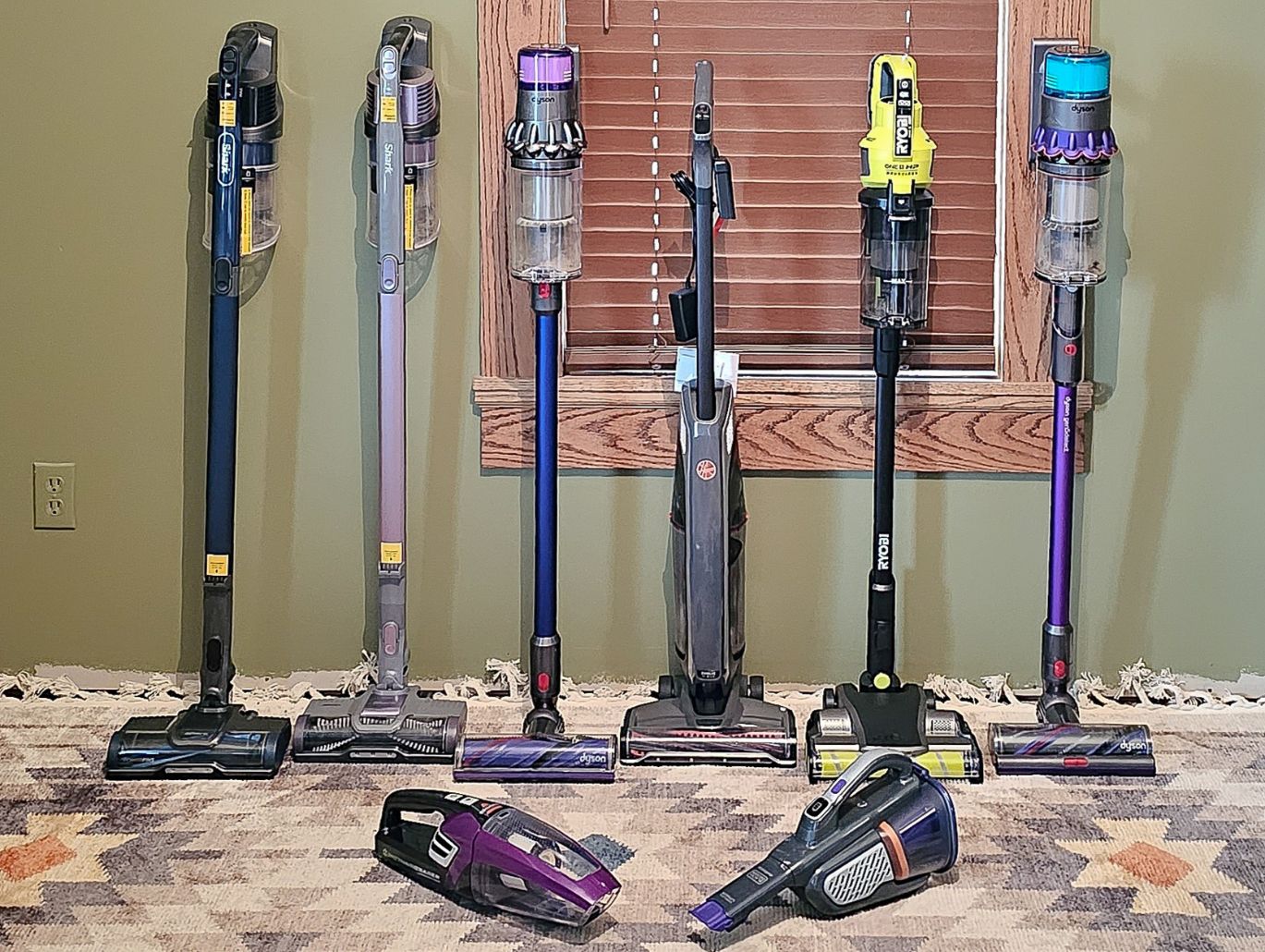
Not all vacuums are created equal when tackling pet hair, and the choice between upright, canister, stick, handheld, and robotic models depends on factors such as home layout, pet breed, and cleaning frequency. Below is a comparative analysis of each type, highlighting their strengths and limitations for pet hair removal.
- Upright Vacuums Upright vacuums are favored for their strong suction and large dustbins, making them ideal for deep-carpet cleaning in homes with large dogs or heavy shedders. Models like the Miele Complete C3 Cat & Dog or Bissell CleanView Swivel Pet feature motorized brush rolls and pet-specific attachments to dislodge embedded hair. However, their bulky design limits maneuverability in tight spaces, and their beater bars can scatter hair on hard floors if not used with a bare floor tool. Upright vacuums excel in high-traffic areas but may struggle with upholstery unless equipped with extendable wands.
- Canister Vacuums Canister vacuums offer versatility and precision, with detachable tools for carpets, hard floors, and furniture. The Dyson Animal Series and Shark Vertex are popular choices due to their HEPA filtration and self-cleaning brush rolls, which minimize hair tangles. Their compact design allows access to stairs, car interiors, and under furniture, while the centralized suction system ensures consistent power across all attachments. However, they require more assembly than upright models and may lack the raw suction needed for thick, matted pet hair in deep carpets.
- Stick Vacuums Stick vacuums combine upright power with canister convenience, making them suitable for multi-surface homes. Models like the Tineco Pure ONE S15 or LG CordZero A9 feature cordless operation and adjustable suction, ideal for quick cleanups between shedding episodes. Their lightweight design and bare floor tools prevent hair scatter, but their smaller dustbins require frequent emptying. Stick vacuums are best for maintenance cleaning rather than deep-carpet sessions, though some, like the Shark IZ401, include motorized brush rolls for pet-specific use.
- Handheld Vacuums Handheld vacuums serve as spot-cleaning tools for stairs, car seats, and furniture, where larger vacuums can’t reach. The Black+Decker Animal Hair Eraser and Bissell Pet Hair Eraser are designed with crevice tools and high suction to tackle pet hair clumps. However, their short battery life and small capacity limit their use to targeted areas. For households with multiple pets, a handheld vacuum can complement a full-sized model but should not replace it for thorough cleaning.
- Robotic Vacuums Robotic vacuums provide convenience and automation, with models like the iRobot Roomba j7+ or Ecovacs Deebot X2 Omni equipped with HEPA filters and pet hair-specific brushes. Their scheduled cleaning capabilities reduce manual effort, though their limited suction power (typically 500–2000 Pa) may struggle with thick carpets or heavy shedders. Robotic vacuums are best suited for supplemental cleaning in homes where residents perform deep cleans with a traditional vacuum 1–2 times per week.
Key Technical Specifications for Pet Hair Vacuums
Selecting a vacuum for pet hair requires evaluating suction power, brush roll design, and filtration efficiency to ensure optimal performance. Below is a breakdown of ideal specifications for different pet types, along with recommended models.
| Pet Type | Ideal Suction Power (Pa) | Recommended Brush Roll Type | Filtration Requirements | Example Vacuum Models | |||||||||||||||||||||||||||||||||||||||||||||||||||||||||||
|---|---|---|---|---|---|---|---|---|---|---|---|---|---|---|---|---|---|---|---|---|---|---|---|---|---|---|---|---|---|---|---|---|---|---|---|---|---|---|---|---|---|---|---|---|---|---|---|---|---|---|---|---|---|---|---|---|---|---|---|---|---|---|---|
| Short-Haired Dogs (e.g., Beagle, Boxer) | 2000–3000 Pa | Motorized brush roll with self-cleaning feature | HEPA filter + washable pre-motor filter | Miele Complete C3 Cat & Dog, Bissell CleanView Swivel Pet | |||||||||||||||||||||||||||||||||||||||||||||||||||||||||||
| Long-Haired Cats (e.g., Persian, Maine Coon) | 1500–2500 Pa (adjustable) | Soft bristle or rubberized brush for gentle agitation | HEPA filter + odor-control carbon filter | Dyson Ball Animal 2, Shark Navigator Lift-Away | |||||||||||||||||||||||||||||||||||||||||||||||||||||||||||
| Double-Coated Dogs (e.g., Husky, German Shepherd) | 3000+ Pa (for seasonal shedding) | Aggressive rubberized brush or pet hair-specific tool | HEPA filter + large-capacity dustbin (2+ liters) | Miele Blizzard CX1 TurboTeam, Numatic Henry | |||||||||||||||||||||||||||||||||||||||||||||||||||||||||||
| Mixed Pets (Cats + Dogs) | 2000–3000 Pa (variable suction) | Convertible brush roll (motorized + bare floor) |
| Model | Type | Suction Power | Weight | Battery Life | Filtration | Noise Level (dB) | Maintenance | Price Range | Best For | |||||||||||||||||||||||||||||||||||||||||
|---|---|---|---|---|---|---|---|---|---|---|---|---|---|---|---|---|---|---|---|---|---|---|---|---|---|---|---|---|---|---|---|---|---|---|---|---|---|---|---|---|---|---|---|---|---|---|---|---|---|---|
| Shark NV352 | Cordless | 120 AW | 14.8–25.4 lbs | 40 mins | HEPA, Anti-Allergen Seal | 70 dBMaintenance and Longevity: Keeping Your Vacuum Pet-Hair Ready
A vacuum designed for pet hair requires consistent care to maintain peak performance, especially when dealing with the persistent and often tangled strands that clog filters and obstruct suction pathways. Proper maintenance not only extends the lifespan of the vacuum but also ensures efficient cleaning, reducing the risk of motor strain and costly repairs. Neglecting routine upkeep can lead to diminished suction, frequent jams, and even permanent damage to internal components. Below is a structured guide to preserving your vacuum’s functionality, from daily habits to annual deep-cleaning routines, while addressing common pet-hair-related issues and sustainable maintenance practices.
Step-by-Step Cleaning Procedures for Vacuum ComponentsRegular cleaning of vacuum components prevents pet hair from accumulating in critical areas, which can degrade suction power and strain the motor. The process varies slightly depending on the vacuum type (upright, canister, stick, or robot), but core principles remain consistent. Begin by emptying the dustbin or canister after each use to avoid hair buildup hardening into clumps. For washable filters, rinse them under lukewarm water until debris-free, then let them air-dry completely before reinsertion—never use hot water, as it can warp plastic components. Motorized brush rolls (common in upright and canister models) often require manual detangling with a pair of scissors or a specialized brush roll cleaning tool. For HEPA filters, avoid submerging them in water; instead, tap gently to dislodge hair or use compressed air in short bursts. Descaling motorized tools (e.g., handheld attachments) involves removing mineral deposits from the brush head using a vinegar-soaked cloth or a descaling solution, then rinsing thoroughly. Key Tools for Maintenance:Routine Maintenance Checklist by FrequencyAdhering to a scheduled maintenance plan prevents gradual performance decline. Below is a categorized checklist to ensure your vacuum remains pet-hair resilient: Monthly Tasks (Quick Upkeep)Diagnosing and Resolving Pet Hair-Related IssuesPet hair accumulation often manifests as specific symptoms, each requiring targeted solutions. Clogged brush rolls typically cause the vacuum to jerk or stall, while reduced suction may stem from blocked filters, hoses, or air pathways. Motor strain, indicated by overheating or a burning smell, usually results from prolonged blockages forcing the motor to work harder. To diagnose issues, start by inspecting the brush roll—if it spins unevenly or emits a grinding noise, it likely needs cleaning or replacement. For suction loss, trace the airflow path: begin with the filter, then the hose, and finally the brush roll. A simple troubleshooting flowchart (described below) can guide users through resolving these issues without professional help. Text-Based Troubleshooting Flowchart for Suction Loss: 1. Check the power source (battery charge for cordless models, plug for corded). 2. Inspect the filter—if dirty, clean or replace it. 3. Examine the hose and attachments for hair blockages; use a flashlight to spot obstructions. 4. Test the brush roll—if tangled, detangle or replace; if broken, replace the entire unit. 5. Clear air vents on the vacuum body using compressed air. 6. Vacuum a bare floor—if suction improves, the issue lies in the carpet/upholstery tools or brush roll. Common Fixes:Storing Vacuums Between Uses for Optimal EfficiencyProper storage preserves the vacuum’s functionality and prevents damage, particularly for cordless models prone to battery drain or component degradation. Corded vacuums should be stored in a dry, dust-free area with the hose coiled neatly to avoid kinks. Cordless models require additional precautions: always remove and charge the battery if storing for extended periods (e.g., >1 month) to prevent deep discharge. Store the vacuum upright in a dedicated spot to avoid crushing the body or attachments. Disassemble and clean components (e.g., hose, attachments) before storage to prevent hair from drying and hardening. For robot vacuums, ensure the sensors and brushes are clear of debris, and store with the battery at 50% charge to maintain longevity. Storage Best Practices:Eco-Friendly Maintenance Practices for Sustainable CleaningTraditional vacuum maintenance often relies on disposable filters or harsh chemicals, contributing to environmental waste. Reusable HEPA filters (e.g., washable microfiber or pleated filters) reduce landfill contributions and save long-term costs. Biodegradable cleaning solutions, such as vinegar or plant-based detergents, effectively dissolve pet hair without toxic residues. For descaling motorized tools, opt for citric acid-based solutions over commercial descalers, which are often petroleum-derived. Air-drying components instead of using energy-intensive dryers conserves electricity, while repurposing old vacuum parts (e.g., brush rolls as pet hair removers) extends their lifecycle. Additionally, vacuuming during off-peak hours reduces strain on household energy grids, aligning with sustainable practices. Sustainable Swaps:Specialized Scenarios and Solutions for Pet Hair ManagementPet hair accumulates differently across various surfaces and areas in a home, requiring tailored strategies to maintain cleanliness efficiently. High-traffic zones, upholstered furniture, and hard-to-reach spaces demand specific tools and techniques, while multi-pet households introduce unique challenges in debris volume and hair type. Robotic vacuums and traditional models with specialized attachments can complement each other, but their effectiveness depends on understanding the unique demands of each scenario. Below are evidence-based solutions to optimize pet hair removal in diverse settings, backed by expert recommendations and real-world testing insights.Strategies for High-Traffic Pet Hair ZonesEntryways, living rooms, and pet bedding areas often become hotspots for pet hair due to frequent movement and shedding. These zones require a combination of regular vacuuming frequency and targeted techniques to prevent buildup. Frequency Recommendations:Removing Pet Hair from Furniture and UpholsteryFabric surfaces trap pet hair deeply, requiring specialized attachments and pre-treatment methods to ensure thorough removal. Upholstery brushes, rubber gloves, and vacuum tools designed for tight spaces are essential for maintaining furniture cleanliness without damaging delicate materials. Step-by-Step Techniques: 1. Pre-Treatment:Cleaning Pet Hair from Hard-to-Reach PlacesPet hair often lodges in car interiors, curtains, baseboards, and ceiling fans, where standard vacuums fail to reach. Solutions involve extendable tools, narrow crevice attachments, and alternative methods like compressed air for stubborn debris. Targeted Solutions by Surface:
Managing Pet Hair in Multi-Pet HouseholdsHomes with multiple pets—especially long-haired breeds like Golden Retrievers, Persians, or Himalayans—face exponential hair volume and varied hair types (short, long, curly). This scenario demands vacuums with larger dustbins, stronger suction, and advanced hair-wrapping prevention to maintain efficiency. Key Considerations:
Selecting the ideal vacuum for pet hair isn’t just about brute suction power—it’s about matching technology to your home’s specific challenges, whether that means battling long-haired shedding in a studio apartment or maintaining hardwood floors in a sprawling estate. The right model will not only simplify cleaning but also extend the life of your furniture, reduce allergen exposure, and save time that could be spent playing with your pets instead of wrestling with clumps of fur. By prioritizing adjustable suction, durable attachments, and smart filtration, pet owners can finally reclaim their floors—and their peace of mind—from the relentless cycle of shedding. |
Leave a Comment
Comments are moderated before appearing. The data you submit is processed according to the Privacy Policy of Inhonorofdesign.