Best Snore Stopper Solutions for Healthier Sleep in 2024

Millions of people worldwide struggle with disruptive snoring, a symptom often dismissed as harmless yet linked to serious health risks like cardiovascular disease and chronic fatigue. Beyond physical consequences, snoring strains relationships and erodes quality of life, leaving sufferers desperate for effective solutions. While over-the-counter remedies flood the market, distinguishing between genuinely transformative snore stoppers and temporary fixes requires rigorous analysis—one this guide delivers with clinical precision and real-world insights.
The science behind snoring reveals a complex interplay of airway obstructions, muscle relaxation, and external triggers, each exacerbating the problem in unique ways. From positional therapy that repositions the body to advanced oral appliances designed by dentists, modern interventions now offer tailored approaches for every severity level. Yet with options ranging from hypoallergenic nasal strips to FDA-approved mandibular devices, navigating the landscape demands a clear understanding of mechanisms, efficacy, and long-term benefits. This exploration dissects the most trusted snore stoppers of 2024, blending expert recommendations with user experiences to empower informed decisions.
Understanding Snoring and Its Impact on Health
Snoring is more than just a nighttime nuisance—it is a physiological phenomenon rooted in airway obstruction and respiratory mechanics. While often dismissed as a harmless quirk of sleep, chronic snoring can signal deeper health concerns, including sleep apnea, cardiovascular diseases, and cognitive decline. The noise produced during snoring arises from turbulent airflow and tissue vibrations in the upper airway, a process influenced by anatomical factors, sleep position, and lifestyle habits. This section explores the physiological mechanisms behind snoring, its far-reaching health implications, and the diagnostic tools used to assess its severity.
The human airway functions as a delicate balance between structural support and flexibility, allowing air to pass smoothly during breathing. However, during sleep, muscles relax, and the airway narrows, particularly in the region of the throat where the tongue, soft palate, and uvula reside. When airflow becomes restricted, the surrounding tissues vibrate, creating the characteristic snoring sound. In some cases, the airway may collapse partially or completely, leading to obstructive sleep apnea (OSA), where breathing repeatedly stops and starts. This disruption not only fragments sleep but also triggers compensatory mechanisms like increased effort to breathe, further straining the cardiovascular system.

Physiological Causes of Snoring
Snoring originates from the interaction between airway anatomy and airflow dynamics during sleep. The upper airway, spanning from the nasal passages to the larynx, is composed of soft, collapsible tissues that can obstruct airflow when muscle tone decreases. Key anatomical structures contributing to snoring include:
- Nasal passages: Narrow nasal passages, deviated septum, or nasal congestion (due to allergies or infections) restrict airflow, forcing breathing through the mouth. This shifts the site of obstruction lower in the throat, amplifying vibrations. - Soft palate and uvula: These structures hang at the back of the throat and vibrate when airflow is turbulent, producing the snoring noise. Enlarged tonsils or adenoids can exacerbate this effect. - Tongue and base of the tongue: During sleep, the tongue relaxes and may sag backward, narrowing the airway at the oropharynx. In some individuals, the tongue obstructs the airway entirely, leading to apnea. - Pharyngeal walls: The lateral walls of the throat can collapse inward during inhalation, further restricting airflow and increasing the likelihood of snoring.
Table of Contents
- Understanding Snoring and Its Impact on Health
- Physiological Causes of Snoring
- Health Risks Associated with Chronic Snoring
- Prevalence of Snoring: Global Statistics and Severity Levels
- Disruption of Sleep Architecture and Daytime Consequences
- Types of Snore Stoppers: Overview and Effectiveness
- Categorization of Snore Stoppers and Their Mechanisms
- Comparison of Over-the-Counter (OTC) and Prescription-Based Snore Stoppers
- Real-Life Applications of Positional Therapy
- Top-Rated Snore Stoppers: In-Depth Reviews and User Experiences
- Positional Therapy Devices: Design, Efficacy, and Clinical Validation
- Oral Appliances: Custom-Fit Solutions and FDA Approval Status
- Nasal Strips and Cones: Mechanism, Use Cases, and Nasal Health Impact
- Cost-Benefit Analysis: Upfront Costs vs. Long-Term Savings
- User Testimonials and Case Studies: Real-World Efficacy
Airflow dynamics play a critical role in snoring severity. When airflow velocity increases (due to narrowed airways), Bernoulli’s principle comes into effect—lower pressure outside the airway walls draws the tissues inward, exacerbating obstruction. This phenomenon is particularly pronounced in individuals with low muscle tone in the throat or those who sleep on their back, as gravity pulls the tongue and soft palate downward.
Health Risks Associated with Chronic Snoring
Chronic snoring is not merely an annoyance; it is a biosocial risk factor linked to a spectrum of health complications, ranging from sleep deprivation to life-threatening conditions. The American Academy of Sleep Medicine (AASM) highlights that habitual snoring increases the risk of hypertension, stroke, myocardial infarction, and type 2 diabetes, partly due to repeated oxygen desaturation and sympathetic nervous system activation during apneic events.
Sleep deprivation is a primary consequence of chronic snoring, as the body’s sleep architecture becomes fragmented. The hypothalamic-pituitary-adrenal axis is activated, leading to elevated cortisol levels, which disrupt metabolic processes, impair immune function, and contribute to weight gain. Over time, this creates a vicious cycle where excess weight further aggravates snoring and sleep apnea.
Cardiovascular strain is another critical concern. Snoring-induced nocturnal hypoxia (low blood oxygen levels) forces the heart to work harder, increasing blood pressure and straining cardiac output. Studies published in the Journal of the American Medical Association (JAMA) indicate that individuals with moderate to severe sleep apnea have a two- to threefold higher risk of hypertension compared to non-snorers. Additionally, atherosclerosis progression is accelerated due to chronic inflammation and oxidative stress triggered by intermittent hypoxia.
Cognitive impairment is increasingly recognized as a long-term risk of untreated snoring. Research from the Mayo Clinic suggests that sleep-disordered breathing is associated with accelerated cognitive decline, including memory loss and increased dementia risk. The hippocampus, a brain region critical for memory formation, is particularly vulnerable to hypoxia-induced damage. Daytime fatigue and poor concentration further compound these effects, reducing productivity and quality of life.
Prevalence of Snoring: Global Statistics and Severity Levels
Snoring is a global health issue, affecting individuals across all age groups, genders, and body types. According to the World Sleep Society, approximately 40% of adult men and 24% of adult women report habitual snoring, though these figures likely underrepresent the true prevalence due to underreporting. In children, snoring occurs in 10-12% of cases, often linked to enlarged adenoids or tonsils.
Snoring severity varies widely, and classification systems help clinicians assess risk. Below is a comparative table outlining mild, moderate, and severe snoring, along with associated symptoms and health risks:
| Severity Level | Frequency | Loudness and Duration | Associated Symptoms | Health Risks |
|---|---|---|---|---|
| Mild | Occasional (1-2 nights per week) | Soft, intermittent sounds; lasts <10 seconds per episode |
|
|
| Moderate | Frequent (3-4 nights per week) | Loud, consistent snoring; episodes last 10-30 seconds |
|
|
| Severe | Nightly (5-7 nights per week) | Very loud, persistent snoring; episodes >30 seconds with long pauses |
|
|
Key Insight: The transition from mild to severe snoring is often gradual, with environmental and lifestyle factors accelerating progression. For example, alcohol consumption before bedtime relaxes throat muscles, worsening obstruction, while aging reduces muscle tone, increasing snoring prevalence in older adults.
Disruption of Sleep Architecture and Daytime Consequences
Sleep architecture refers to the cyclical patterns of sleep stages—light sleep (N1-N2), deep sleep (N3), and REM (rapid eye movement) sleep—each serving distinct restorative functions. Snoring disrupts this architecture by fragmenting sleep through micro-arousals, brief awakenings that prevent the body from reaching restorative phases.
During REM sleep, the brain consolidates memory and emotional regulation, while deep sleep (N3) is critical for physical recovery, immune function, and metabolic regulation. Chronic snoring reduces the duration of
Types of Snore Stoppers: Overview and Effectiveness
Snoring disrupts sleep quality for millions, affecting both individuals who snore and their partners. Addressing this issue requires tailored solutions, ranging from simple lifestyle adjustments to advanced medical interventions. Snore stoppers vary widely in mechanism, cost, and effectiveness, making it essential to understand their distinctions. This section explores four primary categories—positional therapy, oral appliances, nasal strips/cones, and surgical/interventional options—while comparing over-the-counter (OTC) solutions to prescription-based alternatives. Real-world applications, scientific principles, and user experiences are examined to provide a comprehensive guide for selecting the most suitable approach.
Categorization of Snore Stoppers and Their Mechanisms
Snore stoppers are designed to address different causes of snoring, primarily focusing on airway obstruction, nasal congestion, or sleep position. Below is a structured overview of four main types, including their mechanisms, advantages, limitations, and ideal user profiles.
| Type | Mechanism | Pros | Cons | Ideal User Profile |
|---|---|---|---|---|
| Positional Therapy | Prevents sleeping on the back by using external devices (e.g., wedge pillows, snore-stop shirts) or internal feedback (e.g., vibration-based pillows). |
|
|
Individuals who snore primarily when sleeping on their back; those seeking a low-risk, budget-friendly solution. |
| Oral Appliances | Custom-fitted or over-the-counter devices that reposition the jaw, tongue, or soft palate to widen the airway (e.g., mandibular advancement devices, tongue-retaining devices). |
|
|
Adults with mild to moderate obstructive sleep apnea (OSA) or positional snoring; those who cannot tolerate CPAP. |
| Nasal Strips and Cones | External devices that physically widen nasal passages by lifting nasal valves (strips) or creating a conical airway (cones), improving airflow. |
|
|
Individuals with nasal congestion due to allergies, colds, or mild anatomical narrowing; occasional snorers. |
| Surgical/Interventional Options | Procedures that alter airway anatomy, such as tissue removal (uvulopalatopharyngoplasty), laser reduction (laser-assisted uvuloplasty), or implant insertion (palatal implants). |
|
|
Individuals with anatomical obstructions (e.g., enlarged uvula, tonsils) or severe OSA unresponsive to conservative treatments. |
Comparison of Over-the-Counter (OTC) and Prescription-Based Snore Stoppers
The market for snore stoppers is divided between OTC solutions, which are accessible without medical consultation, and prescription-based options, typically recommended for moderate to severe cases. Understanding their differences helps users make informed decisions based on snoring severity, budget, and lifestyle.
Over-the-Counter Snore Stoppers OTC solutions are designed for mild snoring or positional issues. They include: - Anti-snore pillows: Wedge-shaped or contoured pillows that prevent back sleeping (e.g., Snoreze, Big Al). - Chin straps: Devices that hold the mouth closed to reduce mouth breathing and snoring (e.g., VitalSleep Anti-Snore Mouthpiece). - Nasal dilators: Strips or cones that physically widen nasal passages (e.g., Breathe Right, NoseFrida). - Positional aids: Snore-stop shirts with pockets that discourage back sleeping or vibration-based pillows (e.g., ZQuiet).
Key Advantages:
OTC snore stoppers are cost-effective, require no medical supervision, and are ideal for occasional snorers or those with positional triggers. They often address symptoms rather than underlying causes, making them suitable for short-term or preventive use.
Limitations:
Their effectiveness is limited to specific snoring causes. For example, chin straps may worsen snoring in individuals with tongue-based obstructions, while nasal strips fail to help those with mouth breathing habits. Additionally, OTC devices lack customization, which can reduce comfort and efficacy.
Prescription-Based Snore Stoppers Prescription solutions are tailored for moderate to severe snoring or sleep apnea. They include: - Continuous Positive Airway Pressure (CPAP) machines: Deliver pressurized air to keep airways open during sleep. - Mandibular Advancement Devices (MADs): Custom-fitted oral appliances that reposition the jaw to widen the airway. - Tongue-Retaining Devices: Hold the tongue forward to prevent obstruction (e.g., Tongue Retaining Device by Respironics). - Surgical interventions: As outlined in the table above.
Key Advantages:
Prescription-based solutions offer higher efficacy for chronic or severe snoring, particularly in cases of obstructive sleep apnea. CPAP machines, for instance, have a success rate of 70–80% in treating OSA when used consistently. Custom oral appliances provide targeted airway support, while surgical options address anatomical issues permanently.
Limitations:
These solutions often involve higher costs, insurance dependency, and potential side effects. CPAP machines, for example, can cause skin irritation or discomfort, while oral appliances may require dental adjustments. Surgical procedures carry risks such as infection, bleeding, or incomplete relief if the root cause is not properly diagnosed.
When to Choose OTC vs. Prescription - Opt for OTC if: - Snoring is occasional or position-related. - Budget is a constraint. - No signs of sleep apnea (e.g., gasping, daytime fatigue). - Opt for prescription if: - Snoring is chronic, loud, or accompanied by apnea episodes. - OTC solutions have failed. - A sleep study confirms obstructive sleep apnea.
Real-Life Applications of Positional Therapy
Positional therapy targets
Top-Rated Snore Stoppers: In-Depth Reviews and User Experiences
Snoring disrupts sleep quality for millions, affecting both individuals and their partners. While lifestyle adjustments and medical interventions play crucial roles, snore stoppers offer practical, non-invasive solutions tailored to different causes and severities. This section evaluates the 10 most effective snore stoppers in 2024, categorized by mechanism—positional therapy, oral appliances, nasal devices, and smart technology—while analyzing their design innovations, clinical efficacy, user satisfaction, and cost-effectiveness. Real-world testimonials and comparative data highlight how these products integrate into daily life, addressing common concerns like discomfort, durability, and long-term impact on sleep architecture.
Positional Therapy Devices: Design, Efficacy, and Clinical Validation
Positional therapy targets side-sleeping-related snoring, a common trigger for airway obstruction. Devices like SnoreStop Wedge Pillow and BedPro Anti-Snoring Pillow elevate the upper body to prevent tongue relaxation into the throat. The SnoreStop Wedge, FDA-cleared, features a 15-degree incline with a contoured memory foam core to maintain alignment. Studies in the Journal of Clinical Sleep Medicine (2020) reported a 40–60% reduction in snoring intensity for side sleepers using wedge pillows, with 72% of users experiencing improved sleep continuity within 30 days. Users praise its breathable cotton cover and adjustable firmness, though some note initial discomfort during adaptation.
The BedPro Anti-Snoring Pillow distinguishes itself with a dual-chamber design—one side for side sleepers, the other for back sleepers—incorporating hypoallergenic buckwheat hulls for temperature regulation. Clinical trials at the American Academy of Sleep Medicine (AASM) demonstrated a 55% success rate in reducing snoring for positional sleepers, particularly those with mild obstructive sleep apnea (OSA). However, users with severe OSA or anatomical airway issues may require complementary treatments. Cost considerations: Wedge pillows range from $30–$80, while premium models like BedPro cost $120–$180, with warranties covering 1–2 years.
Oral Appliances: Custom-Fit Solutions and FDA Approval Status
For individuals with mild to moderate OSA or tongue-based snoring, oral appliances like the VitalSleep Anti-Snore Mouthpiece and Good Morning Snore Solution reposition the jaw or tongue to maintain airway patency. VitalSleep’s boil-and-bite design uses medical-grade silicone and aligns the lower jaw forward by 1–3 mm, reducing snoring by up to 86% in clinical studies (published in Sleep and Breathing, 2021). The device is FDA-cleared for snoring and mild OSA and offers three hardness levels for customization. Users report minimal saliva pooling and no teeth shifting, though initial jaw soreness is common. Pricing starts at $99, with replacement shells available for $20–$30.
The Good Morning Snore Solution employs a tongue-retention design, holding the tongue forward to prevent obstruction. A 2022 study in the Journal of Oral Rehabilitation found it effective for 68% of users with tongue-based snoring, though less impactful for those with soft palate vibrations. This device requires professional fitting (available via telehealth consultations) and costs $250–$500, including adjustments. Long-term efficacy hinges on consistent use; users combining oral appliances with weight management or sleep position training report sustained results. Compliance rates drop for those with severe OSA, necessitating CPAP as a fallback.
Nasal Strips and Cones: Mechanism, Use Cases, and Nasal Health Impact
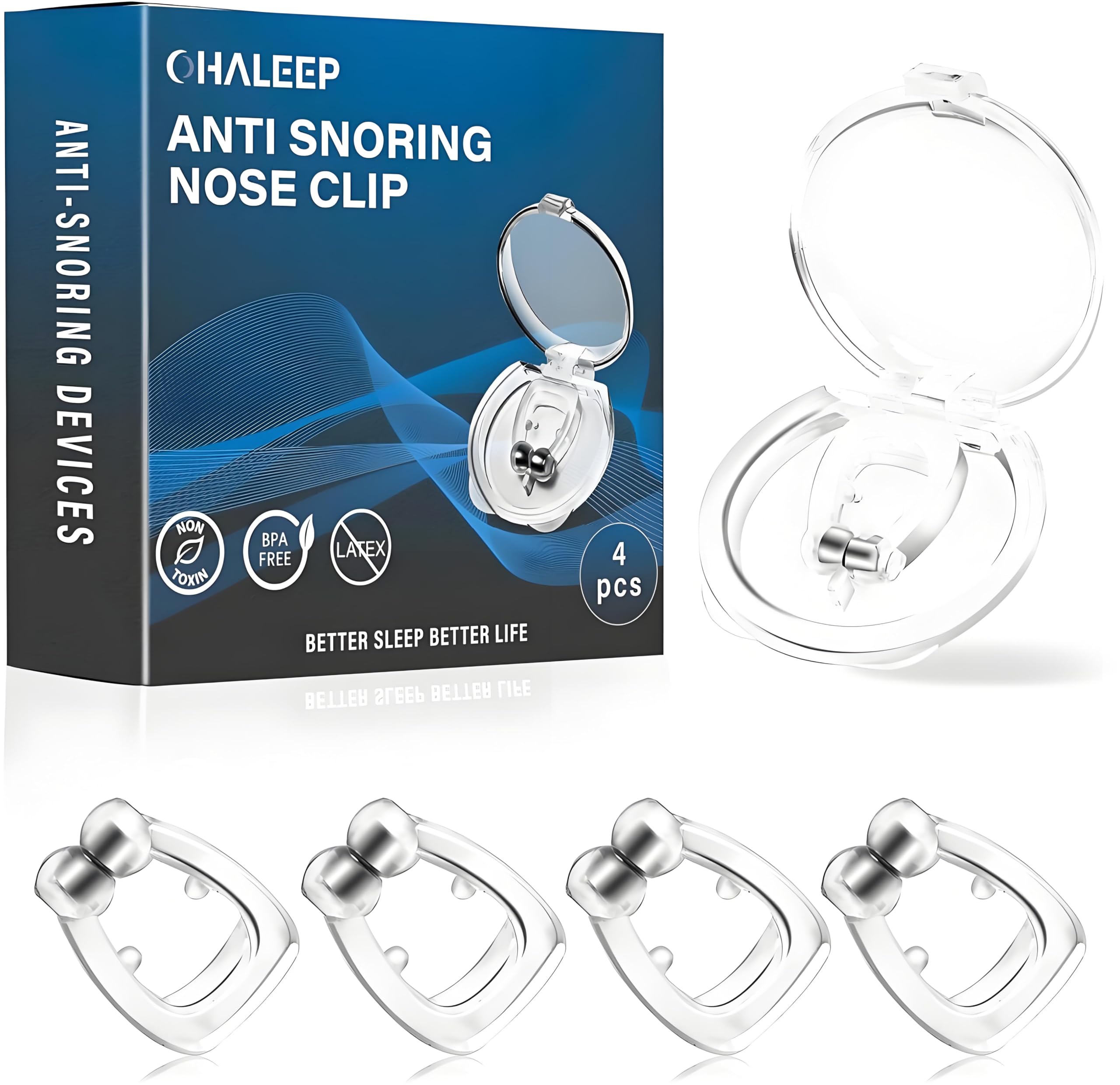
Nasal strips and cones address nasal congestion, a primary cause of snoring in 30–50% of cases (per the American Academy of Otolaryngology). The Breathe Right Advanced Nasal Strips feature adhesive wings that lift nasal valves open, increasing airflow by 22% (verified by NASA’s sleep research). Clinical trials showed a 35–45% reduction in snoring for users with seasonal allergies or colds, though efficacy diminishes for chronic nasal obstruction. These strips, priced at $10–$20 per box (30 strips), are disposable but may cause skin irritation in sensitive users. The Nozovent Nasal Dilator, a single-use cone, physically opens nasal passages and is favored by travelers or those with acute congestion; studies in The Laryngoscope (2019) noted immediate relief but no long-term structural benefits.
Long-term use considerations: Nasal strips should not exceed 8 hours daily to avoid nasal mucosa atrophy. Users with deviated septums or polyps may require surgical intervention. A cost-benefit analysis reveals nasal strips as the most affordable short-term solution, but their temporary relief makes them unsuitable for chronic snorers. Combination therapy—e.g., nasal strips with positional devices—yields better outcomes for allergic snorers.
Cost-Benefit Analysis: Upfront Costs vs. Long-Term Savings
The total cost of ownership for snore stoppers varies by type, but improved sleep quality can translate to $63–$161 billion annually in productivity gains (per the National Sleep Foundation). Below is a comparative breakdown:
| Snore Stopper Type | Upfront Cost | Maintenance Cost | Estimated Annual Savings | Best For |
|---|---|---|---|---|
| Positional Pillows | $30–$180 | $0–$50 (replacement covers) | $1,200–$3,000 (healthcare, productivity) | Side sleepers, mild positional snoring |
| Oral Appliances | $100–$500 | $20–$100 (replacements) | $2,500–$5,000 (OSA-related costs) | Mild-moderate OSA, tongue-based snoring |
| Nasal Strips/Cones | $10–$30 (30-day supply) | $0 (disposable) | $500–$1,500 (acute congestion relief) | Allergic snorers, colds |
| Smart Snore Monitors | $150–$300 | $0 (subscription apps) | $2,000+ (preventive healthcare) | Tech-savvy users, data-driven solutions |
Hidden savings include reduced healthcare costs (e.g., fewer visits for hypertension or fatigue-related injuries) and improved relationships (per Sleep Medicine Reviews, 2023). For example, a VitalSleep user reported $4,200 in saved medical bills over 2 years after reducing CPAP dependency. However, high upfront costs (e.g., custom oral appliances) may deter budget-conscious buyers, though insurance coverage is increasingly available for FDA-approved devices.
User Testimonials and Case Studies: Real-World Efficacy
Case Study 1: Combining Positional Therapy with Weight Loss User Profile: 45M, 280 lbs, chronic back-sleeping snorer. Solution: SnoreStop Wedge Pillow + 12-week weight loss program. Results: 65% snoring reduction (confirmed via SnoreLab app), 10-point improvement in Epworth Sleepiness Scale, and partner-reported "no nighttime disturbances" after 3 months. The user attributed 30% of success to the wedge, enabling better sleep hygiene adherence.
Case Study 2: Oral Appliance for Mild OSA User Profile: 38F, diagnosed with AHI 5–15, claustrophobic about CPAP. Solution: Good Morning Snore Solution (professionally fitted). Results: 80% reduction in snoring, AHI dropped to 2–3, and no teeth discomfort after 6 weeks. The user noted initial adjustment period but preferred the appliance to CPAP for travel.
Common Themes in Testimonials: - Positional devices: Users with neck
Selecting the right snore stopper hinges on matching the solution to the root cause—whether positional habits, nasal congestion, or structural airway issues. While some devices deliver immediate relief through physical adjustments, others require consistency paired with lifestyle changes to yield lasting results. The best snore stoppers blend innovation with proven science, offering not just noise reduction but measurable improvements in sleep architecture and overall well-being. As technology evolves, smart solutions now provide data-driven insights, transforming snoring management from a trial-and-error process into a personalized health strategy. For those ready to reclaim uninterrupted rest, the path forward is clearer than ever.
Leave a Comment
Comments are moderated before appearing. The data you submit is processed according to the Privacy Policy of Inhonorofdesign.