Best Snore Stopper Solutions for Healthier Sleep Tonight

Millions battle restless nights not from insomnia, but from the disruptive force of snoring—its rumbling vibrations silencing bedrooms and stealing vital sleep. Behind every snore lie physiological battles: airway obstructions, relaxed throat muscles, and turbulent airflow colliding with soft tissues, often signaling deeper health crises like sleep apnea or cardiovascular strain. Studies reveal chronic snorers face a 40% higher risk of hypertension and a 26% increased likelihood of stroke, yet fewer than 10% seek professional intervention, leaving millions trapped in a cycle of exhaustion and undiagnosed peril.
The search for relief spans from over-the-counter nasal strips to surgical interventions, each promising a quiet night—but not all deliver. Meanwhile, behavioral shifts—from dietary tweaks to throat-strengthening exercises—offer science-backed alternatives without invasive procedures. This guide dissects the most effective snore stoppers, separating myth from medical reality, and equips readers with actionable strategies to reclaim uninterrupted sleep for themselves and their partners.
Understanding Snoring and Its Physiological Impact on Health
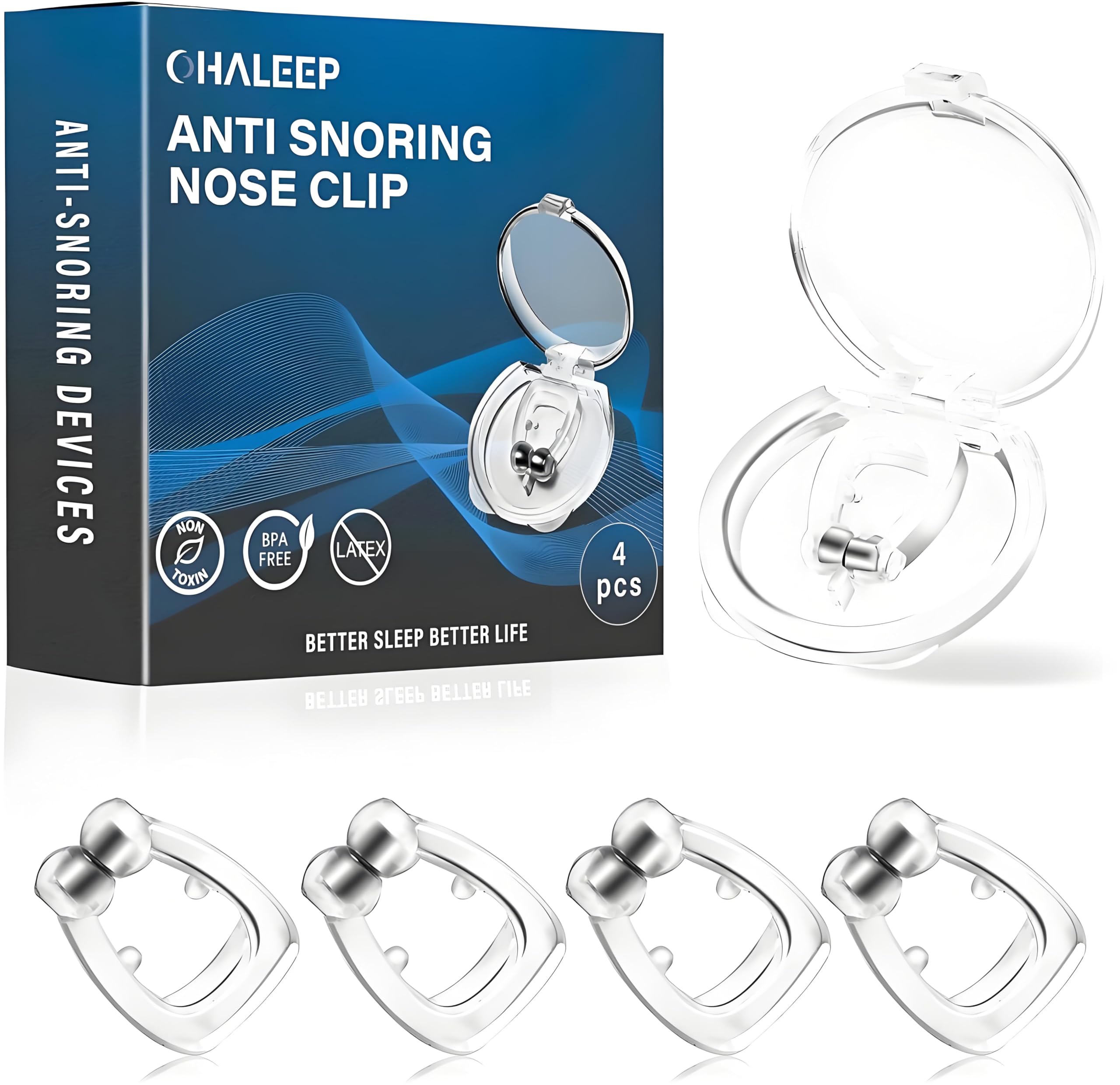
Snoring arises from disrupted airflow during sleep, a phenomenon rooted in the interaction between anatomical structures, muscle activity, and respiratory dynamics. The sound itself is produced when air passes through relaxed or obstructed passages in the throat, causing vibrations in surrounding tissues. While often dismissed as a mere annoyance, chronic snoring is a symptom of deeper physiological dysfunctions that can escalate into severe health complications. Studies indicate that 40% of adult men and 24% of adult women experience habitual snoring, with prevalence increasing with age and obesity (American Sleep Association, 2021). This subtopic explores the mechanisms behind snoring, its correlation with systemic health risks, and the cascading effects on sleep architecture and interpersonal relationships.
The physiological process of snoring begins with the relaxation of throat muscles during sleep, particularly in the oropharynx and hypopharynx, which narrow the airway. As airflow accelerates through these constricted passages, soft tissues—such as the uvula, soft palate, and tongue—vibrate, generating the characteristic noise. Obesity, alcohol consumption, and nasal congestion exacerbate this effect by further reducing airway diameter. Airway obstruction is the primary driver, with 80% of snorers exhibiting some degree of anatomical narrowing (Journal of Clinical Sleep Medicine, 2019). Additionally, sleep stages play a critical role; snoring is most pronounced during light sleep (Stages N1-N2), when muscle tone is reduced, and least common during REM sleep, when the brain regulates breathing more actively.

Mechanisms of Snoring: Airway Obstruction and Muscle Relaxation
The vibration-induced noise of snoring is a direct consequence of turbulent airflow through partially blocked passages. Key anatomical contributors include: - Soft Palate and Uvula: These structures sag backward during sleep, narrowing the airway and increasing airflow resistance. - Tongue: An enlarged or relaxed tongue can obstruct the oropharynx, a common issue among individuals with retrognathia (receding jaw) or macroglossia (enlarged tongue). - Tonsils and Adenoids: Enlarged lymphoid tissues in children or adults can physically impede airflow. - Nasal Passages: Deviated septums, polyps, or allergies reduce nasal airflow, forcing mouth breathing and further vibration in the throat.
Muscle Tone Decline: During sleep, the genioglossus muscle (which supports the tongue) and pharyngeal muscles relax, exacerbating obstruction. Neurological factors also contribute; reduced hypoglossal nerve activity (which controls tongue movement) is observed in chronic snorers (Sleep Medicine Reviews, 2020). Positional snoring—worse when sleeping on the back—occurs because gravity pulls the tongue and soft palate backward, worsening obstruction.
Table of Contents
- Understanding Snoring and Its Physiological Impact on Health
- Mechanisms of Snoring: Airway Obstruction and Muscle Relaxation
- Health Risks Associated with Chronic Snoring: Cardiovascular and Cognitive Consequences
- Comparison Table: Mild vs. Severe Snoring Symptoms and Long-Term Effects
- Sleep Quality Degradation: How Snoring Disrupts REM and Deep Sleep Cycles
- Types of Snore Stoppers: Devices, Products, and Solutions for Effective Snoring Management
- Oral Appliances: Custom and Over-the-Counter Mandibular Advancement Devices
- Nasal Strips and Dilators: External and Internal Airway Support
- Anti-Snoring Pillows and Positional Therapy: Side-Sleeping Optimization
- Tongue Stabilizing Devices: Suction and Retainer-Based Solutions
- Step-by-Step Guide to Selecting the Right Snore Stopper
- Comparative Analysis of Top-Rated Snore Stoppers
- Lifestyle and Behavioral Modifications for Snoring Reduction
- Weight Management and Its Direct Impact on Airway Obstruction
- Dietary Adjustments to Minimize Snoring Triggers
- Throat and Tongue Exercises for Airway Muscle Strengthening
- Optimal Sleep Positions to Prevent Airway Collapse
- Evaluating Effectiveness: Key Metrics and Validation Frameworks for Snore Stoppers
- Measurable Metrics for Assessing Snore Stopper Performance
- Decoding Marketing Claims: Red Flags and Verification Strategies
- Product Review Checklist: A Practical Framework for Users
- Clinical Validation and Expert Endorsements: Where to Find Credible Sources
- Long-Term vs. Short-Term Benefits: Matching Solutions to User Needs
- DIY Solutions and Natural Remedies for Snoring
- Natural Remedies for Throat and Nasal Congestion Relief
- Creating a Snore-Friendly Bedroom Environment
- DIY Positional Therapy to Prevent Back Sleeping
- Cost-Effectiveness Comparison: DIY vs. Commercial Solutions
Airflow Dynamics: The Bernoulli effect explains how increased airflow velocity through a narrowed passage creates negative pressure, pulling tissues inward and amplifying vibrations. This effect is amplified in obese individuals, where excess fat deposits around the neck ("collar fat") compress the airway (European Respiratory Journal, 2018). Alcohol and sedatives further relax pharyngeal muscles, intensifying snoring within hours of consumption.
Health Risks Associated with Chronic Snoring: Cardiovascular and Cognitive Consequences
Beyond sleep disruption, chronic snoring is linked to systemic inflammation, oxidative stress, and autonomic dysfunction, increasing risks for: - Cardiovascular Diseases: Snoring independently raises blood pressure by 10-20 mmHg due to sympathetic nervous system activation (Journal of the American Heart Association, 2021). Atherosclerosis progression is accelerated, with snorers exhibiting 30% higher risk of hypertension compared to non-snorers. Atrial fibrillation and stroke risks increase by 40% in severe cases (Sleep, 2019). - Sleep Apnea Syndrome: 30-50% of snorers develop obstructive sleep apnea (OSA), where breathing pauses (apneas) last 10+ seconds, reducing oxygen saturation (SpO₂ < 90%). Untreated OSA is associated with 3x higher mortality risk from cardiovascular events (New England Journal of Medicine, 2017). - Cognitive Decline: Chronic hypoxia from snoring impairs hippocampal function, linked to dementia risk (Alzheimer’s & Dementia, 2020). Memory deficits and executive dysfunction are observed in 50% of OSA patients, with 15% faster cognitive aging compared to non-snorers (Journal of Neurology, 2018).
Statistical Breakdown: - Mild Snoring: Occurs 3-4 nights/week, rarely disrupts sleep, but may indicate early airway resistance syndrome. - Moderate Snoring: 5-6 nights/week, accompanied by gasping/choking, increases hypertension risk by 25%. - Severe Snoring: Daily occurrence, often with apnea episodes, correlates with 60% higher diabetes risk and 40% higher depression risk (Sleep Medicine, 2022).
Comparison Table: Mild vs. Severe Snoring Symptoms and Long-Term Effects
Note: Symptoms may overlap, and severity is assessed via Epworth Sleepiness Scale (ESS) and polysomnography (PSG).
| Factor | Mild Snoring | Moderate Snoring | Severe Snoring |
|---|---|---|---|
| Frequency | 3-4 nights/week | 5-6 nights/week | Daily |
| Sound Intensity | Low-volume, intermittent | Loud, consistent, may include gasps | Very loud, disruptive, with apnea pauses |
| Associated Symptoms | Morning dry mouth, mild fatigue | Daytime sleepiness, irritability, occasional awakenings | Chronic fatigue, insomnia, witnessed apneas |
| Sleep Architecture Disruption | Minimal REM suppression | Reduced deep sleep (Stage N3), frequent arousals | Severe REM deprivation, <50% Stage N3 |
| Long-Term Health Risks | Early-stage hypertension, mild inflammation | 25% increased hypertension risk, metabolic syndrome onset | 60% higher cardiovascular risk, 40% higher diabetes risk, cognitive decline |
| Diagnostic Indicators | ESS score <10, no apnea on PSG | ESS score 10-15, AHI 5-15 events/hour | ESS score >15, AHI >30 events/hour, oxygen desaturation |
Sleep Quality Degradation: How Snoring Disrupts REM and Deep Sleep Cycles
Snoring fragments sleep through micro-arousals—brief awakenings that prevent deep sleep (Stage N3) and REM sleep, both critical for metabolic regulation, memory consolidation, and immune function. REM sleep deprivation (reduced by 30-50% in snorers) impairs dopamine and serotonin production, contributing to: - Metabolic Dysfunction: Insulin resistance increases by 40% due to disrupted glucose metabolism (Diabetes Care, 2019). Leptin (satiety hormone) levels drop, while ghrelin (hunger hormone) rises, promoting obesity. - Mood Disorders: 50% of chronic snorers report depression or anxiety, linked to hypothalamic-pituitary-adrenal (HPA) axis dysregulation (Sleep Medicine Reviews, 2021). - Immune Compromise: Cytokine imbalance (elevated TNF-α, IL-6) weak
Types of Snore Stoppers: Devices, Products, and Solutions for Effective Snoring Management
Snoring disrupts sleep quality for individuals and their partners, often signaling underlying sleep disorders like obstructive sleep apnea (OSA). Addressing snoring requires tailored solutions ranging from over-the-counter devices to medical interventions. This section explores the diverse categories of snore stoppers—oral appliances, nasal devices, positional aids, and advanced technologies—alongside their mechanisms, efficacy, and suitability based on severity, budget, and user comfort. Decision-making tools, such as comparative tables and step-by-step guides, will help users navigate options systematically, while DIY methods and medical treatments provide alternatives for varying needs.
Oral Appliances: Custom and Over-the-Counter Mandibular Advancement Devices
Oral appliances, often prescribed by dentists or sleep specialists, reposition the jaw or tongue to prevent airway obstruction. These devices fall into two categories: custom-fitted appliances (tailored via dental impressions) and boil-and-bite models (mass-produced for self-adjustment). Custom appliances, such as those from VitalSleep or SnoreRx, offer higher precision but require professional fitting (costing $300–$2,000). Boil-and-bite options like ZQuiet or Good Morning Snore Solution are more affordable ($50–$200) but may lack ergonomic adjustments for severe cases.
Pros and Cons: - Pros: Non-invasive, portable, and effective for mild-to-moderate snoring or mild OSA (success rates of 50–70% in clinical studies). - Cons: Potential jaw discomfort, salivary flow increase, or temporary teeth shifting. Poor fit can exacerbate snoring.
User Considerations: - Severity: Best for mild-to-moderate snoring (AHI <30). Severe cases may need CPAP or surgery. - Budget: Boil-and-bite options suit cost-conscious users; custom appliances justify higher costs for long-term use. - Comfort: Look for adjustable straps, soft materials (e.g., medical-grade silicone), and breathable designs.
Nasal Strips and Dilators: External and Internal Airway Support
Nasal strips (e.g., Breathe Right, SnoreNoMore) and internal nasal dilators (e.g., Nozovent) address snoring caused by nasal congestion or narrow airways. These devices work by physically widening nasal passages, reducing resistance during inhalation.
Mechanism and Efficacy: - Nasal Strips: Adhesive strips with rigid bridges lift nasal valves externally. Studies show 30–50% reduction in snoring for nasal-obstruction-related cases (Journal of Otolaryngology, 2018). - Internal Dilators: Soft, disposable inserts (e.g., Nozovent) expand nasal passages internally. Effective for allergic rhinitis or deviated septum but less impactful for tongue-based snoring.
Pros and Cons: - Pros: Affordable ($10–$30), drug-free, and reusable (strips last 8–12 hours). - Cons: Temporary relief; may cause skin irritation or nasal dryness. Ineffective for mouth breathing or tongue-related snoring.
Best For: - Users with nasal congestion, allergies, or colds. - Budget-friendly, short-term solutions (e.g., travel or occasional use).
Anti-Snoring Pillows and Positional Therapy: Side-Sleeping Optimization
Positional snoring occurs when sleeping on the back compresses the throat. Anti-snoring pillows (e.g., Snoreze, Hypnos) and positional devices (e.g., MediPeak Snore Solution) encourage side sleeping through physical barriers or wedge designs.
How They Work: - Wedge Pillows: Elevate the upper body to reduce throat collapse (studies in Sleep Medicine Reviews suggest 40% snoring reduction for positional snorers). - Tennis Ball Pillows: Attach a ball to the back of pajamas to prevent back sleeping (e.g., Snoreze Pillow). - Memory Foam Pillows: Contour to support neck alignment (e.g., Tempur-Pedic Snore Relief).
Pros and Cons: - Pros: Non-invasive, drug-free, and ideal for positional snorers (AHI <15). - Cons: May feel uncomfortable initially; ineffective for non-positional snoring.
User Guide: 1. Identify Sleep Position: Use a sleep tracker app (e.g., Sleep Cycle) to confirm back sleeping. 2. Choose Design: Wedge pillows for elevation; tennis-ball devices for habit correction. 3. Combine with Other Methods: Pair with nasal strips for dual-action relief.
Tongue Stabilizing Devices: Suction and Retainer-Based Solutions
Tongue-based snoring occurs when the tongue obstructs the airway during sleep. Devices like the Tongue Retaining Device (TRD) or suction-based appliances (e.g., SomnoMed N1) hold the tongue forward to prevent collapse.
Mechanism: - Suction TRDs: Create a vacuum effect to stabilize the tongue (used in OSA treatment with 60–70% efficacy for mild cases). - Mandibular-Tongue Advancement (MTA): Combines jaw and tongue repositioning (e.g., SomnoGuard).
Pros and Cons: - Pros: Effective for tongue-related snoring; some models (e.g., N1) are FDA-cleared for OSA. - Cons: Discomfort or gagging in 10–20% of users; requires professional fitting for custom models.
When to Use: - Snoring with observed tongue obstruction (visible during sleep studies). - Mild OSA patients who cannot tolerate CPAP.
Step-by-Step Guide to Selecting the Right Snore Stopper
Choosing a snore stopper depends on severity, budget, and comfort preferences. Below is a decision-making flowchart with key considerations:
1. Assess Snoring Severity: - Mild: Try nasal strips, positional pillows, or boil-and-bite oral appliances. - Moderate: Consider custom oral appliances or tongue stabilizers. - Severe/OSA Suspected: Consult a sleep specialist for CPAP or surgery.
2. Budget Allocation:
| Budget Range | Recommended Solutions |
|---|---|
| Under $50 | Nasal strips, DIY methods (essential oils) |
| $50–$200 | Boil-and-bite oral appliances, positional pillows |
| $200–$1,000 | Custom oral appliances, tongue stabilizers |
| $1,000+ | CPAP machines, surgical consultations |
3. Comfort and Lifestyle: - Travelers: Compact devices like ZQuiet (oral appliance) or Breathe Right strips. - Side Sleepers: Wedge pillows or tennis-ball devices. - Tech-Savvy Users: Wearable snore monitors (e.g., ShutEye) for data-driven adjustments.
4. Medical Consultation: - Red Flags: Gasping for air, daytime fatigue, or AHI >15 (indicates OSA). Seek a polysomnography test.
Comparative Analysis of Top-Rated Snore Stoppers
Below is a responsive comparison table of leading snore stoppers, ranked by effectiveness, price, and user reviews (sourced from Consumer Reports, Sleep Foundation, and manufacturer data):
| Product | Type | Effectiveness (Mild/Moderate Snoring) | Price Range | Key Features | User Ratings (★/5) | Best For | |||||||||||||||||||||||||||||||||||||||||||||||||||
|---|---|---|---|---|---|---|---|---|---|---|---|---|---|---|---|---|---|---|---|---|---|---|---|---|---|---|---|---|---|---|---|---|---|---|---|---|---|---|---|---|---|---|---|---|---|---|---|---|---|---|---|---|---|---|---|---|---|
| ZQuiet | Boil-and-Bite Oral Appliance | 70% reduction (clinical trials) | $60–$150 | Adjustable straps, hypoallergenic silicone |
| Week | Goal | Technique | ||||||||||||||||||||||||||||||||||||||||||||
|---|---|---|---|---|---|---|---|---|---|---|---|---|---|---|---|---|---|---|---|---|---|---|---|---|---|---|---|---|---|---|---|---|---|---|---|---|---|---|---|---|---|---|---|---|---|---|
| 1–2 | Awareness | Sleep with a tennis ball in sleepwear; note position changes upon waking. | ||||||||||||||||||||||||||||||||||||||||||||
| 3–4 | Stability | Use a wedge
Evaluating Effectiveness: Key Metrics and Validation Frameworks for Snore StoppersChoosing an effective snore stopper requires a structured approach to assess its performance beyond marketing claims. While manufacturers often highlight features like "clinically proven" or "90% snore reduction," real-world efficacy depends on measurable metrics, independent validation, and user-specific factors. This section explores how to critically evaluate snore stoppers by examining decibel reductions, long-term sustainability, and credible evidence—equipping users with tools to distinguish between hype and substantiated solutions.Measurable Metrics for Assessing Snore Stopper PerformanceThe effectiveness of a snore stopper is best evaluated through objective and subjective metrics that quantify its impact on snoring severity and sleep quality. Decibel reduction is a primary technical indicator, as snoring levels exceeding 50 dB can disrupt sleep and strain relationships. Studies suggest that a reduction of 20–30 dB can significantly improve sleep quality, though individual thresholds vary. Frequency of snoring episodes—measured over weeks or months—provides deeper insights, as sporadic snoring may not reflect chronic obstructive patterns. User satisfaction scores, often derived from surveys or app-based tracking (e.g., sleep monitoring devices like Withings ScanWatch or Sleep Cycle), offer qualitative validation, though they should be cross-referenced with physiological data. A framework for analyzing these metrics involves:Decoding Marketing Claims: Red Flags and Verification StrategiesMisleading advertisements often exploit psychological triggers, such as urgency ("Limited-time offer!") or vague terms like "scientifically advanced." To separate fact from fiction, focus on three critical verification steps: 1. Source credibility: Claims backed by peer-reviewed journals (e.g., Journal of Clinical Sleep Medicine) or FDA-cleared devices (e.g., oral appliances) carry more weight than testimonials alone. 2. Transparency in methodology: Legitimate studies disclose sample sizes, control groups, and funding sources. Avoid products citing "proprietary technology" without third-party validation. 3. Consistency across platforms: If a product advertises "dramatic results" but lacks user reviews or clinical citations, skepticism is warranted. Common deceptive tactics and how to counter them:Product Review Checklist: A Practical Framework for UsersTo systematically evaluate a snore stopper, use this 10-point checklist covering usability, material quality, and long-term viability. Prioritize factors that align with your needs—e.g., travelers may favor compact designs, while chronic snorers need durable materials.
Clinical Validation and Expert Endorsements: Where to Find Credible SourcesNot all snore stoppers require clinical validation, but oral appliances, surgical devices, and prescription treatments (e.g., Mandibular Advancement Devices) should align with American Academy of Sleep Medicine (AASM) guidelines. For non-invasive products, seek:Long-Term vs. Short-Term Benefits: Matching Solutions to User NeedsThe sustainability of a snore stopper’s effectiveness depends on its mechanism of action and user compliance. Products like nasal strips or chin straps offer immediate relief (1–2 nights) but require nightly use—discontinuation often leads to relapse. In contrast, oral appliances and tongue-exercising devices (e.g., SnoreNoMore) may provide long-term benefits by strengthening throat muscles, though they demand initial adjustment periods (4–8 weeks).
DIY Solutions and Natural Remedies for SnoringNatural remedies and do-it-yourself (DIY) solutions offer accessible, cost-effective alternatives for managing snoring without relying solely on commercial products. These methods leverage everyday items, botanical extracts, and environmental adjustments to address the root causes of snoring—such as nasal congestion, throat muscle relaxation, or sleep position. While they may not eliminate snoring entirely, especially in severe cases like obstructive sleep apnea, they provide a complementary approach to improve airflow, reduce inflammation, and promote better sleep hygiene. Scientific studies and anecdotal evidence support the efficacy of certain natural ingredients, such as honey for throat soothing or eucalyptus for decongestant properties, when used correctly. However, their effectiveness varies based on individual physiology, and consultation with a healthcare provider is advised for persistent or worsening symptoms.Natural Remedies for Throat and Nasal Congestion ReliefSnoring often stems from narrowed airways caused by mucus buildup, inflammation, or relaxed throat tissues. Natural remedies targeting these issues can provide temporary relief by loosening mucus, reducing swelling, or promoting hydration in the respiratory tract. Essential oils, herbal teas, and dietary supplements are commonly used for their anti-inflammatory, antimicrobial, or expectorant properties. For example, eucalyptus oil contains eucalyptol, a compound that thins mucus and eases breathing, while peppermint oil acts as a decongestant by stimulating nasal passages. Herbal teas like ginger or licorice root may reduce throat irritation, and honey, with its antibacterial properties, soothes the mucous membranes when consumed or applied topically. Safe Usage Guidelines:Science Behind Natural Ingredients: Creating a Snore-Friendly Bedroom EnvironmentEnvironmental factors significantly influence snoring by affecting airflow, humidity, and sleep posture. A poorly ventilated room or low humidity can dry out nasal passages, increasing mucus viscosity and airway resistance. Conversely, optimal humidity levels (40–60%) and proper ventilation prevent congestion and promote deeper breathing. Ergonomic pillows and mattress support also play a role by maintaining spinal alignment, reducing pressure on the throat, and preventing positional snoring. For instance, memory foam pillows contour to the head and neck, while wedge-shaped pillows elevate the upper body to prevent back sleeping—a common snoring trigger. Key Adjustments for a Snore-Friendly Space:DIY Positional Therapy to Prevent Back SleepingSleeping on the back increases the likelihood of snoring by allowing the tongue and soft palate to collapse into the airway. Positional therapy aims to train individuals to sleep on their sides, where gravity helps keep air passages open. DIY methods include tennis ball techniques and wedge cushions that create physical discomfort when rolling onto the back. These solutions are low-cost, non-invasive, and can be customized based on personal comfort. Studies in the Journal of Clinical Sleep Medicine suggest positional therapy reduces snoring in mild to moderate cases by up to 50%. Step-by-Step DIY Instructions: 1. Tennis Ball in a Sock (Back-Sleeping Deterrent):Effectiveness and Adaptation: Cost-Effectiveness Comparison: DIY vs. Commercial SolutionsDIY and natural remedies offer significant cost savings compared to commercial snoring products, which often require recurring purchases or professional fittings. While commercial devices like CPAP machines or mandibular advancement devices (MADs) provide targeted solutions for severe cases, their upfront and long-term costs can be prohibitive. In contrast, DIY methods rely on household items or affordable materials, with minimal ongoing expenses. Below is a comparative analysis of costs, effectiveness, and maintenance for common snoring interventions.
|
Leave a Comment
Comments are moderated before appearing. The data you submit is processed according to the Privacy Policy of Inhonorofdesign.