Best Halloween Movies That Haunt and Delight Across Generations
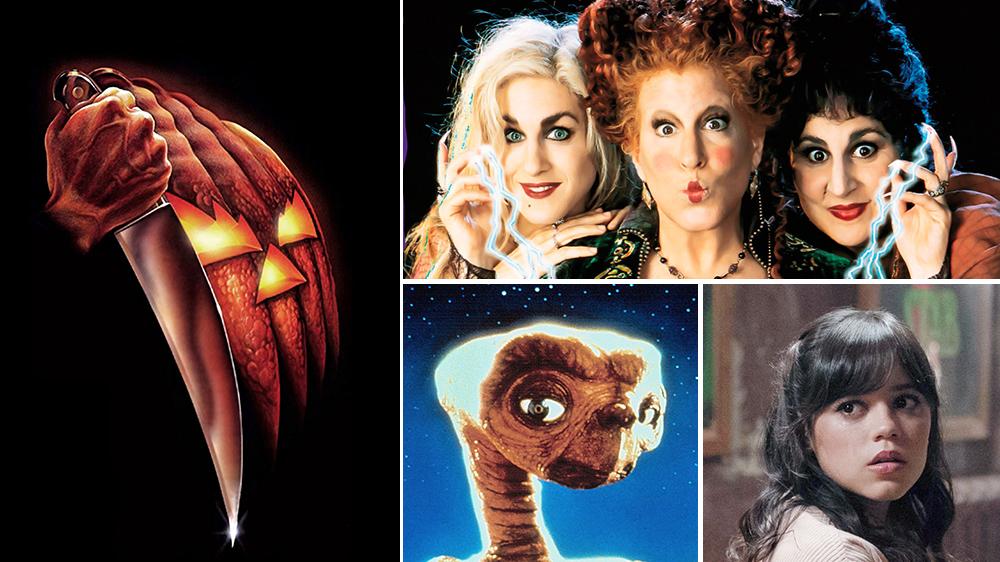
Every Halloween season brings a resurgence of shivers, laughter, and nostalgia as horror enthusiasts and casual viewers flock to revisit—or discover—cinema’s most iconic frightful tales. From the eerie whispers of 1970s slasher classics to the hyper-realistic terrors of modern CGI, Halloween movies have evolved into a cultural phenomenon that mirrors society’s deepest fears, from religious dread to societal critiques. These films transcend mere entertainment, embedding themselves into the collective unconscious, whether through John Carpenter’s synth-driven scores or Jordan Peele’s razor-sharp social commentary.
The "best" Halloween movies are not just defined by jump scares or elaborate set pieces but by their ability to linger in the mind long after the credits roll. Whether it’s the psychological horror of The Babadook, the supernatural charm of The Nightmare Before Christmas, or the raw, unfiltered terror of Hereditary, these films blend artistry with adrenaline. Over the decades, Halloween cinema has shifted from grainy black-and-white chillers to visually stunning blockbusters, yet its core purpose remains unchanged: to confront the unknown and, in doing so, reaffirm the thrill of the scare. This exploration dives into the films that have shaped the genre, from timeless classics to groundbreaking modern entries, revealing how they reflect—and sometimes predict—cultural anxieties.
Best Halloween Movies: A Cultural and Cinematic Exploration of Horror’s Evolution

Halloween movies have transcended their seasonal roots to become a defining force in cinema, shaping the horror and fantasy genres while mirroring societal fears. From the gory slasher films of the 1970s to the psychological thrillers of the 2010s, these films have evolved alongside cultural shifts, blending terror with social commentary. What distinguishes a "best" Halloween movie extends beyond jump scares—it encompasses storytelling depth, visual innovation, and lasting cultural impact, often sparking debates and redefining audience expectations.
The genre’s trajectory reflects broader anxieties: the 1970s introduced existential dread (The Exorcist), the 1990s leaned into supernatural escapism (The Nightmare Before Christmas), and the 2010s embraced meta-horror (Hereditary). Each era’s films serve as a barometer for collective fears, from religious panic to technological paranoia, making them essential artifacts of cinematic history.
Historical Significance of Halloween Movies in Shaping Horror and Fantasy
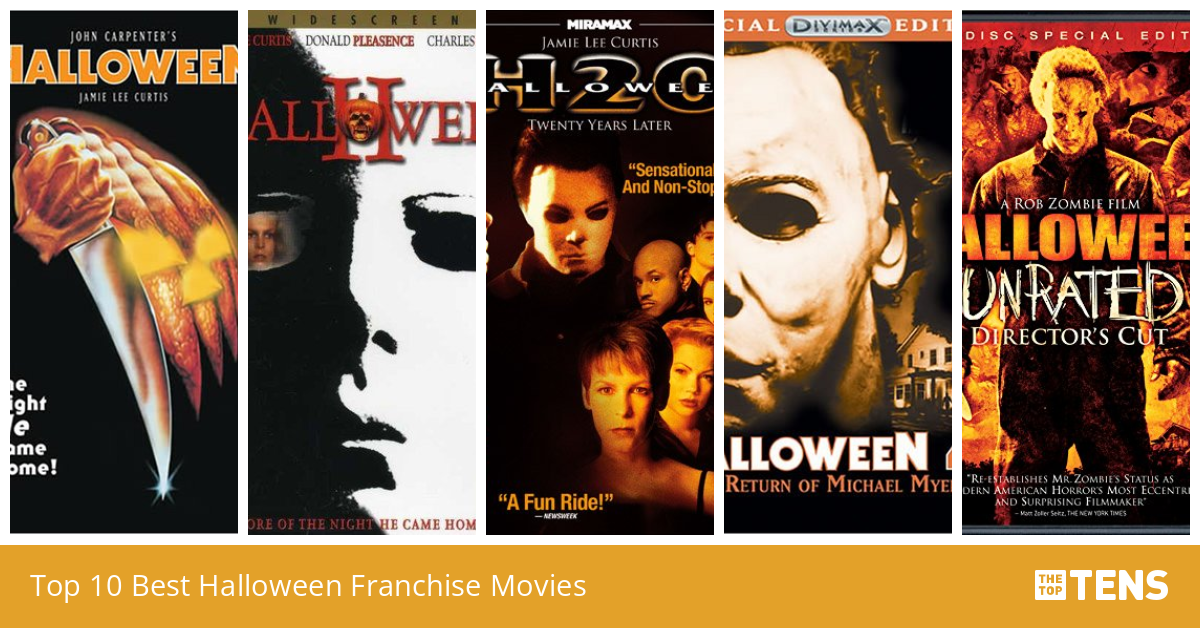
The horror genre’s golden age began in the 1970s, a decade marked by economic instability and social upheaval. Films like Halloween (1978) and The Exorcist (1973) capitalized on primal fears—masked killers and demonic possession—while also pushing technical boundaries. John Carpenter’s Halloween introduced the "final girl" trope, a narrative device still influential today, while The Exorcist’s groundbreaking special effects redefined what audiences could endure on screen.
The 1980s and 1990s saw a shift toward supernatural comedy-horror, with Beetlejuice (1988) and The Nightmare Before Christmas (1993) blending terror with whimsy. These films tapped into nostalgia and escapism, proving that Halloween entertainment could be both terrifying and heartwarming. The 2000s and 2010s, however, returned to darker themes, with Paranormal Activity (2007) and Get Out (2017) using found-footage realism and allegory to critique modern anxieties, from surveillance to systemic racism.
Table of Contents
- Best Halloween Movies: A Cultural and Cinematic Exploration of Horror’s Evolution
- Historical Significance of Halloween Movies in Shaping Horror and Fantasy
- Defining Criteria for the Best Halloween Movies
- Timeline of Iconic Halloween Movies and Their Evolutionary Trends
- Comparative Analysis of Top 5 Halloween Movies Across Decades
- Societal Fears and Anxieties in Halloween Movies
- Classic Halloween Movies: Timeless Picks That Define the Genre
- Essential Elements of Classic Halloween Movies
- Ranked List of 10 Must-Watch Classic Halloween Movies
- Modern Halloween Movies: Blending Horror, Comedy, and Innovation
- Genre Expansion: Horror’s Fusion with Comedy, Sci-Fi, and Psychological Thrillers
- Visual Effects and CGI: Revolutionizing Halloween Cinema
- Box Office Dominance: Analyzing 21st-Century Horror Franchises
- Trend Analysis: The Rise of "Elevated Horror" and Modern Audience Preferences
- Halloween Movies for Different Audiences: Tailored Experiences by Age, Interest, and Mood
- Family-Friendly Halloween Movies: Scares, Lessons, and Whimsy
- Horror Movies for Adults: Intensity, Themes, and Psychological Depth
"Horror reflects our fears, but Halloween films often distort them into something both personal and universal—making them more than just entertainment." — Stephen King, Danse Macabre
Defining Criteria for the Best Halloween Movies
A "best" Halloween movie is judged by multiple factors, though none are universally agreed upon. Storytelling remains paramount—films like The Shining (1980) and Get Out (2017) excel through layered narratives that reward repeat viewings. Visual effects have evolved from practical gore (Halloween) to CGI-enhanced realism (A Quiet Place, 2018), though low-budget films (Paranormal Activity) often rely on tension over spectacle.
Cultural impact is another key metric. The Exorcist sparked religious debates, while Get Out became a critical darling for its social commentary on racial dynamics. Audience reception also plays a role—films like Hocus Pocus (1993) and It (2017) achieved cult status through word-of-mouth and franchise longevity.
"The best horror films don’t just scare—they linger, haunting the viewer long after the credits roll." — Guillermo del Toro, Interview with The Hollywood Reporter
Timeline of Iconic Halloween Movies and Their Evolutionary Trends
Halloween movies have followed distinct thematic trends, often tied to societal changes. Below is a chronological breakdown of pivotal releases and their defining characteristics:
- 1970s: Birth of the Slasher and Supernatural Horror - The Exorcist (1973) – Religious dread, psychological terror. - Halloween (1978) – The slasher archetype, suburban horror. - Carrie (1976) – Teenage rebellion, supernatural vengeance.
- 1980s: Camp and Special Effects - The Shining (1980) – Kubrick’s psychological masterpiece. - Beetlejuice (1988) – Dark comedy meets supernatural chaos. - Nightmare on Elm Street (1984) – Dream logic and teen angst.
- 1990s: Supernatural Comedy and Escapism - The Nightmare Before Christmas (1993) – Tim Burton’s gothic whimsy. - Scream (1996) – Meta-slasher, self-aware horror. - The Sixth Sense (1999) – Supernatural mystery with emotional depth.
- 2000s: Found Footage and Paranormal Revival - The Ring (2002) – J-horror influence, viral marketing. - Paranormal Activity (2007) – Low-budget terror, home-invasion dread. - Shaun of the Dead (2004) – Zombie comedy, British horror revival.
- 2010s: Social Horror and Meta-Narratives - Get Out (2017) – Racism allegory, psychological thriller. - Hereditary (2018) – Family trauma, slow-burn horror. - A Quiet Place (2018) – Sound-based terror, post-apocalyptic tension.
"Each decade’s Halloween films act as a mirror—reflecting the fears, technologies, and social tensions of their time." — Noel Carroll, The Philosophy of Horror
Comparative Analysis of Top 5 Halloween Movies Across Decades
The following table highlights five of the most-cited Halloween movies per decade, showcasing their directors, genres, and cultural significance:
| Decade | Movie | Year | Director | Genre | Tagline |
|---|---|---|---|---|---|
| 1970s | The Exorcist | 1973 | William Friedkin | Supernatural Horror | "Twelve-year-old Regan MacNeil is possessed by a mysterious entity." |
| Halloween | 1978 | John Carpenter | Slasher | "This year, they're all going to the fraternity house." | |
| 1990s | The Nightmare Before Christmas | 1993 | Henry Selick, Tim Burton | Fantasy/Horror-Comedy | "This year, the nightmares come to life." |
| Scream | 1996 | Wes Craven | Slasher/Meta-Horror | "What's your favorite scary movie?" | |
| 2010s | Get Out | 2017 | Jordan Peele | Social Thriller/Horror | "Log in to find out." |
| Hereditary | 2018 | Ari Aster | Psychological Horror | "Some families are bound by blood. Others by horror." |
Societal Fears and Anxieties in Halloween Movies
Halloween films often serve as a cathartic outlet for societal anxieties, translating collective fears into cinematic nightmares. The Exorcist (1973) capitalized on Cold War-era fears of demonic influence, while Get Out (2017) exposed modern racial tensions through a
Classic Halloween Movies: Timeless Picks That Define the Genre
The horror genre thrives on tradition, and no holiday embodies its essence as profoundly as Halloween. Classic Halloween movies transcend seasonal entertainment—they establish archetypes, redefine storytelling conventions, and leave indelible marks on pop culture. These films blend psychological tension, atmospheric dread, and unforgettable villains, creating a blueprint for horror that continues to inspire modern creators. From John Carpenter’s minimalist masterpiece Halloween (1978) to Tim Burton’s surreal The Nightmare Before Christmas (1993), these works masterfully balance scares with artistic innovation, proving that horror’s most enduring tales often rely on simplicity, symbolism, and a deep understanding of human fear. Their influence extends beyond cinema, shaping fashion, music, and even urban legends, cementing their status as cultural touchstones.
The allure of classic Halloween movies lies in their ability to evoke nostalgia while maintaining relevance. Practical effects, haunting scores, and meticulously crafted villains create immersive experiences that resonate across generations. These films often prioritize atmosphere over gore, using lighting, sound design, and pacing to build tension. Iconic scores—like John Carpenter’s synth-heavy theme for Halloween or Danny Elfman’s whimsical yet eerie compositions for Nightmare—become synonymous with the holiday itself. Meanwhile, villains like Michael Myers, Jason Voorhees, and Jack Skellington transcend their roles, becoming symbols of primal fears: the faceless stalker, the vengeful force of nature, and the liminal being between life and death, respectively. Their legacies persist because they tap into universal anxieties, dressed in visual and narrative innovation.
Essential Elements of Classic Halloween Movies
Classic Halloween films rely on a core set of elements that elevate them beyond mere entertainment. Atmosphere is paramount, often achieved through moody cinematography, isolated settings (abandoned houses, misty forests, or suburban streets), and a reliance on suggestion over explicit violence. directors like Wes Craven (A Nightmare on Elm Street) and George A. Romero (Night of the Living Dead) pioneered the use of sound and silence to heighten tension, proving that what’s not seen can be more terrifying than what is.
Iconic villains serve as manifestations of collective fears, each designed with distinct motivations and methods. Michael Myers, for instance, embodies the concept of the "empty" killer—a being without backstory, driven purely by instinct. In contrast, figures like Pennywise (It) or the Creeper (The Creeper) use psychological manipulation, blurring the line between monster and metaphor. These antagonists often reflect societal anxieties of their eras, from Cold War paranoia to suburban alienation.
Memorable scores act as auditory shorthand, instantly signaling danger or unease. John Carpenter’s Halloween theme, with its repetitive, pulsing synth line, became a cultural phenomenon, later parodied and referenced in countless media. Similarly, The Exorcist’s choral score amplifies the film’s spiritual horror, while Beetlejuice’s jazz-funk soundtrack contrasts its supernatural chaos with playful absurdity. Music in these films isn’t just background noise; it’s a character, shaping emotions and reinforcing themes.
Practical effects play a crucial role in classic horror, often feeling more visceral than CGI. The grotesque makeup of The Exorcist’s demonic possession or the stop-motion animation of Beetlejuice’s skeletal antics were groundbreaking for their time, requiring immense skill and creativity. These techniques create a tactile, almost physical sense of unease, a quality that digital effects struggle to replicate. The influence of these methods is evident in modern horror, where filmmakers like Guillermo del Toro (The Shape of Water) and Jordan Peele (Get Out) revive practical effects to achieve authenticity.
Ranked List of 10 Must-Watch Classic Halloween Movies
Classic Halloween movies can be categorized by their ability to innovate, terrify, or enchant, but some stand above the rest due to their cultural impact, rewatchability, and enduring influence. Below is a ranked list of 10 essential films that define the genre, ordered by their significance and lasting legacy.
- Halloween (1978) – John Carpenter The blueprint for the slasher genre, Halloween redefined horror with its minimalist approach, iconic score, and the creation of Michael Myers. Its influence is immeasurable, inspiring countless imitators and sequels. The film’s reliance on atmosphere over gore set a new standard for tension, proving that a masked killer lurking in the shadows could be more terrifying than elaborate special effects.
- The Nightmare Before Christmas (1993) – Henry Selick & Tim Burton A perfect blend of Halloween and Christmas, this animated masterpiece transcends its holiday origins to become a cultural phenomenon. Its intricate stop-motion animation, Danny Elfman’s score, and Jack Skellington’s existential crisis about the meaning of holidays make it a visual and emotional tour de force. The film’s ambiguity—whether it’s a nightmare or a dream—invites endless fan theories and reinterpretations.
- The Exorcist (1973) – William Friedkin A landmark in supernatural horror, The Exorcist revolutionized the genre with its unflinching portrayal of demonic possession, groundbreaking special effects (particularly the makeup and practical effects), and a score that amplifies dread. Its impact on cinema is undeniable, influencing everything from horror tropes to the way audiences perceive religious fear.
- A Nightmare on Elm Street (1984) – Wes Craven Freddy Krueger introduced the concept of the "dream predator," a villain who could invade the subconscious. The film’s blend of psychological horror, surreal imagery, and a killer who thrives in the mind made it a standout. Its tagline—"Some dreams are worse than death"—captured the essence of its terror, creating a legacy that includes sequels, spin-offs, and a 2010 remake.
- Beetlejuice (1988) – Tim Burton A darkly comedic yet genuinely spooky film, Beetlejuice blends horror, fantasy, and slapstick to create a unique Halloween staple. Its stop-motion animation (for the "bio-exorcist" scenes) and Danny Elfman’s jazzy score give it a distinct visual and auditory identity. The film’s mix of scares and humor, along with its iconic villain, makes it a cult favorite.
- Friday the 13th (1980) – Sean S. Cunningham While often overshadowed by Halloween, Friday the 13th introduced Jason Voorhees, a killer whose relentless, almost unstoppable nature became a defining trait of the slasher genre. The film’s campy yet effective horror, combined with its influential soundtrack (including the title theme by Harry Manfredini), cemented its place in horror history.
- Hocus Pocus (1993) – Kenny Ortega A family-friendly yet genuinely spooky film, Hocus Pocus revitalized Halloween horror-comedies with its witchy trio, catchy songs, and clever nods to classic horror tropes. Its blend of humor and scares, along with its nostalgic appeal (originally a 1990 TV movie), makes it a perennial favorite during the season.
- The Texas Chain Saw Massacre (1974) – Tobe Hooper A raw, unflinching portrayal of rural horror, The Texas Chain Saw Massacre shocked audiences with its gritty realism and lack of traditional villainy. The film’s reliance on practical effects, tense sound design, and a killer who is more machine than man (Leatherface) set a new standard for visceral horror. Its influence on later films like Saw is undeniable.
- Coraline (2009) – Henry Selick Though not a traditional horror film, Coraline captures the essence of Halloween’s darker fairy-tale roots. Its stop-motion animation, eerie score, and themes of childhood vulnerability make it a modern classic. The film’s "Other Mother" is a chilling yet visually stunning villain, proving that horror can be both terrifying and artistically groundbreaking.
-
Young Frankenstein (1974) – Mel Brooks
A parody that pays homage to classic horror, Young Frankenstein blends humor with homage to Universal’s monster films. Its mix of gags, quotable lines ("Putain!"), and affectionate
Modern Halloween Movies: Blending Horror, Comedy, and Innovation
The evolution of Halloween cinema in the 21st century reflects a dynamic shift from traditional horror tropes to a multifaceted exploration of genre-blending narratives, technological advancements, and audience-driven storytelling. Modern films no longer confine themselves to slasher sequels or supernatural clichés; instead, they experiment with dark comedy, psychological depth, sci-fi elements, and immersive visual effects. This transformation has redefined the genre’s appeal, attracting both hardcore horror enthusiasts and casual viewers seeking fresh, innovative experiences. The integration of comedy (e.g., Hocus Pocus) and psychological horror (e.g., Hereditary) demonstrates how filmmakers leverage cultural trends, streaming platforms, and franchise potential to sustain the genre’s relevance while pushing creative boundaries.Genre Expansion: Horror’s Fusion with Comedy, Sci-Fi, and Psychological Thrillers
Modern Halloween movies have transcended the confines of pure terror by incorporating subgenres that cater to diverse audience tastes. Dark comedy, in particular, has become a staple, offering audiences a reprieve from relentless scares while maintaining a sinister edge. Films like Hocus Pocus (1993, rebooted in 2022) and Beetlejuice Beetlejuice (2024) blend supernatural horror with slapstick humor, appealing to both children and adults. These movies capitalize on nostalgia while introducing new visual effects and comedic timing, proving that horror doesn’t always need to be grim to be memorable. Sci-fi elements have also infiltrated Halloween cinema, merging horror with speculative fiction. Trick 'r Treat (2007), for example, reimagines the Halloween trope through a anthology structure where supernatural entities interact with human characters in a small town. The film’s meta-narrative and darkly comedic tone set it apart from traditional horror, while its influence is evident in later works like Smile (2022), which incorporates sci-fi undertones with its eerie, CGI-enhanced villain. Psychological thrillers, such as Hereditary (2018) and The Babadook (2014), further diversify the genre by focusing on internal horror—where the real monsters reside within the human psyche. These films prioritize atmosphere, performance, and thematic depth over jump scares, appealing to critics and audiences who seek more than just superficial fright.Visual Effects and CGI: Revolutionizing Halloween Cinema
The technological leap in visual effects (VFX) and computer-generated imagery (CGI) has fundamentally altered the landscape of Halloween movies, enabling filmmakers to create creatures, environments, and sequences that were previously unimaginable. Early horror films like The Texas Chain Saw Massacre (1974) relied on practical effects—practical makeup, prosthetics, and in-camera tricks—to evoke terror. The film’s raw, gritty aesthetic became iconic, but its limitations in creature design or large-scale set pieces were evident. In contrast, modern blockbusters like Smile (2022) and A Quiet Place (2018) utilize CGI to craft hyper-realistic monsters, seamless integrations of digital and live-action elements, and immersive soundscapes that heighten tension. CGI has also enabled the resurgence of classic horror icons. The Exorcist (2016) reboot, for instance, employed advanced VFX to reimagine Father Merrin’s aged appearance and the demonic possession sequences, blending historical authenticity with contemporary special effects. Meanwhile, films like Annabelle: Creation (2017) and The Nun (2018) leverage CGI to animate dolls and supernatural entities, creating unsettling visuals that play on audience fears of the unknown. The shift from practical effects to CGI has sparked debates about the "soul" of horror—whether digital enhancements detract from the genre’s tactile, visceral roots or elevate it to new artistic heights. Regardless, the integration of VFX has allowed filmmakers to experiment with surrealism, as seen in Midsommar (2019), where CGI enhances the film’s nightmarish, sun-soaked dread.Box Office Dominance: Analyzing 21st-Century Horror Franchises
The 21st century has witnessed the rise of several horror franchises that have achieved both critical acclaim and commercial success, often spawning spin-offs, sequels, and transmedia expansions. The Conjuring universe, produced by New Line Cinema and James Wan, stands as one of the most lucrative horror franchises of the decade. Beginning with The Conjuring (2013), the series has grossed over $1.7 billion worldwide across eight films (as of 2023), with each installment exploring new cases of paranormal activity while maintaining a consistent tone of slow-burn dread. The franchise’s success lies in its balance of scares, character development, and franchise potential, appealing to both horror purists and mainstream audiences. Similarly, the Saw franchise, despite its controversial reputation, generated $392 million worldwide from seven films (2004–2017), proving that extreme horror could still draw crowds. However, its decline in the 2010s highlights the genre’s reliance on fresh ideas—something later franchises like Insidious (2010–present) capitalized on by blending supernatural horror with psychological terror. Insidious has earned $560 million globally across six films, with its focus on hauntings, sleep paralysis, and family dynamics resonating with audiences. Another standout is The Purge franchise, which merges horror with dystopian sci-fi, grossing $760 million worldwide (as of 2023) and sparking cultural conversations about violence and societal norms. These franchises thrive on fan engagement through social media, conventions, and merchandise, creating communities that drive word-of-mouth marketing. For example, The Conjuring universe’s success led to video games, novels, and even a Netflix series (The Conjuring: The Series), expanding its multimedia presence. Such cross-platform strategies ensure longevity, allowing franchises to adapt to changing audience preferences while maintaining their core identity.Trend Analysis: The Rise of "Elevated Horror" and Modern Audience Preferences
A notable trend in modern Halloween cinema is the rise of "elevated horror"—films that prioritize artistic direction, thematic complexity, and critical acclaim over mass-market appeal. Unlike traditional horror, elevated horror often draws from arthouse cinema, folk horror, and psychological studies to create unsettling, thought-provoking narratives. Films like The Witch (2015), Midsommar (2019), and Hereditary (2018) exemplify this shift, blending historical settings, surrealism, and deep character studies to craft experiences that linger long after the credits roll. The following table outlines key subgenres within modern horror and their cultural significance:Subgenre Key Films Audience Appeal Cultural Impact Elevated Horror The Witch, Midsommar, Hereditary, Get Out Critics, horror aficionados, and audiences seeking depth over jump scares Elevates horror to arthouse status; influences indie filmmakers and streaming content Dark Comedy Hocus Pocus, What We Do in the Shadows, Beetlejuice Beetlejuice Families, millennials, and fans of meta-humor Blurs genre lines; proves horror can be mainstream and profitable Sci-Fi Horror Annihilation, The Void, Upgrade, Smile Tech-savvy audiences, fans of speculative fiction Merges horror with AI, body horror, and existential themes Found Footage Paranormal Activity, REC, Host Younger demographics, viral marketing enthusiasts Low-budget revolution; influenced reality TV and social media trends Folk Horror The VVitch, Kill List, The Ritual Cult audiences, fans of rural horror and pagan themes Revival Halloween Movies for Different Audiences: Tailored Experiences by Age, Interest, and Mood
Halloween movies transcend mere entertainment—they shape cultural narratives, evoke emotional responses, and cater to diverse psychological and developmental needs. Whether seeking thrills, comfort, or intellectual stimulation, audiences of all ages and backgrounds can find films that align with their preferences. This section explores how horror and supernatural cinema adapts to different demographics, moods, and thematic interests, ensuring an immersive experience for every viewer. From family-friendly animations to visceral adult horror, and from nostalgic classics to international horror gems, the selection process involves balancing tone, pacing, and thematic depth to create a curated experience. The evolution of horror cinema reflects societal shifts, technological advancements, and evolving audience sensibilities. Modern viewers expect more than just jump scares; they seek narratives that resonate with their personal or cultural fears, ethical dilemmas, or even humor. Below, a structured approach to selecting Halloween movies is outlined, categorized by audience segments—families, adults, and mood-based preferences—along with a framework for crafting a cohesive marathon experience. International horror films further expand these possibilities by introducing unique cultural perspectives on fear, often rooted in folklore, historical trauma, or societal anxieties.Family-Friendly Halloween Movies: Scares, Lessons, and Whimsy
Family-oriented Halloween films prioritize accessibility, creativity, and subtle scares while often incorporating educational or moral themes. These movies leverage animation, lighthearted storytelling, and folklore to engage younger audiences without overwhelming them. The genre’s adaptability allows for films that double as bedtime stories or classroom discussions, making them versatile for parents, educators, and children alike. Animated Films with Supernatural Themes Animated Halloween movies often blend fantasy, adventure, and mild horror to captivate children while introducing them to complex themes. These films use visual storytelling to create immersive worlds where monsters, ghosts, and witches become relatable characters rather than mere villains.- Coraline (2009) – Directed by Henry Selick and based on Neil Gaiman’s novel, this stop-motion masterpiece explores themes of identity, self-discovery, and the dangers of idealization. The film’s eerie yet whimsical aesthetic, combined with its strong protagonist, makes it a standout for ages 8+. The movie’s use of parallel worlds and subtle horror elements (e.g., button-eyed "Other Mother") creates a lingering sense of unease without resorting to explicit violence.
- The Nightmare Before Christmas (1993) – Tim Burton’s iconic film merges Halloween and Christmas, featuring Jack Skellington’s existential crisis and his quest to understand the holiday. While not strictly horror, its gothic visuals, dark humor, and spooky atmosphere make it a perennial favorite for children aged 6+.
- ParaNorman (2012) – This film follows Norman, a boy who can communicate with the dead, as he battles a vampire on Halloween night. The movie tackles themes of bullying, grief, and acceptance, using horror as a backdrop for its emotional core. Its blend of action, comedy, and supernatural elements appeals to both kids and adults.
- Goosebumps (2015) and Goosebumps 2: Haunted Halloween (2018) – Based on R.L. Stine’s book series, these films follow a teenager who accidentally unleashes monsters from a horror writer’s stories. The movies’ mix of action, humor, and monster-of-the-week tropes makes them ideal for ages 7–12. The second film, in particular, leans into Halloween themes with a self-contained plot centered around a haunted Halloween attraction.
- The House with a Clock in Its Walls (2018) – A fantasy-horror adventure starring Jack Black, this film blends folklore, magic, and mild scares to tell a story about a boy who inherits a house with hidden supernatural secrets. The movie’s educational undertones—exploring Greek mythology, alchemy, and family legacy—make it a great choice for children aged 9+ interested in history or mythology.
- Hotel Transylvania (2012–2022) – While not strictly a Halloween film, this animated franchise centers around Dracula’s efforts to protect his daughter from monsters. Its humor, catchy songs, and monster-centric worldview make it a fun, low-stakes introduction to horror tropes for preschoolers and early elementary-aged children.
- The Witches (1990, live-action; 2020, animated) – Roald Dahl’s tale of a boy who discovers a convention of child-hating witches offers a darkly comedic take on classic villain tropes. The 2020 animated adaptation, in particular, modernizes the story with stunning visuals and a stronger emphasis on themes of power and deception, suitable for ages 8+.
- Legend (1985) and Legend (2015) – Both adaptations of the same source material, these films blend folklore, fantasy, and horror to tell the story of a boy who befriends a dragon-like creature in a dystopian London. The 1985 version leans into gothic horror, while the 2015 reboot adds a more contemporary, action-driven tone. Both are best suited for ages 10+ due to their darker themes and occasional violence.
- Cenderella (2021) – A Korean animated film reimagining the Cinderella story with a dark twist, featuring a vengeful stepmother and a cursed pumpkin carriage. The movie’s gothic aesthetic and moral lessons about kindness and resilience make it a unique addition to the Halloween lineup for ages 9+.
Horror Movies for Adults: Intensity, Themes, and Psychological Depth
Adult-oriented Halloween movies span a spectrum of intensities, from slow-burn psychological horror to extreme gore and supernatural terror. These films often explore mature themes such as existential dread, trauma, mental health, and societal critiques, making them more suitable for older audiences. The selection process involves considering runtime, MPAA ratings, and the emotional or intellectual impact of the film rather than just its scares. Slow-Burn Dread and Psychological Horror Slow-burn horror films prioritize atmosphere, tension, and character development over jump scares or graphic violence. These movies often leave a lasting impression by immersing viewers in a world of paranoia, isolation, or supernatural ambiguity.- The Babadook (2014) – Runtime: 94 minutes | MPAA: PG-13 A metaphorical horror film about grief and depression, The Babadook follows a single mother whose son becomes obsessed with a sinister children’s book. The film’s use of sound design, practical effects, and emotional depth creates a haunting experience that resonates long after the credits roll. Its themes of mental health make it particularly relevant for adult audiences.
- Hereditary (2018) – Runtime: 127 minutes | MPAA: R Directed by Ari Aster, this film is a masterclass in slow-burn horror, blending family drama with supernatural terror. Its exploration of trauma, loss, and generational curses elevates it beyond typical horror tropes. The film’s final act is one of the most shocking and thematically rich sequences in modern cinema.
- The Others (2001) – Runtime: 104 minutes | MPAA: PG-13 A gothic ghost story set in post-WWII Spain, The Others thrives on suspense and misdirection. Nicole Kidman’s performance as a mother protecting her photosensitive children from an unseen threat creates a chilling atmosphere. The film’s twist ending is a testament to its meticulous pacing and storytelling.
- It Follows (2014) – Runtime: 100 minutes | MPAA: R This modern horror classic reimagines the concept of a relentless supernatural entity by tying it to themes of sexual anxiety and mortality. Its dreamlike visuals and haunting score amplify the sense of dread, making it a standout for fans of atmospheric horror.
Halloween movies are more than seasonal escapism; they are a mirror to humanity’s fears, a playground for creativity, and a tradition that unites millions under the glow of a flickering screen. From the haunting melodies of Halloween to the subversive humor of Tucker & Dale vs. Evil, these films offer something for every mood, age, and appetite for terror. As technology advances and societal fears evolve, so too will the stories that captivate us each October. Yet one truth endures: the best Halloween movies are not just watched—they are experienced, remembered, and revisited, ensuring their legacy as the spine-tingling heart of cinematic Halloween.
Leave a Comment
Comments are moderated before appearing. The data you submit is processed according to the Privacy Policy of Inhonorofdesign.