Best Halloween Movies That Define Horror Culture
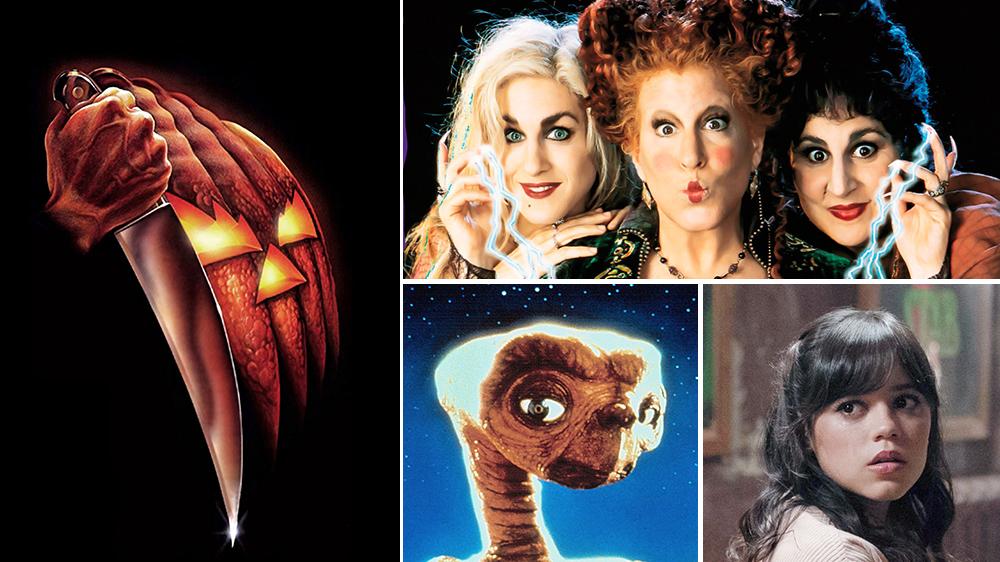
Every October, the air thickens with anticipation as Halloween movies dominate screens, blending terror, nostalgia, and creativity into cinematic experiences that transcend seasons. From the eerie whispers of The Exorcist to the playful chaos of Hocus Pocus, these films have shaped generations, evolving from grainy black-and-white scares to hyper-realistic CGI nightmares. The genre’s power lies not just in its ability to startle but in its reflection of societal fears—whether through masked killers stalking suburban streets or supernatural forces lurking in childhood memories.
The best Halloween movies do more than entertain; they become cultural touchstones, influencing fashion, music, and even urban legends. Directors like John Carpenter and Stanley Kubrick revolutionized horror with minimalist storytelling and haunting visuals, while modern filmmakers push boundaries with psychological depth and immersive soundscapes. Whether you crave adrenaline-pumping slashers, chilling supernatural thrillers, or whimsical family fare, these films offer a portal into the darker corners of the imagination—each frame a masterclass in crafting fear or wonder.
The Evolution of Halloween Movies: From Classic Horror to Modern Masterpieces

The history of Halloween-themed films mirrors the broader evolution of horror cinema, transitioning from eerie silent shorts to blockbuster spectacles that redefine seasonal entertainment. Early 20th-century horror relied on shadowy visuals, jump scares, and psychological tension, while later decades introduced complex narratives, advanced special effects, and immersive soundtracks. The genre’s golden era in the 1970s and 1980s—marked by films like Halloween (1978) and The Exorcist (1973)—set the foundation for modern horror, blending terror with cultural commentary. This progression reflects technological advancements, shifting audience expectations, and the genre’s ability to adapt while retaining its core appeal: the thrill of confronting the unknown.
Historical Progression: Silent Horror to Modern Blockbusters
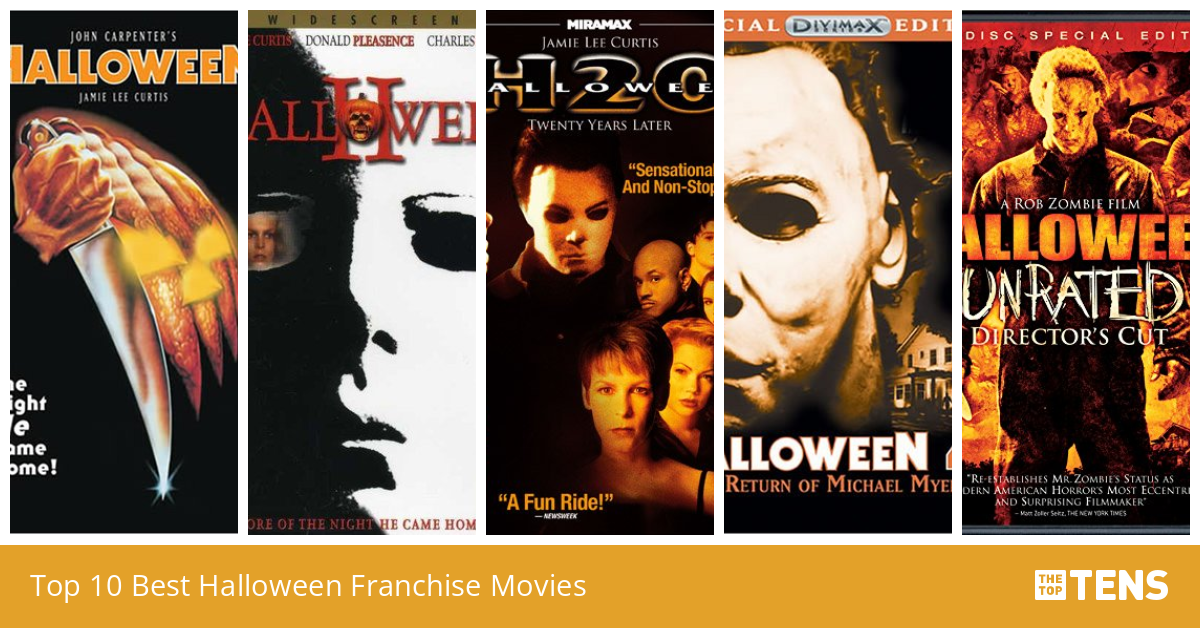
The origins of Halloween-themed cinema trace back to the early 1900s, when silent films experimented with supernatural terror. Shorts like The Haunted House (1928) and Dracula (1931) relied on expressionistic lighting, distorted cinematography, and minimal dialogue to evoke dread. The 1950s and 1960s saw the rise of B-movie horror, with studios like Hammer Films producing gothic chillers (The Curse of Frankenstein, 1957) that emphasized atmosphere over elaborate effects. However, the 1970s revolutionized the genre with The Exorcist (1973), which combined psychological horror with groundbreaking practical effects—such as the demonic possession scenes—and became the highest-grossing R-rated film of its time. Its success proved that horror could be both commercially viable and artistically ambitious.
The late 1970s and 1980s cemented the "slasher" subgenre, with Halloween (1978) introducing the masked killer archetype and A Nightmare on Elm Street (1984) blurring the lines between dreams and reality. These films capitalized on societal anxieties—teen rebellion, parental authority, and urban decay—while delivering visceral scares through practical effects, like Michael Myers’ relentless pursuit in Halloween or Freddy Krueger’s razor-gloved attacks. The 1990s and 2000s expanded the genre’s scope with supernatural thrillers (The Sixth Sense, 1999) and found-family horror (The Conjuring, 2013), while CGI advancements in films like The Ring (2002) allowed for more visually stunning yet polarizing creatures.
Timeline of Pivotal Halloween Movies and Their Cultural Impact
Halloween cinema has produced landmark films that shaped the genre’s trajectory. Below is a chronological overview of pivotal releases, highlighting their box office performance, critical reception, and lasting influence:
Table of Contents
- The Evolution of Halloween Movies: From Classic Horror to Modern Masterpieces
- Historical Progression: Silent Horror to Modern Blockbusters
- Timeline of Pivotal Halloween Movies and Their Cultural Impact
- Comparison of Essential Halloween Movies: Release Year, Director, Genre, and Influence
- Genre Breakdown: Beyond Horror – Themes and Subgenres in Halloween Movies
- Supernatural Horror: Atmospheric Dread and Paranormal Encounters
- Family-Friendly Halloween Movies: Blending Scares, Humor, and Heart
- Slasher Films vs. Supernatural Thrillers: Structural and Thematic Comparisons
- Character Deep Dives: Iconic Villains, Heroes, and Antiheroes in Halloween Movies
- Five Most Terrifying Halloween Movie Villains and Their Cultural Impact
- Michael Myers’ Evolution: From Silent Killer to Complex Antihero
- Behind the Scenes: Filmmaking Secrets of Halloween Movies
- Practical Effects and Makeup Techniques in Classic Horror
- Challenges of Filming in Autumn Locations
- Sound Design: The Invisible Force of Tension
- Creating a Halloween Movie Atmosphere Through Lighting and Set Dressing
- Screenwriting Tropes and Their Modern Subversions
- 1931: Dracula – Universal’s adaptation of Bram Stoker’s novel introduced Bela Lugosi as Count Dracula, establishing the vampire as a horror icon. Its gothic visuals and Lugosi’s performance set the standard for monster movies.
- 1968: Night of the Living Dead – George A. Romero’s low-budget film redefined zombie cinema, shifting focus from supernatural origins to societal collapse. Its black-and-white grit and social commentary made it a cult classic.
- 1973: The Exorcist – Directed by William Friedkin, this film broke box office records and became the first horror movie nominated for Best Picture. Its realistic depiction of demonic possession and iconic imagery (e.g., the spinning head) remain unmatched.
- 1978: Halloween – John Carpenter’s slasher masterpiece created the "final girl" trope and the masked killer template. Its minimalist score and relentless tension redefined horror’s pacing.
- 1980: The Shining – Stanley Kubrick’s adaptation of Stephen King’s novel used isolation, practical effects (e.g., the hedge maze), and psychological ambiguity to create a haunting, open-ended nightmare.
- 1996: Scream – Wes Craven’s meta-horror film revitalized the slasher genre by self-aware storytelling and blending horror with comedy. Its success spawned multiple sequels and influenced modern thrillers.
- 2017: It – Andy Muschietti’s adaptation of Stephen King’s novel revitalized the "kids vs. evil" trope with a mix of practical effects (the clown’s makeup) and CGI. Its nostalgic appeal and emotional depth made it a cultural phenomenon.
- 2023: Smile – Directed by Parker Finn, this film leveraged viral marketing and a relentless, CGI-enhanced villain to become a box office hit, proving horror’s enduring appeal in the streaming era.
Comparison of Essential Halloween Movies: Release Year, Director, Genre, and Influence
The following table compares five essential Halloween movies across key criteria, illustrating their contributions to the genre’s evolution:
| Movie | Release Year | Director | Genre | Top-Rated Scenes | Lasting Influence | ||||||||||||||||||||
|---|---|---|---|---|---|---|---|---|---|---|---|---|---|---|---|---|---|---|---|---|---|---|---|---|---|
| The Exorcist | 1973 | William Friedkin | Supernatural Horror |
|
Redefined religious horror; influenced special effects and sound design in horror films. Its marketing and cultural impact set a precedent for horror as a mainstream genre. |
||||||||||||||||||||
| Halloween | 1978 | John Carpenter | Slasher/Thriller |
|
Created the "final girl" trope and the masked killer archetype. Its minimalist approach inspired countless slashers and became a franchise staple. |
||||||||||||||||||||
| The Shining | 1980 | Stanley Kubrick | Psychological Horror |
|
Revolutionized horror cinematography and editing. Its use of isolation and ambiguity influenced later psychological thrillers like Hereditary (2018). |
||||||||||||||||||||
| Scream | 1996 | Wes Craven | Slasher/Comedy-Horror |
|
Revitalized the slasher genre by breaking the fourth wall. Its self-aware storytelling became a blueprint for modern horror-comedies like Ready or Not (2019). |
||||||||||||||||||||
| It (2017) | 2017 | Andy Muschietti | Supernatural/Drama |
Family-Friendly Halloween Movies: Blending Scares, Humor, and HeartFamily-friendly Halloween films redefine the holiday’s tone by targeting younger audiences with a mix of mild scares, slapstick humor, and heartfelt storytelling. These movies often feature anthropomorphic creatures, magical elements, or comedic villains, ensuring that the horror is more suggestive than graphic. The subgenre’s success lies in its ability to balance nostalgia, adventure, and moral lessons, making Halloween a platform for intergenerational appeal. Three quintessential examples illustrate this dynamic:Slasher Films vs. Supernatural Thrillers: Structural and Thematic ComparisonsSlasher films and supernatural thrillers occupy distinct yet overlapping spaces within horror, differing in antagonist nature, plot structure, and character arcs. Slasher films prioritize human-driven terror, often featuring masked killers with backstories tied to trauma (e.g., Jason Voorhees, Michael Myers). In contrast, supernatural thrillers focus on inexplicable forces, where the villain’s motives remain ambiguous or tied to folklore. Below is a comparative analysis of their narrative frameworks:
Character Deep Dives: Iconic Villains, Heroes, and Antiheroes in Halloween MoviesHalloween cinema thrives on unforgettable characters—whether they haunt screens as silent killers, shape-shifting monsters, or flawed protagonists fighting against supernatural forces. These figures transcend their roles to become cultural archetypes, embodying fears, desires, and societal anxieties. Iconic villains like Michael Myers and Pennywise have transcended their original narratives to become symbols of horror, while underrated characters in lesser-known films often deliver the most haunting performances. Meanwhile, heroic figures subvert expectations by rejecting passivity, redefining survival narratives. This section explores the psychological depth, design choices, and cultural legacies of these characters, dissecting how they evolve, terrify, and resonate with audiences beyond the Halloween season.Five Most Terrifying Halloween Movie Villains and Their Cultural ImpactThe most iconic villains in Halloween cinema are more than just killers—they are manifestations of primal fears, societal taboos, and the unknown. Their designs, backstories, and methods of terror have cemented their status as horror legends. Below are five villains whose influence extends far beyond their respective franchises, each representing a distinct brand of horror that continues to inspire filmmakers and terrify audiences.Michael Myers’ Evolution: From Silent Killer to Complex AntiheroMichael Myers’ character arc is one of the most fascinating in horror cinema, evolving from a faceless, almost supernatural force in Halloween (1978) to a more humanized antihero in later installments. This transformation reflects changing audience expectations and the genre’s shift from pure terror to psychological depth. Below is a breakdown of his key portrayals and how they redefined his role in the franchise.Creating a Halloween Movie Atmosphere Through Lighting and Set DressingLighting and set dressing transform ordinary spaces into portals of dread. In The Conjuring (2013), director James Wan uses dim, flickering light to create a sense of decay and supernatural presence. The yellow-tinted bulbs in the Edwards house mimic gaslighting, while shadows stretch unnaturally due to low-angle lighting, making the room feel larger and more oppressive. Conversely, Scream (1996) employs neon signs and high-contrast lighting to contrast the suburban mundanity with violent chaos. The red and blue hues of the Ghostface mask’s glow create a cyberpunk-meets-horror aesthetic, while strobe lights during chase sequences disorient the audience, mirroring the characters’ panic. Color palettes play a crucial role:Screenwriting Tropes and Their Modern SubversionsHalloween movies thrive on recurring tropes, but the best films reinvent them rather than rely on clichés. The "final girl" archetype—embodied by Laurie Strode in Halloween—has evolved from a passive survivor to a proactive heroine (e.g., Adira in Insidious: The Red Door, who embrace her supernatural abilities). Modern films also deconstruct the trope, as seen in You’re Next (2011), where the final girl is a killer herself, subverting expectations. Jump scares remain a staple, but their execution has grown more psychological. The Conjuring uses sudden silence before a scare, while Smile (2022) relies on prolonged tension before the final, inevitable terror. The "killer’s origin" reveal—once a mystery to solve—has shifted to exploring trauma (Halloween’s Michael Myers as a victim of abuse) or supernatural possession (Hereditary’s genetic curse).Halloween movies endure because they tap into universal anxieties while celebrating the holiday’s festive spirit, proving that terror and joy can coexist. From the silent screams of Nosferatu to the digital horrors of A Quiet Place, the genre’s evolution mirrors technological and cultural shifts, ensuring its relevance across decades. As the leaves turn and the nights grow longer, revisiting these classics—or discovering hidden gems—reminds us that the best Halloween stories linger long after the credits roll, haunting our memories with their brilliance. |
Leave a Comment
Comments are moderated before appearing. The data you submit is processed according to the Privacy Policy of Inhonorofdesign.