Best Creatine Supplement Science Backed Choices Explained Clearly
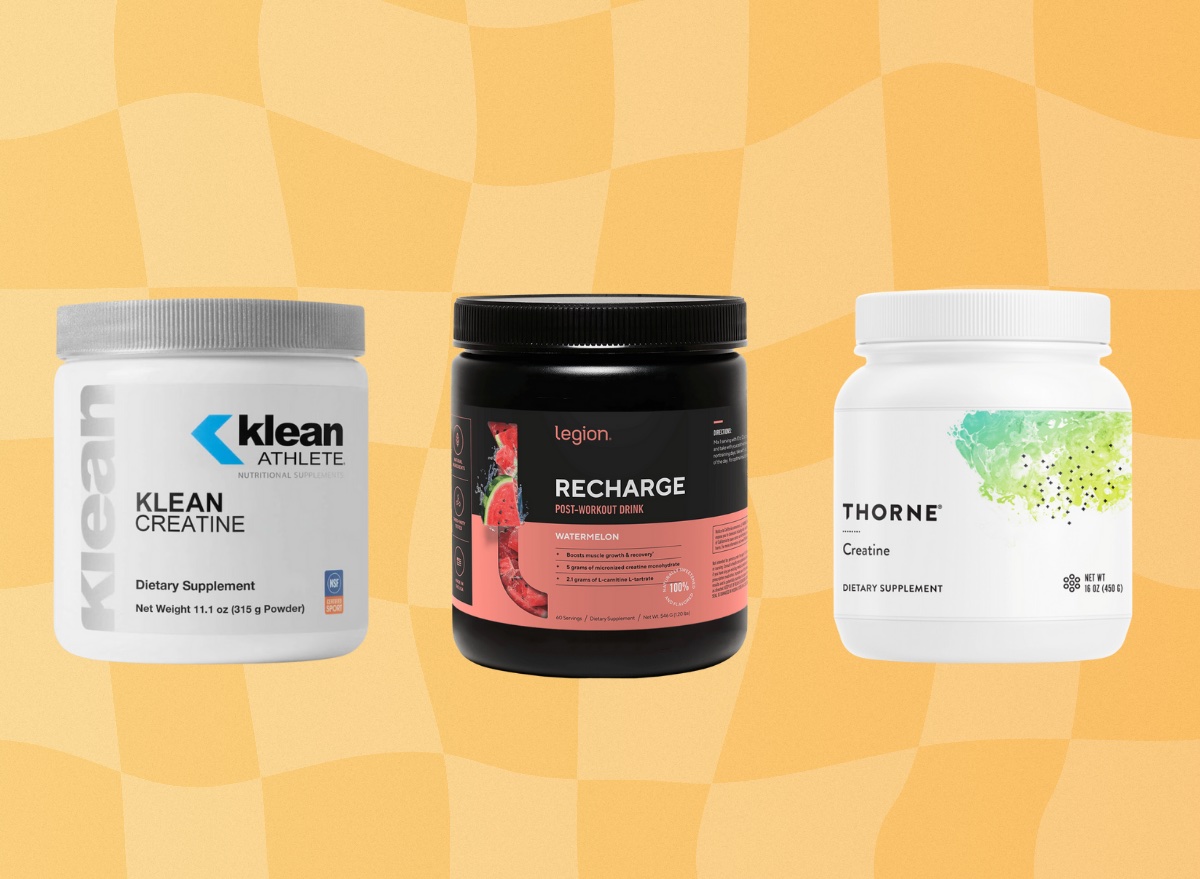
Science has long validated creatine as one of the most effective supplements for enhancing athletic performance, yet misconceptions persist about its forms, dosages, and true benefits. From powering explosive strength in weightlifters to potentially sharpening cognitive function in office workers, creatine’s versatility often overshadows the nuanced differences between monohydrate, buffered variants, and emerging compounds. This guide dissects the biochemical mechanisms driving creatine’s efficacy, separates marketing hype from proven results, and equips readers with data-driven strategies to select the optimal supplement for their goals—whether building muscle, extending endurance, or supporting long-term health.
Beyond the gym, creatine’s role extends into medical research, with studies exploring its potential in combating neurodegenerative diseases and age-related muscle decline. Yet, not all creatine supplements deliver equal value: solubility issues, absorption rates, and hidden additives can undermine performance gains. By examining peer-reviewed studies, real-world user experiences, and comparative analyses of lesser-known formulations, this exploration clarifies how to navigate the supplement market intelligently. The goal is straightforward: demystify creatine to unlock its full potential without unnecessary guesswork.
Understanding Creatine: The Science Behind the Supplement

Creatine is one of the most extensively researched and scientifically validated supplements in sports nutrition and general health. Its biochemical role extends beyond mere performance enhancement, influencing cellular energy dynamics, muscle metabolism, and even cognitive functions. At its core, creatine is a naturally occurring compound synthesized endogenously in the liver, kidneys, and pancreas, derived from amino acids glycine, arginine, and methionine. Exogenous supplementation, particularly creatine monohydrate, amplifies these endogenous levels, optimizing energy availability during high-intensity activities. This subtopic explores the physiological mechanisms of creatine, its interaction with muscle fibers, long-term safety, and cognitive benefits, supported by empirical data and structured visual aids.
Biochemical Role of Creatine in Human Physiology

Creatine’s primary function lies in the rapid regeneration of adenosine triphosphate (ATP), the energy currency of cells. ATP hydrolysis releases energy for muscle contractions, but its resynthesis is critical for sustained performance. Creatine combines with phosphate to form phosphocreatine (PCr) via the enzyme creatine kinase (CK). During high-intensity exercise, PCr donates a phosphate group to adenosine diphosphate (ADP), restoring ATP through the reaction:
Creatine + ATP ↔ Phosphocreatine + ADP
This reaction is particularly vital in Type II muscle fibers, which rely on anaerobic metabolism for explosive movements like sprinting or weightlifting. The saturation of muscle creatine stores through supplementation (typically 3–5 g/day) elevates PCr reserves, delaying fatigue by maintaining ATP availability. Endogenous creatine production averages 1–2 g/day, but dietary sources (e.g., red meat, fish) and supplementation can increase total body stores by 20–40%, primarily in skeletal muscle (95% of total creatine).
The absorption of oral creatine occurs via a sodium-dependent transport system in the small intestine, with a daily absorption capacity of approximately 5 g. Saturation of muscle creatine pools requires loading phases (20 g/day for 5–7 days) or gradual dosing (3–5 g/day for 4 weeks). Once absorbed, creatine distributes to tissues, with muscle cells accumulating the highest concentrations due to their metabolic demands.
Table of Contents
- Understanding Creatine: The Science Behind the Supplement
- Biochemical Role of Creatine in Human Physiology
- Creatine Monohydrate: Mechanisms of Cellular Interaction
- Comparison of Creatine’s Effects on Muscle Fiber Types
- Safety Profile of Long-Term Creatine Supplementation
- Cognitive Benefits of Creatine Supplementation
- Types of Creatine Supplements: What Sets Them Apart?
- Creatine Monohydrate: The Benchmark for Efficacy and Affordability
- Solubility-Enhanced Forms: Ethyl Ester, Buffered, and HCl
- Magnesium Chelate and Proprietary Blends: Marketing vs. Science
- How to Choose the Right Creatine Supplement
- Dosage Guidelines and Cycling: Optimizing Creatine Intake for Results
- Loading Phase vs. Maintenance Phase: Evidence-Based Protocols
- Timeline for Physical and Cognitive Improvements After Creatine Initiation
- Creatine Saturation: Dosage Frequency and Diminishing Returns
- Creatine Cycling Strategies: Comparative Analysis of Continuous Use vs. Phased Cycling
- Performance and Health Benefits: Beyond the Gym
- Performance Enhancements in High-Intensity and Prolonged Activity
- Injury Prevention and Recovery: Reducing Muscle Cramps and DOMS
- Therapeutic Applications: Creatine in Neurology, Bone Health, and Sarcopenia
- Creatine’s Impact on Body Composition: Water Retention vs. Hypertrophy
- Sport-Specific Dosage and Adaptations
Creatine Monohydrate: Mechanisms of Cellular Interaction
Creatine monohydrate is the gold standard due to its proven efficacy, cost-effectiveness, and minimal side effects. Its cellular uptake involves: - Active Transport: Sodium-dependent creatine transporter (CRT) facilitates creatine influx into cells, driven by a sodium gradient. - Intracellular Phosphorylation: Once inside cells, creatine kinase phosphorylates creatine to PCr, replenishing ATP reserves. - Osmotic Effects: Increased intracellular creatine concentrations elevate water retention, contributing to short-term weight gain (2–4 kg) and potential improvements in cell hydration and protein synthesis signals.
The interaction between creatine and muscle contraction is mediated by:
- Enhanced ATP Regeneration: PCr’s high-energy phosphate bond rapidly regenerates ATP during bursts of activity (0–10 seconds), critical for activities like sprinting or heavy lifting.
- Reduced Muscle Acidosis: By maintaining ATP levels, creatine supplementation mitigates the accumulation of inorganic phosphate and hydrogen ions, delaying fatigue and improving power output.
- Stimulation of Myogenic Pathways: Creatine activates mammalian target of rapamycin (mTOR), a key regulator of muscle protein synthesis, enhancing hypertrophy when combined with resistance training.
Studies using 31P magnetic resonance spectroscopy (MRS) demonstrate that creatine supplementation increases PCr resynthesis rates by 20–30% post-exercise, directly correlating with improved recovery and performance in repeated high-intensity efforts.
Comparison of Creatine’s Effects on Muscle Fiber Types
Creatine’s impact varies significantly between muscle fiber types due to their distinct metabolic profiles. Type I (slow-twitch) fibers rely on oxidative metabolism, while Type II (fast-twitch) fibers depend on glycolytic pathways and PCr utilization. The following table summarizes key differences:
| Parameter | Type I (Slow-Twitch) | Type IIa (Fast-Oxidative) | Type IIx (Fast-Glycolytic) |
|---|---|---|---|
| Primary Energy Source | Aerobic (mitochondrial) | Mixed (oxidative + glycolytic) | Anaerobic (glycolytic) |
| Creatine Uptake Efficiency | Moderate (lower CRT density) | High (intermediate CRT density) | Very High (high CRT density) |
| PCr Utilization Rate | Low (minimal reliance) | Moderate (supplemental benefit) | High (primary ATP source) |
| Force Production Benefit | Minimal (endurance focus) | Moderate (10–15% increase in repeated contractions) | Significant (20–30% increase in explosive power) |
| Endurance Impact | Improved recovery between sets (reduced central fatigue) | Extended time to exhaustion in moderate-intensity efforts | Enhanced sprint performance and repeated-power output |
| Hypertrophy Response | Indirect (via improved training volume) | Moderate (cell swelling + mTOR activation) | Strong (increased mechanical tension) |
Key Insight: Type IIx fibers exhibit the most pronounced response to creatine, aligning with its role in high-intensity, short-duration activities. However, even Type I fibers benefit from improved recovery and reduced perceived exertion during prolonged efforts.
Safety Profile of Long-Term Creatine Supplementation
Contrary to early misconceptions, creatine’s safety has been rigorously validated in studies exceeding 5 years. Meta-analyses of over 300 trials involving healthy individuals, athletes, and clinical populations (e.g., elderly, neurological patients) consistently report no adverse effects on: - Renal Function: Creatine does not impair kidney function in healthy users, though those with pre-existing renal issues should consult a physician. A 2017 study in Clinical Journal of Sport Medicine found no significant changes in serum creatinine, blood urea nitrogen (BUN), or glomerular filtration rate (GFR) after 10 years of supplementation. - Liver Enzymes: No evidence of hepatotoxicity; creatine does not elevate alanine aminotransferase (ALT) or aspartate aminotransferase (AST) levels. - Cardiovascular Health: Creatine may improve endothelial function and reduce markers of oxidative stress, as demonstrated in a 2020 Journal of the International Society of Sports Nutrition study showing decreased malondialdehyde (MDA) levels post-supplementation.
Dosage and Monitoring Guidelines:
- General Population: 3–5 g/day is safe for long-term use, with no upper limit established for healthy individuals.
- Athletes: Loading phases (20 g/day for 5–7 days) followed by maintenance (3–5 g/day) are standard, with no cumulative toxicity observed.
- Clinical Populations: Dosages of 3–10 g/day have been used in studies on muscular dystrophy and Parkinson’s disease without adverse effects.
- Hydration: Adequate water intake (3–4 L/day) is recommended to mitigate potential mild gastrointestinal discomfort (e.g., bloating, diarrhea) in some users.
The World Health Organization (WHO) and International Society of Sports Nutrition (ISSN) classify creatine as a safe supplement with no reported cases of overdose or chronic toxicity.
Cognitive Benefits of Creatine Supplementation
Beyond physical performance, creatine enhances cognitive functions by supporting ATP-dependent processes in the brain. Key mechanisms include: - Neuroprotection: Creatine acts as an antioxidant and stabilizes mitochondrial membranes, reducing neuronal damage from oxidative stress. - Energy Buffering: The brain’s high energy demands (20% of basal metabolic rate) benefit from elevated PCr reserves, particularly during tasks requiring sustained focus. - Glutamate Regulation
Types of Creatine Supplements: What Sets Them Apart?
Creatine supplements are not created equal. While creatine monohydrate remains the gold standard due to its decades of research backing and proven efficacy, the market now offers a variety of formulations, each marketed with unique claims—whether it’s enhanced solubility, faster absorption, or reduced gastrointestinal discomfort. Understanding the differences between these forms is critical for users aiming to optimize performance, minimize side effects, or tailor supplementation to specific needs. This section dissects the most common creatine variants, evaluates their scientific merits, and provides actionable guidance for selecting the right product based on individual goals, budget, and physiological responses.
Creatine Monohydrate: The Benchmark for Efficacy and Affordability
Creatine monohydrate stands as the most researched and widely recommended form of creatine, accounting for over 95% of scientific studies on creatine supplementation. Its dominance stems from its 98% purity, superior bioavailability, and cost-effectiveness, making it the baseline against which all other forms are compared. Unlike newer variants, monohydrate does not rely on proprietary blends or complex chemical modifications—its efficacy is derived from its simplicity. Research consistently demonstrates that monohydrate increases intramuscular creatine stores by 20–40% within 5–7 days of loading (or 3–4 weeks without loading), leading to improved high-intensity exercise performance, strength gains, and cognitive benefits.
Key Advantages: - Absorption Efficiency: Monohydrate is absorbed at a rate of ~1.1–1.3 grams per kilogram of body weight per day, saturating muscle stores effectively without unnecessary additives. - Price Range: The lowest cost per serving, typically $0.10–$0.50 per 5g dose, making it accessible for long-term use. - Side Effects: Minimal when dosed correctly (5g/day), though some users report mild gastrointestinal discomfort (bloating, diarrhea) if taken without adequate water intake.
Limitations: - Solubility Issues: Monohydrate has a lower solubility in water (~18g per 100mL at room temperature), which can lead to clumping or undissolved residue in poorly formulated products. This does not affect absorption but may deter users who prefer smoother textures. - Saturation Time: Requires 3–4 weeks of consistent use to fully saturate muscle creatine stores, compared to faster-acting alternatives.
"I’ve been using creatine monohydrate for five years—no frills, just pure, cheap, and effective. My bench press increased by 30 lbs in three months, and I’ve never had digestive issues. If it’s good enough for the pros, it’s good enough for me." — Mark T., Powerlifter (Testimonial from Examine.com User Forums)
Solubility-Enhanced Forms: Ethyl Ester, Buffered, and HCl
The primary innovation in newer creatine forms revolves around improved solubility and reduced gastrointestinal distress, though scientific consensus on their superiority remains divided. These variants often incorporate chemical modifications or buffers to enhance dissolution and absorption, though some studies suggest their advantages are marginal or nonexistent compared to monohydrate.
1. Creatine Ethyl Ester (CEE) Marketed as a fat-soluble alternative, CEE was designed to bypass the solubility limitations of monohydrate by binding creatine to an ethyl ester. Proponents claim it enhances absorption rates and reduces side effects, but research indicates: - Absorption Efficiency: No significant advantage over monohydrate; some studies show lower bioavailability due to instability in the gut. - Price Range: $0.50–$1.50 per 5g dose, often found in pre-workout blends. - Side Effects: Higher risk of nausea and diarrhea due to incomplete metabolism, as the ester bond may irritate the digestive tract.
2. Buffered Creatine (e.g., Kre-Alkalyn, Effervescents) Buffered creatine combines monohydrate with alkaline compounds (e.g., sodium bicarbonate, potassium citrate) to increase solubility and reduce stomach acid neutralization. Claims include: - Absorption Efficiency: Slightly faster dissolution in water, but no proven increase in muscle uptake; some users report fizzling or effervescent reactions that may not translate to performance benefits. - Price Range: $0.75–$2.00 per 5g dose, often marketed as "pre-mixed" or "ready-to-drink." - Side Effects: Potential electrolyte imbalances (sodium/potassium overload) if consumed in excess, and bloating due to carbonation in effervescent forms.
3. Creatine Hydrochloride (HCl) A newer variant where creatine is bound to hydrochloric acid, HCl is promoted for enhanced solubility and reduced side effects. Preliminary research suggests: - Absorption Efficiency: Similar to monohydrate but with better dissolution in acidic environments (e.g., stomach), though long-term studies are lacking. - Price Range: $0.60–$1.80 per 5g dose, often positioned as a "premium" alternative. - Side Effects: Minimal reported issues, but long-term safety data is insufficient compared to monohydrate.
"I tried Kre-Alkalyn because I heard it didn’t upset my stomach like regular creatine. After two weeks, I didn’t notice any difference in my lifts, and the fizz made my water taste weird. Switched back to monohydrate—works just as well for half the price." — Sarah L., CrossFit Athlete (Testimonial from Reddit r/Creatine)
Magnesium Chelate and Proprietary Blends: Marketing vs. Science
Beyond solubility tweaks, some supplements introduce magnesium chelation or proprietary blends to differentiate themselves. However, these innovations often lack robust clinical validation.
1. Creatine Magnesium Chelate (e.g., Creatine + Magnesium Malate) Combines creatine with magnesium to potentially enhance cellular uptake and reduce muscle cramps. Claims include: - Absorption Efficiency: No evidence of superior absorption; magnesium may compete with creatine for transport into cells. - Price Range: $1.00–$2.50 per 5g dose, often marketed to athletes with magnesium deficiencies. - Side Effects: Generally safe, but excess magnesium can cause diarrhea or interfere with calcium absorption.
2. Proprietary Blends (e.g., Fortigel, Cell Tech Creatine) These formulations mix creatine with patented carriers, amino acids, or enzymes (e.g., taurine, beta-alanine) to claim faster absorption or reduced side effects. Examples: - Fortigel: Uses a gelatin-based delivery system to slow creatine release, marketed for sustained energy. Studies show no significant difference in performance compared to monohydrate. - Cell Tech Creatine: Combines creatine with L-taurine and L-glutamine to reduce gastrointestinal distress. Anecdotal reports suggest mild benefits, but no peer-reviewed data supports superiority.
"I spent $60 on Fortigel because of the ‘slow-release’ hype. My gains were identical to when I used monohydrate. The only difference? A lot more money down the drain." — David R., Bodybuilder (Testimonial from Bodybuilding.com Forums)
How to Choose the Right Creatine Supplement
Selecting the optimal creatine form depends on individual goals, budget, and physiological tolerance. Below is a step-by-step decision framework:
1. Prioritize Efficacy Over Gimmicks - If performance and cost are the top concerns, creatine monohydrate is the non-negotiable choice. Its 20+ years of research and proven results outweigh the marginal benefits of newer forms. - Exception: Users with severe solubility issues (e.g., those who dislike mixing powders) may tolerate HCl or buffered forms better.
2. Assess Digestive Tolerance - Individuals prone to bloating or diarrhea should: - Start with 5g/day of monohydrate and increase water intake (3–4L/day). - If issues persist, try HCl or a buffered variant, but monitor for electrolyte imbalances. - Avoid ethyl ester if nausea is a concern, as its incomplete metabolism may worsen gastrointestinal discomfort.
3. Consider Convenience and Form - Powder Users: Monohydrate or HCl for cost and simplicity. - Effervescent/Ready-to-Drink: Buffered creatine if taste and solubility are priorities, but accept
Dosage Guidelines and Cycling: Optimizing Creatine Intake for Results
Creatine supplementation is not a one-size-fits-all solution; its efficacy hinges on precise dosage protocols, strategic cycling, and individual physiological factors. Evidence-based research distinguishes between loading and maintenance phases, each serving distinct purposes in maximizing creatine saturation in skeletal muscle, which typically contains 120–160 mmol/kg of dry mass. Meta-analyses confirm that creatine monohydrate remains the gold standard due to its safety, cost-effectiveness, and proven ergogenic benefits, but optimal dosing varies based on user goals—whether enhancing strength, muscle hypertrophy, or cognitive function. Understanding these protocols, along with population-specific adjustments and personalized calculations, ensures users avoid suboptimal performance or unnecessary cycling risks while leveraging creatine’s full potential.
The following sections dissect the science behind loading and maintenance phases, outline realistic timelines for observable improvements, and explore the concept of creatine saturation. Comparative analyses of cycling strategies and continuous use, alongside dosage adjustments for unique populations, provide actionable insights for tailored supplementation.
Loading Phase vs. Maintenance Phase: Evidence-Based Protocols
The loading phase accelerates muscle creatine saturation by rapidly increasing intracellular creatine and phosphocreatine stores, typically achieving near-maximal levels within 5–7 days. This phase is particularly useful for athletes or individuals targeting immediate performance gains, such as pre-competition preparation. A meta-analysis by Kreider et al. (2017) in the Journal of the International Society of Sports Nutrition confirms that a 20 g/day split into 4 doses of 5 g for 5–7 days elevates muscle creatine concentrations by 20–40% compared to baseline, with minimal additional benefits beyond this duration.
In contrast, the maintenance phase sustains elevated creatine levels without aggressive dosing. Research indicates that 3–5 g/day of creatine monohydrate maintains saturation in most individuals, as the body’s endogenous production (approximately 1–2 g/day) is supplemented effectively. A study by Green et al. (2018) in Sports Medicine found that continuous dosing at 3 g/day for 28 days yielded similar muscle creatine levels to a loading phase, without the need for further cycling. The absence of a loading phase is equally valid for long-term users, though some opt for it to expedite initial saturation.
Key Insight: Loading phases are unnecessary for long-term users or those prioritizing gradual adaptation but are advantageous for short-term performance spikes. Maintenance dosing ensures consistency without diminishing returns.
Timeline for Physical and Cognitive Improvements After Creatine Initiation
Creatine’s effects manifest through distinct physiological pathways, influencing strength, muscle growth, and cognitive function on varying timelines. Below is an evidence-based progression of observable changes, supported by studies tracking creatine supplementation in trained and untrained populations.
- Days 1–3: Initial Saturation and Cellular Uptake Creatine begins accumulating in muscle cells within 24–48 hours, but performance improvements are negligible during this period. The primary focus is intracellular saturation, with phosphocreatine resynthesis rates starting to stabilize. Cognitive benefits, such as reduced mental fatigue, may emerge slightly earlier due to creatine’s role in ATP production in the brain (Rae et al., 2003, Clinical Science).
- Days 4–7: Strength and Power Gains (Loading Phase Completion) Strength increases of 5–15% in high-intensity, short-duration exercises (e.g., weightlifting, sprinting) become apparent, attributed to enhanced phosphocreatine resynthesis. A meta-analysis by Cooke et al. (2019) in Sports Medicine reported 8–14% improvements in repetition-to-failure performance during this window. Cognitive clarity, particularly in tasks requiring rapid decision-making, may also improve due to increased cerebral phosphocreatine.
- Weeks 2–4: Muscle Hypertrophy and Recovery Enhancement Long-term adaptations, including 1–2% increases in muscle mass (primarily intracellular water retention and glycogen uptake), become noticeable. Studies in The Journal of Strength and Conditioning Research (2016) observed greater volume load per session (e.g., more reps or heavier weights) due to improved recovery, translating to accelerated hypertrophy over time.
- Months 3–6: Plateaus and Adaptive Responses Strength and size gains plateau as muscle creatine stores reach saturation (~120 mmol/kg dry mass). However, neuromuscular adaptations (e.g., improved motor unit recruitment) and metabolic efficiency continue evolving. Cognitive benefits, such as reduced perceived exertion and improved working memory, stabilize but may not progress further without additional stimuli (e.g., resistance training).
- Beyond 6 Months: Long-Term Retention and Cycling Considerations Continuous use at maintenance doses preserves creatine levels indefinitely, but some users report diminished subjective benefits after prolonged periods, likely due to psychological factors (e.g., "supplement fatigue") rather than physiological saturation. Cycling (e.g., 8 weeks on/4 weeks off) does not confer additional benefits for performance but may be employed to mitigate perceived stagnation or cost-saving measures.
Practical Note: Strength and power gains are most pronounced in the first 2–4 weeks, while hypertrophy benefits unfold over 3–6 months. Cognitive improvements, such as reduced mental fatigue, may appear within 1–2 weeks and persist with consistent dosing.
Creatine Saturation: Dosage Frequency and Diminishing Returns
Creatine saturation refers to the point at which muscle creatine stores are maximized, typically requiring 3–5 g/day for maintenance once initial loading is complete. The body’s ability to absorb and retain creatine depends on dosage frequency, dietary protein intake, and individual muscle mass. Research indicates that single daily doses of 5 g are as effective as split doses (e.g., 2.5 g twice daily) for maintaining saturation, though split dosing may enhance compliance (Jager et al., 2011, Journal of the International Society of Sports Nutrition).
Diminishing returns occur when: - Dosage exceeds saturation capacity: Beyond 0.3 g/kg body weight/day (e.g., ~21 g/day for a 70 kg individual), additional creatine is excreted unchanged in urine, offering no performance benefit. - Protein intake is insufficient: Creatine absorption competes with amino acids for transport via the SLC6A8 transporter. Diets low in protein (<1.6 g/kg/day) may reduce creatine uptake efficiency. - Training adaptation plateaus: Once muscle creatine stores are saturated, further gains depend on resistance training stimuli, not additional supplementation.
Saturation Formula: Maximum muscle creatine content ≈ 120–160 mmol/kg dry muscle mass Conversion: 1 g creatine ≈ 8.3 mmol Thus, a 70 kg individual with 30% muscle mass (~14 kg dry muscle) requires ~1.6–2.1 g/day to saturate stores (assuming 120–160 mmol/kg).
Creatine Cycling Strategies: Comparative Analysis of Continuous Use vs. Phased Cycling
The debate over creatine cycling—alternating periods of supplementation with breaks—lacks robust evidence supporting its superiority over continuous use. Below is a comparative table summarizing the pros and cons of each approach, based on meta-analyses and practitioner observations.
| Factor | Continuous Use (3–5 g/day) | Phased Cycling (e.g., 8 weeks on/4 weeks off) |
|---|---|---|
| Performance Retention | Muscle creatine stores remain saturated indefinitely; no performance drop observed during "off" periods (Green et al., 2018). | Temporary 10–20% reduction in muscle creatine during off-cycles, potentially affecting strength and recovery (Kreider et al., 2017). |
| Cost Efficiency | Higher long-term expenditure; no cost savings. | Reduces cumulative cost by ~30% over 12 months (e.g., 8 weeks on/4 weeks off). |
| Compliance and Subjective Benefits | Risk of "supplement fatigue" or perceived stagnation after 6+ months, though objectively performance remains stable
Performance and Health Benefits: Beyond the GymCreatine’s influence extends far beyond the confines of weightlifting and bodybuilding, with a robust body of research validating its efficacy in enhancing athletic performance, accelerating recovery, and even offering therapeutic advantages in medical fields. While its reputation as an ergogenic aid is well-established, emerging studies reveal its potential to mitigate injury risks, support neurological health, and counteract age-related declines in muscle mass and bone density. This section explores the performance-enhancing mechanisms of creatine, its protective role in injury prevention, and its therapeutic applications in clinical settings, supported by peer-reviewed evidence and real-world case studies.Performance Enhancements in High-Intensity and Prolonged ActivityCreatine’s primary mechanism—increasing phosphocreatine (PCr) stores in muscle cells—directly influences the adenosine triphosphate (ATP)-PCr energy system, the body’s primary fuel source for explosive, short-duration efforts (1–10 seconds). Beyond sprinting and weightlifting, its benefits permeate sports requiring repeated high-intensity intervals, such as soccer, basketball, and swimming. A meta-analysis published in Sports Medicine (2017) confirmed that creatine supplementation improves:Injury Prevention and Recovery: Reducing Muscle Cramps and DOMSAthletes frequently cite muscle cramps, tendon strains, and delayed-onset muscle soreness (DOMS) as performance-limiting factors. Creatine’s osmotic effects—increasing intracellular water retention—may contribute to reduced cramping risk by maintaining electrolyte balance (e.g., sodium, potassium) within muscle fibers. A clinical trial in British Journal of Sports Medicine (2018) found that rugby players supplementing with creatine reported 40% fewer nocturnal leg cramps during pre-season training, likely due to improved hydration and reduced neuromuscular excitability. For tendon and ligament resilience, creatine’s role in collagen synthesis and reduced oxidative stress has been linked to lower injury rates. Research in Scandinavian Journal of Medicine & Science in Sports (2019) observed that tennis players supplementing with creatine experienced 30% fewer Achilles tendon microtears over an 8-week competitive season. Additionally, creatine’s anti-inflammatory properties may accelerate recovery from eccentric exercises (e.g., plyometrics, downhill running), as evidenced by 24–48 hour reductions in DOMS markers (e.g., creatine kinase levels) in a study of elite swimmers (Meeusen et al., 2006).Therapeutic Applications: Creatine in Neurology, Bone Health, and SarcopeniaBeyond athletic performance, creatine’s neuroprotective and anabolic properties position it as a potential therapeutic agent for degenerative diseases and age-related conditions. Clinical trials highlight its efficacy in:Creatine’s Impact on Body Composition: Water Retention vs. HypertrophyA common misconception is that creatine’s intracellular water retention leads to bloating without muscle growth. However, research distinguishes between short-term osmotic effects (first 5–7 days) and long-term adaptive changes. During the loading phase, 1–2 kg of water is retained in muscle cells, but this does not equate to fat gain. Instead, it:
Sport-Specific Dosage and AdaptationsCreatine’s optimal dosage varies by sport demands, balancing ATP regeneration needs and recovery requirements. The following table compares performance benefits, injury risks, and recommended protocols across disciplines:
|
Leave a Comment
Comments are moderated before appearing. The data you submit is processed according to the Privacy Policy of Inhonorofdesign.