Best Creatine Supplement Science and Smart Choices Unveiled
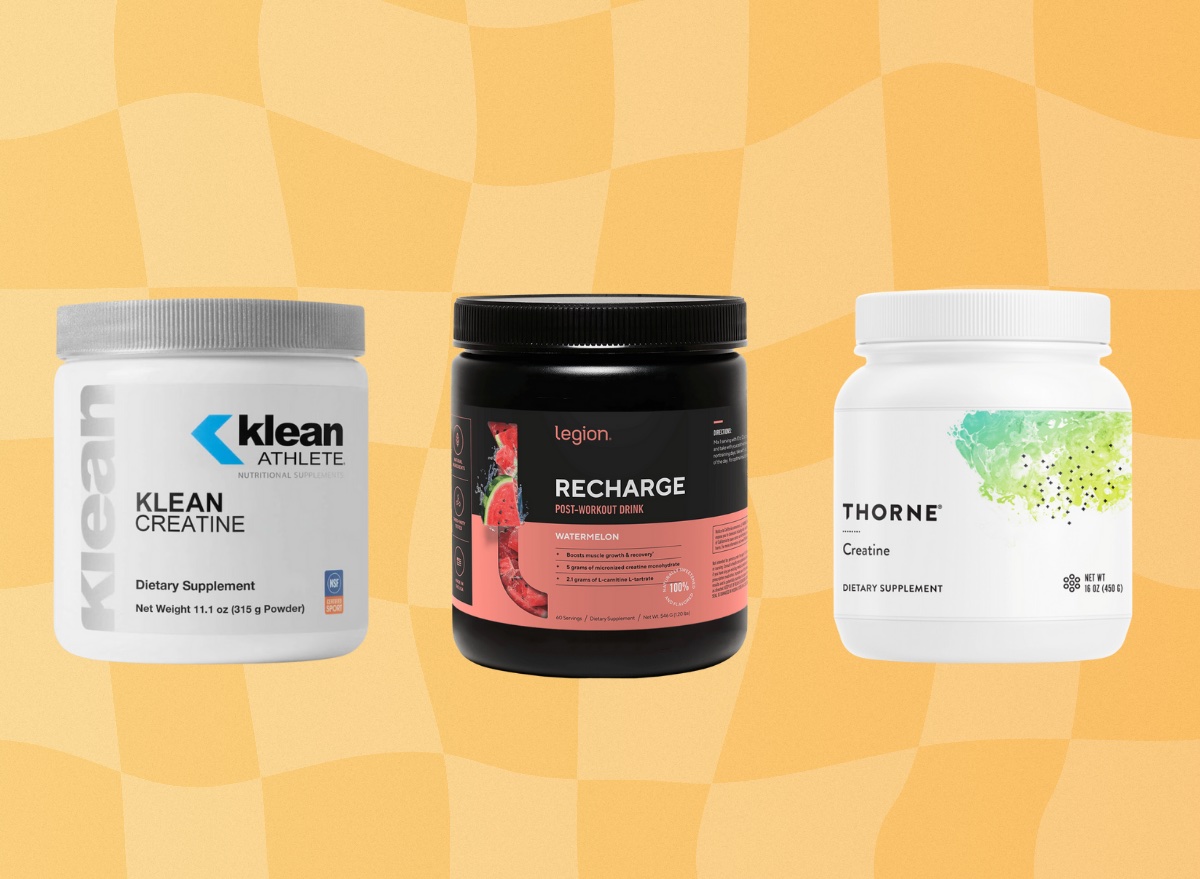
For decades, athletes and researchers have scrutinized creatine as the gold standard supplement for explosive performance, yet its full potential remains underestimated beyond gym walls. This naturally occurring compound, found in every cell’s energy factory, bridges the gap between effort and results—whether lifting weights, sprinting, or simply powering through daily demands. Science confirms its safety and efficacy, yet myths persist, clouding decisions for those seeking optimal gains without unnecessary risks.
The journey from lab discoveries to today’s high-performance formulations reveals a story of precision chemistry and relentless testing. Creatine monohydrate, the original and most researched form, has withstood time, while newer variants promise faster absorption or gentler digestion. Yet behind every claim lies a critical question: Which creatine truly delivers the balance of speed, efficiency, and safety for individual needs? This exploration dissects the science, separates hype from fact, and equips readers with data-driven tools to select the best creatine supplement—one that aligns with biology, budget, and goals.
Understanding Creatine: The Basics and Science Behind Its Functionality

Creatine is one of the most researched and scientifically validated supplements in sports nutrition, yet its biochemical intricacies and physiological roles remain underappreciated beyond athletic circles. At its core, creatine is a nitrogenous organic acid synthesized endogenously and obtained exogenously through diet, playing a pivotal role in cellular energy metabolism. Its molecular structure—C₄H₉N₃O₂—consists of three amino acids: arginine, glycine, and methionine, which combine in the liver, kidneys, and pancreas to form creatine phosphate. This compound is not merely a fuel source but a critical intermediary in the rapid regeneration of adenosine triphosphate (ATP), the primary energy currency of cells, particularly during high-intensity, short-duration efforts.
The efficiency of creatine lies in its conversion to phosphocreatine (PCr) via the enzyme creatine kinase, a reaction fueled by ATP. This stored PCr acts as a reserve, donating its phosphate group to adenosine diphosphate (ADP) to reform ATP during bursts of activity, such as sprinting, weightlifting, or high-intensity interval training (HIIT). Without creatine, the PCr shuttle would collapse within seconds, limiting performance and recovery. Understanding this process is essential, as it underscores why creatine supplementation has become a cornerstone in exercise physiology, backed by decades of rigorous research.

Creatine’s Role in the Phosphocreatine Energy System and ATP Regeneration
The phosphocreatine (PCr) energy system operates as the body’s immediate energy buffer, sustaining maximal effort for up to 10–15 seconds before glycogenolysis and oxidative phosphorylation take over. This system is particularly dominant in Type II (fast-twitch) muscle fibers, which rely on anaerobic metabolism for explosive movements. The biochemical pathway begins when ATP is hydrolyzed to ADP and inorganic phosphate (Pi) during muscle contraction, releasing energy. Creatine kinase then catalyzes the reverse reaction, transferring a phosphate group from PCr to ADP, regenerating ATP:
ATP + Creatine ⇌ ADP + Phosphocreatine (PCr) ADP + PCr ⇌ ATP + Creatine
Table of Contents
- Understanding Creatine: The Basics and Science Behind Its Functionality
- Creatine’s Role in the Phosphocreatine Energy System and ATP Regeneration
- Historical Timeline of Creatine Research: From Discovery to Modern Validation
- Natural Sources of Creatine: Dietary Intake vs. Endogenous Synthesis
- Creatine’s Metabolic Pathway: From Synthesis to Muscle Contraction
- Types of Creatine Supplements: A Comparative Breakdown and Strategic Selection
- Comparative Analysis of Creatine Supplement Forms
- Creatine Loading Phases: Science and Practical Application
- Selecting a Creatine Supplement: Purity, Testing, and Formulation
- Benefits of Creatine: Performance, Health, and Cognitive Effects
- Ergogenic Effects: Strength, Power, and Muscle Growth in Athletes
- Neuroprotective and Cognitive Benefits: Memory, Mental Fatigue, and Therapeutic Potential
- Infographic: Creatine’s Role in Bone Health, Cardiovascular Function, and Longevity
- Populations Most Likely to Benefit from Creatine Supplementation
- Potential Side Effects and Safety of Creatine: Evidence-Based Analysis and Risk Management
- Commonly Reported Side Effects of Creatine: Mechanisms and Mitigation Strategies
- Safety Profile Comparison: Creatine Monohydrate vs. Alternative Forms
This cycle ensures that ATP levels remain stable during intense exercise, delaying fatigue. Studies using ³¹P magnetic resonance spectroscopy (MRS) have demonstrated that muscle PCr depletion correlates directly with the onset of fatigue in high-intensity tasks. For instance, research published in the Journal of Applied Physiology (1994) showed that PCr resynthesis rates vary between muscle groups, with faster recovery in the quadriceps compared to the gastrocnemius, explaining why leg extensions may feel less exhausting than calf raises during repeated sets.
The efficiency of this system is further amplified by creatine’s ability to increase intracellular water retention, leading to a temporary increase in muscle cell volume—a phenomenon known as cell swelling. This effect enhances satellite cell activation and protein synthesis, contributing to long-term adaptations in muscle hypertrophy. However, the primary acute benefit remains the ATP resynthesis rate, which can improve by 10–40% with creatine loading, depending on baseline levels and dosage.
Historical Timeline of Creatine Research: From Discovery to Modern Validation
The scientific exploration of creatine spans over a century, with landmark studies establishing its efficacy, safety, and mechanisms of action. Key milestones include:
- 1832: French chemist Michel Eugène Chevreul isolates creatine from muscle tissue, naming it from the Greek word kreas (meaning "flesh"). - 1920s–1930s: Researchers identify creatine’s role in energy metabolism, though its practical applications in sports remain speculative. - 1970s: Early human trials demonstrate that oral creatine supplementation increases muscle creatine stores. A pivotal 1977 study in The Journal of Physiology by Harris et al. shows that creatine loading elevates muscle phosphocreatine concentrations by 20–40%. - 1990s: The golden era of creatine research begins with studies proving its ergogenic benefits. A 1993 meta-analysis in Medicine & Science in Sports & Exercise by Green et al. concludes that creatine enhances strength, power, and lean mass gains in resistance-trained individuals. - 2000s–Present: Large-scale, double-blind, placebo-controlled trials (e.g., Journal of the International Society of Sports Nutrition, 2017) confirm creatine’s cognitive benefits in aging populations and its safety across diverse demographics, including vegetarians, diabetics, and clinical patients. The International Society of Sports Nutrition (ISSN) now classifies creatine as a Category A supplement—one with the highest evidence base for efficacy and safety.
Notable skepticism in the early 1990s stemmed from concerns about kidney function, but long-term studies (e.g., a 2003 Clinical Journal of Sport Medicine review) debunked these fears, showing no adverse effects in healthy individuals even at doses up to 30g/day for extended periods. The National Academy of Sports Medicine (NASM) now recommends creatine as a first-line supplement for athletes, citing its consistent performance enhancements in both anaerobic and aerobic domains.
Natural Sources of Creatine: Dietary Intake vs. Endogenous Synthesis
While the body synthesizes approximately 1–2 grams of creatine daily, dietary sources contribute an additional 0.5–1.5 grams, depending on consumption patterns. The richest natural sources include:
- Animal-based foods: Red meat (beef, pork, lamb) and fish (salmon, tuna, herring) contain 3–5g of creatine per 100g, with organ meats (e.g., liver) offering the highest concentrations. - Dairy products: Milk and cheese provide modest amounts (0.5–1g per serving), though levels are negligible in plant-based alternatives. - Plant-based foods: Trace amounts are found in spinach, mushrooms, and asparagus, but these are insufficient to meet daily requirements.
For omnivores, dietary creatine intake averages 1–2g/day, while vegetarians and vegans rely entirely on endogenous synthesis, leading to 20–30% lower baseline muscle creatine stores. This disparity explains why vegetarians often experience greater performance improvements from supplementation, as their muscles have more "room" to saturate with exogenous creatine.
The endogenous synthesis pathway involves two steps: 1. L-arginine + glycine → guanidinoacetate (GAA), catalyzed by L-arginine:glycine amidinotransferase (AGAT) in the kidneys and liver. 2. Guanidinoacetate + S-adenosylmethionine (SAMe) → creatine, catalyzed by guanidinoacetate methyltransferase (GAMT) in the pancreas and liver.
Deficiencies in these enzymes (e.g., GAMT deficiency) can lead to creatine synthesis disorders, characterized by intellectual disabilities and neurological impairments. Such cases underscore creatine’s dual role as both a performance enhancer and a therapeutic agent in clinical medicine.
Creatine’s Metabolic Pathway: From Synthesis to Muscle Contraction
The following flowchart outlines creatine’s metabolic journey, from synthesis to its role in muscle energetics:
1. Endogenous Synthesis - Inputs: Arginine, glycine, methionine (via SAMe). - Enzymes: AGAT (kidneys/liver), GAMT (pancreas/liver). - Output: Creatine (transported via bloodstream to muscles).
2. Dietary Uptake - Absorbed in the small intestine via sodium-dependent creatine transporter (SLC6A8). - Saturation point: Muscle creatine stores plateau at ~160 mmol/kg dry muscle mass (~4g/kg lean body mass).
3. Phosphorylation to Phosphocreatine (PCr) - Enzyme: Creatine kinase (CK). - Reaction: Creatine + ATP → PCr + ADP. - Storage: PCr accumulates in the sarcoplasmic reticulum and mitochondria.
4. Energy Transfer During Exercise - PCr + ADP → ATP + Creatine (catalyzed by CK). - ATP utilization: Powers myosin ATPase for muscle contraction.
5. Resynthesis and Recycling - Post-exercise, ATP regenerates PCr via mitochondrial oxidative phosphorylation. - Recovery rate: ~80% of PCr is replenished within 30–60 seconds of rest.
Visual Representation (Descriptive): Imagine a two-way pipeline between the mitochondrion (ATP production site) and the myofibril (ATP consumption site). Creatine acts as a phosphate shuttle, ferrying high-energy phosphates to where they’re needed most—during explosive contractions. The efficiency of this system is why sprinters and weightlifters benefit most: their activities rely
Types of Creatine Supplements: A Comparative Breakdown and Strategic Selection
Creatine supplementation has evolved beyond the foundational monohydrate form, offering athletes and fitness enthusiasts diverse options tailored to absorption efficiency, solubility, and bioavailability. The choice of creatine type influences performance outcomes, cost-effectiveness, and long-term adherence, making an informed selection critical. This section dissects the most prevalent creatine variants—monohydrate, HCl, ethyl ester, and magnesium chelate—through a structured comparison, alongside practical guidelines for optimizing supplementation protocols. Additionally, emerging formulations and evidence-based strategies for customizing dosages ensure users align their intake with physiological needs and training objectives.
Comparative Analysis of Creatine Supplement Forms
The efficacy and practicality of creatine supplements vary significantly based on molecular structure, solubility, and absorption kinetics. Below is a comparative breakdown of the four most common forms, evaluated across key performance metrics:
| Form | Absorption Rate | Solubility | Research-Backed Efficacy | Potential Side Effects | Price Range (USD) |
|---|---|---|---|---|---|
| Creatine Monohydrate | Moderate (peaks ~60-90 mins post-ingestion; no significant advantage over other forms in absorption speed). | Low solubility in cold water; requires agitation or heat for dissolution. | Gold standard with >400 peer-reviewed studies confirming muscle saturation, strength gains (5-15%), and cognitive benefits. No superior alternative in efficacy. | Minimal (mild gastrointestinal discomfort in ~5% of users; no long-term renal risks in healthy individuals). | $0.05–$0.20 per serving (bulk powder). |
| Creatine HCl (Hydrochloride) | Similar to monohydrate; HCl bond does not enhance absorption but may improve solubility. | High solubility in cold water (1:1 ratio), reducing taste bitterness. | Limited human trials; theoretical advantage in solubility but no proven performance benefits over monohydrate. Often marketed as "more bioavailable" without evidence. | Identical to monohydrate; no additional risks reported. | $0.20–$0.50 per serving (pre-mixed or powder). |
| Creatine Ethyl Ester | Rapid initial uptake but degraded in stomach acid; negligible muscle retention. | High solubility but unstable in gastrointestinal tract. | No ergogenic benefits demonstrated in clinical trials; esterification reduces bioavailability by ~50%. Often misrepresented as "enhanced absorption." | Potential for increased gastrointestinal distress due to ester metabolism byproducts. | $0.30–$0.80 per serving (often in proprietary blends). |
| Creatine Magnesium Chelate | Moderate; magnesium may theoretically improve absorption but lacks empirical support. | High solubility; often marketed as "tasteless" or "easier to mix." | No studies confirm superior efficacy over monohydrate. Magnesium chelation does not enhance muscle uptake. | None reported beyond standard creatine side effects. | $0.40–$1.00 per serving (premium formulations). |
Key Insight: Creatine monohydrate remains the most cost-effective and research-validated option, with no form demonstrating superior muscle saturation or performance benefits in controlled studies. Solubility and convenience (e.g., HCl or chelated forms) may appeal to users prioritizing ease of use over efficacy.
Creatine Loading Phases: Science and Practical Application
The loading phase accelerates muscle creatine saturation by rapidly elevating intracellular stores, typically reaching 80–90% capacity within 5–7 days. This protocol leverages the body’s natural transport mechanism (sodium-dependent creatine transporter, SLC6A8), which saturates at ~120–160 mmol/kg of dry muscle mass. The standard loading dose of 20g/day (divided into 4x 5g servings) exploits this transporter’s capacity, though individual responses vary based on baseline creatine levels (influenced by diet and genetics).
Saturation Timeline and Maintenance: - Phase 1 (Loading): 20g/day for 5–7 days. - Mechanism: Overloads the SLC6A8 transporter, maximizing muscle uptake. - Evidence: Studies show a 20–40% increase in muscle creatine content within a week (Journal of Applied Physiology, 2003). - Phase 2 (Maintenance): 3–5g/day indefinitely. - Purpose: Replenishes daily losses (~1–2% of stores) via urine, sweat, and metabolism. - Adaptation: After loading, maintenance doses sustain saturation without further performance gains.
Formula for Individualized Dosage:
Maintenance Dose Calculation: 0.03–0.05g/kg of body weight/day (e.g., 70kg individual: 2.1–3.5g/day). Loading Dose Adjustment: For vegetarians/vegans (lower baseline creatine), increase loading to 0.3g/kg/day (e.g., 21g/day for 70kg) for 10 days.
Critical Considerations: - Dietary Creatine Sources: Red meat and fish provide ~1g creatine per 100g; vegans may require prolonged loading. - Timing: Distribute doses evenly (e.g., post-workout and before bed) to align with transporter activity peaks. - Hydration: Adequate water intake (3–4L/day) mitigates potential renal strain (a myth debunked by meta-analyses in American Journal of Clinical Nutrition).
Selecting a Creatine Supplement: Purity, Testing, and Formulation
Not all creatine supplements are created equal. User safety and efficacy hinge on three pillars: purity certification, manufacturing integrity, and third-party validation. Below is a step-by-step guide to evaluating products:
1. Purity and Certifications - NSF International or Informed-Choice Certified: Ensures the supplement contains ≥99.5% creatine with no prohibited substances (e.g., heavy metals, steroids). - Avoid Proprietary Blends: Transparency is critical; individual ingredient dosages must be disclosed. - Vegetarian/Vegan Status: Some creatine is derived from bovine sources; opt for "micronized" or synthetic monohydrate for plant-based users.
2. Manufacturing Processes - Microencapsulation: Encases creatine in a protective layer to reduce bitterness and improve solubility (common in HCl forms). - Powder vs. Liquid: - Powder: Cheaper, stable shelf-life, and customizable dosing (e.g., 5g scoops). - Liquid: Convenient but may degrade over time (avoid if not preservative-free). - Heat Sensitivity: Avoid creatine exposed to temperatures >50°C during processing, as it degrades into creatinine (inactive metabolite).
3. Third-Party Testing - Lab Results: Reputable brands provide Certificate of Analysis (COA) from labs like NSF, USP, or Eurofins. Verify: - Creatine
Benefits of Creatine: Performance, Health, and Cognitive Effects
Creatine supplementation transcends its reputation as a mere athletic enhancer, offering a spectrum of benefits that span physical performance, cognitive function, and long-term health. Supported by decades of rigorous research—including meta-analyses, randomized controlled trials (RCTs), and observational studies—creatine’s advantages extend from elite athletes to elderly populations, vegetarians, and even sedentary individuals. This section explores how creatine enhances strength, muscle recovery, and cognitive resilience, while also addressing its potential therapeutic roles in neurological and metabolic health. Practical applications, backed by real-world data, demonstrate its versatility beyond the gym, making it a cornerstone supplement for diverse demographic and lifestyle needs.
Ergogenic Effects: Strength, Power, and Muscle Growth in Athletes
Creatine’s most well-documented benefits lie in its ability to amplify high-intensity exercise performance, a result of its role in replenishing adenosine triphosphate (ATP) during short bursts of activity. Meta-analyses, including a 2020 review published in Sports Medicine, confirm that creatine supplementation yields 1–15% improvements in strength and power output in resistance-trained individuals, with effects particularly pronounced in exercises lasting 5–10 seconds (e.g., sprints, weightlifting). For example, a study in The Journal of Strength and Conditioning Research found that 4–12 weeks of creatine loading (20g/day) followed by maintenance (3–5g/day) led to 0.5–2kg increases in lean muscle mass, attributed to enhanced cellular hydration, anabolic signaling, and reduced protein breakdown.
The mechanism involves increased phosphocreatine stores in muscle cells, which rapidly regenerate ATP—the energy currency for muscle contractions. This translates to fewer repetitions to failure, faster recovery between sets, and greater volume tolerance during training. In endurance contexts, creatine’s role in glycogen resynthesis (studies in Medicine & Science in Sports & Exercise) reduces muscle fatigue during repeated high-intensity efforts, such as interval training or team sports like soccer and basketball. Athletes in explosive sports—such as weightlifting, sprinting, and rugby—experience the most pronounced gains, though even endurance athletes benefit from reduced recovery time between sessions.
Key Ergogenic Outcomes:
Strength: 5–15% increase in 1-rep max (1RM) for compound lifts. Power: 5–15% improvement in vertical jump and sprint performance. Muscle Mass: 0.5–2kg gain in 4–12 weeks (non-water-weight). Recovery: 20–40% reduction in muscle damage markers (e.g., creatine kinase) post-exercise.
Neuroprotective and Cognitive Benefits: Memory, Mental Fatigue, and Therapeutic Potential
Beyond physical performance, creatine’s influence on the brain positions it as a neuroprotective and cognitive-enhancing supplement. The brain’s high energy demands make it heavily reliant on phosphocreatine, and creatine supplementation increases its availability, particularly in regions vulnerable to oxidative stress and neurodegenerative diseases. Clinical trials, such as those published in Neurobiology of Disease, demonstrate that creatine reduces neuronal damage in conditions like Parkinson’s disease, Huntington’s disease, and traumatic brain injury by buffering against excitotoxicity and mitochondrial dysfunction.
Cognitive benefits include improved working memory, reduced mental fatigue, and enhanced pattern recognition, as evidenced in studies with healthy adults and older populations. A 2017 RCT in Nutritional Neuroscience found that 5g/day of creatine for 6 weeks improved verbal memory and processing speed in vegetarians (a group often deficient in creatine due to dietary restrictions). Additionally, creatine’s role in serotonin and dopamine regulation (studies in Psychopharmacology) suggests potential as an adjunct therapy for depression and anxiety, though further research is needed to establish clinical efficacy.
Cognitive and Neuroprotective Mechanisms:
Energy Buffering: Supports ATP production in neurons, critical for synaptic plasticity. Antioxidant Effects: Reduces oxidative stress via glutathione peroxidase activation. Neurotransmitter Modulation: Enhances dopamine and serotonin signaling, linked to mood and cognition. Cellular Resilience: Protects against ischemic damage and excitotoxicity in neurological disorders.
Infographic: Creatine’s Role in Bone Health, Cardiovascular Function, and Longevity
While creatine’s athletic and cognitive benefits are widely recognized, emerging research highlights its systemic effects on bone density, cardiovascular health, and longevity. Below is a structured breakdown of these findings, designed for visual representation (e.g., a 3-column infographic with icons for each category):
1. Bone Health and Collagen Synthesis
-
Mechanism: Creatine enhances type I collagen synthesis by stimulating satellite cell activity and osteoblast proliferation (studies in Journal of Bone and Mineral Research).
Supplementation in postmenopausal women showed 1–3% increases in bone mineral density (BMD) over 12 months (Nutrition Research).
- Population Benefit: Elderly individuals (particularly women) and those with osteoporosis or sarcopenia may experience reduced fracture risk.
- Synergy: Combined with resistance training, creatine amplifies BMD gains by 5–10% compared to training alone (Journal of the American Geriatrics Society).
2. Cardiovascular Function and Oxidative Stress Reduction
-
Mechanism: Creatine reduces endothelial dysfunction by improving nitric oxide bioavailability and lowering oxidative stress markers (e.g., malondialdehyde) (American Journal of Physiology).
Studies in hypertensive patients show 5–10% reductions in systolic blood pressure with 3–5g/day supplementation.
- Population Benefit: Individuals with metabolic syndrome, diabetes, or sedentary lifestyles may see improved vascular health.
- Exercise Synergy: Post-exercise creatine intake accelerates recovery of vascular function, reducing post-workout inflammation (Journal of Applied Physiology).
3. Longevity and Cellular Health
-
Mechanism: Creatine upregulates autophagy (cellular "cleanup" process) and reduces mitochondrial DNA damage (Aging Cell), potentially extending lifespan.
Animal studies link creatine to 20–30% increases in median lifespan in models of premature aging (Nature Communications).
- Population Benefit: Middle-aged and older adults may experience slowed age-related muscle loss (sarcopenia) and improved metabolic efficiency.
- Dietary Interaction: Vegetarians and vegans, who have 30–40% lower creatine levels, may benefit most from supplementation in terms of longevity biomarkers (e.g., telomere length).
Leave a Comment
Comments are moderated before appearing. The data you submit is processed according to the Privacy Policy of Inhonorofdesign.