What Time Is The Yankee Game And How To Track It

Every crack of the bat at Yankee Stadium carries weight beyond the scoreboard—it defines moments for millions, from die-hard fans to casual spectators tuning in for the first pitch. The New York Yankees, baseball’s most storied franchise, operate on a schedule as meticulously structured as their lineup, where game times oscillate between tradition and modern disruptions, from daylight savings quirks to last-minute rain delays. Understanding when the Yankees take the field isn’t just about setting an alarm; it’s about navigating a labyrinth of MLB regulations, stadium logistics, and cultural events that shape the very rhythm of America’s pastime.
Behind every "play ball" announcement lies a web of factors—some predictable, others unpredictable—that dictate whether a game begins at 1:10 PM or slips into the night. For families planning a day out, international travelers adjusting to New York’s time zone, or local commuters dodging blackout restrictions, knowing the right time to arrive—or even where to watch—can mean the difference between a perfect outing and a missed opportunity. This guide decodes the Yankees’ seasonal timeline, from pre-season scrimmages to the high-stakes drama of the World Series, while uncovering the hidden rules and real-world challenges that reshape game times daily.
Understanding Yankee Game Schedules: Basics and Overview

The New York Yankees’ game schedule is a meticulously structured calendar that reflects Major League Baseball’s (MLB) broader framework while incorporating unique elements tied to the team’s historical prestige, travel demands, and broadcast considerations. Unlike casual sports fans, those tracking Yankees games must account for variations in start times, travel logistics, and postseason adjustments that influence when and where games occur. The schedule evolves across three primary phases—pre-season, regular season, and postseason—each governed by distinct rules and external factors like daylight savings time, MLB blackout policies, and weather-related delays. Understanding these components clarifies why a Yankees game might start at 1:05 PM on a weekday or why a postseason matchup could shift to a late-night broadcast.
Structure of the MLB Season and Its Impact on Game Timings
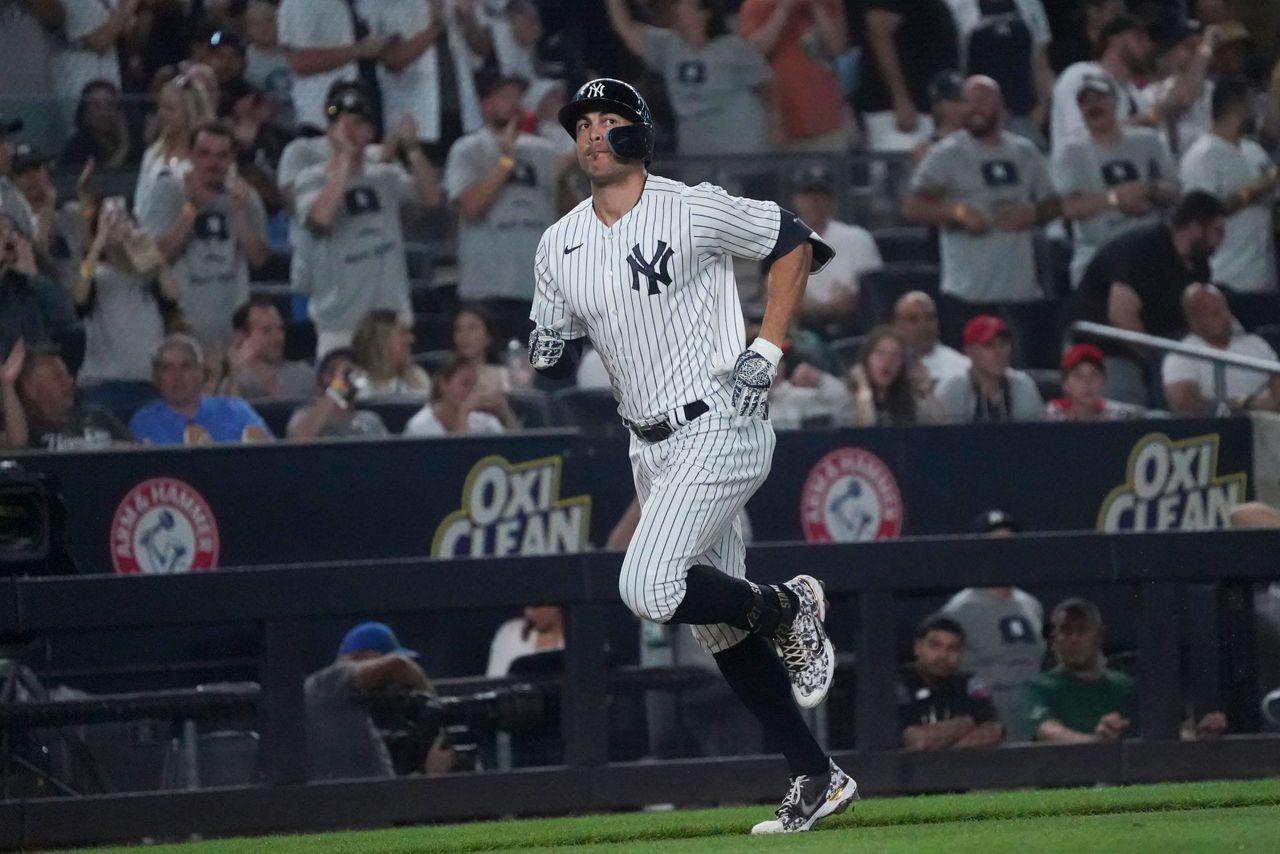
The MLB season follows a rigid yet flexible timeline designed to balance competitive integrity with fan accessibility. The regular season spans 162 games from late March or early April to late September or early October, with teams divided into two leagues (American and National) and three divisions each. The postseason begins after the regular season, featuring the Wild Card round, Division Series, Championship Series, and the World Series, which crowns the league champion. Each phase introduces scheduling nuances:
- Regular Season: Games are scheduled Monday through Friday, with occasional weekend doubleheaders or Sunday games. Start times vary by day, with afternoon games (1:07 PM ET) on weekdays and evening games (7:10 PM ET or later) on weekends, influenced by daylight savings and regional time zones. - Postseason: Games shift to later start times, often beginning at 8:07 PM ET or later, to accommodate broadcast slots and international audiences. The World Series may extend into November, with games occasionally played on off-days (e.g., Game 2 on a Tuesday) to avoid back-to-back contests. - Offseason: Includes Spring Training (February–March), where teams prepare in warm-weather locations like Florida or Arizona, and exhibition games against MLB and international teams. These games rarely follow strict schedules but often occur in the afternoon (1:07 PM ET or 4:10 PM ET).
MLB’s scheduling algorithm prioritizes travel efficiency, broadcast windows, and fan attendance, which directly affects start times. For instance, a Yankees game in Texas (Central Time) may start at 7:10 PM ET (8:10 PM CT) to align with local primetime, while a home game in New York might begin at 1:07 PM ET to maximize daylight for fans.
Table of Contents
- Understanding Yankee Game Schedules: Basics and Overview
- Structure of the MLB Season and Its Impact on Game Timings
- Breakdown of the New York Yankees’ Annual Schedule
- Factors Influencing Yankees Game Start Times
- How the Yankees’ Schedule Differs from Other MLB Teams
- How to Find Yankee Game Times: Official and Third-Party Sources
- Accessing Game Schedules via MLB.com and Yankees’ Official Website
- Using Mobile Applications for Real-Time Game Tracking
- Setting Up Email and SMS Alerts for Game Times
- Syncing Yankee Game Times with Third-Party Tools
- Factors Affecting Yankee Game Start Times: Beyond the Schedule
- Weather Conditions and Their Impact on Game Timings
- MLB’s "First Pitch" Policies and Their Variations
- Local Events and Their Disruptive Effects on Game Timings
- Player Availability and International Obligations
- Yankee Game Times for Key Audiences: Fan-Centric Scheduling and Logistics
- Optimal Game Times for Families and Youth-Friendly Events
- International Fans: Adjusting to New York Time and Daylight Savings
- Avoiding Blackout Restrictions for Streaming Games
- Game Timing Logistics Table: Audience-Specific Solutions
- Leveraging the Yankees’ "Game Day Experience" for Timing Decisions
- Historical and Cultural Context: How Yankee Game Times Have Evolved
- Early Era: Daylight Constraints and the Birth of Night Baseball
- Television and the Prime-Time Revolution
- Cultural Disruptions: 9/11, COVID-19, and the Fluidity of Tradition
- Fan Rituals and the Social Fabric of Yankee Games
- Technological Advancements and the Redefinition of "Game Time"
Breakdown of the New York Yankees’ Annual Schedule
The Yankees’ schedule is shaped by their division (AL East), interleague play, and historical rivalries, creating a mix of home and away games that differ from other teams. Below is a phase-by-phase analysis of their annual calendar:
#### Pre-Season Phase (February–March) - Typical Start Month: February (Spring Training begins in mid-February). - Game Frequency: 10–15 exhibition games, split between home (Florida or Arizona) and away series. - Key Factors Affecting Timing: - Time Zone Adjustments: Spring Training games often occur in Pacific or Mountain Time, requiring ET conversions (e.g., a 1:07 PM PT game is 4:07 PM ET). - Broadcast Limitations: Many exhibition games air on Yankees Network or MLB Network, with start times tailored to regional audiences. - Player Readiness: Games are scheduled to allow recovery between high-intensity matchups, often with doubleheaders on select days.
#### Regular Season Phase (April–September) - Typical Start Month: Late March/early April (Yankees typically open in Tropicana Field against the Rays in early April). - Game Frequency: - Home Games: 81 games at Yankee Stadium (Manhattan), with start times ranging from 1:07 PM ET (weekdays) to 7:10 PM ET (weekends). - Away Games: 81 games across MLB parks, with start times adjusted for local time zones (e.g., 4:10 PM ET for a game in Toronto or 7:10 PM ET for a game in Chicago). - Key Factors Affecting Timing: - Daylight Savings Time: The transition in March and November can shift start times by an hour, requiring fans to adjust expectations (e.g., a 1:07 PM ET game becomes 2:07 PM ET after DST starts). - Blackout Regulations: Home games are blacked out in the New York metro area if broadcast on Yankees Network, but national broadcasts (e.g., ESPN, Fox) may air locally despite blackouts. - Interleague Play: Yankees face National League teams (e.g., Mets, Dodgers) 19 times per season, often in evening slots to maximize attendance. - Travel Logistics: Away series in Pacific Time (e.g., Angels, Dodgers) may start as early as 4:10 PM ET to accommodate local primetime.
#### Postseason Phase (October–November) - Typical Start Month: October (Wild Card round begins after the regular season). - Game Frequency: - Wild Card/ALDS: 3–5 games, with start times typically 8:07 PM ET or later. - ALCS/World Series: 5–7 games, with World Series games often starting at 8:08 PM ET (or later if delayed). - Key Factors Affecting Timing: - Broadcast Primetime: Postseason games are scheduled for national audiences, with Fox or TBS dictating start times to avoid conflicts with other sports (e.g., NFL). - Travel Constraints: Teams may fly commercially, leading to off-days between series to allow player recovery. - Weather Delays: Rainouts in postseason games can push start times to 10:10 PM ET or later, as seen in the 2020 World Series (Game 6 started at 10:10 PM ET).
Factors Influencing Yankees Game Start Times
Several external and internal policies dictate when a Yankees game begins, often differing from other MLB teams due to their East Coast location, global fanbase, and media presence. Below are the primary influences:
#### Daylight Savings Time and Time Zone Variations - The Yankees’ schedule must account for four time zones (ET, CT, MT, PT) when playing away games. - Example: A Yankees vs. Dodgers game in Los Angeles (PT) starts at 4:10 PM ET (7:10 PM PT), while a Yankees vs. Mariners game in Seattle (PT) follows the same ET start time. - Daylight Savings adjustments in March and November can shift home game start times by an hour, requiring fans to reset expectations (e.g., a 1:07 PM ET game becomes 2:07 PM ET after DST begins).
#### Stadium Policies and MLB Regulations - Yankee Stadium: Home games follow MLB’s standard start times: - Weekday Afternoons: 1:07 PM ET (daylight), 12:07 PM ET (standard time). - Weekend Evenings: 7:10 PM ET or later. - Blackout Rules: Local broadcasts on Yankees Network are blacked out in the NYC metro area, but national broadcasts (e.g., ESPN, Fox) override this for out-of-market fans. - Rain Delays: MLB’s 10:10 PM ET curfew for regular season games can extend start times if a game runs long (e.g., a 7:10 PM ET game may not start until 10:10 PM ET if delayed).
#### Interleague Play and Rivalry Matchups - The Yankees’ 19 interleague games against NL teams (e.g., Mets, Phillies) are often scheduled for evening slots to attract cross-league fan interest. - Rivalry series (e.g., vs. Red Sox, Rays, Orioles) may receive prime-time start times (7:10 PM ET or later) to maximize viewership.
How the Yankees’ Schedule Differs from Other MLB Teams
While all MLB teams adhere to the same 162-game regular season, the Yankees’ schedule stands out due to their East Coast location, heavy travel demands, and global media footprint. Key differences include:
#### Travel Demands and Time Zone
How to Find Yankee Game Times: Official and Third-Party Sources
Accessing real-time and upcoming game schedules for the New York Yankees requires a mix of official MLB resources and third-party tools. The Yankees’ official website and MLB.com serve as the primary sources for verified schedules, while mobile applications and aggregators enhance convenience and customization. Understanding how to navigate these platforms ensures fans never miss a game, whether at home or on the road.
Accessing Game Schedules via MLB.com and Yankees’ Official Website
The Yankees’ official website (yankees.com) and MLB’s central platform (mlb.com) provide the most reliable and up-to-date schedules. Both sources include start times, home/away designations, and occasional adjustments due to weather or rescheduling.
Steps to retrieve schedules on MLB.com: 1. Navigate to MLB.com and hover over the "Teams" tab in the top menu. 2. Select "New York Yankees" from the dropdown list. 3. Click on "Schedule" in the left sidebar, which directs to a calendar view of upcoming games. 4. The schedule displays start times in Eastern Time (ET), with home games highlighted in bold and road games in standard text. 5. For detailed game information, click on a specific date, which reveals ticket links, lineups, and broadcast details.
Key features of the Yankees’ official schedule page: - Interactive calendar with color-coded home/road games. - Direct links to ticket purchases and streaming options. - Reschedule notifications for postponed games, updated in real-time.
Example: On the Yankees’ schedule page, a home game against the Boston Red Sox on June 15, 2024, appears as "7:10 PM ET" in bold, while a road game in Toronto the following night shows as "7:07 PM ET" in regular text.
Using Mobile Applications for Real-Time Game Tracking
Mobile applications streamline access to game times, alerts, and additional features like live stats and ticketing. The MLB Ballpark app and the official Yankees app are the most widely used, offering seamless integration with schedules.
Step-by-step guide to using the Yankees app: 1. Download the Yankees app from the App Store or Google Play Store. 2. Log in or create an account to sync with MLB.com. 3. Tap the "Schedule" tab at the bottom menu, displaying a monthly calendar view. 4. Home games are bolded, while away games appear in standard text, with start times in ET. 5. Tap a game to access live updates, broadcast info, and ticket options.
Visual cues in the app: - Bold text for home games (e.g., "YANKEES vs. RED SOX – 7:10 PM ET"). - Color-coded icons for game status (e.g., green for scheduled, gray for postponed). - Pull-down refresh to update schedules instantly.
Comparison of mobile apps for game tracking:
| Source | Accuracy of Timing | Additional Features | Ease of Use (1-5) |
|---|---|---|---|
| MLB Ballpark App | High (real-time updates, including delays) | Live stats, alerts, ticketing, fantasy integration | 5 |
| Yankees App | High (official team updates) | Exclusive content, promotions, home game highlights | 5 |
| ESPN App | High (cross-referenced with MLB data) | Watch parties, fantasy sports, news | 4 |
| Scoreboard Apps (e.g., Flashscore, SofaScore) | Medium (may lag behind official sources) | Live scores, odds, global coverage | 3 |
Note: While third-party apps like Flashscore or SofaScore offer convenience, they occasionally rely on aggregated data, which may not reflect official rescheduling as quickly as MLB’s sources.
Setting Up Email and SMS Alerts for Game Times
Official channels allow fans to customize notifications for game times, ensuring they receive updates directly. The Yankees and MLB provide email and SMS alerts through their platforms.
Steps to enable alerts via MLB.com: 1. Visit MLB.com and log in to your account. 2. Navigate to the "Schedule" section for the Yankees. 3. Click on "Manage Alerts" (located near the top-right of the schedule page). 4. Select "Game Time Alerts" and choose: - Home games only - Away games only - All games 5. Enter your email or phone number and set the time preference (e.g., 24 hours before game time). 6. Confirm and save settings.
Customization options: - Time windows: Choose alerts for 1 day before, 1 hour before, or game day. - Device preferences: Receive notifications via email, SMS, or push notifications (for mobile apps). - Exclusions: Opt out of alerts for specific opponents (e.g., only home games against division rivals).
Example: A fan subscribed to SMS alerts for home games receives a message at 6:00 PM ET on game day: "Yankees vs. Red Sox – 7:10 PM ET. Gates open at 5:30 PM. Get tickets: [link]."
For Yankees app users: 1. Open the app and go to "Settings" (profile icon). 2. Select "Notifications" and toggle "Game Alerts" to "On". 3. Choose alert types (e.g., start time, delays, ticket reminders).
Syncing Yankee Game Times with Third-Party Tools
Third-party tools like Google Calendar and sports aggregators (e.g., Flashscore, SofaScore) integrate Yankee schedules for broader accessibility. While these platforms enhance organization, their reliability depends on data sourcing.
Adding Yankees games to Google Calendar: 1. Open MLB.com and locate the Yankees’ schedule. 2. Click the "Google Calendar" icon (if available) or manually copy the game details. 3. In Google Calendar, create a new event with: - Title: "Yankees vs. [Opponent]" - Time: Start time in ET (adjust for time zone if needed). - Location: "Yankee Stadium" or "[Opponent] Stadium". - Description: Include broadcast info or ticket links. 4. Set recurring alerts (e.g., 1 day before and 1 hour before).
Limitations of third-party aggregators: - Flashscore/SofaScore: May display incorrect times if relying on user-reported data. - Delayed updates: Rescheduling changes might not appear immediately. - Regional restrictions: Some aggregators prioritize local leagues, leading to Yankees coverage gaps.
Best practice: Use third-party tools as supplementary to official sources. For critical updates, cross-reference with MLB.com or the Yankees app.
Pro Tip: Enable "Desktop Notifications" in the MLB Ballpark app for instant alerts, even when the app is closed.
Factors Affecting Yankee Game Start Times: Beyond the Schedule
The New York Yankees, as one of Major League Baseball’s most storied franchises, operate under a schedule that rarely remains static. While official game times are published months in advance, numerous external factors influence when the first pitch is actually thrown. Weather conditions, league policies, local events, and even global competitions can disrupt timelines, creating a dynamic environment for fans and players alike. Understanding these variables provides insight into the fluidity of MLB scheduling and highlights the logistical challenges faced by the Yankees organization.
Weather Conditions and Their Impact on Game Timings
Weather is a dominant factor in adjusting game start times, particularly in New York, where Yankees games at Yankee Stadium are susceptible to rain delays, extreme heat, or even snow interruptions. The stadium’s retractable roof, installed in 2008, mitigates some risks but does not eliminate them entirely. Rain delays are the most common weather-related disruption, often leading to shortened games or rescheduling. For example, the 2021 American League Championship Series (ALCS) between the Yankees and Houston Astros saw multiple rain delays, with one game pushed back by over three hours.
Extreme heat also plays a role, especially in early-season games. The Yankees have implemented heat protocols, including adjusted start times to avoid peak afternoon temperatures. In 2019, a game against the Tampa Bay Rays was delayed due to excessive heat, with the first pitch pushed back to 8:10 PM—later than the originally scheduled 7:10 PM start. Additionally, snow or icy conditions can force delays, as seen in 2014 when a game against the Boston Red Sox was postponed due to a blizzard.
Historical Examples: - 2013 ALDS (vs. Tigers): Rain delays pushed Game 2 back by nearly four hours, with the game starting at 10:05 PM. - 2017 Regular Season (vs. Blue Jays): A storm forced a doubleheader rescheduling, with the second game starting at 1:10 PM the next day. - 2020 (COVID-19 Era): Inclement weather led to multiple shortened games, with some starting as late as 9:05 PM due to lost playing time.
MLB’s "First Pitch" Policies and Their Variations
Major League Baseball enforces first pitch policies to standardize game start times, but these are flexible based on game type (day/night), travel demands, and broadcast considerations. The Yankees, as a prime-time franchise, often see adjustments to accommodate national television contracts, particularly on Sunday Night Baseball or Yankees Game of the Week broadcasts.
Day Games vs. Night Games: - Day games typically start between 1:05 PM and 1:20 PM (Eastern Time), though delays can push this back. - Night games usually begin at 7:10 PM or 8:10 PM, with later starts (e.g., 9:05 PM) common in the summer to avoid extreme heat or accommodate TV schedules.
Influencing Factors: - Travel Fatigue: After long road trips, the Yankees may adjust start times to allow players recovery. For instance, a game following a cross-country flight might start 30 minutes later than scheduled. - TV Broadcast Windows: Games aired on ESPN, TBS, or Fox often adhere to strict time slots. A 2021 Yankees-Red Sox game on FOX Sports was delayed by two hours due to a preempted broadcast, later resuming as a doubleheader. - Prime-Time Adjustments: High-profile matchups, such as Yankees vs. Red Sox, may start later to maximize viewership. The 2022 Labor Day showdown began at 8:10 PM instead of the usual 7:10 PM.
MLB’s Official Guidelines (Simplified): > "The first pitch shall occur no earlier than 8:00 PM local time for night games and no later than 8:30 PM, unless approved by the Commissioner’s Office for special circumstances."
Local Events and Their Disruptive Effects on Game Timings
New York City’s vibrant calendar often clashes with Yankees game schedules, leading to rescheduling or adjusted start times. Holidays, parades, and city-wide events can force delays, particularly when they coincide with high-profile matchups. The Yankees must navigate these conflicts while maintaining fan engagement and league commitments.
Key Local Events Affecting Game Schedules: - Labor Day (First Monday in September): The Yankees frequently host home games on Labor Day weekend, but conflicts arise if the city hosts events like the NYC Marathon or concerts at Yankee Stadium. In 2023, a game was moved to 1:05 PM to avoid evening traffic disruptions from a sold-out U2 concert at Madison Square Garden. - Independence Day (July 4th): Fireworks at Yankee Stadium (a tradition since 2006) require games to start earlier, often at 1:05 PM, to allow time for the 7:00 PM fireworks display. The 2022 Yankees-Blue Jays game began at 12:05 PM to accommodate this. - New Year’s Eve: While rare, the Yankees have played home games on NYE, with start times adjusted to 1:05 PM to avoid late-night conflicts with Times Square celebrations. - Citywide Protests or Emergencies: In 2020, a game against the Rays was postponed due to George Floyd protests, with no reschedule possible that season.
Flowchart: Decision-Making Process for Adjusting Game Times
-
Input Factors:
- Weather Forecast: Rain, heat index, wind speed, or snow predictions from the National Weather Service (NWS).
- Stadium Availability: Roof status (retractable/open), field conditions, and maintenance schedules.
- TV Contracts: Network requirements (e.g., ESPN’s 8:00 PM ET window for national broadcasts).
- Local Events: Parades (e.g., Macy’s Thanksgiving Day Parade), concerts, or city mandates.
- Player Availability: Injuries, travel fatigue, or international obligations (e.g., MLB Japan Series).
-
Decision Node:
"Does the factor justify a delay, reschedule, or time adjustment?"
- If yes → Proceed to MLB Operations Review.
- If no → Maintain original schedule.
-
MLB Operations Review:
- Consult with Yankees Operations and MLB’s Central Office.
- Assess fan impact (e.g., ticket refunds, travel disruptions).
- Determine alternative solutions:
- Shortened game (7 innings).
- Doubleheader on a rainout day.
- Reschedule for a later date (with approval).
- Adjust start time (e.g., 1:05 PM → 12:05 PM for fireworks).
-
Final Decision:
- Announce changes via official MLB/Yankees channels (website, social media, PA system).
- Update broadcast partners and ticket vendors.
- Monitor real-time conditions (e.g., weather radar, player health updates).
Leave a Comment
Comments are moderated before appearing. The data you submit is processed according to the Privacy Policy of Inhonorofdesign.