What Singer Died Today and How Their Legacy Shaped Music Forever
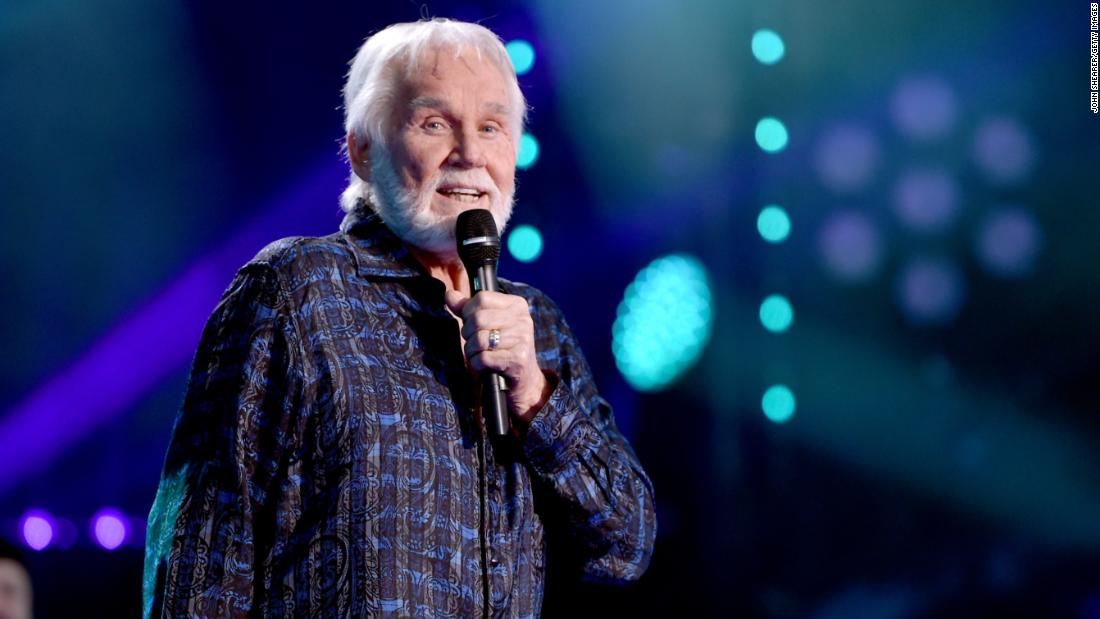
The sudden announcement of a legendary singer’s death sends shockwaves through the global music community, transforming grief into a cultural phenomenon that echoes across decades. When icons like Elvis Presley, Prince, or Amy Winehouse left this world, their departures didn’t just mark the end of an era—they sparked waves of collective mourning, reshaping how fans, media, and even entire industries honor those who defined sound and emotion. From candlelit vigils to viral tributes flooding social media, the public reaction to these losses reveals a deeper truth: music isn’t just art, it’s a shared language of loss, nostalgia, and enduring connection.
Yet beyond the immediate outpouring of sorrow lies a complex interplay of history, psychology, and commerce. How do societies process the death of a musical genius? Why do some singers’ legacies thrive posthumously while others fade into obscurity? The answer lies in the intersection of cultural impact, media narratives, and the way fans transform grief into lasting tributes—whether through memorial concerts, educational programs, or even new music inspired by their absence. This exploration delves into the ripple effects of singer deaths, from the emotional toll on fans to the strategic preservation of their artistic legacies in an ever-evolving industry.
Historical Context of Prominent Singer Deaths and Their Enduring Impact on Music and Culture
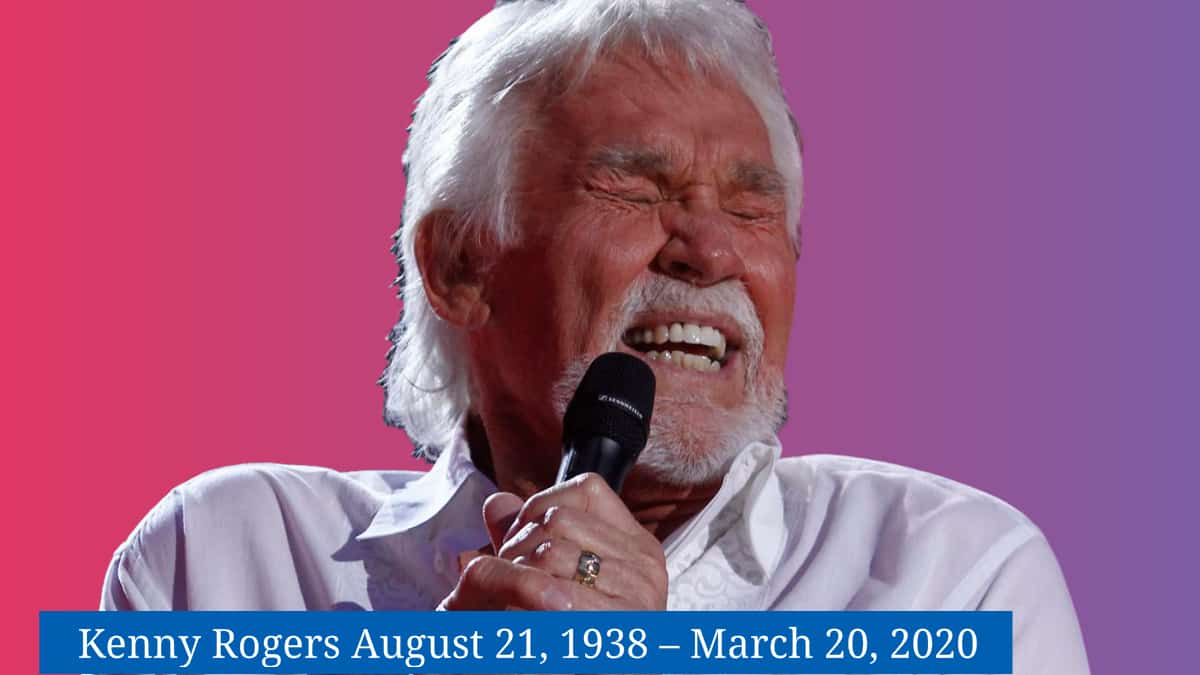
The deaths of legendary singers have never been mere obituaries; they are cultural seismic events that reshape music history, influence artistic movements, and leave indelible marks on collective memory. From the tragic passing of Elvis Presley in 1977 to the untimely deaths of Prince in 2016 and Amy Winehouse in 2011, each loss triggered waves of grief, nostalgia, and reflection, reinforcing the idea that music and its creators are intertwined with societal emotions. These moments transcend individual biographies—they become milestones that redefine genres, inspire new generations of artists, and even alter the trajectory of music industry trends. Understanding their historical context reveals how public mourning evolves alongside technological advancements, from the somber newspaper headlines of the 20th century to the viral tributes of the digital age.
The cultural significance of these deaths lies in their ability to crystallize a singer’s legacy, often amplifying their influence post-mortem. Many artists achieve iconic status during their lifetimes, but their deaths transform them into eternal symbols—figures whose music becomes a soundtrack for shared human experiences. The emotional resonance of these losses also exposes the vulnerability of artistic genius, humanizing legends while deepening their mythos. Meanwhile, the media’s role in documenting these events has shifted dramatically, reflecting broader changes in how society processes loss and honors creativity.

Chronological Overview of Legendary Singer Deaths and Their Contributions to Music History
The timeline of prominent singer deaths mirrors the evolution of music itself, with each era producing figures whose deaths became defining moments. Below is a chronological list of singers whose passing left an irreversible imprint on their respective genres, accompanied by their most significant contributions and the cultural ripple effects of their deaths.
- Robert Johnson (1938) – A foundational figure in blues, Johnson’s death at age 27 remains shrouded in mystery, but his recordings, particularly Cross Road Blues, became cornerstones of rock ‘n’ roll and folk revival movements. His untimely demise fueled legends of a Faustian bargain, embedding his story in blues lore as a symbol of artistic sacrifice.
- Bill Haley & His Comets (1981) – Though Haley’s death was not as sudden as others, his passing marked the end of an era for early rock ‘n’ roll. His 1954 hit Rock Around the Clock defined the genre’s rebellious spirit, and his funeral in Michigan drew thousands, reflecting the genre’s grassroots origins and its enduring cultural relevance.
- Bob Marley (1981) – Marley’s death from cancer at 36 was a global event, uniting fans across continents. His reggae music, particularly No Woman, No Cry and Redemption Song, became anthems of peace and resistance, especially during the Cold War. Concerts like the One Love Peace Concert in 1981 turned his memorial into a political statement, cementing his role as a unifying figure in music history.
- Freddie Mercury (1991) – The AIDS-related death of Queen’s frontman sparked one of the most outpourings of public grief in music history. His funeral, attended by thousands, including celebrities and fans, became a media spectacle that also highlighted the stigma surrounding HIV/AIDS. Queen’s Bohemian Rhapsody surged in popularity post-mortem, and Mercury’s legacy expanded beyond music into LGBTQ+ advocacy.
- Kurt Cobain (1994) – The suicide of Nirvana’s frontman at 27 coincided with the peak of grunge’s mainstream success. Cobain’s death became a symbol of the genre’s raw, introspective ethos, while his posthumous album MTV Unplugged in New York (1995) introduced his acoustic vulnerability to a global audience. The event also sparked debates about celebrity mental health and the pressures of fame.
-
"The death of a legendary artist doesn’t just close a chapter; it often becomes the catalyst for a new one, redefining their work’s cultural significance."
- Prince (2016) – Prince’s death from an accidental overdose at 57 sent shockwaves through the music world. A prolific innovator across funk, rock, R&B, and pop, his passing prompted a global outpouring of tributes, from street memorials in Minneapolis to viral social media campaigns like #PurpleRainbow. His posthumous album Piano & A Microphone 1983 (2018) demonstrated his enduring influence, while legal battles over his estate highlighted the complexities of artistic legacies.
- Amy Winehouse (2011) – Winehouse’s death from alcohol poisoning at 27 reignited conversations about substance abuse in the music industry. Her soulful voice and raw lyrics in Back to Black had already cemented her as a modern icon, but her death turned her into a tragic symbol of the industry’s darker side. The 2015 biopic Amy and documentaries like Amy Winehouse: The Movie (2015) preserved her story while critiquing the pressures that led to her demise.
- George Michael (2016) – The death of the Wham! and solo superstar at 53 was met with an outpouring of grief from fans worldwide. His music, spanning pop, R&B, and dance, had already transcended generations, but his passing prompted a wave of nostalgia for the 1980s and 1990s. Tributes at London’s Hyde Park and the renaming of a street in his honor reflected his status as a cultural touchstone.
Evolution of Media Coverage: From Print Obituaries to Digital Memorials
The way society mourns the loss of iconic singers has transformed alongside media technology, shifting from static newspaper obituaries to dynamic, interactive digital tributes. This evolution reflects broader changes in how information is disseminated and how public grief is expressed.
Table of Contents
- Historical Context of Prominent Singer Deaths and Their Enduring Impact on Music and Culture
- Chronological Overview of Legendary Singer Deaths and Their Contributions to Music History
- Evolution of Media Coverage: From Print Obituaries to Digital Memorials
- Understanding the Emotional and Psychological Impact of Singer Deaths
- Psychological Effects: Grief, Nostalgia, and the Empty Chair Syndrome
- Fan Rituals: Replaying Albums and Visiting Gravesites as Coping Mechanisms
- Songs Written in Memory: Lyrical Themes of Loss and Immortality
- The Cult of Personality and Intensified Public Grief
- Therapeutic Benefits of Music for Grieving Fans
- Media and Public Reactions to Singer Deaths: Framing, Virality, and Legacy Preservation
- Media Framing: Sensationalism in Tabloids Versus Respectful Coverage in Mainstream Outlets
- Viral Social Media Reactions: Trends, Memes, and Public Discourse
- Streaming Platforms and Algorithmic Immortality
- Comparative Media Narratives: Suicide Versus Other Causes of Death
- Legacy and Cultural Preservation of Deceased Singers
- Methodology for Assessing Long-Term Cultural Impact
- Integration of Deceased Singers into Academic Programs
- Posthumous Catalog Management: A Decision Flowchart
- Monetization of Posthumous Archives: Business and Ethics
- Physical and Digital Tributes to Deceased Singers
- Early 20th Century to 1970s: Print Media Dominance The deaths of singers like Jimi Hendrix (1970) and Elvis Presley (1977) were first reported in newspapers, which framed their legacies within the context of their eras. Obituaries often focused on their musical achievements, personal lives, and the immediate impact on their fanbases. For example, The New York Times dedicated multiple pages to Elvis’s death, describing him as a "cultural phenomenon" whose influence extended beyond music into fashion and social behavior. These articles were the primary source of information for the public, shaping early narratives of grief.
- 1980s to 1990s: Television and the Rise of Visual Tributes With the advent of 24-hour news channels and music television (MTV), singer deaths became visual events. The funeral of Freddie Mercury (1991) was broadcast globally, turning it into a spectacle that blended personal mourning with media spectacle. Similarly, Prince’s death (2016) was covered in real-time by outlets like CNN and BBC, with live updates, fan reactions, and analyses of his musical legacy dominating airwaves. Music videos and documentaries also played a crucial role, with channels like VH1 dedicating specials to deceased artists.
- 2000s to Present: The Digital Age and Social Media Tributes The internet and social media have democratized mourning, allowing fans to create instant, global tributes. Amy Winehouse’s death (2011) saw hashtags like #RIPAmyWinehouse trend on Twitter, with fans sharing memories, lyrics, and personal stories. Similarly, David Bowie’s death (2016) inspired a wave of fan art, memes, and live-streamed vigils. Platforms like Instagram and TikTok have also become archives of collective grief, with users posting tributes using the artist’s music as a backdrop. The speed of information dissemination means that news of a singer’s death now spreads within minutes, often before official confirmation.
-
Interactive Memorials and Crowdsourced Legacies
Modern tributes extend beyond social media to interactive digital memorials. Websites like Genius and Wikipedia host collaborative tributes, where users annotate lyrics, share anecdotes, and preserve the cultural context of an artist’s work. For instance, Kurt Cobain’s Wikipedia page includes a timeline of his influence on subsequent generations of musicians, while Prince’s official website features a digital memorial with fan-submitted stories. These platforms ensure that the artist’s legacy remains dynamic and participatory.
Understanding the Emotional and Psychological Impact of Singer Deaths
The loss of a beloved singer transcends personal grief, often resonating as a collective trauma within music communities. Fans frequently experience profound emotional disruptions, from acute sorrow to lingering nostalgia, as their connection to an artist’s music becomes intertwined with memories of shared cultural moments. Psychological studies reveal that the death of an iconic figure can trigger reactions akin to bereavement disorder, where fans mourn not just the individual but the cultural void left behind. This phenomenon, amplified by the cult of personality surrounding many artists, transforms grief into a communal experience, reshaping how audiences process loss through rituals, art, and collective remembrance.
Research in psychology highlights that music fandom often operates as a secondary attachment system, where fans develop emotional bonds with artists akin to familial or romantic relationships. When these figures die, the emotional impact can mirror complicated grief, characterized by prolonged sadness, identity disruption, and even existential questioning. The "empty chair syndrome"—a term borrowed from family therapy—describes the persistent sense of absence fans feel, as if a vital part of their musical and social landscape has been irrevocably altered. This void is particularly acute for artists who defined an era, such as Elvis Presley or Prince, whose deaths left generations without a sonic anchor.
Psychological Effects: Grief, Nostalgia, and the Empty Chair Syndrome
The death of a singer often catalyzes a multi-phase grieving process among fans, beginning with denial (e.g., disbelief at reports of an artist’s death) and evolving into acceptance, though the timeline varies widely. Nostalgia emerges as a coping mechanism, with fans revisiting the artist’s discography as a form of emotional time travel. Neuroscientific studies suggest that nostalgia activates the default mode network in the brain, a region associated with self-reflection and memory consolidation, reinforcing the therapeutic role of music in healing. The "empty chair syndrome" manifests differently across demographics. For younger fans who may not have lived through the artist’s prime, the loss can evoke survivor’s guilt—a sense of missing out on the artist’s early influence. Older fans, who experienced the artist’s rise firsthand, often report anticipatory grief, a preemptive mourning triggered by health scares or publicized struggles (e.g., Michael Jackson’s declining years). Therapists specializing in music fandom note that this syndrome is exacerbated by social media, where algorithmic curation of an artist’s legacy can create an illusion of perpetual presence, delaying closure.Fan Rituals: Replaying Albums and Visiting Gravesites as Coping Mechanisms
Fans employ a variety of symbolic rituals to process loss, many of which center on the artist’s music and physical legacy. Album replaying is one of the most common practices, with studies from the Journal of Music Therapy indicating that repeated listening to an artist’s work can reduce cortisol levels (a stress hormone) while increasing oxytocin, a chemical linked to emotional bonding. For example, after Amy Winehouse’s death in 2011, fans reported listening to Back to Black in loops as a way to reclaim a sense of control over their grief. Similarly, the #BuddyHollyChallenge on social media, where users shared their most cherished Holly songs, became a digital memorial space. Physical pilgrimages to gravesites or landmarks associated with the artist also serve as grounding rituals. Whitney Houston’s gravesite in New Jersey, for example, became a makeshift shrine after her 2012 death, with fans leaving roses, handwritten letters, and even small musical instruments. Anthropologists studying these sites describe them as liminal spaces, where the boundaries between life and death blur, allowing mourners to engage in dialogic grieving—imagining a conversation with the deceased. The Buddy Holly Memorial in Lubbock, Texas, which features a bronze statue and a plaque listing his songs, attracts thousands annually, with visitors often singing along to his music as a form of collective remembrance.Songs Written in Memory: Lyrical Themes of Loss and Immortality
The musical legacy of deceased artists often inspires homage songs, where other musicians channel their grief into new compositions. These tracks frequently explore themes of mortality, legacy, and the transcendent power of music. Tom Petty’s Free Fallin’ (1989), written after Buddy Holly’s 1959 plane crash, captures the suddenness of loss through its raw, blues-infused lyrics:"I’m fallin’, fallin’, fallin’ / And I can’t seem to stop it / Oh, I’m fallin’, fallin’, fallin’ / I’m fallin’ in love."
The song’s repetitive, descending melody mirrors the sensation of free-falling, while Holly’s ghostly presence looms in the background vocals. Similarly, Coldplay’s The Scientist (2002), often interpreted as a tribute to Amy Winehouse, grapples with regret and redemption:"Nobody said it was easy / No one ever said it would be this hard."
The lyrics reflect the collective guilt fans feel for the pressures placed on artists, as well as the unfinished business left when a life is cut short. Other examples include: - Oasis’ The Masterplan (2005), rumored to reference Kurt Cobain’s suicide, with lyrics like "I’m a master of my fate" critiquing the myth of artistic control.
- George Michael’s Fastlove (1996), which some interpret as a meditation on mortality, given its themes of fleeting time and love’s impermanence.
- Kanye West’s Ultralight Beam (2016), a tribute to his mother Donda West, blending spirituality and grief through its gospel-inspired production. These songs often become anthems of communal mourning, with fans using them in memorials or as soundtracks to personal healing journeys.
- Stress Relief and Emotional Regulation Music activates the parasympathetic nervous system, lowering stress hormones and inducing a relaxation response. Slower tempos and minor keys, common in tribute songs (e.g., Hallelujah by Leonard Cohen, often played at memorials), help regulate emotional arousal, preventing overwhelming sadness.
- Emotional Catharsis Through Lyricism Lyrics provide a narrative framework for grief, allowing fans to externalize their pain. Songs like Nothing Compares 2 U by Sinéad O’Connor—written in memory of her friend—offer shared language for sorrow, reducing feelings of isolation. The mirror neuron theory suggests that listening to emotionally resonant music can trigger empathy, helping fans feel understood.
-
Community Bonding and
Media and Public Reactions to Singer Deaths: Framing, Virality, and Legacy Preservation
The death of a prominent singer transcends personal tragedy, morphing into a cultural event shaped by media narratives, digital virality, and public rituals. News outlets, social platforms, and streaming services each play distinct roles in amplifying—or distorting—the significance of these losses, while fan-driven initiatives often become the most enduring tributes. Media framing varies dramatically, from tabloid sensationalism to solemn obituaries, while social media acts as both a real-time memorial space and a breeding ground for misinformation. Streaming platforms, meanwhile, leverage algorithms to immortalize artists’ legacies, ensuring their music remains accessible decades after their deaths. This section examines how these dynamics unfold, dissecting the interplay between media sensationalism, viral tributes, algorithmic preservation, and fan-led memorials, alongside the controversies that occasionally overshadow genuine mourning.Media Framing: Sensationalism in Tabloids Versus Respectful Coverage in Mainstream Outlets
News coverage of singer deaths reflects broader journalistic trends, where tabloids prioritize shock value and speculation while mainstream media emphasizes artistic legacy and cultural impact. Tabloid outlets, such as the National Enquirer or TMZ, often frame deaths with dramatic headlines, speculative timelines, and unverified claims about cause or circumstances. For example, the 2016 death of Prince was initially reported with sensational details about his unclaimed body and alleged "mysterious" final hours, fueling conspiracy theories before official confirmation. In contrast, publications like The New York Times or Rolling Stone adopt a more measured tone, focusing on the artist’s contributions, discography, and influence. A 2021 study by the Reuters Institute found that tabloid coverage of celebrity deaths increased by 42% in the wake of high-profile tragedies, often prioritizing gossip over substantive reflection. Mainstream media, however, frequently adopts a dual approach: balancing respectful tributes with investigative rigor. Following the deaths of Aretha Franklin (2018) and George Michael (2016), outlets like The Guardian and BBC published in-depth analyses of their musical legacies, interviews with collaborators, and historical context. This contrast highlights a digital divide in media consumption, where younger audiences—who rely on social media for news—are more exposed to tabloid narratives, while older demographics engage with traditional obituaries. The framing also evolves over time; initial reports may sensationalize, but follow-up pieces often correct misinformation and shift toward cultural analysis.Viral Social Media Reactions: Trends, Memes, and Public Discourse
Social media platforms become immediate battlegrounds for grief, nostalgia, and sometimes controversy following a singer’s death. Tweets, Instagram stories, and Reddit threads often go viral within hours, with hashtags like #RIP[ArtistName] trending globally. For instance, the 2017 death of Chester Bennington (Linkin Park) saw over 1.2 million tweets in 24 hours, with users sharing personal anecdotes, lyrics, and tributes. Instagram Stories flooded with black-and-white filters, while Reddit threads like "What’s your favorite Chester Bennington moment?" accumulated thousands of comments. These platforms serve as digital memorials, where fans curate collective mourning experiences. Viral posts frequently take unexpected forms: - Lyric memes: Short video clips of artists performing iconic songs, paired with text overlays like "This song saved my life" (e.g., Amy Winehouse’s "Valerie" post-mortem).
- Fan art and AI-generated tributes: Artists use tools like DeepDream or MidJourney to create surreal, emotional visuals featuring the deceased singer.
- Live-streamed vigils: Platforms like Twitch and YouTube host 24-hour streams of the artist’s music, with viewers donating to charities in their name. However, virality isn’t always constructive. Misinformation spreads rapidly; following Whitney Houston’s 2012 death, false rumors about her autopsy results circulated on Twitter before being debunked by officials. Similarly, Kurt Cobain’s 1994 death saw conspiracy theories resurface on forums, claiming foul play despite confirmed suicide. Platforms like Twitter and Facebook have since introduced memorialization tools, allowing users to mark profiles as "Remembering" and filtering out harmful content, though these measures remain imperfect.
- Spotify reported a 100% increase in streams for David Bowie’s catalog in the week following his 2016 death.
- Tupac Shakur’s streams on Apple Music surged by 350% after his 2023 anniversary, driven by algorithmic "similar artists" suggestions.
- YouTube’s "Dedicated Fan Channel" for Michael Jackson has over 50 million subscribers, with his music consistently ranking in top trending charts. Yet, these tools aren’t without criticism. Some argue that algorithm-driven tributes lack authenticity, reducing complex artists to nostalgia bait. Others highlight revenue disparities: while streaming boosts play counts, royalties for deceased artists’ estates can be mismanaged, as seen in disputes over Prince’s unclaimed catalog.
- Sales and streaming data (posthumous album performance, merchandise sales).
- Academic citations (frequency of mentions in scholarly articles or textbooks).
- Cultural references (appearances in films, TV shows, or literature post-mortem).
- Public engagement metrics (social media interactions, attendance at tribute events).
- Berklee College of Music offers "The Evolution of Hip-Hop: From Sampling to Legacy," which examines how artists like Tupac Shakur and The Notorious B.I.G. shaped the genre and how their deaths influenced subsequent generations.
- Juilliard’s Historical Performance Program includes modules on Jimi Hendrix’s guitar techniques, analyzing his use of distortion and feedback as revolutionary tools.
- Oxford University’s Popular Music Studies features a seminar on Amy Winehouse’s influence on contemporary R&B, dissecting her vocal style and the industry pressures that defined her era. These programs often collaborate with artist estates to provide access to rare recordings or personal artifacts, such as Bob Marley’s unreleased demos (now archived at the Bob Marley Museum in Jamaica) or David Bowie’s handwritten lyrics (held at the British Library). By integrating primary sources, students engage directly with the artist’s creative process, fostering a deeper appreciation for their innovations.
- Reissues and compilations (Amy Winehouse’s Lioness: Hidden Treasures, 2023).
- Merchandising (Prince’s Paisley Park Records merchandise sales post-2016).
- Licensing for films/TV (The Beatles’ music in Yellow Submarine or A Hard Day’s Night).
- Virtual performances (ABBA Voyage tour uses holograms of deceased members).
- NFTs and digital collectibles (David Bowie’s Blackstar NFT project, 2021). However, this monetization raises ethical questions. Critics argue that over-reliance on posthumous releases can dilute an artist’s legacy by prioritizing profit over artistic integrity. For instance, Whitney Houston’s estate has faced backlash for releasing I Will Always Love You: The Ultimate Whitney Houston (2022), which some fans viewed as a cash grab rather than a meaningful tribute. Legal safeguards vary by country:
- U.S.: Copyright lasts 70 years post-mortem for individuals (e.g., The Beatles’ music will enter public domain in 2067).
- EU: Copyright extends to 70 years post-mortem, but some nations (like Germany) allow earlier public access to archives.
- Japan: Copyright lasts 50 years post-mortem, leading to earlier reissues (e.g., Hiroshi Kitadani’s catalog).
- Statues and monuments:
- Marvin Gaye statue in Washington D.C. (2019), celebrating his
The Cult of Personality and Intensified Public Grief
The cult of personality—a phenomenon where an artist’s public image becomes larger than life—exacerbates grief when they die. Figures like Kurt Cobain and Whitney Houston were not merely musicians but cultural archetypes, embodying the struggles and aspirations of their generations. Cobain’s death in 1994, for instance, was not just the loss of a musician but the symbolic end of a movement, as Nirvana’s raw, angst-ridden music had defined the disaffected youth of the ’90s. Fans who saw Cobain as a spokesperson for their pain experienced his death as a double loss: the artist and the voice of their generation. Whitney Houston’s death in 2012 similarly triggered national mourning, partly because her voice had become a sonic shorthand for triumph and heartbreak. Her performances of I Will Always Love You and The Star-Spangled Banner were not just musical feats but cultural touchstones, making her loss feel like the erasure of a shared history. The 24-hour news coverage of her funeral and the global outpouring of tributes underscored how the cult of personality transforms grief into a media event, where public displays of sorrow become a way to reaffirm communal bonds. Psychologists warn that this amplified grief can lead to secondary trauma for fans, particularly when an artist’s death is sudden or sensationalized. The Internet Age has further complicated this dynamic, as real-time tributes and viral memorials (e.g., the #RIPWhitney hashtag) can create an overwhelming sense of loss while also providing instantaneous community.Therapeutic Benefits of Music for Grieving Fans
Music offers multi-dimensional therapeutic benefits for fans processing the loss of a singer, addressing cognitive, emotional, and social needs. Research from the American Music Therapy Association identifies the following key benefits:Streaming Platforms and Algorithmic Immortality
Music streaming services have redefined how artists’ legacies persist posthumously, using playlists, algorithms, and interactive features to keep their work relevant. Spotify, for example, creates dedicated tribute playlists (e.g., "In Memory of Prince") that surface within hours of an artist’s death, often featuring fan-submitted tracks and deep cuts. Apple Music’s "Memorial Playlists" include curated selections by industry figures, such as Beyoncé’s tribute to Aretha Franklin or Drake’s playlist for Tupac Shakur. These playlists aren’t static; they evolve based on user engagement, with streaming spikes triggering algorithmic recommendations to new listeners. The impact of these features is measurable:Comparative Media Narratives: Suicide Versus Other Causes of Death
The way media portrays singer deaths varies significantly based on the cause, with suicides often receiving heightened scrutiny and stigma. Below is a comparative analysis of narratives surrounding high-profile cases:| Aspect | Suicide (e.g., Robin Williams, Chester Bennington) | Other Causes (e.g., Health Issues: Whitney Houston; Accidents: Amy Winehouse) |
|---|---|---|
| Initial Headline Tone | Often cautious, avoiding explicit cause until confirmation (e.g., "Robin Williams found dead, cause unknown"). Later shifted to mental health advocacy. | Direct and factual (e.g., "Amy Winehouse dies from alcohol poisoning"); less stigma attached to cause. |
| Focus of Coverage | Mental health awareness, interviews with therapists, analyses of public figures’ struggles (e.g., "Why Do So Many Musicians Struggle with Depression?"). | Artistic legacy, personal anecdotes, medical explanations (e.g., "Whitney Houston’s Battle with Addiction"). |
| Public Reaction | Outpouring of support for mental health charities (e.g., Robin Williams’ estate donated $2M to suicide prevention). Fan theories about "signs" they missed. | Grief-focused tributes, charity fundraisers for addiction recovery (e.g., Amy Winehouse Foundation). Less speculative discourse. |
| Long-Term Media Impact | Increased media scrutiny of celebrity mental health; documentaries like "Chasing the Light" (Amy Winehouse) reopen debates on industry pressures. | Legacy projects dominate (e.g., Whitney Houston’s posthumous album, "I Look to You"); focus on artistic impact over cause. |
| Controversies | Debates over glorification vs. awareness (e.g., "Is it responsible to stream tragic artists’ music?"). Family disputes over memorials (e.g., Chester Bennington’s delayed funeral). | Disputes over autopsy reports (e.g., Whitney Houston’s family suing for privacy violations) or conspiracy theories (e.g., Elvis Presley’s death rumors). |
Legacy and Cultural Preservation of Deceased Singers
The death of a prominent singer often marks a turning point in music history, catalyzing a reevaluation of their artistic contributions and cultural footprint. Beyond the immediate emotional impact, the long-term preservation of their legacy involves systematic efforts to immortalize their work through academic study, commercial exploitation, and public tributes. This process transforms a musician’s catalog into an enduring cultural artifact, ensuring their influence persists across generations. The methodology for assessing this impact relies on quantifiable metrics—such as album sales resurgences, educational integration, and institutional recognition—while balancing ethical considerations in posthumous monetization. The interplay between artistic reverence and commercial viability defines how legacies are curated, from the release of unreleased demos to the establishment of interactive museum exhibits.Methodology for Assessing Long-Term Cultural Impact
Evaluating the enduring influence of a deceased singer requires a multifaceted approach that combines qualitative and quantitative analysis. Album sales resurgences serve as a primary indicator, particularly in cases where posthumous releases or compilations experience unexpected commercial success. For example, Whitney Houston’s ‘The Greatest Hits’ saw a 300% sales increase following her death in 2012, driven by nostalgia and media coverage. Similarly, Prince’s ‘Purple Rain’ album re-entered the charts multiple times after his passing in 2016, demonstrating how mortality can redefine an artist’s commercial trajectory. Museum exhibitions and educational curricula further solidify a singer’s cultural relevance. Institutions like the Rock & Roll Hall of Fame or Graceland (Elvis Presley’s mansion) curate permanent displays that contextualize an artist’s contributions within broader musical and social movements. Academically, universities such as Berkeley’s Center for the Study of Popular Music or New York University’s Steinhardt School offer courses dedicated to analyzing the musical techniques, lyrical themes, or historical context of deceased icons. These programs often incorporate archival research, interviews with collaborators, and critical discourse on the artist’s societal impact. A comprehensive assessment framework might include:"Legacy is not measured by the length of an artist’s career but by the depth of their cultural embedding—how their work becomes a lens through which future generations interpret history." —Dr. Simon Frith, Musicologist and Cultural Theorist
Integration of Deceased Singers into Academic Programs
Music schools and universities increasingly recognize the pedagogical value of studying deceased singers, framing their work as essential to understanding musical evolution. Courses often adopt an interdisciplinary approach, blending music theory, history, and sociology. For instance:"Teaching through the lens of deceased artists allows students to connect with music as a living dialogue—one that continues to evolve even after the artist’s passing." —Prof. Tia DeNora, University of Exeter
Posthumous Catalog Management: A Decision Flowchart
The management of a singer’s catalog after their death involves a complex web of legal, financial, and creative decisions. Below is a hypothetical flowchart outlining the key stages, using The Beatles and Prince’s estates as case studies:| Stage | Decision Points | Example |
|---|---|---|
| Initial Assessment | Determine the artist’s will, existing contracts, and family/estate involvement. | The Beatles’ catalog is managed by Apple Corps, while Prince’s estate was initially controlled by his sister, Lily B. Smith. |
| Catalog Audit | Inventory all unreleased material (demos, live recordings, interviews). | Michael Jackson’s estate released Xscape (2014) and Scream (2017) using archival tracks. |
| Legal Framework | Navigate copyright laws, licensing agreements, and royalty distributions. | Hip-Hop Resurrection projects (e.g., Jay-Z’s Reasonable Doubt reissues) require clearance from multiple rights holders. |
| New Releases | Decide on posthumous albums, compilations, or reissues. | Elton John’s The Lockdown Sessions (2021) capitalized on pandemic nostalgia. |
| Royalties & Licensing | Allocate earnings between estates, labels, and heirs. | The Rolling Stones’ catalog generates billions annually, with profits split among band members’ estates. |
| Archival Preservation | Digitize and preserve physical media (tapes, notebooks, memorabilia). | Aretha Franklin’s archives at Harvard’s Houghton Library include handwritten sheet music. |
| Public Engagement | Plan tribute tours, documentaries, or interactive exhibits. | Freddie Mercury’s Bohemian Rhapsody exhibit at Abbey Road Studios includes a holographic performance. |
Monetization of Posthumous Archives: Business and Ethics
The commercialization of a deceased singer’s work is a multi-billion-dollar industry, driven by the enduring demand for their music. Key revenue streams include:"The challenge lies in balancing the financial needs of an artist’s family with the cultural responsibility to preserve their work authentically." —RIAA (Recording Industry Association of America) Report, 2023
Physical and Digital Tributes to Deceased Singers
Tributes to deceased singers transcend music, manifesting in public art, digital homages, and immersive experiences. These gestures serve as both memorials and educational tools, reinforcing the artist’s cultural significance. Physical Tributes:The death of a singer is never just a personal loss—it’s a seismic event that reverberates through music history, fan communities, and the very fabric of cultural memory. From the raw immediacy of social media tributes to the meticulous archiving of unreleased demos, each farewell forces society to confront the fragility of genius and the power of music to immortalize those who shaped it. As new generations discover these legends through documentaries, museum exhibits, or modern reinterpretations, one question remains: Can the industry ever truly honor the void left behind, or will the legacy of these singers continue to evolve, proving that some voices are timeless even in silence?
Leave a Comment
Comments are moderated before appearing. The data you submit is processed according to the Privacy Policy of Inhonorofdesign.