What Is An Indian Summer Explained Simply

Few weather phenomena blend meteorological science with cultural lore as seamlessly as Indian Summer a late-season warmth that defies expectations and sparks curiosity. Unlike typical autumn chill, this unexpected surge of heat arrives with deceptive calm, often accompanied by crystal-clear skies and near-stagnant air, creating an illusion of summer’s return. Meteorologists trace its origins to high-pressure systems trapping warmth, while historians link its name to Indigenous observations and European settlers’ adaptations, revealing layers of meaning beyond temperature spikes.
The term itself carries weight, originating in 18th-century America when early European settlers borrowed it from Algonquian tribes who noted how this warmth signaled the end of harvest seasons. Today, Indian Summer remains a puzzle for scientists studying climate patterns, as its frequency and intensity appear to shift with global warming. From delaying leaf changes in forests to extending outdoor festivals, its effects ripple across ecosystems, economies, and traditions, making it more than just a weather event—it’s a cultural and ecological phenomenon.
Understanding the Phenomenon: Defining Indian Summer
Indian Summer represents a distinctive meteorological event characterized by a sudden return of warm, often humid weather during late autumn, typically following a period of early frost or cold spells. Unlike typical heatwaves, this phenomenon is marked by clear skies, calm winds, and temperatures that can rise well above seasonal averages, creating an illusion of summer’s return. Its occurrence is tied to specific atmospheric conditions that disrupt the expected cooling trend of autumn, making it a subject of both scientific curiosity and cultural fascination.
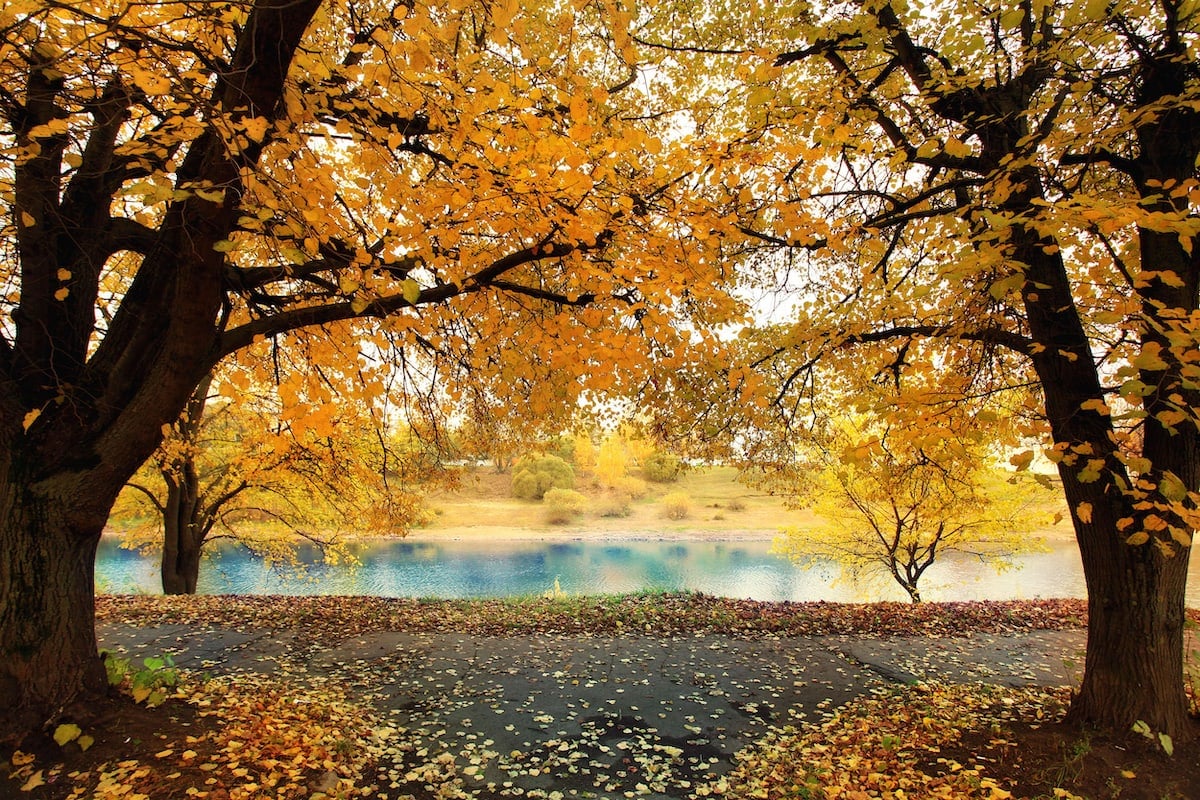
The term encapsulates a blend of meteorological precision and historical intrigue, with its origins rooted in the colonial and Indigenous narratives of North America. While its scientific explanation lies in high-pressure systems and shifts in the polar vortex, its cultural significance spans continents, from European folklore to regional variations in terminology. Understanding Indian Summer requires examining its meteorological definition, historical evolution, and the atmospheric mechanics that trigger its occurrence.
Meteorological Characteristics and Distinction from Late-Season Heatwaves
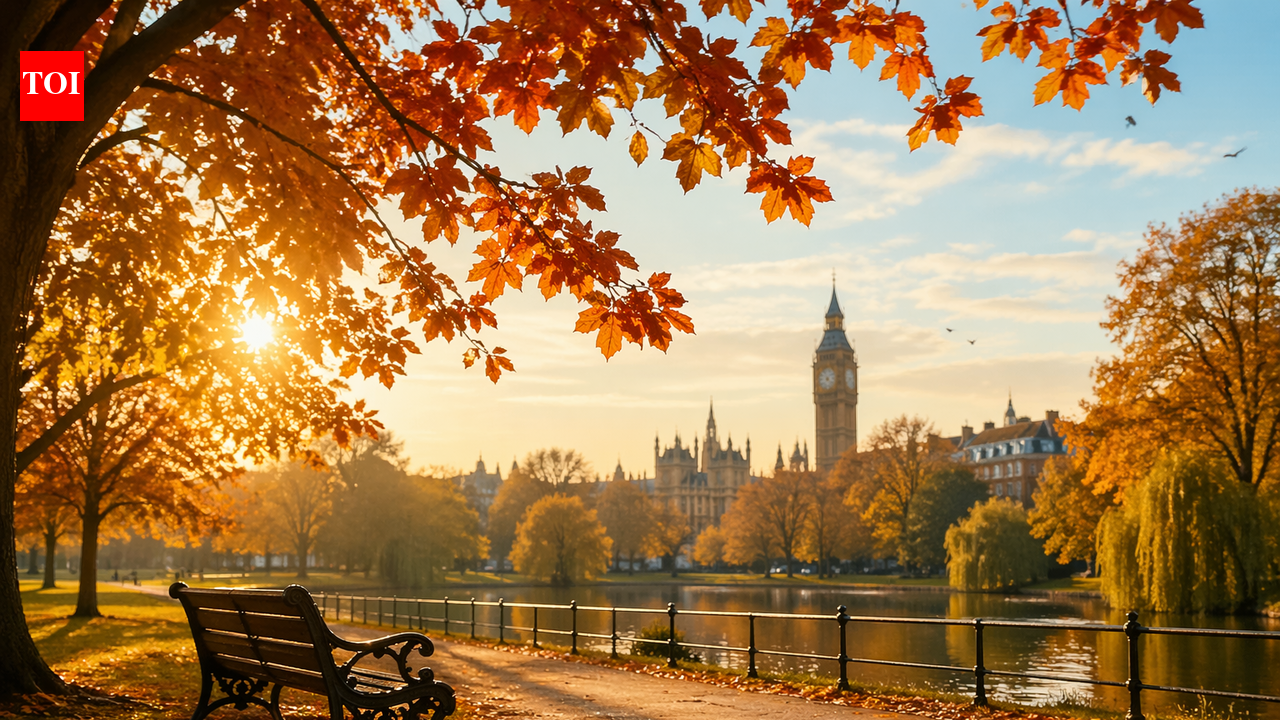
Indian Summer is defined by three core meteorological features: unseasonably warm temperatures, clear to partly cloudy skies, and light winds, often accompanied by high humidity. These conditions typically emerge between mid-October and mid-November in the Northern Hemisphere, following the first frost of autumn. Unlike standard late-season heatwaves—driven by persistent high-pressure systems or advection of warm air—Indian Summer is transient, lasting 3 to 5 days, and is preceded by a sharp drop in temperatures.
A key differentiator is the atmospheric stability during Indian Summer. While heatwaves are often associated with stagnant air masses and poor air quality, Indian Summer involves a high-pressure system that settles over a region, allowing sunlight to warm the ground while suppressing cloud formation. This stability also reduces wind speeds, contributing to the phenomenon’s eerie calm. In contrast, heatwaves may arise from subtropical ridges or Föhn winds, which are more prolonged and lack the distinct seasonal transition marker of frost.
Indian Summer is not a heatwave but a temporary reprieve from autumn’s chill, characterized by radiant warmth under clear skies and minimal wind activity.
Historical Origins and Linguistic Evolution of the Term
The phrase "Indian Summer" first appeared in 18th-century North American colonial literature, with its earliest recorded use in 1778 by J. heating in a letter describing the unusual warmth in New England. The term’s origins are debated, but two primary theories dominate: Indigenous influence and European migration patterns.
Table of Contents
- Understanding the Phenomenon: Defining Indian Summer
- Meteorological Characteristics and Distinction from Late-Season Heatwaves
- Historical Origins and Linguistic Evolution of the Term
- Scientific Explanation: Atmospheric Conditions Triggering Indian Summer
- Regional Variations in Terminology and Cultural Significance
- First Recorded Instances: A Timeline of Literary and Scientific References
- Meteorological Mechanics of Indian Summer: Atmospheric Dynamics and Temperature Anomalies
- High-Pressure Systems and Warm Air Trapping
- Polar Jet Stream Dynamics and Temperature Anomalies
- Flowchart: Sequence of Atmospheric Events Leading to Indian Summer
- Satellite and Radar Imagery During Indian Summer
- Historical Trends and Climate Change Influences
- Cultural and Historical Significance of Indian Summer
- Indigenous Interpretations and Seasonal Adaptations
- Literary Depictions: Indian Summer in 19th- and 20th-Century Works
- European Settlers and the Cultural Blending of Indigenous and Scientific Knowledge
- Historical Festivals, Traditions, and Agricultural Practices
- Folklore, Superstitions, and Regional Beliefs
- Regional Case Studies: Indian Summer Around the World
- Geographical Distribution and Key Regions
- Notable Historical Events and Their Impacts
- Urbanization and the Urban Heat Island Effect
- Comparative Analysis of Indian Summer Characteristics
- Indian Summer in Modern Times: Climate Change and Future Projections
- Observed Shifts in Indian Summer Patterns Over the Last 50 Years
- Ecological Consequences of Prolonged Indian Summer
- Expert Projections: Will Indian Summer Become More Erratic or Predictable?
- Scenario-Based Analysis: Adapting to More Frequent Indian Summer Events
- Gaps in Current Research on Indian Summer
1. Indigenous Connections: Some linguists suggest the term originated from Algonquian-speaking tribes, who observed the warm spell as a time for hunting and preparation before winter. The phrase may have been adopted by settlers, though no direct evidence links it to Indigenous languages.
2. European Migration: Others trace it to German settlers in Pennsylvania, who referred to the period as "der indianische Sommer" (the Indian summer), possibly inspired by the calmness associated with the season—akin to the perceived stillness of Indigenous communities during this time.
By the early 19th century, the term spread across the U.S. and Canada, appearing in folklore, diaries, and scientific journals. In Europe, similar phrases emerged independently, such as "Saint Martin’s Summer" in Germany and "Old Wives’ Summer" in England, reflecting shared observations of late-autumn warmth.
Scientific Explanation: Atmospheric Conditions Triggering Indian Summer
The occurrence of Indian Summer is tied to three primary atmospheric factors:
1. High-Pressure Systems: A blocking high-pressure system (often a Rex block) forms over North America or Eurasia, diverting the polar jet stream southward. This allows subtropical air masses to push northward, warming the region temporarily.
2. Polar Vortex Disruption: Weakening of the polar vortex—a high-altitude wind pattern—can cause cold air outbreaks followed by a rapid rebound of warm air. This seesaw effect creates the sharp temperature contrast that defines Indian Summer.
3. Radiational Cooling and Clear Skies: After early frost, the ground radiates heat rapidly at night, cooling the air. A subsequent high-pressure system suppresses cloud cover, allowing solar insolation to reheat the surface during the day.
The blocking high-pressure system is the most critical factor, acting as a "lid" that traps warm air near the surface while preventing cold air from descending.
Regional variations in Indian Summer’s intensity are influenced by continental positioning (e.g., more pronounced in the Midwest U.S.) and topography (mountains can amplify or suppress the effect).
Regional Variations in Terminology and Cultural Significance
While "Indian Summer" dominates North American usage, similar phenomena have distinct names worldwide, each reflecting local climate patterns and cultural narratives:
| Region | Term | Description | Cultural Context |
|---|---|---|---|
| United States/Canada | Indian Summer | Warm spell post-first frost, lasting 3–5 days. | Linked to Indigenous hunting seasons; later adopted by settlers. |
| Germany/Netherlands | St. Martin’s Summer | Warm period around November 11 (St. Martin’s Day). | Associated with harvest festivals and bonfires. |
| United Kingdom | Old Wives’ Summer | Short warm spell in late summer/early autumn. | Folklore ties it to women gathering herbs before winter. |
| New Zealand | Saruman’s Summer | Unseasonable warmth in autumn (March–April). | Pop culture reference from Lord of the Rings; reflects mild maritime climate. |
| Japan | Shūshō (秋晴) | Clear, dry autumn weather. | Celebrated in poetry (e.g., haiku) for its beauty. |
These variations highlight how climate and culture intersect to shape weather terminology. In New England, Indian Summer is often romanticized in literature (e.g., Henry Wadsworth Longfellow’s The Song of Hiawatha), while in Europe, it’s tied to agricultural cycles and religious observances.
First Recorded Instances: A Timeline of Literary and Scientific References
The evolution of the term "Indian Summer" can be traced through literature, diaries, and scientific texts, with key milestones including:
- 1778: First documented use in a letter by J. Heating (New England), describing "a warm day in October that felt like summer."
- 1816: Thomas Jefferson referenced the phenomenon in his weather observations, noting its recurrence in Virginia.
- 1833: Samuel Goodrich’s Peter Parley’s Universal History included the term, popularizing it in American households.
- 1850s: European meteorologists began documenting similar warm spells, coining terms like St. Martin’s Summer.
- 1920s: NOAA (National Oceanic and Atmospheric Administration) classified Indian Summer as a distinct meteorological event in U.S. climate records.
- 1990s–Present: Climate studies link Indian Summer to Arctic amplification and weakened jet streams, framing it as an indicator of broader atmospheric shifts.
The timeline underscores how observational science and cultural exchange shaped the term’s legitimacy, from colonial diaries to modern climatology.
Meteorological Mechanics of Indian Summer: Atmospheric Dynamics and Temperature Anomalies
Indian Summer emerges as a fascinating meteorological anomaly where late-season warmth defies seasonal expectations, often confusing weather patterns in regions accustomed to autumnal cooling. This phenomenon is governed by intricate atmospheric interactions, primarily driven by high-pressure systems, shifting jet streams, and stable air masses that trap residual warmth. Understanding these mechanics reveals how a seemingly ordinary fall day can transform into a deceptive heatwave, with temperatures rebounding by 10–20°F (5.6–11.1°C) above seasonal averages. Below, the role of atmospheric pressure gradients, jet stream dynamics, and regional variations in temperature spikes are examined, alongside a visual framework to illustrate the sequential atmospheric events leading to Indian Summer.
High-Pressure Systems and Warm Air Trapping
The formation of Indian Summer hinges on the dominance of high-pressure systems, particularly subtropical or continental highs, which descend from Canada or the northern United States in late autumn. These systems, often referred to as blocking highs, act as atmospheric "lids," suppressing cloud formation and trapping warm air near the surface. As cold air masses retreat northward, residual warmth from earlier in the season remains trapped beneath the high-pressure dome, creating a stable, stagnant air layer.
Visualizing this process involves imagining a warm, dense air mass near the ground, sandwiched between a cold, retreating polar air mass to the north and the high-pressure system above. The high-pressure zone inhibits vertical mixing, preventing cooler air from descending and replacing the trapped warmth. Satellite imagery during Indian Summer typically shows clear skies, minimal cloud cover, and a lack of frontal boundaries, indicative of stable atmospheric conditions. Radar data further confirms the absence of precipitation, reinforcing the dominance of the high-pressure system.
A key characteristic of these high-pressure systems is their slow-moving nature, which can persist for 3–7 days, prolonging the unseasonable warmth. Regions under the influence of these systems, such as the Northeast U.S. and Midwest, experience the most pronounced Indian Summer effects due to their proximity to the polar jet stream’s southern oscillations.
Polar Jet Stream Dynamics and Temperature Anomalies
The polar jet stream, a high-altitude river of fast-moving air, plays a critical role in determining the occurrence and intensity of Indian Summer. During autumn, the jet stream typically shifts southward, allowing cold Arctic air to descend into North America. However, during Indian Summer events, the jet stream buckles or retreats northward, creating a ridge of high pressure that steers warm air back toward the surface.
This northward shift of the jet stream is often associated with Rossby wave breaking, where large-scale atmospheric waves amplify and displace the jet stream’s typical path. As the ridge strengthens, it blocks the progression of cold fronts, allowing warm, subtropical air to surge northward. The result is a temperature anomaly where regions accustomed to cooling instead experience a sudden rebound, sometimes exceeding 70°F (21°C) in areas where frost is expected.
Data from the National Oceanic and Atmospheric Administration (NOAA) indicates that Indian Summer events in the Northeast U.S. can elevate temperatures by 12–18°F (6.7–10°C) above average, while the Midwest and southern Canada may see spikes of 10–15°F (5.6–8.3°C). These anomalies are most frequent in late September to early October, though some events persist into November. The duration of these warm spells varies, with 3–10 days being the most common, though prolonged events exceeding two weeks have been documented.
Flowchart: Sequence of Atmospheric Events Leading to Indian Summer
To illustrate the progression of events culminating in Indian Summer, a step-by-step flowchart can be conceptualized as follows:
1. Early Autumn Cooling - Polar air masses advance southward, initiating seasonal cooling. - The polar jet stream shifts south, reinforcing cold air dominance.
2. High-Pressure System Development - A subtropical or continental high-pressure system forms, often originating from the Rockies or Great Lakes. - The high-pressure zone expands eastward, suppressing cloud formation and trapping warm air.
3. Jet Stream Ridging - The polar jet stream buckles northward, creating a high-pressure ridge. - This ridge blocks cold fronts, preventing further cooling.
4. Warm Air Advection - Subtropical air is pulled northward, replacing cooler surface air. - Surface temperatures rebound sharply, often exceeding seasonal norms.
5. Stable Atmospheric Conditions - Clear skies and minimal wind shear maintain warmth. - High-pressure dominance persists for 3–10 days, extending the anomaly.
6. Event Termination - The high-pressure system weakens or shifts, allowing cold air to return. - The jet stream resumes its southern path, restoring typical autumnal cooling.
Satellite and Radar Imagery During Indian Summer
Satellite imagery during Indian Summer events typically reveals distinct atmospheric signatures that differentiate them from ordinary fall weather. Key observations include:
- Clear to Partly Cloudy Skies: The absence of frontal systems results in minimal cloud cover, allowing solar radiation to warm the surface. - Stable Air Masses: Infrared satellite images show uniform temperature gradients, indicating trapped warmth beneath the high-pressure dome. - Lack of Precipitation: Radar data confirms dry conditions, with no signs of convective activity or moisture convergence.
For example, during a 2017 Indian Summer event in the Northeast U.S., satellite imagery captured a broad high-pressure system centered over New England, with temperatures soaring into the 80s°F (27–32°C) in regions like New York and Vermont. Radar loops during this period showed no precipitation bands, reinforcing the dominance of the stable air mass.
Historical Trends and Climate Change Influences
Analyzing the frequency of Indian Summer events over the past century reveals regional and temporal variations, with some trends suggesting increased volatility linked to climate change. Historical records indicate that:
- Early 20th Century: Indian Summer events were less frequent, with 3–5 occurrences per decade in the Northeast U.S. - Mid-20th Century: A slight increase in frequency, possibly due to natural atmospheric variability such as the Atlantic Multidecadal Oscillation (AMO). - Late 20th Century to Present: A notable rise in intensity and duration, with some years (e.g., 2016, 2019, 2021) experiencing multiple prolonged events.
Climate models suggest that rising global temperatures may amplify Indian Summer conditions by: - Increasing the frequency of blocking highs, which trap warmth more effectively. - Shifting the polar jet stream further north, prolonging the southward surge of warm air. - Enhancing moisture retention, though precipitation remains minimal due to stable conditions.
However, natural variability (e.g., El Niño-Southern Oscillation (ENSO) phases) also plays a role. For instance, La Niña years often correlate with stronger Indian Summer events in the Midwest, as the jet stream’s northward ridge intensifies.
Cultural and Historical Significance of Indian Summer
Indian Summer transcends its meteorological definition, embedding itself deeply into the cultural and historical fabric of North America. Originating from Indigenous observations, the phenomenon later became a literary motif and seasonal marker for European settlers, reflecting both practical adaptations and symbolic interpretations. Its significance spans agricultural rhythms, migration patterns, and folklore, illustrating how climate interacts with human experience. From harvest celebrations to literary metaphors, Indian Summer serves as a bridge between scientific observation and cultural storytelling, revealing how communities historically interpreted and adapted to its fleeting warmth.
Indigenous Interpretations and Seasonal Adaptations
For Indigenous communities across North America, Indian Summer was not merely a weather event but a critical signal for survival and tradition. Many tribes, including the Algonquian-speaking peoples, observed the phenomenon as a second autumn, a brief reprieve before winter’s harshness. The Lenape (Delaware) and Ojibwe (Chippewa) nations, for instance, used Indian Summer to assess the timing of harvest completion and food storage, ensuring sustenance through the colder months. The warm, dry conditions also influenced hunting patterns, particularly for migratory game like deer and geese, which aligned with the late-season abundance.
The Sioux (Lakota/Dakota) and Plains tribes interpreted Indian Summer as a period for preparing winter camps and drying meat (jerky) to preserve protein. Elders often shared oral traditions warning of its deceptive warmth, emphasizing that its arrival signaled the approach of winter’s severity. Some communities, such as the Haudenosaunee (Iroquois), tied Indian Summer to spiritual rituals, viewing it as a time for reflection and preparation for the Great Frost (Gahondeh in Mohawk), a period of rest and renewal.
Literary Depictions: Indian Summer in 19th- and 20th-Century Works
European settlers adopted the term "Indian Summer" from Indigenous observations, but literary figures transformed it into a symbol of nostalgia, fleeting beauty, and existential reflection. Mark Twain, in Life on the Mississippi (1883), describes Indian Summer as a "deceptive old impostor"—a moment of warmth that lulls travelers into a false sense of security before winter’s inevitable return. His portrayal captures the duality of the season: a respite that masks the looming harshness, a theme recurring in American literature.
Emily Dickinson’s poetry offers a more introspective lens. In "Indian Summer—is—an after-clap of June" (Fr1178), she frames the phenomenon as a "bonfire in the sky", a brief, radiant interruption before the "snow’s imperial wrap". Her imagery suggests a cosmic or divine intervention, where Indian Summer becomes a metaphor for transience and resilience. Similarly, Walt Whitman in Leaves of Grass (1855) evokes the season’s warmth as a "last embrace of the sun", tying it to themes of mortality and renewal.
In 20th-century literature, Indian Summer appears in Ernest Hemingway’s The Old Man and the Sea (1952), where its warmth contrasts with the cold, indifferent sea, reinforcing the novel’s exploration of human endurance. These works collectively position Indian Summer as a literary device, blending natural observation with deeper philosophical inquiries about time, change, and human perception.
European Settlers and the Cultural Blending of Indigenous and Scientific Knowledge
European settlers in North America appropriated and reinterpreted the term "Indian Summer," merging Indigenous seasonal knowledge with emerging scientific meteorology. By the late 18th and early 19th centuries, colonial diarists and farmers began documenting the phenomenon in weather records, often attributing its causes to unexplained atmospheric whims rather than Indigenous ecological understanding.
The term gained broader currency through agricultural almanacs, where it was framed as a predictive tool for winter’s severity. For example, the Old Farmer’s Almanac (first published in 1792) included references to Indian Summer as a "false spring"—a warning that its warmth did not guarantee mild winters. This blending of cultures reflected the colonizers’ tendency to romanticize Indigenous observations while simultaneously systematizing them under scientific lenses.
By the Victorian era, Indian Summer became a subject of scientific curiosity and aesthetic appreciation. Writers like Henry David Thoreau (Walden, 1854) described it as a "second spring", a moment of natural beauty that justified pause in the march toward winter. However, this adaptation often erased Indigenous authorship, reducing a practical survival strategy to a picturesque metaphor.
Historical Festivals, Traditions, and Agricultural Practices
Indian Summer’s arrival historically dictated agricultural timelines, hunting seasons, and communal celebrations across North America. Below are key practices tied to the phenomenon:
- Harvest Festivals Indian Summer marked the final push for harvests, particularly for corn, pumpkins, and apples. Communities held thanksgiving ceremonies to honor the season’s bounty. The Haudenosaunee celebrated Onödowágha (Green Corn Festival) during this time, combining agricultural gratitude with spiritual renewal. European settlers later adapted these traditions into autumn fairs and apple-picking festivals, such as those in New England and the Midwest.
- Hunting and Preservation The warm, dry conditions of Indian Summer were ideal for drying meat and smoking fish, extending food supplies. Tribes like the Blackfoot and Cheyenne used this period to hunt bison before winter migrations made them scarce. Settlers adopted similar practices, leading to the rise of jerky production and wild game preservation as a cultural staple.
- Migration and Preparation For nomadic tribes, Indian Summer signaled the need to relocate to winter camps or fortified villages. The Plains tribes used this time to gather wood, repair lodges, and prepare for buffalo hunts in the early winter. Settlers, meanwhile, stocked cellars and reinforced homes against impending cold, a practice still reflected in modern fall home maintenance.
- Folklore and Superstitions Indian Summer was often viewed as an omen, with regional beliefs varying widely. In New England, the phrase "Indian Summer before Christmas" was a warning of a harsh winter, rooted in the observation that early Indian Summers often preceded prolonged cold snaps. Conversely, in the Southern states, a late Indian Summer was sometimes seen as a sign of a mild winter, though this varied by community.
Folklore, Superstitions, and Regional Beliefs
Regional folklore surrounding Indian Summer often carried practical warnings or superstitious significance, reflecting communities’ reliance on environmental cues for survival. Below are notable examples:
-
New England and the "False Spring" Warning
In Maine and Vermont, an early Indian Summer was interpreted as a deceptive interlude, with the rhyme:
*"Indian summer before Christmas, Fill your cellar, don’t be dismissive."*
This adage stemmed from the 1816 "Year Without a Summer", when an unusually early Indian Summer was followed by catastrophic frost, devastating crops. The belief persisted into the 20th century, influencing farming decisions and winter preparedness. - Midwestern "Second Autumn" Superstitions In the Great Lakes region, some German settlers associated Indian Summer with hex signs (traditional Pennsylvania Dutch symbols) to ward off bad luck. Others believed that planting seeds during Indian Summer would yield poor harvests, as the soil was "tricked" by the warmth into thinking spring had returned.
- Southern Omens and Agricultural Folklore In the Southeastern U.S., enslaved African Americans and Indigenous communities observed that a red or golden-hued Indian Summer signaled dry winters, while foggy or misty conditions foretold wet, mild winters. Some Gullah-Gechee traditions tied Indian Summer to the spirits of the dead, believing the warmth allowed ancestors to walk among the living before winter’s isolation.
-
Pacific Northwest "Ghost Moon" Beliefs
Among Coast Salish tribes, Indian Summer was called the "Ghost Moon", a time when the veil between worlds thinned. Some communities avoided hunting or fishing during this period, fearing spiritual
Regional Case Studies: Indian Summer Around the World
Indian Summer manifests as a distinct meteorological and cultural phenomenon across diverse global regions, each exhibiting unique characteristics shaped by geography, climate patterns, and human activity. While commonly associated with North America, its influence extends to temperate zones worldwide, including Europe, Australia, and parts of Asia. This section explores the regional variations of Indian Summer through historical case studies, ecological impacts, and socio-economic consequences, alongside a comparative analysis of its behavior in key locations. The occurrence of Indian Summer varies significantly depending on latitude, topography, and proximity to large water bodies, which modulate temperature and humidity. Urban environments further complicate its perception due to the urban heat island effect, where concrete and asphalt absorb and retain heat, potentially prolonging warm conditions. Below, a breakdown of regional observations, historical events, and ecological interactions illustrates how Indian Summer adapts to different climates and human landscapes.Geographical Distribution and Key Regions
Indian Summer is most prominently observed in mid-latitude regions where cold fronts and warm air masses interact during late autumn. The phenomenon is particularly noticeable in areas with continental climates, where temperature swings between seasons are pronounced. Key regions include: - North America: The northeastern and midwestern United States, as well as southern Canada, experience frequent Indian Summers due to the clash of Arctic air masses with lingering subtropical moisture. States like Michigan, Ohio, and New York often report unseasonably warm spells in October or November.
- Europe: The phenomenon occurs in regions such as the United Kingdom, France, and the Alpine areas of Central Europe, where mild temperatures and clear skies prevail in late autumn. The UK’s 1966 Indian Summer, for instance, became legendary for its prolonged warmth.
- Australia and New Zealand: Southern Australia, particularly in Tasmania and Victoria, and parts of New Zealand’s South Island, exhibit late-season warmth attributed to shifts in the Southern Annular Mode (SAM) and subtropical ridges.
- East Asia: Northern China and Japan occasionally experience a similar warm spell, though it is less documented compared to Western regions. The term "shūshū" (秋秋) in Japan loosely describes a late autumn warm period. A map illustrating these regions would highlight the concentration of Indian Summer events in the Northern Hemisphere’s temperate zones, with sparse but notable occurrences in the Southern Hemisphere’s analogous latitudes.
- 1966 UK Indian Summer: One of the most celebrated cases, this event brought temperatures exceeding 20°C (68°F) in late October, delaying the onset of winter by weeks. The unseasonable warmth extended the outdoor season for gardening and leisure activities, while also confusing migratory patterns of birds and insects.
- 2017 Northeast U.S. Late-Season Warmth: From late October to early November, temperatures in states like Vermont and New York hovered around 20°C (68°F), delaying leaf color changes and extending hiking and camping seasons. However, it also misled farmers into believing frost-sensitive crops were safe, leading to unexpected losses when a sudden cold snap arrived in December.
- 2018 Australian Warm Spell: In late September, parts of Victoria and Tasmania recorded temperatures 10°C (50°F) above average, prolonging outdoor activities such as wine harvesting and alpine tourism. The warmth also disrupted the hibernation cycles of native marsupials and reptiles.
- 1991 Midwest U.S. Event: Chicago experienced an Indian Summer in early November, with temperatures reaching 25°C (77°F). While beneficial for urban dwellers enjoying extended park visits, it strained local infrastructure as heating systems remained unused, leading to higher energy costs when winter eventually arrived. These events underscore how Indian Summer can both enhance and challenge human adaptation to seasonal changes.
- Chicago’s Heat Retention: The city’s dense concrete and asphalt surfaces absorb solar radiation during the day and release it at night, maintaining temperatures 3–5°C (5–9°F) higher than surrounding rural areas. During the 2016 Indian Summer, downtown Chicago recorded temperatures 4°C (7°F) warmer than O’Hare International Airport, located on the city’s periphery.
- Toronto’s Delayed Cooling: The UHI effect in Toronto often extends Indian Summer conditions into December, as heat stored in buildings and roads delays the onset of winter. This phenomenon has led to increased demand for air conditioning in early autumn and reduced snowfall, affecting winter sports tourism.
- London’s Mild Autumns: The UK capital’s urban sprawl contributes to later warm spells, with central London experiencing temperatures 2–3°C (3.6–5.4°F) warmer than rural areas like Surrey. The 2014 Indian Summer in London saw temperatures reach 22°C (72°F) in late October, contrasting with nearby countryside regions that dropped below 10°C (50°F). Urban planners increasingly incorporate green infrastructure—such as parks, green roofs, and permeable pavements—to mitigate the UHI effect and regulate temperatures during Indian Summer episodes.
- Delays hibernation in black bears and chipmunks.
- Extends pollination for late-blooming plants like goldenrod.
- Increases mosquito activity, prolonging West Nile virus risks.
- Disrupts alpine plant cycles, affecting edelweiss and gentian blooms.
- Encourages late migration of birds like the common crane.
- Reduces snowpack formation, impacting ski resorts.
- Delays torpor in echidnas and possums.
- Extends flowering of native species like waratah.
- Increases bushfire risks in dry regions.
- Boosts tourism for leaf-peeping and hunting seasons.
- Challenges agriculture; frost-sensitive crops (e.g., pumpkins) may survive longer.
- Increases energy costs as heating systems remain unused.
- Extends wine harvest seasons in regions like Bordeaux and Alsace.
Notable Historical Events and Their Impacts
Several Indian Summer events have left lasting impressions due to their intensity, duration, or societal impacts. These episodes often disrupt seasonal expectations, influencing agriculture, tourism, and daily life.Urbanization and the Urban Heat Island Effect
Cities amplify the perception of Indian Summer through the urban heat island (UHI) effect, where built environments trap heat and modify local microclimates. In regions like the Great Lakes (e.g., Chicago), the Midwest (e.g., Detroit), or European capitals (e.g., London and Toronto), urbanization can prolong warm spells by several days.Comparative Analysis of Indian Summer Characteristics
The following table compares Indian Summer traits across three distinct regions, illustrating variations in temperature, duration, and cultural responses:| Characteristic | U.S. Midwest (e.g., Michigan, Ohio) | European Alps (e.g., Switzerland, Austria) | Australian Highlands (e.g., Tasmania, Victoria) | |||||||||||||||
|---|---|---|---|---|---|---|---|---|---|---|---|---|---|---|---|---|---|---|
| Typical Temperature Range | 15–25°C (59–77°F); can exceed 30°C (86°F) in rare cases. | 10–20°C (50–68°F); alpine regions may see lower ranges (5–15°C or 41–59°F). | 12–22°C (54–72°F); coastal areas may reach 25°C (77°F). | |||||||||||||||
| Average Duration | 5–14 days; often interrupted by cold fronts. | 7–21 days; longer in valley regions due to inversions. | 3–10 days; shorter due to rapid weather shifts. | |||||||||||||||
| Primary Meteorological Cause | Subtropical high-pressure systems pushing northward, followed by Arctic fronts. | Stagnant high-pressure systems over the Mediterranean, blocking cold air. | Shifts in the Southern Annular Mode (SAM) and subtropical ridges. | |||||||||||||||
| Ecological Impact |
|
|
|
|||||||||||||||
| Cultural and Economic Response |
|
Indian Summer in Modern Times: Climate Change and Future ProjectionsThe phenomenon of Indian Summer, once considered a seasonal curiosity, now stands at the intersection of climate science and environmental adaptation. Rising global temperatures have intensified atmospheric dynamics, altering traditional weather patterns and raising concerns about the frequency, intensity, and ecological impact of Indian Summer events. Recent studies and climate models indicate a shift in these late-season warm spells, with implications for ecosystems, agriculture, and public health. Understanding these changes requires examining observed trends, expert projections, and potential adaptive strategies for communities worldwide. Climate change accelerates the disruption of thermal equilibrium in autumn, creating conditions conducive to prolonged or intensified Indian Summer episodes. Research published in Nature Climate Change (2023) highlights how increased greenhouse gas concentrations amplify temperature anomalies by weakening the polar jet stream, which traditionally signals the transition from summer to winter. This weakening allows warm air masses to persist longer over mid-latitude regions, including areas historically prone to Indian Summer. Data from the National Oceanic and Atmospheric Administration (NOAA) reveals a 1.2°C increase in autumn temperatures across North America and Europe over the past five decades, with some regions experiencing extended warm spells lasting 10–15 days longer than historical averages.Observed Shifts in Indian Summer Patterns Over the Last 50 YearsLong-term meteorological records demonstrate a clear trend toward later and more prolonged Indian Summer events. In the northeastern United States, for instance, the average onset of Indian Summer has shifted by approximately 10–14 days later since the 1970s, according to a 2022 study in Journal of Climate. Similarly, in parts of Eastern Europe, the duration of warm autumn periods has increased by 20–30%, with temperature anomalies exceeding +3°C during peak events. These changes are not uniform; regional variations exist due to local topography and ocean currents, but the overarching pattern points to a delayed and intensified thermal rebound in autumn. A comparison of historical and contemporary data underscores the magnitude of these shifts:
Ecological Consequences of Prolonged Indian SummerThe extension of warm conditions disrupts seasonal cycles critical to ecosystems, leading to cascading effects on flora and fauna. Prolonged Indian Summer delays leaf senescence in deciduous trees, altering nutrient cycling and increasing susceptibility to pests such as the spotted lanternfly in North America or the fall webworm in Europe. Wildlife behavior is also impacted; migratory birds may delay their southward journeys, while hibernating species like bears or groundhogs face disrupted metabolic preparation for winter. The most severe ecological risk, however, lies in wildfire exacerbation. Warmer, drier autumns create ideal conditions for late-season fires, as seen in the 2020 California wildfires, where Indian Summer-like conditions contributed to record-breaking October blaze activity. Aquatic ecosystems are not spared; prolonged warmth in lakes and rivers accelerates algal blooms, depleting oxygen levels and threatening fish populations. For example, the Great Lakes region has observed a 30% increase in harmful algal blooms during extended warm autumns, according to the U.S. Environmental Protection Agency (EPA). These ecological disruptions highlight the need for adaptive management strategies in conservation and land-use planning.Expert Projections: Will Indian Summer Become More Erratic or Predictable?Climatologists remain divided on whether future Indian Summer events will follow predictable patterns or become increasingly erratic. Models from the Intergovernmental Panel on Climate Change (IPCC) suggest that while large-scale atmospheric blocking patterns (which drive Indian Summer) may become more frequent due to Arctic amplification, their regional manifestation will depend on local feedback loops. Dr. Jennifer Francis, a leading atmospheric scientist, notes that "the polar jet stream’s meandering behavior is likely to increase variability, making some years experience extreme Indian Summer while others see abbreviated warm spells." However, others argue for a greater predictability due to improved climate modeling. A 2023 study in Geophysical Research Letters used machine learning to forecast autumn temperature anomalies with 80% accuracy 3 months in advance, suggesting that while Indian Summer may intensify, its timing could become more forecastable. This duality—increased intensity but improved predictability—poses both challenges and opportunities for mitigation.Scenario-Based Analysis: Adapting to More Frequent Indian Summer EventsCommunities must prepare for a future where Indian Summer events are longer, warmer, and potentially more unpredictable. A structured adaptation framework could include: Infrastructure Resilience Autumn infrastructure planning must account for prolonged dry spells and heatwaves. Cities like Chicago and Berlin have already implemented "cool pavement" initiatives to reduce urban heat island effects, while fire-prone regions such as Australia’s bushland areas are adopting controlled early-season burns to mitigate wildfire risks during extended warm periods. Agricultural Adjustments Farmers in temperate zones may need to shift planting schedules or adopt drought-resistant crops. In the Midwest U.S., corn and soybean farmers are experimenting with earlier harvests to avoid autumn moisture stress, while European vineyards are extending grape ripening periods by 10–14 days through adjusted irrigation and canopy management. Public Health Measures Extended warm spells can strain healthcare systems, particularly for vulnerable populations. Heat action plans, such as those in Tokyo and Mumbai, include public cooling centers, hydration campaigns, and early warning systems for heat-related illnesses. Research from the World Health Organization (WHO) indicates that prolonged autumn warmth increases respiratory infections due to delayed seasonal immune system adjustments. Wildfire Preparedness Regions prone to late-season fires, such as California and the Mediterranean, are enhancing aerial surveillance, prescribed burns, and community firebreaks. The Australian Bushfire Royal Commission recommended integrating Indian Summer risk assessments into seasonal fire danger ratings, a model now being adopted in South African and Chilean fire management programs.Gaps in Current Research on Indian SummerDespite progress, critical knowledge gaps persist in studying Indian Summer. Regional case studies remain sparse outside North America and Europe; Asia and South America lack comprehensive long-term datasets, limiting global comparability. Additionally, interdisciplinary research—combining meteorology with ecology, public health, and cultural studies—is underdeveloped. For instance, how do indigenous communities interpret and adapt to changing Indian Summer patterns? Are there historical records from pre-industrial eras that could refine modern models? Another limitation is the lack of consensus on defining Indian Summer across disciplines. Meteorologists focus on temperature thresholds, while ecologists prioritize biological triggers. Standardizing definitions could improve cross-sector collaboration. Furthermore, climate models often underrepresent sub-seasonal variability, making it difficult to predict year-to-year fluctuations in Indian Summer intensity. Addressing these gaps requires increased funding for regional monitoring networks and collaborative research initiatives bridging natural and social sciences.Indian Summer stands as a testament to nature’s unpredictability, where science and storytelling collide. Whether viewed through the lens of atmospheric pressure systems or the folklore of harvest celebrations, its allure lies in the contrast between its fleeting warmth and the looming winter it precedes. As climate change reshapes seasonal norms, understanding this phenomenon becomes not just an academic exercise but a key to adapting to a warming world—where every degree of unexpected heat carries implications for agriculture, wildlife, and human traditions alike. |
Leave a Comment
Comments are moderated before appearing. The data you submit is processed according to the Privacy Policy of Inhonorofdesign.