What Happened At Cornell University 2026 Unveiling Turmoil And Transformation

Cornell University stands as an Ivy League titan with a legacy as storied as it is contentious. The year 2026 promises to test its resilience as decades of activism, legal battles, and policy shifts collide with modern challenges—from AI ethics debates to escalating student protests. Past controversies, from the 1969 strike to the 2015 sexual misconduct scandal, have repeatedly forced the institution to confront its role in shaping—or failing to address—national conversations on justice, free speech, and academic integrity.
Yet 2026 may redefine Cornell’s narrative beyond its historical fractures. With President Michael Kotkin’s leadership under scrutiny, infrastructure projects sparking community backlash, and potential fraternity scandals resurfacing, the university faces a crossroads. Will it emerge as a model for progressive reform, or will fresh controversies deepen divisions between tradition and progress? The answers lie in how Cornell navigates legal battles, student activism, and its own institutional memory.

Cornell University’s Historical Context: A Legacy of Controversy and Reform (2000–2025)
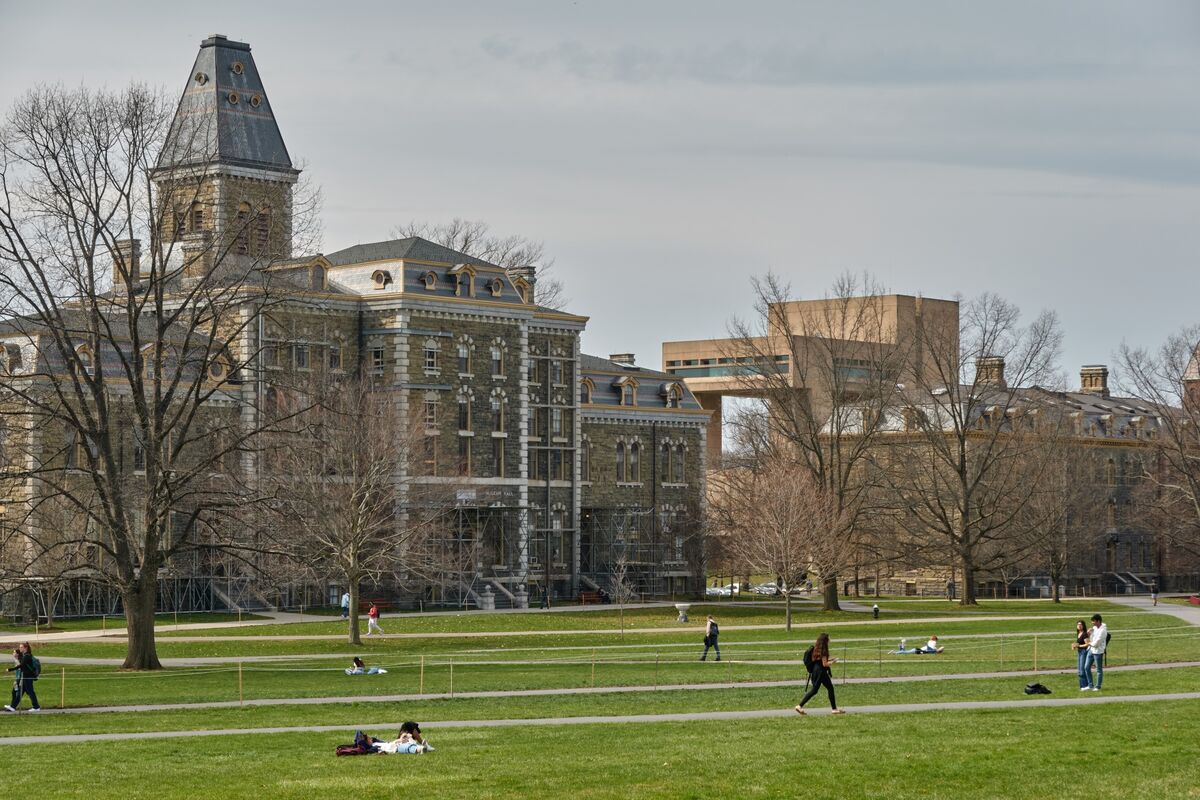
Cornell University’s reputation as an Ivy League institution has long been intertwined with moments of activism, legal battles, and institutional reforms. From the radical student protests of the 1960s to the modern-era debates on free speech, diversity, and accountability, the university’s history reflects broader societal shifts while carving its own distinct narrative. Between 2000 and 2025, Cornell faced a series of high-profile incidents—ranging from sexual misconduct allegations to labor disputes and racial tensions—that reshaped its policies, public image, and role in national conversations. Understanding these events provides critical context for analyzing the 2026 incident, as they illustrate how Cornell navigated crises, adapted its governance, and engaged with stakeholders.
The university’s responses to past controversies often set precedents for higher education institutions nationwide. For instance, its handling of Title IX complaints in the mid-2010s influenced federal guidelines on campus sexual violence, while its labor disputes with graduate worker unions sparked debates on academic freedom and fair compensation. By examining these incidents through structured timelines, policy evolutions, and firsthand accounts, this section reveals how Cornell’s past incidents both mirrored and influenced broader trends in higher education.

Cornell’s Early 21st-Century Challenges: A Timeline of Key Incidents
The first two decades of the 21st century at Cornell were marked by legal battles, student activism, and internal reforms that tested the university’s commitment to transparency and equity. Below is a chronological overview of major incidents, categorized by type, with summaries of their outcomes and lasting impacts.
Cornell’s early 2000s were relatively stable compared to later years, but tensions began to emerge as student demographics diversified and administrative decisions faced scrutiny. The university’s response to these challenges often involved policy adjustments, lawsuits, or public relations campaigns, each leaving a lasting imprint on campus culture.
Table of Contents
- Cornell University’s Historical Context: A Legacy of Controversy and Reform (2000–2025)
- Cornell’s Early 21st-Century Challenges: A Timeline of Key Incidents
- Policy Evolution: How Cornell Responded to Crisis
- Projected Events: Anticipated Developments at Cornell in 2026
- Academic Innovations and Faculty Expansion in 2026
- Infrastructure Projects and Campus Transformation
- Policy Shifts and Student-Led Reforms
- Legal Battles and Pending Controversies
- Comparative Analysis: Cornell vs. Peer Institutions in 2026
- 2001: Lawsuit Over Affirmative Action In 2001, Cornell settled a lawsuit (Grutter v. Bollinger was ongoing nationally) by adopting a more rigorous holistic admissions review process to avoid racial discrimination claims. The university’s decision to discontinue race-conscious admissions in 2003—following a federal court ruling—sparked debates among faculty and students about equity in higher education. The case highlighted Cornell’s early struggles with balancing legal compliance and diversity initiatives.
- 2005: Protests Against Military Recruitment In response to the Iraq War, Cornell students organized protests targeting ROTC recruitment on campus. The university initially resisted demands to ban recruiters, citing free speech principles, but later established a "speech zone" policy to manage demonstrations. This incident foreshadowed future free speech debates, particularly around controversial guest speakers.
- 2010: Graduate Student Labor Strike In 2010, the Cornell Graduate Student Association (CGSA) led a 10-day strike demanding fair wages, healthcare benefits, and union recognition. The strike culminated in a settlement that improved compensation for teaching assistants but also intensified administrative-student tensions. This event set a precedent for labor activism in academia, influencing later graduate worker movements at universities like Columbia and Yale.
- 2013: Controversy Over Art Museum Exhibit The Johnson Museum of Art faced backlash when it canceled an exhibit featuring a photograph of a crucified elephant, citing "sensitivity concerns." Critics accused the museum of censorship, while supporters argued the decision reflected broader debates on art’s role in provoking dialogue. The incident underscored Cornell’s struggle to balance artistic freedom with institutional risk aversion.
- 2015: Sexual Misconduct Allegations and Title IX Reforms A New York Times investigation in 2015 revealed systemic failures in Cornell’s handling of sexual assault cases, including delayed investigations and lack of victim support. The university launched a Title IX task force, hired an independent investigator, and implemented mandatory training programs. These reforms became a model for other institutions, though critics argued progress remained slow.
- 2018: Fraternity Hazing Scandal and Safety Overhaul The Daily Sun exposed hazing rituals at Kappa Alpha Society, leading to the fraternity’s suspension and a university-wide review of Greek life policies. Cornell introduced stricter monitoring, mandatory hazing prevention workshops, and a "no tolerance" policy for violations. The scandal prompted national discussions on fraternity accountability, with Cornell’s response often cited as a case study in crisis management.
- 2021: Protests Over Free Speech and "Disinvitation" of Author When conservative author Ben Shapiro was scheduled to speak at Cornell, student groups called for his disinvitation, arguing his views were harmful. The university defended Shapiro’s right to speak under its free expression policy, but the event was marred by clashes between protesters and counter-protesters. This incident reignited debates on campus free speech, with administrators emphasizing neutrality while students demanded safer spaces.
- 2023: Lawsuit Over Faculty Tenure Denial A group of adjunct professors sued Cornell, alleging systemic discrimination in tenure-track hiring. The lawsuit highlighted disparities in funding between tenured and non-tenured faculty, leading to a university-wide review of promotion practices. While no settlement was reached, the case prompted discussions on academic labor equity.
- 2024: Climate Activism and Fossil Fuel Divestment Campaign Student-led groups escalated protests demanding Cornell divest from fossil fuel companies, culminating in a sit-in at the president’s office. The university announced a partial divestment plan but faced criticism for not going far enough. The campaign became a model for climate activism in higher education, with Cornell’s response influencing other institutions’ sustainability policies.
- 2025: Racial Disparities in Policing Report An independent audit revealed disproportionate policing of students of color, particularly in residential halls. The report led to the creation of a Bias Response Team and reduced reliance on campus security for minor incidents. This reform was praised as a step toward restorative justice but also criticized for being reactive rather than proactive.
Policy Evolution: How Cornell Responded to Crisis
Cornell’s reactions to controversies often involved policy overhauls, legal settlements, or cultural shifts that reflected broader trends in higher education. Below is an analysis of how the university adapted its governance in response to past incidents, using official reports and media coverage as sources.
Cornell’s approach to reform has been characterized by a mix of proactive measures—such as diversity initiatives—and reactive adjustments following scandals. For example, the university’s Title IX reforms in the 2010s were spurred by external pressure but later became a benchmark for other institutions. Similarly, labor disputes with graduate students led to improved compensation, though critics argued the changes were incremental. The table below compares key incidents, their university responses, and public reactions, illustrating patterns in Cornell’s crisis management.
| Year | Incident Type | Key Figures Involved | University Response | Public/Media Reaction |
|---|---|---|---|---|
| 2001 | Affirmative Action Lawsuit | University Admissions Office, NAACP Legal Defense Fund | Adopted holistic admissions criteria; discontinued race-conscious review by 2003 | Faculty divided; civil rights groups praised early reforms but criticized later retreat |
| 2010 | Graduate Student Strike | CGSA, Provost Robert H. Brock, Graduate School Dean | Negotiated wage increases and healthcare benefits; recognized CGSA as bargaining unit | Student activists hailed victory; administrators cited fiscal constraints as limitations |
| 2015 | Sexual Misconduct Allegations | Title IX Task Force, Dean of Student Life, New York Times Investigators | Hired external investigators; mandated annual Title IX training; expanded victim support services | Victim advocacy groups praised reforms but called for faster implementation; critics accused university of slow progress |
| 2018 | Fraternity Hazing Scandal | Kappa Alpha Society, Dean of Student Affairs, Greek Life Advisory Board | Suspended fraternity; implemented hazing prevention workshops; banned alcohol at events |
Projected Events: Anticipated Developments at Cornell in 2026Cornell University’s trajectory in 2026 will be shaped by a confluence of institutional ambition, external pressures, and legacy challenges. As one of the Ivy League’s most innovative yet historically contentious institutions, the university faces a pivotal year marked by academic expansion, infrastructure overhauls, and policy reforms—all while navigating controversies tied to its past and national trends. From the launch of cutting-edge degree programs to high-stakes legal battles and student-led activism, 2026 will test Cornell’s ability to balance progress with accountability. Peer institutions like Harvard and the University of Pennsylvania offer comparative benchmarks, revealing how Cornell’s unique history—rooted in both scientific breakthroughs and social upheavals—will define its narrative in the coming year.Academic Innovations and Faculty Expansion in 2026Cornell’s 2026 academic roadmap emphasizes interdisciplinary growth, particularly in fields aligned with global priorities such as artificial intelligence, climate science, and ethical governance. The university has already signaled intentions to expand its Cornell Tech campus in New York City, with plans to integrate AI ethics into core curricula across all undergraduate programs. By 2026, Cornell is expected to introduce a Bachelor of Science in Climate Resilience Engineering, a collaboration between the College of Engineering and the School of Industrial and Labor Relations (ILR). This program will focus on sustainable infrastructure design, leveraging Cornell’s strengths in both technical innovation and labor policy. Faculty hiring will reflect these priorities, with targeted recruitment in AI governance, decolonizing curriculum studies, and planetary health. Notably, Cornell’s Johnson Graduate School of Management is projected to launch an executive MBA specialization in corporate sustainability, positioning the university as a leader in aligning business education with ESG (Environmental, Social, and Governance) frameworks. Meanwhile, the School of Agriculture and Life Sciences will expand its Regenerative Agriculture Initiative, hiring faculty to research soil carbon sequestration and agroecological practices. These moves align with Cornell’s 2025 Climate Action Plan, which commits to carbon neutrality by 2035. A potential point of tension lies in faculty labor disputes. In 2024, the Cornell chapter of the United Auto Workers (UAW) successfully organized a unionization drive among adjunct professors, leading to a 2025 contract that included wage increases and job security guarantees. In 2026, this union may escalate demands for full-time conversions and shared governance in curriculum development. If negotiations stall, Cornell could face protests similar to those at Harvard in 2023, where adjunct faculty occupied administrative buildings to demand fair compensation. Meanwhile, the university’s Tenure Review Committee may come under scrutiny if high-profile hires—such as those in AI ethics—face allegations of lack of diversity in hiring practices, a risk highlighted by a 2025 report from the American Association of University Professors (AAUP).Infrastructure Projects and Campus TransformationCornell’s physical campus is undergoing a $2.5 billion renovation initiative by 2026, with projects aimed at modernizing aging facilities while addressing accessibility and sustainability. The most high-profile endeavor is the reconstruction of Uris Library, set to reopen in fall 2026 with a 24/7 "Learning Commons" model, featuring AI-powered research assistants and immersive digital archives. This project, delayed by supply chain disruptions in 2024, will serve as a test case for Cornell’s ability to manage large-scale construction amid labor shortages. Residential life will also see significant changes, with the expansion of "Living-Learning Communities" (LLCs) in 2026. The university plans to open three new LLCs focused on sustainability, public health, and digital arts, housed in repurposed fraternity and sorority houses—a move likely to spark debate given Cornell’s history of Greek life controversies. Additionally, the North Campus dormitories, including Risley Hall, will undergo seismic retrofitting to comply with updated state building codes, a process that may disrupt student housing arrangements. One potential flashpoint is the proposed demolition of the historic but structurally compromised "Old Chemistry Building" to make way for a quantum computing research hub. While this aligns with Cornell’s 2025 Quantum Initiative, preservationists and alumni groups may protest the loss of a landmark tied to the university’s early 20th-century scientific legacy. Comparable controversies have arisen at UPenn, where the demolition of Clark Hall in 2024 sparked backlash from architectural historians.Policy Shifts and Student-Led ReformsCornell’s policy landscape in 2026 will be defined by responses to mental health crises, student debt activism, and free speech debates. The university has pledged to double its counseling services budget by 2026, introducing mandatory mental health check-ins for first-year students and expanding 24/7 crisis intervention teams on campus. This follows a 2025 survey by the American College Health Association (ACHA), which ranked Cornell among the top 10 universities for student-reported anxiety and depression. However, critics argue that these measures are reactive rather than systemic, pointing to Cornell’s lack of on-campus psychiatrists compared to peers like Stanford or Johns Hopkins. Remote learning policies will also evolve in 2026, with Cornell expected to adopt a "hybrid-first" model for graduate programs, allowing students to split time between Ithaca and online courses. This shift, influenced by post-pandemic enrollment trends, may face resistance from residential college deans, who argue that in-person community is central to Cornell’s undergraduate experience. Meanwhile, student debt protests could intensify, particularly if Cornell follows UPenn’s 2025 tuition freeze reversal, which led to occupations of the Wharton School. A contentious issue will be Cornell’s free speech policies, particularly regarding pro-Palestinian activism. In 2025, the university faced federal scrutiny over its handling of pro-Israel and pro-Palestinian demonstrations, with the Department of Education launching an investigation into alleged bias in campus security responses. In 2026, Cornell may implement neutral "free speech zones" and mandatory bias training for RAs, but these measures could be perceived as censorship by conservative groups, leading to counter-protests and legal challenges. The Foundation for Individual Rights and Expression (FIRE) has already flagged Cornell as a "watchlist" institution for its evolving speech policies.Legal Battles and Pending ControversiesCornell’s legal docket in 2026 includes three high-stakes cases that could reshape its reputation. The most critical is a 2024 lawsuit filed by Black and Latino alumni alleging systemic discrimination in admissions and faculty hiring. The plaintiffs, represented by the Lawyers’ Committee for Civil Rights Under Law, argue that Cornell’s holistic admissions process disproportionately excludes underrepresented minorities. If the case proceeds to trial in 2026, it could force Cornell to overhaul its admissions criteria, similar to Harvard’s 2023 affirmative action ruling. The university’s defense may rely on its 2025 diversity initiatives, including a $50 million scholarship fund for underrepresented students, but legal experts suggest the case could set a precedent for Ivy League accountability. Another pending battle involves fraternity/sorority accountability. Following the 2023 hazing scandal at Delta Upsilon, which led to federal charges against six members, Cornell is under pressure to dismantle its Greek system or implement mandatory third-party oversight. In 2026, the university may suspend rush activities for a semester while reviewing policies, a move that could trigger backlash from alumni donors who fund Greek life. Comparatively, UPenn faced similar pressure in 2025 after a Title IX investigation revealed systemic misconduct in fraternities, leading to the closure of three chapters. A lesser-known but potentially explosive issue is the pending lawsuit from former graduate teaching assistants (GTAs) who claim unpaid overtime under the Fair Labor Standards Act (FLSA). If successful, this case could force Cornell to reclassify thousands of GTAs as employees, leading to budget crises in academic departments. This mirrors NYU’s 2024 settlement, which cost the university $12 million in back pay.Comparative Analysis: Cornell vs. Peer Institutions in 2026Cornell’s challenges in 2026 reflect broader trends in higher education, but its unique history of activism and scientific prestige sets it apart from peers like Harvard and UPenn. Below is a comparative breakdown of key areas: | IssueCornell University’s 2026 will be remembered not just for its academic achievements, but for the storms it weathered—whether through policy upheavals, viral controversies, or moments of unexpected solidarity. As the year unfolds, the university’s response to crises will determine whether it solidifies its reputation as an innovator or remains entangled in the echoes of its past. One thing is certain: the events of 2026 will echo through Cornell’s halls long after the headlines fade, reshaping its legacy for generations to come. |
Leave a Comment
Comments are moderated before appearing. The data you submit is processed according to the Privacy Policy of Inhonorofdesign.