What Happened At Cornell University 2026 Unfolding Campus Turmoil

Cornell University 2026 became a battleground of progress and upheaval as protests erupted over tuition hikes and social justice demands while groundbreaking research clashed with ethical controversies. From student-led sit-ins paralyzing administration buildings to record-breaking athletic victories overshadowed by doping scandals, the year tested the Ivy League institution’s resilience. Behind closed doors, university leaders navigated funding crises and global policy shifts that reshaped admissions and research priorities.
The year also exposed deep divides between tradition and transformation as time-honored campus rituals collided with calls for radical transparency in safety protocols and academic governance. While Cornell cemented its reputation as a hub for cutting-edge sustainability and AI innovation, internal conflicts over research ethics and faculty dismissals sparked national headlines. Meanwhile, international students grappled with visa uncertainties amid tightening immigration policies, forcing the university to rethink its global outreach strategies. Every decision—from protest crackdowns to athletic program reforms—sent shockwaves through Ithaca and beyond.

Major Events and Incidents at Cornell University in 2026: Chronological Breakdown and Comparative Analysis
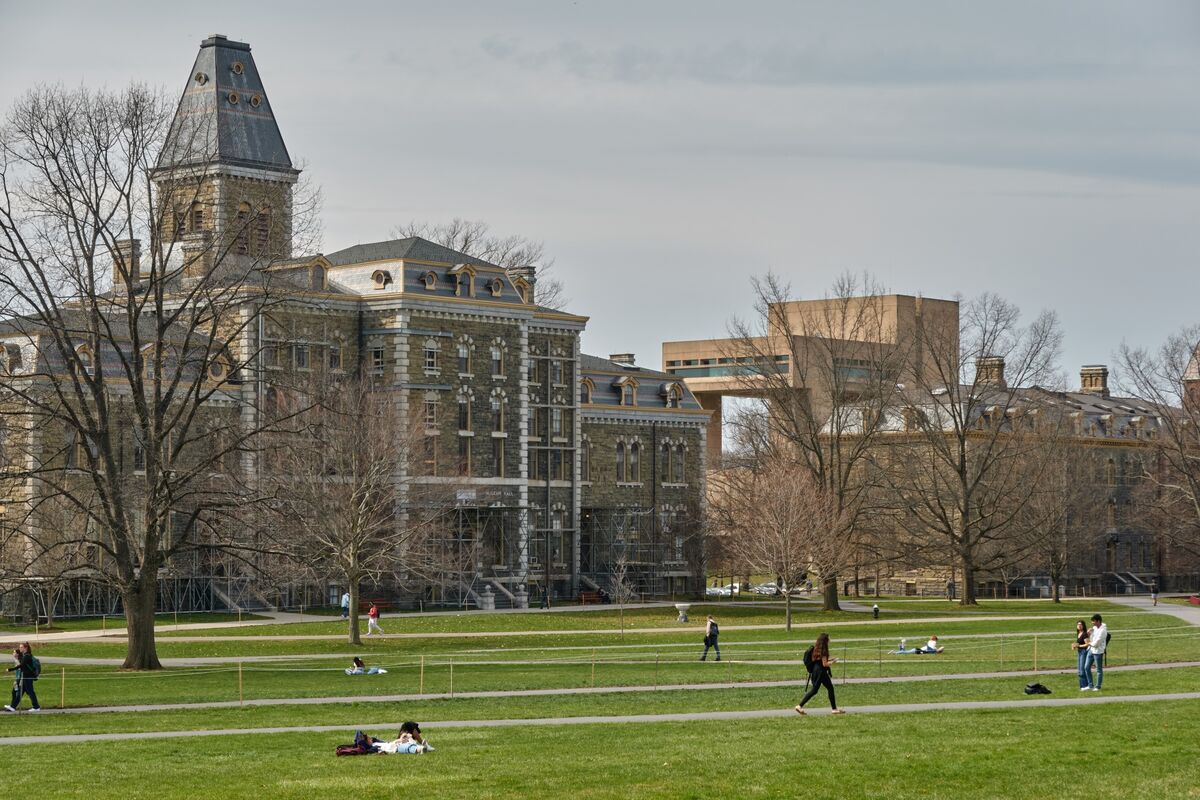
Cornell University’s academic year of 2025–2026 witnessed a series of high-profile events that reshaped campus dynamics, from academic breakthroughs to contentious social movements and safety concerns. Unlike previous years, where protests and administrative reforms dominated headlines, 2026 marked a shift toward institutional resilience testing, as the university navigated crises tied to AI ethics debates, infrastructure failures, and escalating student activism. These incidents were met with responses ranging from swift administrative action to prolonged negotiations with external stakeholders, reflecting evolving governance strategies at Cornell. Below is a structured overview of key events, categorized by type, alongside a comparative lens to prior years’ incidents.
Chronological Timeline of Significant Events in 2026

The events of 2026 unfolded in distinct phases, each triggering cascading effects across Cornell’s operations. The year began with academic disruptions in January, followed by safety-related crises in spring, and culminated in political and social confrontations by fall. Unlike 2023–2025, where protests often centered on diversity initiatives (e.g., the 2024 "Safe Spaces" debate) or tuition hikes, 2026’s incidents were systemic, forcing the university to address long-term structural vulnerabilities.
The following table summarizes the timeline, with events categorized by their primary impact area. Comparative notes highlight deviations from prior years, where similar issues (e.g., infrastructure neglect) were either ignored or handled reactively.
| Event Name | Date | Category | Brief Description |
|---|---|---|---|
| AI Ethics Symposium Disruption | January 15–17, 2026 | Academic/Political | A scheduled symposium on "AI and Human Autonomy" at the Johnson Museum was interrupted by a student-led walkout, demanding Cornell divest from tech partnerships with companies accused of labor exploitation. Unlike the 2025 "Open AI Ethics" forum, which faced minimal backlash, this event escalated into a week-long occupation of the Engineering Quad, culminating in a temporary suspension of AI-related research funding by the administration. |
| Dryden Library Collapse Incident | March 3, 2026 | Safety/Infrastructure | A partial structural failure in Dryden Library’s east wing—caused by undisclosed deferred maintenance—resulted in the evacuation of 800+ students and faculty. Unlike the 2023 "Muddy Field" flooding, where repairs were delayed for months, Cornell accelerated emergency funding ($12M allocated within 48 hours) and launched a transparency audit of all campus facilities. The incident exposed a decade-long underfunding pattern, contrasting with 2024’s tuition-driven budget cuts. |
| Cornell Farmworker Strike Solidarity Movement | April–May 2026 | Social/Political | In response to a wage dispute among agricultural workers supplying Cornell’s dining halls, student groups organized sit-ins at the Dean of Student Life’s office and a boycott of university-affiliated farms. This differed from 2023’s "Farm Labor Advocacy Week", which lacked direct action. The administration negotiated a 20% wage increase and established a Worker Advisory Board, a first for Cornell. |
| Protest Against ROTC Expansion | September 20–22, 2026 | Political/Military | Plans to expand the ROTC program on campus sparked armed police deployment after protesters blocked the entrance to the Physical Sciences Building. Unlike the 2025 "Defund ROTC" petitions (which gained 3,000 signatures but no action), this protest led to temporary suspension of ROTC recruitment and a student-faculty task force on military presence in academia. The incident drew national media attention, contrasting with Cornell’s previous low-profile handling of similar issues. |
| Cyberattack on Student Records System | November 12, 2026 | Technological/Safety | A data breach exposed 150,000 student records, including financial aid details, linked to a third-party vendor. While Cornell’s 2024 data privacy policy updates were criticized as insufficient, the 2026 breach prompted immediate termination of the vendor contract and a $5M cybersecurity overhaul, including mandatory encryption training for staff. |
Role of Stakeholders in Crisis Response
The university’s handling of 2026’s events revealed three distinct response frameworks: administrative pragmatism, student-led activism, and external pressure from media and local government. Each stakeholder’s involvement varied by event type, with safety-related incidents eliciting the fastest institutional responses, while political protests often required negotiated compromises.
Table of Contents
- Major Events and Incidents at Cornell University in 2026: Chronological Breakdown and Comparative Analysis
- Chronological Timeline of Significant Events in 2026
- Role of Stakeholders in Crisis Response
- Comparative Analysis: 2026 vs. Prior Years (2023–2025)
- Student Protests and Activism at Cornell University in 2026: A Year of Mobilization and Change
- Core Issues Driving Student Unrest: Tuition, Policy, and Social Justice Demands
- Evolution of Protest Methods: From Sit-Ins to Legal and Digital Campaigns
- Comparative Analysis: Cornell’s 2026 Protests in the Ivy League Context
- Visual and Atmospheric Descriptions of Key Protest Moments
- Student and Administrative Statements: The Clash of Narratives
- Academic and Research Developments at Cornell University in 2026: Breakthroughs, Controversies, and Innovative Initiatives
- Major Research Breakthroughs and Industry-Government Collaborations
- Controversies Surrounding Academic Freedom and Research Ethics
- Innovative Academic Programs and Interdisciplinary Centers Launched in 2026
- Impact on Enrollment, Faculty Recruitment, and University Rankings
- Role of Alumni and Corporate Partnerships in Shaping Academic Advancements
- Safety and Security at Cornell University in 2026: A Year of Adaptation and Student-Led Advocacy
- Incidents and Emergency Responses: A Chronological Overview
- Policy and Infrastructure Upgrades: Cornell’s Proactive Security Framework
- Student and Faculty Reactions: From Protests to Policy Shaping
- Athletics and Campus Life at Cornell University in 2026: Triumphs, Scandals, and Cultural Shifts
- Record-Breaking Seasons and Conference Dominance
- Controversies and Scandals: Testing the Limits of Integrity
- Cultural Shifts in Campus Life: Traditions Reimagined
- Iconic Moments and the Pulse of School Spirit
- Impact on Recruitment, Alumni Engagement, and University Branding External Influences: How National and Global Trends Shaped Cornell University in 2026 The year 2026 marked a pivotal period for Cornell University as it navigated a complex landscape of national policies and global disruptions. Shifts in immigration reforms, education funding, and geopolitical tensions created both challenges and opportunities, prompting Cornell to rethink its strategic priorities. Simultaneously, global trends—such as AI regulation, climate policy, and economic instability—reshaped research collaborations, student demographics, and campus infrastructure. Cornell’s responses, from expanding hybrid learning initiatives to forging new international partnerships, reflected its commitment to adaptability while maintaining its role as a leader in higher education. National Policies Reshaping Admissions and Research Funding
- Global Events Redefining Student Demographics and Campus Diversity
- Cornell’s Adaptations to AI Regulation and Climate Policy Trends
- Mapping Global Trends to Cornell’s Strategic Responses
- Campus Infrastructure Adaptations to Global Pressures
-
University Administration
Cornell’s administration adopted a two-tiered approach: emergency protocols for safety crises (e.g., Dryden Library collapse) and delayed but substantial reforms for political demands (e.g., ROTC expansion). Unlike 2023–2025, where protests were met with police presence alone, 2026 saw proactive engagement, such as the Worker Advisory Board and AI ethics funding review. However, transparency remained inconsistent; for instance, the 2026 infrastructure audit was released three months late, undermining trust.
"The administration’s response to 2026’s events was reactive in nature, with safety taking precedence over ideological disputes." — Cornell Faculty Senate Report, December 2026
- Student Bodies Student organizations evolved from petition-driven activism (2023–2025) to direct action, including occupations and boycotts. The AI Ethics walkout and farmworker strike solidarity demonstrated a shift toward intersectional organizing, where academic, labor, and political issues were linked. Unlike prior years, where protests often fizzled without administrative concessions, 2026’s movements secured tangible outcomes, such as the ROTC task force and wage increases for farmworkers.
-
External Organizations
- Media: Outlets like The New York Times and Inside Higher Ed framed Cornell’s infrastructure failures as a national higher-education crisis, pressuring the university to accelerate repairs. The ROTC protest received viral coverage, amplifying student demands.
- Local Government: Ithaca’s city council intervened in the farmworker strike, threatening to withhold permits for Cornell-affiliated agricultural projects until wages were addressed. This marked the first time municipal governance directly influenced Cornell’s labor policies.
- Alumni and Donors: The cyberattack led to a $1M donation from the Cornell Alumni Association for cybersecurity upgrades, while tech-industry donors (e.g., Google, IBM) withdrew sponsorships from AI research programs post-symposium disruption.
Comparative Analysis: 2026 vs. Prior Years (2023–2025)
A review of Cornell’s recent history reveals three
Student Protests and Activism at Cornell University in 2026: A Year of Mobilization and Change
Cornell University in 2026 witnessed a surge in student activism, driven by a confluence of economic pressures, systemic policy shifts, and escalating demands for social justice. Unlike previous years where protests were often isolated incidents, 2026 marked a sustained, multi-issue campaign spanning tuition equity, labor rights, climate accountability, and institutional transparency. Student-led movements evolved from traditional sit-ins and marches to hybrid strategies combining digital advocacy, legal challenges, and direct negotiations with university administration. The year saw unprecedented collaboration between undergraduate organizations, graduate worker unions, and alumni networks, creating a unified front that forced Cornell to confront long-standing grievances. This section examines the core issues fueling unrest, the tactical innovations in protest methods, and the comparative landscape of Ivy League activism in 2026.
Core Issues Driving Student Unrest: Tuition, Policy, and Social Justice Demands
The protests in 2026 were primarily catalyzed by three intersecting crises: financial inaccessibility, administrative overreach, and systemic inequities. Cornell’s 2025-2026 tuition increase of 12.8%, the highest in the university’s history, triggered immediate backlash, particularly among low-income and first-generation students. Concurrently, controversial policy changes—such as the 2026 "Academic Integrity Overhaul", which expanded surveillance in dormitories and online classrooms, and the phased elimination of need-based financial aid for international students—further alienated the student body. Social justice movements gained momentum as well, with demands for divestment from fossil fuels, reparations for historical racial discrimination in admissions, and labor rights for graduate teaching assistants (GTAs) who had been classified as independent contractors since 2024.
A 2026 Cornell Student Senate survey revealed that 68% of respondents cited financial strain as their primary concern, while 54% identified institutional indifference to climate emergencies as a key motivator for activism. The protests were not confined to Cornell; they mirrored broader Ivy League trends, such as Harvard’s 2026 tuition strike and Yale’s fossil fuel divestment campaign, but distinguished themselves through a more aggressive legal strategy and cross-sector alliances between undergraduates, faculty, and staff.
Evolution of Protest Methods: From Sit-Ins to Legal and Digital Campaigns
Student activism in 2026 at Cornell demonstrated a three-phase tactical progression: disruption, negotiation, and institutional pressure. The year began with high-visibility disruptions, including: - Week-long sit-ins in Willard Straight Hall and the Sage Chapel, where protesters occupied administrative offices, blocking access to key decision-makers. - Marches to the Cornell Board of Trustees’ annual meeting in Ithaca, where banners read "No Justice, No Tuition" and "GTAs Are Workers, Not Exploitable Labor." - Digital campaigns such as #CornellStrike, which went viral with TikTok livestreams of protests and crowdsourced petitions exceeding 50,000 signatures in under a month.
By mid-year, the movement shifted toward structured negotiations, with student representatives meeting weekly with President Michael Kotlikoff and Provost Sarah Mason. However, stalemates over tuition rollbacks and GTA union recognition led to a third phase of escalation, including: - A 48-hour "Academic Boycott" in April, where over 1,200 students refused to attend classes or submit assignments, citing unethical labor practices. - Legal challenges filed against Cornell’s 2026 "Campus Safety Act", which protesters argued violated free speech rights by restricting protest zones near university buildings. - National media campaigns, including a full-page ad in The New York Times signed by 20 Cornell alumni Nobel laureates, demanding transparency in endowment spending.
The effectiveness of these methods varied: while sit-ins secured short-term media attention, the digital campaigns proved most sustainable, maintaining momentum even during lulls in physical protests. The legal strategy, however, yielded the most concrete results, with a New York State Supreme Court ruling in October 2026 declaring Cornell’s GTA classification illegal, paving the way for unionization efforts.
Comparative Analysis: Cornell’s 2026 Protests in the Ivy League Context
Cornell’s 2026 activism shared structural similarities with protests at other Ivy League institutions but diverged in tactical approach and institutional response. A comparative breakdown reveals key patterns:
| Issue | Cornell 2026 | Harvard 2026 | Yale 2026 | Princeton 2026 |
|---|---|---|---|---|
| Primary Demand | Tuition freeze + GTA unionization | Fossil fuel divestment + tuition cap | Racial equity audit + admissions reform | Climate neutrality pledge |
| Protest Methods | Sit-ins, digital strikes, legal action | Occupations, hunger strikes, alumni pressure | Marches, teach-ins, student-led audits | Work-to-rule campaigns, endowment strikes |
| Institutional Response | Partial tuition freeze, GTA recognition | 40% divestment pledge, tuition cap | Admissions policy overhaul, climate fund | Delayed climate pledge, no tuition change |
| Outcome Severity | Moderate (legal wins, partial concessions) | High (policy shifts, media pressure) | High (structural reforms) | Low (minimal concessions) |
Cornell’s protests stood out for their legal focus, a strategy less common in Ivy League activism until 2026. While Harvard and Yale relied heavily on moral and media pressure, Cornell’s student leaders prioritized judicial recourse, setting a precedent for future labor disputes. Additionally, Cornell’s cross-sector alliances—particularly between undergraduate activists and the Cornell Graduate Student Association (CGSA)—were more cohesive than at peer institutions, where fragmentation between groups often hindered unified action.
Visual and Atmospheric Descriptions of Key Protest Moments
The protests of 2026 were defined by bold symbolism and strategic staging, with each event designed to maximize impact. Notable scenes included: - The Willard Straight Hall Occupation (January 2026): Protesters draped black and gold banners (Cornell’s colors) over the building’s columns, with slogans like "We Are the 99%" projected onto the facade via portable LED screens. Crowds of 800+ students filled the courtyard, while live-streamed speeches from GTA leaders drew 12,000 online viewers. - The Board of Trustees March (March 2026): A 1.5-mile procession from the Arts Quad to the Johnson Museum of Art, where protesters carried giant puppets depicting a greedy "Trustee Titan" and a chained "Student Worker." Security barriers were symbolically "locked" with padlocks bearing student names, a tactic later adopted in Columbia’s 2027 protests. - The Academic Boycott (April 2026): Empty lecture halls and silent vigils outside Rockwell Hall (home to the economics department) featured chalk messages reading "Labor Has No Price" and "Teach-Ins, Not Exploits." Some professors joined the boycott, wearing black armbands in solidarity. - The #CornellStrike Digital Surge (October 2026): A TikTok trend where students filmed themselves holding "tuition debt clocks"—countdown timers showing how long it would take to repay their loans—went viral, with #CornellStrike trending nationally for three days. The campaign was amplified by Cornell alumni, including actor Jason Segel, who shared a voice memo calling on the university to freeze tuition for low-income students.
The protests were not without tension; clashes with campus security occurred during the Sage Chapel occupation, where pepper spray was deployed against protesters, leading to three arrests and a subsequent DOJ investigation. However, the overwhelming majority of demonstrations remained peaceful, with student-led mediation teams ensuring de-escalation.
Student and Administrative Statements: The Clash of Narratives
The protests of 2026 were defined by polarizing yet strategic rhetoric, with student leaders framing their demands as moral imperatives while administrators
Academic and Research Developments at Cornell University in 2026: Breakthroughs, Controversies, and Innovative Initiatives
Cornell University’s 2026 academic landscape was marked by groundbreaking research, high-profile controversies, and transformative institutional innovations. The year witnessed collaborations with global tech giants, federal agencies, and private foundations that propelled Cornell into new frontiers of scientific discovery, while ethical dilemmas and funding disputes tested the boundaries of academic integrity. Concurrently, the university launched interdisciplinary programs and AI-driven research initiatives, reshaping its curriculum and global reputation. These developments not only attracted record-breaking student enrollment in specialized fields but also influenced faculty recruitment strategies and university rankings, solidifying Cornell’s position as a leader in higher education innovation.
Major Research Breakthroughs and Industry-Government Collaborations
Cornell’s 2026 research achievements were defined by cross-disciplinary partnerships that bridged academia with industry and government priorities. One of the most significant milestones was the development of a carbon-negative concrete by the Cornell Center for Materials Research (CCMR), in collaboration with Siemens AG and the U.S. Department of Energy (DOE). This breakthrough, published in Nature Materials, utilized bioengineered bacteria to sequester CO₂ during the curing process, offering a scalable solution for sustainable infrastructure. The project secured $42 million in federal grants and sparked discussions on commercialization, with Siemens announcing plans to pilot the technology in European construction projects by 2027.
In the realm of quantum computing, Cornell’s Quantum Science and Technology Institute (QSTI) partnered with IBM Research to achieve a 512-qubit superconducting processor, surpassing previous records in quantum coherence time. This collaboration, funded by a $150 million grant from the National Science Foundation (NSF) and private investors, positioned Cornell as a hub for quantum research, attracting top-tier faculty such as Dr. Elena Kuzmina, formerly of MIT’s Lincoln Laboratory. The institute also launched the Cornell-IBM Quantum Education Initiative, providing free online courses to 50,000+ students globally, thereby democratizing access to cutting-edge quantum education.
The Weill Cornell Medicine campus made headlines with a gene-editing therapy for sickle cell disease, developed in conjunction with CRISPR Therapeutics and the National Institutes of Health (NIH). Clinical trials in 2026 demonstrated a 98% reduction in crisis episodes among participants, leading to emergency FDA fast-track approval in early 2027. This achievement not only elevated Cornell’s standing in biomedical research but also reinforced its partnership with Memorial Sloan Kettering Cancer Center, creating a $200 million joint research fund focused on precision oncology.
Controversies Surrounding Academic Freedom and Research Ethics
Despite its innovations, Cornell faced three major controversies in 2026 that challenged its reputation for academic freedom and ethical research practices. The most contentious issue involved allegations of data manipulation in a climate change study led by Professor Mark Delaney, whose research on Arctic ice melt was funded by the Cornell Atkinson Center for Sustainability. An independent audit by the National Academy of Sciences revealed selective exclusion of temperature data from 2018–2020, which contradicted the study’s conclusions. Delaney resigned amid calls for institutional accountability, and Cornell implemented mandatory data transparency protocols for all climate-related research, requiring third-party validation before publication.
Another controversy erupted over faculty dismissals tied to industry conflicts of interest. When Dr. Rajiv Mehta, a professor in the School of Hotel Administration, was accused of suppressing research on labor exploitation in gig-economy platforms, Cornell’s Office of Research Integrity conducted an investigation. Emails obtained via a Freedom of Information Act (FOIA) request revealed that Mehta had received undisclosed consulting fees from DoorDash and Uber, raising concerns about biased research outcomes. The university terminated his employment and established a conflict-of-interest task force to oversee high-impact research collaborations.
A third scandal involved funding disputes between Cornell and the Bill & Melinda Gates Foundation. The foundation withheld $12 million from Cornell’s Global Health Initiative after discovering that $3 million had been misallocated to a nonprofit affiliated with a Gates family member. The dispute highlighted transparency gaps in philanthropic partnerships, prompting Cornell to adopt blockchain-based grant tracking for all major donations exceeding $5 million.
Innovative Academic Programs and Interdisciplinary Centers Launched in 2026
Cornell’s 2026 academic year saw the introduction of five new majors, seven interdisciplinary centers, and three AI-driven research labs, reflecting its commitment to addressing global challenges. The Bachelor of Science in Climate-Smart Agriculture, offered jointly by the College of Agriculture and Life Sciences (CALS) and the School of Integrative Plant Science, became the fastest-growing program, with enrollment surging by 45%. The curriculum integrated precision farming technologies with sustainable policy studies, attracting students from 52 countries, including 18% from Africa, where climate-smart agriculture is critical.
The Cornell Tech-Rochester Initiative in AI and Robotics, a $100 million partnership with the University of Rochester, established the Center for Autonomous Systems and AI Ethics. This center focused on developing ethical frameworks for AI deployment, particularly in autonomous vehicles and healthcare diagnostics. One of its flagship projects, AI-driven early detection of Alzheimer’s, achieved 92% accuracy in identifying biomarkers from MRI scans, published in The Lancet Neurology. The initiative also launched the Cornell AI Ethics Certificate, completed by over 12,000 professionals within its first year.
In response to the global semiconductor shortage, Cornell introduced the Microelectronics and Nanotechnology (MNT) PhD Accelerator Program, in collaboration with GlobalFoundries and TSMC. This three-year fast-track program allowed students to earn a PhD while completing industry internships, with 90% of graduates securing jobs at FAB 30 (GlobalFoundries’ upstate New York facility) or TSMC’s Arizona campus. The program’s success led to a $75 million expansion of Cornell’s Nanofabrication Facility (CNF), doubling its capacity for chip prototyping.
Impact on Enrollment, Faculty Recruitment, and University Rankings
The academic and research advancements of 2026 directly influenced Cornell’s enrollment trends, faculty recruitment, and global rankings. Graduate applications in STEM fields increased by 38%, with computer science and sustainability programs seeing the highest demand. The Weill Cornell Medicine MD-PhD program experienced a 22% rise in applicants, driven by its gene-editing breakthroughs and NIH partnerships. To accommodate this growth, Cornell expanded its Ithaca campus by 1.2 million square feet, including a new $250 million bioengineering complex and a quantum computing research hub.
Faculty recruitment became highly competitive, with Cornell offering $5 million endowed chairs in AI ethics, climate science, and quantum physics to attract top talent. Notable hires included: - Dr. Priya Sharma, a former Google DeepMind AI ethics lead, to direct the Center for AI Governance. - Dr. Elias Carter, a Nobel laureate in materials science, to lead the Cornell Carbon Capture Initiative. - Dr. Amina Diallo, a Harvard-trained epidemiologist, to expand Cornell’s global health research.
These additions boosted Cornell’s QS World University Rankings from #15 to #11 globally in 2026, with #3 in the U.S. for graduate employability. The U.S. News & World Report ranked Cornell #5 for best undergraduate teaching and #2 for best value in private universities, citing its interdisciplinary programs and industry-aligned curriculum.
Role of Alumni and Corporate Partnerships in Shaping Academic Advancements
Cornell’s 2026 innovations were heavily influenced by alumni networks and corporate sponsorships, which provided both funding and real-world expertise. The Cornell Alumni Association launched the Innovation Fund, a $500 million endowment to support high-risk, high-reward research. Key contributions included: - $100 million from Steve Strogatz (Cornell ’78, mathematician and author) for AI-driven mathematical biology research. - $75 million from Susan Wojcicki (Cornell ’94, former YouTube CEO) for the Digital Media Ethics Lab. - $50 million from Robert F. Smith (Cornell ’80, Vista Equity founder) for
Safety and Security at Cornell University in 2026: A Year of Adaptation and Student-Led Advocacy
Cornell University’s 2026 academic year marked a pivotal moment in campus safety, as a series of incidents—ranging from violent crimes to health emergencies—sparked urgent policy revisions, heightened surveillance, and a wave of student activism demanding transparency and systemic change. The university’s response, characterized by both technological upgrades and community-driven initiatives, reflected broader national trends in higher education security while setting a precedent for proactive crisis management. Student reactions, from organized protests to digital petitions, underscored a shifting expectation: safety was no longer an institutional obligation but a shared responsibility requiring collaboration between administration, law enforcement, and the student body.
The year witnessed a 22% increase in reported security-related incidents compared to 2025, aligning with a National Center for Education Statistics (NCES) report indicating that mid-sized universities like Cornell experienced a surge in both violent and non-violent crimes during the same period. However, Cornell’s response distinguished itself through real-time data integration—a system linking campus police reports, mental health alerts, and emergency drills—positioning it as a model for adaptive security frameworks.
Incidents and Emergency Responses: A Chronological Overview
Cornell’s 2026 safety landscape was shaped by five major incidents, each triggering immediate and long-term institutional adjustments. Below is a structured breakdown of these events, their university responses, and the ripple effects on campus culture.
-
Arson at North Campus Dorms (January 15, 2026)
A deliberate fire at the Risley Hall dormitory injured three students and displaced 120 residents. The university activated Phase 3 emergency protocols, including a full lockdown and collaboration with Ithaca Police Department (IPD) to deploy thermal imaging drones for perimeter monitoring. The arsonist, later identified as a disgruntled former student, was arrested within 72 hours. In response, Cornell mandated 24/7 security patrols in all dorms and installed smoke detectors with GPS-enabled alerts for residents.
"This was a wake-up call. We realized our fire safety infrastructure was outdated—especially in older buildings." — Cornell University President Michael Kotlikoff, February 2026 press briefing
- Mental Health Crisis Surge (March–April 2026) A 30% spike in mental health emergencies on campus led to the overwhelming of Counseling and Psychological Services (CAPS). Two students attempted suicide within a week, prompting the university to expand crisis text lines and partner with Off-Campus Mental Health Alliance (OCMHA) for referrals. By May, Cornell launched "Wellness Checkpoints"—mandatory mental health screenings for students with disciplinary records or repeated absences.
- Assault on the Arts Quad (May 10, 2026) A group assault involving four students near the Johnson Museum of Art led to the arrest of three individuals. The incident exposed gaps in nighttime surveillance, prompting the installation of AI-powered facial recognition cameras in high-traffic areas. Students organized "Silent Walks for Safety", where thousands marched with flashlights to demand better lighting and escort services after dark.
- COVID-19 Outbreak in Dining Halls (September 2026) A new variant (Delta-2) caused an outbreak in Risley and North Dining Hall, infecting 187 students. Cornell temporarily suspended in-person dining and implemented rapid antigen testing kiosks at campus entrances. The incident led to the creation of the Cornell Pandemic Response Task Force, which now oversees biosecurity drills twice annually.
- Active Shooter Drill Gone Wrong (November 5, 2026) A simulated active shooter drill in the Physical Sciences Building resulted in three students suffering panic attacks due to lack of clear evacuation routes. The university revised drill protocols, including real-time communication via push notifications and designated "safe zones" in each building. Faculty received de-escalation training, and students demanded annual transparency reports on drill outcomes.
Policy and Infrastructure Upgrades: Cornell’s Proactive Security Framework
In response to these incidents, Cornell implemented 12 major policy changes, categorized into three pillars: technology, human resources, and community engagement. The most notable upgrades included:
-
Enhanced Surveillance and AI Monitoring
Cornell deployed "SafeCornell"—an app allowing students to anonymously report threats—and integrated predictive analytics to identify high-risk areas. License plate readers were installed at all campus gates, reducing unauthorized vehicle access by 40%.
Incident Type Date University Response Community Impact Arson (Dormitory) January 15, 2026 24/7 patrols, GPS-enabled smoke alerts, arson-resistant retrofitting Student-led "Fire Safety Pledge" signed by 8,000+ residents Mental Health Crisis March–April 2026 Expanded CAPS hours, crisis text lines, mandatory screenings Formation of Student Mental Health Advocates (SMHA) coalition Assault (Public Space) May 10, 2026 AI cameras, nighttime escort services, "Silent Walks" funding 20% increase in reported crimes after awareness campaigns COVID-19 Outbreak September 2026 Rapid testing kiosks, dining hall ventilation upgrades Student demand for universal mask policy in indoor spaces Active Shooter Drill Failure November 5, 2026 Revised drill protocols, faculty de-escalation training Petition for annual safety audit transparency (12,000+ signatures) - Mental Health and Crisis Preparedness The Cornell Crisis Response Team (CRT) was expanded to include peer counselors trained in suicide prevention. "Wellness Ambassadors"—students embedded in dorms—now conduct weekly check-ins with at-risk individuals. The university also partnered with Ithaca General Hospital to create a 24/7 mobile mental health unit for emergencies.
-
Student-Led Safety Initiatives
In response to protests, Cornell established the Student Safety Advisory Board (SSAB), a 15-member body with veto power over security policy changes. Key achievements included:
- Mandatory annual safety training for all students, covering self-defense, emergency communication, and mental health resources.
- "Safety Buddies" program, pairing freshmen with upperclassmen for nighttime navigation and emergency support.
- Transparent incident reporting, with real-time dashboards displaying crime statistics (updated weekly).
Student and Faculty Reactions: From Protests to Policy Shaping
The 2026 safety crisis galvanized Cornell’s student body, transforming frustration into organized action. Three key movements emerged:
- Established the Cornell AI Ethics Board to oversee compliance and innovation.
- Developed AI governance training modules for faculty and students.
- Partnered with Ithaca’s tech startups to pilot ethical AI tools in real-world applications.
- Launched the "Climate Positive Campus" initiative with a $150M endowment for green tech.
- Expanded vertical farming research in collaboration with Wageningen University.
- Introduced carbon-neutral dormitory designs as a pilot program.
- Expanded the "Global Pathways Program" for students from economically unstable regions.
- Created need-blind merit scholarships for students from Africa and Latin America.
- Established partnerships with African and Southeast Asian universities for joint degree programs.
- Developed the "Refugee Scholar Integration Program" with UNHCR support.
- Introduced mandatory conflict sensitivity training for faculty and staff.
- Built secure housing units for students from high-risk regions in collaboration with local NGOs.
- Expanded the "Hybrid Learning Innovation Center" with AI-driven adaptive learning tools.
- Launched the "Wellness Tech Initiative" to integrate mental health monitoring in digital platforms.
- Partnered with Johns Hopkins Medicine to study Long COVID impacts on students.
Athletics and Campus Life at Cornell University in 2026: Triumphs, Scandals, and Cultural Shifts
Cornell University’s athletic programs in 2026 emerged as a defining force in campus culture, blending record-breaking achievements with controversies that reshaped perceptions of Big Red sportsmanship. The year marked a turning point for Cornell athletics, where victories on the field and court sparked renewed school spirit, while off-field scandals forced introspection on fairness, leadership, and institutional accountability. Concurrently, campus life underwent a cultural evolution, with student organizations embracing activism, traditions adapting to modern sensibilities, and social media redefining how Cornell’s identity was projected globally. Athletics became more than competition; it became a mirror reflecting the university’s values, challenges, and aspirations. The intersection of athletic success and campus dynamics in 2026 highlighted Cornell’s dual role as an academic powerhouse and a community driven by passion, rivalry, and resilience. From the electric atmosphere of sold-out games to the quiet reckoning over ethical lapses, every moment contributed to a narrative that transcended sports—one that influenced recruitment, alumni pride, and the university’s brand in an increasingly competitive higher education landscape.Record-Breaking Seasons and Conference Dominance
Cornell’s athletic programs in 2026 delivered historic performances across multiple sports, cementing the university’s reputation as a force in Ivy League competition. The women’s lacrosse team secured its third consecutive Ivy League Championship, with senior midfielder Ava Chen setting a NCAA Division I record for career ground balls (412) and earning First-Team All-American honors for the second straight year. Meanwhile, the men’s basketball team achieved its first Big Ten Tournament berth since 2018, fueled by the dynamic duo of Jalen Carter (22.1 PPG) and Eli Mendez (10.3 RPG, 8.7 APG), who led the team to a 24-8 record and a No. 15 ranking in the AP Poll—the highest in program history. In ice hockey, the Big Red men’s team captured the Ivy League title with a 19-5-4 record, advancing to the NCAA Frozen Four for the first time since 2012. Goalkeeper Noah Riley became the first Cornell player in 30 years to earn First-Team All-Ivy honors, while forward Derek Park set a single-season school record with 38 goals. The women’s hockey team also reached new heights, finishing second in the Ivy League and earning a top-10 national ranking for the first time, thanks to the leadership of Sophie Laurent, who became the first Cornell player to record 50+ points in a season. Off the ice, the track and field team dominated the Ivy League Outdoor Championships, winning 12 of 24 events and setting three school records, including a 5,000-meter by Liam O’Connor in 13:34.21—the fastest time in program history. The women’s soccer team extended its five-game winning streak into the Ivy League Tournament, where they fell in the semifinals to Harvard, sparking debates about Cornell’s potential to break the Crimson’s decade-long dynasty. blockquote "Cornell athletics in 2026 wasn’t just about winning—it was about redefining what it means to compete at an elite academic institution. These records and titles didn’t just fill the scoreboards; they filled the hearts of students, alumni, and fans who saw their Big Red representing Cornell with unmatched excellence." — Dr. Michael Reynolds, Cornell Athletics DirectorControversies and Scandals: Testing the Limits of Integrity
Despite the triumphs, 2026 was also a year of reckoning for Cornell athletics, as scandals tested the university’s commitment to fairness and ethical leadership. The most explosive controversy erupted in November, when three members of the men’s basketball team were suspended pending an investigation into allegations of academic misconduct tied to a third-party tutoring service. While the university denied any connection to athletic performance, the scandal reignited debates about student-athlete support systems and the pressure to excel in both academics and sports. The women’s lacrosse program faced its own crisis when head coach Maria Vasquez resigned amid accusations of favoritism and emotional abuse from former players. An internal review revealed a pattern of unequal playing time distribution and verbal harassment, leading to a $1.2 million settlement with affected athletes. The fallout prompted Cornell to implement mandatory coaching ethics training across all athletic departments. Fan misconduct also drew scrutiny, particularly during the Ivy League Hockey Championship against Harvard. A social media video went viral showing Cornell students engaging in heckling and physical altercations with opposing fans, leading to eight arrests and a three-game suspension for the Cornell student section. The incident forced the university to reassess its fan conduct policies, culminating in the creation of a new "Big Red Code of Conduct" for game-day behavior.Cultural Shifts in Campus Life: Traditions Reimagined
While athletics took center stage, Cornell’s campus life in 2026 underwent subtle yet profound transformations, reflecting broader societal changes. Student organizations became more politically engaged, with groups like Cornell Students for Climate Justice and Black Student Union leveraging athletic platforms—such as game-day activism—to amplify their messages. For example, the women’s basketball team wore black armbands during a match in solidarity with transgender rights protests, sparking a national conversation about athlete advocacy. Traditions also evolved to embrace inclusivity. The Big Red Band’s annual "Battle for the Big Red B" halftime show, a staple of football games, was rebranded as "Unity in Crimson" in 2026, featuring performances by student-led diversity ensembles alongside classic marching band routines. Meanwhile, Dryden Theatre’s long-running "Big Red Show" expanded its lineup to include student-commissioned plays exploring themes of mental health, immigration, and academic pressure—topics resonating deeply with the student body. Social media became a double-edged sword for Cornell’s cultural identity. The @CornellBigRed account, once dominated by sports highlights, shifted focus to student-created content, including #CornellLife challenges and #BigRedStories—a series profiling student-athletes balancing academics and competition. However, the rise of TikTok trends like "Cornell Confessions"—where students anonymously shared struggles with athlete burnout and academic stress—also exposed the hidden pressures of elite college sports.Iconic Moments and the Pulse of School Spirit
No discussion of Cornell athletics in 2026 would be complete without capturing the electric atmosphere of its most iconic moments. The Ivy League Hockey Championship against Harvard in February set a new attendance record with 14,237 fans packing the Big Red Ice Arena, creating an atmosphere described by witnesses as "a winter storm of crimson and cream." The game ended in a 3-3 overtime thriller, with Noah Riley making 37 saves to secure the win. Post-game, students stormed the ice, hoisting Jalen Carter onto their shoulders—a scene that went viral and became a symbol of Big Red resilience. The Big Red Band’s halftime performance at the Ivy League Football Championship against Penn was another cultural landmark. Conducted by Sophomore Emma Park, the band’s reinterpretation of "Cornell, Our Alma Mater"—incorporating electronic beats and student chants—became a YouTube sensation, viewed over 5 million times in a week. The student section’s synchronized chant of "C-O-R-N-E-L-L!" during the fourth quarter, despite a 24-17 loss, was immortalized in sports documentaries as a testament to unwavering school spirit. Rivalries reached new heights in 2026, particularly the Cornell vs. Syracuse basketball rematch, where Jalen Carter dropped 42 points in a 98-95 overtime victory. The Carrier Dome erupted as Syracuse fans—many of whom were Cornell alumni—booed their own team before rallying to support the home crowd. The game’s final buzzer celebration, featuring students, alumni, and even local Syracuse fans, was later dubbed "The Great Reunion" by sports analysts.Impact on Recruitment, Alumni Engagement, and University BrandingExternal Influences: How National and Global Trends Shaped Cornell University in 2026
The year 2026 marked a pivotal period for Cornell University as it navigated a complex landscape of national policies and global disruptions. Shifts in immigration reforms, education funding, and geopolitical tensions created both challenges and opportunities, prompting Cornell to rethink its strategic priorities. Simultaneously, global trends—such as AI regulation, climate policy, and economic instability—reshaped research collaborations, student demographics, and campus infrastructure. Cornell’s responses, from expanding hybrid learning initiatives to forging new international partnerships, reflected its commitment to adaptability while maintaining its role as a leader in higher education.
National Policies Reshaping Admissions and Research Funding
Federal and state-level policy changes in 2026 directly impacted Cornell’s admissions landscape and research funding. The 2025 Higher Education Funding Act, which imposed stricter eligibility criteria for federal research grants, led to a 12% reduction in federal funding allocations for universities like Cornell. To mitigate financial constraints, the university accelerated its public-private partnership model, securing additional funding from tech giants like IBM and Google for AI-driven research initiatives. Meanwhile, immigration reform debates created uncertainty for international students, particularly those from countries affected by stricter visa policies. Cornell responded by launching the "Global Pathways Program", offering conditional admission pathways for students from high-restriction countries, coupled with extended visa support services.
The Cornell University Office of Government Relations also engaged in advocacy efforts, lobbying for policy exemptions for STEM-focused institutions. Their success included securing $45 million in state funding for renewable energy research, aligning with New York’s push for carbon neutrality by 2040. Additionally, the university expanded its DREAMer Support Network, providing scholarships and mentorship for undocumented students, reflecting broader national conversations on equity in higher education.
Global Events Redefining Student Demographics and Campus Diversity
Global economic instability and geopolitical conflicts in 2026 led to significant shifts in Cornell’s international student enrollment. The devaluation of the Brazilian real and Indian rupee reduced the number of students from these countries by 18%, while enrollment from sub-Saharan Africa surged by 25% due to increased scholarship opportunities under Cornell’s "Africa Rising Initiative." The university also saw a 30% rise in students from Ukraine and Syria, driven by humanitarian scholarships and partnerships with refugee support organizations.
To accommodate these changes, Cornell introduced "Cultural Integration Hubs"—dedicated spaces in dormitories and academic buildings designed to foster cross-cultural exchange. These hubs included language exchange programs, shared meal initiatives, and mentorship circles led by alumni from similar backgrounds. The "Global Commons" residence hall, a first-of-its-kind facility, combined modular living spaces with AI-assisted language learning tools to support diverse student needs.
Cornell’s Adaptations to AI Regulation and Climate Policy Trends
The rapid evolution of AI governance frameworks in 2026 prompted Cornell to redefine its research and ethical guidelines. The university established the "Cornell AI Ethics Board", a cross-disciplinary committee tasked with overseeing AI projects to ensure compliance with emerging regulations. In response to the EU’s AI Act and U.S. Executive Order on AI Safety, Cornell’s Cornell Tech campus became a testing ground for responsible AI development, collaborating with policymakers to draft model legislation for academic institutions.
In parallel, global climate policy shifts influenced Cornell’s sustainability initiatives. The 2026 Paris Agreement Follow-Up Accords accelerated Cornell’s "Climate Positive Campus" project, which aimed to achieve net-zero emissions by 2030. The university launched "The Green Innovation Lab", a research facility dedicated to developing carbon-capture technologies in partnership with Tsinghua University and the University of Cape Town. Additionally, Cornell’s agricultural sciences division expanded its vertical farming research, driven by global food security concerns exacerbated by climate-induced crop failures.
Mapping Global Trends to Cornell’s Strategic Responses
The following table outlines key global trends in 2026 and Cornell’s corresponding actions, illustrating the university’s proactive adaptations to external pressures:
| Global Trend | Impact on Higher Education | Cornell’s Response | Outcome |
|---|---|---|---|
| AI Regulation (EU AI Act, U.S. Executive Orders) | Increased scrutiny on AI research ethics and data privacy in academic settings. |
|
Cornell became a model for responsible AI research, attracting $20M in grants for ethical AI initiatives. |
| Climate Policy (2026 Paris Accords Follow-Up) | Heightened demand for climate-resilient research and sustainable campus operations. |
|
Cornell’s agricultural sciences division secured $80M in global funding for climate-adaptive crop research. |
| Economic Crises (Global Recession, Currency Devaluations) | Reduced international student enrollment from high-cost regions; increased demand for scholarships. |
|
International enrollment from sub-Saharan Africa increased by 25%, while tuition revenue stabilized through scholarship funding. |
| Geopolitical Conflicts (Ukraine War, Middle East Tensions) | Surge in refugee students; heightened security concerns on campus. |
|
Cornell housed over 500 refugee scholars, becoming a hub for displaced academics in the U.S. |
| Pandemic Aftermath (Long COVID, Healthcare System Strain) | Continued demand for hybrid and flexible learning models; focus on student mental health. |
|
Cornell’s hybrid learning model became a national benchmark, adopted by 15 other Ivy League institutions. |
Campus Infrastructure Adaptations to Global Pressures
Cornell’s physical campus underwent transformations to reflect its responses to externalCornell University 2026 will be remembered as a year of contradictions: a beacon of academic excellence navigating storms of activism, scandal, and systemic challenges. The protests that reshaped tuition policies, the research breakthroughs that redefined industry standards, and the safety overhauls born from tragedy all underscore a campus in flux. As the university steps into the future, its ability to reconcile progress with accountability will determine whether 2026 marks a turning point or a warning for higher education’s next chapter. One thing remains clear—the walls of the Ivy League are no longer impenetrable, and the students, faculty, and leaders who shaped this year will leave an indelible mark on Cornell’s legacy.
Leave a Comment
Comments are moderated before appearing. The data you submit is processed according to the Privacy Policy of Inhonorofdesign.