What Does Turning Tricks Mean Exploring Its Many Layers
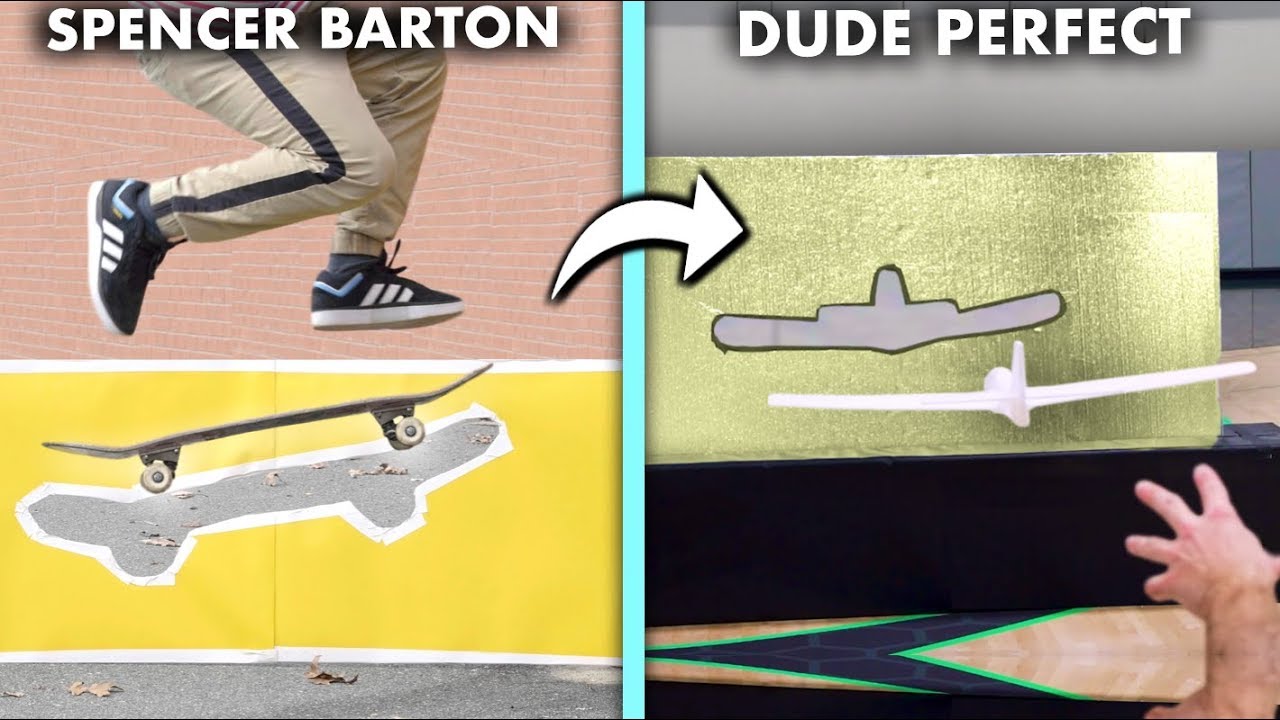
The phrase "turning tricks" carries a weight far beyond its literal meaning, evolving from dazzling circus acts to loaded slang in modern discourse. Originating in the spectacle of street performers and magicians, the term now traverses entertainment, sports, and even controversial social contexts, each carrying distinct cultural nuances. What began as a celebration of skill and artistry has morphed into a phrase laden with ambiguity, reflecting how language adapts to societal shifts and power dynamics.
From the gravity-defying stunts of skateboarders to the physics of snowboard spins, "turning tricks" has become synonymous with mastery and innovation in athletics. Yet, its darker connotations—rooted in exploitation and stigma—force a reckoning with how language shapes perception. By dissecting its journey across industries, this exploration reveals how a single phrase can encapsulate both triumph and controversy, mirroring the complexities of human expression itself.
Definition and Core Meaning of "Turning Tricks": From Circus Acts to Modern Slang

The phrase "turning tricks" carries a dual identity—rooted in historical performance traditions yet deeply embedded in contemporary slang. Its evolution reflects broader shifts in language, culture, and societal norms, transitioning from literal circus or magic performances to ambiguous or stigmatized connotations in modern usage. Understanding its origins, transformations, and industry-specific applications reveals how a single phrase can adapt to diverse contexts while retaining core themes of skill, deception, or illicit activity. Below, an exploration of its linguistic journey, cross-industry interpretations, and cultural variations underscores its versatility and enduring relevance.
Linguistic Origins and Etymological Roots of "Turning Tricks"
The phrase "turning tricks" traces its origins to 16th-century English, where "trick" initially referred to a deceptive maneuver, skillful performance, or a clever act. By the 18th century, "trick" expanded to include magical illusions, sleight-of-hand techniques, and theatrical stunts, particularly in circuses and traveling shows. The verb "to turn" in this context implied execution or demonstration, as seen in early references to "turning a trick" in circus acts or street performances.
In formal contexts, the term was documented in 19th-century dictionaries as a synonym for "performing a skillful act"—often tied to juggling, acrobatics, or card tricks. For example, a 1845 entry in Webster’s Dictionary described "tricks" as "artful devices" used in entertainment. However, by the early 20th century, the phrase began shifting toward underground or illicit meanings, particularly in prostitution and criminal slang, where "trick" referred to a client or a clandestine transaction.
Key linguistic milestones: - 1500s–1700s: "Trick" = illusion, sleight-of-hand, or clever performance (e.g., "The magician turned a trick with fire"). - 1800s: "Turning tricks" = circus or stage performances (e.g., "The clown turned tricks for the crowd"). - Early 1900s: Prostitution slang emerged, with "turning tricks" describing exchanging sexual services for money. - Mid–Late 1900s: Drug culture and criminal underworld adopted the term for dealing or illicit transactions (e.g., "He was turning tricks with stolen goods").
Table of Contents
- Definition and Core Meaning of "Turning Tricks": From Circus Acts to Modern Slang
- Linguistic Origins and Etymological Roots of "Turning Tricks"
- Evolution from Performance to Stigmatized Slang
- Pop Culture References and Contemporary Usage
- Industry-Specific Meanings of "Turning Tricks"
- Regional and Cultural Variations in Interpretation
- Turning Tricks in Entertainment and Performance Arts: A Legacy of Skill and Spectacle
- Historical Context: From Circus Wonders to Street Performances
- Training and Mastery: How Performers Learn to "Turn Tricks"
- Expert Insights: How Modern Performers View "Turning Tricks"
- Top 5 Must-Know Tricks in Performance Arts
- Traditional Tricks vs. Contemporary Viral Performances
- The Role of Technology in Redefining "Turning Tricks"
- Turning Tricks in Sports and Athletic Movements: Mastery Through Motion
- Technical Maneuvers and the Language of Tricks in Skateboarding, Snowboarding, and BMX
- Structured Guide to Learning Skateboarding Tricks: From Ollies to Invert Tricks
- Timeline of Iconic Sports Moments That Redefined Tricks
- Comparative Analysis: Skateboarding vs. Snowboarding vs. BMX Tricks
- Turning Tricks in Slang and Criminal Connotations: Language, Stigma, and Sex Work Realities
- Origins and Spread of the Term in Underground Communities
- Law Enforcement, Media, and the Amplification of Stigma
- Firsthand Accounts: Sex Workers and the Impact of Derogatory Language
- Alternative Terms for Sex Work: Connotations and Cultural Shifts
"Turning tricks" in its earliest form was a neutral descriptor of skillful performance, but its modern connotations are heavily influenced by prohibition-era slang, urban underground cultures, and media portrayals of vice.
Evolution from Performance to Stigmatized Slang
The transition of "turning tricks" from a harmless entertainment term to a loaded phrase mirrors broader societal attitudes toward sex work, crime, and moral ambiguity. Three primary factors drove this shift:
1. Prohibition and Underground Economies During the 1920s–1930s, the term became tied to illegal activities due to the rise of organized crime and the criminalization of prostitution. Jazz-age slang absorbed "trick" as code for clandestine deals, particularly in speakeasies and brothels. This period cemented its association with vice and secrecy.
2. Pornography and Exploitation Industries By the 1960s–1970s, the phrase gained notoriety in adult entertainment industries, where "turning tricks" explicitly referred to sex work. Films like The Thomas Crown Affair (1968) and songs such as Stevie Wonder’s "Living for the City" (1973)—which references "turning tricks" in the context of survival—further embedded the term in urban Black American Vernacular English (AAVE).
3. Media Sensationalism and Moral Panics Tabloid journalism and crime dramas of the 1980s–1990s amplified the term’s negative connotations. TV shows like Hill Street Blues (1981–1987) and movies such as Pretty Woman (1990) used "tricks" to stigmatize sex workers, framing them as victims or criminals rather than workers. This portrayal persists in modern media, where the phrase often carries judgmental undertones.
Pop Culture References and Contemporary Usage
"Turning tricks" appears across film, music, and literature, often serving as shorthand for skill, deception, or illicit activity. Below are notable examples categorized by medium:
| Medium | Example | Context |
|---|---|---|
| Film | The Wire (2002–2008) – "Ain’t nobody turning tricks in this neighborhood." | References drug dealing as a survival tactic in Baltimore’s streets. |
| Music | Stevie Wonder – Living for the City (1973) | "Turned tricks for a dollar" symbolizes sex work as economic necessity. |
| Literature | American Psycho (1991) by Bret Easton Ellis | "Turning tricks" appears in hedonistic, criminal contexts. |
| TV Shows | Breaking Bad (2008–2013) – "He’s turning tricks with meth." | Drug trafficking as a metaphorical "performance." |
| Internet Slang | 4chan/Reddit – "Dude’s turning tricks with crypto scams." | Fraud or deception in digital spaces. |
In contemporary usage, "turning tricks" is rarely neutral—it either implies skillful manipulation (e.g., a hacker "turning tricks" on a firewall) or stigmatized behavior (e.g., sex work or crime).
Industry-Specific Meanings of "Turning Tricks"
The phrase adapts to niche jargon across industries, often losing its original theatrical connotation. Below is a comparative table highlighting its industry-specific interpretations:
| Term Usage | Industry Context | Example Sentences |
|---|---|---|
| Entertainment (Circus/Magic) | Historical performances; sleight-of-hand. | "The magician spent years perfecting his tricks before turning them into a show." |
| Prostitution & Sex Work | Exchanging sexual services for payment. | "She turned tricks on the side to pay rent." (Stigmatized framing) |
| Criminal Slang | Illicit transactions (drugs, stolen goods). | "The dealer was turning tricks with fake IDs." |
| Sports (Gambling/Cheating) | Deceptive maneuvers in games. | "The referee accused the player of turning tricks to win the match." |
| Hacking/Cybersecurity | Exploiting vulnerabilities. | "The hacker turned tricks on the company’s firewall to steal data." |
| Street Slang (AAVE) | Survival tactics (often sex work or crime). | "In the ‘70s, many women turned tricks just to eat." (Stevie Wonder’s influence) |
| British/Australian Slang | Playful deception or minor fraud. | "He turned a few tricks on his mates to win the bet." (Less stigmatized) |
While the American context often ties "turning tricks" to sex work or crime, British and Australian English occasionally use it in playful or neutral ways, such as describing clever schemes or pranks.
Regional and Cultural Variations in Interpretation
The phrase’s meaning varies significantly across English-speaking regions, influenced by historical slang, legal attitudes toward sex work, and media portrayal. Below is a breakdown:
1. United States - Strongest association with sex work and crime, particularly in urban African American and Latino communities. - Hip-hop and R&B music (e.g., Nicki Minaj’s "Trickin" (2010)) often reference "turning tricks" in empowerment or survival contexts. - Legal and media framing tends to pathologize sex workers, reinforcing the term’s negative connotations.
2. United Kingdom - Less stigmatized in some contexts; may refer to clever schemes or minor fraud (e.g., *"He turned a few tricks to get out
Turning Tricks in Entertainment and Performance Arts: A Legacy of Skill and Spectacle
The phrase "turning tricks" has long been synonymous with dazzling performances that blur the line between skill and illusion. From the grand stages of 19th-century circuses to the viral stunts of modern street performers, the art of "turning tricks" has evolved while retaining its core essence: mastery over an element—whether gravity, perception, or audience expectation. This section explores the historical roots of "turning tricks" in entertainment, the rigorous training behind iconic performances, and how contemporary artists redefine the term through innovation and technology. By examining legendary acts, teaching methodologies, and expert insights, we uncover how this phrase transcends its colloquial origins to become a celebration of human ingenuity in performance arts.
Historical Context: From Circus Wonders to Street Performances
The concept of "turning tricks" gained prominence in the Golden Age of Circus (late 18th to early 20th century), where performers like P.T. Barnum and Jean-Baptiste Laurent popularized acts that defied natural laws. Barnum’s circus, with its mix of acrobatics, animal acts, and illusions, turned "tricks" into a spectacle that captivated global audiences. Meanwhile, street performers in Europe and Asia—such as the Chinese shadow puppeteers or Italian street magicians—perfected portable illusions, making "turning tricks" an accessible art form.
One of the most iconic figures in this era was Harry Houdini, whose escape acts redefined the boundaries of physical and mental endurance. Houdini’s ability to "turn tricks" wasn’t just about escaping handcuffs; it was about psychological manipulation, misdirection, and sheer physical prowess. Similarly, David Copperfield revolutionized magic in the 20th century by blending sleight of hand with large-scale illusions, proving that "turning tricks" could scale from intimate card manipulations to stadium-sized feats.
In street performance culture, artists like Busking magicians in London’s Covent Garden or breakdancers in New York’s subway trains adapted the term to fit their own disciplines. The 1980s and 1990s saw the rise of freestyle acrobatics, with groups like Les 7 Doigts de la Main (a Quebec-based circus troupe) fusing dance, acrobatics, and aerial arts into seamless performances. These artists treated "turning tricks" as a fluid, improvisational skill, rather than a rigid set of moves.
Training and Mastery: How Performers Learn to "Turn Tricks"
Becoming a master of "turning tricks" requires years of disciplined practice, often under the guidance of seasoned mentors. Different disciplines—juggling, acrobatics, magic, and aerial arts—demand specialized techniques, but all share a foundation in precision, timing, and risk management.
Juggling serves as a gateway to understanding the mechanics of "turning tricks." Beginners start with three balls, learning the "cascade" pattern, where objects are thrown in a rhythmic sequence. Advanced jugglers progress to five or more objects, incorporating milk juggling (using liquid-filled containers) or club juggling (long, weighted sticks). Safety protocols include warming up joints, using soft-catch techniques, and practicing on low surfaces to avoid injuries.
In acrobatics, the Russian School (founded by Evgeni and Vladimir Katana) emphasizes partner acrobatics with a focus on spotting (visual alignment) and entry/exit techniques. A foundational trick, the "hand balance," requires core strength and micro-adjustments to maintain equilibrium. For aerial silks, performers learn knot-tying, body tension control, and inverted hangs, with instructors like Silvia Stone (founder of The Aerial Arts Company) stressing progressive difficulty—starting with low-to-the-ground moves before attempting high-flying sequences.
Magic, particularly sleight of hand, relies on misdirection and muscle memory. Magicians train using drills like the "French Drop" (a card manipulation) or the "Ambidexterity Practice" (performing tricks with both hands simultaneously). David Blaine’s training regimen included isolated hand exercises to perfect coin vanishes and levitation illusions, often practicing for 12+ hours a day.
Expert Insights: How Modern Performers View "Turning Tricks"
Contemporary performers often describe "turning tricks" as a fusion of athleticism and artistry. Penn Jillette, half of the legendary magic duo Penn & Teller, once remarked: > "A trick isn’t just about fooling the audience—it’s about telling a story. The best magicians are storytellers who happen to use sleight of hand."
Street magicians like Shin Lim (known for his mentalism) emphasize that modern audiences crave authenticity, not just flashy illusions. His approach blends psychological principles with physical dexterity, proving that "turning tricks" is as much about audience connection as it is about skill.
In circus arts, Cirque du Soleil choreographer Dominique Lemieux notes that today’s performers treat "tricks" as kinetic poetry. Acts like "Alegria’s" aerial straps or "O’s" fire-breathing require months of rehearsal, with performers pushing human limits while maintaining safety margins. Lemieux states: > "The difference between a stunt and a trick is intention. A stunt is about shock; a trick is about grace under pressure."
Top 5 Must-Know Tricks in Performance Arts
These five tricks represent the pinnacle of skill across different disciplines, each carrying cultural significance and varying difficulty levels.
| Trick | Discipline | Difficulty Level | Cultural Significance | Key Technique |
|---|---|---|---|---|
| The Swedish Cup Trick | Magic | Intermediate | Originated in 19th-century Europe, symbolizing elegance in misdirection. | Requires finger dexterity and false shuffles to hide the ball’s movement. |
| The Handstand Backflip | Acrobatics | Advanced | A staple in modern gymnastics, popularized by Olympic athletes. | Demands core strength, hip flexibility, and perfect body alignment. |
| The Chinese Water Sleeve | Aerial Silks | Expert | Rooted in traditional Chinese acrobatics, now a Cirque du Soleil signature. | Combines inverted hangs with fluid, wave-like movements. |
| The Levitation Illusion | Magic | Master | Made famous by David Copperfield, redefining large-scale illusions. | Uses hidden platforms, projection mapping, and audience psychology. |
| The Parkour Precision Vault | Freerunning | Expert | Emerged from French street culture, now a global urban sport. | Requires spatial awareness, explosive power, and precise landings. |
Traditional Tricks vs. Contemporary Viral Performances
While traditional tricks like the cup-and-ball or sawing a lady in half rely on mechanical illusions and physical contortions, modern performances have expanded the definition. Parkour and freerunning, pioneered by David Belle, treat urban environments as playgrounds, turning "tricks" into functional, athletic movements. Similarly, freestyle motocross (popularized by Travis Pastrana) redefines "turning tricks" as high-risk, high-reward stunts that blend sport and spectacle.
The shift from static illusions to dynamic, interactive performances is evident in virtual reality (VR) magic. Artists like The Illusionists (a magic collective) use augmented reality (AR) to create real-time illusions, where tricks adapt based on audience reactions. For example, a floating piano in a VR concert isn’t just a pre-recorded effect—it responds to the viewer’s movements, making "turning tricks" an immersive experience.
The Role of Technology in Redefining "Turning Tricks"
Technology has democratized and revolutionized "turning tricks," allowing performers to push creative boundaries. Virtual reality (VR) enables magicians to perform interactive illusions, such as making objects disappear in a 3D space. Holograph
Turning Tricks in Sports and Athletic Movements: Mastery Through Motion
The phrase "turning tricks" transcends its circus origins, embedding itself deeply into the lexicon of sports and athletics. In disciplines like skateboarding, snowboarding, and BMX, tricks are not just maneuvers—they are the language of skill, creativity, and defiance of gravity. These movements transform physical ability into art, blending physics, biomechanics, and sheer audacity. From the halfpipe to the street, athletes push boundaries, redefining what’s possible with each rotation, flip, or grab. The evolution of tricks in sports mirrors technological advancements in gear, shifts in competitive scoring, and the democratization of skill-sharing via digital platforms, making athleticism more accessible—and spectacular—than ever.
Technical Maneuvers and the Language of Tricks in Skateboarding, Snowboarding, and BMX
Skateboarding, snowboarding, and BMX each possess a unique vocabulary of tricks, categorized by axes of rotation, body position, and interaction with the environment. In skateboarding, tricks like the kickflip (a 360-degree spin of the board while jumping) or the ollie (a foundational aerial leap) rely on precise foot placement and timing. Snowboarding introduces spins (e.g., the 360 mute grab, where the rider twists 360 degrees while holding the board’s edge) and jibbing tricks (sliding on rails or boxes). BMX, meanwhile, emphasizes bunny hops (launching into the air without pedaling) and tailwhips (a 180-degree spin mid-air). Each trick demands mastery over balance, momentum, and spatial awareness, turning athletes into human calculators of motion.
The progression from basic to advanced tricks follows a structured learning curve. Beginners often start with flatground maneuvers (e.g., skateboarding’s pushes or BMX’s no-handed rides) before transitioning to aerials and grinds/slides. Advanced athletes combine multiple elements—such as a skateboarding heelflip followed by a 180-degree spin—into seamless sequences. Gear plays a critical role: skateboard wheels with higher durometer (hardness) reduce slips during tricks, while snowboard bindings with adjustable straps enhance control. BMX riders prioritize lightweight frames and durable tires for impact resistance.
"A trick is only as good as the athlete’s ability to sell it—style is the invisible thread that ties execution to art." — Tony Hawk, Skateboarder and Founder of Birdhouse Skateboards
Structured Guide to Learning Skateboarding Tricks: From Ollies to Invert Tricks
Mastering skateboarding tricks requires a methodical approach, combining physical conditioning, gear optimization, and deliberate practice. Below is a tiered guide for progression, including common pitfalls and corrective drills.
### Beginner Foundations: Balance and Mobility Before attempting tricks, skaters must develop balance, pop (spring from the tail), and slide control. - Practice Drills: - Manuals: Riding on two wheels to build stability. - Foot Placement: Using tape on the board to memorize ollie positions. - Pushes: Alternating lead foot to improve mobility. - Gear Recommendations: - Deck: 7.5–8.25" width for stability; concave shape aids control. - Wheels: 52–54mm (medium hardness, 78A–87A durometer). - Trucks: Mid-range height (e.g., Independent or Venture trucks). - Common Mistakes: - Over-gripping the board (leads to stiff movements). - Incorrect foot alignment (toes pointed at 45° for ollies).
### Intermediate Tricks: Aerials and Flips Once comfortable with ollies, skaters advance to flips (kickflips, heelflips) and grabs (nose grabs, indy grabs). - Progression Path: 1. Ollie → Pop Shove-It (spinning the board 180° underfoot). 2. Kickflip (requires precise toe flick). 3. 50-50 Grind (sliding on a rail with both trucks). - Drills for Precision: - Wall Practice: Jumping against a wall to gauge height and board control. - Slow-Motion Reps: Breaking down flip mechanics frame-by-frame. - Gear Upgrades: - Harder Wheels (87A–95A) for better grip during flips. - Low Trucks for easier grinds.
### Advanced Tricks: Inverts and Combinations Advanced skaters execute inverted aerials (tre flips, rodeos) and combo sequences (e.g., ollie → kickflip → 180° spin). - Key Techniques: - Body Positioning: Tucking knees to the chest during inverts. - Timing: Delaying grabs until the board is fully flipped. - Training Regimen: - Spot Practice: Using a crash pad to attempt high-risk tricks. - Video Analysis: Recording attempts to refine form. - Common Pitfalls: - Fear of Inverts (start with tre flips on flat ground). - Overcomplicating Combos (master individual tricks first).
Timeline of Iconic Sports Moments That Redefined Tricks
Certain tricks have become cultural milestones, altering the trajectory of their respective sports. Below are pivotal moments that pushed athletic limits and inspired generations.
| Year | Sport | Athlete | Trick/Moment | Impact |
|---|---|---|---|---|
| 1999 | Skateboarding | Tony Hawk | First 900 (2.5 rotations in mid-air) | Proved skateboarding could achieve Olympic-level spectacle; led to X Games inclusion. |
| 2002 | Snowboarding | Shaun White | Double McTwist 1260 (3 full spins) | Revolutionized halfpipe scoring; set the standard for aerial difficulty. |
| 2003 | BMX | Ryan Nyquist | First Backflip on a BMX Bike | Redefined BMX as a freestyle sport, not just racing. |
| 2010 | Skateboarding | Nyjah Huston | Indy 500 (grind on a halfpipe lip) | Popularized technical street skating in competitions. |
| 2018 | Snowboarding | Chloe Kim | Double McTwist 1440 (4 full spins) | First female athlete to land a 1440; broke gender barriers in scoring. |
| 2021 | Skateboarding | Sky Brown | First Olympic Gold in Street Skateboarding | Proved tricks like the method air (invented by Nyjah Huston) could dominate global stages. |
These moments highlight how innovation in tricks correlates with advancements in ramps, rails, and protective gear, as well as shifts in competitive judging criteria.
Comparative Analysis: Skateboarding vs. Snowboarding vs. BMX Tricks
While all three sports revolve around aerial maneuvers, their trick repertoires differ in execution, physics, and cultural context. The table below contrasts their core tricks, difficulty levels, and pioneers.
| Trick Name | Description | Difficulty Level (1–10) | Notable Athletes Who Popularized It |
|---|---|---|---|
| Skateboarding | |||
| Ollie | Jumping without holding the board; foundational for all aerials. | 3/10 | Alan "Ollie" Gelfand (1978) |
| Kickflip | 360° flip of the board while jumping. | 5/10 | Rodney Mullen (1980s) |
| Tre Flip | Inverted flip where the
Turning Tricks in Slang and Criminal Connotations: Language, Stigma, and Sex Work RealitiesThe phrase "turning tricks" transcends its literal meaning in performance arts, evolving into a loaded term deeply embedded in slang associated with sex work. Emerging from underground communities in the late 19th and early 20th centuries, the expression originally described the act of performing sexual services for money, framing sex work as a form of "performance" akin to circus tricks. Over time, the term gained traction in marginalized circles, reflecting both the clandestine nature of the work and the skillful navigation required by those engaged in it. However, its adoption by law enforcement, media, and pop culture has often reinforced stigma, framing sex workers as victims or criminals rather than workers exercising agency. This duality—between empowerment and exploitation—makes the term a critical lens through which to examine the intersection of language, power, and societal perceptions of sex work. The historical trajectory of "turning tricks" reveals how slang terms are shaped by systemic biases, economic necessity, and moral panics. While some sex workers reclaim the phrase as a matter of identity, others reject it entirely due to its associations with danger, criminalization, and dehumanization. Understanding its origins, evolution, and impact requires examining not only its linguistic roots but also the structural forces that have perpetuated its negative connotations.Origins and Spread of the Term in Underground CommunitiesThe phrase "turning tricks" likely originated in the brothel and street-based sex work communities of the late 1800s and early 1900s, particularly in urban centers like New York, Chicago, and London. During this era, sex work was often hidden from public view, and those involved in the trade developed coded language to discuss their work discreetly. The term "trick" itself referred to a client, while "turning" implied the act of performing a service—echoing the mechanical or transactional nature of the exchange. This framing was not coincidental; it mirrored the industrial language of the time, where labor was often discussed in terms of efficiency and output. By the mid-20th century, the term had seeped into broader slang, particularly within Black and Latino communities in the United States, where sex work was—and remains—a survival strategy for many marginalized individuals. The phrase gained further prominence in the 1970s and 1980s as the AIDS epidemic disproportionately affected sex workers, leading to heightened surveillance and moral condemnation. Underground newspapers, oral histories, and even early hip-hop culture referenced "turning tricks" as a way to acknowledge the realities of the trade without outright exposure. However, this same secrecy also made it difficult for sex workers to organize for safety and rights, as the term became synonymous with shame rather than solidarity.Law Enforcement, Media, and the Amplification of StigmaLaw enforcement agencies have historically weaponized language like "turning tricks" to justify raids, arrests, and the criminalization of sex work. During the late 20th century, police departments in cities like New York and Los Angeles used the term in reports and press releases to depict sex workers as threats to public safety, rather than individuals engaged in consensual labor. This framing aligned with broader moral campaigns against prostitution, which often conflated sex work with human trafficking, drug use, and violence—despite evidence suggesting that many sex workers operate independently and prioritize safety. Media outlets further cemented the negative connotations of the term. Newspapers and television news frequently used "turning tricks" in sensationalist coverage of brothel busts or serial killer cases involving sex workers, reinforcing the idea that the work itself was inherently dangerous or immoral. For example, the 1980s coverage of the "Green River Killer" in Seattle often described his victims as "women turning tricks," which sex worker advocates argue contributed to a culture of impunity for violence against those in the trade. Similarly, crime dramas like CSI and Law & Order perpetuated the trope of sex workers as disposable, linking the term to criminality rather than labor. Activists and sex worker rights organizations, such as COYOTE (Call Off Your Old Tired Ethics) and Amnesty International, have long criticized the use of "turning tricks" as part of a broader pattern of dehumanizing language. In the 1970s, COYOTE members openly challenged the term in public forums, arguing that it reduced their work to a series of disconnected acts rather than a profession requiring skill, discretion, and resilience. Their efforts laid the groundwork for modern decriminalization movements, which emphasize treating sex work as labor rather than a crime.Firsthand Accounts: Sex Workers and the Impact of Derogatory LanguageSex workers and advocates consistently describe "turning tricks" as a term that carries weighty emotional and practical consequences. In interviews with organizations like Sex Workers Project (SWP) and Red Umbrella Project, many workers express frustration with the phrase’s associations with exploitation, even when used neutrally. One former escort, who requested anonymity, stated: > "When someone says ‘she’s turning tricks,’ it’s not just describing a job—it’s saying she’s less than human. It’s the language of predators, not the language of colleagues. I’ve had clients and even other workers use it, and it always feels like a slap in the face." Sociologists studying sex work, such as Dr. Teela Sanders of the University of Leeds, note that language shapes public policy and personal safety. Sanders’ research highlights how terms like "turning tricks" contribute to a "two-tiered morality"—where sex workers are simultaneously fetishized and criminalized. This duality makes it harder for workers to access healthcare, legal protections, or community support, as stigma discourages open dialogue. Additionally, the term’s criminal connotations have real-world implications for safety. Many sex workers report that clients or law enforcement use "turning tricks" as a way to justify violence or harassment. A 2019 study published in Culture, Health & Sexuality found that sex workers who heard derogatory terms like this in media or public discourse were more likely to experience client violence, as it normalized the idea that their lives had no value.Alternative Terms for Sex Work: Connotations and Cultural ShiftsGiven the negative associations of "turning tricks," sex workers and allies have adopted a variety of alternative terms to describe the work, each carrying distinct cultural and emotional weight. The choice of language often reflects identity, safety concerns, and political stance. Below is a comparison of common terms, their origins, and their connotations:
"Turning tricks" stands as a linguistic chameleon, its meaning shifting like a shadow across time and culture. Whether it embodies the artistry of a magician’s sleight of hand, the daring flips of a skateboarder, or the harsh realities of systemic marginalization, the phrase underscores how language both empowers and constrains. Understanding its layers demands more than curiosity—it requires confronting the stories behind the words, where skill and survival intertwine in ways that challenge us to rethink what we value and what we stigmatize. | ||
Leave a Comment
Comments are moderated before appearing. The data you submit is processed according to the Privacy Policy of Inhonorofdesign.