What Are The Eligibility Criteria For Youtube Shorts Creator Program Explained
YouTube Shorts has reshaped digital content creation by offering creators a direct pathway to monetization through bite-sized videos. With over 50 billion daily views, this feature has become a battleground for attention, competing head-on with TikTok and Instagram Reels. Yet, behind its explosive growth lies a structured program designed to reward creators who meet specific benchmarks—benchmarks that often remain unclear to aspiring content makers.
The YouTube Shorts Creator Program serves as a gateway for creators to earn revenue, but eligibility hinges on more than just subscriber counts. Watch time, content consistency, and adherence to platform policies play pivotal roles in determining who qualifies. Unlike traditional long-form content, Shorts demands a unique approach—one that balances viral potential with algorithmic favor. For creators navigating this landscape, understanding the technical requirements, policy nuances, and strategic steps to optimize their channels is not just beneficial but essential for success.
Understanding YouTube Shorts and Its Creator Program
YouTube Shorts emerged as a direct response to the explosive growth of short-form video platforms like TikTok and Instagram Reels, reshaping how creators and audiences interact with content on YouTube. Launched in September 2020 as a beta feature, Shorts was officially rolled out globally in 2021, integrating seamlessly into YouTube’s ecosystem. Unlike traditional long-form videos, Shorts leverages vertical, fast-paced content optimized for mobile consumption, capitalizing on YouTube’s existing user base of over 2.5 billion monthly active users. The platform’s algorithm prioritizes Shorts by placing them prominently in the YouTube app’s home feed, watch pages, and even as suggested videos alongside long-form content. This strategic positioning allows YouTube to compete with rivals while monetizing its vast audience, creating a dual-revenue stream for creators through ads on both Shorts and long-form videos.
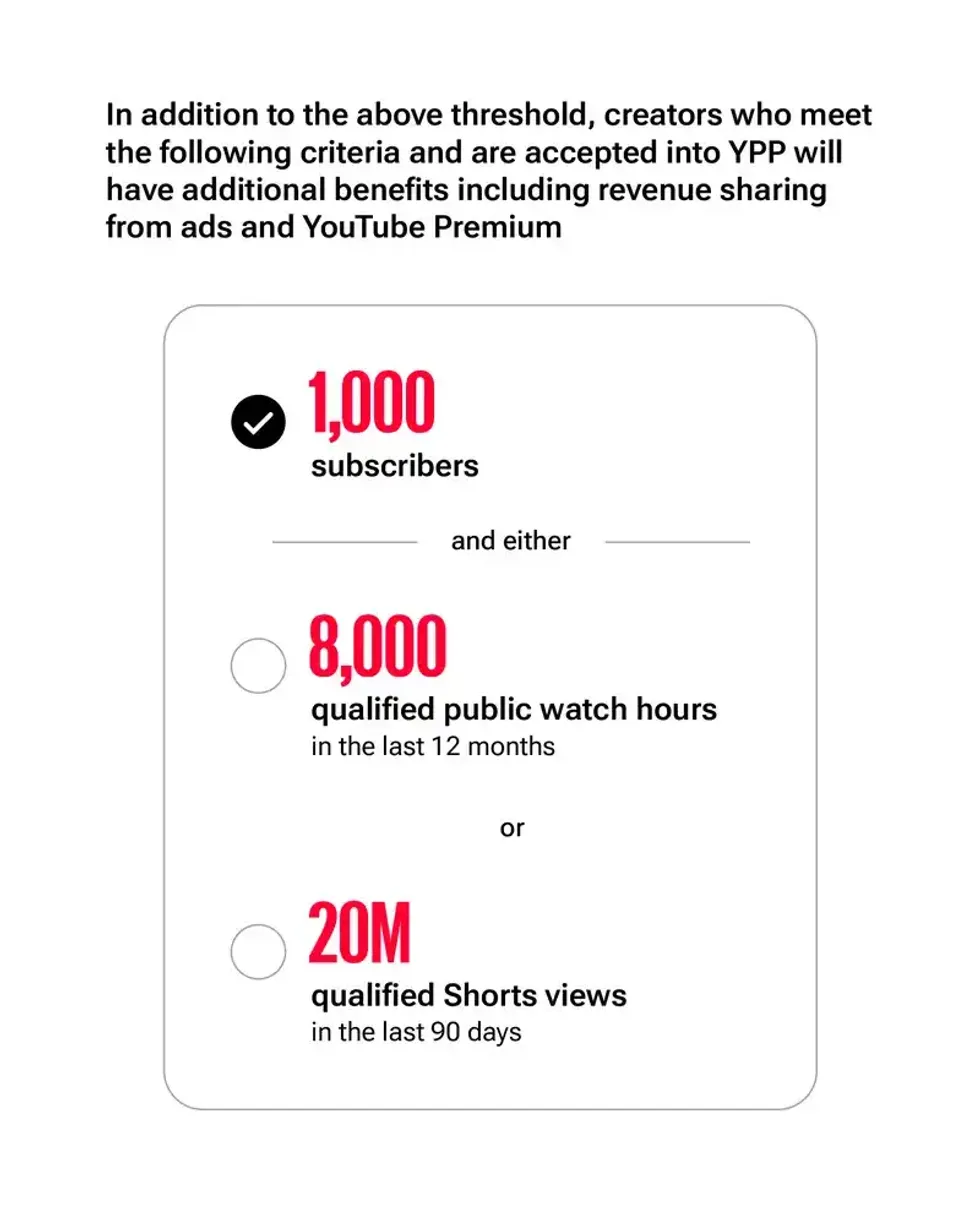
The YouTube Shorts Creator Program was introduced to formalize monetization opportunities for creators producing short-form content. Unlike traditional YouTube Partner Program (YPP) eligibility, which requires 1,000 subscribers and 4,000 watch hours, Shorts creators can earn revenue with fewer barriers: 1,000 subscribers and 10 million Shorts views in the past 90 days. This program incentivizes creators to experiment with short-form storytelling, offering tools like Shorts Fund payments, exclusive analytics, and early access to features. The program also aligns with YouTube’s broader goal of democratizing content creation, enabling micro-influencers and niche creators to monetize content that might not fit the long-form format.

Evolution and Significance of YouTube Shorts in the Digital Content Landscape
YouTube Shorts represents a paradigm shift in how digital content is consumed, prioritizing brevity, immediacy, and mobile-first engagement. Before Shorts, YouTube’s dominance in long-form content (e.g., tutorials, vlogs, and music videos) made it less competitive in the short-form space dominated by TikTok and Instagram Reels. However, YouTube’s existing infrastructure—including its search algorithm, user base, and monetization tools—positions Shorts as a formidable competitor. Unlike TikTok, which operates as a standalone app, Shorts integrates natively into YouTube, allowing creators to cross-promote content between formats. This synergy enables creators to repurpose long-form content into Shorts clips, maximizing reach without fragmenting their audience.
Shorts also benefits from YouTube’s advanced recommendation algorithm, which uses machine learning to personalize content based on user behavior. While TikTok’s "For You Page" (FYP) relies heavily on watch time and engagement, YouTube’s algorithm cross-references Shorts performance with long-form content history, creating a feedback loop that boosts discoverability. For example, a Shorts video from a gaming creator may appear to viewers who frequently watch their long-form gameplay content, even if they haven’t subscribed. This contextual recommendation increases the likelihood of organic growth, reducing reliance on external traffic sources like TikTok or Instagram.
Table of Contents
- Understanding YouTube Shorts and Its Creator Program
- Evolution and Significance of YouTube Shorts in the Digital Content Landscape
- Comparison of YouTube Shorts with Other Short-Form Video Platforms
- Core Eligibility Criteria for the YouTube Shorts Creator Program
- Minimum Requirements for Participation
- Role of Watch Time in Eligibility
- Detailed Checklist of Eligibility Criteria
- Real-World Examples of Creators Meeting Eligibility
- Comparison: Shorts Creator Program vs. YouTube Shorts Fund
- Step-by-Step Guide to Applying and Verifying Eligibility for the YouTube Shorts Creator Program
- Accessing the YouTube Shorts Creator Program Application
- Screen-by-Screen Walkthrough of the Verification Process
- 1. Initial Eligibility Confirmation
- 2. Identity and Channel Ownership Verification
- 3. Document Review and Approval Timeline
- Common Application Mistakes and How to Avoid Them
- 1. Incomplete or Outdated Documentation
- 2. Failing Watch Time Thresholds Due to Inconsistent Uploads
- 3. Ignoring Age Restrictions and Parental Consent
Comparison of YouTube Shorts with Other Short-Form Video Platforms
To understand Shorts’ competitive edge, a comparison with TikTok, Instagram Reels, and Snapchat Spotlight reveals key differences in content duration, monetization, algorithmic reach, and technical requirements. Below is a structured breakdown:
| Feature | YouTube Shorts | TikTok | Instagram Reels | Snapchat Spotlight | ||||||||||||||||||||||||||||||||
|---|---|---|---|---|---|---|---|---|---|---|---|---|---|---|---|---|---|---|---|---|---|---|---|---|---|---|---|---|---|---|---|---|---|---|---|---|
| Content Duration | Up to 60 seconds (extendable to 15 minutes for some creators via beta features). | Up to 10 minutes (varies by region). | Up to 90 seconds. | Up to 10 seconds (originally), now up to 3 minutes for Spotlight. | ||||||||||||||||||||||||||||||||
| Monetization Options |
|
|
|
|
||||||||||||||||||||||||||||||||
| Algorithmic Reach |
|
|
|
|||||||||||||||||||||||||||||||||
| Technical Requirements |
|
|
|
|||||||||||||||||||||||||||||||||
| Creator Tools and Analytics |
|
|
Key Insight: The 10,000 watch hours threshold is four times higher than the YPP’s requirement but applies to a shorter timeframe (90 days vs. 12 months). This reflects YouTube’s belief that Shorts creators should demonstrate rapid, consistent engagement rather than gradual growth. Role of Watch Time in EligibilityWatch time is the cornerstone of eligibility for the Shorts Creator Program, serving as a proxy for content quality, audience retention, and creator commitment. Unlike traditional long-form content, where watch time is spread over extended videos, Shorts rely on high completion rates and frequent views to meet the threshold. YouTube’s algorithm prioritizes Shorts that retain viewers for the entire duration, making watch time a direct indicator of content effectiveness.
Detailed Checklist of Eligibility CriteriaMeeting the minimum requirements is only the first step. YouTube also enforces additional policies and technical criteria to maintain program integrity. Below is a comprehensive checklist covering all eligibility factors:Real-World Examples of Creators Meeting EligibilityMany creators initially ineligible for the Shorts Creator Program have rapidly qualified by strategically focusing on Shorts and optimizing for watch time. Below are two case studies illustrating different paths to eligibility:Strategic Insight: Creators who repurpose long-form content into Shorts or capitalize on micro-trends often qualify faster than those relying solely on traditional growth tactics. Comparison: Shorts Creator Program vs. YouTube Shorts FundWhile the Shorts Creator ProgramStep-by-Step Guide to Applying and Verifying Eligibility for the YouTube Shorts Creator ProgramApplying for the YouTube Shorts Creator Program involves navigating a structured process within YouTube Studio, where creators must meet specific criteria before gaining access to monetization features. The verification process ensures compliance with YouTube’s policies, including identity validation, channel ownership, and adherence to watch time and subscriber thresholds. Understanding each step—from accessing the application portal to resolving potential rejections—helps creators avoid common pitfalls and streamline their eligibility. This guide provides a detailed walkthrough, including technical troubleshooting, alternative monetization strategies, and best practices for tracking progress.Accessing the YouTube Shorts Creator Program ApplicationTo initiate the application, creators must first ensure their channel meets the core eligibility criteria, such as 1,000 subscribers, 10 million valid public watch time hours in the past 12 months, and 10 million valid public watch time hours in the past 24 months. Once confirmed, the application process begins in YouTube Studio, the platform’s centralized dashboard for content management and monetization. YouTube Studio consolidates tools for Shorts creators, including analytics, upload scheduling, and program enrollment. The application portal is typically accessible under the "Monetization" tab, where creators can select "Shorts Fund" or "Shorts Partner Program" (depending on the region). For channels in eligible countries, the option appears as a dedicated button or link, often labeled "Join the Program" or "Apply Now." Creators should avoid rushing the application—YouTube recommends reviewing all requirements, including tax and banking details for payouts, before submission. The platform may require additional verification steps, such as government-issued ID uploads or channel ownership proof, to prevent fraudulent claims. Failure to provide these documents can result in delays or rejection.Screen-by-Screen Walkthrough of the Verification ProcessThe verification process is divided into three primary stages: initial eligibility confirmation, identity and channel validation, and document submission. Each stage must be completed sequentially, and errors in one phase can halt progress. Below is a structured breakdown of the steps, including required actions and potential pitfalls.1. Initial Eligibility ConfirmationYouTube Studio prompts creators to confirm their channel’s compliance with the subscriber and watch time thresholds before proceeding. This step involves:2. Identity and Channel Ownership VerificationThis stage requires official documentation to confirm the creator’s identity and legal ownership of the channel. YouTube accepts the following:3. Document Review and Approval TimelineAfter submission, YouTube’s automated system processes documents within 1–7 business days, though manual reviews (for complex cases) may take up to 30 days. Creators can track status via:
Common Application Mistakes and How to Avoid ThemDespite YouTube’s clear guidelines, creators frequently encounter preventable errors that delay or derail their applications. Below are the most frequent pitfalls and solutions:1. Incomplete or Outdated DocumentationIssue: Submitting expired IDs, incorrect tax forms, or missing proof of address. Example: A creator uploads a driver’s license expired 6 months ago or a VAT form from 2022 instead of the current year. Solution:2. Failing Watch Time Thresholds Due to Inconsistent UploadsIssue: Creators with 1,000 subscribers but fluctuating watch time (e.g., 3 million hours in 3 months, then 2 million in the next 9). Example: A gaming channel uploads daily for 3 months, then switches to weekly, causing watch time to drop below the required 10 million. Solution:3. Ignoring Age Restrictions and Parental ConsentIssue: CreatNavigating the YouTube Shorts Creator Program requires a blend of technical know-how, strategic content planning, and an in-depth understanding of YouTube’s evolving policies. From meeting watch time thresholds to avoiding common pitfalls during application, creators must approach this opportunity with precision. The program offers a lucrative path to monetization, but it demands consistency, compliance, and a deep dive into analytics. By leveraging the right tools, tracking progress diligently, and staying updated on policy changes, creators can turn Shorts into a sustainable revenue stream—bridging the gap between viral potential and real-world earnings. |
Leave a Comment
Comments are moderated before appearing. The data you submit is processed according to the Privacy Policy of Inhonorofdesign.