VIP Telegram Access car freon leak detector unlocks elite diagnostic tools
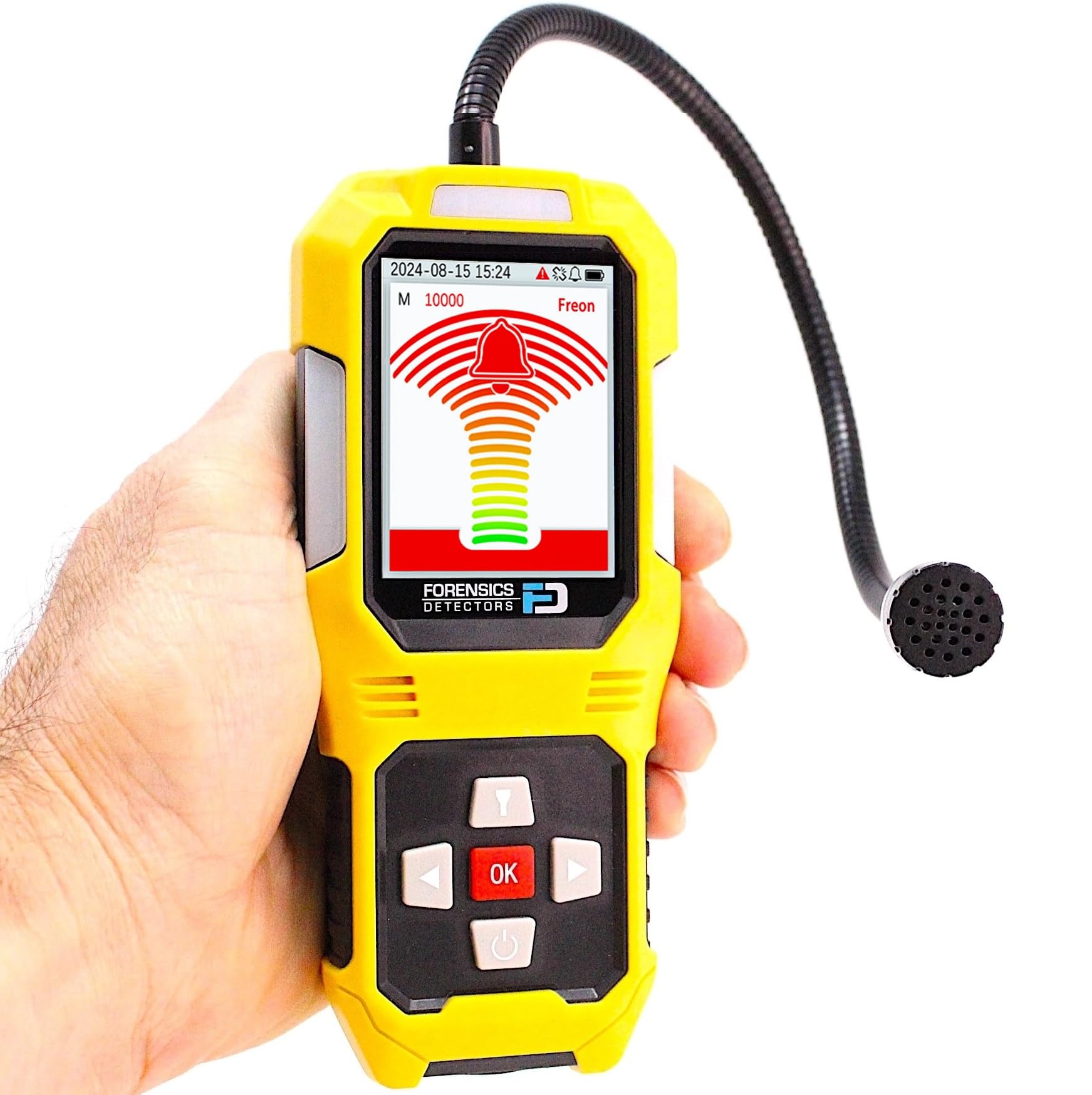
Automotive diagnostics have entered a new era where real-time collaboration and exclusive access to cutting-edge tools redefine how mechanics and enthusiasts tackle freon leaks. VIP Telegram groups specializing in car refrigerant detection now serve as hidden hubs where professionals swap proprietary insights, troubleshoot elusive faults, and validate next-gen diagnostic methods—often before they hit commercial markets. These invite-only communities bridge the gap between theoretical knowledge and practical application, offering members a competitive edge in identifying leaks that conventional tools miss.
The demand for such exclusive access stems from a growing frustration with public forums where solutions are delayed, tools are outdated, and proprietary algorithms remain locked behind paywalls. Mechanics facing false positives from generic detectors, fleet managers chasing down systemic refrigerant losses, and DIYers experimenting with OBD-II integrations all converge in these spaces. Here, a single post can reveal the hidden flaws of a $500 diagnostic tool—or expose a scam before it drains your wallet. The question isn’t just how these groups work, but whether their unfiltered insights justify the cost, the time, and the ethical tightrope of accessing tools designed for professionals only.
Understanding VIP Telegram Access for Car Freon Leak Detectors

Exclusive or premium Telegram groups dedicated to automotive diagnostics, particularly those focused on freon leak detection tools, represent a niche yet highly influential space within the automotive community. These groups operate as private hubs where professionals and enthusiasts converge to share insights, troubleshoot complex issues, and access tools that are often restricted in public forums. Unlike generic automotive forums, VIP Telegram groups specialize in real-time diagnostics, offering members direct access to proprietary software, peer-reviewed troubleshooting methods, and collaborative problem-solving. The rise of such communities reflects the growing demand for specialized, actionable knowledge in automotive diagnostics, where traditional resources—like manufacturer manuals or generic online guides—often fall short.
The exclusivity of these groups stems from their curated membership, which ensures a high signal-to-noise ratio in discussions. While public forums may suffer from misinformation, outdated advice, or spam, VIP groups filter content through verified contributors, creating an environment where users can trust the accuracy of shared information. For professionals like mechanics and fleet managers, this translates to faster diagnostics and reduced downtime, while DIY enthusiasts gain access to advanced tools they might otherwise struggle to obtain. Researchers and developers, meanwhile, use these platforms to validate hypotheses, test prototypes, or crowdsource data for refining diagnostic algorithms.

Exclusive Features of VIP Telegram Groups for Freon Leak Detection
VIP Telegram groups dedicated to car freon leak detectors distinguish themselves through three core pillars: exclusive content, real-time collaboration, and tool integration. Unlike public forums where discussions are often fragmented and delayed, these groups provide a structured environment where users can:
- Access beta or pre-release diagnostic tools, including early versions of freon leak detection apps before they hit commercial markets. - Participate in live Q&A sessions with developers or industry experts, allowing for immediate clarification on technical issues. - Share proprietary datasets, such as sensor calibration logs or case studies from real-world diagnostics, which are typically restricted to paid subscriptions or closed corporate networks. - Receive direct feedback on custom modifications to freon detection hardware, such as DIY UV dye applications or aftermarket sensor integrations.
Table of Contents
- Understanding VIP Telegram Access for Car Freon Leak Detectors
- Exclusive Features of VIP Telegram Groups for Freon Leak Detection
- Member Demographics and Their Roles in Freon Leak Detection Discussions
- Common Topics Covered in VIP Telegram Groups for Freon Leak Detection
- How Freon Leak Detectors Work: Technology and Mechanics Behind Refrigerant Detection
- Electronic Leak Detectors: Sensor-Based Refrigerant Gas Detection
- UV Dye Detection Methods: Visualizing Leaks Under Ultraviolet Light
- Ultrasonic Sensors: Detecting Hissing Sounds from Refrigerant Leaks
- OBD-II Compatible Tools: Cross-Referencing Refrigerant Leaks with Vehicle Diagnostics
- Science Behind Refrigerant Detection: Chemical Interactions and Sensor Mechanics
- Comparison of Freon Leak Detector Types: Technology, Range, and Practicality
The exclusivity also extends to member-only resources, such as: - Step-by-step video tutorials for disassembling AC systems without damaging components. - Comparison matrices of freon detection tools, including accuracy rates, compatibility with vehicle models, and cost-effectiveness. - Whitepapers or research summaries on emerging technologies, like AI-driven leak prediction algorithms or quantum sensors for early freon detection.
For example, a group focusing on electronic freon leak detectors might host a monthly webinar where a sensor manufacturer demonstrates how their latest model integrates with OBD-II ports to provide real-time refrigerant level readings. Such events are rarely available outside VIP circles, as they often require NDAs (Non-Disclosure Agreements) or proprietary access.
Member Demographics and Their Roles in Freon Leak Detection Discussions
The diversity of members in VIP Telegram groups for freon leak detection shapes the depth and practicality of discussions. Each demographic brings unique perspectives, contributing to a multi-layered problem-solving approach. Below are the primary member types and their typical roles:
- Professional Mechanics and Technicians These members dominate discussions with field-tested insights, often sharing war stories from repair shops or dealerships. They prioritize efficiency and cost savings, frequently debating topics like: - "Which freon leak detector provides the fastest results for R134a vs. R1234yf systems?" - "How to diagnose a leak without false positives when dealing with plastic AC lines?" - "Best practices for documenting freon loss trends in fleet vehicles." Their contributions often include before-and-after case studies, such as reducing diagnostic time from 45 minutes to 10 minutes using a specific ultrasonic leak detector.
- DIY Enthusiasts and Hobbyists This group seeks budget-friendly solutions and often experiments with homemade or repurposed tools. Discussions here revolve around: - "Can a smartphone app with a microphone detect freon leaks as effectively as a $500 detector?" - "How to modify a halogen leak detector to work with R1234yf?" - "Safe ways to test for leaks in a vacuum without damaging the system." Their innovations, though sometimes unpolished, often lead to cost-effective breakthroughs later adopted by professionals.
- Fleet Managers and Fleet Technicians Focused on scalability and compliance, these members discuss bulk diagnostic strategies, regulatory requirements, and preventative maintenance protocols. Key topics include: - "How to integrate freon leak detection into a fleet’s telematics system for automated alerts." - "Compliance strategies for EPA regulations on refrigerant recovery in commercial fleets." - "Cost-benefit analysis of investing in portable vs. stationary leak detection units." Their input is critical for large-scale applications, such as school bus fleets or rental car companies, where downtime equates to lost revenue.
- Researchers and Developers This niche group drives technological advancements by testing prototypes, analyzing sensor data, and collaborating on open-source diagnostic tools. Discussions may cover: - "How machine learning can predict freon leaks based on AC compressor behavior." - "Open-source alternatives to proprietary freon detection algorithms." - "Hardware modifications to extend the lifespan of freon sensors." Their work often results in publicly available tools, though some remain exclusive to VIP groups until commercialization.
The interplay between these groups creates a feedback loop where academic research meets practical application. For instance, a researcher might propose a new sensor calibration method, which a fleet manager then tests in real-world conditions, and a DIYer later simplifies for home use.
Common Topics Covered in VIP Telegram Groups for Freon Leak Detection
Discussions in these groups revolve around practical, actionable insights rather than theoretical debates. Below are the most frequently addressed topics, categorized by their focus:
- Tool Accuracy and Comparisons Members constantly evaluate the performance metrics of different freon leak detectors, including: - Detection thresholds: Some tools detect leaks at 0.5 oz/year, while others require 2 oz/year for accuracy. - False positive rates: Electronic detectors may flag oil leaks or vacuum leaks as freon leaks, leading to wasted diagnostic time. - Compatibility with refrigerant types: Older detectors may not support R1234yf, requiring upgrades or alternative methods. - Comparison tables are frequently shared, such as:
| Detector Model | Detection Method | Min. Leak Rate (oz/year) | False Positive Rate | OBD-II Integration | Price Range |
|---|---|---|---|---|---|
| Ultrasonic Model X | Acoustic | 1.0 | Low (5%) | No | $300–$500 |
| Electronic Model Y | Electrochemical | 0.5 | Moderate (15%) | Yes | $600–$900 |
| DIY Smartphone App Z | Microphone-based | 2.0 | High (30%) | Partial | $0–$20 |
These comparisons help users select the right tool for their needs, whether for precision diagnostics or budget constraints.
- Troubleshooting False Positives and Negatives One of the biggest challenges in freon leak detection is distinguishing real leaks from environmental factors. Common discussions include: - "Why does my detector show a leak when the AC is off, but not when it’s running?" (Answer: Vacuum leaks or sensor drift) - "How to differentiate between a freon leak and brake fluid contamination in the AC system?" (Answer: UV dye tests or pressure readings) - "Best practices for recalibrating detectors after exposure to extreme temperatures." Members often share checklists to systematically eliminate false readings, such as: - Inspecting hoses for cracks or punctures. - Checking compressor seals for wear. - Verifying refrigerant type matches detector compatibility.
-
How Freon Leak Detectors Work: Technology and Mechanics Behind Refrigerant Detection
Modern freon leak detectors integrate advanced technologies to identify refrigerant leaks with precision, combining sensor-based detection, acoustic analysis, and chemical reactions to ensure accuracy. These devices are designed to operate under varying environmental conditions while maintaining reliability, making them indispensable for both automotive technicians and DIY enthusiasts. Understanding the mechanics behind these tools—from electronic sensors to UV dye visualization—reveals how they transform complex chemical interactions into actionable alerts. Below is a detailed exploration of the core technologies, scientific principles, and operational workflows that define freon leak detection.
Electronic Leak Detectors: Sensor-Based Refrigerant Gas Detection
Electronic freon leak detectors rely on specialized sensors to detect the presence of refrigerant gases, primarily R-134a and R-1234yf, by measuring changes in electrical properties or chemical reactions. These sensors typically use semiconductor materials or electrochemical cells that react to the molecular structure of refrigerants. When refrigerant gas comes into contact with the sensor, it alters the material’s resistance or generates a voltage change, triggering an alert. For instance, semiconductor-based sensors utilize metal oxide semiconductors (MOS) that increase resistance in the presence of refrigerant molecules, while electrochemical sensors convert the chemical reaction into an electrical signal proportional to the gas concentration.
The effectiveness of these sensors depends on their sensitivity threshold, often measured in parts per million (ppm). High-end detectors can identify leaks as low as 50 ppm, while budget models may require concentrations exceeding 1,000 ppm to trigger a response. Environmental factors such as humidity and temperature can interfere with sensor accuracy; moisture may cause false positives by mimicking refrigerant signals, whereas extreme heat or cold can degrade sensor performance. Manufacturers mitigate these issues through temperature compensation algorithms and water-resistant coatings on sensor probes.
UV Dye Detection Methods: Visualizing Leaks Under Ultraviolet Light
UV dye detection is a non-electronic approach that involves injecting a fluorescent dye into the refrigerant system, which then emits a visible glow under ultraviolet (UV) light when a leak occurs. This method is highly effective for pinpointing the exact location of leaks, particularly in complex systems where electronic sensors might struggle. The dye, typically a polyalphaolefin (PAO)-based additive, is added to the refrigerant during routine maintenance or system servicing. Once the system is pressurized, any leak will release the dye, which can be visualized using a handheld UV flashlight.
The process begins with preparing the system by ensuring the A/C is off and the engine is cool to prevent dye evaporation. The UV light is then passed over suspect areas, such as O-rings, seals, and compressor connections, where the dye’s fluorescent properties become apparent under the UV spectrum. This method is favored in professional automotive workshops due to its direct visual confirmation of leaks, eliminating guesswork. However, it requires systematic inspection and is less effective for trace leaks or leaks in hard-to-reach areas, where electronic detectors may excel.
Ultrasonic Sensors: Detecting Hissing Sounds from Refrigerant Leaks
Ultrasonic leak detectors operate on the principle of capturing high-frequency sound waves emitted by escaping refrigerant gases. When freon leaks from a pressurized system, it produces a hissing or hissing sound in the ultrasonic range (typically 20 kHz–100 kHz), which is inaudible to the human ear. These detectors use piezoelectric sensors to convert ultrasonic vibrations into electrical signals, which are then amplified and converted into audible beeps or visual alerts. The technology is particularly useful for localizing leaks in real-time, as the detector can be moved around the vehicle to triangulate the source of the sound.
One advantage of ultrasonic detectors is their non-invasive nature; they do not require direct contact with the refrigerant or modifications to the system. However, their effectiveness depends on ambient noise levels—high background noise (e.g., in a busy garage) can interfere with detection. Additionally, ultrasonic sensors may struggle with very small leaks or those occurring in enclosed spaces, where sound waves dissipate quickly. Despite these limitations, they remain a cost-effective and portable solution for quick leak assessments.
OBD-II Compatible Tools: Cross-Referencing Refrigerant Leaks with Vehicle Diagnostics
Advanced freon leak detectors now integrate with OBD-II (On-Board Diagnostics) systems to provide a holistic view of vehicle health, particularly for modern cars equipped with A/C system monitoring. These tools connect to the vehicle’s diagnostic port and retrieve DTC (Diagnostic Trouble Codes) related to the refrigerant system, such as P0440 (Insufficient Coolant Flow) or P0443 (Low Refrigerant Pressure). By cross-referencing these codes with physical leak detection, technicians can narrow down potential failure points and prioritize inspections.
OBD-II compatible detectors often include enhanced refrigerant sensors that communicate with the vehicle’s ECU (Engine Control Unit) to log pressure and temperature data, offering insights into system efficiency. For example, a sudden drop in refrigerant pressure detected via OBD-II may correlate with a leak in the high-pressure side of the A/C system, prompting further investigation. While this method is more indirect than electronic or UV detection, it provides contextual data that improves diagnostic accuracy, especially in vehicles with complex hybrid or electric A/C systems.
Science Behind Refrigerant Detection: Chemical Interactions and Sensor Mechanics
The detection of refrigerant gases relies on specific chemical interactions between the refrigerant molecules and sensor materials. For electronic detectors, the process begins with the adsorption of refrigerant molecules onto the sensor surface, where they induce a change in electrical conductivity. In semiconductor sensors, this is due to the oxidation-reduction reaction where refrigerant molecules donate or accept electrons, altering the semiconductor’s resistance. The relationship can be described by the Nernst equation, which governs electrochemical sensors:
E = E₀ – (RT/nF) * ln(Q) Where:
E = Measured potential (voltage) E₀ = Standard electrode potential R = Universal gas constant (8.314 J/mol·K) T = Temperature (Kelvin) n = Number of electrons transferred F = Faraday constant (96,485 C/mol) Q = Reaction quotient (concentration ratio)
The concentration threshold for detection varies by sensor type; high-sensitivity detectors can identify leaks at <100 ppm, while basic models may require >1,000 ppm. Environmental factors such as humidity can interfere by adsorbing onto sensor surfaces, reducing sensitivity, whereas temperature fluctuations may cause thermal noise, leading to false readings. To counteract these issues, premium detectors employ auto-calibration features and environmental compensation algorithms to maintain accuracy.
Comparison of Freon Leak Detector Types: Technology, Range, and Practicality
The choice of freon leak detector depends on the application, budget, and environmental conditions. Below is a comparative analysis of the most common detector types, highlighting their strengths and limitations in a structured format:
| Technology | Detection Range | Ease of Use | Cost Range | Best Use Case |
|---|---|---|---|---|
| Electronic (Semiconductor/Electrochemical) | 50 ppm – 1,000+ ppm (varies by model) | Portable, DIY-friendly; requires calibration | $50 – $300 | Routine inspections, small to medium leaks, professional workshops |
| UV Dye Detection | Visual confirmation (no ppm measurement) | Requires dye injection; needs UV light; systematic inspection | $20 – $100 (dye kits) + $50–$200 (UV light) | Pinpointing exact leak locations, post-service verification |
| Ultrasonic | Detects hissing sounds (not ppm-based) | Portable, no contact needed; sensitive to ambient noise | $40 – $150 | Quick leak localization, noisy environments, DIY use |
| OBD-II Compatible | VIP Telegram access for car freon leak detectors represents more than a shortcut to solving refrigerant mysteries—it’s a microcosm of how modern diagnostics evolve through shared expertise and unfiltered collaboration. While the allure of proprietary tools and 24/7 troubleshooting is undeniable, the journey to joining these communities demands caution, critical thinking, and a clear understanding of where free resources end and paid exclusivity begins. For those willing to navigate the legal gray areas and invest in verified networks, the rewards can be transformative: faster repairs, fewer wasted parts, and a deeper mastery of systems most mechanics never see. Yet the line between innovation and exploitation remains thin, making the decision to join a VIP group one that should never be taken lightly. |
Leave a Comment
Comments are moderated before appearing. The data you submit is processed according to the Privacy Policy of Inhonorofdesign.