vintage sex cartoon VIP Downloads uncover hidden art history

Published

vintage sex cartoon VIP Downloads uncover hidden art history

Beneath the surface of mainstream illustration lies a forgotten trove of vintage sex cartoons—bold, unfiltered, and steeped in the rebellious spirit of their eras. From the ink-stained pages of 1920s underground zines to the glossy spreads of mid-century men’s magazines, these works were more than mere titillation; they were cultural artifacts reflecting societal taboos, artistic innovation, and the relentless push against censorship. Today, collectors and digital archivists scour archives for these rare gems, transforming dusty relics into high-resolution downloads that preserve their erotic charm while raising critical questions about legality, ethics, and historical authenticity.

The journey from a crumbling Cheeky comic to a crisp, color-enhanced digital file is fraught with legal gray areas and technical challenges. Copyright laws clash with public domain loopholes, while restoration tools like AI colorization spark debates over artistic integrity. Meanwhile, underground forums and paid archives offer a labyrinth of options for those seeking VIP-level access—but not all paths are equal. This guide dissects the evolution of vintage sex cartoons, the battles waged over their creation and distribution, and the step-by-step methods to acquire, restore, and preserve them without crossing ethical or legal lines.

vintage sex cartoon VIP Downloads uncover hidden art history

Historical Context and Evolution of Vintage Sex Cartoons: A Journey Through Art, Censorship, and Cultural Shifts
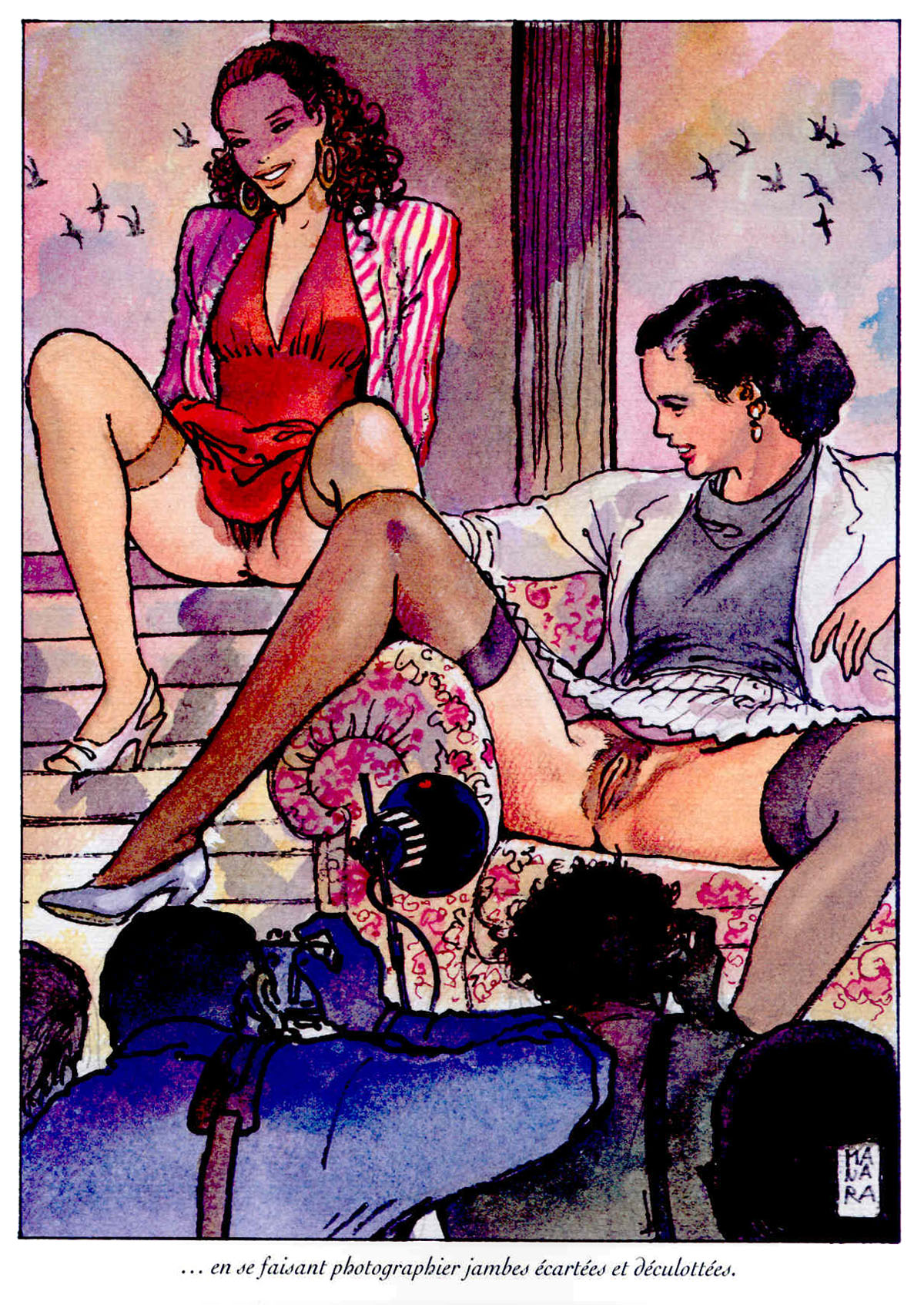
vintage sex cartoon VIP Downloads uncover hidden art history

The origins of vintage sex cartoons trace back to the early 20th century, emerging as a clandestine yet influential art form amid shifting societal norms and evolving censorship laws. These illustrations thrived in underground publications, private clubs, and niche markets, reflecting both the artistic experimentation of their creators and the repressed desires of their audiences. From the risqué cartoons of the 1920s to the bolder, more explicit works of the 1960s and 1970s, each era was shaped by legal restrictions, technological advancements, and cultural revolutions. The evolution of these cartoons mirrors broader historical trends, including the rise of the adult entertainment industry, the sexual revolution, and the gradual relaxation of moral constraints.

The development of vintage sex cartoons was not merely a response to demand but also a reflection of the artistic styles and techniques of their time. Early works often relied on hand-drawn ink-wash techniques, limited color palettes, and crude yet expressive linework, while later periods incorporated more refined detailing and experimental compositions. Their distribution methods—ranging from smuggled magazines to mail-order catalogs—further highlight their role as both underground art and a commodity in an emerging market. Understanding this history provides insight into how these cartoons transcended their scandalous reputations to become a significant, if often overlooked, chapter in the evolution of erotic art.

vintage sex cartoon VIP Downloads uncover hidden art history

Origins and Early Underground Publications (1920s–1940s)

The roots of vintage sex cartoons can be found in the early 20th century, where they emerged alongside other forms of underground erotica, such as pulp fiction and pin-up art. During the 1920s, the Roaring Twenties, societal attitudes toward sexuality began to relax slightly, though censorship remained stringent. Cartoons in this era often appeared in adult magazines like The Gay Book (1922) or Physique Pictorial, which catered to a niche audience while skirting the edges of obscenity laws. These early works were typically crude, with exaggerated features and minimalist styles, designed to avoid detection by authorities.

The Great Depression of the 1930s did little to curb the demand for erotic material, but it did force producers to become more discreet. Underground distributors, often operating out of private clubs or through word-of-mouth networks, relied on hand-drawn or photocopied materials to avoid legal repercussions. The 1940s saw a slight shift with the rise of military pin-up art, which, while not explicitly sexual, pushed boundaries with suggestive poses and attire. However, true erotic cartoons remained largely confined to bootleg publications and private collections, where they were traded among enthusiasts.

Table of Contents

The 1920s–1940s era of vintage sex cartoons was defined by secrecy, crude artistry, and a reliance on underground networks to evade censorship.

The artistic techniques of this period were rudimentary by modern standards. Most cartoons were drawn by hand using ink and wash, with limited use of color due to printing constraints. Themes often revolved around exaggerated caricatures of sexual acts, with an emphasis on humor and titillation rather than realism. Distribution was highly informal, relying on mail-order services, private clubs, or even direct exchanges between collectors. This lack of formal infrastructure meant that the quality and availability of these materials varied widely, but it also fostered a sense of exclusivity and intrigue.

Golden Age of Erotic Cartoons (1950s–1970s): Mainstream Inroads and Niche Markets

The 1950s marked a turning point for vintage sex cartoons, as societal attitudes toward sexuality began to shift more dramatically. The post-World War II era saw a growing demand for adult entertainment, fueled by economic prosperity and a cultural appetite for rebellion. Magazines like Playboy, launched in 1953 by Hugh Hefner, played a pivotal role in legitimizing erotic content, though its cartoons were initially tame by later standards. However, the magazine’s success paved the way for more explicit materials, including cartoons that pushed the boundaries of what was considered acceptable.

By the 1960s, the sexual revolution was in full swing, and censorship laws began to loosen in many Western countries. This era saw the rise of iconic erotic cartoon series such as Cheeky (1968), which combined bold artwork with cheeky humor, and Bizarre Adventures (1965), which featured more graphic and surreal illustrations. The 1970s further expanded the genre’s reach, with publications like Hustler incorporating cartoons alongside photographic content. These decades were characterized by a greater emphasis on artistic quality, with artists like Gilberte de Courrèges (known for her Cheeky series) and the anonymous creators of Eros Comics experimenting with dynamic compositions and detailed linework.

The 1950s–1970s represented the golden age of vintage sex cartoons, marked by artistic innovation, mainstream inroads, and a growing acceptance of erotic themes in popular culture.

The distribution methods of this era evolved significantly. While underground networks remained active, the rise of specialized adult bookstores and mail-order catalogs made erotic cartoons more accessible to a broader audience. Magazines like Playboy and Penthouse also included cartoon sections, further normalizing the genre. However, the most explicit materials still required discreet channels, such as private clubs or international mail-order services, to avoid confiscation by customs or law enforcement.

Artistically, the 1950s–1970s saw a transition from crude linework to more polished, detailed illustrations. Color became more prevalent, though it was often limited to bold, flat hues due to printing limitations. Themes expanded beyond simple titillation to include fantasy, humor, and even social commentary. For example, Cheeky cartoons often featured playful scenarios with exaggerated characters, while Bizarre Adventures delved into more surreal and graphic depictions. This diversity reflected the growing sophistication of both the artists and their audiences.

Iconic Vintage Sex Cartoon Series: A Comparative Analysis

Three series stand out as defining examples of vintage sex cartoons: Cheeky (1968–1980s), Bizarre Adventures (1965–1982), and the cartoons featured in Hustler (1974–present). Each series offers a unique perspective on the evolution of the genre, from its playful beginnings to its more explicit later iterations. Below is a comparative table highlighting their key characteristics:

Title Decade Artist/Studio Themes Distribution Method Notable Features
Cheeky 1960s–1980s Gilberte de Courrèges (primary artist), various contributors
  • Playful, humorous scenarios with exaggerated characters
  • Everyday situations with sexual undertones (e.g., office settings, dating)
  • Less graphic, more focused on wit and innuendo
  • Initially distributed through adult bookstores and mail-order catalogs
  • Later featured in mainstream European magazines (e.g., Playboy editions)
  • Some issues were confiscated due to censorship, leading to limited availability
  • Distinctive, bold linework with a comic-book aesthetic
  • Use of bright, limited color palettes (e.g., reds, blues, yellows)
  • Characters often depicted as cartoonish, non-realistic figures
Bizarre Adventures 1960s–1980s Various anonymous artists, including European and American contributors
  • Surreal, often graphic depictions of sexual acts
  • Fantasy themes (e.g., sci-fi, horror, bondage)
  • More explicit than Cheeky, with a focus on shock value
  • Distributed through underground networks and The intersection of vintage sex cartoons and modern legal frameworks presents a complex web of challenges, where historical artistic expression clashes with contemporary regulations on obscenity, copyright, and cultural sensitivity. Creators, collectors, and distributors of these materials often navigate ambiguous laws, ethical debates, and shifting societal norms that dictate what can be preserved, shared, or legally accessed. From the restrictive Comstock Laws of the 19th century to today’s digital piracy crackdowns, the evolution of censorship has left a lasting impact on how vintage erotic cartoons are perceived, distributed, and protected—or exploited. Understanding these legal and ethical dimensions is crucial for stakeholders, from historians to digital archivists, to avoid legal repercussions while respecting the artistic and cultural legacy of these works.

    Obscenity Laws and Historical Censorship: From Comstock to the Digital Age

    The regulation of erotic media has been a battleground between free expression and moral policing for centuries, with vintage sex cartoons often caught in the crossfire. In the United States, the Comstock Laws (1873)—enacted under the leadership of Anthony Comstock—banned the distribution of "obscene, lewd, or lascivious" materials, including illustrated erotic content, through the mail. These laws were enforced with vigor, leading to the destruction of thousands of works and the criminalization of creators and distributors. The Hays Code (1934), while primarily targeting film, reinforced similar moral standards, indirectly influencing how erotic illustrations were produced and disseminated in adjacent media. By the mid-20th century, the Miller v. California (1973) decision redefined obscenity in the U.S., introducing the "three-prong test" to determine whether material is legally obscene:
  • Whether the average person, applying contemporary community standards, would find the work appeals to prurient interest.
  • Whether the work depicts or describes, in a patently offensive way, sexual conduct specifically defined by applicable state law.
  • Whether the work, taken as a whole, lacks serious literary, artistic, political, or scientific value.
  • This legal framework created a gray area for vintage sex cartoons, as their "artistic value" could sometimes shield them from prosecution, particularly if they were framed as historical or educational. However, digital distribution in the 21st century has complicated these defenses, as online platforms face pressure to remove or restrict access to such content under modern anti-obscenity laws, including the Child Protection and Obscenity Enforcement Act (CPOEA) of 1988 and COPA (Communications Decency Act), which criminalize the dissemination of "patently offensive" material to minors. In Europe, regulations vary widely. The UK’s Obscene Publications Act (1959) allows for prosecutions based on whether material is deemed "likely to deprave or corrupt" those who encounter it, a standard that has led to seizures of vintage erotic prints. Meanwhile, countries like Germany and the Netherlands have more permissive attitudes toward erotic media, often classifying such works as protected art under freedom of expression laws. Japan’s ero gei (erotic manga) tradition operates under a distinct cultural and legal framework, where explicit content is widely distributed but regulated under age restrictions and labeling laws, such as the Protection of Children from Information Harmful to Their Development Act (2014). The copyright status of vintage sex cartoons is a critical factor in their legal distribution, with works often falling into one of three categories: public domain, orphan works, or still under copyright protection. The U.S. Copyright Act (1976) and the Berne Convention (1886) establish that works published before 1928 are generally in the public domain if copyright was not renewed. However, many erotic cartoons from the early 20th century—particularly those published by commercial studios—may have had copyrights renewed, extending protection until 1997 or beyond under the Sonny Bono Copyright Term Extension Act (1998). For example:
  • French postcards (cartes postales érotiques) from the Belle Époque (1890s–1910s) are often in the public domain, as France’s copyright laws at the time did not grant automatic renewal.
  • American "girlie" comics from the 1950s–60s, such as those published by Eros Comics or Playboy’s early illustrated stories, may still be under copyright if renewal was properly filed.
  • Japanese shunga (erotic woodblock prints) predating 1928 are typically public domain, but modern adaptations or digitized versions may face copyright issues if they involve new artistic interpretations.
  • Orphan works—those whose copyright holders are unknown or unreachable—pose another challenge. Digitizing and distributing these works without permission risks copyright infringement lawsuits, as seen in cases where archives or collectors faced legal action for hosting scanned versions of obscure erotic cartoons. The U.S. Orphan Works Act (proposed but not yet enacted) aims to address this gap, but in practice, many institutions err on the side of caution, restricting access to avoid liability. International copyright laws further complicate matters. Under the EU Copyright Directive (2019), digitized works may require extended collective licensing (ECL) or direct permission from rights holders, even if the original material is decades old. Meanwhile, fair use doctrines in the U.S. allow for limited reproduction of copyrighted works for purposes like criticism, scholarship, or parody—but courts have historically been hesitant to extend fair use protections to erotic content, particularly when distributed for profit.

    Ethical Concerns: Exploitation, Misrepresentation, and Cultural Appropriation

    Beyond legal risks, the digitization and distribution of vintage sex cartoons raise ethical questions about artist exploitation, historical misrepresentation, and cultural appropriation. Many early erotic illustrations were created under exploitative conditions, with artists—often women or marginalized groups—receiving minimal compensation or credit. The anonymous nature of much vintage erotic art obscures their contributions, and modern digitization efforts sometimes fail to acknowledge these creators, perpetuating a cycle of erasure. Additionally, the contextual stripping of these works poses ethical dilemmas. When vintage cartoons are shared out of historical context—such as removing text or altering imagery to fit modern aesthetic trends—their original intent or cultural significance may be lost. For instance, Art Nouveau erotic illustrations were often tied to feminist or libertine movements of the late 19th century, but their digitized versions may be repurposed for purely commercial or fetishistic use, distorting their historical meaning. Cultural appropriation is another pressing issue, particularly in the case of non-Western erotic traditions, such as Japanese shunga or Indian Khajuraho temple carvings, which have been digitized and repackaged for Western audiences without proper cultural or historical framing. The commodification of these works—selling them as "vintage porn" without addressing their sacred or artistic origins—can be seen as exploitative, especially when profit motives overshadow respect for the source culture. The rise of AI-generated "restorations" or deepfake recreations of vintage sex cartoons adds another layer of ethical concern. While some collectors argue that these tools preserve fading originals, others criticize them for creating non-consensual digital afterlives of historical figures or for distorting the original artist’s style beyond recognition. The lack of clear ethical guidelines for AI in erotic media preservation leaves this practice in a legal and moral gray area. The history of vintage sex cartoons is punctuated by high-profile legal battles that have shaped modern distribution practices. One of the most infamous cases involved Fanny Hill (1748), John Cleland’s erotic novel, which inspired numerous illustrated adaptations. In the 1960s and 70s, underground publishers faced obscenity trials for distributing comic book adaptations of Fanny Hill, with courts often ruling against them under local community standards. A notable example is the 1973 case in Ohio, where a distributor of Fanny Hill comics was convicted under state obscenity laws, setting a precedent for how erotic literature with visual elements would be treated. Another landmark controversy surrounded Little Annie Fanny, a 1960s underground comic created by Trina Robbins and Harvey Kurtzman. While the original work was a satirical take on the "Little Lulu" cartoon, its explicit content led to seizures by customs officials in the 1970s under Comstock-era laws. The comic’s legacy became a symbol of the counterculture’s pushback against censorship, but its distribution remained restricted for decades. In Europe, the 1990s trial in Germany involving the publication of French erotic postcards highlighted tensions between free speech and national morality laws. The court ruled that while the postcards were historically significant, their modern distribution could still be prosecuted under obscenity statutes if deemed

    Where to Find and How to Download Vintage Sex Cartoons (VIP-Level Guides)

    Vintage sex cartoons, often prized for their historical significance, artistic value, and cultural insights, require careful sourcing to ensure authenticity, legality, and preservation of quality. Locating high-resolution scans or original prints demands a nuanced approach, balancing access to legal archives, ethical digital repositories, and niche collector networks. This guide provides structured methodologies for identifying reputable sources, verifying authenticity, and optimizing digital preservation, tailored for collectors, historians, and enthusiasts seeking VIP-level access. The process of acquiring vintage sex cartoons involves navigating a fragmented digital and physical landscape. While public domain repositories offer free access, specialized archives and underground communities often host rare or high-quality materials, albeit with varying levels of legality and ethical considerations. Advanced search techniques and metadata validation further refine the discovery process, ensuring collectors obtain materials that meet historical and aesthetic standards. Prioritizing legal and ethical sourcing mitigates risks associated with copyright infringement, cultural appropriation, or exploitation. The hierarchy below outlines preferred methods, ranked by reliability, accessibility, and adherence to intellectual property laws. Vintage sex cartoons published before 1928 (or later, depending on jurisdiction) may fall under public domain status in the U.S. under the Copyright Term Extension Act, provided no renewals were filed. For works post-1928, permissions from rights holders or institutions are mandatory. Ethical sourcing also considers the provenance of materials—avoiding stolen or misattributed art—while supporting archives that preserve cultural heritage.

    Step-by-Step Guide to Locating High-Quality Vintage Sex Cartoons

    1. Define Search Criteria Narrow down parameters such as:
  • Era (e.g., Victorian, 1920s–1950s, pre-1980s).
  • Artist or Studio (e.g., Fritz the Cat creators, underground comix artists like Robert Crumb or Trina Robbins).
  • Genre (e.g., pin-up, erotic comics, political satire with sexual themes).
  • Medium (original prints, scanned pages, microfilm).
  • 2. Leverage Public Domain Repositories Start with free, legally accessible archives:
  • Internet Archive (archive.org): Hosts digitized books, magazines, and comics, including titles like Playboy (pre-1978) or Hustler (select issues). Use the "Advanced Search" filter for "public domain" or "cc0" (Creative Commons Zero) materials.
  • Project Gutenberg: Primarily text-based, but companion sites like Standard Ebooks (standardebooks.org) occasionally include illustrated works.
  • Library of Congress Chronicling America: Features digitized newspapers and magazines with vintage advertisements or comic strips (e.g., The New Yorker covers).
  • 3. Explore Paid Specialized Archives For higher-resolution scans or exclusive collections, consider:
  • Archive.org’s Partner Collections: Some libraries contribute digitized materials requiring donations (e.g., New York Public Library’s vintage erotica scans).
  • Etsy or eBay (Vetted Sellers): Look for sellers specializing in "vintage comics," "old pornography," or "erotic art prints" with verified listings. Cross-reference with Reddit’s r/Comics or r/erotica for seller recommendations.
  • Academic Databases: Institutions like JSTOR or Gale Primary Sources offer subscriptions to digitized periodicals, including Playboy or Penthouse archives.
  • 4. Engage with Collector Communities Underground networks often share rare finds but require caution:
  • Reddit: Subreddits like r/ComicBooks or r/OldSchoolPorn occasionally post scans or links to archives. Use filters for "vintage," "scan," or "high-res."
  • Discord/Telegram Groups: Invite-only servers (e.g., "Vintage Erotica Collectors") may offer direct downloads or trading. Verify group legitimacy via Google searches for leaked group names.
  • Facebook Groups: Pages like "Vintage Pin-Up and Erotica Collectors" or "Classic Comics and Pornography" host discussions and shared files. Ensure group rules permit external sharing.
  • 5. Advanced Search Techniques Refine searches using:
  • Google Advanced Search: Combine terms like:
  • `site:archive.org filetype:pdf "vintage erotic comics"`
  • `site:etsy.com "vintage sex cartoon" "original print"`
  • Wayback Machine: Access archived versions of defunct sites hosting scans (e.g., web.archive.org).
  • Flickr/DeviantArt: Use tags like `#vintageerotica`, `#oldpornart`, or `#comixhistory` to find user-uploaded scans.
  • Verifying Authenticity of Vintage Sex Cartoons

    Counterfeit or mislabeled materials are common in niche markets. Use these checks to validate purchases or downloads: Visual and Metadata Inspection
  • Publication Date: Cross-reference with Internet Archive’s newspaper archives or Wikipedia’s "List of Erotic Comics" for known titles.
  • Artist Signatures: Compare with verified signatures in museum collections (e.g., MoMA’s comic art archives) or biographies on Grand Comics Database (comics.org).
  • Print Quality: Original scans should exhibit halftone patterns, yellowing (for aged paper), or distinct ink colors (e.g., Playboy’s signature blue). Low-resolution JPEGs or overly "clean" edits may indicate reprints.
  • Provenance Documentation
  • Certificates of Authenticity (COA): Reputable sellers provide COAs for physical copies or digital scans.
  • Provenance Chains: Ask for ownership history (e.g., "Previously owned by [Library Name] before private sale").
  • Watermarks and Metadata: Check EXIF data (for digital files) or PDF metadata for embedded publisher information.
  • Community Verification
  • Post in Forums: Share images in r/ComicBooks or Comic Book Resources (CBR) forums for peer validation.
  • Consult Experts: Groups like the Erotic Periodical Collectors Association (EPCA) offer membership-based verification services.
  • Top VIP-Level Sources for Vintage Sex Cartoon Downloads

    The following table ranks sources by legality, quality, cost, and use case, with recommendations for collectors prioritizing authenticity or budget constraints.
    Method Legality Quality Cost Best For Risks
    Internet Archive (Public Domain) Legal (pre-1928 or CC0) Medium (72–300 DPI scans) Free Researchers, budget collectors Incomplete collections; occasional low-res scans
    Paid Archives (e.g., Archive.org Donations) Legal (with permissions) High (600+ DPI) $5–$50 per collection Serious collectors, historians Limited availability; requires donations
    Etsy/eBay (Vetted Sellers) Legal (if pre-1928 or licensed) Very High (original prints or pro scans) $20–$500+ Investors in physical/digital archives Fake listings; shipping risks for physical items
    Underground Forums (Reddit/Discord) Gray Area (copyright unclear) Variable (high-res if shared by collectors) Free (or tip-based) Networked collectors, rare finds Malware; legal exposure if redistributed
    Academic Databases (JSTOR/Gale)Restoration and Enhancement Techniques for Vintage Sex Cartoons: Preserving Artistic Legacy Through Digital Craftsmanship Vintage sex cartoons, often degraded by time, poor storage conditions, or low-quality scans, require specialized restoration techniques to recover their original visual integrity. Digital restoration merges traditional art preservation principles with modern software tools, allowing enthusiasts, archivists, and collectors to revive faded colors, repair physical damage, and enhance legibility without compromising historical authenticity. This process involves a multi-step workflow—from cleaning scans and correcting distortions to colorization and texture preservation—each requiring precision to balance artistic fidelity with technical accuracy.

    Digital Restoration Process: Tools and Workflow for Vintage Cartoon Scans

    The foundation of restoring vintage cartoons lies in high-resolution scanning and digital cleanup. Scanned images frequently suffer from dust, scratches, ink bleeds, and color fading, necessitating tools like Adobe Photoshop, GIMP (free alternative), or specialized plugins such as Topaz Gigapixel AI for upscaling low-resolution scans. Below is a structured workflow for initial restoration:
    1. Preparation and Scanning Use a flatbed scanner at 600–1200 DPI for optimal detail capture. For fragile originals, archival-safe handling (gloves, acid-free surfaces) prevents further damage. Scans should be saved in TIFF or PNG format to retain lossless quality.
    2. Noise Reduction and Dust Removal Apply Gaussian Blur (low radius) followed by Unsharp Mask in Photoshop to reduce scan noise. For dust spots, use the Healing Brush Tool or Clone Stamp with a soft brush. GIMP’s Despeckle filter offers a non-destructive alternative.
    3. Color Correction and White Balance Adjust Levels or Curves to restore contrast, then use Selective Color or Hue/Saturation to correct faded hues. For sepia-toned cartoons, apply a Color Lookup Table (LUT) to neutralize aging effects.
    4. Upscaling with AI-Assisted Tools Software like Topaz Gigapixel AI or Let’s Enhance reconstructs lost details in low-resolution scans using machine learning. Set the upscale ratio conservatively (e.g., 200%) to avoid artificial artifacts. Compare outputs at 100% zoom to verify quality.
    Example Workflow Application: A 1950s Playboy cartoon scan with ink bleed and yellowing was restored by first isolating the bleed with a layer mask, then using Spot Healing Brush to blend edges. The color correction involved increasing red channel saturation by 15% to counteract aging, while Topaz Gigapixel upscaled the image by 150% for sharper linework.

    Colorization Techniques: Hand-Painted vs. AI-Assisted Methods

    Colorization transforms monochrome or faded cartoons into vibrant representations while preserving the artist’s original style. Two primary approaches exist: traditional hand-painting and AI-assisted automation, each with distinct advantages and limitations.
    1. Hand-Painted Colorization Requires digital brushes mimicking watercolor or gouache (e.g., Photoshop’s Real Brush or Procreate’s Texture Brushes). Steps include:
      • Create a new layer above the grayscale base, set to Multiply for seamless blending.
      • Use reference images (e.g., original color plates from the era) to guide hue selection.
      • Apply subtle gradients to simulate lighting effects (e.g., cel-shading for 1930s cartoons).
      • Add textural overlays (paper grain, ink texture) via Overlay Blend Mode to maintain authenticity.
      Challenge: Time-intensive; risk of misalignment with original linework.
    2. AI-Assisted Colorization Tools like DeepArt.io, Neural Style Transfer (NST), or Adobe Photoshop’s Neural Filters automate color mapping using deep learning. Process:
      • Upload the grayscale image to an AI platform and select a style reference (e.g., 1960s Hustler cartoons for consistency).
      • Adjust transfer strength (30–50% for subtle effects) to avoid over-saturation.
      • Refine with Photoshop’s Selective Color to correct AI inaccuracies (e.g., over-bright skin tones).
      • Apply vintage film grain (via Texture Overlay) to mask digital artifacts.
      Advantage: Faster execution; ideal for batch processing.
    Comparative Example: A 1970s Penthouse cartoon was colorized using both methods. The hand-painted version took 8 hours, with meticulous attention to flesh tones and shadow gradients, while the AI version (DeepArt) required 15 minutes but needed manual adjustments to skin undertones and metallic highlights. The final hybrid approach combined AI’s base colors with hand-painted details for a balanced result.

    Damage Repair: Removing Tears, Stains, and Ink Bleeds

    Physical degradation—such as tears, stains, or ink smudges—demands non-destructive techniques to avoid altering the original composition. Photoshop’s layer-based workflow and frequency separation are critical for seamless repairs.
    1. Isolating Damage with Layer Masks Use the Pen Tool or Quick Selection Tool to outline damaged areas, then invert the mask (Ctrl+I) to hide the defect. Fill the mask with a cloned or healed section from an undamaged part of the image.
      • Tip: For ink bleeds, duplicate the layer and set it to Difference Blend Mode to isolate the bleed before healing.
    2. Frequency Separation for Smooth Repairs Split the image into texture and color layers using:
      • Duplicate the background layer.
      • Apply Gaussian Blur (6–8px) to the duplicate, then Subtract from the original (Layer > Math > Subtract).
      • Use the blurred layer for healing scratches (preserves texture), while the original layer retains color accuracy.
    3. Dodge & Burn for Shading Consistency After repairing tears, use Dodge Tool (Overlap Mode, 50% Exposure) to lighten shadows near edges and Burn Tool (Multiply Mode, 30% Exposure) to darken highlights, ensuring seamless integration.
    Before-and-After Case Study: A 1940s Erotic Art panel with ink bleed and a torn corner was restored by: 1. Cloning the bleed using a layer mask and the Patch Tool. 2. Applying frequency separation to repair the tear without smoothing textures. 3. Using Dodge & Burn to match the cel-shaded lighting of the original. Result: The restored panel retained its hand-drawn grain and vintage paper texture, with no visible repair traces.

    Ethical Implications: Altering Intent vs. Preserving History

    Restoration raises ethical dilemmas, particularly when balancing historical accuracy with modern aesthetic standards. Key considerations include:
    1. Authenticity vs. Accessibility Over-restoration (e.g., excessive smoothing, anachronistic color palettes) risks misrepresenting the original artist’s intent. For example, 1920s "Blue Book" cartoons often used limited color palettes—modern vibrant hues may distort the era’s artistic constraints.
    2. Cultural Sensitivity and Context Some vintage cartoons reflect outdated gender stereotypes or racial tropes. Restoration should document original content (via metadata or side-by-side comparisons) rather than erase context. Ethical collectors annotate changes (e.g., "Colorized to improve visibility; original was sepia-toned").
    3. Commercial vs. Non-Profit Restoration For-profit restorations (e.g., selling "

      Vintage sex cartoons are more than relics of a risqué past—they are windows into the artistic experimentation, societal tensions, and technological limits of their time. As digital tools democratize access to these once-obscure works, the responsibility to honor their historical context grows heavier. Whether you’re a collector restoring a 1960s Hustler panel or a researcher tracing the lineage of Bizarre Adventures, every download carries the weight of preserving—or altering—art that once defied the norms of its era. The VIP-level guides here equip you to navigate this complex landscape, ensuring that the legacy of these cartoons endures not just as entertainment, but as documented history.

Leave a Comment

Comments are moderated before appearing. The data you submit is processed according to the Privacy Policy of Inhonorofdesign.