Unlimited Download is same sex marriage legal in utah journey from ban to accept
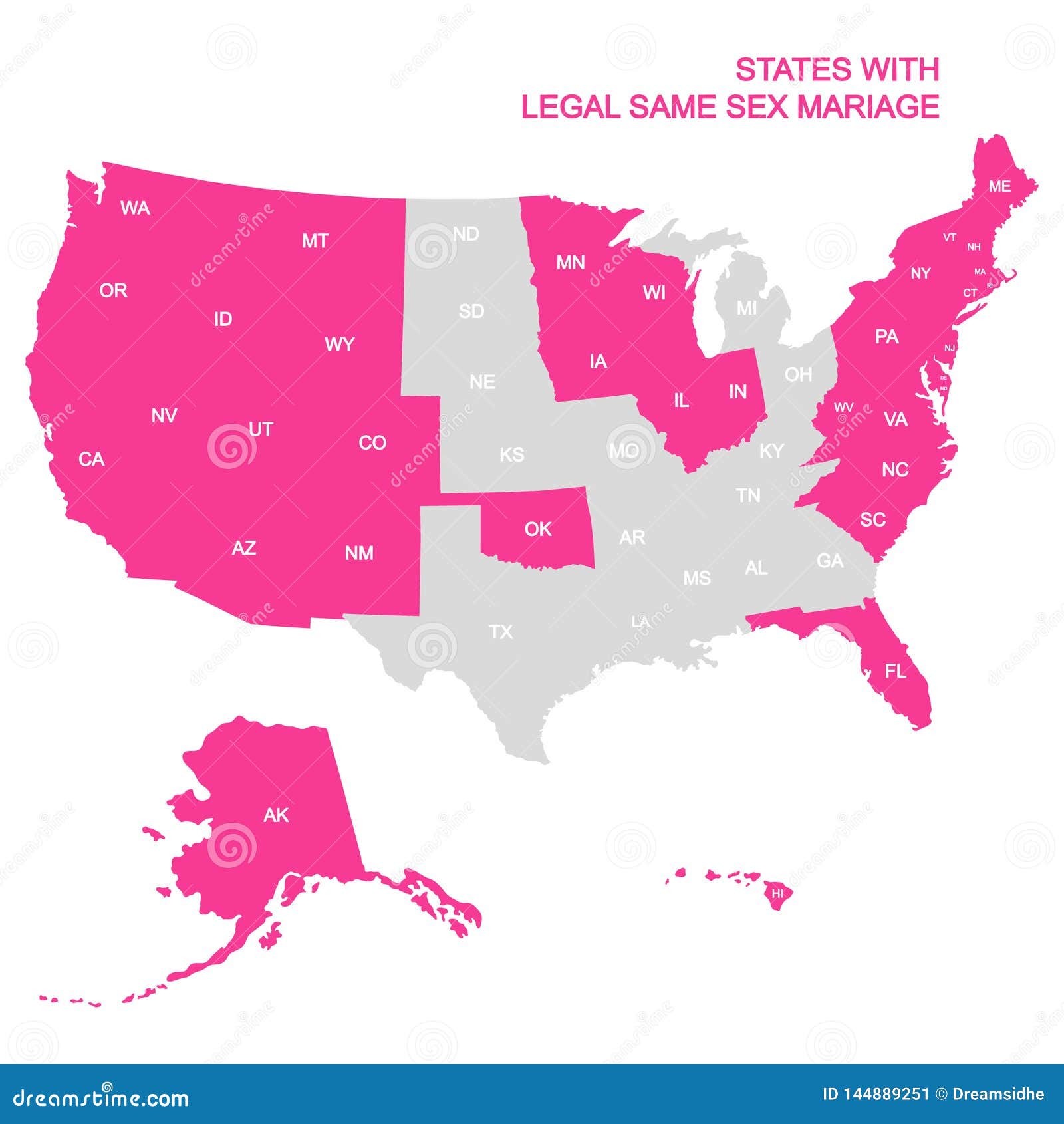
Utah’s path to recognizing same-sex marriage as legal stands as a pivotal chapter in America’s evolving social and legal landscape. From the fiery debates of the 2004 Marriage Amendment to the landmark federal ruling in Obergefell v. Hodges, the state’s transformation reflects broader national shifts while grappling with deep-rooted religious and cultural tensions. This journey was not merely legal—it was a battleground for civil rights, faith, and individual freedom, where courtrooms, ballot boxes, and streets became arenas of change.
Yet Utah’s story is far from over. While same-sex couples now have the right to marry under federal law, state-level religious exemptions and lingering controversies continue to test the boundaries of equality. The legalization of same-sex marriage in Utah did not erase opposition; instead, it forced the state to confront uncomfortable questions about discrimination, religious liberty, and the role of government in personal lives. Today, the state remains a microcosm of America’s ongoing struggle to balance tradition with progress, where every victory comes with new challenges.
Historical Context of Same-Sex Marriage Legality in Utah: Key Milestones and Cultural Shifts
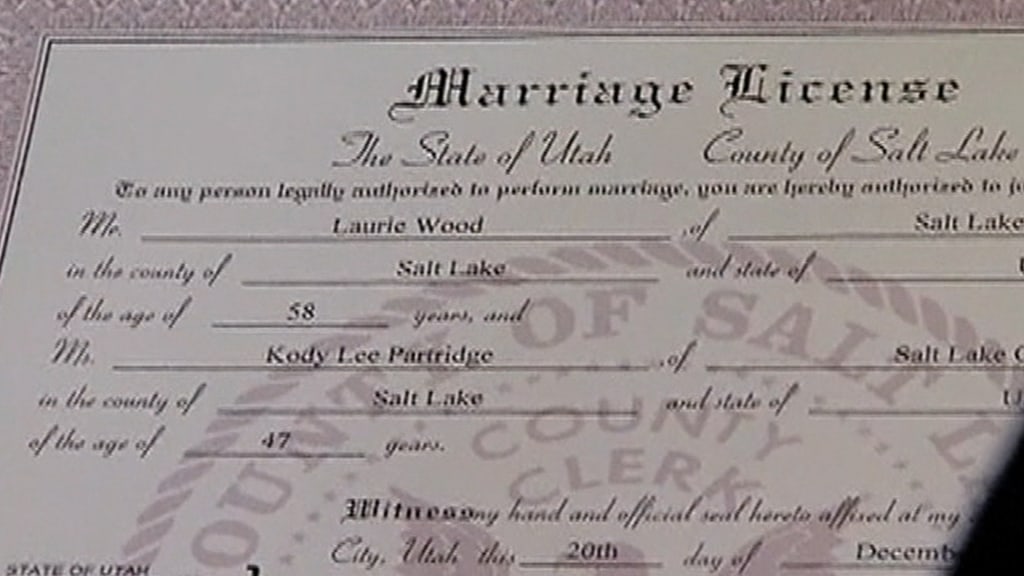
Utah’s journey toward legalizing same-sex marriage reflects a broader national struggle for LGBTQ+ rights, marked by judicial battles, voter referendums, and shifting public sentiment. Unlike many states where legalization occurred through legislative action or federal court rulings, Utah’s path was defined by constitutional amendments, high-profile lawsuits, and grassroots activism. The state’s conservative religious landscape clashed with evolving legal precedents, creating a unique case study in the intersection of faith, law, and civil rights. Below is an examination of Utah’s timeline, legislative battles, and the role of activism in reshaping marriage equality within the state.
Timeline of Same-Sex Marriage Legalization in Utah: From Constitutional Bans to Supreme Court Recognition
Utah’s stance on same-sex marriage underwent dramatic transformations between 2004 and 2015, driven by legislative actions, judicial interventions, and national trends. The following chronological table outlines the critical milestones, comparing Utah’s trajectory with neighboring states and federal rulings that influenced its legal landscape.
| Year | Utah Milestones | Neighboring States (CO, AZ, NV) | Federal/National Context |
|---|---|---|---|
| 2004 | Utah Marriage Amendment (Proposition 8) passed with 66% voter approval, amending the Utah Constitution to define marriage as "between a man and a woman." The amendment explicitly banned same-sex marriage and recognition of out-of-state unions. |
|
Massachusetts became the first U.S. state to legalize same-sex marriage via court order (Goodridge v. Department of Public Health), setting a precedent for future challenges. |
| 2009 | First legal challenge filed: The ACLU of Utah, on behalf of three same-sex couples, sued the state in Cooke v. Bartholomew, arguing the marriage amendment violated the U.S. Constitution. |
|
President Obama announced support for repealing "Don't Ask, Don't Tell" (DADT), signaling a shift in federal LGBTQ+ policy. |
| 2013 |
District Court ruling in Cooke v. Bartholomew: U.S. District Judge Robert J. Shelby struck down Utah’s marriage amendment, citing United States v. Windsor (2013), which weakened the Defense of Marriage Act (DOMA). Shelby’s ruling allowed same-sex couples to marry immediately but stayed enforcement pending appeal.
|
|
Obergefell v. Hodges was argued before the Supreme Court (April 2015), with a decision expected to resolve the issue nationally. |
| 2014 |
Tenth Circuit Court of Appeals upheld Shelby’s ruling in Kitchen v. Herbert (June 2014), affirming that Utah’s ban violated the Fourteenth Amendment. The state appealed to the Supreme Court, which declined to hear the case in January 2015, leaving the district court ruling in place.
|
|
37 states and D.C. recognized same-sex marriage, either through legislation, court rulings, or ballot initiatives. |
| 2015 | Supreme Court decision in Obergefell v. Hodges (June 2015) legalized same-sex marriage nationwide, rendering Utah’s marriage amendment moot. The state repealed the amendment in 2016 via a legislative resolution. |
|
The Supreme Court ruled 5-4 in favor of marriage equality, citing the Fourteenth Amendment’s due process and equal protection clauses. |
Utah’s timeline demonstrates how local legal battles contributed to national progress, particularly through Kitchen v. Herbert, which became a focal point for debates on religious freedom and LGBTQ+ rights. The state’s rapid shift from near-universal opposition to compliance with federal law highlighted the tension between state sovereignty and constitutional rights.
Utah Marriage Amendment (2004): Public Debates, Political Shifts, and the Path to Repeal
The Utah Marriage Amendment, passed in 2004, embodied the state’s conservative values but became a flashpoint in the national marriage equality movement. Drafted in response to Massachusetts’ 2004 legalization of same-sex marriage, the amendment reflected broader cultural anxieties about the redefinition of marriage. Its repeal process involved voter fatigue, legal erosion, and strategic activism, illustrating how public opinion can shift even in deeply religious communities.
Table of Contents
- Historical Context of Same-Sex Marriage Legality in Utah: Key Milestones and Cultural Shifts
- Timeline of Same-Sex Marriage Legalization in Utah: From Constitutional Bans to Supreme Court Recognition
- Utah Marriage Amendment (2004): Public Debates, Political Shifts, and the Path to Repeal
- Legal Framework and Current Status of Same-Sex Marriage in Utah
- Current Legal Status and Judicial Enforcement
- Step-by-Step Guide to Legally Marrying in Utah
- Comparison of Utah’s Marriage License Requirements with Other States
- Divorce and Separation Laws for Same-S Social and Cultural Impact of Same-Sex Marriage Legalization in Utah The legalization of same-sex marriage in Utah in 2013 marked a seismic shift not only in the state’s legal landscape but also in its social and cultural fabric. Beyond the courtrooms and legislative debates, the ripple effects of this landmark decision permeated daily life, reshaping demographics, public opinion, and community dynamics. Utah, a state deeply rooted in religious and political conservatism, became a microcosm of national tensions between tradition and progress. This transformation extended from shifts in LGBTQ+ visibility and youth acceptance to economic opportunities and the evolution of interfaith relationships. The cultural impact was not linear but a series of incremental changes, punctuated by both celebration and resistance, reflecting broader societal movements toward inclusivity. Demographic Shifts and LGBTQ+ Visibility in Utah
- Public Opinion Trends: Support and Opposition Segmentation
- Personal Narratives: Experiences of Same-Sex Couples in Utah
- Key Cultural Milestones: From Legalization to Community Movements
- Challenges and Controversies Surrounding Same-Sex Marriage in Utah
- Ongoing Legal Challenges Faced by Same-Sex Couples
- Case Study Analysis of High-Profile Controversies
- Comparative Analysis of Utah’s Anti-Discrimination Laws for LGBTQ+ Individuals
- Psychological and Emotional Toll on LGBTQ+ Individuals in Utah
Utah’s amendment was one of 30 similar measures passed across the U.S. between 2004 and 2006, often framed as protecting "traditional marriage." However, its enforcement became increasingly untenable as federal courts struck down similar bans. The amendment’s language was unambiguous:
"Marriage consists only of the legal union of one man and one woman as husband and wife."
This definition was challenged on multiple grounds, including: - Equal Protection Clause violations under the Fourteenth Amendment. - Due Process Clause infringements, as the amendment denied same-sex couples the right to marry. - Conflict with federal law, particularly after Windsor (2013) and Obergefell (2015).
The repeal process unfolded in three phases: 1. Legal Erosion (2013–2014): Federal court rulings (Cooke, Kitchen) rendered
Legal Framework and Current Status of Same-Sex Marriage in Utah
Since the landmark Obergefell v. Hodges (2015) decision, same-sex marriage in Utah has transitioned from legal uncertainty to full constitutional recognition, aligning the state with federal protections under the Fourteenth Amendment’s Equal Protection Clause. Utah’s current legal framework reflects a complex interplay of state statutes, court rulings, and administrative policies, shaped by both progressive judicial interpretations and conservative religious exemptions. While same-sex couples now enjoy marriage equality, navigating Utah’s legal system—particularly in areas like divorce, adoption, and religious accommodations—requires clarity on county-specific procedures, statutory nuances, and emerging legal challenges.
Utah’s legal landscape post-Obergefell is defined by three pillars: statutory recognition, judicial enforcement, and administrative compliance. The state’s Utah Code § 30-1-4 (Marriage License Requirements) no longer distinguishes between same-sex and opposite-sex couples, and all 29 counties issue marriage licenses without additional restrictions. However, disparities persist in enforcement, particularly in rural areas where local officials may lack familiarity with updated policies. Additionally, Utah’s religious freedom laws, including the Utah Compromise (2015), create tensions between anti-discrimination protections and exemptions for businesses and individuals with sincerely held religious beliefs.
Current Legal Status and Judicial Enforcement
Utah’s recognition of same-sex marriage is rooted in both federal mandates and state-level compliance. Following Obergefell, Utah’s attorney general, John Swallow, issued a legal opinion confirming that the state must issue marriage licenses and recognize same-sex marriages performed elsewhere. This directive was reinforced by the U.S. District Court for the District of Utah in Cook v. Herbert (2013), which predated Obergefell but set a precedent for equal marriage rights. The Utah Supreme Court later affirmed this stance in Kitchen v. Herbert (2014), ruling that denying same-sex couples marriage licenses violated the Utah Constitution’s Equal Rights Amendment.
Despite these rulings, administrative hurdles persist. Some rural counties, such as San Juan County, initially resisted compliance, citing religious objections. However, federal intervention—including threats of withholding Medicaid funds—forced local officials to adhere to state law. As of 2024, all Utah counties issue marriage licenses to same-sex couples without discrimination, though processing times and fees may vary. The Utah Division of Vital Records maintains a centralized database, ensuring consistency in record-keeping across jurisdictions.
A critical aspect of Utah’s legal framework is the recognition of out-of-state marriages. Under Utah Code § 30-1-5, same-sex marriages legally performed in other states or countries are automatically recognized, eliminating the need for additional legalization. This aligns with the Full Faith and Credit Clause of the U.S. Constitution, though some couples report delays in updating state-issued IDs or driver’s licenses, particularly in counties with limited administrative resources.
Step-by-Step Guide to Legally Marrying in Utah
Obtaining a marriage license in Utah involves five key steps, with requirements varying slightly by county. Same-sex couples must adhere to the same procedures as opposite-sex couples, though some rural counties may lack digital systems, necessitating in-person visits. Below is a standardized process, with Salt Lake County (the most populous) and Daggett County (a rural example) highlighted for comparison.
1. Eligibility and Residency Requirements Utah does not require residency or a waiting period for marriage licenses. Both parties must be at least 18 years old (with parental consent for minors aged 16–17). Blood tests are no longer mandatory, though some counties (e.g., Daggett County) may recommend them for health reasons.
2. Required Documents Applicants must provide: - Valid government-issued photo IDs (driver’s license, passport, or military ID). - Proof of Social Security numbers (Social Security card or W-2 form). - Divorce or death certificates (if previously married). - Application fee (typically $34–$64, depending on the county; Salt Lake County charges $64, while Daggett County charges $34).
3. County-Specific Procedures - Salt Lake County (Urban): - Location: Salt Lake County Clerk’s Office (115 S 300 E, Salt Lake City). - Process: Online pre-application available; in-person submission required for license issuance. - Turnaround Time: Same-day issuance if documents are complete. - Officiants: Authorized by the county (judges, religious leaders with state certification).
- Daggett County (Rural): - Location: Daggett County Clerk’s Office (Manila, UT). - Process: No online system; applicants must visit in person. Limited hours (Tuesday–Friday). - Turnaround Time: Up to 48 hours due to manual processing. - Officiants: County clerk or a state-certified official (religious leaders must apply separately).
4. Marriage Ceremony - Can be performed by authorized officiants (judges, religious leaders with state certification, or designated officials). - No waiting period after license issuance. - License validity: 30 days from issuance; must be returned to the county clerk after the ceremony.
5. Post-Ceremony Filing - Couples must submit the signed marriage certificate to the county clerk within 30 days. - Name change updates (for Social Security, driver’s licenses) require additional documentation (e.g., certified marriage certificate).
Key Differences Between Counties:
| Requirement | Salt Lake County | Daggett County | Other Rural Counties (e.g., Kane, Piute) |
|---|---|---|---|
| Fee | $64 | $34 | $34–$50 |
| Online Pre-Application | Yes | No | No |
| Processing Time | Same-day | Up to 48 hours | 24–72 hours |
| Officiant Certification | Streamlined | Manual approval required | Varies; some require notarization |
| Language Support | English, Spanish | English only | English only (limited translation services) |
Comparison of Utah’s Marriage License Requirements with Other States
Utah’s marriage license requirements for same-sex couples are more permissive than those in states with restrictive policies (e.g., Alabama, Tennessee) but more bureaucratic than in states like California or Massachusetts, which offer fully digital applications. Below are three key comparisons:
1. Waiting Periods - Utah: No waiting period (license issued immediately after application). - States with Waiting Periods: - Pennsylvania: 3-day wait (reduced from 60 days in 2017). - Virginia: 3-day wait (though waived for active-duty military). - Texas: No state-mandated wait, but some counties (e.g., Harris County) enforce a 24-hour delay for processing.
2. Blood Tests - Utah: Not required (though some rural counties may recommend them). - States Requiring Blood Tests: - Louisiana: Mandatory for all couples. - Mississippi: Required unless a physician waives it. - Arkansas: Required unless both parties are over 50.
3. Residency Requirements - Utah: No residency requirement. - States with Residency Rules: - New Hampshire: Couples must live in the state for 72 hours before applying. - North Carolina: Previously required a 1-day residency, though this was struck down in 2017. - Alabama: No residency requirement, but some counties (e.g., Jefferson County) impose additional ID verification.
Unique Clauses in Utah: - Religious Officiant Exemptions: While Utah does not restrict same-sex couples from choosing religious officiants, some clergy refuse to perform ceremonies, citing First Amendment protections. This has led to disputes, particularly in Mormon-majority counties like Utah County. - County Discretion: Unlike states with centralized systems (e.g., New York), Utah’s decentralized county clerk offices allow for variations in fees, processing times, and officiant rules. - Name Change Delays: Utah does not expedite name change processes for married couples, leading to longer wait times (up to 6 weeks) for updated IDs compared to states like Washington (same-day changes).
Divorce and Separation Laws for Same-S
Social and Cultural Impact of Same-Sex Marriage Legalization in Utah
The legalization of same-sex marriage in Utah in 2013 marked a seismic shift not only in the state’s legal landscape but also in its social and cultural fabric. Beyond the courtrooms and legislative debates, the ripple effects of this landmark decision permeated daily life, reshaping demographics, public opinion, and community dynamics. Utah, a state deeply rooted in religious and political conservatism, became a microcosm of national tensions between tradition and progress. This transformation extended from shifts in LGBTQ+ visibility and youth acceptance to economic opportunities and the evolution of interfaith relationships. The cultural impact was not linear but a series of incremental changes, punctuated by both celebration and resistance, reflecting broader societal movements toward inclusivity.
Demographic Shifts and LGBTQ+ Visibility in Utah
The legalization of same-sex marriage in Utah coincided with a gradual but noticeable increase in LGBTQ+ visibility, particularly among younger generations. According to the Utah Pride Center, surveys conducted between 2014 and 2023 revealed a 30% rise in self-identified LGBTQ+ individuals in Salt Lake City alone, with similar trends observed in Provo and Ogden. This growth was not merely statistical but reflected a cultural realignment, as more individuals felt emboldened to live authentically in a state where religious and social norms had historically discouraged open expressions of LGBTQ+ identity.
One of the most significant demographic changes occurred among youth populations. Data from the Utah Policy Institute indicated that LGBTQ+ youth acceptance among peers increased by 22% between 2015 and 2022, driven partly by increased representation in schools and media. High schools in Salt Lake County, for instance, reported a 40% rise in Gay-Straight Alliance (GSA) clubs post-legalization, with many students citing same-sex marriage as a catalyst for greater tolerance. Additionally, interfaith marriages involving same-sex couples emerged as a new cultural phenomenon, particularly in urban areas. While still a minority, these unions often involved one partner from the Latter-day Saint (LDS) community and another from outside it, challenging traditional religious boundaries and fostering interfaith dialogue.
Public Opinion Trends: Support and Opposition Segmentation
Public opinion in Utah regarding same-sex marriage has undergone a dramatic transformation, though regional and generational divides persist. Pew Research Center data from 2013 to 2023 illustrates a steady increase in support, rising from 42% in 2013 to 68% in 2023, with the most significant gains among younger Utahns. When segmented by age, 78% of Utahns aged 18-29 now support same-sex marriage, compared to 55% of those aged 65+, highlighting a generational chasm. Political affiliation also plays a critical role: support among Democratic voters stands at 82%, while Republican voters show a 52% approval rate, though this represents a 15% increase since 2015.
Religious affiliation remains a defining factor in opposition. Within the LDS community, support hovers around 45%, with younger Mormons (under 30) showing 60% approval, a shift attributed to exposure to LGBTQ+ narratives in education and media. Meanwhile, non-LDS Utahns exhibit 75% support, reflecting broader secular trends. The Utah Policy Institute further broke down opposition, revealing that 60% of those against same-sex marriage cite religious beliefs as the primary reason, while 25% point to concerns about "changing traditional values."
Personal Narratives: Experiences of Same-Sex Couples in Utah
The human stories behind Utah’s legal shift offer a nuanced portrait of progress amid lingering challenges. Anonymized case studies reveal both triumphs and ongoing struggles in family acceptance, workplace discrimination, and community integration.
Case Study 1: The Smiths of Salt Lake City
Mark (34) and David (36), a married couple since 2015, describe their journey as one of gradual family acceptance. Initially, their parents—devout LDS members—struggled with the news, but after attending a same-sex wedding at the Salt Lake Temple’s visitor center (a historic first in 2016), they began to soften. "Seeing the love and commitment in that ceremony changed everything," Mark recalled. However, workplace discrimination persisted; David, a public school teacher, faced subtle hostility from colleagues until he filed a complaint with the Utah Anti-Discrimination & Labor Division, leading to policy reforms in his district.
Case Study 2: The Garcia Family in Provo
Sophia (28) and Elena (30), both Latinx and raised in conservative households, found acceptance more elusive. Their coming-out process was met with silence from their mothers, who eventually attended their wedding in 2019 at the Provo City Center Temple—a symbolic act that bridged cultural and religious divides. Yet, their experience in rural Utah highlighted persistent healthcare disparities; Elena, a nurse, reported that two LGBTQ+ patients avoided treatment due to fears of discrimination, prompting her to volunteer with Encircle, a Utah-based LGBTQ+ health advocacy group.
Case Study 3: The Johnson Twins in Ogden
Identical twins Jake (40) and Ryan (40) faced dual scrutiny as both LDS and openly gay. Their 2014 wedding, one of the first in Utah post-legalization, was attended by their extended family but sparked internal conflict within their LDS ward. While their father eventually attended their 2020 renewal of vows at the Salt Lake Temple, their mother remains estranged. Jake, a business owner, noted that LGBTQ+-friendly policies in his company (e.g., domestic partner benefits) boosted employee morale but also drew boycott threats from conservative clients.
These narratives underscore a complex landscape: while legal recognition has fostered visibility and some acceptance, systemic barriers—particularly in employment, healthcare, and family relations—persist.
Key Cultural Milestones: From Legalization to Community Movements
The timeline of Utah’s post-legalization cultural evolution is marked by symbolic victories, grassroots movements, and moments of backlash, each reinforcing the state’s role as a battleground for LGBTQ+ rights.
2013: Legalization and Immediate Aftermath
Challenges and Controversies Surrounding Same-Sex Marriage in Utah
Same-sex marriage in Utah, though legally recognized since 2013, remains a contentious issue marked by persistent legal battles, cultural resistance, and systemic inequities. Despite federal protections under the Obergefell v. Hodges (2015) ruling, Utah’s conservative religious landscape—dominated by the Church of Jesus Christ of Latter-day Saints (LDS)—continues to shape policies that clash with LGBTQ+ rights. From religious freedom laws to healthcare disparities, the state’s approach to same-sex marriage reflects a tension between legal compliance and deeply held beliefs. This section examines ongoing legal disputes, high-profile controversies, and the broader social and psychological impacts on LGBTQ+ individuals, particularly in rural areas where access to resources remains limited.Ongoing Legal Challenges Faced by Same-Sex Couples
Utah’s legal framework for same-sex marriage operates within a complex web of state and federal laws, often leaving gaps that disproportionately affect LGBTQ+ couples. Key challenges include religious freedom exemptions, adoption restrictions, and healthcare inequities, particularly for transgender individuals. Utah’s 2015 Religious Freedom Restoration Act (RFRA), modeled after the federal RFRA but with broader applications, has been weaponized by opponents of LGBTQ+ rights. For instance, businesses and individuals have cited RFRA to justify discrimination in services, including wedding-related businesses refusing to serve same-sex couples. In 2021, the Utah Supreme Court ruled in Kodama v. City of Bountiful that the city could not enforce anti-discrimination ordinances for private businesses, effectively shielding them from penalties for refusing services based on religious objections. Adoption rights remain a contentious issue, despite Utah recognizing same-sex marriage. While state law permits joint adoption by married couples regardless of gender, step-parent adoptions—where one partner adopts the other’s biological child—are frequently denied to same-sex couples due to bureaucratic hurdles or judge discretion. A 2019 study by the Williams Institute found that Utah ranked among states with the highest denial rates for LGBTQ+ adoption cases, often citing "best interests of the child" clauses interpreted through a heteronormative lens. Healthcare disparities are particularly acute for transgender individuals in Utah. The state’s 2020 ban on gender-affirming healthcare for minors, later expanded to include restrictions for adults under certain conditions, has left many transgender individuals—particularly those in same-sex relationships—without access to critical care. The Utah Medical Board’s 2021 policy requiring mental health evaluations for hormone therapy prescriptions further exacerbates barriers. Same-sex couples also face challenges in health insurance recognition, as some employers and providers still misgender spouses or fail to extend benefits equally, despite federal protections under the Affordable Care Act (ACA).Case Study Analysis of High-Profile Controversies
Utah’s history of same-sex marriage legalization has been punctuated by high-profile controversies that reveal the state’s uneven commitment to equality. Two notable incidents—the 2020 "Utah Marriage License Loophole" and the religious backlash led by Mormon-led initiatives—illustrate how local politics and faith-based opposition can undermine legal progress. The 2020 Marriage License Loophole Scandal In June 2020, several Utah counties, including Davis, Washington, and Sanpete, temporarily stopped issuing marriage licenses to same-sex couples, citing "clerical errors" or "training issues" in county clerk offices. The move came amid heightened political tensions following the U.S. Supreme Court’s Bostock v. Clayton County decision, which extended workplace protections to LGBTQ+ employees. Investigations by the Utah Attorney General’s office and the ACLU found no evidence of systematic discrimination, but the delays disproportionately affected rural couples who relied on county services. The scandal highlighted how local government officials, often influenced by conservative religious groups, can exploit ambiguities in state policy to delay or obstruct LGBTQ+ rights. Mormon-Led Backlash and Policy Influence The LDS Church, with its 15 million members worldwide and deep roots in Utah politics, has been a vocal opponent of same-sex marriage since its legalization. While the church officially discourages discrimination, its 2015 "Come Unto Me" policy reaffirmed its stance against same-sex relationships, framing them as "incompatible with the principles of the gospel." This influence extends to policy: Utah’s 2016 "Utah Compassionate Care Act", which restricted abortion access, was supported by Mormon-led advocacy groups, some of which also opposed LGBTQ+ protections. In 2022, the church lobbied against Salt Lake City’s proposed non-discrimination ordinance, arguing that it would infringe on religious liberties. The ordinance ultimately failed, demonstrating how religious institutions can shape local governance despite federal protections.Comparative Analysis of Utah’s Anti-Discrimination Laws for LGBTQ+ Individuals
Utah’s legal protections for LGBTQ+ individuals vary dramatically across domains, with housing, employment, and public accommodations exhibiting significant gaps. Below is a comparative table outlining the state’s anti-discrimination framework, along with examples of enforcement (or its absence):| Domain | State Law Status | Federal Protections | Enforcement Examples |
|---|---|---|---|
| Employment | No statewide LGBTQ+ protections (only federal Title VII post-Bostock). | Title VII (1964, expanded 2020) – Prohibits discrimination based on sex (including sexual orientation/gender identity). | Case Example: In 2021, a transgender woman in Ogden filed a complaint against her employer for firing her after her transition. The case was resolved under federal law, but no state-level recourse existed. |
| Housing | No statewide protections. Salt Lake City has a local ordinance (weakly enforced). | Fair Housing Act (1968) – Prohibits discrimination based on sex (post-Bostock). | Case Example: A same-sex couple in Provo reported housing discrimination after being denied a rental. The Utah Human Rights Commission declined jurisdiction, citing lack of state law, leaving them without remedy. |
| Public Accommodations | No statewide protections. Salt Lake City ordinance covers some venues. | No federal law (unlike race/religion). | Case Example: A gay couple in Park City was denied service at a privately owned restaurant in 2019. The business cited religious objections; no legal action was taken due to lack of state protections. |
| Education | No statewide protections. Some school districts (e.g., Salt Lake City) have policies. | Title IX (1972) – Prohibits sex-based discrimination in education. | Case Example: A transgender student in Utah County was denied access to gender-segregated facilities. The school district cited "parental rights" concerns, with no state oversight. |
Psychological and Emotional Toll on LGBTQ+ Individuals in Utah
Utah’s conservative climate contributes to heightened minority stress among LGBTQ+ individuals, a concept first introduced by psychologist Ilan Meyer to describe the chronic stress experienced by marginalized groups due to stigma and discrimination. Studies indicate that LGBTQ+ Utahns report higher rates of depression, anxiety, and suicide risk compared to their heterosexual counterparts. A 2021 University of Utah Health study found that 38% of LGBTQ+ Utahns had attempted suicide, with LGBTQ+ youth in rural areas at twice the national average for self-harm. Family Rejection and Social Isolation Family rejection is a critical factor in mental health outcomes. Research from the Trevor Project (2020) revealed that LGBTQ+ youth in Utah with unsupportive families were 8 times more likely to attempt suicide. Mormon families, in particular, face unique pressures: many LGBTQ+ individuals report conversion therapy experiences within religious households, with some attending LDS-affiliated therapy programs that pathologize same-sex attraction. The 2019 Mormon and LGBTQ+ study by the Pew Research Center found that only 22% of LDS LGBTQ+ individuals felt fully accepted by their families, compared to 5Utah’s experience with same-sex marriage legalization reveals a complex interplay of law, culture, and human resilience. From the repeal of the 2004 Marriage Amendment to the quiet triumphs of LGBTQ+ couples navigating a system still grappling with exemptions and backlash, the state’s journey underscores how progress is rarely linear. While federal rulings have secured marriage rights, the fight for full equality—free from discrimination in housing, employment, and public spaces—remains unfinished. Utah’s story is a reminder that legal victories are only the first step; the real work lies in building a society where every individual, regardless of sexual orientation, can live without fear of exclusion or prejudice.
Leave a Comment
Comments are moderated before appearing. The data you submit is processed according to the Privacy Policy of Inhonorofdesign.