small nude bag Original File Free Access Unveiled Trends Sourcing DIY

The rise of the small nude bag reflects more than just a fashion trend—it embodies a shift toward versatility, sustainability, and understated elegance in modern accessories. From boardrooms to streetwear, the neutral hue has become a staple, blending seamlessly with any outfit while subtly asserting individuality. Behind its universal appeal lies a blend of psychological comfort and practicality, as consumers increasingly prioritize adaptability over bold statements in their daily essentials.
Yet beyond its aesthetic dominance, the small nude bag presents a paradox: how can enthusiasts acquire original designs—whether through ethical sourcing, creative upcycling, or digital innovation—without compromising quality or ethics? This exploration delves into the cultural underpinnings of its popularity, from luxury leathercraft to grassroots DIY movements, while mapping out untapped avenues for securing these coveted pieces for free. Whether you’re a minimalist professional, a sustainable fashion advocate, or a hands-on crafter, the journey to owning—or creating—a small nude bag is as diverse as the materials and methods that bring it to life.
Understanding the Appeal and Market Demand for Small Nude Bags

The rise of small nude bags as a staple in modern wardrobes reflects a convergence of cultural shifts, functional necessity, and psychological consumer behavior. Nude-colored accessories, particularly in minimalist designs, have transcended seasonal trends to become a cornerstone of contemporary fashion. Their popularity stems from an interplay of versatility, professional adaptability, and the growing demand for sustainable yet stylish solutions. This subtopic explores the cultural and functional drivers behind the dominance of small nude bags, dissects material preferences and their impact on consumer choices, and analyzes how color neutrality influences purchasing decisions across diverse environments.
Cultural and Functional Drivers Behind Nude Bag Popularity
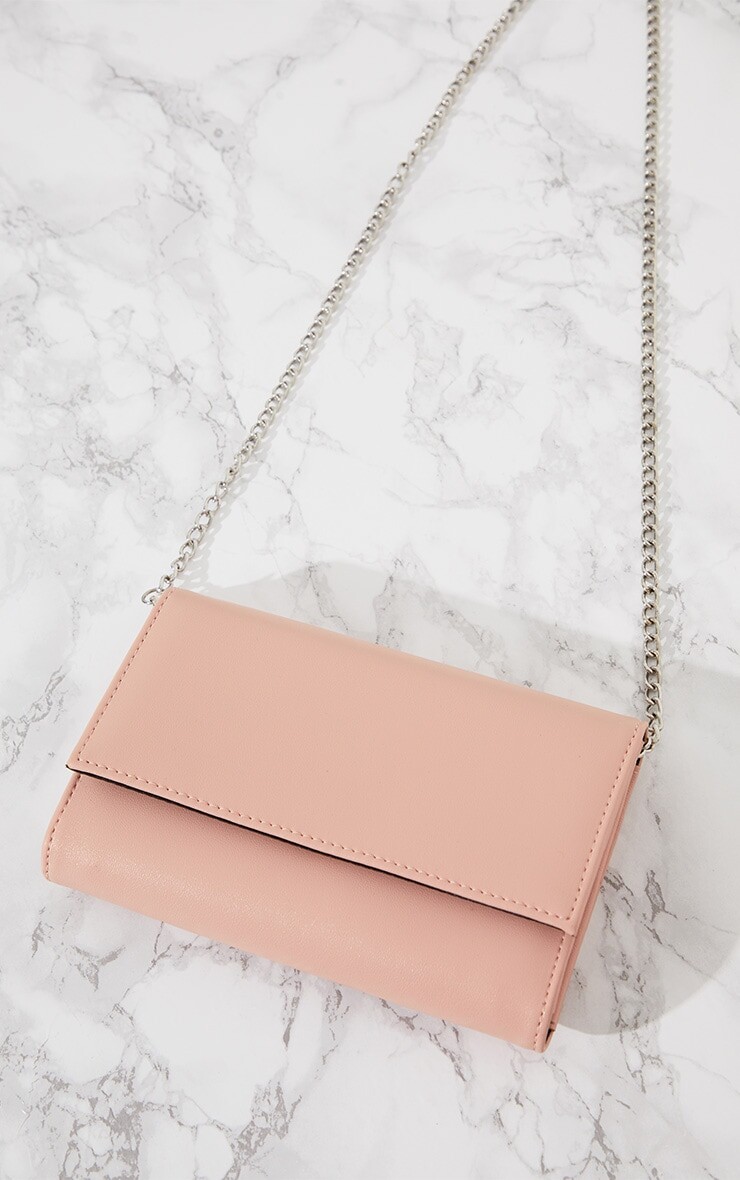
The dominance of small nude bags in fashion is rooted in the broader cultural embrace of minimalism, neutral palettes, and workwear aesthetics. Minimalism, a design philosophy that prioritizes simplicity and functionality, has reshaped consumer preferences, favoring items that offer subtle elegance without visual clutter. Nude bags align with this ethos by serving as invisible yet essential accessories, allowing wearers to project a polished look without drawing attention to the bag itself. Functionally, their compact size makes them ideal for urban mobility, fitting seamlessly into briefcases, laptop bags, or even pockets, while their neutral hue ensures effortless coordination with any outfit.
In professional settings, nude bags have become a silent power tool for executives, lawyers, and creatives. Their ability to disappear into any ensemble—from tailored suits to business casual attire—makes them a favored choice for individuals who prioritize substance over statement. Academic environments further amplify their demand, as students and professors alike seek durable yet understated accessories that can transition from lectures to coffee shops without compromising professionalism. The psychological appeal of neutrality lies in its universal compatibility, reducing decision fatigue while reinforcing a sense of timeless sophistication.
Color Neutrality and Consumer Behavior in Corporate, Academic, and Casual Environments
The psychological impact of color neutrality in accessories is well-documented in consumer behavior studies. Nude tones—ranging from beige and taupe to soft gray and blush pink—trigger associations with cleanliness, professionalism, and adaptability, making them particularly appealing in high-stakes environments. Research from the Journal of Consumer Psychology suggests that neutral colors evoke trust and competence, qualities highly valued in corporate and academic contexts. Unlike bold hues that may convey individuality or risk-taking, nude bags project reliability and approachability, aligning with the subtle authority desired in leadership roles.
Table of Contents
- Understanding the Appeal and Market Demand for Small Nude Bags
- Cultural and Functional Drivers Behind Nude Bag Popularity
- Color Neutrality and Consumer Behavior in Corporate, Academic, and Casual Environments
- Material Preferences in Small Nude Bags: Durability, Aesthetics, and Ethical Sourcing
- Iconic Small Nude Bags: Design Features and Price Ranges Across Luxury and Fast-Fashion
- Where to Source Original Small Nude Bags for Free
- Legitimate Platforms for Free or Low-Cost Original Small Nude Bags
- Navigating Free Classifieds Safely: Avoiding Scams and Counterfeits
- Authenticating Genuine Leather and High-Quality Materials in Secondhand Bags
- Tracking Discounted or Free Original Bags via Resale Platforms
- Leveraging Local Community Groups for Free Original Bags
- Participating in Brand Events and Giveaways for Free Bags
- DIY and Upcycling: Transforming Materials into a Small Nude Bag
- Materials and Tools for Crafting a Small Nude Bag
- Achieving the Perfect Nude Tone Through Distressing and Dyeing
- Step-by-Step Guide to Sewing a Small Nude Bag
- Integrating Hardware for Functionality and Style
- Digital Files and Templates: Accessing Free Original Designs for Small Nude Bags
- Trusted Platforms for Free Original Design Files
- Downloading and Interpreting Digital Templates
- Converting Digital Designs into Physical Patterns
- Customizing Free Templates for Personal Style
- Creating a Digital Mood Board for Small Nude Bag Designs
- Legal Considerations When Using Free Design Files
In casual settings, the demand for nude bags is driven by the capsule wardrobe trend, where consumers curate versatile, mix-and-match collections. A small nude bag can elevate a simple denim outfit or complement a monochrome ensemble, offering effortless styling without the need for color coordination. The monochrome fashion movement, popularized by designers like Jil Sander and Ann Demeulemeester, has further cemented the appeal of nude accessories, as they serve as the neutral canvas for layered textures and silhouettes.
Material Preferences in Small Nude Bags: Durability, Aesthetics, and Ethical Sourcing
The choice of material in small nude bags significantly influences durability, visual appeal, and ethical considerations, shaping consumer preferences across price points. Full-grain leather, the gold standard in luxury bags, offers unparalleled durability and a rich, matte finish that ages gracefully. However, its high cost and environmental impact (linked to animal welfare and tanning processes) have led to a surge in demand for alternative materials. Vegan leather, made from polyurethane (PU), microfiber, or plant-based sources (e.g., pineapple leather or mushroom leather), provides a sustainable yet stylish alternative, though it often lacks the long-term patina of genuine leather.
Synthetic materials, such as nylon or polyester, are favored for their affordability and water resistance, making them popular in fast-fashion and travel-oriented small bags. However, they may lack the premium feel of leather and can degrade under prolonged exposure to sunlight or moisture. Faux leather, particularly high-quality PU or bioweave leather, bridges the gap between ethics and aesthetics, offering a leather-like texture without the ethical concerns. The table below compares key material attributes to aid consumer decision-making:
| Material | Durability | Aesthetic Appeal | Ethical Sourcing | Maintenance | Cost Range | Best For |
|---|---|---|---|---|---|---|
| Full-Grain Leather | Excellent (ages beautifully) | Luxurious, develops patina | Ethical concerns (animal-derived) | Requires conditioning | $150–$1,500+ | Luxury, long-term investment |
| Vegan Leather (PU/Microfiber) | Good (varies by quality) | Modern, uniform finish | Ethical, sustainable | Low-maintenance | $50–$300 | Budget-conscious, eco-friendly buyers |
| Faux Leather (Bioweave) | Very Good (resistant to scratches) | Premium, leather-like texture | Ethical, innovative | Easy to clean | $100–$500 | Luxury vegan alternatives |
| Nylon/Polyester | Moderate (prone to wear) | Functional, lightweight | Generally ethical | Machine-washable | $20–$150 | Travel, fast-fashion |
The sustainability movement has further accelerated the shift toward ethically sourced materials, with brands like Stella McCartney and Matt & Nat leading the charge in cruelty-free and eco-conscious nude bag designs. Consumers now weigh environmental impact alongside durability and style, making material transparency a key purchasing factor.
Iconic Small Nude Bags: Design Features and Price Ranges Across Luxury and Fast-Fashion
The market for small nude bags is dominated by luxury brands that prioritize craftsmanship and exclusivity, as well as fast-fashion retailers that offer affordable alternatives without compromising versatility. Iconic examples include:
- Chanel Classic Flap Bag (Mini) - Design: Structured flap closure, quilted detailing, chain strap - Material: Lambskin leather or vegan alternatives - Price: $1,200–$2,500 - Notable Feature: The interlocking C logo and quilted texture make it a status symbol, while its compact size (12.5 x 9.5 inches) ensures portability.
- Coach Saddle Bag (Mini) - Design: Top-handle with detachable shoulder strap, monogram canvas - Material: Genuine leather or faux leather - Price: $300–$800 - Notable Feature: The convertible strap and structured silhouette appeal to professionals, while the neutral hue allows for year-round wear.
- Longchamp Le Pliage (Mini) - Design: Self-waterproof, flat-fold design, adjustable shoulder strap - Material: Polyamide (nylon) - Price: $250–$400 - Notable Feature: The collapsible structure and durable nylon make it ideal for travel and urban commutes.
- Zara Small Nude Crossbody - Design: Minimalist crossbody with magnetic closure - Material: Vegan leather or polyester - Price: $30–$80 - Notable Feature: Budget-friendly
Where to Source Original Small Nude Bags for Free
Finding original small nude bags for free requires a strategic approach to navigate platforms where secondhand or discarded luxury items are often overlooked. Unlike mass-produced fashion, high-end accessories like small nude bags hold timeless value, making them desirable targets for thrifters and collectors. However, sourcing them ethically and safely demands knowledge of reliable platforms, authentication techniques, and community engagement. This section explores legitimate avenues to acquire these bags without financial expenditure, while minimizing risks of scams, counterfeit items, or subpar conditions.
Legitimate Platforms for Free or Low-Cost Original Small Nude Bags
Free or discounted original small nude bags can be discovered across a spectrum of platforms, each with distinct advantages. Thrift stores and charity shops (e.g., Salvation Army, Goodwill, local secondhand boutiques) often receive donations of luxury items that go unnoticed due to limited staff expertise or high turnover. These locations frequently undervalue or overlook designer bags, especially in neutral tones like nude, which may not draw immediate attention. Online marketplaces such as eBay, Poshmark, and Mercari occasionally feature free listings or items sold for minimal amounts (e.g., $1–$5) during clearance events or by sellers clearing inventory. Meanwhile, local community groups like Nextdoor or Buy Nothing Project connect individuals with surplus items, fostering direct transactions without middlemen.
For those willing to invest minimal effort, brand pop-ups or promotional events occasionally distribute free or deeply discounted bags as part of marketing campaigns. Retailers like Neiman Marcus, Nordstrom Rack, or even smaller boutiques may offer "free with purchase" promotions or host giveaways tied to social media engagement. Additionally, warehouse sales or liquidation auctions (e.g., B-Stock, Liquidation.com) sometimes include bulk lots of returned or overstocked items, where original small nude bags may appear at fractions of their retail price.
Navigating Free Classifieds Safely: Avoiding Scams and Counterfeits
Free classified platforms such as Craigslist, Facebook Marketplace, and Freecycle present opportunities but also harbor risks, including scams, counterfeit items, and misleading listings. To mitigate these threats, verification of seller legitimacy is critical. Begin by cross-referencing the seller’s profile for consistency in listings, positive feedback, and active engagement. Avoid transactions involving requests for external payment methods (e.g., gift cards, wire transfers) or sellers who refuse in-person meetups. Reverse image searches (using tools like Google Lens or TinEye) can expose counterfeit bags by comparing product photos to authentic references from official brand websites or reputable resale platforms.
When evaluating listings, scrutinize descriptions for red flags: - Unrealistic claims (e.g., "Brand-new with tags, never used") without verifiable proof. - Vague details about the bag’s origin, age, or condition. - Pressure to act quickly or limited-time offers that discourage thorough inspection.
For high-value items like small nude bags, meet in public places during daylight hours and bring a knowledgeable friend or authentication guide. Document the condition of the bag with photos or videos before completing the transaction, and avoid sharing personal information prematurely.
Authenticating Genuine Leather and High-Quality Materials in Secondhand Bags
Distinguishing authentic small nude bags from replicas requires a combination of visual, tactile, and structural assessments. Genuine leather bags, particularly those from luxury brands, exhibit subtle imperfections such as slight variations in grain texture, minor scuffs, or natural color shifts—features that mass-produced fakes often lack. Hardware authenticity is another key indicator: authentic brands use specific materials (e.g., brass, stainless steel, or coated metals) with precise finishes. For example, Louis Vuitton’s monogram canvas bags feature stamped logos with consistent font and alignment, while Coach’s hardware includes engraved brand names on clasps.
Tactile checks involve examining the leather’s weight, flexibility, and scent. Authentic full-grain leather feels substantial yet pliable, with a slight resistance when folded. The scent should be neutral or faintly leathery, not overly chemical or plastic-like. Stitching quality is another tell: genuine bags use even, tight stitches with consistent thread color (e.g., tan or matching the bag’s interior). Counterfeits often exhibit loose threads, uneven seams, or mismatched stitching.
For bags with linings or interiors, inspect for brand-specific details such as serial numbers, hallmarks, or manufacturer stamps. Some brands (e.g., Gucci, Hermès) include unique interior tags or embroidery that replicas may omit or replicate poorly. When in doubt, consult brand-specific authentication guides or use UV pens (for certain brands) to check for hidden markings.
Tracking Discounted or Free Original Bags via Resale Platforms
Resale platforms like eBay, Poshmark, and The RealReal offer tools to monitor listings for original small nude bags at reduced prices. Creating a wishlist or alert system simplifies this process by notifying users of new postings matching specified criteria. On eBay, the "Saved Searches" feature allows users to set filters for keywords (e.g., "small nude bag," "minimalist leather tote") and price ranges (e.g., $0–$20). Poshmark’s "Follow" function enables users to track sellers specializing in luxury items, increasing the likelihood of discovering free or discounted listings.
To maximize efficiency: - Use specific search terms combining brand names (e.g., "Coach," "Kate Spade") with descriptors like "neutral," "tan," or "cream." - Sort listings by "Price: Low to High" to prioritize free or low-cost items. - Engage with sellers by asking questions about the bag’s history, condition, or authenticity to build trust and negotiate further discounts. - Leverage platform promotions, such as eBay’s "Free Shipping" deals or Poshmark’s "Posh Parties," where sellers may offer additional discounts to attract buyers.
For platforms like The RealReal or Vestiaire Collective, subscription models provide access to authenticated luxury items at reduced prices. While not always free, these services often include discounted originals that align with the budget-conscious approach of sourcing secondhand bags.
Leveraging Local Community Groups for Free Original Bags
Local community groups, such as Nextdoor, Buy Nothing Project, or Facebook neighborhood buy/sell/trade pages, serve as low-risk hubs for acquiring original small nude bags without financial exchange. These platforms thrive on gift economies, where members share surplus items with neighbors, reducing waste and fostering connections. To optimize searches: - Join hyper-local groups (e.g., city or ZIP code-specific) to increase relevance. - Use precise keywords in posts, such as "free designer bag," "unused leather tote," or "luxury accessory giveaway." - Engage actively by offering items of your own to build credibility and visibility.
The Buy Nothing Project, in particular, operates on a no-money-exchanged principle, making it ideal for sourcing free bags. Members post items in a "Giveaway" section, often with brief descriptions or photos. Verification within these groups relies on community trust, so prioritize sellers with verified profiles and positive feedback. When requesting a bag, include a polite, detailed message explaining your interest and willingness to pick up the item promptly.
For those in urban areas, pop-up markets or swap meets may feature vendors offering free or discounted bags as part of sustainability initiatives. These events often attract small businesses or individuals looking to declutter, providing opportunities to negotiate directly.
Participating in Brand Events and Giveaways for Free Bags
Brands and retailers occasionally host free giveaways, pop-up events, or promotional campaigns that include small nude bags as prizes or samples. These opportunities often align with holiday seasons, brand anniversaries, or product launches. To identify and participate in these events: - Follow luxury brands on social media (Instagram, Twitter, TikTok) for announcements about giveaways or "free with purchase" promotions. - Subscribe to retailer newsletters (e.g., Nordstrom, Bloomingdale’s) for exclusive access to sales or events. - Visit outlet stores or pop-up shops where brands may distribute free samples or host loyalty-based rewards programs.
Spotting genuine giveaways requires discernment: - Legitimate giveaways typically require simple actions (e.g., following a brand, tagging friends, or sharing a post) rather than purchasing products or services. - Avoid contests that demand personal information (e.g., Social Security numbers, credit card details) upfront. - Check terms and conditions for restrictions, such as residency requirements or age limits.
For example, brands like Michael Kors or Kate Spade have run Instagram contests where followers could win free bags by completing challenges.
DIY and Upcycling: Transforming Materials into a Small Nude Bag
The allure of a small nude bag lies not only in its versatility and elegance but also in its potential for customization. For those seeking a personalized touch or aiming to reduce waste, DIY and upcycling offer sustainable and creative alternatives to purchasing pre-made bags. Transforming raw materials or repurposing discarded items into a stylish accessory allows for unique designs while minimizing environmental impact. This section explores practical techniques for crafting a small nude bag from scratch, including distressing fabrics, sewing methods, hardware integration, and upcycling strategies. Whether using canvas, fabric scraps, or old garments, these approaches ensure a durable, aesthetically pleasing result tailored to individual preferences.
Materials and Tools for Crafting a Small Nude Bag
Selecting the right materials and tools forms the foundation of a successful DIY small nude bag. The choice of fabric, hardware, and adhesives directly influences the bag’s appearance, functionality, and longevity. For beginners, budget-friendly alternatives such as canvas, denim scraps, or repurposed leather provide sturdy bases, while advanced crafters may experiment with vegan leather, linen, or even upcycled plastic bottles for innovative textures. Hardware like zippers, buckles, and magnets can be sourced affordably from craft stores, flea markets, or online retailers, while basic sewing tools—such as needles, thread, and scissors—are essential for assembly.
Essential Tools and Materials:
Fabric Selection: Canvas (durable, easy to dye), cotton duck (sturdy), linen (textured), or repurposed materials (jeans, jackets, shoes). Hardware: Zippers (for secure closures), buckles (decorative or functional), magnets (for hidden closures), D-rings (for straps), and snaps (for adjustable features). Sewing Supplies: Heavy-duty thread, fabric glue (for no-sew options), rivets (for reinforcement), and a sewing machine or needle (for hand-sewing). Distressing/Dyeing Tools: Tea or coffee (for natural staining), fabric dye (for precise nude tones), sandpaper (for distressing edges), and rubber gloves (for dyeing safety). Measuring and Cutting Tools: Ruler, fabric markers, rotary cutter, or sharp scissors.
For those on a tight budget, thrift stores, fabric remnants, and household items (e.g., old belts for straps or buttons for embellishments) can serve as cost-effective alternatives. Upcycling not only reduces waste but also adds character to the final product, making each bag a one-of-a-kind piece.
Achieving the Perfect Nude Tone Through Distressing and Dyeing
The "nude" color in fashion is notoriously elusive, often appearing differently under various lighting conditions. To replicate this versatile hue, distressing and dyeing techniques can be employed to create a natural, understated finish. The goal is to achieve a soft, neutral tone that complements all skin tones while maintaining durability. Below are methods to alter fabric color and texture without compromising structural integrity.
Natural Staining with Tea or Coffee: A simple yet effective way to lighten or tone fabric is by using black tea or coffee. This method works best on natural fibers like cotton or linen. Steep tea bags or coffee grounds in hot water, then soak the fabric for 1–2 hours before rinsing. Repeat until the desired shade is achieved. For a more even result, pre-wash the fabric to remove sizing and agitate the liquid during soaking.
Fabric Dyeing for Precise Nude Shades: Commercial fabric dyes offer greater control over color intensity. Acid dyes (for natural fibers) or fibre-reactive dyes (for cotton, linen, silk) are ideal for achieving a consistent nude tone. To ensure longevity, follow the dye manufacturer’s instructions, including pre-mordanting (treating fabric to set the dye) and proper rinsing. For a matte finish, avoid synthetic fibers, which may appear shiny. Test dye on a scrap fabric first to gauge color accuracy.
Distressing Techniques for Texture: Distressing adds visual interest and mimics the worn-in look of vintage bags. Use sandpaper (medium grit, 80–120) to lightly abrade edges, seams, or surfaces, then wipe away debris with a damp cloth. For a subtle texture, brush the fabric with a stiff-bristle brush to raise fibers. Alternatively, bleach-dipping (using a diluted bleach solution) can lighten areas selectively, but this requires caution to avoid fabric damage.
Maintaining Color Longevity: To prevent fading, seal dyed or distressed fabric with a fabric protector spray or beeswax. Avoid direct sunlight and excessive washing, as these accelerate color loss. For upcycled materials like denim, pre-washing removes excess dye and stabilizes the fabric before cutting.
Step-by-Step Guide to Sewing a Small Nude Bag
Constructing a small nude bag involves selecting a pattern, cutting fabric, and assembling components with precision. Below is a versatile crossbody bag design that can be adapted for clutch or wristlet styles by adjusting strap length and closure mechanisms. This guide assumes basic sewing knowledge; adjustments can be made for hand-sewing or no-sew methods.
Pattern Design and Fabric Preparation: 1. Sketch the Bag Shape: Draw a template on paper, including a main compartment (12–15 cm wide x 10–12 cm deep), a base (15–18 cm diameter for stability), and a strap (adjustable length, 45–60 cm). For a clutch, omit the strap and add a fold-over flap closure. 2. Cut Fabric: Lay the pattern on folded fabric (wrong sides together) and cut two identical pieces for the main body. Add an extra 0.5 cm seam allowance around edges. 3. Pre-Treat Fabric: Press fabric with an iron (if heat-safe) to remove wrinkles, then distress or dye as desired.
Assembly Steps:
- Sew the Base: Fold the bottom edges of both fabric pieces inward by 0.5 cm, then sew a double-stitch line (5 mm from the edge) to create a clean finish. Turn right-side out and press.
- Attach the Straps: Cut two strap pieces (one for the bag body, one for the adjustable buckle). Fold edges inward and sew. Attach the strap to the bag’s top edge using bar tacks (reinforced stitching) to prevent tearing. For a crossbody, add a D-ring at the top for hanging.
- Construct the Closure: For a zipper closure, sew a zipper foot to the bag’s opening, ensuring it aligns with the edges. For a magnetic or snap closure, mark positions symmetrically and reinforce with stitching. For a flap closure, fold a rectangle of fabric over the opening and sew three sides, leaving the top open for stuffing.
- Reinforce Stress Points: Use rivets or patches on the strap attachment points and base corners to enhance durability. For no-sew options, apply fabric glue sparingly along seams.
- Finishing Touches: Press the bag with a warm iron (if fabric permits) to crisp edges. Add embroidery, studs, or painted details for customization.
Pattern Variations: - Clutch: Omit the strap and add a fold-over flap with a snap or ribbon tie. - Wristlet: Shorten the strap to 20–25 cm and add a wrist cuff or adjustable buckle. - Tote-Inspired: Extend the base width to 20 cm and add side pockets with contrasting fabric.
Integrating Hardware for Functionality and Style
Hardware elevates a DIY bag from a basic pouch to a practical and fashionable accessory. The choice of hardware—whether functional (zippers, buckles) or decorative (studded accents, tassels)—impacts both usability and aesthetic appeal. Below are sourcing tips, installation methods, and style pairings for small nude bags.
Types of Hardware and Their Uses:
Zippers: Ideal for secure closures. Invisible zippers blend seamlessly, while decorative zippers add visual interest. Source from craft stores (e.g., Joann Fabrics) or online (Amazon, Etsy) for budget-friendly options. Buckles: Functional for strap adjustments or decorative as accents. Metal buckles offer durability, while plastic or wooden buckles provide a boho touch. Magnets: Create a hidden closure for a sleek look. Use small, strong magnets (e.g., 1Digital Files and Templates: Accessing Free Original Designs for Small Nude Bags
The digital revolution has democratized access to original design files, enabling creators to explore, modify, and produce small nude bags with unprecedented flexibility. Free templates—available in formats like SVG, PDF, or CAD—serve as foundational tools for DIY enthusiasts, small-scale manufacturers, and designers seeking cost-effective solutions. These resources eliminate the need for proprietary software investments while fostering creativity through customization. However, navigating the legal and technical nuances of digital templates requires careful attention to licensing terms, file compatibility, and adaptation techniques. This section explores trusted platforms for sourcing original designs, software tools for template modification, and methods for converting digital files into physical patterns, alongside strategies for ethical sharing and customization.Trusted Platforms for Free Original Design Files
Digital design communities offer a wealth of free resources, but discerning reliable sources is critical to avoid copyright infringement or low-quality templates. Platforms such as Etsy’s Free Files, Thingiverse, Instructables, and GitHub host user-generated designs under permissive licenses (e.g., Creative Commons Attribution or MIT License). Specialized forums like PatternReview and Craftster.org provide curated sewing patterns, often with detailed tutorials. For technical precision, Autodesk’s Fusion 360 (free for hobbyists) and Onshape feature public CAD libraries for bag structures. Always verify licensing terms—some designs mandate attribution, while others prohibit commercial use. For instance, Etsy’s free templates explicitly require crediting the original designer if the template is shared or sold. Key considerations when selecting platforms:License Type: Prioritize designs labeled with CC BY, CC BY-SA, or MIT, which allow modification and sharing with minimal restrictions. Community Reputation: Platforms with active moderation (e.g., Thingiverse) reduce risks of pirated or poorly documented files. File Format Compatibility: Ensure the platform supports your preferred software (e.g., SVG for Cricut, DXF for laser cutting). User Reviews: Check feedback on design accuracy, scalability, and ease of use before downloading. Downloading and Interpreting Digital Templates
Once a suitable template is identified, the next step involves downloading, interpreting, and preparing the file for production. For SVG or PDF files, use vector-based software like Inkscape (free) or Adobe Illustrator to adjust dimensions, add cut lines, or modify stitching paths. CAD files (STEP, DWG) require FreeCAD or Fusion 360 for structural adjustments, such as reinforcing seams or altering pocket placements. Always save modified files in their original format to preserve compatibility with downstream tools (e.g., laser cutters or Cricut machines). Step-by-Step Workflow for Template Processing: 1. File Validation: Open the downloaded file in its native software to check for errors (e.g., misaligned layers in SVG). 2. Scaling: Use the software’s measurement tools to resize the template to match your material dimensions (e.g., 1:1 scale for 12" x 18" fabric). 3. Layer Management: Separate design elements (e.g., exterior panels, lining) into distinct layers for easier editing. 4. Annotation Addition: Include custom notes for assembly (e.g., "fold here for pocket") using the software’s text tools. 5. Output Preparation: Export as a printable PDF (for paper patterns) or DXF (for laser cutting) with high resolution (300 DPI minimum). Software Recommendations by File Type:
File Format Recommended Software Primary Use Case SVG Inkscape, Adobe Illustrator Vector editing, Cricut/Silhouette cutting Inkscape, GIMP Printing patterns, layer separation DXF AutoCAD (free trial), Fusion 360 Laser cutting, CNC milling CAD (STEP/DWG) FreeCAD, Onshape Structural modifications, 3D prototyping Converting Digital Designs into Physical Patterns
Transforming digital templates into tangible patterns involves either print-and-cut methods or precision cutting services. For printable templates, use a high-quality printer to output the design onto pattern paper or sticky fabric (e.g., Pellon’s HeatnBond). Align the printed pattern with your material using washi tape or fabric markers to trace cut lines before sewing. Alternatively, laser-cutting services (e.g., Ponoko, MakeAnything) accept DXF/SVG files to produce precise, scaled components from materials like leather, faux suede, or rigid PVC—ideal for structured nude bags. Laser Cutting Workflow: 1. Material Selection: Choose thin, rigid materials (≤3mm thickness) for clean cuts. Avoid reflective surfaces (e.g., polished metal) without coating. 2. File Preparation: Export the design as a DXF with 0.01mm kerf compensation to account for cutting width. 3. Service Upload: Upload the file to platforms like Ponoko, selecting "laser cut" and specifying material type. 4. Assembly: Receive pre-cut pieces and assemble using epoxy glue, rivets, or stitching for durability. DIY Printing Tips:Use matte photo paper for temporary patterns to avoid fabric adhesion issues. For curved designs, print on grid paper and adjust seams manually to minimize distortion. Test cuts on scrap material first to verify scalability. Customizing Free Templates for Personal Style
Free templates serve as frameworks for personalization, allowing adjustments to size, shape, and material compatibility. For example, a minimalist SVG template can be expanded into a structured top-handle bag by adding reinforced straps in the same software. Color and texture customization involves:Color Palettes: Use tools like Adobe Color CC to extract hues from reference images (e.g., neutral tones for a "nude" aesthetic) and apply them via the software’s fill tools. Texture Simulation: Overlay digital textures (e.g., leather grain, suede nap) in Photoshop or GIMP to preview material choices before cutting. Structural Modifications: Adjust curve radii in CAD software to soften edges or add 3D pockets by extruding layers. Example Customization Workflow for a Small Nude Bag: 1. Base Template: Start with a rectangular SVG template (e.g., from Etsy Free Files). 2. Size Adjustment: Scale to 8" x 10" for a compact clutch, using the software’s transform tools. 3. Shape Refinement: Round corners with the pen tool (Illustrator) or fillet command (FreeCAD). 4. Material Testing: Replace the template’s flat design with laser-cut faux suede for a luxe finish. 5. Hardware Integration: Add D-ring straps (digitally modeled in Fusion 360) for adjustable carry options.Creating a Digital Mood Board for Small Nude Bag Designs
A digital mood board consolidates visual and technical references to guide design decisions. Use tools like Canva, Pinterest, or Milanote to organize:Color Palettes: Extract swatches from inspiration images (e.g., taupe, camel, or blush nude) using Coolors or Paletton. Texture Samples: Collect high-resolution images of materials (e.g., pebbled leather, matte vinyl) to assess compatibility with the template. Structural Elements: Sketch or import 3D renders of bag features (e.g., magnetic closures, detachable straps) from platforms like Sketchfab. Inspiration Images: Curate photos of small nude bags from Pinterest boards or Instagram hashtags (#MinimalistClutch) to identify trends. Mood Board Organization Tips:Thematic Grouping: Separate sections by function (e.g., "Evening Use," "Travel-Friendly") or material (e.g., "Vegan Leather," "Metallic Accents"). Annotations: Note key details (e.g., "bag measures 7" x 9" with 1.5" depth") directly on the mood board. Version Control: Save multiple iterations (e.g., "Version 1: Neutral Tones," "Version 2: Monochrome") to track evolution. Legal Considerations When Using Free Design Files
"Copyright law protects original designs, even when shared for free. Always adhere to the license terms: attribution is mandatory for CCFrom the meticulously crafted leather of heritage brands to the raw potential of repurposed fabrics, the small nude bag transcends its monochromatic exterior to become a canvas for personal expression and resourcefulness. By leveraging free original files, community-driven exchanges, or the art of upcycling, enthusiasts can redefine ownership—turning discarded materials into timeless accessories or accessing exclusive designs without financial barriers. As trends evolve and consumer values shift, one truth remains: the allure of the small nude bag lies not just in its neutrality, but in the stories, creativity, and sustainability woven into every stitch, dye, or digital download.
Leave a Comment
Comments are moderated before appearing. The data you submit is processed according to the Privacy Policy of Inhonorofdesign.