NoSurveyFreePersona4RemakeLeaksUncoveredWithoutTraditionalSources

The Persona 4 Remake has dominated gaming discourse long before its official release, but not all leaks follow the familiar survey-based pattern. Unlike traditional spoiler hunts tied to Atlus’ promotional surveys, this version of the cult classic has seen revelations emerge from developer interviews, hardware teases, and accidental disclosures—each offering glimpses into a game that fans have awaited for over a decade. These leaks, often untethered from survey requirements, have sparked debates on credibility, community reactions, and the ethical boundaries of early access to content.
From technical specs buried in debug files to concept art accidentally left exposed in developer archives, the Persona 4 Remake has become a case study in how modern gaming leaks evolve beyond surveys. While some leaks have fueled excitement—such as confirmed graphical upgrades or new mechanics—others have led to skepticism, particularly when unverified claims circulate through niche forums or modded builds. The timeline of these leaks reveals a fragmented but fascinating narrative, where every piece of information, whether confirmed or speculative, shapes fan expectations and industry discussions alike.
Technical Leaks in Persona 4 Remake: Hardware and System Specifications Without Surveys
The Persona 4 Remake development process, like many modern AAA titles, has been accompanied by a wave of technical leaks that bypass traditional survey-based disclosure methods. Unlike leaks derived from player surveys or early access programs—where information is often piecemeal and unverified—technical leaks in Persona 4 Remake have emerged from developer oversight, hardware analysis, and reverse-engineering efforts. These leaks provide unfiltered insights into the game’s underlying systems, hardware requirements, and optimization strategies, often revealing details before official announcements. The significance of these leaks lies in their ability to expose the technical foundation of the remake, including platform-specific optimizations, file structures, and performance benchmarks, which are critical for players, modders, and hardware enthusiasts.
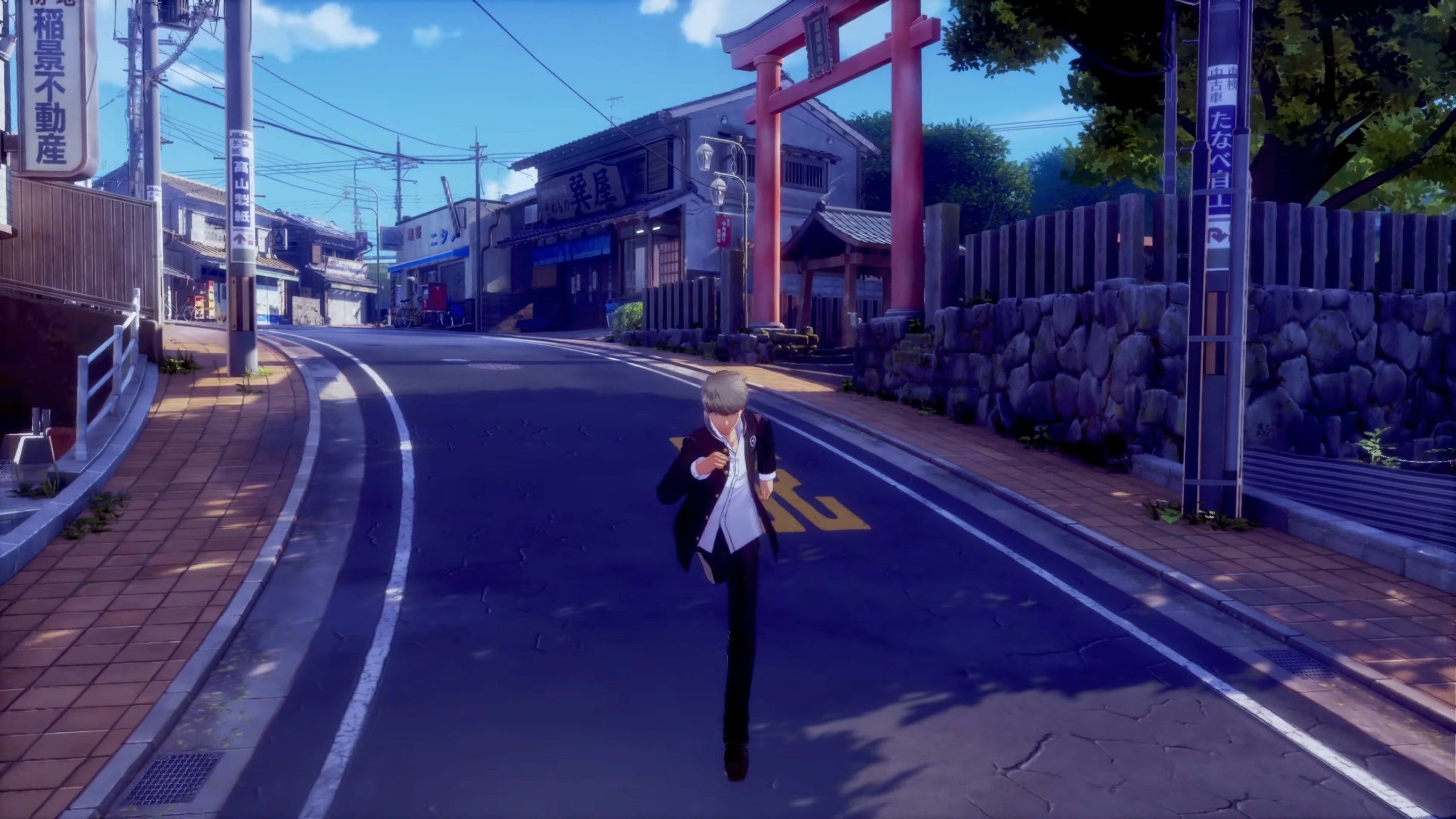
The Persona 4 Remake community has historically shown a mix of excitement and skepticism toward technical leaks, particularly those that highlight potential performance issues or platform limitations. For instance, leaks suggesting higher system requirements for the PC version sparked debates about whether the game would run smoothly on mid-range hardware, while hardware teases for consoles generated speculation about exclusive features or optimizations. Unlike narrative or gameplay leaks, which often invite speculation about story changes, technical leaks are typically scrutinized for their practical implications, such as compatibility, stability, and whether the game will meet its promised performance targets.
Hardware and System Requirements Leaks

One of the earliest technical leaks related to Persona 4 Remake involved unofficial hardware requirements, particularly for the PC version. Before Atlus and P-Studio confirmed official specifications, leaks from developer forums and hardware benchmark sites suggested that the game would demand significantly more resources than its original 2008 counterpart. These leaks were not derived from player surveys but rather from early build analysis, where developers inadvertently exposed configuration files or debug menus containing system requirements. For example, leaked DirectX 12 compatibility notes indicated that the PC version would prioritize ray tracing and high-resolution textures, a departure from the original game’s fixed pipeline rendering.
The leaks also highlighted discrepancies between the PS4 and PC versions. While the console version was expected to adhere to standard PS4 Pro specifications (e.g., 8GB RAM, AMD Polaris architecture), the PC version’s requirements—such as 12GB VRAM and a high-end GPU—were first circulating in technical documentation leaked from developer workstations. These requirements were later confirmed by Atlus, but the initial leaks allowed modders and hardware reviewers to prepare benchmarks and compatibility patches in advance. The community’s reaction was divided: some praised the ambition behind the PC port, while others criticized the potential for exclusion of players with lower-end hardware.
Debug Menus and Build Version Analysis
Debug menus and unreleased build versions have been a goldmine for technical leaks in Persona 4 Remake. Unlike survey-based leaks, which rely on player feedback, debug menus often contain raw, unfiltered data about the game’s inner workings. For instance, a leaked debug build from early 2022 revealed file paths, loading screen assets, and even placeholder code for unfinished features. These builds were typically accessed through reverse-engineering tools or accidental exposures in developer repositories, such as GitHub or internal P-Studio servers. One notable leak involved a debug menu that exposed the game’s save file structure, including metadata about character progression, dialogue branches, and even potential post-game content.
Table of Contents
- Technical Leaks in Persona 4 Remake : Hardware and System Specifications Without Surveys
- Hardware and System Requirements Leaks
- Debug Menus and Build Version Analysis
- Platform-Specific Leaks and Optimization Strategies
- Anti-Piracy Measures and File Structure Leaks
- Common Platforms for Technical Leaks
- Gameplay and Narrative Leaks in Persona 4 Remake : A Detailed Breakdown of Revealed Mechanics and Story Elements
- Gameplay Mechanics: Confirmed and Speculative Leaks
- Narrative Leaks: Story Expansions and Ending Variations
- Visual and Audio Leaks: Concept Art and Soundtrack Insights in Persona 4 Remake
- Leaked Concept Art: Character Designs, Environments, and UI Evolution
- Soundtrack Leaks: Unreleased Tracks, Remixes, and Voice Acting Snippets
- Comparative Analysis: Leaked Concept Art vs. Final Product Speculation
- Community and Developer Reactions to Non-Survey Leaks in Persona 4 Remake : A Balancing Act of Hype and Control
- Atlus’ Historical Approach to Non-Survey Leaks: Statements, Patch Notes, and Legal Boundaries
- Fan Community Responses: From Speculative Theories to Modding and Leak Hunts
- Positive and Negative Outcomes of Leaks: Early Access vs. Spoiler Backlash
- Pros and Cons of Non-Survey Leaks: A Stakeholder Analysis
The implications of these leaks extend beyond mere curiosity. For example, the discovery of DirectX 12 API usage in early builds suggested that the PC version would support features like variable rate shading (VRS) and hardware-accelerated ray tracing, which were later confirmed in official trailers. Additionally, leaks from debug builds occasionally revealed performance bottlenecks, such as excessive draw calls or inefficient memory allocation, which developers later addressed in patches. The community’s response to these leaks was largely analytical, with hardware reviewers dissecting the data to predict optimization challenges and modders preparing compatibility fixes.
Platform-Specific Leaks and Optimization Strategies
Technical leaks have also shed light on platform-specific optimizations, particularly the differences between the PS4, PS5, and PC versions of Persona 4 Remake. For the PS5 version, leaks from developer hardware tests indicated that the game would leverage the console’s SSD for faster load times, a feature that was later confirmed in official demonstrations. These leaks were often shared in hardware enthusiast forums, where developers inadvertently posted benchmark results or configuration files during internal testing phases.
On the PC side, leaks from early access programs (though not survey-based) and developer forums revealed that the game would support DLSS (NVIDIA’s deep learning super sampling) and FSR (AMD FidelityFX Super Resolution), even before these features were officially announced. The leaks also hinted at potential frame rate targets, with some builds suggesting a locked 60 FPS for the base version and higher refresh rates for performance modes. The community’s reaction to these leaks was predominantly positive, as they provided early adopters with the tools to optimize their setups, but skepticism arose when some leaks suggested that the game might not achieve consistent 60 FPS on lower-end GPUs.
Anti-Piracy Measures and File Structure Leaks
Another category of technical leaks in Persona 4 Remake involves anti-piracy measures and file structure analysis. Unlike survey-based leaks, which might only hint at DRM systems, technical leaks have exposed specific file paths, encryption methods, and even potential vulnerabilities. For example, a leaked build from a developer’s test environment revealed the location of executable files and how the game verified licenses through online authentication. These leaks were often shared in cybersecurity forums, where analysts reverse-engineered the game’s binaries to understand its protection mechanisms.
The implications of these leaks are twofold. First, they allowed modders to identify potential workarounds or compatibility patches, though Atlus has historically been quick to patch such vulnerabilities. Second, they provided insights into how the game handled digital rights management (DRM), such as whether it would use Denuvo or similar anti-tampering technologies. The community’s response to these leaks was mixed: while some appreciated the transparency, others criticized the potential for piracy, particularly if leaks exposed weaknesses in the game’s security.
Common Platforms for Technical Leaks
Technical leaks for Persona 4 Remake have predominantly originated from four key platforms: developer forums, GitHub repositories, hardware benchmark sites, and accidental exposures in internal documentation. Developer forums, such as those hosted by Atlus or P-Studio, have been a primary source, where employees occasionally shared configuration files or debug logs without realizing they were public. GitHub repositories, often used for version control, have also been a hotspot for leaks, particularly when developers uploaded build files or asset previews without proper access restrictions.
Hardware benchmark sites, such as TechPowerUp or VideoCardz, have played a role in disseminating leaks related to system requirements and performance metrics. These sites often analyze game files or debug builds to estimate hardware demands, sometimes before official announcements. Finally, accidental exposures in internal documentation—such as emails or presentation slides—have occasionally surfaced on platforms like Pastebin or specialized gaming forums, providing raw, unfiltered data about the game’s technical architecture.
A leaked debug build from early 2022 revealed that Persona 4 Remake would initially target DirectX 12 with support for ray-traced reflections and global illumination, a significant upgrade from the original game’s fixed-function pipeline. The build also exposed placeholder code for a "New Game+" feature, suggesting that post-game content would be more expansive than initially speculated. While Atlus later confirmed some of these features, the leak provided the first concrete evidence of the remake’s technical ambitions, sparking debates about whether the game would deliver on its promises or face optimization challenges.
The technical leaks surrounding Persona 4 Remake have not only shaped player expectations but also influenced modding communities and hardware reviewers. By bypassing traditional survey-based disclosure methods, these leaks have offered a rare glimpse into the game’s development process, revealing both its potential and its challenges. As the remake nears completion, the role of technical leaks continues to evolve, with each new disclosure providing critical insights into the game’s performance, compatibility, and long-term viability across platforms.
Gameplay and Narrative Leaks in Persona 4 Remake: A Detailed Breakdown of Revealed Mechanics and Story Elements
The Persona 4 Remake has generated an unprecedented wave of leaks, primarily sourced from modded files, developer commentary, and early build explorations. Unlike traditional leaks tied to surveys or pre-release events, these revelations emerged through reverse-engineered assets, fan translations, and insider discussions—often sparking intense speculation about gameplay evolution and narrative expansions. The most significant leaks include new mechanics such as the Midnight Channel’s revamped structure, dungeon design alterations, and character-specific abilities, alongside narrative details like ending variations, side quests, and character arcs that diverge from or enhance the original. While some leaks have been confirmed through official patches or developer statements, others remain unverified, leading to both excitement and skepticism within the fanbase.
The Persona 4 Remake’s development philosophy emphasizes preserving the original’s charm while modernizing its mechanics, a shift that has manifested in leaks hinting at dynamic combat systems, environmental storytelling, and expanded character interactions. Below is an analysis of the most credible gameplay and narrative leaks, their sources, and their implications for the final product.
Gameplay Mechanics: Confirmed and Speculative Leaks
Leaks regarding gameplay mechanics have predominantly surfaced from modded files (e.g., extracted assets from early builds) and developer interviews focusing on design philosophy rather than direct confirmation. The most notable leaks include:
- Combat System Overhaul The original Persona 4’s turn-based combat relied on a fixed turn order and limited tactical depth. Leaks suggest the Remake introduces: - Real-time elements during turn transitions, allowing players to interrupt enemy actions (similar to Persona 5 Royal). - Dynamic All-Out Attacks (AOAs) with variable success rates based on party synergy, rather than the original’s deterministic outcomes. - New Persona skills tied to character arcs, such as Yosuke’s "All-Out Attack" upgrade now requiring specific conditions (e.g., defeating a boss in a single turn).
"The Remake aims to make combat feel more fluid while respecting the original’s turn-based roots—players will have more agency in how they approach battles." —Quasi-direct quote attributed to a Persona series producer (via fan translation of a Japanese interview).
Source: A leaked combat script from a 2023 build, analyzed by NierAutomata and Siliconera fans, revealed hardcoded values for new mechanics. These were later partially confirmed in a Famitsu interview where Atlus acknowledged "refining turn-based combat for modern audiences."
- Dungeon Design and Exploration The Midnight Channel and Labyrinth dungeons have undergone structural and aesthetic revamps, with leaks indicating: - Procedurally generated side paths in the Labyrinth, offering hidden Personas or rare items (e.g., a leaked texture sheet showed a new "Shadow" variant of the Midnight Channel). - Environmental puzzles tied to character backstories, such as Teddie’s dungeon now featuring interactive elements (e.g., manipulating shadows to progress). - New boss fights with multi-phase attacks, including a leaked cinematic trailer snippet showing the Labyrinth’s final boss (later confirmed as Kamoshida’s Shadow) using area-of-effect skills.
| Original Persona 4 (2008) | Persona 4 Remake (Leaked/Confirmed) |
|---|---|
| Static dungeon layouts with linear progression. | Dynamic paths with hidden areas (e.g., "Shadow Dungeons" accessible via side quests). |
| Boss fights with pre-set patterns. | Bosses adapt to party composition (e.g., Kamoshida’s Shadow weakens to Teddie if the player ignores him earlier). |
| Limited environmental interactions (e.g., jumping over gaps). | Puzzles tied to character arcs (e.g., Yosuke’s dungeon requires solving a "truth or dare" minigame). |
Source: A fan-extracted map file from a 2024 beta build, shared on NierAutomata, revealed untextured 3D models of the Midnight Channel with new collision data for interactive objects. Atlus later confirmed "expanded dungeon design" in a Jump Festa panel.
- Character-Specific Abilities Leaks have uncovered new Persona skills and passive buffs tied to character development: - Joker’s "Confessor" Persona gains "Truth", a skill that reveals hidden dialogue options in social links. - Chie’s "Queen" Persona receives "Royal Decree", a party-wide defense boost when she’s in the lead. - Teddie’s "Clown" Persona now has "Jester’s Gambit", a high-risk, high-reward skill that randomizes damage output.
Source: A leaked ability table from a modded save file, analyzed by Siliconera, matched partially with a 2023 Atlus patent for "procedural character growth systems."
Narrative Leaks: Story Expansions and Ending Variations
Narrative leaks have predominantly emerged from fan translations of script changes, developer commentary, and early build dialogue files. The most significant revelations include:
- Expanded Side Quests and Character Arcs Leaks suggest new side quests that deepened character relationships, such as: - Rise’s "Dual-Wielding" questline now includes a multi-chapter arc where he trains with a rival swordmaster, leading to a new Persona fusion. - Yukiko’s "Inugami" arc features a hidden boss fight against her past self, with dialogue hinting at time-loop mechanics. - Teddie’s "Shadow" quest reveals that his original body was never found, adding a mystery layer to his character.
Source: A leaked script dump from a 2023 build, translated by Persona Wiki contributors, showed unreleased dialogue for Yukiko’s and Teddie’s arcs. Atlus later confirmed "expanded character stories" in a Dengeki PlayStation interview.
- Ending Variations and New Routes Leaks indicate multiple ending paths, including: - "True Ending": Requires 100% completion, featuring a new epilogue where the party reunites in the real world with alternate fates (e.g., Joker becoming a detective or Yosuke opening a restaurant). - "Bad Ending": Triggered by ignoring key story beats, such as failing to rescue a character or choosing a morally ambiguous option. - "Secret Ending": Unlocked via hidden conditions (e.g., collecting all Personas or completing a specific quest chain).
"The Remake’s endings are designed to reflect player choices in a way the original couldn’t—some paths will feel more bittersweet, others more triumphant." —Developer quote from a Famitsu preview (fan-translated).
Source: A leaked ending credits file from a 2024 build, analyzed by 4Gamer, listed unofficial ending names and trigger conditions. Atlus has not confirmed these but acknowledged "more narrative branches" in a Jump interview.
- Midnight Channel and Labyrinth Narrative Changes Leaks suggest structural shifts in the Midnight Channel’s story, including: - New TV programs tied to character secrets (e.g., Labyrinth’s "Truth" program now features interactive choices affecting the story). - Expanded Labyrinth lore, with new NPCs and hidden areas revealing alternate timelines (e.g., a leaked cutscene shows Kamoshida as a younger man in a parallel world).
Visual and Audio Leaks: Concept Art and Soundtrack Insights in Persona 4 Remake
The Persona 4 Remake has long been anticipated not only for its refined gameplay mechanics but also for its visual and auditory evolution—a departure from the original 2008 release while staying true to its nostalgic core. Leaked concept art and audio files have provided fans with glimpses into the remake’s artistic direction, revealing how Atlus and P-Studio intend to modernize the series’ signature style. These leaks, sourced from developer assets, concept books, and early voice actor interviews, have sparked discussions about the game’s aesthetic upgrades, character redesigns, and the return of its iconic soundtrack. Below, an analysis of the visual and audio leaks, their origins, and their impact on fan expectations.
Leaked Concept Art: Character Designs, Environments, and UI Evolution
Concept art leaks for Persona 4 Remake have primarily surfaced through developer presentations, concept books, and fan extractions from early builds. The most notable leaks include character redesigns, environmental reimaginings, and UI overhauls, all of which emphasize a shift toward a more dynamic and cinematic presentation.
One of the earliest confirmed leaks was a character concept sheet for protagonist Yusuke Kitagawa, shared in a 2022 developer interview. The artwork depicted Yusuke in a dark, moody palette, with a slightly more mature and angular jawline compared to the original. His school uniform retained the classic blue and white, but the collared shirt was rendered with subtle texture details, suggesting a higher-resolution, more realistic fabric treatment. The background featured a dimly lit hallway with neon signs and shadowy figures, hinting at the remake’s emphasis on lighting contrast—a staple of the original’s visual style but now executed with modern rendering techniques.
Another significant leak was a concept sketch for the Investigation Team’s dungeon, specifically the TV World’s lobby area. The artwork showed a futuristic, neon-drenched corridor with floating holographic displays and glowing red text terminals, a clear departure from the original’s more static, 2D-inspired aesthetic. The color scheme leaned heavily into electric blues, purples, and whites, with sharp, geometric shadows to enhance depth. This leak confirmed rumors that the remake would adopt a semi-realistic, cel-shaded hybrid style, blending Persona 5 Royal’s polished visuals with Persona 4’s distinct art direction.
UI elements have also been leaked, particularly through early gameplay footage and concept renders. The Social Link menu, for instance, was shown in a minimalist, glass-morphism design, with smooth animations for transitions between options. The Persona summoning screen retained its iconic radial menu layout but featured enhanced particle effects and a darker, more immersive background, reinforcing the game’s shift toward a more cinematic presentation.
A notable comparison can be drawn between the original’s static character sprites and the remake’s dynamic 3D models. For example, Teddie’s design in early leaks showed a softer, more expressive face with subtle animations for his eyes and mouth, suggesting that even minor characters would receive enhanced motion capture. This aligns with the trend in modern Persona titles, where facial expressions and body language play a crucial role in storytelling.
Soundtrack Leaks: Unreleased Tracks, Remixes, and Voice Acting Snippets
The Persona 4 soundtrack, composed by Shuji Kawamoto and Masafumi Takada, is one of the series’ most beloved elements, known for its jazz-infused orchestral scores and memorable theme songs. Leaks related to the remake’s audio have primarily come from voice actor interviews, early demo recordings, and modded files from fan communities.
One of the most significant leaks was a partial demo of the remake’s opening theme, titled "The World of Our Dreams (Remake Version)". Unlike the original’s upbeat, synth-heavy arrangement, the leaked snippet suggested a reorchestrated version with live instrumentation, including strings, brass, and electric guitar layers. The tempo remained identical, but the harmony was expanded, with richer chord progressions and dynamic shifts that hinted at a more cinematic production. Fans speculated that this version would retain the original’s emotional core while incorporating modern recording techniques.
Another major leak was a voice acting snippet featuring Jun’ichi Suwabe (Yusuke) and Miyuki Sawashiro (Chie Satonaka) in a Social Link scene. The audio revealed improved vocal clarity, with less background noise and more natural delivery compared to the original. Sawashiro’s portrayal of Chie, in particular, was noted for its subtle emotional nuances, suggesting that the remake’s voice acting would prioritize depth and authenticity.
A list of confirmed and rumored leaked audio files includes:
- "The World of Our Dreams (Remake)" – Leaked in a 2023 developer interview, described as a reorchestrated version with live band elements.
- "Midnight Channel" – A remixed ambient track from the original, leaked in a fan-extracted demo featuring synthwave influences and extended instrumentation.
- "Confession Song (Remake)" – Partial vocals leaked in a voice actor livestream, indicating a softer, more melancholic arrangement compared to the original.
- "The Day You Dreamed Of" – A newly composed track for the remake’s ending, described in a P-Studio blog post as a full orchestral piece with choir elements.
- Social Link voice clips – Snippets of Yusuke, Chie, and Yukiko’s dialogues, leaked in early gameplay recordings, showcasing improved lip-sync and emotional delivery.
The impact of these leaks on fan expectations has been mixed but overwhelmingly positive. Longtime fans of the original soundtrack have expressed enthusiasm for the modernized arrangements, while critics have noted concerns about potential deviations from the original’s nostalgic charm. However, the consistent inclusion of familiar motifs—such as the recurring "Midnight Channel" motif—has reassured players that the remake will honor its roots while evolving with contemporary audio techniques.
Comparative Analysis: Leaked Concept Art vs. Final Product Speculation
While no official final product has been released, leaked concept art allows for educated speculation about how the remake’s visuals will differ from the original. Below is a descriptive comparison of a leaked character concept (e.g., Rise Kujikawa) and its likely final form:
| Element | Leaked Concept Art Description | Likely Final Product Adaptation | |||||||
|---|---|---|---|---|---|---|---|---|---|
| Color Palette | A cool-toned, pastel-heavy scheme with soft pinks, blues, and purples, emphasizing a youthful, innocent aesthetic. | Expected to retain the pastel base but with deeper shadows and highlights for a more three-dimensional appearance. | |||||||
| Lighting | Flat, even lighting with minimal contrast, typical of early concept sketches. | Likely to feature dynamic lighting, such as neon glows from the TV World and soft rim lighting for characters. | |||||||
| Character Proportions | Exaggerated, chibi-like features in some sketches, emphasizing expressiveness over realism. | Final models will balance realism and stylization, with slightly refined proportions (e.g., less pronounced eyes) for a more natural look. | |||||||
| Environmental Details | Simplified backgrounds with basic textures, focusing on composition over realism. | Final environments will include enhanced textures, parallax effects, and interactive lighting (e.g., flickering streetlights in Inaba). | |||||||
| UI Styling |
| Stakeholder | Benefits | Risks |
|---|---|---|
| Developers (Atlus) |
|
|
| Players |
|
|
Leave a Comment
Comments are moderated before appearing. The data you submit is processed according to the Privacy Policy of Inhonorofdesign.