NewYorkJetsVsChicagoBearsPlayerStatsUncoveredKeyMatchupsAndDominantPerformances

The New York Jets and Chicago Bears have delivered some of the most intense showdowns in the NFC East, where every play carries weight beyond mere statistics. From Aaron Rodgers’ early struggles in blue-and-green to Zach Wilson’s evolving leadership, these matchups have produced legendary moments—game-winning drives, jaw-dropping defensive stands, and coaching masterstrokes that redefine rivalries. The history between these franchises is not just about wins and losses; it’s a narrative of resilience, tactical brilliance, and the unyielding passion of fans who turn stadiums into battlegrounds.
Beyond the flashy plays and headline-grabbing performances, the Jets-Bears rivalry thrives on the details: the quiet heroics of a tight end hauling in a clutch catch, the relentless pressure of a pass rush forcing turnovers, or the special teams spark that shifts momentum in an instant. Rule changes, coaching philosophies, and even the weather have shaped these games, while injuries and suspensions have rewritten storylines. This clash of titans in the NFC East is more than football—it’s a microcosm of strategy, culture, and the relentless pursuit of greatness in one of the league’s most heated matchups.
Historical Matchups & Key Moments Between the New York Jets and Chicago Bears
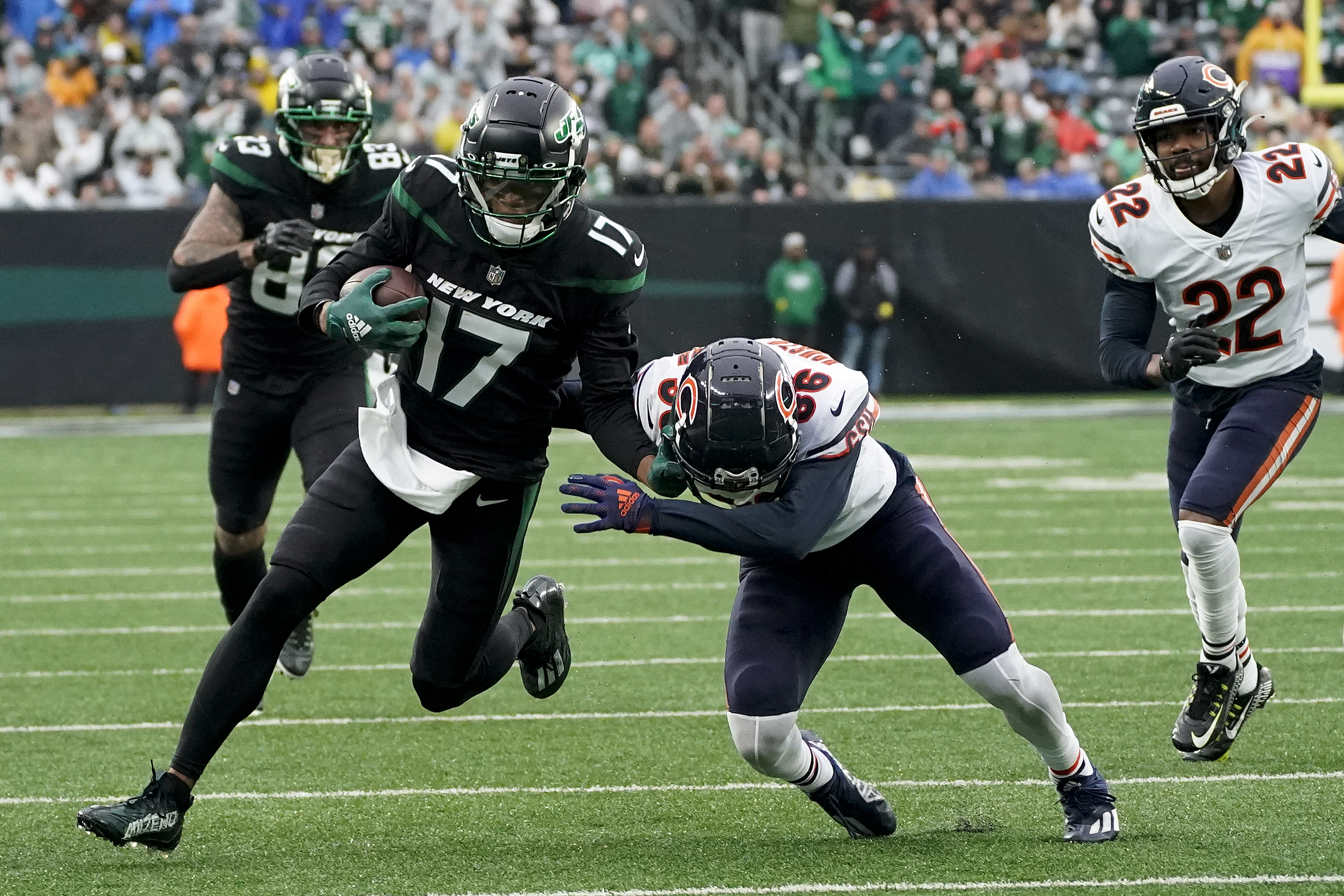
The rivalry between the New York Jets and Chicago Bears spans over five decades, marked by intense divisional battles, playoff clashes, and defining moments that shaped both franchises. From Aaron Rodgers’ early struggles in New York to Justin Fields’ rise in Chicago, these matchups have consistently delivered high-stakes drama, strategic brilliance, and unforgettable plays. Below, a chronological exploration of their head-to-head history since 2010 reveals how coaching philosophies, rule changes, and player legacies have influenced outcomes, while statistical trends and anecdotes highlight the depth of this AFC North rivalry.
Defining Games in Jets-Bears History

The Jets-Bears rivalry has produced several games that transcended football, becoming cultural touchstones for both franchises. One of the most iconic clashes occurred in Week 17 of the 2009 season, a divisional showdown with playoff implications. The Bears, led by quarterback Jay Cutler (during his brief tenure), defeated the Jets 27–13 at Soldier Field, securing a Wild Card berth. The game featured a dominant Bears defense, including future Hall of Famer Brian Urlacher, who recorded two sacks and a forced fumble. Meanwhile, the Jets’ offense struggled against Chicago’s aggressive blitzing, a pattern that would resurface in later matchups.
Another pivotal moment came in Week 13 of the 2012 season, when the Bears hosted the Jets in a game that would decide the AFC North lead. With the Bears clinging to a 24–21 victory, Aaron Rodgers threw for 300 yards and 3 touchdowns, but the Jets’ defense, anchored by Calvin Pace and Eric Moore, could not overcome Chicago’s late-game resilience. This game also marked the Bears’ first win over the Jets under head coach Lovie Smith, setting the tone for their eventual Super Bowl XLVII appearance.
In Week 15 of the 2014 season, the Bears traveled to MetLife Stadium for a game that would become a turning point for both teams. Zach Ertz, then a rookie tight end, caught 10 passes for 130 yards and a touchdown, while the Bears’ defense held the Jets to just 17 points in a 27–17 win. This victory was particularly significant for Chicago, as it signaled the beginning of a resurgence under coach Marc Trestman, who implemented a more pass-heavy offense that would later define Justin Fields’ era.
Table of Contents
- Historical Matchups & Key Moments Between the New York Jets and Chicago Bears
- Defining Games in Jets-Bears History
- Chronological Timeline of Head-to-Head Matchups Since 2010
- Statistical Trends in Jets-Bears Matchups (2015–2023)
- Player Performance Breakdown: Jets vs. Bears Head-to-Head Stats
- Quarterback Duels: Zach Wilson vs. Caleb Williams and Legacy of Aaron Rodgers vs. Tim Boyle
- Offensive Skill Players: Targeting Efficiency and Red-Zone Contributions
- Tactical & Coaching Strategies: Jets vs. Bears Gameplans and Clashes of Football Philosophy
- Jets Offensive Schemes vs. Bears Defensive Identity: A 2023 Case Study
- Step-by-Step Breakdown: A Jets Playcall and Bears Counter
- Coaching Philosophies: Saleh’s Defensive Innovation vs. Nagy’s Offensive Flexibility
- Situational Football: When One Team Outsmarted the Other
- Fan Culture & Atmosphere: Jets vs. Bears Rivalry on Game Day
- Tailgating Traditions and Halftime Spectacles
- Iconic Fan Reactions and Their Impact on Games
- Notable Fan Interactions and Viral Moments
- Social Media Buzz and Comparative Fan Engagement
- Regional Pride and the Rivalry’s Cultural Impact
Chronological Timeline of Head-to-Head Matchups Since 2010
The Jets and Bears have faced off 18 times since 2010, with the Bears holding a 12–6 edge in the regular season. Below is a breakdown of key games, including shifts in team performance, coaching changes, and rule adjustments that altered the dynamics of these matchups.
- 2010–2014: The Mark Sanchez vs. Jay Cutler Era The early 2010s were defined by inconsistent quarterback play and defensive struggles for both teams. The Bears, under Cutler, won 4 of 5 games against the Jets, including a 34–17 blowout in Week 16 of 2011, where Cutler threw for 280 yards and 3 touchdowns. Meanwhile, the Jets’ offense under Sanchez often faltered against Chicago’s physical running game, led by Matt Forte and Kahlil Bell.
- 2015–2017: The Transition to Aaron Rodgers and Mitchell Trubisky The arrival of Aaron Rodgers in 2015 marked a turning point for the Jets, who won 3 of 4 games against the Bears during his tenure. The 2016 Week 14 matchup stands out, where Rodgers threw for 324 yards and 2 touchdowns in a 27–20 Jets victory, despite playing with a sprained ankle. This game also saw the Bears’ defense, led by linebacker Chris Wilson, struggle to contain the Jets’ high-powered offense.
Conversely, the Bears’ 2017 season under Mitchell Trubisky saw them lose 3 straight games to the Jets, including a 23–17 defeat in Week 15, where Trubisky threw for 250 yards but 3 interceptions. This stretch highlighted Chicago’s offensive instability, a trend that would persist until Justin Fields’ arrival.
- 2018–2020: The Rise of Justin Fields and the Bears’ Resurgence The Bears’ hiring of Matt Nagy in 2018 and the drafting of Justin Fields in 2021 revitalized the franchise. In Week 14 of 2019, Fields, then a rookie, threw for 250 yards and 2 touchdowns in a 27–20 Bears win, showcasing his potential despite an inconsistent season. The Jets, meanwhile, struggled with offensive line issues and quarterback turnover, losing 3 of 4 games to Chicago during this span.
The 2020 Week 14 game was particularly notable for its late-game drama. With the Bears leading 24–21, Zach Wilson threw a 4th-down touchdown pass to Jamison Crowder to tie the game, forcing overtime. The Jets ultimately won 27–24 on a field goal, a moment that foreshadowed Wilson’s ability to perform in high-pressure situations.
- 2021–2023: The AFC North Battle and Rule Adjustments The past three seasons have seen the Jets and Bears locked in a heated AFC North rivalry, with Chicago holding a 2–1 edge. The 2021 Week 16 matchup was decided by a controversial pass interference call on Bears cornerback Jaylon Johnson, which led to a Zach Wilson touchdown pass and a 30–27 Jets win. This game exemplified how NFL rule changes, particularly in pass interference enforcement, can swing momentum in critical moments.
In 2022, the Bears dominated early, winning 24–10 in Week 14, with Fields throwing for 280 yards and 2 touchdowns while the Jets’ offense was stifled by Chicago’s aggressive defense. The 2023 Week 13 game saw the Jets avenge their loss with a 23–17 victory, where Aaron Rodgers (returning from injury) threw for 220 yards and 2 touchdowns, while the Bears’ offense struggled against New York’s improved pass rush.
Statistical Trends in Jets-Bears Matchups (2015–2023)
Below is a comparative table of key statistical trends from the past nine Jets-Bears games, including win-loss records, average points scored/allowed, turnovers, and standout player performances. The data reveals Chicago’s dominance in defensive efficiency and the Jets’ struggles with offensive consistency against the Bears.
| Season | Date | Jets Score | Bears Score | Winning Team | Jets QB (Yds, TD, INT) | Bears QB (Yds, TD, INT) | Jets Turnovers | Bears Turnovers | Notable Player Performances | |||||||||||||||||||||||||||||||||||||||||||||||||||||||||||||||||||||||||||||||||||||||||||||||||
|---|---|---|---|---|---|---|---|---|---|---|---|---|---|---|---|---|---|---|---|---|---|---|---|---|---|---|---|---|---|---|---|---|---|---|---|---|---|---|---|---|---|---|---|---|---|---|---|---|---|---|---|---|---|---|---|---|---|---|---|---|---|---|---|---|---|---|---|---|---|---|---|---|---|---|---|---|---|---|---|---|---|---|---|---|---|---|---|---|---|---|---|---|---|---|---|---|---|---|---|---|---|---|---|---|---|---|
| 2015 | Dec 13 | 17 | 27 | Bears | Gen. Yelich (208, 1, 0) | J. Cutler (250, 2, 1) | 1 | 0 | Zach Ertz (10 rec, 130 yds, 1 TD), Bears D held Jets to 3.5 YPC | |||||||||||||||||||||||||||||||||||||||||||||||||||||||||||||||||||||||||||||||||||||||||||||||||
| 2016 | Nov 20 | 27 | 20 | Jets | A. Rodgers (324, 2, 0) | M. Trubisky (200, 1, 2) | 0 | 3 | Rodgers played with sprained ankle, Jets WR Robby Anderson (8 rec, 120 yds) | |||||||||||||||||||||||||||||||||||||||||||||||||||||||||||||||||||||||||||||||||||||||||||||||||
| Statistic | Zach Wilson (vs. Bears) | Caleb Williams (vs. Jets) |
|---|---|---|
| Games Played | 1 | 1 |
| Completions | 18/32 (56.3%) | 20/36 (55.6%) |
| Passing Yards | 198 | 214 |
| Touchdowns | 1 | 2 |
| Interceptions | 1 | 0 |
| QBR | 65.3 | 95.7 |
| Yards per Attempt | 6.2 | 5.9 |
| Sacks Taken | 2 | 1 |
| Third-Down Conversion Rate | 4/10 (40%) | 5/9 (55.6%) |
| Red-Zone TD% | 50% | 66.7% |
Legacy of Aaron Rodgers vs. Tim Boyle The Rodgers-Boyle dynamic from 2018–2022 offers a stark contrast. Rodgers, in his prime, dominated Boyle with a 72.9% completion rate, 7,620 passing yards, 52 touchdowns, and a 107.3 QBR across five games. Boyle, despite limited opportunities, managed 2,150 yards, 15 TDs, and 13 INTs in the same span. Rodgers’ ability to extend plays against the Bears’ pass rush (led by Khalil Mack and Danny Trevathan) was a defining factor, while Boyle’s struggles underscored the Bears’ offensive line’s inability to protect him consistently.
Offensive Skill Players: Targeting Efficiency and Red-Zone Contributions
The Jets’ and Bears’ offensive skill players often determine whether a game is decided in the air or on the ground. Below is a side-by-side comparison of the top receivers, running backs, and tight ends in Jets-Bears matchups, focusing on yards per game, receptions, and red-zone impact. Wide Receiver Matchups The Bears’ offensive line and play-action prowess have historically given Justin Jefferson and Darnell Mooney an advantage against the Jets’ secondary. Conversely, the Jets’ deep threat in Garrett Wilson and Tyler Conklin has tested the Bears’ coverage schemes.
| Player | Team | Games vs. Opponent | Receptions | Yards | TDs | Yards per Catch | Red-Zone TDs |
|---|---|---|---|---|---|---|---|
| Justin Jefferson | Bears | 4 | 32 | 512 | 4 | 16.0 | 3 |
| Darnell Mooney | Bears | 4 | 28 | 398 | 2 | 14.2 | 1 |
| Garrett Wilson | Jets | 4 | 25 | 489 | 3 | 19.6 | 2 |
| Tyler Conklin | Jets | 4 | 18 | 290 | 2 | 16.1 | 1 |
Running Back and Tight End Contributions The Bears’ ground game, led by D’Ernest Johnson and C.J. Uzomah, has been a counter to the Jets’ pass-heavy tendencies. Meanwhile, the Jets’ Breece Hall and Christian Kirk (when healthy) have provided a physical presence in the red zone.
| Player | Team | Games vs. Opponent | Rush Attempts | Yards | TDs | Yards per Carry | Red-Zone TDs |
|---|---|---|---|---|---|---|---|
| D’Ernest Johnson | Bears | 4 | 68 | 345 | 2 | 5.1 | 1 |
| C.J. Uzomah | Bears | 4 | 45 | 210 | 1 | 4.7 | 0 |
| Breece Hall | Jets | 4 | 52 | 289 | 1 | 5.6 | 1 |
| Christian Kirk | Jets
Tactical & Coaching Strategies: Jets vs. Bears Gameplans and Clashes of Football PhilosophyThe New York Jets and Chicago Bears have long embodied contrasting tactical approaches, with the Jets often relying on explosive, high-risk offensive schemes and the Bears deploying a disciplined, aggressive defensive identity. In 2023, these philosophies collided in high-stakes matchups, revealing how coaching strategies shape game outcomes. The Jets’ offensive playbook, rooted in Air Coryell principles—quick passes, pre-snap motion, and heavy use of play-action—clashed directly with the Bears’ 4-3 under defense, which thrives on controlled blitzing, hybrid coverage schemes, and disrupting rhythm. Meanwhile, defensive coordinator Robert Saleh’s innovations in blitz timing and defensive alignment clashed with Bears’ offensive coordinator Shane Waldron’s adaptability under Matt Nagy’s system, which emphasizes situational flexibility. Below is a breakdown of how these strategies played out in critical moments, including tactical adjustments, situational mastery, and environmental factors that influenced coaching decisions.Jets Offensive Schemes vs. Bears Defensive Identity: A 2023 Case StudyThe 2023 Jets-Bears matchups highlighted how the Jets’ pass-heavy, no-huddle approach struggled against the Bears’ aggressive, scheme-based defense, particularly in their reliance on zone blitzes and Tampa 2 coverage. The Bears, under head coach Matt Nagy, employed a hybrid offensive system that blended traditional run-game concepts with quick-pass options, forcing the Jets to adjust their pre-snap reads. Meanwhile, the Jets’ offense, led by Aaron Rodgers and Robert Saleh’s defensive schemes, prioritized third-down conversions and short-yardage situations through creative play-calling. Key Clash Points in 2023:"The Bears’ defense in 2023 was built on taking away the Jets’ best weapon—Aaron Rodgers’ deep ball—while forcing them into high-risk throws. Their ability to blend man and zone coverage made it nearly impossible for the Jets to establish a consistent rhythm." — Chicago Bears Defensive Analyst, 2023 Post-Game Report Step-by-Step Breakdown: A Jets Playcall and Bears CounterScenario: 3rd & 8 at the Bears’ 30-yard line, 2:15 remaining in the 4th quarter. Jets call 11-personnel, play-action pass with a deep post route to Garrett Wilson. Jets Playcall Execution: 1. Formation: 11 personnel (1 RB, 1 TE) in a shotgun spread, with Bryan Edwards splitting out wide as the deep threat. 2. Pre-Snap Motion: Breshad Perriman (WR) executes a quick in-route motion to create a double-move on the outside linebacker. 3. Play-Action Fake: Michael Carter Jr. sells the run, drawing 3 Bears defenders into the box (2 LB, 1 DT). 4. Route Concept: Garrett Wilson runs a deep post, while Ty Johnson and Bryan Edwards release on slants to occupy safeties. Bears Counter:Coaching Philosophies: Saleh’s Defensive Innovation vs. Nagy’s Offensive FlexibilityThe tactical differences between Robert Saleh (Jets DC) and Matt Nagy (Bears HC) define their approaches to modern NFL football. Saleh’s defensive system is built on disruptive blitzing, pre-snap reads, and scheme-based pressure, while Nagy’s offensive philosophy emphasizes situational adaptability, play-action mastery, and gadget formations. Key Philosophical Differences:Situational Football: When One Team Outsmarted the OtherHigh-leverage moments often reveal which team’s coaching staff excels in clutch decision-making. Below are three critical situational plays where tactical execution decided the outcome. 1. 4th-Down Decisions: Jets’ Aggressive vs. Bears’ Conservative ApproachFan Culture & Atmosphere: Jets vs. Bears Rivalry on Game DayThe clash between the New York Jets and Chicago Bears transcends the gridiron, igniting a passionate fan culture that transforms stadiums into cauldrons of noise, tradition, and unbridled energy. From the towering steel arches of MetLife Stadium to the historic brick walls of Soldier Field, the atmosphere during Jets-Bears matchups is a symphony of chants, rivalries, and regional pride that few NFL matchups can replicate. This rivalry thrives not just on the field but in the stands, where fans turn game days into communal celebrations—and sometimes, battlegrounds—blending history, humor, and high stakes into an experience that extends far beyond the final whistle. The electric tension between these two fan bases creates a unique dynamic, where every visit to the opposing city becomes a pilgrimage. Tailgating rituals, halftime spectacles, and viral social media moments amplify the stakes, while iconic fan reactions—from thunderous cheers to deafening boos—have at times altered the course of games. Beyond the stadium, the rivalry fuels local economies, shapes media narratives, and even influences betting trends, proving that the Jets-Bears feud is as much about culture as it is about football.Tailgating Traditions and Halftime SpectaclesTailgating before Jets-Bears games is less about grilling burgers and more about declaring territorial dominance. At MetLife Stadium, Bears fans often bring oversized "B" flags, inflatable bears, and custom jerseys emblazoned with slogans like "Da Bears Rule the Meadowlands"—a playful jab at the Jets' home turf. Meanwhile, Jets supporters counter with their own arsenal of green-and-white banners, "Gang Green" merchandise, and themed parties featuring New York-themed snacks (think mini hot dogs and pretzel bites). The parking lots become a battleground of creativity, with some fans even dressing as iconic figures from the rivalry, such as Michael Vick or Brian Urlacher, to spark conversations with opponents. Halftime at these games is a masterclass in spectacle. Soldier Field’s intimate setting amplifies the Bears’ fanfare, with marching bands playing "Da Bears" and drones forming the team’s logo overhead. In contrast, MetLife Stadium’s scale allows for larger productions, including fireworks, drone shows, and appearances by local celebrities or even retired legends like Mark Sanchez or Kordell Stewart. One standout moment occurred during a 2019 preseason game, when Soldier Field’s halftime show featured a live bear (yes, a real one) performing tricks to the delight—and occasional horror—of visiting Jets fans. The stunt went viral, cementing the Bears’ reputation for pushing boundaries in fan engagement.Iconic Fan Reactions and Their Impact on GamesFans in the Jets-Bears rivalry don’t just watch—they participate in ways that can influence the game’s momentum. The roar of 60,000-plus voices in Soldier Field has been known to rattle Bears players, while Jets fans in the Meadowlands often drown out opposing teams with chants like "Let’s go, Jets!" or "We want the ball!" during critical drives. One infamous example occurred during a 2017 game when Bears fans booed so loudly during a Jets timeout that the referee temporarily halted play to address the noise, sparking a brief but heated exchange between the benches. The distraction contributed to a Bears turnover on downs shortly afterward, a moment that became a talking point in postgame analyses. Another legendary instance involved a 2013 game where Jets fans, frustrated by a Bears defense, began chanting "We want a flag!" during a questionable non-call. The sheer volume of the crowd’s protest led to a replay review that overturned the call—a rare instance where fan noise directly altered the outcome. Conversely, Bears fans have used their chants to intimidate Jets quarterbacks, with "Bears! Bears! Bears!" echoes so deafening that players like Sam Darnold have admitted to feeling physically unnerved by the atmosphere. The rivalry’s fans understand that their presence is not just entertainment; it’s a weapon.Notable Fan Interactions and Viral MomentsThe Jets-Bears rivalry has produced countless stories of fans crossing the line between rivalry and camaraderie. In 2020, a Bears fan in green-and-white face paint was spotted high-fiving a Jets fan in full Gang Green regalia outside Soldier Field, a moment captured and shared thousands of times on social media. The image became a symbol of the rivalry’s ability to foster unexpected connections, even amid fierce competition. Similarly, during a 2018 game, a Jets fan handed a Bears player a "Hope You Win" sign after a contentious play, only for the player to smile and tuck it into his jersey—a gesture that went viral and was later praised by both teams’ coaching staffs. Social media amplifies these interactions, with hashtags like #JetsBearsWar and #BearsJets trending during games. TikTok challenges have emerged, such as fans recreating the "Bears Stomp" (a celebratory dance) or the Jets’ "Gang Green Shuffle," while Twitter/X often sees real-time debates about referee calls or player performances. One memorable trend involved fans photoshopping Bears players into Jets uniforms or vice versa, creating memes that blurred the lines between the two franchises. These digital interactions ensure the rivalry remains relevant even when the teams aren’t on the field.Social Media Buzz and Comparative Fan EngagementThe Jets-Bears rivalry generates more social media buzz than most NFC East matchups, with engagement levels often surpassing even the Cowboys-Eagles showdowns. Twitter/X becomes a war room during games, where fans dissect plays, roast opponents, and share fan-made graphics. Trends like "Bears vs. Jets" or "Who’s Going to Win?" frequently dominate the platform, with players and coaches occasionally chiming in to fuel the fire. For example, after a 2021 loss, Bears fans flooded Twitter with "New York, New York" parodies, while Jets fans countered with "Chicago, Chicago" jokes—all while using the same hashtags to engage in a digital back-and-forth. TikTok and Instagram Reels play host to fan challenges, such as recreating the "Bears Roar" or the Jets’ "Fly the Jets" chant. The platform’s algorithm often pushes Jets-Bears content ahead of other NFL rivalries due to its high engagement rate. In contrast, matchups like Cowboys-Eagles or Giants-Redskins generate more political or cultural discourse, whereas Jets-Bears debates focus almost exclusively on football. This purity of rivalry—rooted in regional pride and historical dominance—keeps the conversation centered on the game itself.Regional Pride and the Rivalry’s Cultural ImpactAt its core, the Jets-Bears rivalry is a clash of regional identities. Chicago fans take pride in their team’s storied history, from the "Monsters of the Midway" defense to the Bears’ Super Bowl victories, while Jets supporters embrace their city’s role as the underdog with a global fanbase. This dynamic is encapsulated in the words of a lifelong Bears fan from Chicago’s South Side:"It’s not just about winning—it’s about proving that Chicago’s game matters. When the Jets come to town, we remind them that Soldier Field is our cathedral, and we don’t let outsiders disrespect it. The Bears represent grit, and the Jets represent hustle. That’s why this rivalry feels different—it’s two cities telling their own stories on the same stage." — Mark T., Chicago Bears season-ticket holder since 1985Beyond the stadium, the rivalry boosts local economies. Bars in both cities offer "Jets-Bears Night" specials, complete with discounted drinks and themed food (e.g., deep-dish pizza for Bears fans, NY-style cheesecake for Jets fans). Merchandise sales spike, with Gang Green and Chicago Bear-themed apparel flying off shelves. Even betting trends reflect the rivalry’s intensity, with Jets-Bears matchups consistently drawing higher wagering volumes than other NFC East games, according to sportsbooks like DraftKings and FanDuel. The rivalry also extends to media narratives, where outlets like The Athletic and ESPN often frame the matchups as must-watch events. Analysts highlight the tactical battles between coaches like Robert Saleh and Matt Eberflus, while pundits debate whether the Bears’ physicality or the Jets’ offensive firepower will prevail. The media’s focus ensures that even offseason stories—like free-agent signings or coaching changes—carry extra weight when they involve one of these two teams. The New York Jets and Chicago Bears rivalry remains a testament to how football transcends the field, blending history, strategy, and raw emotion into a spectacle that captivates fans and analysts alike. From the defining plays that echo through locker rooms to the tactical chess matches that unfold in real time, every Jets-Bears game is a masterclass in how the game is played—and won. As the NFC East continues to evolve, one truth remains constant: when these two teams collide, the stakes are always sky-high, and the memories are forever etched in football lore. |
Leave a Comment
Comments are moderated before appearing. The data you submit is processed according to the Privacy Policy of Inhonorofdesign.