museum of sex chicago Free Telegram Access reveals hidden educational gems

The Museum of Sex in Chicago stands as a bold redefinition of cultural institutions, blending education with unapologetic exploration of human sexuality. Since its inception in 2018, the museum has carved a niche distinct from its New York counterpart, positioning itself as a local hub for dialogue on intimacy, identity, and societal taboos. Unlike traditional museums, this space does not shy away from controversy—its exhibits challenge norms while inviting visitors to question, reflect, and engage with topics often silenced in mainstream discourse.
Beyond its physical walls, the museum leverages digital innovation to democratize access, particularly through its free Telegram channel. This platform serves as a bridge between academic rigor and casual curiosity, offering curated content that ranges from historical deep dives into Chicago’s LGBTQ+ legacy to live Q&As with sexologists. By sidestepping algorithmic constraints, the museum fosters unfiltered conversations where anonymity encourages participation from global audiences, from students researching sexology to activists advocating for sexual health rights.
Museum of Sex, Chicago: A Cultural Institution Redefining Sexuality Through Education and Art
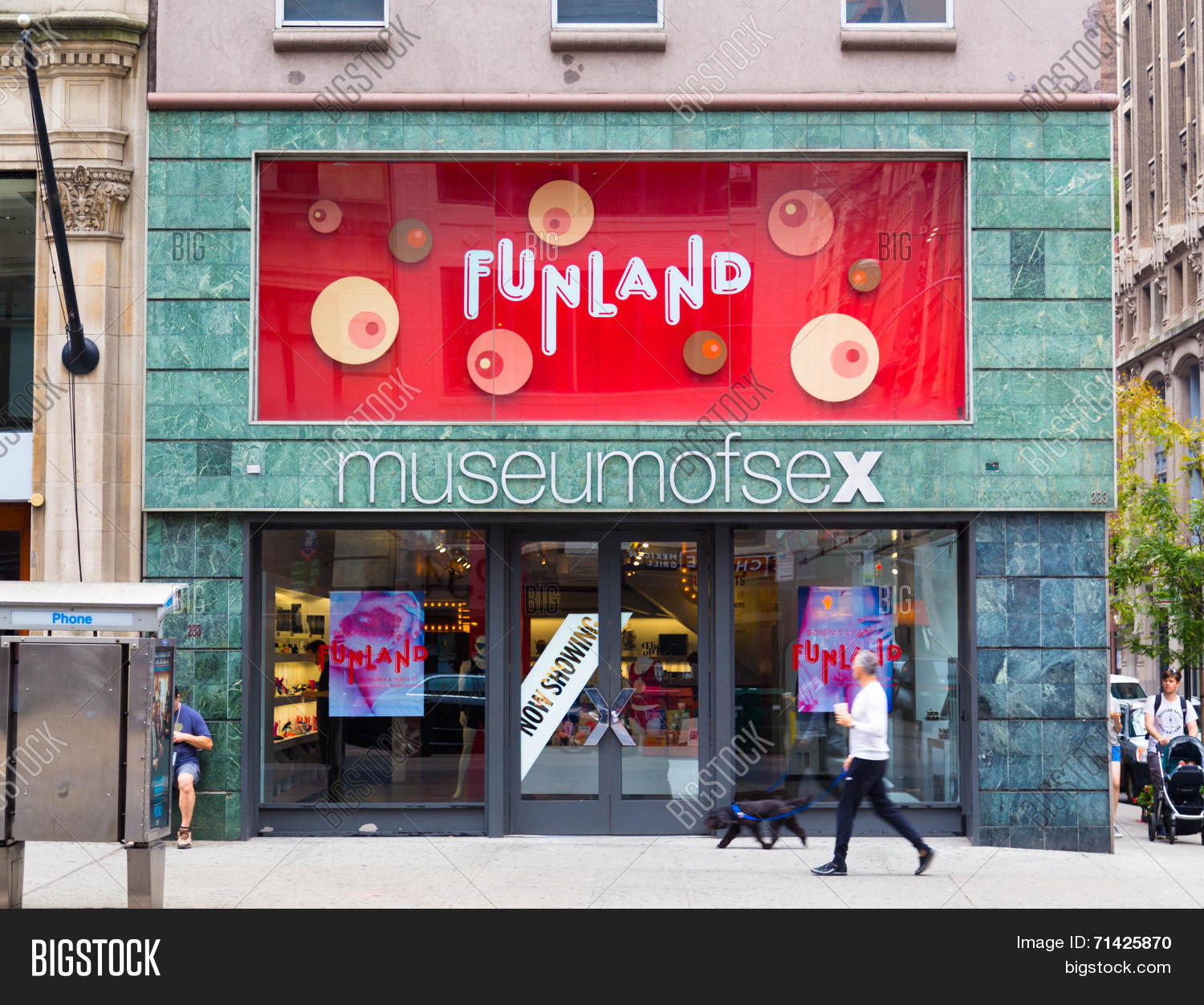
The Museum of Sex in Chicago stands as a bold and innovative cultural landmark dedicated to exploring the complexities of human sexuality through art, history, and interactive exhibits. Founded in 2017 as an extension of the original Museum of Sex in New York City (established in 1998), the Chicago branch was conceived to address a growing demand for sex-positive education in the Midwest. Unlike its New York counterpart, which focuses heavily on global perspectives and high-profile collections, the Chicago museum prioritizes local narratives, LGBTQ+ representation, and community engagement. Its establishment reflects a broader cultural shift toward destigmatizing sexuality and fostering open dialogue, particularly in a region where conversations about sex have historically been more conservative. The museum’s mission—to educate, entertain, and challenge societal perceptions of sexuality—is embedded in its curatorial approach, blending academic rigor with provocative artistry to create an immersive experience.
Chicago’s Museum of Sex distinguishes itself by centering its exhibits on regional history, contemporary issues, and underrepresented voices in sexuality studies. While the New York museum leans toward international artifacts and celebrity-driven exhibits, the Chicago branch emphasizes grassroots storytelling, collaborating with local historians, activists, and artists to craft exhibits that resonate with Midwestern audiences. Visitor demographics also reflect this local focus, with a significant portion of attendees comprising young adults, educators, and LGBTQ+ communities seeking representation and knowledge. The museum’s physical space in the River North neighborhood—a revitalized urban area known for its blend of history and modernity—further enhances its appeal, offering a neutral yet stimulating environment for exploration.

Historical Background and the Founding of the Chicago Museum of Sex
The Museum of Sex in Chicago traces its origins to the broader movement of sex-positive institutions emerging in the late 20th and early 21st centuries. The original Museum of Sex in New York was founded in 1998 by Richard S. Klein, a historian and former curator at the Kinsey Institute, with the goal of demystifying sexuality through curated exhibits and educational programming. By 2017, the institution had expanded its reach, opening a second location in Chicago to cater to a distinct regional audience. The decision to establish a branch in Chicago was driven by several factors, including the city’s reputation as a hub for progressive social movements, its vibrant LGBTQ+ community, and the lack of dedicated spaces exploring sexuality in the Midwest.
The museum’s founding year, 2017, coincides with a period of heightened cultural conversations about sexual consent, gender identity, and reproductive rights. Chicago, with its history of activism—from the Stonewall-era protests to modern movements like #MeToo—provided an ideal backdrop for such an institution. The museum’s initial exhibits focused on local sexual history, including the role of Chicago in the LGBTQ+ rights movement, the city’s contributions to sex education, and the impact of media on sexual representation. Unlike the New York branch, which often features global artifacts like ancient erotic art or celebrity memorabilia, the Chicago museum prioritizes community-driven narratives, such as oral histories from LGBTQ+ elders or exhibits on Black queer culture in the city.
Table of Contents
- Museum of Sex, Chicago: A Cultural Institution Redefining Sexuality Through Education and Art
- Historical Background and the Founding of the Chicago Museum of Sex
- Comparative Analysis: Chicago’s Museum of Sex Against Global Sex-Positive Institutions
- Architectural and Sensory Design: Crafting an Immersive Visitor Experience
- Free Telegram Access and Community Engagement: How the Museum of Sex, Chicago, Uses Digital Platforms to Redefine Sexual Education
- Telegram as a Tool for Content Distribution and Community Building
- Step-by-Step Guide to Accessing the Museum of Sex’s Free Telegram Resources
- Types of Free Content Shared on Telegram
A defining moment in the museum’s early years was its collaboration with local historians and archivists to digitize and preserve rare materials, such as letters from early 20th-century sex workers or photographs from Chicago’s underground queer nightlife. This approach not only preserved local history but also positioned the museum as a custodian of underdocumented stories, bridging the gap between academic research and public engagement. The museum’s commitment to inclusivity was further solidified through partnerships with organizations like The Center on Halsted and Black Women for Wellness, ensuring that exhibits reflected diverse perspectives.
Comparative Analysis: Chicago’s Museum of Sex Against Global Sex-Positive Institutions
The Museum of Sex in Chicago occupies a unique position within the global landscape of sex-positive museums, each of which offers distinct thematic and cultural emphases. Below is a comparative table highlighting key differences between the Chicago museum and other notable institutions worldwide:
| Museum | Location | Year Founded | Unique Features |
|---|---|---|---|
| Museum of Sex | Chicago, USA | 2017 |
|
| Museum of Sex (New York) | New York City, USA | 1998 |
|
| Kinsey Institute | Bloomington, USA | 1947 |
|
| Sexmuseum Copenhagen | Copenhagen, Denmark | 2016 |
|
| Museo del Sesso | Rome, Italy | 1999 |
|
This comparison underscores how each museum tailors its approach to reflect local cultural values and historical contexts. While institutions like the Kinsey Institute prioritize academic research, the Museum of Sex in Chicago and Sexmuseum Copenhagen emphasize community engagement and activism, making them more accessible to broader audiences. The Chicago branch’s focus on interactive and participatory experiences sets it apart, particularly in its use of technology (e.g., VR simulations on sexual health) and live events (e.g., panel discussions with local sex educators).
Architectural and Sensory Design: Crafting an Immersive Visitor Experience
The Museum of Sex in Chicago’s physical space is a deliberate fusion of modern minimalism and provocative sensuality, designed to disarm visitors while inviting them into a world of exploration. Located in the River North neighborhood, the museum occupies a 12,000-square-foot facility within a repurposed industrial building, characterized by exposed brick walls, high ceilings, and strategic lighting that shifts between ambient warmth and focused illumination. The architecture itself tells a story—raw and unpolished in some areas, sleek and contemporary in others—mirroring the duality of sexuality as both a natural and socially constructed experience.
Exhibit design in the Chicago museum prioritizes multi-sensory engagement, ensuring that visitors do not merely observe but actively participate. For instance, the "Touch & Feel Gallery" invites hands-on interaction with historically significant objects, such as vintage sex toys, medical devices from the 19th century, and contemporary art pieces exploring body autonomy. The use of tactile materials—like velvet, latex, and polished metal—enhances the tactile experience, while scented installations (e.g., a room recreating the
Free Telegram Access and Community Engagement: How the Museum of Sex, Chicago, Uses Digital Platforms to Redefine Sexual Education
The Museum of Sex in Chicago has long been a pioneer in blending education, art, and cultural discourse around sexuality. While its physical exhibits—spanning historical artifacts, interactive installations, and thought-provoking art—remain central to its mission, the institution has strategically expanded its reach through digital platforms. Among these, Telegram has emerged as a powerful tool for distributing free, high-quality content while fostering unfiltered community engagement. Unlike traditional social media, Telegram’s encrypted, privacy-focused environment allows the museum to bypass algorithmic restrictions, host live discussions without censorship, and maintain direct control over its audience. This section explores how the Museum of Sex leverages Telegram to democratize access to sex education, analyze its engagement metrics compared to other platforms, and demonstrate its effectiveness in hosting virtual events. The platform’s unique features—such as channels, polls, and live Q&As—enable the museum to create a safe, interactive space where users can explore complex topics in sexuality without the constraints of mainstream social media.
Telegram as a Tool for Content Distribution and Community Building
Telegram’s role in the Museum of Sex’s digital strategy stems from its three core advantages: privacy, direct audience access, and multifunctional engagement tools. Unlike platforms such as Instagram or Twitter—where content is subject to visibility algorithms and moderation policies—Telegram allows the museum to publish content freely, share long-form discussions, and host live interactions without interference. The platform’s channel-based structure ensures that subscribers receive updates instantly, while its polling, quiz, and voice chat features facilitate real-time audience participation. Additionally, Telegram’s end-to-end encryption provides a secure space for discussions that might be censored or restricted elsewhere, particularly in regions with conservative laws regarding sexuality.
The museum’s Telegram strategy is designed to complement its physical offerings by providing free, accessible education to global audiences. While Instagram and Twitter excel in visual storytelling and viral trends, Telegram serves as a deep-dive platform where users can engage with academic research, expert interviews, and historical deep dives without the pressure of brevity imposed by other networks. For example, while an Instagram post might showcase a single artifact from the museum’s collection, a Telegram thread could explore its cultural significance, controversies, and lesser-known historical context through a series of posts. This approach not only enhances educational value but also builds a loyal, niche community of users who seek in-depth, uncensored discussions on sexuality.
Step-by-Step Guide to Accessing the Museum of Sex’s Free Telegram Resources
To ensure seamless access, the Museum of Sex provides a structured onboarding process for new Telegram users. Below is a step-by-step guide to joining the museum’s official channels and engaging with its content:
1. Download Telegram Users must first download the Telegram app (available on iOS and Android) or access the platform via web browser (telegram.org). The museum recommends using the desktop or mobile app for full functionality, including multimedia support and notifications.
2. Find the Official Museum of Sex Channel The primary channel, "@MuseumOfSexOfficial", is the hub for educational content, announcements, and live events. Users can search for it directly in Telegram’s search bar or visit via the invite link provided on the museum’s website or social media profiles. For language-specific or regional discussions, the museum also maintains secondary channels such as: - @MuseumOfSexEducate (English-focused educational threads) - @SexHistoryDeepDives (Historical and academic content) - @MoSChicagoLive (Live Q&As and event promotions)
3. Verification Process for Trust and Authenticity To combat fake channels, the Museum of Sex implements a two-step verification system: - Channel Description: All official channels include a verified blue checkmark (Telegram’s official verification badge) and a link to the museum’s official website for cross-referencing. - Invite-Only Groups for Members: For exclusive content (e.g., early event access, member-only polls), users must join via a unique invite link sent through the museum’s newsletter or social media. This prevents spam and ensures only genuine subscribers receive premium interactions.
4. Navigating Content Formats The museum’s Telegram channels utilize five primary content formats to cater to different user preferences: - Threaded Discussions: Long-form posts broken into daily or weekly segments (e.g., a 10-part series on "The Psychology of Kink"). - Polls and Quizzes: Interactive content such as "What’s Your Sexual Archetype?" or "Guess the Historical Sex Toy." - Live Q&As: Scheduled sessions with sexologists, historians, and LGBTQ+ activists (recorded and shared post-event). - Multimedia Embeds: Videos, audio clips, and infographics (e.g., a timeline of sexual revolutions in the 20th century). - Community Curated Posts: User-submitted questions or crowdsourced research (moderated by museum staff).
5. Engaging with the Community Users can interact by: - Liking and replying to posts (Telegram’s interface supports reactions and threaded comments). - Participating in polls (results are often shared in follow-up posts). - Sharing content in Telegram’s public or private groups (encouraged for organic reach). - Submitting questions via the "Ask a Sexpert" feature in live sessions.
Types of Free Content Shared on Telegram
The Museum of Sex’s Telegram channels prioritize educational depth, cultural relevance, and interactive learning. Below are the six core content categories, each designed to serve a specific audience need:
1. Educational Threads on Sexology and Human Behavior These threads demystify scientific and psychological concepts related to sexuality, often written in accessible language for non-experts. Examples include: - "How the Brain Processes Desire: A Neuroscientist’s Breakdown" (Featuring studies on dopamine and sexual arousal). - "The Kinsey Scale Revisited: Why Sexuality Isn’t Binary" (Including modern critiques and updates). - "Sexual Health 101: STI Prevention in the Digital Age" (Collaborations with public health experts).
Format: Multi-part threads with key takeaways, expert quotes, and further reading links.
2. Expert Interviews and Panel Discussions Telegram’s voice and video call features enable the museum to host live interviews with figures such as: - Dr. Emily Nagoski (Author of Come as You Are) discussing stress and sexual dysfunction. - Alok Vaid-Menon (Non-binary writer/activist) on gender and sexual fluidity. - Historian Dr. Esther Rothblum on lesbian history in 20th-century America.
Format: Live sessions recorded and shared as clips, with transcripts for accessibility.
3. Historical Deep Dives with Primary Sources The museum leverages its archival collections to create immersive historical threads, such as: - "Chicago’s Underground Sex Clubs: From the 1920s to Stonewall" (Featuring police raid records and oral histories). - "The Birth Control Movement: How Margaret Sanger Changed Sex Education" (Including original letters and court documents). - "Sex Toys Through the Ages: From Ancient Rome to Modern Vibrators" (With high-resolution images of artifacts).
Format: Image-heavy threads with embedded documents (e.g., PDF excerpts) and GIFs of historical ads.
4. Interactive Quizzes and Self-Assessment Tools To gamify learning, the museum designs quizzes that encourage self-reflection and curiosity, such as: - "What’s Your Sexual Script?" (Based on John Money’s gender schema theory). - "How Well Do You Know Sex History?" (A 10-question quiz with historical figures and events). - "Consent Check: Scenario-Based Learning" (Users vote on what constitutes valid consent in hypothetical situations).
Format: Poll-based quizzes with leaderboards and detailed explanations for each answer.
5. Book Club and Literary Discussions The "MoS Reads" channel features
The Museum of Sex in Chicago proves that education about sexuality need not be confined to textbooks or lecture halls—it thrives in dynamic, accessible spaces, both physical and digital. Through its Telegram channel, the institution has transformed passive observation into active community-building, proving that curiosity about sex can be both enlightening and empowering. As societal conversations around consent, identity, and pleasure evolve, this museum remains a vital intersection of history, advocacy, and innovation, ensuring that no question remains unasked and no voice goes unheard.
Leave a Comment
Comments are moderated before appearing. The data you submit is processed according to the Privacy Policy of Inhonorofdesign.