Mega Download Jossie Ochoa OnlyFans Leaks Exposed

The sudden surge in "Mega Download Jossie Ochoa OnlyFans leaks" has ignited debates over privacy, digital exploitation, and the shadowy operations of pirate sites thriving on stolen content. Jossie Ochoa, a rising figure in adult entertainment and social media, became an unexpected focal point when unauthorized material allegedly surfaced online, sparking questions about how such leaks propagate across the internet. Unlike traditional celebrity scandals, these incidents often unfold in the dark corners of the web, where anonymity shields distributors while victims face lasting reputational damage.
Behind the leaks lies a complex ecosystem of "Mega Download" platforms—sites designed to host and disseminate pirated content with minimal oversight. These operations leverage encryption, proxy servers, and decentralized hosting to evade takedown requests, often monetizing leaks through ads, subscriptions, or donations. The case of Jossie Ochoa’s alleged leaks underscores a broader trend: the exploitation of high-profile individuals in adult industries, where privacy risks intersect with financial incentives for pirates. Legal frameworks struggle to keep pace, leaving victims in limbo between pursuing justice and navigating a fragmented global response.
Jossie Ochoa’s Digital Footprint and the Phenomenon of Mega Download Leaks

Jossie Ochoa emerged as a prominent figure in adult entertainment and social media, leveraging platforms like OnlyFans to build a dedicated fanbase. Her career trajectory reflects the evolving dynamics of digital content creation, where monetization through exclusive subscriptions intersects with public curiosity and privacy risks. Unlike traditional adult industry stars, Ochoa’s relevance stems from her active engagement on social media, where she cultivated a persona blending entertainment, lifestyle, and adult content. This duality—being both a creator and a public figure—amplified her vulnerability to leaks, as her digital assets became high-value targets for unauthorized distribution. The rise of "Mega Download" sites, which aggregate and disseminate leaked content, underscores a broader trend in the digital age: the commodification of private material for mass consumption, often without consent or compensation for the original creator.
The functionality of Mega Download platforms revolves around centralized repositories where users can download pirated or leaked content, frequently bypassing paywalls or subscription models. These sites thrive on anonymity, often operating under legal gray areas, and exploit the public’s fascination with exclusive or restricted material. For figures like Ochoa, whose income and reputation are tied to controlled content distribution, leaks disrupt financial stability and personal boundaries. The circulation of her alleged OnlyFans leaks exemplifies how such breaches escalate from isolated incidents to viral trends, fueled by forums, torrent sites, and social media shares. This section explores the intersection of Ochoa’s career, the mechanics of Mega Download platforms, and the legal, ethical, and social implications of leaked content in the digital ecosystem.
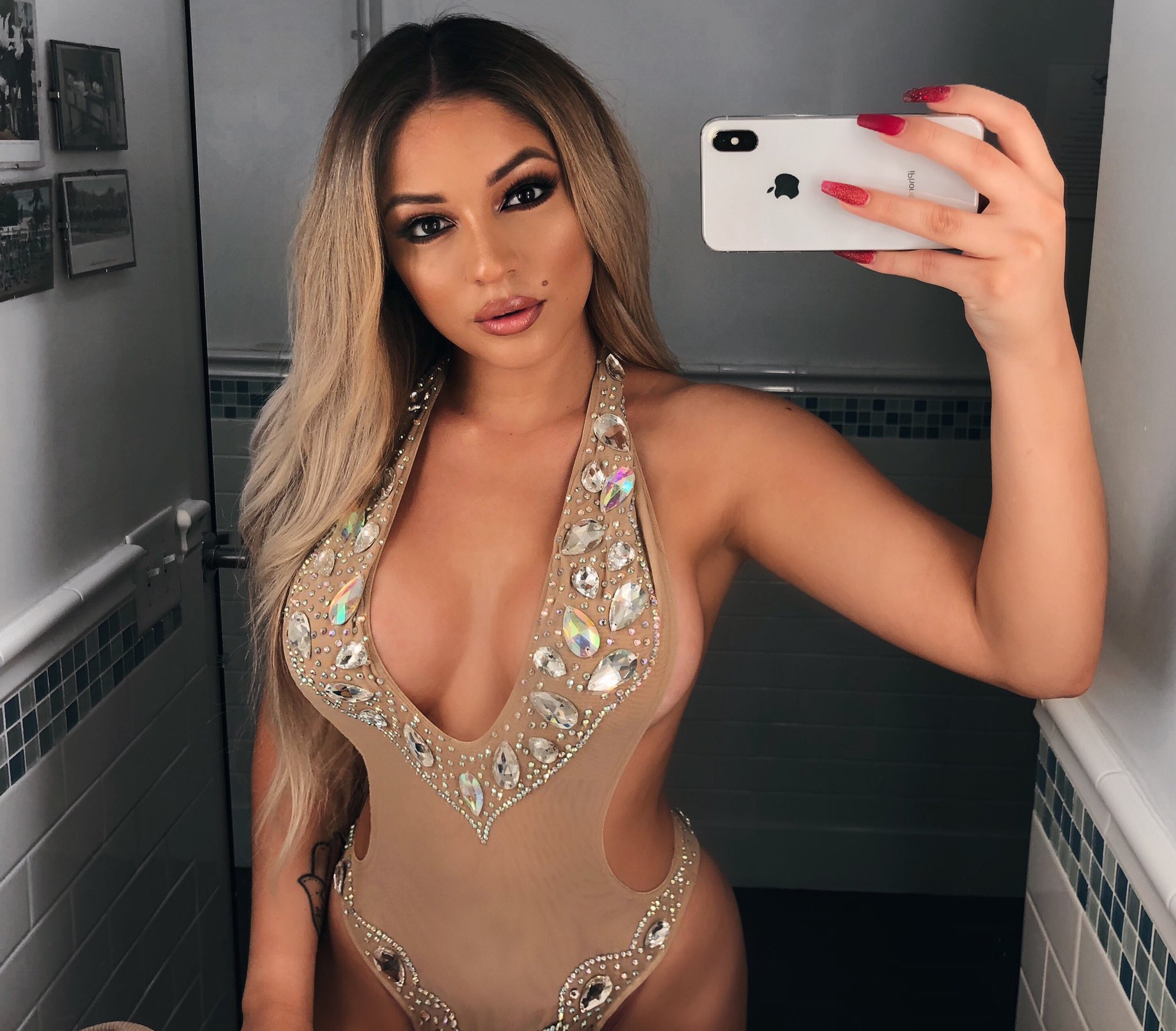
Career Trajectory and Public Persona of Jossie Ochoa
Jossie Ochoa’s journey in adult entertainment and digital content creation began with a strategic blend of personal branding and niche market engagement. Prior to gaining widespread recognition, she established herself through platforms like Instagram and Twitter, where she cultivated a following by sharing snippets of her lifestyle, humor, and behind-the-scenes content. This approach mirrored the tactics of many modern influencers, who use social media to transition into monetized ventures, including OnlyFans. Her decision to launch an OnlyFans subscription in [insert year if known] capitalized on the platform’s rising popularity, where creators offer exclusive adult content in exchange for monthly fees. Unlike mainstream adult performers, Ochoa’s appeal lay in her relatability and interactive approach, often engaging directly with subscribers through live streams, personalized messages, and custom content.
Ochoa’s public persona was further shaped by her participation in collaborative projects, such as appearances in adult films or partnerships with other creators, which expanded her visibility. However, this visibility also made her a target for leaks, as her digital footprint grew larger. The adult entertainment industry, while lucrative, operates in a high-risk environment regarding privacy. Creators often face the paradox of seeking public attention to grow their audience while simultaneously needing to protect their personal and professional boundaries. For Ochoa, the leak of her OnlyFans content represented a breach not only of her financial interests but also of her autonomy over her own image. Unlike traditional celebrities, whose leaks might involve paparazzi photos or private videos, adult content creators face the additional challenge of their work being repurposed without consent, often stripped of context or monetization.
Table of Contents
- Jossie Ochoa’s Digital Footprint and the Phenomenon of Mega Download Leaks
- Career Trajectory and Public Persona of Jossie Ochoa
- Mechanics of Mega Download Sites and the Leak Economy
- Timeline of Key Events Leading to Jossie Ochoa’s Alleged Leaks
- Comparative Impact of Leaks on Adult Entertainment vs. Other Industries
- How "Mega Download" Sites Operate: A Deep Dive into Leak Distribution
- Technical Infrastructure: Hosting, Encryption, and Anonymity Tools
- Business Models: Monetization Strategies of Leak Distribution Platforms
- User Interface and Navigation: Designing for Accessibility and Engagement
- Step-by-Step Access: From Search to Download
- Risk Assessment: Malware, Legal Action, and Scams
- The Legal and Ethical Implications of Leaked Content: Navigating Rights, Responsibilities, and Consequences
- Legal Frameworks Governing Leaked Content in the U.S.: CFAA, DMCA, and Beyond
- Legal Recourse for Victims: Civil Lawsuits, Copyright Claims, and Restitution
- Case Studies: Legal Battles Over Leaked Adult Content
- Ethical Dilemmas: Privacy vs. Free Speech in the Age of Mega Downloads
Mechanics of Mega Download Sites and the Leak Economy
Mega Download platforms operate as digital black markets for pirated content, aggregating leaks from various sources—including hacked accounts, insider breaches, or stolen data dumps. These sites function similarly to torrent hubs or file-sharing forums but specialize in high-demand content, such as adult material, celebrity leaks, or proprietary media. The business model relies on user-generated uploads, where anonymous contributors share stolen files in exchange for reputation points or financial incentives. For platforms hosting Jossie Ochoa’s alleged leaks, the process typically begins with a breach—such as a compromised OnlyFans account—followed by the extraction of content, which is then uploaded to the Mega Download site. The site’s algorithm may prioritize trending or high-value content, ensuring leaks like Ochoa’s receive immediate visibility.
The functionality of these platforms often includes features designed to evade detection, such as: - Encrypted uploads to obscure the origin of leaked files. - Mirrored servers to distribute traffic and prevent takedowns. - User anonymity tools, like VPN integration or proxy servers, to protect distributors. - Monetization schemes, including pay-per-download models or premium memberships for exclusive leaks.
The economic incentive for hosting leaked content is twofold: first, the site gains traffic and advertising revenue from users seeking free access to paid material; second, the creators of the leaks—whether hackers or disgruntled insiders—may profit from selling the content elsewhere. For example, a leaked OnlyFans archive might be resold on underground forums or repackaged into compilations sold on dark web marketplaces. This ecosystem thrives on the exploitation of public interest, often at the expense of the original content creator’s livelihood.
Timeline of Key Events Leading to Jossie Ochoa’s Alleged Leaks
While specific details of Jossie Ochoa’s leaks remain fragmented due to the clandestine nature of such breaches, a hypothetical timeline based on common patterns in adult content leaks can illustrate the sequence of events:
1. Account Compromise (Q[Year]) - Initial breach occurs, potentially through phishing, credential stuffing, or a third-party vendor leak (e.g., a payment processor or OnlyFans’s own security lapse). - Hackers gain access to Ochoa’s OnlyFans dashboard, where they extract videos, photos, and direct messages.
2. Data Extraction and Distribution (Q[Year]) - Extracted content is organized into a downloadable archive, often compressed to reduce file size. - The archive is uploaded to a Mega Download site, accompanied by metadata such as Ochoa’s name, subscription tier, or exclusive tags to attract users.
3. Viral Spread and Media Coverage (Q[Year]) - The leak is shared on forums like Reddit (e.g., r/OnlyFansLeaks), 4chan, or specialized adult content sites. - Mainstream media or adult industry blogs may pick up the story, amplifying the leak’s reach. - Ochoa may issue a public statement or social media post addressing the breach, which can inadvertently drive more traffic to the leak.
4. Platform Response and Legal Actions (Ongoing) - OnlyFans or hosting providers may attempt to remove the content, but Mega Download sites often operate in jurisdictions with lax enforcement. - Ochoa or her legal team may file DMCA takedown requests, though these are frequently ignored or circumvented. - The leak may resurface periodically, particularly during spikes in search interest (e.g., holidays, new controversies).
5. Long-Term Impact on Creator’s Reputation - Trust among subscribers erodes, leading to churn and financial losses. - Ochoa may pivot to other platforms or content strategies to rebuild her audience, but the stigma of leaks can persist.
Comparative Impact of Leaks on Adult Entertainment vs. Other Industries
The consequences of leaks vary significantly across industries, influenced by factors such as legal protections, public perception, and economic dependence on controlled content distribution. Below is a comparative analysis of how leaks affect adult entertainment creators versus other public figures, such as mainstream celebrities or influencers:
| Factor | Adult Entertainment Creators | Mainstream Celebrities/Influencers |
|---|---|---|
| Primary Revenue Source | Subscription-based (OnlyFans, FanCentro) or PPV content. | Brand deals, sponsorships, merchandise, or traditional media. |
| Privacy Risks | Entire body of work (personal and professional) exposed. | Selective leaks (e.g., private photos, unscripted moments). |
| Reputation Damage | Permanent loss of subscriber trust; stigma of "leaked content." | Temporary scandals, but often recoverable with PR strategies. |
| Legal Recourse | Limited; copyright law applies to original work, but distribution is often untraceable. | Stronger legal protections (e.g., right of publicity, defamation). |
| Public Perception | Associated with exploitation or victimization. | Often framed as "private life exposed" without moral judgment. |
| Career Trajectory | Difficult to pivot without addressing the leak’s legacy. | May leverage leaks for attention (e.g., "I’m just being me" narrative). |
For adult creators, leaks represent an existential threat to their career, as their entire professional identity is tied to exclusive content. Unlike celebrities who can compartmentalize leaks as isolated incidents, a leaked OnlyFans archive becomes a permanent record of their work, often repurposed in ways that strip away context or consent. The adult industry’s reliance on discretion and trust makes it particularly vulnerable to such breaches, with creators facing not only financial losses but also emotional distress from the non-consensual dissemination of their personal and professional lives
How "Mega Download" Sites Operate: A Deep Dive into Leak Distribution
The proliferation of Mega Download sites has transformed the landscape of digital content distribution, particularly in the adult entertainment industry. These platforms thrive on the unauthorized dissemination of leaked material, leveraging a complex interplay of technical infrastructure, monetization strategies, and user-driven demand. Behind their seemingly simple interfaces lie sophisticated systems designed to evade legal scrutiny, maximize accessibility, and exploit psychological triggers in users. Understanding their operational mechanics—from hosting and encryption to community-driven promotion—reveals how these sites sustain their illicit activities while adapting to evolving digital defenses.
Technical Infrastructure: Hosting, Encryption, and Anonymity Tools
Mega Download sites rely on a multi-layered technical framework to distribute leaked content while minimizing detection and legal repercussions. At the core of their infrastructure are distributed hosting networks, which disperse data across multiple servers to prevent single points of failure or shutdowns. Many leverage cloud storage providers (e.g., AWS, Google Drive, or third-party hosts) under false identities or through reseller accounts, obscuring their origin. Others utilize peer-to-peer (P2P) networks, such as torrent trackers, where users download files directly from one another, further decentralizing the content’s location.
Encryption methods play a critical role in protecting both the site operators and the leaked material. Sites often employ AES-256 encryption for file storage, ensuring that even if authorities seize server data, decryption without the key remains computationally infeasible. Additionally, SSL/TLS certificates mask data transmission between users and servers, preventing interception by ISPs or law enforcement. For anonymity, operators frequently integrate Virtual Private Networks (VPNs) or proxy servers into their infrastructure, routing traffic through multiple jurisdictions to obscure the site’s physical location. Some advanced platforms even incorporate The Onion Router (TOR) nodes, enabling access exclusively through the dark web and making it nearly impossible to trace IP addresses back to the site’s administrators.
Business Models: Monetization Strategies of Leak Distribution Platforms
The financial sustainability of Mega Download sites hinges on diverse revenue streams, each designed to extract value from users while minimizing direct liability. The most common models include:
- Advertising Revenue: Sites flood user interfaces with intrusive pop-up ads, banner advertisements, or auto-play video ads, often redirecting traffic to affiliate marketing schemes or adult content providers. Some use malvertising, where ads contain malicious scripts to infect devices with malware. - Subscription-Based Access: Certain platforms operate under a freemium model, offering limited free content while charging for premium downloads, exclusive leaks, or ad-free browsing. Membership tiers may include perks like early access to new leaks or higher download speeds. - Donation and Crowdfunding: Communities often fund leak operations through PayPal, cryptocurrency (e.g., Bitcoin, Monero), or Patreon-style donations, framing contributions as support for "content creators" or "free speech" initiatives. - Affiliate Marketing: Sites earn commissions by promoting third-party services, such as VPN providers, adult tube sites, or even other leak repositories, through embedded links or sponsored content. - Data Harvesting: Some platforms monetize user data by selling anonymized browsing habits, download histories, or IP logs to data brokers or advertisers, despite legal and ethical concerns.
A notable example is RevengeTube, a site infamous for hosting leaked adult content, which combines ad-supported browsing with subscription tiers for "VIP" users seeking faster downloads or uncensored material. Another platform, LeakHouse, operates as a donation-driven collective, where users pay in cryptocurrency to unlock password-protected archives, blending ideological rhetoric with financial incentives.
User Interface and Navigation: Designing for Accessibility and Engagement
The user experience (UX) of Mega Download sites is deliberately optimized to lower friction in accessing content while maximizing exposure to monetization opportunities. Key design elements include:
- Keyword-Driven Search Functionality: Sites prioritize SEO-friendly search bars, allowing users to input terms like "Jossie Ochoa OnlyFans leaks" or "exclusive adult content" to retrieve relevant files instantly. Some integrate autocomplete suggestions to guide users toward trending leaks. - Categorized Browsing: Content is organized into hierarchical categories, such as "OnlyFans Leaks," "Celebrity Nudes," or "Private DM Dumps," with subcategories for platforms (e.g., Twitter, Instagram, ManyVids) or content types (e.g., videos, photos, live streams). - Preview Features: Thumbnails, short video clips, or AI-generated previews entice users to initiate downloads, often paired with false scarcity tactics (e.g., "Only 3 downloads left!"). - Social Proof Integration: User ratings, comments, or "verified" badges create a sense of legitimacy, while embedded Reddit or Telegram links funnel traffic to external communities for further promotion. - Multi-Format Support: Sites accommodate various file types—MP4, JPEG, PDF, ZIP archives—and offer batch downloading to streamline the process for users seeking entire collections.
For instance, Booru-style tagging systems (common in adult content sites) allow users to filter leaks by metadata (e.g., "OnlyFans," "2023," "exclusive"), mimicking legal adult tube sites while hosting pirated material. The navigation often mimics mainstream platforms like Pornhub or XHamster, creating a false sense of legality and encouraging prolonged engagement.
Step-by-Step Access: From Search to Download
Users accessing leaked content through Mega Download sites typically follow a standardized workflow, which varies slightly depending on the platform’s design. Below is a generalized process:
1. Discovery Phase: - Users encounter the site via Google search results, Reddit threads (e.g., r/OnlyFansLeaks), Telegram groups, or word-of-mouth recommendations. - Keywords like "[Name] OnlyFans leak" or "exclusive adult content dump" are used to locate relevant repositories.
2. Site Selection: - Users compare platforms based on download speed, file availability, and user reviews, often cross-referencing multiple sites to ensure completeness. - Some rely on mirror sites (duplicate versions of the same leak hosted elsewhere) to avoid takedowns.
3. Access Methods: - Direct Download Links: Users click a link to initiate a download, often redirected through shorteners (e.g., Bit.ly, TinyURL) to obscure the source. - Torrent Magnets: Files are distributed via magnet links, requiring a torrent client (e.g., qBittorrent) to download from a P2P network. This method is slower but harder to shut down. - Cloud Storage Integrations: Some sites embed Google Drive, Dropbox, or MediaFire links, requiring users to enter temporary passwords or solve CAPTCHAs to bypass restrictions.
4. Authentication Bypass: - Password-Protected Archives: Users may need to brute-force passwords (using tools like John the Ripper) or rely on community-shared keys posted in forums. - CAPTCHA Solving: Automated CAPTCHA services (e.g., 2Captcha) are sometimes used to bypass anti-bot measures, though this risks detection.
5. Post-Download Actions: - Users may re-upload files to other platforms (e.g., Telegram channels, private forums) to share with others. - Some engage in seedbox services, where they upload their own copies to P2P networks to increase download speeds for others.
Risk Assessment: Malware, Legal Action, and Scams
While Mega Download sites offer convenient access to leaked content, users face significant risks, including cybersecurity threats, legal consequences, and financial scams. Below is a comparison of risks associated with different access methods:
| Access Method | Speed | Legality | Safety (Malware Risk) | Anonymity | Cost | Content Availability |
|---|---|---|---|---|---|---|
| Mega Download Sites (Direct Links) | Moderate-High (varies by server load) | Illegal (copyright infringement) | High (malicious ads, fake downloads) | Low-Moderate (logs may be sold) | Free (with ads) or Paid (subscriptions) | High (aggregated leaks) |
Torrent Networks (
The Legal and Ethical Implications of Leaked Content: Navigating Rights, Responsibilities, and ConsequencesThe unauthorized distribution of private content, exemplified by leaks involving individuals like Jossie Ochoa, intersects with a complex web of legal statutes, ethical dilemmas, and technological challenges. While platforms like OnlyFans rely on subscription models to monetize explicit content, leaks undermine this ecosystem by stripping creators of control over their work and exposing them to exploitation. Legal frameworks in the U.S. and beyond attempt to address these violations, but enforcement gaps, jurisdictional loopholes, and the anonymity afforded by digital platforms create persistent obstacles. Ethical debates further complicate the issue, pitting arguments about free speech and public interest against violations of privacy, consent, and mental well-being. This section examines the legal mechanisms available to victims, the ethical tensions surrounding leaked content, and the systemic failures that enable its proliferation.Legal Frameworks Governing Leaked Content in the U.S.: CFAA, DMCA, and BeyondThe U.S. legal system provides several tools to combat the unauthorized distribution of private content, with the Computer Fraud and Abuse Act (CFAA) and the Digital Millennium Copyright Act (DMCA) serving as primary instruments. The CFAA, enacted in 1986 and amended multiple times, criminalizes unauthorized access to protected computers and systems, including those hosting private content. Under the CFAA, individuals or entities that bypass security measures to obtain or distribute private material—such as hacking into OnlyFans accounts or scraping content from private servers—can face severe penalties, including fines and imprisonment. The law’s Section 1030(a)(2)(C) explicitly targets scenarios where access is obtained "without authorization" and causes damage, which includes the non-consensual dissemination of intimate images. The DMCA, introduced in 1998, focuses on copyright infringement and provides mechanisms for content owners to request the removal of infringing material. Creators like Jossie Ochoa can file DMCA takedown notices with hosting providers, search engines, or social media platforms to demand the removal of leaked content. The DMCA also includes anti-circumvention provisions (Section 1201), which prohibit bypassing technological measures—such as paywalls or subscription barriers—that protect copyrighted works. However, the DMCA’s effectiveness is limited by its reliance on voluntary compliance from platforms, which may prioritize user-generated content policies or financial incentives over swift action. Additional laws, such as state-level revenge porn statutes, further address the non-consensual distribution of intimate images. As of 2023, 48 states in the U.S. have enacted laws criminalizing revenge porn, with penalties ranging from misdemeanors to felonies, depending on the severity of the offense. These laws often require proof of intent to harm, which can be challenging to establish in cases where leaks are distributed anonymously. The Federal Trafficking Victims Protection Reauthorization Act (2018) also expanded legal protections by treating non-consensual pornography as a form of trafficking, aligning it with human rights violations.Legal Recourse for Victims: Civil Lawsuits, Copyright Claims, and RestitutionVictims of leaks, including creators like Jossie Ochoa, can pursue multiple avenues of legal recourse, though the process is often resource-intensive and fraught with challenges. Civil lawsuits under the CFAA allow victims to seek damages for intentional infliction of emotional distress, invasion of privacy, and unauthorized access to private systems. In cases like Fitzgerald v. Barnes (2014), courts ruled that the non-consensual distribution of private images constituted a tortious injury, enabling victims to recover compensation for harm to reputation and mental health. However, proving damages—particularly emotional distress—requires substantial evidence, such as medical records or expert testimonies, which many victims may lack. Copyright infringement claims under the DMCA provide another pathway, as leaked content often involves the unauthorized reproduction and distribution of copyrighted material. Creators can file lawsuits seeking statutory damages (up to $150,000 per work under 17 U.S. Code § 504(c)) and injunctive relief to halt further dissemination. A notable case is Lenz v. Universal Music Corp. (2015), where a mother successfully argued that copyright holders must consider fair use before issuing takedown notices. While this case involved music, it set a precedent for balancing copyright enforcement with free speech concerns. In the context of adult content, however, courts have generally sided with creators, as explicit material is less likely to qualify for fair use protections. Victims can also pursue restraining orders or injunctions to prevent further distribution, though enforcement remains difficult when leaks spread across international platforms. The Victims of Revenge Porn and Cyberstalking Act (VARPCSA), signed into law in 2021, allows victims to sue perpetrators for actual and punitive damages, including legal fees. However, tracking down anonymous distributors—especially on dark web forums or encrypted platforms—proves exceedingly difficult. Some victims have turned to crowdfunding or legal defense funds, such as those offered by organizations like Cyber Civil Rights Initiative (CCRI), to finance lawsuits against mass distributors.Case Studies: Legal Battles Over Leaked Adult ContentThe legal landscape surrounding leaked adult content has been shaped by high-profile cases, some of which have set critical precedents while others highlight systemic failures. One of the most infamous incidents is the "Fappening" of 2014, where hackers breached iCloud accounts of numerous celebrities (including Jennifer Lawrence and Kate Upton) and leaked private photos. While the perpetrator, Ryan Collins, was convicted under the CFAA and sentenced to three years in prison, the case also exposed vulnerabilities in cloud storage security. Victims pursued civil lawsuits against Apple for negligence, though settlements were reached privately. The Fappening underscored the need for stronger two-factor authentication and data encryption protocols, but it also demonstrated how quickly leaked content can proliferate across platforms before takedowns occur. Another landmark case involves Hunter Moore, the founder of the revenge porn site IsAnyoneUp.com. Moore was convicted in 2017 under federal obscenity and extortion laws, with prosecutors arguing that his platform facilitated the non-consensual sharing of explicit images. His sentence of 15 months in prison and $10,000 in restitution was seen as a victory for victims, but the case also revealed the challenges of prosecuting anonymous distributors. Moore’s co-defendant, Joshua Evans, received a 21-month sentence for similar crimes, illustrating that while individuals can be held accountable, the broader infrastructure enabling leaks—such as hosting providers and payment processors—often escapes scrutiny. In 2021, the case of Hunter Moore vs. Victims of Revenge Porn took another turn when several women sued him under VARPCSA, seeking damages for emotional distress. The lawsuit highlighted the secondary victimization experienced by individuals whose images were distributed without consent, even after Moore’s conviction. Meanwhile, OnlyFans creators have increasingly reported leaks to law enforcement, though prosecutions remain rare due to the lack of clear jurisdiction over international distributors. For example, a 2022 case in the UK saw a man sentenced to 18 months in prison for leaking OnlyFans content, but such outcomes are exceptions rather than the norm.Ethical Dilemmas: Privacy vs. Free Speech in the Age of Mega DownloadsThe debate over leaked content revolves around competing ethical principles: privacy and consent versus free speech and public interest. Proponents of free speech argue that once content is created and shared—even privately—it enters the public domain, making its distribution a matter of individual choice. This perspective is often invoked by platforms that host leaked material, citing Section 230 of the Communications Decency Act, which shields them from liability for user-generated content. However, critics counter that this argument ignores the asymmetry of power between creators and distributors, particularly when leaks involve blackmail, revenge, or exploitation. Privacy advocates, including organizations like the Electronic Frontier Foundation (EFF), argue that the non-consensual distribution of intimate images constitutes a violation of bodily autonomy. The 2016 Council of Europe Convention on Cybercrime (Budapest Convention) explicitly criminalizes such acts, framing them as a form of digital abuse. Ethical concerns also extend to the commodification of private life, where leaked content is monetized through subscription sites, forums, or dark web marketplaces. This raises questions about exploitation economics, where victims are financially harmed not only by lost income but also by the proliferation of their images in unauthorized contexts. A key ethical tension arises when leaked content is distributed under the guise of "public interest" or "journalistic exposure." Some argue that exposing illegal activities—such as sextortion rings or non-consensual sharing—serves a greater goodThe circulation of Jossie Ochoa’s OnlyFans leaks through Mega Download sites reveals a disturbing intersection of technology, ethics, and law—a battleground where curiosity clashes with exploitation. While platforms and users grapple with the moral and legal consequences, victims like Ochoa face the harsh reality of irreversible digital footprints. The challenge now lies in strengthening legal protections, holding distributors accountable, and reshaping public discourse to prioritize consent and dignity over sensationalism. As leaks continue to reshape online privacy, the fight for justice must evolve just as swiftly as the tools that enable them. |
Leave a Comment
Comments are moderated before appearing. The data you submit is processed according to the Privacy Policy of Inhonorofdesign.