Leaked classified documents Free VIP Access Exposes Global Security Risks

From the Pentagon Papers to Snowden’s NSA files, the exposure of leaked classified documents has repeatedly forced governments to confront uncomfortable truths about surveillance, warfare, and institutional secrecy. What began as Cold War-era espionage has morphed into a digital arms race, where encrypted databases, dark web marketplaces, and ransomware gangs now dictate the flow of state secrets. The promise of "Free VIP Access" to these troves—often peddled on shadowy online forums—has turned classified intelligence into a commodity, blurring the lines between whistleblowing and cybercrime while reshaping global power dynamics.
The modern landscape of leaked documents is defined by technological evolution and legal ambiguity. While whistleblowers like Edward Snowden argue that transparency is a public good, governments and intelligence agencies treat such disclosures as existential threats, deploying laws like the Espionage Act to suppress dissent. Meanwhile, the dark web has become a thriving black market for stolen secrets, where hacktivists, corporate spies, and even foreign states trade in stolen data with impunity. This duality raises critical questions: Who benefits from these leaks, and at what cost to national security, privacy, and democratic accountability?
The Rise of Leaked Classified Documents: Historical Context and Modern Implications
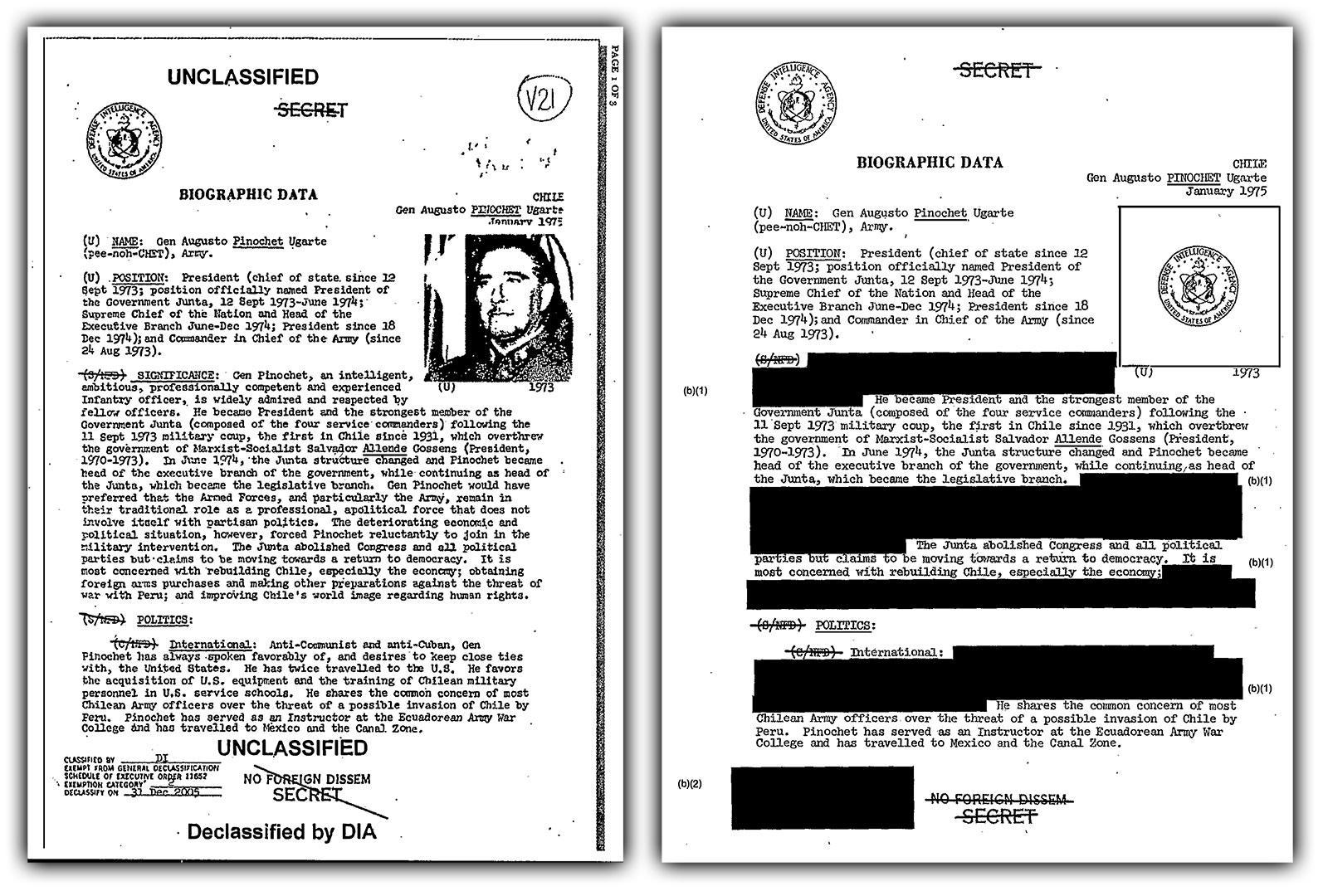
The exposure of classified documents has evolved from clandestine Cold War-era revelations to a digital-age phenomenon reshaping global transparency and security. Early leaks, such as the Pentagon Papers in 1971, demonstrated the power of whistleblowing to expose government deceit, while modern breaches, including those involving WikiLeaks and Edward Snowden, have exploited cyber vulnerabilities to disseminate vast troves of intelligence on an unprecedented scale. Technological advancements—from encrypted messaging platforms to dark web marketplaces—have democratized access to classified information, blurring the lines between espionage, journalism, and cybercrime. This shift has not only altered public trust in institutions but also forced governments to rethink their legal frameworks for handling classified materials.
The proliferation of leaked documents reflects a broader tension between national security and the public’s right to know. While some leaks are driven by ethical motivations, others stem from financial gain, hacktivism, or geopolitical sabotage. The methods of exposure have diversified, ranging from insider whistleblowing to sophisticated cyber intrusions, each leaving distinct legal and societal repercussions. Below, the evolution of classified leaks is examined through key historical milestones, technological enablers, and their enduring impact on global governance.

Evolution of Classified Document Leaks: From Cold War Espionage to Digital Breaches
The history of leaked classified documents traces back to the 20th century, when espionage and investigative journalism intersected to challenge state secrecy. Early leaks, such as the Venona Project decrypts during World War II, revealed Soviet espionage networks, while the Pentagon Papers (1971) exposed U.S. government lies about the Vietnam War, sparking legal battles over press freedom. These incidents set precedents for how classified information could be weaponized against governments, often through insiders with moral or ideological motivations. The digital revolution accelerated this trend, as encryption tools and anonymous communication platforms lowered the barrier for both whistleblowers and malicious actors seeking to exploit classified data.
Technological advancements have been pivotal in enabling modern leaks. The rise of leak-proof communication tools, such as SecureDrop and Signal, allows whistleblowers to bypass traditional surveillance, while dark web marketplaces (e.g., Silk Road, Haven) provide platforms for trading stolen documents. Meanwhile, ransomware attacks and supply-chain compromises (e.g., SolarWinds hack) have demonstrated how cybercriminals can infiltrate secure systems to extract classified materials for financial gain. The intersection of artificial intelligence and automated data scraping further complicates security, as algorithms can identify and exfiltrate sensitive information from unsecured databases. These developments have transformed leaks from sporadic events into a persistent threat, demanding continuous adaptation in cybersecurity and legal responses.
Table of Contents
- The Rise of Leaked Classified Documents: Historical Context and Modern Implications
- Evolution of Classified Document Leaks: From Cold War Espionage to Digital Breaches
- Key Milestones in Classified Document Leaks: A Timeline of Global Impact
- Case Studies: Methods of Exposure and Legal Consequences
- Free VIP Access: The Dark Web’s Role in Disseminating Leaked Classified Documents
- Infrastructure of the Dark Web Supporting Leaked Document Trade
- Business Models of Dark Web Marketplaces Offering VIP Access
- Comparison Table of Dark Web Platforms Trafficking Classified Documents
Key Milestones in Classified Document Leaks: A Timeline of Global Impact
The following table outlines major leaks from the Cold War to the present, illustrating their methods, document types, and societal repercussions. Each event highlights how technological and geopolitical contexts shaped the scale and consequences of the disclosures.
| Year | Event | Document Type | Impact |
|---|---|---|---|
| 1971 | Pentagon PapersLeaked by Daniel Ellsberg to The New York Times | U.S. Department of Defense documents on Vietnam War deception | Triggered Supreme Court case (New York Times Co. v. United States), established press freedom protections; led to Nixon’s downfall. |
| 2006 | WikiLeaks FoundedJulian Assange launches platform for whistleblowing | General classified documents, diplomatic cables | Redefined digital whistleblowing; faced legal challenges in multiple jurisdictions. |
| 2010 | Collateral Murder VideoWikiLeaks releases footage of U.S. airstrike in Iraq | Classified military video showing civilian casualties | Sparked global outrage; led to investigations into military conduct and WikiLeaks’ persecution. |
| 2010 | Afghan War DiariesWikiLeaks publishes 90,000 U.S. military logs | Classified military field reports on Afghanistan War | Exposed civilian casualties and corruption; prompted U.S. government crackdowns on leaks. |
| 2010 | CablegateWikiLeaks releases 250,000 U.S. diplomatic cables | State Department communications from 1966–2008 | Damaged diplomatic relations globally; led to arrests of WikiLeaks associates (e.g., Bradley Manning). |
| 2013 | Snowden LeaksEdward Snowden discloses NSA surveillance programs | Classified NSA documents on global mass surveillance (PRISM, XKeyscore) | Triggered global debates on privacy; led to reforms in U.S. surveillance laws (e.g., USA FREEDOM Act). |
| 2016 | DNC Email LeakGuccifer 2.0 (linked to Russian intelligence) exposes Democratic National Committee emails | Internal political communications | Influenced 2016 U.S. election; highlighted foreign interference in democracy. |
| 2017 | Vault 7WikiLeaks publishes CIA hacking tools and techniques | CIA cyberweapons, exploit databases | Exposed vulnerabilities in U.S. intelligence capabilities; raised concerns over cyber arms race. |
| 2020 | SolarWinds HackRussian APT29 compromises U.S. government systems via supply-chain attack | Classified government and corporate emails, network traffic | One of largest cyber espionage operations; led to bipartisan U.S. cybersecurity reforms. |
| 2023 | U.S. Intelligence Community LeaksMultiple disclosures on Ukraine War intelligence | Classified assessments on Russian military capabilities | Influenced public perception of war; prompted DOJ investigations into leaks. |
This timeline demonstrates how leaks have transitioned from isolated acts of dissent to systematic exposures enabled by digital tools. The scale of modern leaks—measured in terabytes rather than documents—has forced governments to adopt proactive cybersecurity measures, such as zero-trust architectures and AI-driven threat detection. However, the legal and ethical dilemmas surrounding these disclosures remain unresolved, as seen in the ongoing debates over whistleblower protections and press freedom.
Case Studies: Methods of Exposure and Legal Consequences
The mechanisms behind classified leaks vary widely, from insider whistleblowing to cyber intrusions, each carrying distinct legal and reputational risks. Two high-profile cases—*Edward Snowden’s NSA disclosures
Free VIP Access: The Dark Web’s Role in Disseminating Leaked Classified Documents
The dark web has evolved into a clandestine marketplace for leaked classified documents, where unauthorized access to state secrets, corporate intelligence, and proprietary data is commodified through encrypted networks and pseudonymous transactions. Unlike traditional leaks that rely on whistleblowers or insider networks, the dark web facilitates the systematic distribution of sensitive materials through subscription-based models, ransomware negotiations, and underground forums. This ecosystem thrives on anonymity-enhancing technologies, cryptocurrencies, and decentralized communication platforms, enabling both malicious actors and curious individuals to bypass conventional legal and ethical boundaries. The infrastructure supporting these activities—ranging from Tor-based marketplaces to cryptocurrency-facilitated payments—creates a parallel economy where classified documents are treated as high-value commodities, often with severe consequences for those involved in their dissemination or consumption.
Infrastructure of the Dark Web Supporting Leaked Document Trade
The dark web’s infrastructure is designed to obscure the identities of both sellers and buyers, leveraging layered encryption, decentralized networks, and cryptographic payment systems. The Onion Router (Tor) remains the most widely used platform for accessing hidden services, where websites with `.onion` domains operate outside the reach of traditional DNS servers. Tor routes user traffic through multiple volunteer-operated nodes, making it difficult to trace the origin or destination of data requests. Complementing Tor, I2P (Invisible Internet Project) provides another layer of anonymity by encrypting communications end-to-end and routing traffic through a peer-to-peer network, reducing the risk of surveillance or traffic analysis.
Cryptocurrencies, particularly Monero (XMR), dominate transactions within these networks due to their enhanced privacy features. Unlike Bitcoin, which relies on a public ledger, Monero uses ring signatures, stealth addresses, and ring confidential transactions to obscure sender, recipient, and transaction amounts. This combination of tools allows dark web marketplaces to operate with minimal risk of financial tracking, enabling the seamless exchange of leaked documents for cryptocurrency. Additionally, dead drops—physical or digital locations where data is left without direct interaction—further complicate attribution. For example, a leaker might upload an encrypted file to a prearranged cloud storage link or a hidden FTP server, accessible only through a password shared via a secure messaging app like Session or Telegram’s secret chats.
Business Models of Dark Web Marketplaces Offering VIP Access
Dark web marketplaces and forums specializing in leaked classified documents employ subscription-based models, tiered access systems, and exclusive membership perks to monetize sensitive information. These platforms often mimic legitimate services, complete with user tiers, payment gateways, and customer support channels designed to appear legitimate. Subscription tiers typically range from basic access (e.g., $50–$200/month for general leaks) to premium or "VIP" tiers (e.g., $1,000–$10,000/month for exclusive or high-value documents). VIP access may include: - Early or exclusive distribution of newly leaked materials. - Direct communication channels with leakers or brokers. - Access to private forums where discussions about upcoming leaks are held. - Customized searches or alerts for specific types of documents (e.g., military intelligence, diplomatic cables).
Payment methods almost exclusively rely on cryptocurrencies, with Monero being the preferred choice due to its untraceability. Some platforms also accept Bitcoin (BTC) or Zcash (ZEC), though these are less favored due to higher traceability risks. Payments are often processed through escrow services to ensure sellers receive funds only upon delivery of the goods. For example, a marketplace might require buyers to deposit funds into an escrow wallet, which releases payment to the seller only after the buyer confirms receipt of the leaked document.
Membership perks vary but often include reputation systems, where frequent buyers or sellers earn higher trust scores, unlocking additional privileges such as discounted rates or access to restricted sections. Some platforms also offer affiliate programs, where users can earn commissions by referring new customers. For instance, a forum like Dread (a Tor-based discussion platform) may allow members to post links to external sites selling leaked documents, earning a cut from successful referrals. Another model involves auction-style sales, where documents are sold to the highest bidder, often with a reserve price set by the seller.
Comparison Table of Dark Web Platforms Trafficking Classified Documents
Below is a comparative analysis of key dark web platforms known for trafficking leaked classified documents, highlighting their operational structures, document types, access costs, and notable leaks associated with them.
| Platform | Document Type | Access Cost | Notable Leaks Shared |
|---|---|---|---|
| BreachForums (Tor/I2P) |
|
|
|
| Dread (Tor) |
|
|
|
| The Marketplace (Tor) (Defunct, but succeeded by similar sites) |
|
|
|
Leave a Comment
Comments are moderated before appearing. The data you submit is processed according to the Privacy Policy of Inhonorofdesign.