IStillKnowWhatYouDidLastSummer Uncovered A Deep Dive
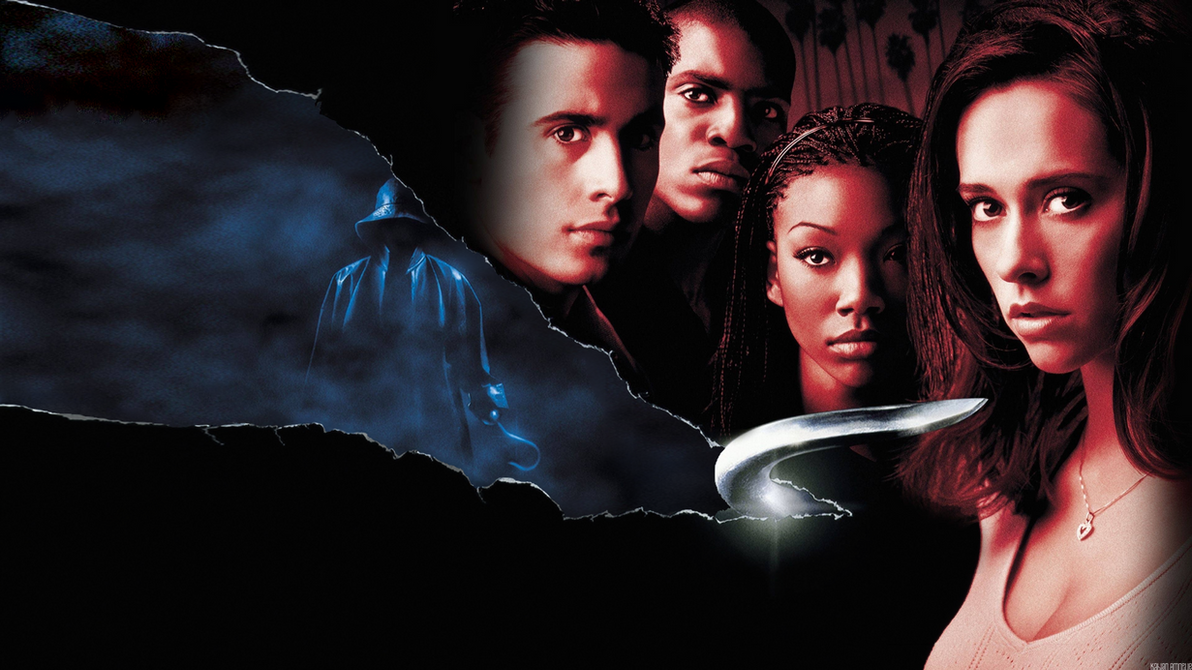
Nearly three decades after its release, I Still Know What You Did Last Summer remains a defining entry in the horror-comedy genre, blending teenage rebellion with relentless suspense. The film’s clever fusion of dark humor and slasher tropes revitalized a stagnant market, proving that audiences craved more than just jump scares—they wanted wit, irony, and a killer twist on guilt. Released in 1997, it capitalized on the post-Scream era, where meta-narratives and self-aware storytelling redefined horror’s boundaries, making it a cultural touchstone for millennials.
Beyond its box-office success and iconic tagline, the film’s legacy lies in its ability to merge campfire confessions with shark-infested waters, creating a blueprint for future horror-comedies. From the haunting melody of O-Town’s "Still" to the infamous boat scene, every element was meticulously crafted to linger in the public consciousness. Yet, the true brilliance of I Still Know What You Did Last Summer was its willingness to subvert expectations—turning a slasher’s revenge into a darkly comedic reckoning, where no secret was safe and no character was innocent.
The Cultural Impact of I Still Know What You Did Last Summer: A Retrospective

The late 1990s marked a pivotal era for horror cinema, where the genre experienced a renaissance fueled by meta-narratives, self-aware storytelling, and a fusion of teen angst with visceral scares. I Still Know What You Did Last Summer (1998), directed by Danny Leiner, emerged as a defining film of this period, bridging the gap between traditional slasher tropes and the emerging "scream" subgenre. Its success revitalized the slasher-horror formula, proving that audiences craved a blend of suspense, dark humor, and relatable youthful protagonists. The film’s box office performance, critical reception, and cultural resonance not only solidified its place in horror history but also influenced a wave of sequels, spin-offs, and genre imitators that followed. Its legacy extends beyond cinema, embedding itself in pop culture through iconic taglines, soundtracks, and memes that remain relevant decades later.
The film’s impact can be traced to a broader cultural shift in horror, where the late 1990s saw a decline in the dominance of traditional slashers like Friday the 13th or Halloween. Audiences had grown weary of formulaic villains and predictable plots, craving something fresh yet familiar. Scream (1996), with its meta-commentary on horror tropes, had already set the stage for this evolution, but I Still Know What You Did Last Summer refined the formula by adding a layer of dark comedy and teen drama. The film’s success was not merely a fluke; it was a calculated response to the changing tastes of a generation raised on Scream and Clueless, where horror and humor could coexist seamlessly.
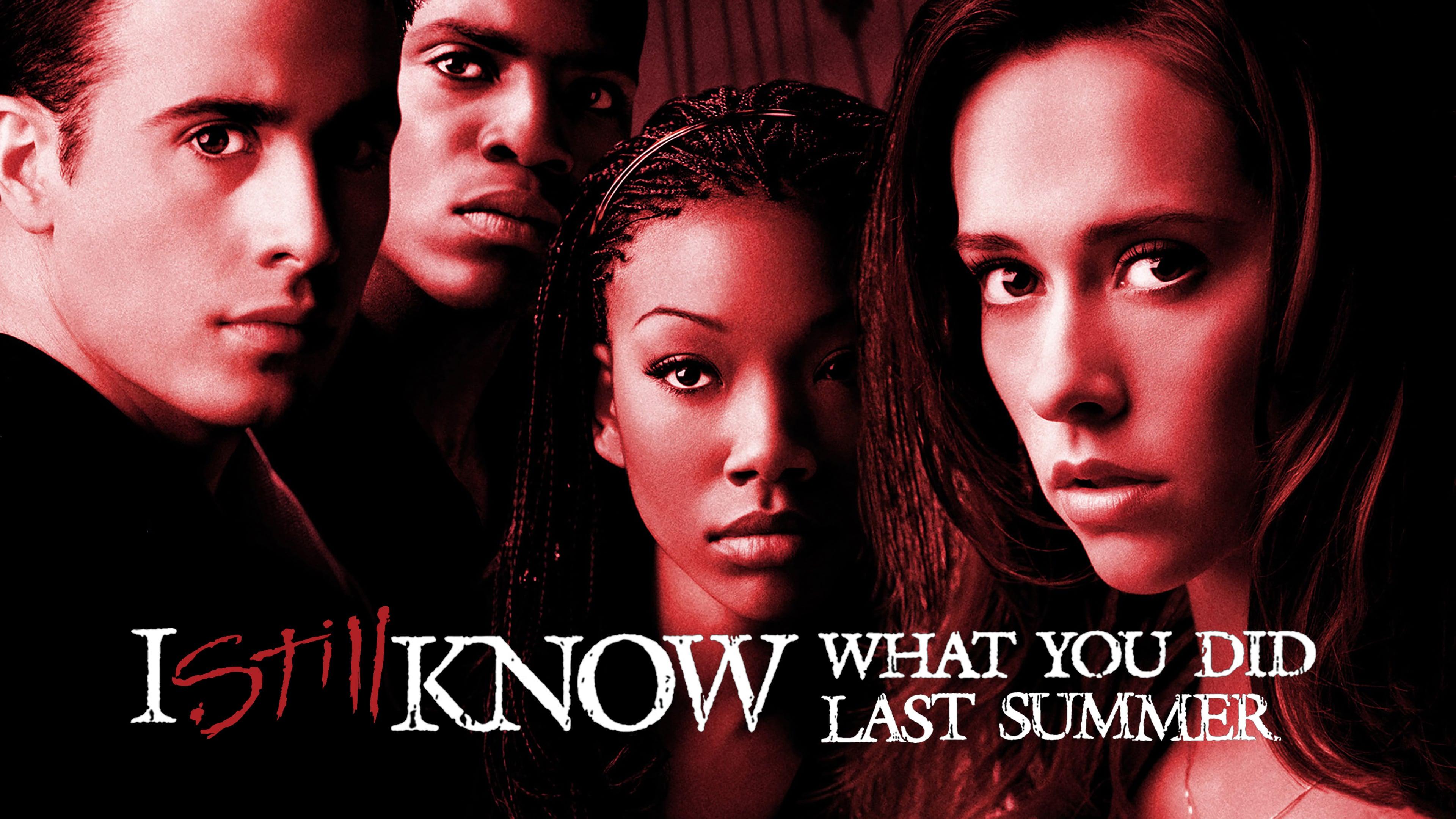
Key Events Leading to the Film’s Production and Its Role in Reviving the Slasher Genre
The production of I Still Know What You Did Last Summer was a direct response to the cultural and commercial shifts in horror cinema during the mid-to-late 1990s. Several key events and films paved the way for its creation, including the decline of traditional slashers and the rise of self-referential horror. Below is a timeline outlining the critical moments that shaped the film’s development and its eventual impact on the genre.
- 1980s: The Golden Age of Slashers The 1980s dominated by slashers like Friday the 13th (1980) and Halloween (1978) established the blueprint for the genre: masked killers, remote settings, and final-girl protagonists. However, by the mid-1990s, audiences grew disillusioned with the repetitive nature of these films, leading to a decline in both critical acclaim and box office returns.
- 1994: Scream Reboot and Meta-Horror Wes Craven’s Scream (1994) revitalized the genre by introducing a self-aware narrative that mocked horror clichés while delivering genuine scares. Its success proved that audiences were hungry for horror that acknowledged its own conventions, setting the stage for films like I Still Know What You Did Last Summer to experiment with similar meta-techniques.
- 1996: Sleepaway Camp III: Teen Wolf and the Decline of Traditional Horror While Sleepaway Camp III (1988) had already pushed the boundaries of horror with its controversial ending, the late 1990s saw a broader shift away from traditional slashers. Films like The Burning Bed (1984) and Carrie (1976) had explored psychological horror, but by the mid-90s, the market favored teen-oriented narratives with a mix of comedy and suspense.
- 1997: Urban Legend and the Rise of Teen Horror-Comedy Released just a year before I Still Know What You Did Last Summer, Urban Legend (1998) further cemented the trend of blending horror with teen humor and urban myths. Its success demonstrated that horror films could appeal to younger audiences without sacrificing scares, influencing the tone and marketing of I Still Know What You Did Last Summer.
- 1998: Production of I Still Know What You Did Last Summer The film’s development was spearheaded by producer David Kirschner, who sought to create a modern slasher with a fresh twist. The script, written by Kevin Williamson (who also wrote Scream), focused on a group of teens haunted by a past crime, blending psychological tension with dark comedy. The film’s title itself was a nod to Scream’s meta-approach, reinforcing its self-aware narrative.
- 1998: Box Office and Critical Reception Upon its release on July 10, 1998, I Still Know What You Did Last Summer grossed $103.9 million worldwide against a $19 million budget, making it a commercial success. Critics praised its balance of horror and comedy, with Variety calling it "a smart, self-aware slasher with a fresh twist," while Entertainment Weekly noted its "sharp dialogue and clever plotting." The film’s success proved that slashers could thrive in the late 1990s if they embraced humor and teen appeal.
The film’s timing was perfect—it arrived at a moment when the horror genre was in flux, and its blend of nostalgia, meta-commentary, and teen drama resonated with audiences tired of predictable slashers. By reviving the slasher formula with a modern sensibility, I Still Know What You Did Last Summer not only achieved commercial success but also redefined the genre’s direction for the next decade.
Table of Contents
- The Cultural Impact of I Still Know What You Did Last Summer : A Retrospective
- Key Events Leading to the Film’s Production and Its Role in Reviving the Slasher Genre
- Comparative Analysis: I Still Know What You Did Last Summer and Its Predecessors and Successors
- Behind the Scenes: Production Insights and Hidden Details of I Still Know What You Did Last Summer
- The Original Pitch and Script Evolution
- Challenges of Filming the Boat Scene and the Shark Attack Sequence
- Key Filming Locations and Their Narrative Significance
- Behind-the-Scenes Trivia and Actor Experiences
- Deleted Scenes and Script-to-Screen Differences
- Budget Allocation and Comparative Analysis with Horror Films of the Era
- Character Analysis: The Dynamics of the Main Cast in I Still Know What You Did Last Summer
- Archetypes and Horror Tropes with a Comedic Twist
- Fred Savage’s Barry Cox: The Straight Man in Horror-Comedy
- Character Arc Breakdown: Flaws, Growth, and Inevitable Fates
- The Horror-Comedy Genre: Why I Still Know What You Did Last Summer Worked
- Balancing Horror and Comedy Through Duality
- Evolution of Horror-Comedy: From 1980s Precedents to Modern Innovation
- Dark Humor in Horror: Absurdity as a Narrative Tool
- Categorization of Comedic Moments and Their Audience Engagement
- Pacing: Alternating Tension and Levity for Sustained Engagement
Comparative Analysis: I Still Know What You Did Last Summer and Its Predecessors and Successors
To understand the cultural significance of I Still Know What You Did Last Summer, it is essential to compare it with its predecessors—films that defined the slasher genre—and its successors, which built upon its formula. The table below highlights key differences in themes, marketing strategies, and audience demographics, illustrating how the film both honored and evolved horror traditions.
| Film | Year | Primary Themes | Marketing Strategy | Audience Demographics | Cultural Influence | |||||||||||||||||||||||||
|---|---|---|---|---|---|---|---|---|---|---|---|---|---|---|---|---|---|---|---|---|---|---|---|---|---|---|---|---|---|---|
| Sleepaway Camp (1983) | 1983 | Psychological horror, ambiguous villain, rural isolation | Low-budget, grassroots marketing; relied on word-of-mouth and shock value | Primarily male, teen-to-young-adult audiences; limited mainstream appeal | Inspired later slashers with its controversial ending; paved the way for meta-horror | |||||||||||||||||||||||||
| The Burning Bed (1984) | 1984 | Psychological thriller, domestic abuse, female empowerment | Targeted adult audiences; promoted as a dramatic thriller with horror elements | Primarily adult women; niche appeal in the horror-thriller space | Broke gender barriers in horror; influenced psychological horror films | |||||||||||||||||||||||||
| Scream (1996) | 1996 | Meta-horror, self-aware storytelling, teen paranoia, slasher tropes deconstructed | Aggressive teen-targeted marketing; leveraged "slasher rules" as a selling point | Teen-to-young-adult crossover; broad appeal across genders | Revived the slasher genre with humor and intelligence; inspired a wave of meta-horror films | |||||||||||||||||||||||||
| I Still Know What You Did Last Summer (1998) | 1998 | Teen guilt, supernatural revenge, dark comedy, found-footage-style tension | Teen-oriented marketing with a focus on nostalgia and humor; used the O-Town soundtrack as a hook | Primarily teens and young adults; strong female-led
Behind the Scenes: Production Insights and Hidden Details of I Still Know What You Did Last SummerThe production of I Still Know What You Did Last Summer (1998) was a high-stakes blend of horror, suspense, and practical effects, marked by creative challenges, improvisational moments, and meticulous planning. From the script’s evolution to the grueling filming conditions, the behind-the-scenes journey of this slasher classic reveals how a modest budget and a team’s ingenuity transformed a dark premise into a cult phenomenon. The film’s production history—filled with rejected ideas, technical hurdles, and real-life experiences of the cast—offers a deeper understanding of its enduring appeal and the craftsmanship behind its iconic scenes.The Original Pitch and Script EvolutionThe film’s genesis traced back to a pitch that initially bore little resemblance to its final form. Kevin Williamson, the screenwriter, conceived the story as a modern twist on the classic "Summer of ’54" trope, where a group of teens face vengeance for a past crime. Early drafts included a serial killer with a more elaborate backstory, such as a disfigured Vietnam veteran or a vengeful brother of the victim, but these were scrapped for a more ambiguous antagonist. Williamson also explored alternate endings, including a reveal that the killer was one of the teens themselves—a plot device later abandoned to preserve the film’s central mystery. The script underwent significant revisions before production began. Early versions featured extended flashbacks detailing the original crime, which were trimmed to maintain tension and focus on the present-day threat. Additional backstory for the characters, such as deeper relationships or personal conflicts, was also cut to streamline the narrative. One notable rejected idea was a prologue set in the 1950s, which would have shown the initial murder in greater detail but was deemed too slow-paced for a horror film. The final script emphasized atmosphere and dread, relying on the audience’s imagination to fill in the gaps of the killer’s identity.Challenges of Filming the Boat Scene and the Shark Attack SequenceThe boat scene, where the characters confront the killer in a stormy lake, posed one of the most significant logistical challenges. Filming took place on Lake Lanier in Georgia, where the crew had to contend with unpredictable weather, including sudden downpours and high winds. The practical effects required for the scene—such as the sinking boat and the killer’s sudden appearances—demanded precise timing and coordination. Stunt coordinator Gary Graham oversaw the sequence, ensuring the actors’ safety while capturing the chaotic energy of the scene. The shark attack, a pivotal moment in the film, combined animatronics and CGI to create its terrifying effect. The mechanical shark, designed by KNB EFX Group, was a hybrid of practical and digital elements. The animatronic shark was used for close-up shots, while CGI enhancements were added in post-production to refine its movements and scale. Choreographing the attack involved a step-by-step process: 1. Pre-visualization: The stunt team mapped out the shark’s path to avoid collisions with the actors and props. 2. Safety Measures: Actors were equipped with air bags and protective gear, and the shark’s movements were controlled remotely to prevent injury. 3. Integration with CGI: The final shot combined the animatronic shark with digital effects to create a seamless, larger-than-life predator. 4. Sound Design: The shark’s growls and water disturbances were recorded separately to amplify the audio impact. The scene required multiple takes due to the complexity of coordinating the shark’s movements with the actors’ reactions. Fred Savage, who played the character Bart, later revealed that the crew had to improvise some of the dialogue to sell the tension, as the shark’s unpredictable movements made rehearsals difficult.Key Filming Locations and Their Narrative SignificanceThe film’s eerie atmosphere was heavily influenced by its real-world locations, each chosen for their ability to enhance the story’s dread. The most iconic setting was Lake Lanier, which served as the primary backdrop for the characters’ summer adventures. The lake’s dark, murky waters and abandoned docks reinforced the film’s themes of hidden secrets and lingering guilt. The abandoned hospital, where the killer’s final confrontation occurs, was filmed at Grady Memorial Hospital’s old facilities in Atlanta. The decaying infrastructure and eerie corridors amplified the film’s psychological horror, making it a memorable antagonist in itself. Other key locations included:Behind-the-Scenes Trivia and Actor ExperiencesThe production of I Still Know What You Did Last Summer was filled with unexpected moments and personal challenges for the cast. Jennifer Love Hewitt, who played Julie James, underwent intensive training to prepare for her role, including swimming lessons to convincingly portray a confident but vulnerable teen. She later revealed that she improvised some of her lines during the boat scene, particularly in moments of high tension, to make the dialogue feel more authentic. Fred Savage, known for his comedic roles, admitted that playing Bart was a career-defining challenge. He trained with stunt doubles for the boat scene and rehearsed the shark attack extensively to ensure his reactions were believable. Bridgette Wilson, who portrayed Helen Shivers, faced physical demands during the film, including climbing through tight spaces in the abandoned hospital and performing high-stress scenes with minimal dialogue. Other notable trivia include:Deleted Scenes and Script-to-Screen DifferencesThe final cut of I Still Know What You Did Last Summer omitted several scenes that were shot but later removed to tighten the narrative. Extended flashbacks of the original murder were cut, as they were deemed too slow-paced for the film’s fast-moving horror structure. Additional backstory for Helen Shivers, including a romantic subplot with Bart, was also excised to focus on the central mystery. Other deleted scenes included:Budget Allocation and Comparative Analysis with Horror Films of the EraI Still Know What You Did Last Summer was produced on a modest budget of approximately $12 million, a figure that included allocations for special effects, marketing, and cast salaries. Below is a breakdown of the film’s estimated budget distribution, compared to similar horror films of the late 1990s:
Pacing: Alternating Tension and Levity for Sustained EngagementThe film’s pacing is a masterclass in balancing horror and comedy, with each act serving a distinct purpose in maintaining audience engagement. In Act 1, the focus is on establishing the characters’ dynamic and their carefree summer plans, interspersed with moments of foreshadowing (e.g., the shark’s first appearance). The comedic tone dominates early on, with the characters’ reckless behavior providing a false sense of security. However, the abrupt shift to horror during the opening shark attack signals the film’s tonal duality, setting the stage for the tension to come. Act 2 is where the film’s pacing truly shines, with a deliberate alternation between comedic relief and horror sequences. For example, the characters’ attempts to outI Still Know What You Did Last Summer did more than entertain—it reshaped how horror and comedy could coexist, proving that laughter and terror could feed off each other without sacrificing depth. Its influence echoes in modern franchises, from Final Destination’s meta-twists to Happy Death Day’s self-aware kills, while its cultural memes and soundtrack cement its place in pop history. Decades later, the film’s message remains clear: no matter how hard you try to bury your past, the ocean—and the audience—will always remember what you did. |
Leave a Comment
Comments are moderated before appearing. The data you submit is processed according to the Privacy Policy of Inhonorofdesign.