IStillKnowWhatYouDidLastSummer Reshaped Horror Forever
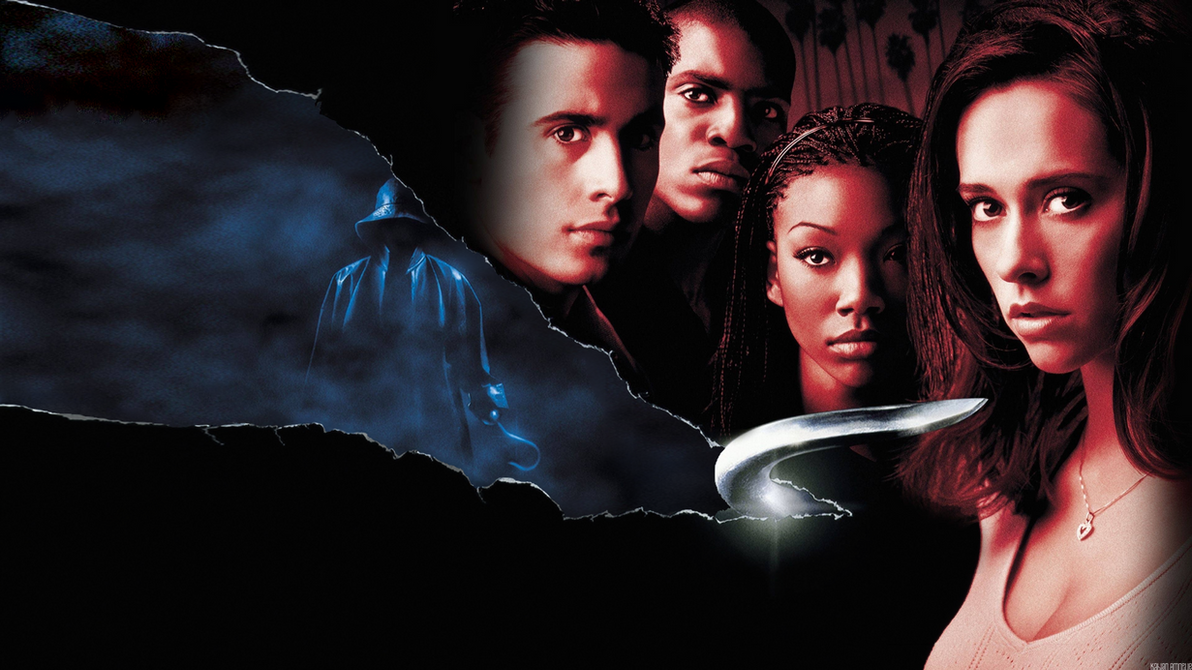
Two decades after its chilling debut, I Still Know What You Did Last Summer remains a defining entry in the slasher genre, proving that a modest budget could spawn a cultural phenomenon. The 1998 film didn’t just revive the summer camp horror subgenre—it redefined it, blending psychological tension with dark humor to create a killer that lingers in the collective unconscious. Unlike its predecessors, like Friday the 13th or Sleepaway Camp, the movie’s antagonist, Hook, discarded supernatural gimmicks in favor of a methodical, almost clinical approach to murder, setting a new standard for slasher villains.
Beyond its immediate box office success and critical praise, the film became a blueprint for how horror could merge with pop culture, spawning memes, TikTok trends, and even influencing TV shows like Riverdale and Stranger Things. Its legacy isn’t just in the scares but in how it turned a simple premise—four teens haunted by a vengeful killer—into a mirror reflecting the anxieties of 1990s youth culture, from environmental neglect to the consequences of reckless behavior. Even today, its marketing strategies, practical effects, and iconic scenes continue to inspire filmmakers and horror enthusiasts alike.
Cultural Impact and Legacy of I Still Know What You Did Last Summer

The 1998 release of I Still Know What You Did Last Summer marked a turning point in teen horror cinema, blending psychological tension with dark humor while subverting expectations of the slasher genre. Beyond its box office success, the film became a cultural phenomenon, influencing subsequent horror movies, reviving the summer camp subgenre, and cementing its place in pop culture through memes, merchandise, and intertextual references. Its legacy extends to career-defining moments for its stars, Jennifer Love Hewitt and Freddie Prinze Jr., and a lasting impact on how horror films are marketed and consumed by younger audiences. The film’s ability to merge nostalgia with modern sensibilities also positioned it as a benchmark for revivalist horror, inspiring both homages and parodies in the decades that followed.
Reinvention of Teen Horror Tropes and Influence on Slasher Films
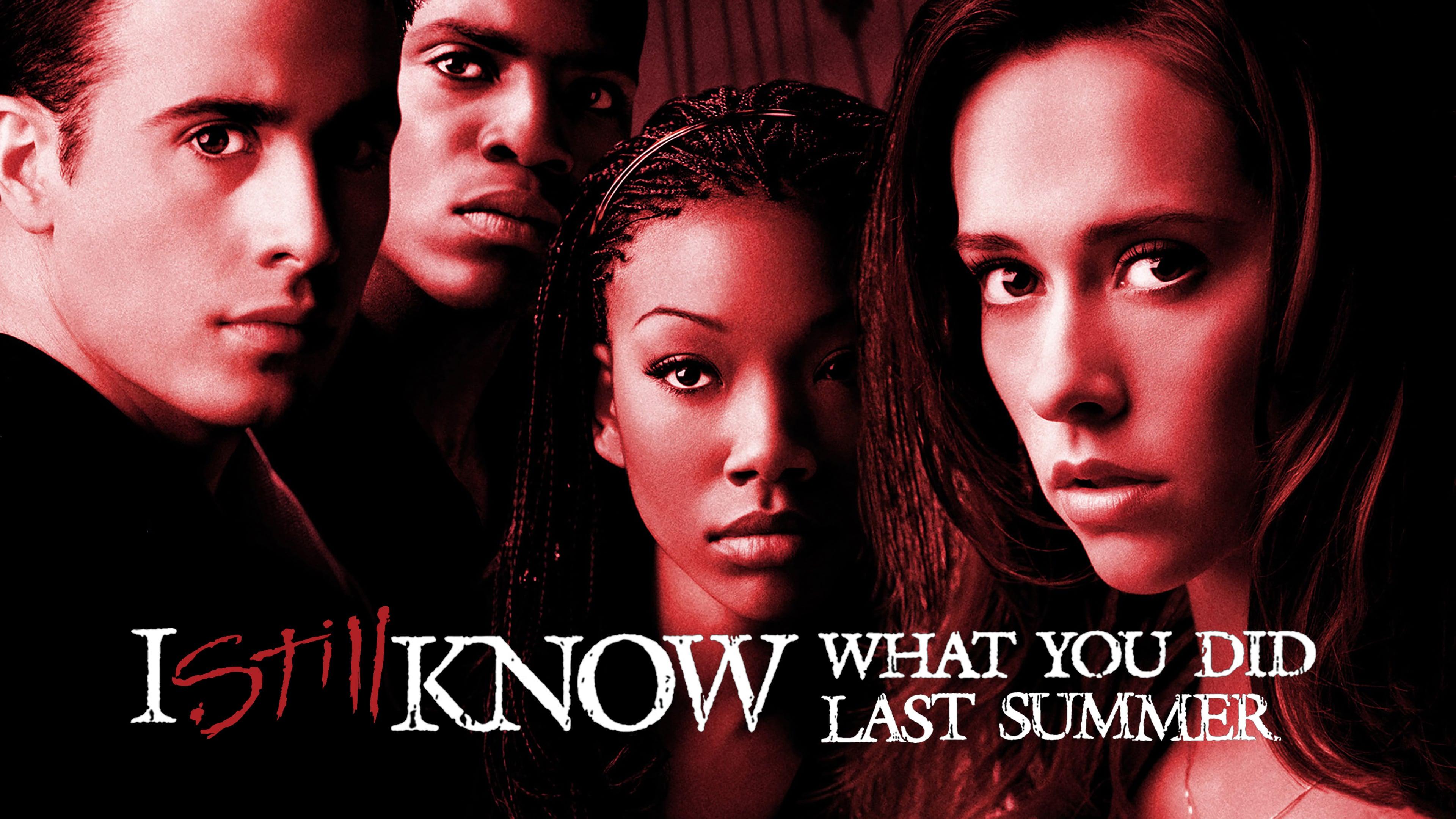
I Still Know What You Did Last Summer disrupted the stagnant teen slasher formula of the 1990s by integrating elements of mystery, dark comedy, and psychological horror. Prior to its release, slashers like Scream (1996) had already revitalized the genre with meta-narratives and self-aware humor, but I Still Know... pushed boundaries further by framing its story around a killer with supernatural knowledge of the characters’ past misdeeds. This approach shifted the focus from generic jump scares to a more cerebral, character-driven threat, influencing later films such as The Final Destination series (2000–2011), which also played with fate and supernatural revenge.
The film’s impact is evident in direct homages and parodies that followed. Final Destination 2 (2003) borrowed the concept of an unseen, unstoppable force targeting a group of survivors, while The Cabin in the Woods (2012) used a similar premise of a killer exploiting the characters’ past sins. Parodies like Scary Movie 2 (2001) and A Haunted House (2013) also referenced I Still Know What You Did Last Summer, particularly its iconic killer mask and the film’s signature line, "You’re gonna die." Even Saw (2004) drew parallels in its use of psychological torment tied to past actions, though with a more extreme and gory execution.
Reviving the Summer Camp Horror Subgenre
While summer camp horror had been a staple since Friday the 13th (1980) and Sleepaway Camp (1983), I Still Know What You Did Last Summer modernized the trope by shifting the setting from a decaying camp to a secluded beach house, which felt more relatable to 1990s teen audiences. Unlike Friday the 13th, which relied on camp lore and a masked killer, or Sleepaway Camp, which leaned into surreal horror, I Still Know... combined the familiar elements of a slasher with a fresh twist: the killer’s knowledge of the characters’ secrets. This innovation allowed the film to appeal to both horror purists and mainstream audiences, bridging the gap between B-movie thrillers and studio-backed genre films.
Table of Contents
- Cultural Impact and Legacy of I Still Know What You Did Last Summer
- Reinvention of Teen Horror Tropes and Influence on Slasher Films
- Reviving the Summer Camp Horror Subgenre
- Box Office Performance, Critical Reception, and Career Impact on Cast
- Cultural Moments and Viral Scenes
- Comparative Analysis: Original Film vs. 20 The Killer: Character Design, Symbolism, and Psychological Depth "I Still Know What You Did Last Summer" introduces one of the most distinctive and unsettling killers in slasher cinema: Hook, a figure whose name, appearance, and hunting methods redefine the archetype of the relentless, methodical stalker. Unlike the supernatural or impulsive antagonists of horror past, Hook embodies a terrifying blend of human cunning and environmental exploitation, making him a standout in a genre often dominated by iconic but formulaic villains. His design transcends mere physical intimidation, weaving a narrative of obsession, preparation, and psychological dominance that lingers long after the credits roll. This analysis dissects Hook’s character through the lens of symbolism, psychological motivation, hunting tactics, and his place within the broader landscape of horror antagonists, while also exploring the lesser-known facets that add depth to his chilling persona. Symbolism Behind Hook’s Name and Appearance
- Psychological Breakdown of Hook’s Motivations
- Step-by-Step Analysis of Hook’s Hunting Methods
- Comparison to Other Horror Killers: Static vs. Evolving Antagonists
- Fan Theories and Unanswered Questions About Hook’s Identity
- Behind-the-Scenes: Filmmaking Techniques and Challenges in I Still Know What You Did Last Summer
- Practical Effects for Hook’s Underwater Scenes and the Simulation of Diving Constraints
- Low-Budget Techniques: Fake Blood, Prosthetics, and the Authenticity of Horror
- Filming Challenges: Location Constraints and Weather-Related Delays
- Sound Design and Score: Crafting Atmospheric Tension
- Key Crew Contributions: A Table of Influential Collaborators
- Themes and Social Commentary in I Still Know What You Did Last Summer : A Reflection of 1990s Youth Culture and Moral Consequences
- Critique of the "Teen Angst" Trope and the Dangers of 1990s Youth Culture
- Environmentalism and the Decay of Nature as a Character
- Guilt and the Inevitability of Consequences
- Friendship, Betrayal, and the Subversion of Teen Horror Tropes
- Key Quotes and Their Deeper Meanings
The film’s success revitalized interest in summer-themed horror, leading to sequels (I Know What You Did Last Summer, 2006; I Still Know What You Did Last Summer, 2022) and spin-offs like The Final Destination series. The 2022 sequel, while divisive among critics, attempted to recapture the original’s blend of mystery and horror, though it leaned more heavily into supernatural elements. The resurgence of summer camp horror in the 2010s, seen in films like The Cabin in the Woods and Happy Death Day (2017), also reflects the enduring appeal of the subgenre, with I Still Know... often cited as a key influence.
Box Office Performance, Critical Reception, and Career Impact on Cast
Upon its release, I Still Know What You Did Last Summer grossed $103.7 million worldwide against a $15 million budget, making it one of the most profitable horror films of the late 1990s. Domestically, it earned $57.4 million, outperforming other teen horror films of its time, such as Scream ($103 million worldwide) and I Know What You Did Last Summer ($107 million worldwide). Critics initially gave the film mixed reviews, with Rotten Tomatoes scoring it 46% (based on 54 reviews) and Metacritic awarding it 46/100, indicating "mixed or average reviews." However, audiences embraced it, with an IMDb rating of 6.1/10 and a CinemaScore of B+, reflecting its strong word-of-mouth appeal.
The film’s success catapulted Jennifer Love Hewitt and Freddie Prinze Jr. to stardom. Hewitt, who had previously appeared in The Client (1994) and I Know What You Did Last Summer (1997), became a leading lady in teen horror and later transitioned into sitcoms like Party of Five (1994–2000) and Ghost Whisperer (2005–2010). Prinze Jr., known for his roles in Senseless (1998) and She’s All That (1999), became a heartthrob of the late '90s, though his career faced fluctuations post-I Still Know. In retrospect, both stars have reflected on the film’s impact. Hewitt stated in a 2018 interview with Collider:
"That movie was a huge part of my career. It wasn’t just another horror film—it was smart, it was funny, and it had heart. It gave me a chance to show I could carry a film."
Prinze Jr., in a 2021 interview with The Hollywood Reporter, described the film as a "defining moment" that allowed him to break into Hollywood’s mainstream.
Cultural Moments and Viral Scenes
Several scenes and elements from I Still Know What You Did Last Summer became instantly iconic, contributing to its cult status. The film’s opening sequence, where the characters’ past misdeeds are revealed in flashbacks, set the tone for its unique narrative structure. The "You’re gonna die" line, delivered by the killer (who remains unseen until the climax), became a meme staple, often repurposed in internet culture to signify impending doom or dark humor. Another standout moment is the "mask reveal"—a homage to Friday the 13th’s Jason Voorhees but with a twist: the killer’s face is never fully shown, adding to the film’s eerie ambiguity.
Merchandise tied to the film also fueled its cultural footprint. The killer’s white mask, designed to resemble a distorted, almost skeletal face, became a sought-after collectible, appearing in Halloween costumes and horror-themed accessories. The film’s soundtrack, featuring tracks like "I’m Alive" by The Bouncing Souls and "Summer" by Limp Bizkit, further embedded it in the late '90s teen aesthetic. Additionally, the film’s post-credits stinger, which hints at a sequel, was a marketing masterstroke, keeping audiences engaged long after the credits rolled.
A timeline of key cultural moments:
- 1998 (Release Date): The film’s theatrical run coincides with the peak of teen horror’s resurgence, capitalizing on the success of Scream and I Know What You Did Last Summer.
- 1999 (Home Video Boom): The film’s VHS and DVD releases include special editions with deleted scenes and behind-the-scenes footage, deepening fan engagement.
- 2001 (Parody Wave): Scary Movie 2 and A Haunted House reference the film’s killer mask and plot twists, cementing its place in comedy-horror culture.
- 2006 (Sequel Release): I Know What You Did Last Summer (2006) attempts to capitalize on the original’s success but underperforms critically and financially.
- 2010s (Internet Revival): The film’s scenes and quotes resurface on platforms like YouTube, Vine, and TikTok, with clips like the "You’re gonna die" moment becoming viral challenges.
- 2022 (Modern Reboot): The sequel I Still Know What You Did Last Summer (2022) reignites nostalgia, though it faces backlash for deviating from the original’s tone.
Comparative Analysis: Original Film vs. 20
The Killer: Character Design, Symbolism, and Psychological Depth
"I Still Know What You Did Last Summer" introduces one of the most distinctive and unsettling killers in slasher cinema: Hook, a figure whose name, appearance, and hunting methods redefine the archetype of the relentless, methodical stalker. Unlike the supernatural or impulsive antagonists of horror past, Hook embodies a terrifying blend of human cunning and environmental exploitation, making him a standout in a genre often dominated by iconic but formulaic villains. His design transcends mere physical intimidation, weaving a narrative of obsession, preparation, and psychological dominance that lingers long after the credits roll. This analysis dissects Hook’s character through the lens of symbolism, psychological motivation, hunting tactics, and his place within the broader landscape of horror antagonists, while also exploring the lesser-known facets that add depth to his chilling persona.
Symbolism Behind Hook’s Name and Appearance
Hook’s identity is rooted in a duality of menace and mystery, encapsulated in his name and the grotesque tools of his trade. The moniker "Hook" serves as both a literal and metaphorical anchor to his character. Literally, it references the fishing hook embedded in his palm—a grotesque, permanent reminder of his connection to the ocean and his victims. Symbolically, the hook evokes themes of capture, punishment, and inescapable fate, mirroring the biblical story of Jonah and the whale, where a hook (or harpoon) represents divine retribution. This aligns with Hook’s role as an avenging force, punishing the teens for their past misdeeds. His name also nods to Captain Hook, the villain from Peter Pan, a figure associated with betrayal and eternal pursuit. Like his literary counterpart, Hook is a pursuer who refuses to let his prey escape, blending childish cruelty with adult malevolence.
Visually, Hook’s appearance is a nightmare of aquatic horror. His scuba gear—a black wetsuit, oxygen tank, and mask—transforms him into a submerged predator, exploiting the audience’s primal fear of drowning and the unknown depths. The mask obscures his identity, making him an enigma, while the hook protruding from his hand is a signature weapon, a macabre calling card that marks him as both victim and executioner. His silhouette, often backlit or emerging from water, creates an eerie, almost mythological presence, reinforcing the idea that he is not merely human but a force of nature. The breathing sounds through his regulator add another layer of tension, turning the underwater sequences into a claustrophobic nightmare where the audience shares the victim’s suffocating panic.
Psychological Breakdown of Hook’s Motivations
Hook’s motivations diverge from classic slasher killers like Michael Myers (who operates on instinctual rage) or Jason Voorhees (driven by supernatural vengeance). Instead, Hook is a calculating, almost clinical killer whose actions are rooted in premeditation, preparation, and psychological manipulation. Unlike Myers or Voorhees, he lacks supernatural abilities, relying solely on his intellect, physical adaptability, and mastery of his environment. His backstory—revealed through fragmented clues—suggests he was once a camp counselor or local figure who witnessed the teens’ crime and was either killed or traumatized by them. This transforms his killings from random slaughter to a personal vendetta, a slow, meticulous unraveling of his prey’s sense of security.
Psychologically, Hook embodies the "boogeyman" archetype but with a modern twist: he is not a monster born from folklore but a human predator who weaponizes the landscape. His lack of dialogue (until the final confrontation) heightens his menace, as his presence is announced through environmental storytelling—the creaking of boats, the ripple of water, the distant hum of a regulator. This silence forces the audience to fill in the gaps with their own fears, making him more terrifying than villains who monologue their intentions. Unlike Ghostface from Scream, who evolves and adapts based on the audience’s expectations, Hook remains static in his methods, relying on the element of surprise and the audience’s inability to predict his movements.
His hunting methods reflect a military or tactical mindset, where every action serves a purpose. He does not rely on brute strength but on ambush, misdirection, and exploitation of terrain. For example, his use of boats, underwater caves, and submerged vehicles turns the film’s setting—a seemingly idyllic coastal town—into a deadly maze. This contrasts with killers like Freddy Krueger, who thrives in the psychological realm, or Leatherface, whose brutality is immediate and visceral. Hook’s approach is methodical and patient, mirroring real-world stalkers who study their victims before striking.
Step-by-Step Analysis of Hook’s Hunting Methods
Hook’s hunting techniques are a masterclass in environmental horror, where the setting becomes an extension of his weaponry. His methods can be broken down into three phases: Stalking, Ambush, and Execution, each designed to maximize fear and minimize the victim’s ability to fight back.
1. Stalking: The Silent Observer
Hook’s initial appearances are often unseen or partially obscured, relying on sound and shadow to announce his presence. He does not chase blindly but waits for the perfect moment, using the water’s reflective properties to blend into the background. His use of submerged vehicles (such as the car in the lake) demonstrates his ability to manipulate the environment, turning inanimate objects into tools of terror. The audience’s fear is heightened by the lack of a clear threat; victims (and viewers) are left wondering when and how Hook will strike next.
2. Ambush: Exploiting the Elements
Hook’s ambushes are multi-sensory, engaging sight, sound, and even touch. For instance, the scene where he drains the water from a boat to trap his victims is a brilliant use of physics to create tension. The sound design—the gurgle of water, the metallic scrape of the drain plug—immerses the audience in the victim’s panic. Similarly, his underwater attacks play on claustrophobia, with the confined spaces of caves and sunken rooms amplifying the sense of helplessness. Unlike killers who rely on brute force, Hook controls the rules of engagement, forcing his victims to adapt to his domain.
3. Execution: The Final Punchline
Hook’s kills are ritualistic, often involving the hook as a signature weapon. His victims are dragged into the water, drowned, or impaled, reinforcing the aquatic theme. The final confrontation with Julie (Jennifer Love Hewitt) in the submerged house is a culmination of his methods: he traps her in a collapsing environment, using the water’s weight to crush her escape routes. This scene is a masterclass in tension, with the audience holding their breath as the house floods, mirroring the victim’s struggle for air.
Comparison to Other Horror Killers: Static vs. Evolving Antagonists
Hook’s character arc—or lack thereof—sets him apart from more dynamic horror villains. Unlike Ghostface, who adapts his tactics based on the protagonist’s knowledge, or Pinhead from Hellraiser, who evolves through supernatural means, Hook remains consistently methodical. This static nature makes him more predictable in his actions but less so in his presence, as his ability to vanish and reappear keeps the audience off-balance. His lack of dialogue or backstory (beyond the hook’s implication) also contrasts with killers like Hannibal Lecter, who thrives on psychological games and verbal dominance.
However, Hook’s environmental reliance gives him a uniqueness akin to The Thing (from The Thing) or The Predator, where the setting itself is a weapon. While these villains are often supernatural or alien, Hook’s terror stems from his human ingenuity—his ability to turn the natural world against his victims. This makes him a grounded yet terrifying figure, one who does not need supernatural aid to be deadly. His static nature also serves a narrative purpose: the audience’s fear is not of an evolving threat but of an inescapable force, a reminder that horror can be as terrifying in its predictability as in its unpredictability.
Fan Theories and Unanswered Questions About Hook’s Identity
Hook’s origins remain one of the film’s most debated mysteries, fueling numerous fan theories that add layers to his character. While the film suggests he was a former camp counselor or local resident who witnessed the teens’ crime, several alternative theories have emerged:
"Hook was the victim’s father."
Some fans speculate that Hook was the father of one of the drowned victims, seeking revenge for their reckless actions. This theory is supported by the film’s emphasis on generational guilt, where the teens’ actions have irreversible consequences for others.
"Hook is a vengeful spirit or cursed entity."
Behind-the-Scenes: Filmmaking Techniques and Challenges in I Still Know What You Did Last Summer
I Still Know What You Did Last Summer (1997) stands as a testament to creative ingenuity within the constraints of a modest budget, leveraging practical effects and low-tech filmmaking to craft an atmosphere of dread that remains unmatched in modern horror. The film’s reliance on tangible, hands-on techniques—rather than CGI or digital enhancements—lent an authenticity that amplified its psychological terror. Behind its eerie narrative lay a production process fraught with logistical hurdles, from simulating underwater horrors without visual effects to navigating unpredictable weather and limited resources. These challenges, far from hindering the film, became the backbone of its raw, immersive storytelling.
The film’s ability to sustain tension through practical means—such as sound design, lighting, and physical prosthetics—demonstrates how resourcefulness can elevate horror beyond budgetary limitations. Each technical decision, from the claustrophobic underwater sequences to the haunting score, was meticulously crafted to exploit the audience’s fears, proving that horror thrives on what is felt rather than what is seen.
Practical Effects for Hook’s Underwater Scenes and the Simulation of Diving Constraints
The underwater sequences featuring the vengeful killer, Hook (Steve Railsback), posed one of the film’s most significant technical challenges. Given the limitations of 1997’s CGI technology, director Jim Gillespie and his crew opted for entirely practical effects to create the illusion of Hook lurking beneath the water’s surface. The team employed a combination of dry-for-wet techniques, where actors performed scenes in shallow water or on land while the camera lens was submerged in a tank of water to distort the image, mimicking depth and refraction.
For breathing effects, actors used snorkels with modified valves to create a rhythmic, eerie sound as they inhaled and exhaled underwater. The crew also utilized black wetsuits and latex prosthetics to darken the actors’ appearances, making them blend into the murky water. Limited visibility was achieved through smoke machines and food coloring in the water tanks, creating a thick, opalescent haze that obscured details and heightened the sense of an unseen predator.
A notable scene involves the character of Helen Shivers (Sarah Michelle Gellar) being chased by Hook while swimming. The crew filmed this sequence in real lakes near the production’s Georgia locations, but to simulate the disorienting effect of being submerged, they had actors perform the scene while partially submerged in water tanks on set. The result was a disconcerting blend of realism and surrealism, as the audience could never fully discern whether the threat was real or an illusion.
"The underwater scenes were some of the most difficult to shoot, but they also became some of the most iconic. We didn’t have the budget for CGI, so we had to get creative with what we could physically achieve."
— Jim Gillespie, Director
Low-Budget Techniques: Fake Blood, Prosthetics, and the Authenticity of Horror
The film’s reliance on practical effects—particularly fake blood and prosthetics—played a crucial role in establishing its gritty, unpolished aesthetic. Unlike modern horror films that often employ CGI for gore, I Still Know What You Did Last Summer used realistic, messy fake blood (a mixture of corn syrup, red food coloring, and rubber-based compounds) to create wounds that looked visceral and believable. The blood was applied with syringes and brushes to ensure it dripped and splattered convincingly, a technique that required careful timing to avoid smudging during takes.
Prosthetics were crafted by KNB EFX Group, a company known for its work on The Walking Dead and The Texas Chain Saw Massacre. For Hook’s disfigured appearance, the makeup team used latex and silicone prosthetics to create his sunken eyes, jagged teeth, and emaciated frame. The effects were designed to look decayed and unnatural, reinforcing Hook’s inhuman, almost supernatural presence. In contrast, modern horror often relies on digital makeup enhancements, which can appear more sanitized. The tactile, decaying quality of Hook’s prosthetics made his attacks feel more immediate and terrifying.
The film’s limited use of CGI—primarily for minor enhancements like water distortion—was a deliberate choice. Gillespie and his crew believed that physical effects would heighten the film’s authenticity, making the horror feel more tangible. This approach aligned with the film’s themes of guilt and consequences, where the terror was psychological as much as it was visual. The lack of digital polish ensured that the audience remained unsettled by what they couldn’t see, rather than what was artificially enhanced on screen.
Filming Challenges: Location Constraints and Weather-Related Delays
Shooting I Still Know What You Did Last Summer presented numerous logistical challenges, particularly regarding location selection and weather conditions. The film’s primary setting was Lake Lanier and other lakes in Georgia, chosen for their natural, isolated beauty. However, filming in real lakes introduced unforeseen complications:
Unpredictable weather forced the crew to reschedule multiple shoots, as sudden storms or high winds made outdoor scenes unsafe or impossible to film. The nighttime chase sequences, in particular, required precise lighting conditions that were often disrupted by overcast skies.
Permit restrictions limited the crew’s ability to shoot in certain areas, leading to improvisation in locations. Some scenes were filmed in abandoned buildings or private properties with permission, adding to the film’s gritty, documentary-like feel.
Water safety concerns necessitated constant monitoring of actors, especially during underwater scenes. The crew had to ensure that performers were never fully submerged without a safety line, adding to the production’s complexity.
Despite these obstacles, the film’s reliance on real-world locations enhanced its authenticity. The eerie, desolate landscapes of Georgia became characters in their own right, amplifying the film’s themes of isolation and dread. The challenges faced during production ultimately contributed to the film’s raw, unfiltered quality, making its scares feel more grounded and immediate.
Sound Design and Score: Crafting Atmospheric Tension
Sound played a pivotal role in I Still Know What You Did Last Summer, with composer Harry Manfredini (known for Friday the 13th and Scream) creating an eerie, minimalist score that emphasized unease over jump scares. The film’s most iconic track, "Hook’s Theme," featured distorted flute melodies and deep, resonant bass notes, evoking a sense of lurking danger. The score was often layered with ambient sounds of dripping water, distant screams, and rustling foliage, creating a soundscape that felt both claustrophobic and endless.
Practical sound effects were recorded on set to enhance realism:
Water sounds were captured by filming scenes in real lakes, then isolating and amplifying the audio in post-production.
Hook’s breathing was achieved through modified snorkels and underwater microphones, ensuring the sound was wet and guttural.
Distant screams were often recorded in soundproof booths and later mixed with environmental noise to create an unsettling, disorienting effect.
The film’s lack of traditional score during action sequences allowed the audience’s imagination to fill in the gaps, making the silence itself a source of tension. This approach was in stark contrast to modern horror films, which often rely on heavy metal scores or electronic beats to heighten intensity. By contrast, I Still Know What You Did Last Summer used subtle, creeping sounds to keep the audience on edge, proving that less can be far more effective.
Key Crew Contributions: A Table of Influential Collaborators
The film’s distinctive style was shaped by a talented but understated crew. Below is a responsive HTML table outlining their roles and notable works:
Role
Name
Contribution to I Still Know What You Did Last Summer
Other Notable Works
Director
Jim Gillespie
Guided the film’s low-budget, high-impact approach, emphasizing practical effects and psychological horror. His direction focused on creating a sense of inevitability and dread, particularly in the underwater sequences.
- The Thing (1982) – Special effects supervisor
- *The
Themes and Social Commentary in I Still Know What You Did Last Summer: A Reflection of 1990s Youth Culture and Moral Consequences
I Still Know What You Did Last Summer transcends its status as a slasher film by embedding its narrative within a critique of 1990s youth culture, environmental degradation, and the inescapable weight of guilt. Released in 1997, the film captures the anxieties of a generation grappling with reckless behavior, environmental exploitation, and the fragility of adolescent morality. Through its characters—Julie James, Helen Shivers, Barry Williams, and Ray Bronson—the film dissects the consequences of poor decisions, contrasting them with the relentless pursuit of justice by the vengeful Hook. This section explores how the film uses its themes to challenge tropes of teen angst, environmentalism, and the inevitability of fate, all while balancing horror with dark humor to create a resonant cultural commentary.
Critique of the "Teen Angst" Trope and the Dangers of 1990s Youth Culture
The film’s portrayal of its protagonists subverts the typical "teen angst" trope by grounding their reckless behavior in real-world dangers rather than mere melodrama. Unlike many 1990s teen films that romanticized rebellion, I Still Know What You Did Last Summer presents the consequences of drug use, alcohol abuse, and environmental destruction as immediate and lethal. Julie’s drug-fueled night at the party, Barry’s reckless driving, and Ray’s involvement in the hit-and-run—all stem from a shared sense of invincibility, a hallmark of youth culture in the late '90s. The film does not shy away from depicting the physical and psychological toll of these actions: Julie’s addiction, Barry’s guilt-induced paranoia, and Helen’s trauma from the accident.
The 1990s were marked by a cultural shift toward hedonism and risk-taking, amplified by the rise of party culture, substance abuse, and a growing awareness of environmental crises. The film’s characters embody these trends, but their downfall serves as a cautionary tale. For instance, Julie’s struggle with drug dependency reflects the broader societal issue of substance abuse among teenagers, a problem that was increasingly visible in media and public health discussions during the era. Similarly, the hit-and-run scene—where Ray and Barry panic after killing a man—mirrors real-life cases of vehicular manslaughter, where young drivers often faced legal and moral repercussions. By tying these actions to the film’s central conflict, the movie forces audiences to confront the gravity of youthful indiscretions rather than dismiss them as fleeting mistakes.
Environmentalism and the Decay of Nature as a Character
One of the film’s most striking contributions to social commentary lies in its depiction of environmental degradation, a theme that was gaining traction in the 1990s amid growing concerns over pollution, deforestation, and climate change. The abandoned Camp No-Beast, where the majority of the film’s events unfold, serves as a decaying metaphor for the exploitation of nature. The camp’s dilapidated cabins, overgrown vegetation, and polluted lake reflect humanity’s disregard for the environment. The lake, in particular, is a symbol of corruption—both literal and metaphorical. It is the site of the hit-and-run victim’s body, but it is also a place where the characters’ sins are literally washed ashore, reinforcing the idea that nature does not forget.
The film subtly critiques industrial and urban expansion through scenes like the logging truck that passes through the camp, a visual representation of deforestation and the encroachment of human activity on natural spaces. The contrast between the pristine, untouched wilderness and the camp’s decay underscores the film’s environmental message: nature is not an endless resource, and its destruction has consequences. This theme resonates particularly strongly in the 1990s, a decade that saw heightened environmental activism, from the Rio Earth Summit (1992) to the growth of eco-conscious movements. By framing Hook as a vengeful force of nature—literally emerging from the lake—the film suggests that environmental neglect invites retribution, whether from society, the law, or the natural world itself.
Guilt and the Inevitability of Consequences
At its core, I Still Know What You Did Last Summer is a study in guilt and the inescapability of consequences. The film’s central premise—that the characters’ past mistakes will catch up with them—serves as a metaphor for the universal fear of reckoning. Unlike traditional horror villains who are supernatural or random, Hook is a manifestation of the characters’ own guilt. His relentless pursuit is not just physical but psychological, forcing Julie, Helen, Barry, and Ray to confront the actions they tried to bury. The film’s genius lies in its ability to make the audience empathize with these flawed characters while still holding them accountable. Their misdeeds—drug use, alcohol-fueled recklessness, and vehicular manslaughter—are not excused but are instead framed as catalysts for their downfall.
The contrast between the characters’ trivial misdeeds and Hook’s lethal vengeance highlights the film’s commentary on moral responsibility. For example, Julie’s drug use and Barry’s drunk driving might seem like minor transgressions in the grand scheme, but the film treats them as serious offenses with severe repercussions. This approach resonates with audiences because it reflects real-life scenarios where consequences disproportionately affect the young and privileged. The film’s ending, where the characters are forced to confront their actions—whether through suicide, murder, or self-defense—drives home the point that guilt is not something that can be outrun. The iconic line "You can’t run forever" encapsulates this theme, serving as both a literal warning and a metaphor for avoiding personal accountability.
Friendship, Betrayal, and the Subversion of Teen Horror Tropes
Friendship and betrayal are central to the teen horror genre, often serving as the foundation for the characters’ downfall. I Still Know What You Did Last Summer subverts these tropes by presenting friendship as both a source of strength and a catalyst for collapse. The bond between Julie, Helen, Barry, and Ray is genuine, but it is also tested by fear, paranoia, and ultimately, survival. Unlike films where betrayal is a deliberate act (e.g., Scream), the betrayals in I Still Know What You Did Last Summer are born out of desperation and self-preservation. For instance, Barry’s initial reluctance to involve the police stems from his guilt over the hit-and-run, while Helen’s isolation from the group highlights the strain of shared trauma.
The film’s portrayal of friendship is more nuanced than many of its contemporaries. While Scream and I Know What You Did Last Summer (the novel on which the film is based) often frame betrayal as an internal threat, I Still Know What You Did Last Summer externalizes it through Hook, making the characters’ fractured relationships a secondary but still critical element of their unraveling. This approach allows the film to explore how guilt can erode trust, even among close friends. The dynamic between Julie and Helen, in particular, evolves from camaraderie to tension as they grapple with their individual roles in the hit-and-run. The film’s ending, where Julie and Helen are left as the sole survivors, underscores the fragility of their friendship in the face of shared guilt.
When compared to other teen horror movies, I Still Know What You Did Last Summer stands out for its refusal to glorify betrayal as a narrative device. Instead, it presents it as a byproduct of fear and moral decay, making the characters’ downfall feel more tragic than inevitable. This subversion adds depth to the film’s exploration of adolescent morality, where friendship is not just a plot device but a mirror reflecting the characters’ internal struggles.
Key Quotes and Their Deeper Meanings
The film’s dialogue is rich with themes of guilt, fate, and the inescapability of consequences. Below are key quotes that encapsulate its social commentary, paired with interpretations of their deeper meanings:
"You can’t run forever."
— Hook, to Julie
This line is the film’s most iconic and serves as its central metaphor. On a literal level, it refers to Hook’s physical pursuit of the characters, but it also symbolizes the inescapable nature of guilt. The characters try to outrun their mistakes through denial, alcohol, and even violence, but the quote suggests that moral reckoning is inevitable. It resonates with audiences because it taps into the universal fear of being caught—whether by authority figures, societal norms, or one’s own conscience.
"We’re not going to tell anyone. We’re not going to get caught."
— Barry, to Ray
This line illustrates the characters’ initial hubris and denial. Their refusal to acknowledge the severity of their actions—killing a man and leaving his body in the lake—sets the stage for their downfall. The quote reflects the 1990s teen mentality of invincibility, where consequences seem distant or nonexistent. The film uses this moment to critique the dangerous assumption that reckless behavior
I Still Know What You Did Last Summer didn’t just survive the test of time—it thrived, evolving from a modest indie horror flick into a cornerstone of modern slasher cinema. Its impact is woven into the DNA of the genre, from the way Hook’s relentless pursuit redefined stalker horror to how the film’s themes of guilt and consequences resonate across generations. Whether through its low-budget ingenuity, psychological depth, or cultural footprint, the movie proves that horror isn’t just about jumpscares but about storytelling that lingers. Two decades later, its shadow still looms over summer nights, reminding audiences that some sins—like forgetting what you did last summer—are never truly buried.
Behind-the-Scenes: Filmmaking Techniques and Challenges in I Still Know What You Did Last Summer
I Still Know What You Did Last Summer (1997) stands as a testament to creative ingenuity within the constraints of a modest budget, leveraging practical effects and low-tech filmmaking to craft an atmosphere of dread that remains unmatched in modern horror. The film’s reliance on tangible, hands-on techniques—rather than CGI or digital enhancements—lent an authenticity that amplified its psychological terror. Behind its eerie narrative lay a production process fraught with logistical hurdles, from simulating underwater horrors without visual effects to navigating unpredictable weather and limited resources. These challenges, far from hindering the film, became the backbone of its raw, immersive storytelling. The film’s ability to sustain tension through practical means—such as sound design, lighting, and physical prosthetics—demonstrates how resourcefulness can elevate horror beyond budgetary limitations. Each technical decision, from the claustrophobic underwater sequences to the haunting score, was meticulously crafted to exploit the audience’s fears, proving that horror thrives on what is felt rather than what is seen.Practical Effects for Hook’s Underwater Scenes and the Simulation of Diving Constraints
The underwater sequences featuring the vengeful killer, Hook (Steve Railsback), posed one of the film’s most significant technical challenges. Given the limitations of 1997’s CGI technology, director Jim Gillespie and his crew opted for entirely practical effects to create the illusion of Hook lurking beneath the water’s surface. The team employed a combination of dry-for-wet techniques, where actors performed scenes in shallow water or on land while the camera lens was submerged in a tank of water to distort the image, mimicking depth and refraction. For breathing effects, actors used snorkels with modified valves to create a rhythmic, eerie sound as they inhaled and exhaled underwater. The crew also utilized black wetsuits and latex prosthetics to darken the actors’ appearances, making them blend into the murky water. Limited visibility was achieved through smoke machines and food coloring in the water tanks, creating a thick, opalescent haze that obscured details and heightened the sense of an unseen predator. A notable scene involves the character of Helen Shivers (Sarah Michelle Gellar) being chased by Hook while swimming. The crew filmed this sequence in real lakes near the production’s Georgia locations, but to simulate the disorienting effect of being submerged, they had actors perform the scene while partially submerged in water tanks on set. The result was a disconcerting blend of realism and surrealism, as the audience could never fully discern whether the threat was real or an illusion."The underwater scenes were some of the most difficult to shoot, but they also became some of the most iconic. We didn’t have the budget for CGI, so we had to get creative with what we could physically achieve." — Jim Gillespie, Director
Low-Budget Techniques: Fake Blood, Prosthetics, and the Authenticity of Horror
The film’s reliance on practical effects—particularly fake blood and prosthetics—played a crucial role in establishing its gritty, unpolished aesthetic. Unlike modern horror films that often employ CGI for gore, I Still Know What You Did Last Summer used realistic, messy fake blood (a mixture of corn syrup, red food coloring, and rubber-based compounds) to create wounds that looked visceral and believable. The blood was applied with syringes and brushes to ensure it dripped and splattered convincingly, a technique that required careful timing to avoid smudging during takes. Prosthetics were crafted by KNB EFX Group, a company known for its work on The Walking Dead and The Texas Chain Saw Massacre. For Hook’s disfigured appearance, the makeup team used latex and silicone prosthetics to create his sunken eyes, jagged teeth, and emaciated frame. The effects were designed to look decayed and unnatural, reinforcing Hook’s inhuman, almost supernatural presence. In contrast, modern horror often relies on digital makeup enhancements, which can appear more sanitized. The tactile, decaying quality of Hook’s prosthetics made his attacks feel more immediate and terrifying. The film’s limited use of CGI—primarily for minor enhancements like water distortion—was a deliberate choice. Gillespie and his crew believed that physical effects would heighten the film’s authenticity, making the horror feel more tangible. This approach aligned with the film’s themes of guilt and consequences, where the terror was psychological as much as it was visual. The lack of digital polish ensured that the audience remained unsettled by what they couldn’t see, rather than what was artificially enhanced on screen.Filming Challenges: Location Constraints and Weather-Related Delays
Shooting I Still Know What You Did Last Summer presented numerous logistical challenges, particularly regarding location selection and weather conditions. The film’s primary setting was Lake Lanier and other lakes in Georgia, chosen for their natural, isolated beauty. However, filming in real lakes introduced unforeseen complications:Sound Design and Score: Crafting Atmospheric Tension
Sound played a pivotal role in I Still Know What You Did Last Summer, with composer Harry Manfredini (known for Friday the 13th and Scream) creating an eerie, minimalist score that emphasized unease over jump scares. The film’s most iconic track, "Hook’s Theme," featured distorted flute melodies and deep, resonant bass notes, evoking a sense of lurking danger. The score was often layered with ambient sounds of dripping water, distant screams, and rustling foliage, creating a soundscape that felt both claustrophobic and endless. Practical sound effects were recorded on set to enhance realism:Key Crew Contributions: A Table of Influential Collaborators
The film’s distinctive style was shaped by a talented but understated crew. Below is a responsive HTML table outlining their roles and notable works:| Role | Name | Contribution to I Still Know What You Did Last Summer | Other Notable Works |
|---|---|---|---|
| Director | Jim Gillespie | Guided the film’s low-budget, high-impact approach, emphasizing practical effects and psychological horror. His direction focused on creating a sense of inevitability and dread, particularly in the underwater sequences. |
|
Leave a Comment
Comments are moderated before appearing. The data you submit is processed according to the Privacy Policy of Inhonorofdesign.