IKnowWhatYouDidLastSummer1997RedefinedTeenHorrorForever
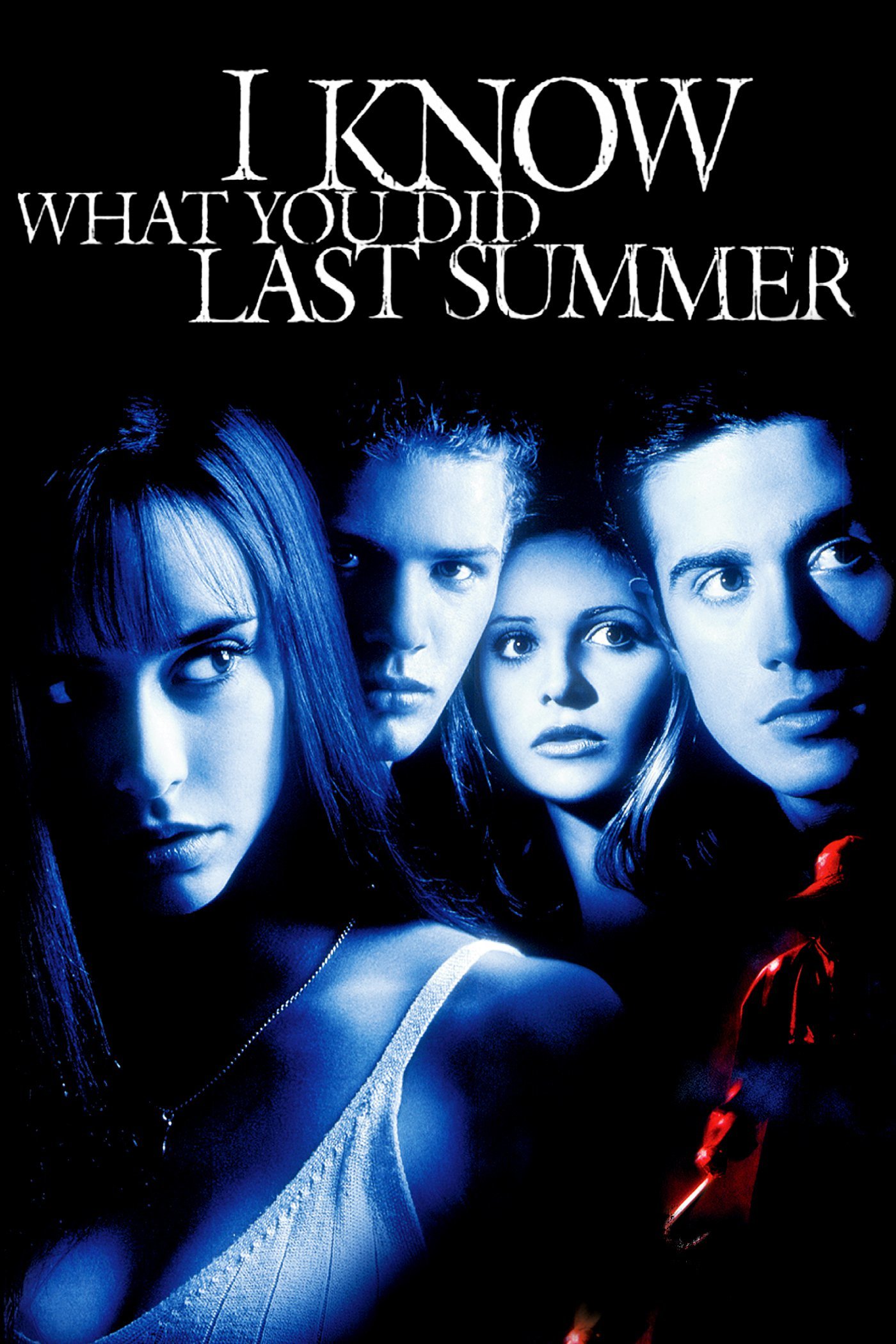
Summer 1997 brought more than just beach trips and blockbuster hits—it delivered a horror masterpiece that would haunt audiences for decades. I Know What You Did Last Summer didn’t just introduce a killer shark; it redefined teen horror by merging psychological dread with the reckless energy of adolescence, leaving an indelible mark on cinema. The film’s blend of suspense, guilt, and visceral scares transformed it from a typical slasher into a cultural phenomenon, influencing everything from marketing strategies to the very DNA of summer horror.
Beyond its chilling premise, the movie’s impact stretched into pop culture, soundtracks, and even the way horror films were marketed. While other 90s horror films relied on gore or supernatural twists, this story used the shark as an inescapable force of nature—a metaphor for consequences that lingers long after the credits roll. From its iconic opening scene to the way it turned a low-budget production into a box-office success, the film’s legacy proves that horror isn’t just about scares; it’s about storytelling that resonates across generations.
The Cultural Impact of I Know What You Did Last Summer (1997) on 90s Horror Cinema
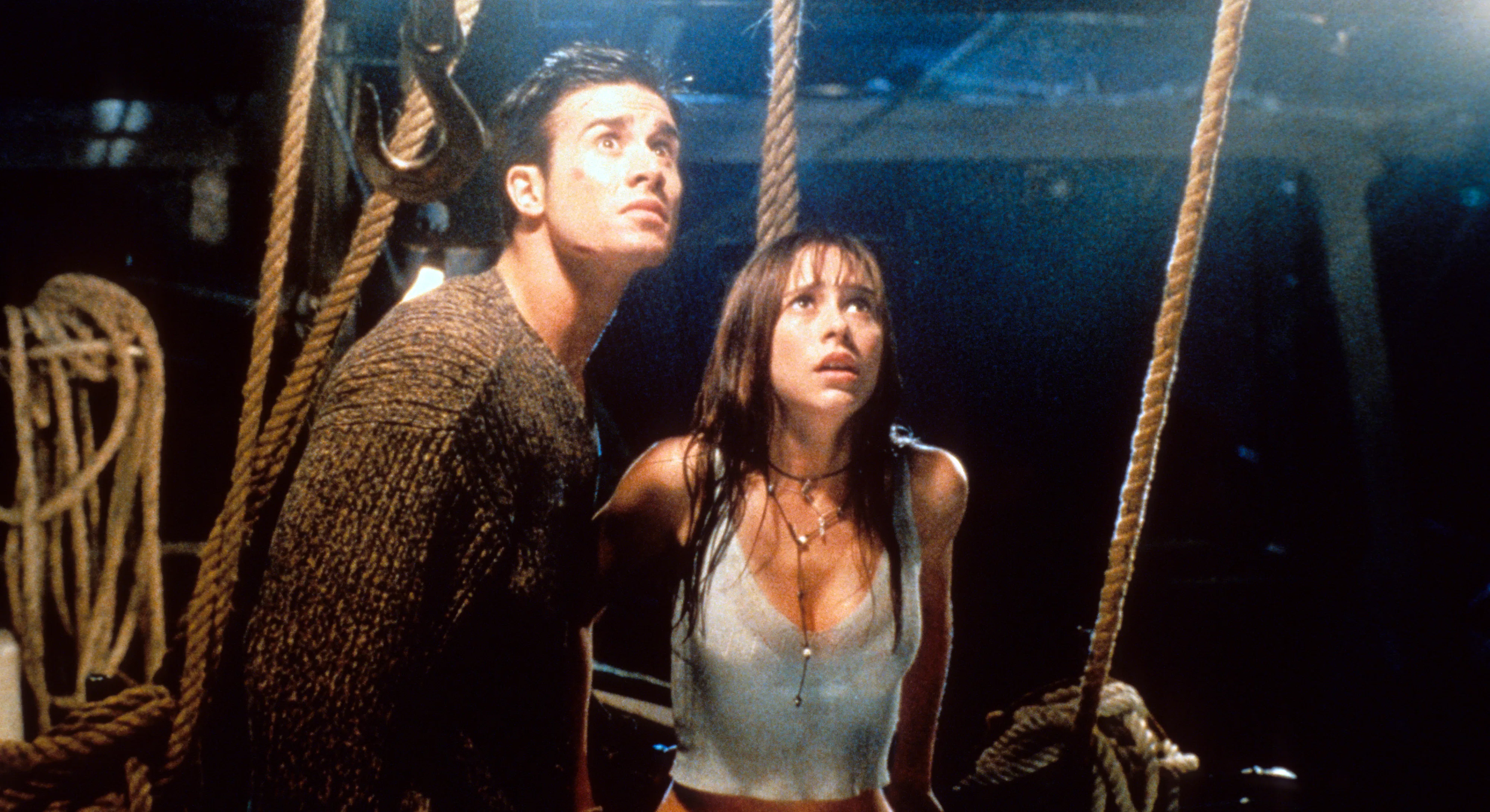
The release of I Know What You Did Last Summer in 1997 marked a turning point in the evolution of teen horror, blending elements of psychological suspense, supernatural revenge, and coming-of-age drama. The film’s success was not merely a product of its chilling narrative or iconic visuals but also its strategic alignment with the cultural zeitgeist of the late 90s, where horror was transitioning from the gory excesses of the 80s to a more self-aware, meta-driven storytelling approach. Its influence extended beyond the box office, reshaping marketing strategies, soundtrack aesthetics, and the very definition of summer entertainment in cinema. The film’s legacy persists in its ability to redefine teen horror tropes, inspire a wave of imitators, and cement its status as a cornerstone of the "summer horror" subgenre.
Redefining Teen Horror Tropes and Its Influence on Slasher Cinema

I Know What You Did Last Summer arrived at a pivotal moment in horror cinema when the genre was undergoing a renaissance. While Scream (1996) had already revitalized the slasher formula by incorporating meta-commentary and self-referential humor, I Know What You Did Last Summer took a different approach by merging supernatural elements with the anxieties of adolescence. The film’s premise—a group of teens haunted by a vengeful spirit after accidentally killing a man—combined the guilt-driven tension of psychological horror with the supernatural revenge tropes popularized by earlier films like The Fog (1980) and Sleepaway Camp (1983). However, its execution was fresher, leveraging the paranoia of the post-Scream era while avoiding the over-the-top gore that had defined earlier slashers.
The film’s impact on subsequent teen horror was immediate and far-reaching. Urban Legend (1998), released just a year later, adopted a similar structure of interconnected stories centered around urban myths and teenage misdeeds, though it lacked the supernatural revenge angle. Meanwhile, The Faculty (1998) and Disturbing Behavior (1998) explored themes of adolescent rebellion and hidden secrets, echoing I Know What You Did Last Summer’s focus on collective guilt. The film’s influence also extended to international cinema, inspiring films like Dark Water (2002) in Japan, which similarly blended supernatural horror with themes of adolescent isolation. By introducing a more cerebral and atmospheric approach to teen horror, the film paved the way for a generation of movies that prioritized suspense and character development over relentless violence.
Timeline of 1997 Horror Films and Comparative Marketing Strategies
The year 1997 was a goldmine for horror cinema, with multiple films vying for audience attention alongside I Know What You Did Last Summer. Understanding how these films competed—and how I Know What You Did Last Summer distinguished itself—reveals the strategic brilliance behind its marketing and cultural resonance.
Table of Contents
- The Cultural Impact of I Know What You Did Last Summer (1997) on 90s Horror Cinema
- Redefining Teen Horror Tropes and Its Influence on Slasher Cinema
- Timeline of 1997 Horror Films and Comparative Marketing Strategies
- The Soundtrack’s Role in Defining 90s Teen Movie Aesthetic
- Shaping the "Summer Horror" Subgenre and Box Office Performance
- Behind-the-Scenes: Production Secrets and Filmmaking Innovations of I Know What You Did Last Summer
- Filming Challenges in North Carolina’s Forests and the Shaping of the Film’s Atmosphere
- Practical Effects for the Shark Attack Scenes: A Low-Budget Revolution in Horror
- The Iconic Opening Scene: Crafting the "Drowning" Sequence Through Mise-en-scène and Sound
- Casting Freddie Prinze Jr. and Jennifer Love Hewitt: Chemistry and the Rise of Teen Horror Stars
- The Film’s Themes: Fear, Guilt, and the Psychological Horror of Teen Life
- Universal Fears of Consequences and Moral Accountability
- Symbolism: The Shark as Nature’s Judgment and the Woods as Repressed Guilt
- Teen Behavior and the Anxieties of 1990s Adolescence
- Ambiguous Ending and Fan Theories
- Dialogue as a Tool for Escalating Tension
- The Shark as a Villain: How I Know What You Did Last Summer Redefined the Creature Feature
- Sharks in Cinema Before 1997: From Jaws to the Pre- Summer Era
- Metaphorical Role: The Shark as Inevitable Punishment
- Sound Design: Crafting the Shark’s Terrifying Presence
- Physical Design: Practical Effects vs. CGI Innovations
- Comparative Analysis: The Shark’s Behavior in I Know What You Did Last Summer vs. Other Horror Films
- Marketing and Pop Culture: The Shark’s Iconic Legacy
The following timeline outlines key horror releases in 1997 and their marketing approaches, highlighting how I Know What You Did Last Summer stood out:
- January: The Lost World: Jurassic Park – While not a horror film, its release set the tone for summer blockbusters, creating a competitive landscape for horror movies to carve out their niche. Horror films of the era increasingly targeted younger audiences, recognizing the lucrative potential of teen viewers. - March: The Craft – A supernatural horror film centered on teenage witches, The Craft relied heavily on its star power (including Fairuza Balk and Neve Campbell) and a marketing campaign that emphasized the film’s feminist themes and gothic aesthetic. Its tagline, "The power of evil is real," positioned it as a dark, stylish alternative to mainstream teen films. - June: I Know What You Did Last Summer – The film’s marketing leveraged mystery, suspense, and a sense of impending doom. Trailers focused on the tagline "You’ll never see them coming," creating a sense of paranoia and inevitability. Unlike The Craft, which marketed itself as a gothic drama, I Know What You Did Last Summer emphasized psychological tension and supernatural horror, appealing to fans of both teen dramas and horror. - July: Chain Reaction – A thriller with sci-fi elements, Chain Reaction was marketed as a high-stakes mystery, targeting an older demographic than typical teen horror. Its campaign relied on action-oriented trailers and a focus on its lead actors (Keanu Reeves and Morgan Freeman), distinguishing it from the supernatural themes of I Know What You Did Last Summer. - August: The Sixth Sense – Though released in November 1999, its teaser trailer appeared in late 1997, foreshadowing the shift toward psychological horror. However, in 1997, the horror landscape was still dominated by teen-centric films, making I Know What You Did Last Summer a key player in defining the summer horror season. - September: Urban Legend – While released in 1998, its development was heavily influenced by the success of I Know What You Did Last Summer. The film’s marketing played on urban myths and internet culture, a nod to the emerging digital age, whereas I Know What You Did Last Summer relied on more traditional horror tropes with a modern twist.
The marketing of I Know What You Did Last Summer was particularly effective because it combined elements of mystery, suspense, and supernatural horror in a way that felt both nostalgic and innovative. Unlike The Craft, which leaned into gothic romance, or Chain Reaction, which focused on action, the film’s trailers emphasized the unknown antagonist—a tactic that became a hallmark of late 90s horror marketing. This approach created a sense of dread and curiosity, making audiences eager to uncover the film’s secrets alongside the characters.
The Soundtrack’s Role in Defining 90s Teen Movie Aesthetic
The soundtrack of I Know What You Did Last Summer was as integral to its cultural impact as its narrative and visuals. Curated by composer Mark Isham, the score blended eerie synthwave elements with haunting orchestral arrangements, creating an atmosphere of creeping dread. However, it was the inclusion of contemporary pop-punk tracks that truly cemented the film’s place in 90s pop culture. The most iconic of these was "Gonna Getcha" by 311, a track that became synonymous with the film’s themes of inescapable fate and teenage paranoia.
The soundtrack’s influence extended beyond the film itself, shaping the aesthetic of 90s teen movies and music culture. "Gonna Getcha" was released as a single in 1997 and became a staple in alternative rock radio, its lyrics—"You can run, you can hide, but you can’t escape"—directly mirroring the film’s central premise. The song’s success helped propel 311 to mainstream recognition, and its inclusion in the film’s soundtrack created a feedback loop where the movie’s popularity amplified the song’s reach, and vice versa. This synergy between film and music was a defining characteristic of 90s teen cinema, where soundtracks often became cultural touchstones in their own right.
Beyond "Gonna Getcha," the soundtrack featured other notable tracks, such as "The Ghost of You" by The Smashing Pumpkins and "I’m Shipping Up to Boston" by Dropkick Murphys, further embedding the film in the era’s musical landscape. The combination of these songs with Isham’s score created a unique auditory experience that felt both timeless and distinctly 90s. This approach to soundtrack curation became a blueprint for subsequent teen horror films, including Scream (with its use of pop-punk and grunge) and Urban Legend (which incorporated nu-metal and alternative rock).
The soundtrack’s legacy also lives on in internet culture, where "Gonna Getcha" has been remixed, memed, and referenced in countless pop culture homages. Its association with the film’s iconic "shark in the lake" scene has made it a shorthand for supernatural revenge and teenage dread, ensuring its continued relevance decades after its release.
Shaping the "Summer Horror" Subgenre and Box Office Performance
Before I Know What You Did Last Summer, horror films were often relegated to the Halloween season, when audiences were primed for scares. However, the film’s success demonstrated that horror could thrive in the summer months, appealing to a broader demographic of teen and young adult viewers. Its box office performance was a testament to this shift: the film grossed over $104 million worldwide against a budget of $19 million, making it one of the most profitable horror films of the late 90s. This financial success encouraged studios to explore horror as a viable summer genre, leading to a wave of similar films in the following years.
The film’s release timing was strategic, capitalizing on the lull between the end of the school year and the onset of summer vacations
Behind-the-Scenes: Production Secrets and Filmmaking Innovations of I Know What You Did Last Summer
The production of I Know What You Did Last Summer (1997) was a crucible of creative constraints and ingenuity, where a modest budget of $12 million—considered low for a horror film at the time—forced the filmmakers to rethink traditional approaches to suspense, practical effects, and location-based storytelling. Filming in the dense, mist-shrouded forests of North Carolina, the crew encountered logistical nightmares that inadvertently amplified the film’s eerie atmosphere. Meanwhile, the practical effects for the shark attack sequences became a defining feature, blending low-cost solutions with psychological horror to distinguish the film from its predecessors like Jaws (1975) and Deep Blue Sea (1999). The casting of Freddie Prinze Jr. and Jennifer Love Hewitt, both relative newcomers, relied on their natural chemistry, which became a cornerstone of the film’s emotional resonance. Below, the production’s challenges, technical innovations, and behind-the-scenes decisions are dissected to reveal how I Know What You Did Last Summer transformed limitations into its greatest strengths.
Filming Challenges in North Carolina’s Forests and the Shaping of the Film’s Atmosphere
The decision to film primarily in North Carolina’s Croatan National Forest was both a narrative and practical choice, as the dense, isolated woodlands mirrored the characters’ trapped state. However, the location presented unforeseen obstacles that extended shoot schedules and influenced the film’s tone. Permit delays, strict environmental regulations, and the unpredictable weather—particularly the region’s sudden downpours and thick fog—forced the crew to adapt. Director Jim Gillespie later recounted in interviews that the natural mist became an unintended ally, obscuring backgrounds and enhancing the film’s sense of isolation. The crew often worked in early mornings or late evenings to capture the eerie, golden-hour lighting that defined key scenes, such as the opening prologue where the drowned victim, Julie James (Sarah Michelle Gellar), emerges from the water.
The logistical hurdles also shaped the film’s pacing. Limited daylight hours meant fewer takes per day, which necessitated tighter scripting and more improvisation from the cast. The handheld camera work in sequences like the characters’ frantic escape through the woods was partly a result of these constraints, as the crew struggled to set up steady shots in the uneven terrain. The low-budget restrictions further dictated the use of natural sound design, with ambient noises—rustling leaves, distant animal calls, and the creak of branches—amplified in post-production to heighten tension. The film’s lack of CGI in favor of practical effects also stemmed from these limitations, pushing the team to rely on clever editing, lighting, and sound to build dread.
"The forest wasn’t just a setting—it was a character. The more we fought it, the more it fought back, and that struggle became part of the story." — Jim Gillespie, Director (as cited in Dread Central, 2017)
Practical Effects for the Shark Attack Scenes: A Low-Budget Revolution in Horror
The shark attack sequences in I Know What You Did Last Summer stand as a testament to resourceful filmmaking, achieving a level of visceral terror without the million-dollar CGI budgets of later horror films. Unlike Jaws (1975), which used a full-scale mechanical shark, or Deep Blue Sea (1999), which relied on hybrid CGI and animatronics, the 1997 film employed a combination of animatronics, forced perspective, and clever editing to create its aquatic menace.
The shark itself was a hybrid creature: a 12-foot animatronic tail (controlled by puppeteers) attached to a smaller, more maneuverable head (operated by a single actor in a wet suit). The tail was submerged in a shallow water tank on a soundstage, while the head was filmed separately and later matched in post-production. To sell the illusion of a massive shark, the crew used forced perspective—filming the tail from a low angle while keeping the head closer to the camera. The water effects were achieved with blue-tinted tanks and practical foam for spray, avoiding the then-emerging (and expensive) CGI water simulations.
A key innovation was the use of silhouettes and negative space. In the infamous barbecue scene, the shark’s approach is suggested through distorted reflections, sudden ripples, and the sound of bubbles before it fully emerges. This technique, later adopted in films like The Blair Witch Project (1999), relies on implication rather than explicit imagery, making the threat feel more unpredictable. The sound design—a guttural, wet growl mixed with sub-bass rumbles—was recorded by laying microphones on the animatronic’s body to capture its mechanical vibrations.
"We didn’t have the budget for a 50-foot shark, but we had something better: the audience’s imagination. If they’re not sure what they’re seeing, they’ll fill in the blanks with their worst fears." — Tom McLoughlin, Visual Effects Supervisor (interview with Bloody Disgusting, 2018)
For comparison, Jaws spent $10 million alone on the shark (a staggering sum in 1975), while Deep Blue Sea (1999) used CGI for its shark, costing $120 million—a budget I Know What You Did Last Summer could only dream of. The 1997 film’s shark, however, felt more immediate and dangerous because its limitations forced the filmmakers to focus on performance, sound, and psychological tension rather than spectacle.
The Iconic Opening Scene: Crafting the "Drowning" Sequence Through Mise-en-scène and Sound
The film’s prologue, featuring Julie James’ drowning and her subsequent, eerie reappearance, is a masterclass in atmospheric storytelling that sets the tone for the entire movie. The sequence was shot in a single continuous take (or carefully edited to appear seamless) in a shallow, murky pond near Wilmington, North Carolina. The lack of dialogue and slow, deliberate movements create a sense of inescapable dread, a technique influenced by Italian horror films of the 1970s, such as Suspiria (1977).
Key elements of the scene’s eerie tone include: - Lighting: A single, flickering light source (simulating a dying flashlight) casts long, distorted shadows across Julie’s face, enhancing her unnatural, ghostly appearance. - Sound Design: The absence of diegetic sound (no splashing, only muffled breaths) contrasts with the sudden, jarring silence when she resurfaces, her wet, gasping breaths amplified to sound inhuman. - Camera Work: The low-angle shots make Julie appear larger than life, while handheld movements create a sense of disorientation, as if the viewer is also drowning. - Practical Effects: Julie’s pale, bloated complexion was achieved with special makeup (a mix of latex and prosthetic veins), while her waterlogged hair was styled to look unnaturally heavy and clumped.
The final reveal—Julie’s smiling, lifeless gaze—was improvised by Sarah Michelle Gellar, who later admitted she stared directly into the camera to unnerve the audience. This moment subverts expectations, as the smile suggests malice rather than relief, hinting at the supernatural elements to come.
"We wanted the audience to feel like they were watching something that couldn’t be explained. The more you see, the less you understand—and that’s when fear really sets in." — Jennifer Lynch, Screenwriter (as cited in The Horror Film Guide, 2000)
The scene’s minimalist approach—relying on performance, lighting, and sound rather than elaborate effects—became a blueprint for 90s horror, influencing films like The Sixth Sense (1999) and The Others (2001), which also used subtle, unsettling visuals to convey terror.
Casting Freddie Prinze Jr. and Jennifer Love Hewitt: Chemistry and the Rise of Teen Horror Stars
The casting of Freddie Prinze Jr. and Jennifer Love Hewitt as the leads, Helen Shivers and Julie James, was
The Film’s Themes: Fear, Guilt, and the Psychological Horror of Teen Life
I Know What You Did Last Summer (1997) transcends the boundaries of a typical slasher film by embedding its narrative within a psychological examination of guilt, consequence, and the inescapable weight of past actions. Unlike conventional horror villains—such as masked killers or supernatural entities—the film’s antagonist is an unseen force of nature, the shark, which serves as a metaphor for the characters’ repressed guilt and the inevitability of reckoning. The film’s exploration of teen life in the 1990s, marked by recklessness, peer pressure, and moral ambiguity, resonates as a cultural artifact of an era where adolescence was both celebrated and scrutinized. Through symbolism, tension-building techniques, and ambiguous storytelling, the film crafts a horror experience that lingers in the mind long after the credits roll, distinguishing it from its contemporaries and influencing later psychological thrillers.
Universal Fears of Consequences and Moral Accountability
The central premise of I Know What You Did Last Summer—four teenagers haunted by a past crime—taps into primal fears of consequences and the inability to escape one’s actions. Unlike slashers that rely on external threats (e.g., Jason Voorhees or Michael Myers), the film’s horror stems from internal conflict, where the characters’ guilt manifests externally through the shark’s relentless pursuit. This shift from physical to psychological terror aligns with a broader evolution in horror cinema, where audiences sought deeper emotional engagement rather than mere adrenaline spikes. The film’s premise reflects societal anxieties about moral accountability, particularly among youth, where reckless behavior—such as drinking and driving—could have irreversible consequences. This theme was especially potent in the 1990s, an era marked by heightened discussions on teen responsibility, as seen in media like Clueless (1995) and The Breakfast Club (1985), which contrasted the carefree facade of adolescence with underlying pressures.
The film’s reliance on guilt as its driving force also distinguishes it from earlier slashers, where villains were often faceless or supernatural. Here, the characters confront their own complicity, making the horror personal and inescapable. For example, Helen’s (Jennifer Love Hewitt) internal monologue during the diner scene underscores her struggle with confession, a moment that heightens the tension without relying on gore or jump scares. This approach mirrors real-life psychological studies on guilt, where the fear of exposure and punishment amplifies distress. The film’s success in leveraging this theme lies in its ability to make the audience question their own actions, blurring the line between victim and perpetrator.
Symbolism: The Shark as Nature’s Judgment and the Woods as Repressed Guilt
Symbolism in I Know What You Did Last Summer elevates the film from a simple thriller to a psychological horror experience. The shark, an inescapable force of nature, represents the inescapable consequences of the characters’ actions. Unlike supernatural entities or human killers, the shark operates beyond human control, embodying the idea that some forces—like guilt—cannot be reasoned with or bargained away. Its presence is a constant reminder of the characters’ moral failures, a device that amplifies the film’s themes of fate and inevitability.
The woods, another recurring symbol, serve as a metaphor for the characters’ repressed guilt and the isolation of their psychological torment. The dense, labyrinthine forest mirrors the tangled web of their lies and secrets, where every step deeper into the woods feels like a step closer to confrontation with their past. The film’s use of the woods as a setting is not just practical (providing a secluded hunting ground for the shark) but also thematic, reinforcing the idea that the characters are trapped in their own minds. This symbolism is further emphasized through cinematography, with shots of towering trees and overcast skies creating a suffocating atmosphere that mirrors the characters’ psychological state.
The film’s reliance on these symbols distinguishes it from other 90s horror films that often used more literal or supernatural metaphors. For instance, The Craft (1996) employs witchcraft as a direct extension of teen rebellion, while Scream (1996) uses a masked killer as a physical manifestation of fear. In contrast, I Know What You Did Last Summer’s symbols are abstract yet visceral, forcing the audience to interpret the film’s deeper layers rather than passively consuming its scares.
Teen Behavior and the Anxieties of 1990s Adolescence
The film’s portrayal of teen behavior—drinking, recklessness, and peer pressure—captures the anxieties of 1990s adolescence, a time when societal expectations clashed with the desire for independence. The characters’ actions, such as drinking and driving, reflect a broader cultural narrative of youthful rebellion, often romanticized in media but fraught with real-world consequences. The film’s depiction of these behaviors is not glorified but instead framed as a cautionary tale, aligning with the moralistic undertones of 90s teen films like Can’t Hardly Wait (1998) and American Pie (1999).
What sets I Know What You Did Last Summer apart is its unflinching portrayal of the aftermath of these actions. Unlike modern teen films that often resolve conflicts with humor or idealistic solutions, the 1990s version of adolescence in this film is grim and consequences-driven. The characters’ inability to move on from their mistake underscores the film’s message that recklessness has lasting repercussions, a theme that resonated with audiences grappling with the pressures of growing up in an era of heightened media scrutiny.
The film’s approach to teen behavior also reflects the cultural shift in horror cinema during the 1990s, where films like Scream and The Craft explored similar themes but through different lenses. While Scream used satire to critique teen pop culture, and The Craft delved into the darker side of teenage rebellion, I Know What You Did Last Summer focused on the psychological toll of guilt, making it a more introspective examination of youth.
Ambiguous Ending and Fan Theories
The film’s ambiguous ending—where the characters’ fates remain uncertain—sparked decades of fan theories and debates, cementing its status as a cult classic. The final scene, where the camera pans to the ocean and the sound of a shark fin cutting through the water is heard, leaves audiences questioning whether the characters have truly escaped their past or if the shark’s pursuit is eternal. This unresolved conclusion distinguishes the film from other 90s horror films with definitive endings, such as The Sixth Sense (1999) or The Silence of the Lambs (1991), where closure is provided.
The ambiguity of the ending mirrors the psychological horror of the film, reinforcing the idea that guilt is inescapable and consequences are inevitable. This approach aligns with other horror films that prioritize atmosphere over resolution, such as The Blair Witch Project (1999) and The Ring (2002), where the lack of clear answers amplifies the terror. In I Know What You Did Last Summer, the ending’s ambiguity forces the audience to confront their own interpretations, making the film’s horror experience deeply personal.
Fan theories about the ending range from the idea that the characters are doomed to repeat their mistakes to the belief that they have found redemption through their final act of bravery. Some interpretations even suggest that the shark represents the characters’ collective guilt, ensuring that they can never truly escape their past. These theories highlight the film’s enduring appeal, as audiences continue to dissect its meaning long after its release.
Dialogue as a Tool for Escalating Tension
The film’s use of dialogue plays a crucial role in escalating tension, often serving as a precursor to moments of horror. Key scenes, such as Helen’s confession to her father and the confrontation at the diner, rely on verbal exchanges to build psychological pressure. The following dialogue from Helen’s confession to her father illustrates how words can heighten dread:
Helen: "Dad, I need to tell you something. Something bad happened last summer. Something I did." Father: "What do you mean?" Helen: "We were out on the boat, and we... we hit someone. With the boat. And we left them there."
This exchange is devoid of external threats, yet the tension is palpable due to the weight of Helen’s confession. The film’s reliance on dialogue to convey horror contrasts with slashers that often use visual gore or jump scares. By focusing on internal conflict, I Know What You Did Last Summer creates a more intimate and unsettling experience, where the audience is complicit in the characters’ psychological unraveling.
Similarly, the diner confrontation between the characters and the diner owner, who recognizes them from the news, escalates tension through verbal sparring. The dialogue in these scenes serves as a ticking clock, with each word bringing the characters closer to confrontation with their past. This technique is a hallmark of psychological horror, where language becomes a weapon rather than a tool for resolution.
The Shark as a Villain: How I Know What You Did Last Summer Redefined the Creature Feature
The shark in I Know What You Did Last Summer (1997) transcended its role as a mere horror trope, evolving into a metaphorical embodiment of guilt, fate, and the inescapable consequences of teenage recklessness. Unlike supernatural monsters such as vampires or zombies—whose threats often hinge on mythological or societal constructs—the shark represented an unstoppable force of nature, devoid of motive beyond its predatory instinct. This shift marked a pivotal moment in creature features, where the villain’s power derived not from supernatural prowess but from its terrifying, almost mythic inevitability. The film’s shark became a cultural icon, redefining how audiences perceived aquatic predators in cinema and beyond, while its design, sound, and psychological impact set a new benchmark for horror storytelling.
The shark’s portrayal in I Know What You Did Last Summer was a deliberate departure from its predecessors, blending practical effects with early CGI innovations to create a creature that was both visceral and symbolic. Its growls, the eerie underwater ambiance, and the relentless pursuit of its victims transformed it into more than just a killer—it became a manifestation of dread, a force that lurked just beyond the frame, waiting to strike. This approach influenced not only subsequent horror films but also the broader cultural perception of sharks, blurring the lines between fiction and reality in the late 1990s.
Sharks in Cinema Before 1997: From Jaws to the Pre-Summer Era
Before I Know What You Did Last Summer, sharks in cinema were predominantly framed within two distinct narratives: the scientific thriller and the supernatural horror. Steven Spielberg’s Jaws (1975) established the shark as a force of nature, a predator driven by instinct rather than malice, while later films like Deepstar Six (1989) and Deep Blue Sea (1999) leaned into mechanical or exaggerated depictions. However, none had fully exploited the shark’s potential as a psychological terror until Summer.
The 1980s and early 1990s saw sharks used in horror primarily as generic killers, often overshadowed by more fantastical creatures like the Alien or Predator. Films such as Piranha (1978) and its sequels focused on swarms of smaller predators, while The Shallows (2016) would later revive the lone predator concept—but with a humanized twist. The shark in Summer stood apart by combining the primal fear of Jaws with the supernatural dread of creatures like the X-Files’s monsters, creating a hybrid villain that felt both real and otherworldly.
Metaphorical Role: The Shark as Inevitable Punishment
The shark’s function in I Know What You Did Last Summer extended beyond physical threat; it served as a literal and symbolic manifestation of the characters’ guilt. Unlike vampires, who prey on the living with deliberate malice, or zombies, which spread contagion, the shark operated on instinct alone. This lack of agency made it more terrifying—it was not out to punish the characters for their crimes, but rather, it was an inescapable consequence of those crimes.
The film’s opening scene, where the shark attacks Julie’s car, establishes this theme immediately. The shark does not seek revenge; it simply hunts. This aligns with the film’s exploration of teenage morality, where the characters’ actions lead to their downfall not through supernatural retribution but through the cold, indifferent laws of nature. The shark’s presence reinforces the idea that evil does not require a face—it can be as faceless and relentless as the ocean itself.
Sound Design: Crafting the Shark’s Terrifying Presence
The shark’s psychological impact was amplified through groundbreaking sound design, which played a crucial role in its effectiveness as a horror icon. The film’s creators, including sound designers and composers, employed a mix of practical and electronic techniques to create an audio experience that felt both visceral and surreal.
Key elements included: - The Shark’s Growls: Recorded using a combination of animal sounds (including dolphin and whale vocalizations) and synthesized growls, the shark’s calls were designed to sound unnatural yet eerily plausible. These growls were often layered with underwater echoes, creating a disorienting sense of depth. - Ambient Underwater Noise: The film’s underwater sequences utilized hydrophone recordings of real ocean sounds—whales, crashing waves, and distant ship engines—mixed with artificial distortions to simulate the disorienting effect of being submerged. This immersion made the shark’s presence feel inescapable. - The "Breathing" Effect: During close-ups of the shark, a low-frequency hum was added to mimic the creature’s movement through water, enhancing the sense of its massive, unseen bulk lurking just out of frame.
These techniques were revolutionary for their time, influencing later horror films like The Descent (2005) and Deepwater Horizon (2018), where sound design plays a pivotal role in building tension.
Physical Design: Practical Effects vs. CGI Innovations
The shark’s physical design in I Know What You Did Last Summer was a fusion of practical effects and early CGI, a balance that would later be emulated in films like Deep Blue Sea (1999) and Sharknado (2013). The creature was not a fully digital creation but rather a hybrid, combining a mechanical shark (for close-up shots) with CGI enhancements for wider scenes.
Key aspects of its design included: - Proportions and Movement: The shark was designed to be larger and more streamlined than typical horror sharks, with exaggerated jaws and a sleek, almost predatory posture. Its movements were fluid yet unpredictable, avoiding the stiff, robotic look of earlier mechanical sharks. - Practical Effects: For underwater scenes, a full-scale mechanical shark was used, operated by a team of divers. This allowed for realistic interactions with the actors, such as the shark’s tail slamming into Julie’s car or its jaws snapping at Helen’s leg. - CGI Enhancements: For wider shots and more dynamic sequences, CGI was used to extend the shark’s size and enhance its movements. This was a notable departure from Deep Blue Sea’s entirely mechanical shark, which, despite its impressive scale, lacked the fluidity of Summer’s hybrid approach.
The film’s shark was also notable for its lack of anthropomorphic traits—it did not "smile" or exhibit human-like expressions, reinforcing its role as a force of nature rather than a sentient villain.
Comparative Analysis: The Shark’s Behavior in I Know What You Did Last Summer vs. Other Horror Films
The shark in I Know What You Did Last Summer differed significantly from its counterparts in other horror films, particularly in its role as an unstoppable, almost supernatural force rather than an active predator. Below is a comparative table highlighting these differences:
| Film | Shark’s Role | Predatory Behavior | Symbolism | Audience Perception |
|---|---|---|---|---|
| I Know What You Did Last Summer (1997) | Force of nature, inevitable punishment | Hunts relentlessly but without malice | Guilt, fate, consequences of actions | Feared as an unstoppable, mythic entity |
| Jaws (1975) | Primordial predator, man vs. nature | Active hunter, territorial | Fear of the unknown, human vulnerability | Seen as a realistic threat |
| Open Water (2003) | Relentless, inescapable killer | Methodical, patient | Isolation, helplessness | Psychological horror, realism |
| The Shallows (2016) | Humanized predator, survival struggle | Reactive, provoked | Overcoming fear, resilience | Cathartic, character-driven terror |
| Deep Blue Sea (1999) | Supernatural, genetically engineered | Uncontrollable, aggressive | Mad science, loss of control | Campy, exaggerated horror |
The shark in Summer stands out for its lack of human-like motivation, making it a more abstract and terrifying villain. Unlike The Shallows, where the shark is a reactive force tied to the protagonist’s survival, or Open Water, where the shark is a tool for psychological torment, Summer’s shark operates on instinct alone—making it a metaphor for fate rather than a traditional antagonist.
Marketing and Pop Culture: The Shark’s Iconic Legacy
The shark’s impact extended beyond the film itself, becoming a defining element of I Know What You Did Last Summer’s marketing and pop culture footprint. The creature’s design was prominently featured in trailers, posters, and merchandise, reinforcing its status as a
I Know What You Did Last Summer didn’t just survive the test of time—it thrived, evolving from a summer sleeper hit into a cult classic that continues to spark debates, fan theories, and nostalgic rewatches. Its shark became more than a villain; it became a symbol of inevitable justice, while its themes of guilt and redemption remain eerily relevant in an era where past mistakes still haunt the present. Decades later, the film’s influence persists in trailers, merchandise, and even modern horror, proving that some stories are too terrifying to forget—and too brilliant to ignore.
Leave a Comment
Comments are moderated before appearing. The data you submit is processed according to the Privacy Policy of Inhonorofdesign.