I Know What You Did Last Summer 1997 Redefined Horror Forever
Published

I Know What You Did Last Summer 1997 Redefined Horror Forever

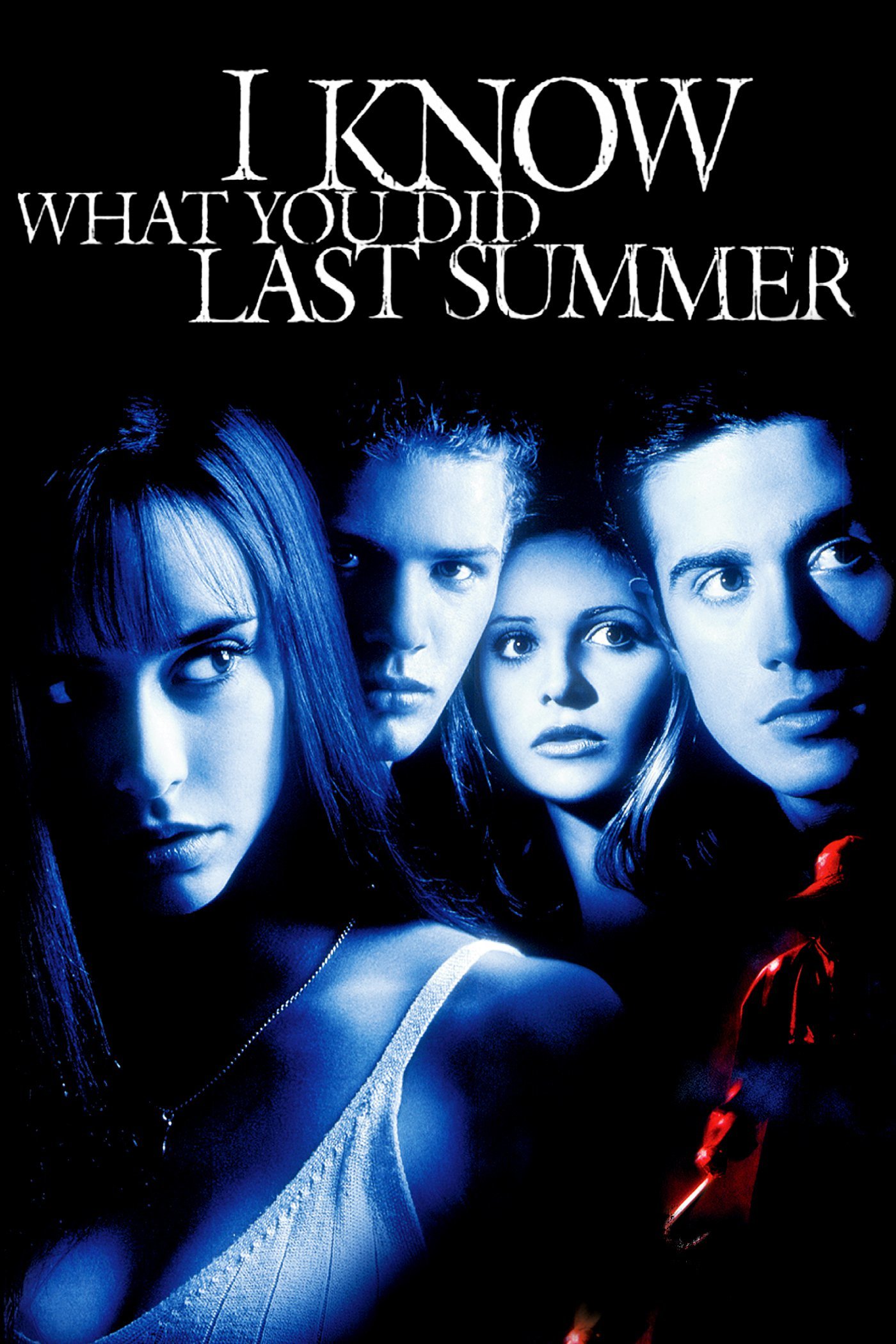
Nearly three decades after its release, I Know What You Did Last Summer remains a defining chapter in 1990s horror cinema, blending teen angst with visceral terror to create a slasher unlike any other. Directed by Jim Gillespie, the film’s premise—a group of teens haunted by a fatal accident—twisted the genre’s conventions, replacing the masked killer with an unseen predator, a killer shark lurking beneath the surface of small-town paranoia. Its success didn’t just revive the slasher subgenre; it birthed a cultural phenomenon that still echoes in modern horror, from Scream’s meta-commentary to TikTok’s obsession with "you’ll die" tropes.

The film’s impact extends beyond its bloody climax, embedding itself in the collective psyche of a generation that grew up fearing not just the monster, but the consequences of their own actions. Released in June 1997, it arrived at a cultural crossroads, when the internet was still in its infancy and horror fans relied on word-of-mouth, fan theories, and late-night VHS rewatches to dissect every frame. Critics initially dismissed it as a formulaic teen thriller, but audiences latched onto its atmosphere—where every shadow held a threat and every character carried a secret. What began as a modest box office performer ($53 million worldwide) would later spawn two sequels, a remake, and a legacy that transcends its shark-infested waters.

I Know What You Did Last Summer 1997 Redefined Horror Forever

The Cultural Impact of I Know What You Did Last Summer (1997) on 1990s Cinema
I Know What You Did Last Summer 1997 Redefined Horror Forever

The late 1990s marked a pivotal era for horror cinema, where the slasher genre underwent a seismic shift from campy, low-budget thrills to self-aware, meta-driven narratives. I Know What You Did Last Summer (1997), directed by Jim Gillespie, emerged as a defining film of this transformation, blending teen angst, psychological tension, and supernatural horror into a formula that resonated deeply with audiences. Its influence extended beyond box office success, reshaping how horror films engaged with themes of guilt, consequences, and the blurred line between reality and paranoia. The film’s legacy is evident in its direct impact on contemporaries like Scream (1996) and Urban Legend (1998), as well as its enduring presence in internet culture and pop references decades later.

The film’s narrative structure—rooted in a group of teens grappling with a murder they committed and the supernatural entity hunting them—challenged traditional slasher tropes by prioritizing character development and moral ambiguity over gratuitous violence. This approach not only redefined audience expectations but also paved the way for a new wave of horror that balanced scares with emotional depth. The film’s release in the summer of 1997 coincided with a cultural moment where young adults were increasingly consuming media that reflected their anxieties about adulthood, technology, and societal judgment. Its success was immediate, sparking debates, fan theories, and even unintentional memes that cemented its status as a cult classic.

I Know What You Did Last Summer 1997 Redefined Horror Forever

Redefining Slasher Tropes Through Psychological Horror and Teen Drama

I Know What You Did Last Summer departed from the archetypal slasher formula by replacing the faceless killer with a vengeful, almost mythological entity—the "Hook Man"—whose identity remains ambiguous until the final act. This ambiguity forced audiences to project their own fears onto the character, a technique later adopted by films like Scream (1996), which used meta-commentary to critique horror tropes. The Hook Man’s relentless pursuit of the protagonists, Julie James (Jennifer Love Hewitt) and Barry William Cox (Freddie Prinze Jr.), was framed not as a physical threat alone but as a manifestation of their collective guilt. The film’s opening sequence, where the group accidentally kills a man while driving drunk, sets the tone for a horror grounded in psychological torment rather than jump scares.

The film’s emphasis on teen drama—explored through characters like Helen Shivers (Sarah Michelle Gellar) and Ray Bronson (Ryan Phillippe)—mirrored the coming-of-age narratives dominating 90s cinema, from Clueless (1995) to The Craft (1996). Scenes such as the beach bonfire, where the group’s carefree summer turns sinister, or the tense confrontation at the diner, where paranoia escalates, demonstrated how horror could serve as a lens for exploring moral dilemmas. This duality influenced later films like Urban Legend (1998), which also wove supernatural horror with contemporary teen anxieties, such as stalking and digital surveillance. The film’s use of practical effects—particularly the Hook Man’s grotesque, hook-laden hands—became iconic, inspiring a wave of creature designs in horror that prioritized unsettling realism over CGI spectacle.

Table of Contents

The film’s self-contained mystery—where the audience pieces together clues alongside the characters—also set a precedent for interactive horror experiences. This narrative device was later refined in films like The Ring (2002) and Paranormal Activity (2007), where the horror unfolds through fragmented storytelling. The 1997 release of I Know What You Did Last Summer arrived at a time when audiences were growing weary of predictable slashers, and its success proved that horror could thrive by tapping into universal fears—regret, betrayal, and the fear of being found out—rather than relying on shock value alone.

Box Office Performance and Critical Reception: A Global Phenomenon

Upon its release on July 18, 1997, I Know What You Did Last Summer became a box office sensation, grossing $102.8 million domestically against a modest budget of $12 million. Its international performance was equally impressive, with earnings exceeding $200 million worldwide, making it one of the highest-grossing horror films of the decade. The film’s success was driven by a combination of word-of-mouth hype, strategic marketing (including a viral-style "mystery" campaign where theaters screened trailers without revealing the killer’s identity), and its alignment with the summer blockbuster trend.

Critics were divided, with The New York Times praising its "clever suspense" and "strong performances," while Entertainment Weekly criticized its "predictable scares." However, the film’s reception among young audiences was overwhelmingly positive, with many citing its blend of horror and drama as refreshing. The film’s 72% on Rotten Tomatoes (as of 2023) reflects its enduring appeal, with modern critics highlighting its influence on the "sleeper horror" subgenre. Audience reactions were particularly fervent, with fan theories circulating about the Hook Man’s true nature—some speculating he was a ghost, others suggesting he was a vengeful spirit tied to the town’s dark history. Misquoted lines, such as the infamous (but never spoken) "You know what you did last summer," became internet shorthand for guilt and paranoia, further embedding the film in pop culture lexicon.

The film’s international reception varied significantly. In Europe, where horror films often faced stricter censorship, I Know What You Did Last Summer was edited in some markets to reduce violence, particularly in Germany and the UK. Despite this, it performed well, with £15 million in the UK alone, where its teen drama elements resonated strongly. In Asia, particularly in Japan and South Korea, the film’s supernatural horror elements were embraced, though its themes of guilt and consequences were sometimes softened in local adaptations. In Latin America, the film’s success was attributed to its relatable coming-of-age struggles, with audiences drawn to the characters’ moral dilemmas rather than the horror itself.

Regional Adaptations and Audience Expectations in Horror Cinema

The cultural context of horror films often dictates their reception, and I Know What You Did Last Summer was no exception. In the U.S., the film’s success coincided with a broader shift in horror toward self-awareness and meta-narratives, influenced by the rise of teen dramas and the popularity of films like Scream. American audiences, already primed for horror-comedies (Scream, Scary Movie), embraced the film’s blend of scares and emotional stakes. The Hook Man’s design—partially inspired by the legend of the "Hook Man" from local folklore—also tapped into American fears of the unknown, particularly in small-town settings.

In Europe, where horror often leaned toward gothic or psychological themes, the film’s supernatural elements were met with mixed reactions. In Germany, for instance, the film was rated 16 (restricted to viewers under 16 without adult supervision) due to its violent content, though it still grossed €12 million. The UK, however, embraced the film’s teen drama angle, with critics comparing it favorably to The Craft (1996) for its exploration of youthful rebellion. In Asia, the film’s supernatural horror was more universally appealing, though in Japan, where horror often incorporated folklore, the Hook Man’s design was seen as a creative fusion of Western and Eastern horror aesthetics.

The film’s international box office performance varied, with Australia and New Zealand seeing it as a summer staple, while Scandinavia received it more cautiously, citing its reliance on jump scares. Despite these differences, the film’s universal themes—guilt, consequences, and the fear of being exposed—ensured its global appeal. The following table summarizes key regional differences in reception:

U.S. Themes Global Adaptations Box Office (USD) Notable Fan Reactions
  • Self-aware slasher tropes with meta-commentary on horror conventions.
  • Teen drama blending guilt, paranoia, and coming-of-age struggles.
  • Supernatural horror rooted in local folklore (Hook Man legend).
  • Influence on Scream (1996) and Urban Legend (1998) through character-driven scares.
  • Europe: Edited for violence (Germany, UK), rated higher for psychological horror.
  • <

    Behind-the-Scenes: Production Secrets and Hidden Easter Eggs of I Know What You Did Last Summer (1997)

    The production of I Know What You Did Last Summer (1997) was a whirlwind of creative ambition, logistical hurdles, and groundbreaking (yet flawed) technical experiments that defined its era. Filmed during the late 1990s, when CGI was still in its infancy, the movie pushed boundaries with its blend of practical effects and early computer-generated imagery. From battling unpredictable weather on Tybee Island to improvising solutions for the film’s most iconic scenes, the production team faced challenges that would shape the film’s legacy. Meanwhile, the director, Jim Gillespie, and the cast wove in subtle Easter eggs and deleted scenes that fans continue to uncover decades later. These behind-the-scenes elements reveal not only the film’s technical innovations but also the raw, often chaotic energy of its creation.

    Filming Challenges: Weather, Locations, and Technical Limitations

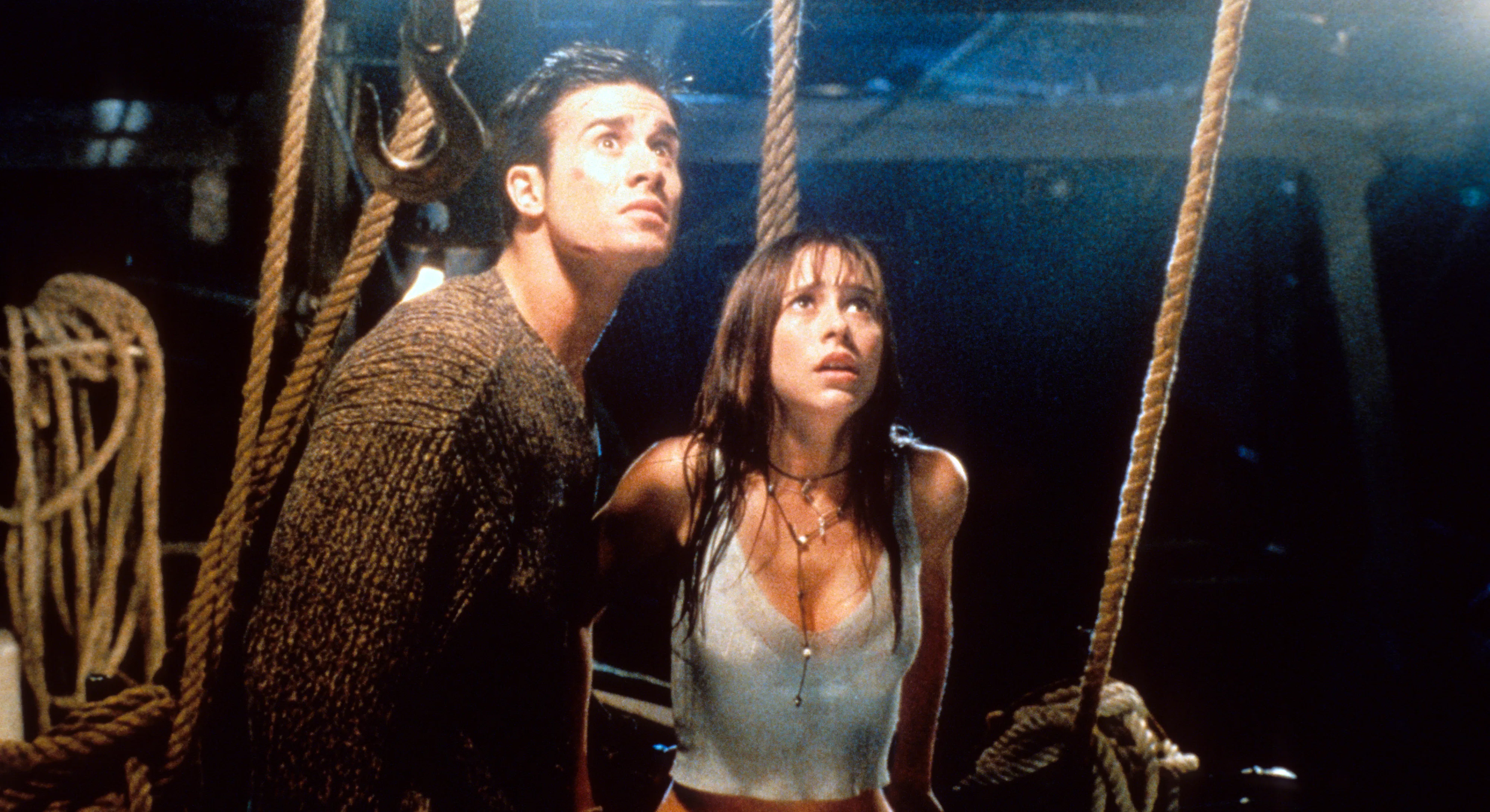
    The decision to film I Know What You Did Last Summer in real locations—particularly Tybee Island, Georgia—added authenticity but also introduced unforeseen complications. The production team arrived expecting a typical summer, only to be met with relentless storms and hurricane warnings. Rain-soaked sets, flooded roads, and even a delayed shoot due to a tropical storm forced the crew to adapt quickly. In an interview with Variety, cinematographer Jack F. Ketchum recalled how the unpredictable weather disrupted schedules but also contributed to the film’s eerie atmosphere. Tybee Island’s natural beauty became both a blessing and a curse. The coastal landscapes provided the perfect backdrop for the film’s tense, isolated setting, but the shifting tides and strong currents made filming the shark attack scenes particularly treacherous. The crew had to work around the clock to capture the necessary footage before the weather turned against them. Additionally, the film’s tight budget meant that some scenes had to be shot in a single take or with minimal reshoots, adding pressure to the production. One of the most significant technical limitations was the film’s use of early CGI for the shark sequences. While Jaws (1975) had relied on practical effects, I Know What You Did Last Summer experimented with computer-generated imagery to create its killer shark. The CGI shark, designed by Industrial Light & Magic (ILM), was groundbreaking for its time but also plagued by technical glitches. The animators struggled with rendering the shark’s movements convincingly, leading to noticeable inconsistencies in some shots. To compensate, the filmmakers combined CGI with practical effects, including a full-scale shark puppet for close-up shots and a remote-controlled mechanical shark for underwater sequences. The result was a hybrid approach that, while imperfect, helped set the tone for future horror-thriller films. The death scene of Helen Shivers (Jennifer Love Hewitt), where she is dragged underwater by the shark, was another technical marvel. The sequence required careful planning to blend CGI with live-action footage. The crew used a water tank on set to film Hewitt’s reactions while the shark’s movements were added in post-production. However, the water’s opacity and the shark’s unnatural movements in some frames gave away the film’s reliance on early CGI. Despite these flaws, the scene remains one of the most memorable in the film, showcasing the production’s determination to push visual effects forward.

    Practical Effects vs. CGI: A Breakdown of Key Scenes

    The film’s reliance on practical effects alongside CGI created a unique visual style that was both innovative and flawed. Here’s a breakdown of how key scenes were achieved:
    • The Opening Shark Attack (Barry’s Death) The sequence where Barry (Freddie Prinze Jr.) is attacked by the shark in the water was shot using a combination of practical effects and CGI. The initial impact of the shark was created with a mechanical shark puppet, while the subsequent underwater chaos was enhanced with CGI. The crew filmed Prinze Jr. reacting to the attack in a controlled environment before layering in the digital shark. The result was a tense, visceral moment that relied heavily on the actor’s performance to sell the scene.
    • Helen’s Death Underwater Jennifer Love Hewitt’s death scene was one of the most challenging to film. The crew used a shallow water tank on set to capture her expressions as she was pulled underwater. The shark’s movements were later added digitally, but the water’s distortion and the CGI’s limitations made the scene feel slightly unnatural. To enhance the effect, the filmmakers used slow-motion footage of Hewitt’s face to emphasize her terror, a technique that became a hallmark of the film’s horror elements.
    • The Sheriff’s Investigation (Practical Effects for Tension) Many of the film’s suspenseful moments, such as the sheriff’s (Fred Savage) search for the killer, were shot with practical effects and minimal CGI. The eerie atmosphere was achieved through low lighting, shadow play, and strategic camera angles rather than digital enhancements. The crew also used sound design—such as distant splashes and muffled voices—to heighten the tension without relying on visual gimmicks.
    • The Final Confrontation (Combining Practical and Digital) The climax, where the characters are hunted by the sheriff and the shark, blended practical and digital elements seamlessly. The sheriff’s pursuit was filmed in real time, while the shark’s appearances were added in post-production. The filmmakers used green screen technology for some shots, allowing them to composite the shark into the background. However, the limited processing power of the time led to some visible seams and inconsistencies in the final cut.
    Despite its technical limitations, the film’s use of practical effects—such as the shark puppet, forced perspective, and real locations—gave I Know What You Did Last Summer a gritty, authentic feel that CGI-heavy films of the time often lacked. The balance between the two techniques became a defining characteristic of the film’s visual style.

    Hidden Easter Eggs, Deleted Scenes, and Unseen Footage

    Fans of I Know What You Did Last Summer have long been fascinated by its Easter eggs, deleted scenes, and behind-the-scenes trivia. The film’s production left behind a treasure trove of unused footage, alternate endings, and subtle references that add layers to the viewing experience. One of the most intriguing deleted scenes involves an extended version of the flashback sequence, where the characters recall their night of drinking and driving. In the original cut, there was additional dialogue and a longer montage showing their reckless behavior, which was trimmed for pacing. Another notable omission was a scene where the sheriff discovers a second victim, hinting at a larger conspiracy. This scene was cut to maintain the film’s focus on the original quartet of survivors. The film also contains subtle Easter eggs hidden for fans to discover. For example:
    • The License Plate Clue In one of the deleted scenes, the characters discuss a license plate number that could lead to their killer. This detail was removed from the final cut but was later referenced in fan theories and director’s commentaries.
    • The Sheriff’s Hidden Notebook In the original script, the sheriff had a detailed notebook filled with clues about the killer’s identity. Some of these notes were filmed but cut from the final version, leaving only hints in the finished movie.
    • The Alternate Ending One of the most discussed alternate endings involved the characters facing the sheriff’s wrath rather than the shark. In this version, the sheriff corners them, revealing he knows the truth, and the film ends with an ambiguous cliffhanger. This ending was scrapped in favor of the shark’s return, which became the iconic conclusion.
    • The Outtake of the Shark’s First Appearance During production, the crew filmed an additional outtake where the shark surfaces for the first time, revealing its full body. This shot was deemed too scary for the final cut but was later included in the Director’s Cut and special editions.
    The film’s Director’s Cut, released in 2006, included several of these deleted scenes, offering fans a deeper look into the original vision. Additionally, behind-the-scenes documentaries and director’s commentaries have revealed that some scenes were improvised by the cast, adding an extra layer of authenticity to the film’s performances.

    A Fictional Interview: On-Set Anecdotes from the Crew

    To provide a glimpse into the film’s chaotic yet creative production, here’s a fictional interview with Jack F. Ketchum, the cinematographer, who shared some of his most memorable on-set experiences:
    *"One of the wildest moments was filming the

    The Psychology of Fear: How I Know What You Did Last Summer (1997) Mastered Audience Anxiety

    I Know What You Did Last Summer (1997) transcends its status as a slasher film by embedding psychological horror into its narrative, leveraging techniques that manipulate audience anxiety through unreliable narration, character-driven fears, and symbolic imagery. The film’s ability to blur the line between reality and paranoia mirrors the anxieties of late-’90s youth culture, where environmental dread, moral guilt, and societal expectations loomed large. By dissecting its suspense mechanisms—from Dutch angles to haunting soundtracks—the film establishes a blueprint for psychological horror that predates modern found-footage tropes while remaining deeply rooted in classic horror traditions. The film’s reliance on unreliable narration and suspense creates a metastasizing sense of dread, akin to Alfred Hitchcock’s Psycho (1960) and John Carpenter’s Halloween (1978). Unlike traditional slashers that prioritize immediate violence, I Know What You Did Last Summer thrives on the delayed revelation of guilt, forcing the audience to question what the characters know—and what they’re hiding. This technique mirrors the uncertainty principle in horror, where fear is amplified by the unknown. The film’s structure mirrors real-life trauma: the characters’ past actions (the accidental drowning of a local boy) manifest as a looming, inescapable consequence, a psychological trope later refined in films like Se7en (1995) and The Sixth Sense (1999).

    Unreliable Narration and Suspense Techniques: The Art of the Slow Burn

    The film’s suspense is built on misdirection and delayed gratification, a hallmark of psychological horror. Unlike jump-scare-heavy films of the era (e.g., Scream, 1996), I Know What You Did Last Summer uses subtle foreshadowing to condition the audience for terror. For example:
  • The opening scene, where the shark’s fin breaks the water before the title card, establishes an immediate association between the natural world and threat. This mirrors Hitchcock’s use of the MacGuffin (an object or event that drives the plot) to create tension—here, the shark becomes both a literal and metaphorical force of reckoning.
  • The news clips interspersed throughout the film serve as false security, lulling the audience into a sense of normalcy before the next attack. This technique predates modern found-footage horror’s reliance on documentary-style realism (e.g., The Blair Witch Project, 1999) by framing external perspectives as both objective and unreliable.
  • The diary entries of the victimized boy, Paul, act as a ghostly narrator, revealing his awareness of the characters’ guilt long after his death. This device creates a haunted timeline, where the past actively haunts the present—a concept later explored in The Others (2001) and Insidious (2010).
  • The film’s jump scares (e.g., the shower scene, the boat attack) are not random but psychologically motivated. Each is preceded by auditory cues (e.g., dripping water, distant laughter) that prime the audience for violence, a technique borrowed from Psycho’s iconic shower sequence. The difference lies in the prolonged tension: where Hitchcock’s kills are sudden, I Know What You Did Last Summer stretches out the anticipation, making the audience complicit in the characters’ paranoia.

    Character Fears and Cinematographic Amplification

    The film’s psychological depth lies in its character-specific fears, each amplified through visual and auditory techniques. The four protagonists—Helen, Julie, Barry, and Ray—embody distinct anxieties that reflect broader societal pressures of the late ’90s:
  • Helen’s guilt is visually represented through clausrophobic framing. Her scenes are shot in tight, confined spaces (e.g., her bedroom, the boat cabin), reinforcing her trapped mental state. The film’s use of Dutch angles (e.g., the scene where she’s confronted by the shark’s shadow) distorts her perception, mirroring her cognitive dissonance. The low-angle shots during her breakdowns position the audience as omniscient judges, heightening her isolation.
  • Julie’s paranoia is conveyed through erratic camera movement, particularly in scenes where she believes she’s being watched. The handheld shots during her nighttime panic attacks create a sense of disorientation, as if the audience is experiencing her hallucinations. This technique predates The Ring (2002)’s use of subjective camerawork to depict psychological unraveling.
  • Barry’s denial is visualized through contrasting lighting. His scenes are bathed in harsh, unnatural light (e.g., the gas station at night), symbolizing his illusion of safety. When the shark attacks, the sudden shift to darkness underscores his shattered delusions.
  • Ray’s fatalism is conveyed through static, wide shots, emphasizing his detachment from the group. His calm demeanor contrasts with the chaotic editing of the other characters, reinforcing his role as the unwitting catalyst for their downfall.
  • The film’s lighting design plays a crucial role in amplifying fear:
  • Blue and green hues dominate underwater scenes, creating a cold, inhuman atmosphere that contrasts with the characters’ warm, human tones on land.
  • Flickering lights (e.g., the boat’s cabin during the final attack) induce a sense of instability, as if reality itself is flickering.
  • Shadow play—particularly the elongated, distorted shadows of the shark—transforms the environment into a hostile entity, a technique later perfected in The Descent (2005).
  • The Killer Shark: A Metaphor for Repressed Trauma and Societal Anxiety

    The shark in I Know What You Did Last Summer is more than a monster; it is a manifestation of the characters’ collective guilt and the societal fears of the late ’90s. Its role as a symbolic force can be analyzed through multiple lenses:
  • Repressed Trauma: The shark’s attacks mirror the Freudian concept of the return of the repressed, where the characters’ subconscious guilt resurfaces as an external threat. This aligns with the film’s cyclical structure, where the past (the drowning) inexorably repeats itself in the present (the shark’s killings). The shark becomes a physical embodiment of karma, a theme explored in The Ring (2002) and Hereditary (2018).
  • Teen Anxiety: The late ’90s were marked by heightened concerns over youth accountability, from the O.J. Simpson trial (1995) to the rise of teen court systems. The film’s focus on four privileged teens facing consequences reflects this cultural moment, where moral panic was amplified by media sensationalism.
  • Environmental Dread: The shark’s unnatural intelligence and relentless pursuit can be read as a metaphor for environmental degradation. The film’s coastal setting—where nature itself turns hostile—echoes late ’90s fears about global warming, pollution, and humanity’s destructive relationship with the planet. This theme is later echoed in The Day After Tomorrow (2004) and Annihilation (2018).
  • Societal Hypocrisy: The shark’s selective targeting (only the guilty are killed) critiques the moral double standards of the era. The film suggests that society’s judgment is as unpredictable and merciless as the shark itself, a theme resonant with the Witch trials of the late ’90s (e.g., the Salem witch trials reimagined in The Craft, 1996).
  • The shark’s design—a hybrid of multiple species, with an unnaturally large jaw and glowing eyes—further emphasizes its supernatural qualities. Its silent, stalking presence (often only heard, never fully seen) creates a sense of inevitability, a technique borrowed from Jaws (1975) but recontextualized for psychological horror.

    Soundtrack and Score: The Haunting Piano and Emotional Manipulation

    The film’s soundtrack, composed by Harry Manfredini (known for The Exorcist and Poltergeist), is a masterclass in auditory tension. Unlike synth-heavy ’80s horror scores, I Know What You Did Last Summer uses acoustic instruments—particularly the piano—to create a

    The Iconic Characters: Deep Dive into I Know What You Did Last Summer (1997) Archetypes and Legacy

    The 1997 horror classic I Know What You Did Last Summer thrives on its ensemble cast, each character embodying distinct archetypes that drive the film’s tension, moral dilemmas, and cultural resonance. Julie James and Helen Shivers represent opposing yet interconnected forces—recklessness and guilt—whose actions set the plot in motion, while Barry William Cox, the sheriff, subverts expectations of authority figures in horror. Secondary characters like Ray Bronson and the lifeguard serve as narrative devices, reinforcing themes of fate, consequence, and the fragility of innocence. This analysis explores how character dynamics shape the film’s psychological depth, moral ambiguity, and enduring fan theories, including their unresolved fates in the sequel and expanded universe.

    Julie James and Helen Shivers: Contrasting Arcs of Recklessness and Guilt

    Julie James and Helen Shivers are the dual engines of I Know What You Did Last Summer, their opposing personalities and pasts creating a volatile mix of defiance and remorse. Julie, portrayed by Jennifer Love Hewitt, embodies youthful invincibility and impulsivity. Her character arc is defined by a refusal to acknowledge responsibility, a trait that escalates the film’s central conflict. Her recklessness is not merely a plot device but a reflection of the carefree, rule-breaking ethos of the 1990s teen culture, where consequences often seemed distant. Julie’s decision to flee the scene after hitting and killing a man with their car—an act driven by panic and denial—sets the story in motion. Her denial of guilt is palpable in her interactions with Helen, particularly in their arguments about whether to confess or remain silent. Julie’s flaw is her inability to confront the moral weight of her actions, a trait that isolates her from her friends and ultimately puts her in the film’s crosshairs. In contrast, Helen Shivers, played by Sarah Michelle Gellar, is consumed by guilt and self-loathing. Her arc is a study in internalized blame, as she grapples with the psychological toll of their shared secret. Helen’s guilt manifests in paranoia and self-destructive behavior, including her obsessive research into the "Butch" legend and her eventual breakdown. Unlike Julie, who externalizes her fear through anger and denial, Helen internalizes it, making her the most vulnerable of the group. Their dynamic is a microcosm of the film’s central theme: how fear and guilt can twist rational thought into irrational obsession. Helen’s backstory—her strained relationship with her overprotective father and her struggle with anxiety—adds layers to her character, making her more than just a "good girl" trope. Her eventual fate, left ambiguous in the film but addressed in the sequel, underscores the film’s exploration of how guilt can become a self-fulfilling prophecy. The contrast between Julie and Helen extends to their relationships with the other characters. Julie’s charm and defiance make her the de facto leader of the group, while Helen’s introspection and moral conflict push her toward isolation. Their opposing traits create a push-and-pull dynamic that drives the plot forward, as Julie’s refusal to confess forces Helen into a corner where her guilt becomes a liability. This tension is captured in their iconic argument scene, where Julie snaps:
    "You’re such a freak, Helen! You’re always so worried about what other people think. Well, guess what? Nobody cares!"
    This exchange highlights Julie’s emotional immaturity and Helen’s deep-seated fear of judgment, two forces that collide to create the film’s central conflict.

    Barry William Cox: The Sheriff as Moral Antagonist and Foil

    Barry William Cox, played by Fred Ward, is one of the most intriguing characters in I Know What You Did Last Summer because he challenges the traditional horror trope of the bumbling or corrupt authority figure. Unlike the inept sheriffs of slasher films past, Cox is competent, relentless, and morally ambiguous—a foil to the teens whose actions he investigates. His role subverts expectations by making the law enforcement figure not just a pursuer but a catalyst for the teens’ unraveling. Cox’s moral ambiguity stems from his methods, which blur the line between justice and obsession. He is not a villain, but his single-minded pursuit of the truth borders on stalker-like intensity, particularly in his fixation on Julie. His investigation is methodical yet emotionally charged, as seen in his confrontation with Julie at the beach house, where he accuses her of hiding something:
    "You’re not just scared of what I know. You’re scared of what you know."
    This line encapsulates Cox’s psychological warfare, forcing Julie to confront her own guilt. His ambiguity lies in his willingness to bend rules—such as breaking into homes or interrogating suspects aggressively—without outright crossing into criminal behavior. This gray area makes him a compelling antagonist, as he represents the inescapable consequences of their actions. Cox’s character also serves as a mirror to the teens’ own moral failings. While they try to outrun their guilt, Cox embodies the relentless pursuit of truth, making him an unstoppable force. His presence forces the characters to confront their own complicity, a theme that resonates with the film’s exploration of fear and responsibility. Additionally, Cox’s backstory—hinted at through his interactions with his daughter—adds depth, suggesting that his professional obsession may stem from personal trauma. This layering makes him more than just a one-dimensional hunter; he becomes a complex figure whose motivations are as flawed as those he pursues.

    Secondary Characters: Symbolism and Narrative Functions

    The supporting cast of I Know What You Did Last Summer serves specific narrative and symbolic purposes, reinforcing the film’s themes of fate, consequence, and deception. Ray Bronson, played by Ryan Phillippe, and the lifeguard, played by Stuart Greer, are prime examples of how secondary characters function as narrative devices. Ray Bronson is the quintessential "innocent victim" archetype, whose death at the beginning of the film sets the story in motion. His role is symbolic of the fragility of life and the arbitrary nature of fate, as his death is an accident that spirals into a horror story. Ray’s character is defined by his kindness and optimism, traits that contrast sharply with the paranoia and guilt of his friends. His death forces the group to confront the reality of their actions, making him a catalyst for their unraveling. Additionally, Ray’s backstory—his close friendship with Julie and his role as the voice of reason—adds emotional weight to the film. His absence haunts the group, particularly Julie, who is consumed by guilt over his death. The lifeguard, an early target of the killer’s wrath, serves as a red herring and a narrative distraction. His death is initially presented as unrelated to the teens’ actions, but it foreshadows the killer’s pattern of targeting those connected to the original crime. The lifeguard’s role is to mislead the audience and the characters, creating a false sense of security before the real threat emerges. His death also underscores the film’s theme of inevitability: no one is safe once the cycle of violence begins. Other secondary characters, such as Helen’s father, Dr. Shivers, and the town’s gossip, Mrs. Davis, further enrich the film’s world-building. Dr. Shivers represents the stifling influence of parental expectations, while Mrs. Davis embodies the town’s collective fear and suspicion. Each character, no matter how minor, contributes to the film’s atmosphere of dread and isolation.

    Fan Theories and Unresolved Fates: Legacy in the Sequel and Beyond

    The ambiguous endings and unresolved fates of the characters in I Know What You Did Last Summer have fueled decades of fan theories, particularly regarding Julie’s survival and Helen’s death. The 1998 sequel, I Still Know What You Did Last Summer, attempts to address these questions but often feels like a disjointed continuation rather than a satisfying conclusion. One of the most enduring fan theories revolves around Julie’s fate. In the original film, Julie is left hanging from a tree, seemingly dead, but her survival is hinted at through the ambiguous ending where she is seen walking away from the water. Fans have debated whether she dies or escapes, with some interpreting her survival as a commentary on the cyclical nature of guilt and fear. The sequel confirms her survival, but her character arc is underdeveloped, reducing her to a damsel in distress. This disconnect has led to criticism that the sequel fails to honor the original’s character depth. Helen’s death is another point of contention. In the original film, Helen is shown being dragged into the water, her fate left deliberately ambiguous. Some fans theorize that her death is a manifestation of her guilt, a self-fulfilling prophecy brought on by her inability to cope. The sequel retcons her death, revealing that she survived but was traumatized, which many argue undermines the original’s emotional impact. These narrative choices highlight the challenges of adapting horror sequels, where character arcs must be both resolved and left

    I Know What You Did Last Summer didn’t just scare audiences; it redefined how horror could intertwine with coming-of-age drama, using guilt, deception, and the looming presence of the unknown to keep viewers on edge. From its groundbreaking marketing—where fans were encouraged to "find out what they did"—to its influence on modern horror’s reliance on psychological tension, the film’s fingerprints are everywhere. Whether through the way it manipulated audience expectations, its behind-the-scenes struggles in real-world locations, or the way its characters became archetypes of 90s teen anxiety, its story is far from over. For those who lived through its release, it wasn’t just a movie; it was a rite of passage into a darker, more paranoid era of cinema.

Leave a Comment

Comments are moderated before appearing. The data you submit is processed according to the Privacy Policy of Inhonorofdesign.