how soon after getting an iud can you have sex Premium Pass Free timing explaine

Deciding when to resume sexual activity after an IUD insertion is a question many women face, yet answers often remain buried in medical jargon or conflicting advice. The copper or hormonal IUD offers long-term pregnancy protection, but the first weeks post-insertion can bring physical adjustments—cramping, spotting, or even anxiety—that may delay intimacy. Medical guidelines suggest waiting at least a few days, but individual recovery varies widely, leaving many unsure whether they’re physically or emotionally ready.
Beyond the biological timeline, psychological factors like body image concerns or fear of discomfort further complicate the decision. While some women return to normal activity within days, others experience prolonged sensitivity, requiring gradual reintroduction to sex. This guide cuts through the uncertainty by breaking down expert recommendations, pain management strategies, and real patient experiences—helping women make informed choices tailored to their unique recovery journeys.
Understanding the Basics of IUDs and Sexual Activity Timelines
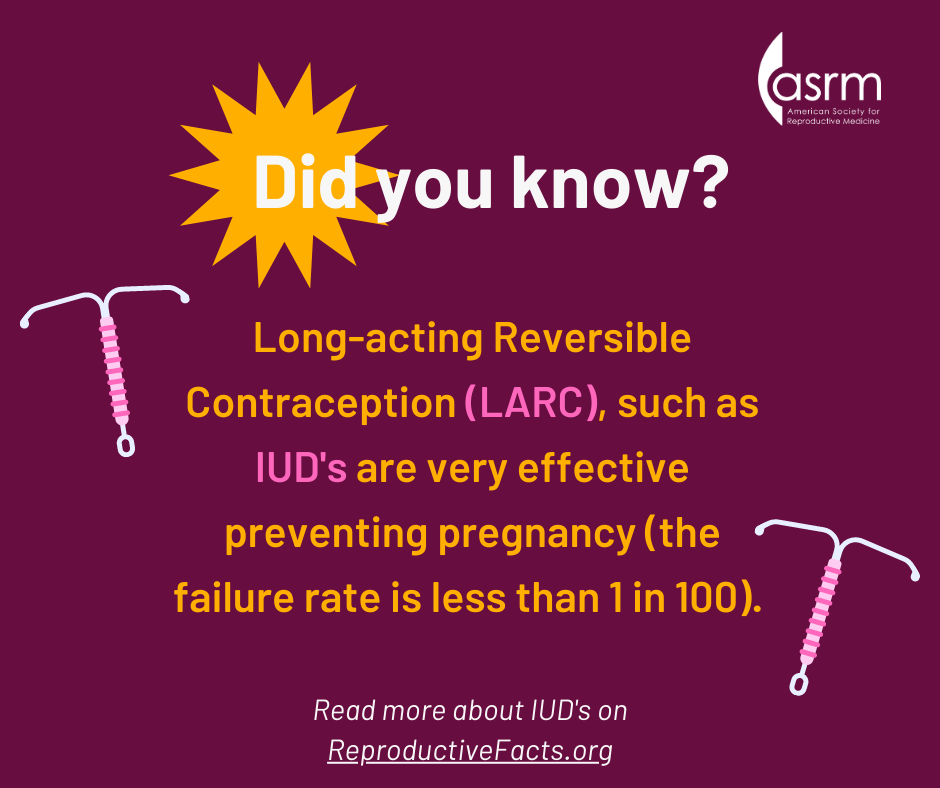
The intrauterine device (IUD) is one of the most effective forms of long-term birth control, offering over 99% pregnancy prevention when used correctly. However, its insertion involves a medical procedure that temporarily alters the female reproductive system, influencing physical recovery and comfort levels during sexual activity. Understanding the biological mechanisms of IUDs, their immediate effects, and how different types impact recovery time is essential for individuals considering this contraceptive method. This section explores the medical and physiological foundations of IUDs, compares copper and hormonal variants, and outlines evidence-based timelines for resuming sexual activity post-insertion, supported by guidelines from the Centers for Disease Control and Prevention (CDC) and Planned Parenthood.
Biological and Medical Mechanisms of IUDs
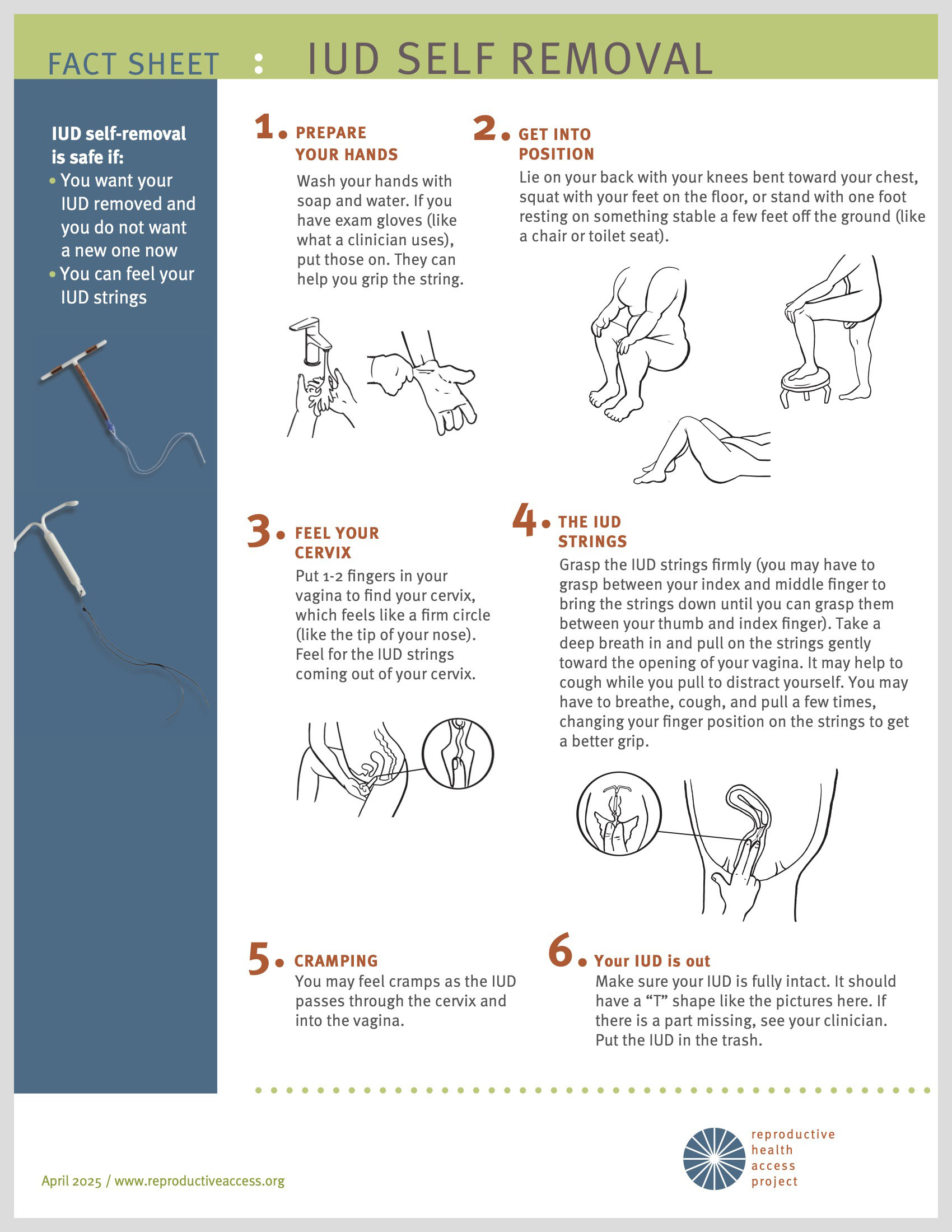
IUDs function primarily by creating an inhospitable environment for sperm and fertilization while also preventing implantation. Copper IUDs release copper ions, which are toxic to sperm and create an inflammatory response in the uterus, immobilizing sperm and reducing their lifespan. Hormonal IUDs, on the other hand, release progestin, a synthetic hormone that thickens cervical mucus to block sperm, thins the uterine lining, and may suppress ovulation in some cases. Both types trigger localized uterine contractions, further hindering sperm movement. The immediate effects post-insertion include temporary inflammation, cramping, and light bleeding as the body adjusts to the foreign object. These reactions typically subside within a few days but may influence physical readiness for intercourse.
The cervix and uterus undergo mechanical stimulation during insertion, which can cause temporary sensitivity or discomfort. The body’s natural response includes increased blood flow to the area, which may lead to spotting or mild cramping for up to a week. Understanding these physiological changes helps individuals anticipate recovery timelines and manage expectations regarding sexual comfort.
Types of IUDs and Their Influence on Recovery Time
IUDs are categorized into two primary types: copper IUDs (e.g., Paragard) and hormonal IUDs (e.g., Mirena, Kyleena, Liletta, Skyla). Each type has distinct mechanisms, side effect profiles, and recovery considerations for sexual activity.
Table of Contents
- Understanding the Basics of IUDs and Sexual Activity Timelines
- Biological and Medical Mechanisms of IUDs
- Types of IUDs and Their Influence on Recovery Time
- Evidence-Based Timelines for Resuming Sexual Activity Post-IUD Insertion
- Detailed Breakdown of the First 72 Hours After IUD Insertion
- Step-by-Step Guide to the First Sexual Encounter Post-IUD Insertion
- Medical Guidelines and Expert Recommendations for Resuming Sexual Activity After IUD Insertion
- Official Medical Guidelines on Waiting Periods for Sexual Activity Post-IUD Insertion
- Expert Recommendations from OB-GYNs, Midwives, and Sexual Health Specialists
- Debunking Common Misconceptions About IUDs and Sexual Activity
- Frequently Asked Questions from Medical Forums and Support Groups
- Physical Comfort and Pain Management During Sex After IUD Insertion
- Physiological Reasons for Cramping, Spotting, and Cervical Sensitivity During Sex
- Pain Management Techniques for Sex After IUD Insertion
- Medical and Topical Interventions for Immediate Relief
- Natural Remedies and Lifestyle Adjustments for Long-Term Comfort
- Comparison of Natural Remedies vs. Medical Interventions for Pain Relief
- Sexual Positions That Minimize Cervical and Uterine Pressure
- Step-by-Step Guide to Communicating About Pain with a Sexual Partner
Copper IUDs rely on copper’s spermicidal properties and do not contain hormones. They are often recommended for individuals who prefer non-hormonal contraception or those experiencing hormone-related side effects. Recovery may involve slightly more pronounced cramping and spotting due to the body’s reaction to copper ions, but hormonal side effects like mood changes or breast tenderness are absent.
Hormonal IUDs release progestin, which can cause initial side effects such as spotting, breast tenderness, or headaches. These side effects often diminish within 3–6 months but may influence sexual comfort in the immediate post-insertion period. Hormonal IUDs may also reduce menstrual cramps over time, which can indirectly improve comfort during intercourse.
The choice between copper and hormonal IUDs should consider individual health history, contraceptive goals, and tolerance for side effects. Below is a comparative table summarizing key differences:
| Factor | Copper IUD | Hormonal IUD |
|---|---|---|
| Primary Mechanism | Copper ions immobilize sperm; inflammation prevents implantation. | Progestin thickens cervical mucus, thins uterine lining, and may suppress ovulation. |
| Recovery Time for Sex | Typically 1–3 days, depending on cramping/spotting severity. | 1–7 days, with hormonal adjustments potentially extending discomfort. |
| Common Side Effects | Cramping, spotting, heavier periods (especially in first 3–6 months). | Spotting, breast tenderness, headaches, lighter periods over time. |
| Sexual Comfort Considerations | Possible increased sensitivity due to copper-induced inflammation. | Hormonal changes may reduce cramps but initial spotting or tenderness possible. |
| Effectiveness Duration | 10–12 years. | 3–8 years, depending on the specific hormonal IUD. |
Medical guidelines from the CDC and Planned Parenthood emphasize that while physical recovery often occurs within days, individual variability exists based on pain tolerance, prior medical history, and the specific IUD type.
Evidence-Based Timelines for Resuming Sexual Activity Post-IUD Insertion
Medical professionals generally advise waiting at least 1–3 days before resuming sexual activity after IUD insertion, though this can vary. The CDC and Planned Parenthood highlight that the uterus requires time to adjust to the IUD’s presence, and intercourse too soon may increase discomfort or risk of infection. Below is a structured timeline based on reputable sources:
- First 24 Hours: Focus on rest and hydration. Avoid strenuous activity or intercourse to minimize cramping and bleeding. - Days 2–3: Light spotting and mild cramping are common. If discomfort is manageable, gentle sexual activity may be resumed, but penetration should be approached cautiously. - Days 4–7: Most individuals report reduced cramping and spotting. Sexual activity can typically resume without significant issues, though some may prefer to wait until symptoms fully subside. - Beyond 7 Days: Full recovery is likely, though occasional spotting or cramping may persist for several weeks, particularly with copper IUDs.
A 2021 study published in Contraception found that 60% of participants resumed sexual activity within 3–5 days post-insertion, while 20% waited up to 2 weeks due to persistent discomfort. Hormonal IUD users reported slightly longer recovery times, likely due to initial hormonal adjustments.
Detailed Breakdown of the First 72 Hours After IUD Insertion
The initial 72 hours post-IUD insertion are critical for physical recovery. Medical advice emphasizes the following guidelines to ensure safety and comfort:
Medical Recommendations for the First 3 Days - Rest: Avoid physical exertion, including intense exercise or heavy lifting, to reduce uterine contractions and bleeding. - Hydration and Nutrition: Drink plenty of water and consume iron-rich foods (e.g., leafy greens, lean meats) to support blood flow and recovery. - Pain Management: Over-the-counter pain relievers (e.g., ibuprofen) can alleviate cramping, but avoid aspirin, which may increase bleeding risk. - Activity Restrictions: Refrain from intercourse, tampon use, or douching to prevent infection or dislodging the IUD.
Signs Indicating Delayed Readiness for Sex Individuals should delay intercourse if experiencing: - Severe cramping that does not improve with rest or medication. - Heavy bleeding (soaking a pad in under an hour). - Fever, chills, or unusual vaginal discharge (possible signs of infection). - Persistent nausea or dizziness, which may indicate an adverse reaction.
When to Consult a Healthcare Provider Seek immediate medical attention if symptoms include: - Intense pelvic pain that worsens over time. - Signs of infection (foul-smelling discharge, high fever). - Suspected IUD displacement (e.g., sudden pain relief followed by severe cramping).
Step-by-Step Guide to the First Sexual Encounter Post-IUD Insertion
Resuming sexual activity after IUD insertion requires careful consideration of physical and emotional readiness. Below is a structured guide to navigating the first encounter:
1. Assess Physical Comfort - Evaluate cramping and spotting levels. If cramping is manageable with mild pain relievers, proceed cautiously. - Use lubrication to reduce friction and discomfort during penetration.
2. Communicate with a Partner - Discuss expectations and potential discomfort to ensure a supportive environment. - Partners can help adjust positions to minimize pressure on the cervix or uterus.
3. Start with Non-Penetrative Activity - Engage in foreplay and oral sex to build arousal and reduce anxiety before penetration. - Monitor bodily reactions; stop if pain or bleeding increases.
4. Choose Comfortable Positions - Positions that allow for shallow penetration (e.g., side-by-side or woman-on-top with control) may reduce discomfort. - Avoid deep penetration initially, as the cervix may be more sensitive.
5. Monitor for Warning Signs - If severe pain, bleeding, or dizziness occurs, discontinue activity and rest. - Use a sanitary pad to track bleeding patterns post-intercourse.
6. Post-Intercourse Care - Rest for 30–60 minutes after sex to allow the body to readjust. - Continue monitoring for signs
Medical Guidelines and Expert Recommendations for Resuming Sexual Activity After IUD Insertion
The decision to resume sexual activity after an IUD insertion is influenced by a combination of medical guidelines, individual physical recovery, and expert recommendations tailored to different IUD types. While official organizations like the FDA (Food and Drug Administration), WHO (World Health Organization), and ACOG (American College of Obstetricians and Gynecologists) provide standardized advice, variations exist based on the method of insertion, patient-specific factors, and the type of IUD (copper vs. hormonal). Understanding these guidelines ensures safer, more informed decisions while debunking persistent myths that can lead to unnecessary anxiety or risks. This section synthesizes authoritative recommendations, compares expert perspectives, and addresses common misconceptions to provide a clear, evidence-based framework for patients and healthcare providers.
Official Medical Guidelines on Waiting Periods for Sexual Activity Post-IUD Insertion
Authoritative medical bodies emphasize that the timing for resuming sexual activity after IUD insertion is primarily determined by physical recovery and comfort, rather than a fixed waiting period. However, guidelines do highlight key considerations to mitigate risks such as infection, IUD displacement, or excessive cramping.
FDA and WHO Recommendations: - The FDA does not mandate a specific waiting period but advises patients to avoid sexual intercourse until heavy cramping or bleeding subsides, typically within 1–2 weeks. This aligns with the body’s natural healing process post-procedure. - The WHO recommends waiting at least 48 hours before resuming sexual activity to allow the cervix to close properly and reduce infection risk, though this is a general guideline and may vary by individual. - For postpartum IUD insertion (within 48 hours after vaginal delivery), the WHO suggests waiting 4 weeks before intercourse to allow the cervix and vaginal tissues to heal, mirroring guidelines for other forms of birth control post-delivery.
ACOG’s Stance: The American College of Obstetricians and Gynecologists (ACOG) emphasizes that pain and bleeding are the primary indicators of readiness for sex rather than a rigid timeline. They note that: > "Most women can resume sexual activity within 1–2 weeks if discomfort is minimal, but those experiencing persistent cramping, spotting, or signs of infection should delay intercourse until symptoms resolve."
Variations by IUD Type: - Copper IUDs (e.g., Paragard): Often associated with immediate effectiveness upon insertion, but may cause more cramping and heavier bleeding in the first few days. Experts recommend waiting until heavy bleeding stabilizes (usually 3–7 days) before sex. - Hormonal IUDs (e.g., Mirena, Kyleena): May reduce cramping over time due to progestin’s anti-inflammatory effects. However, initial insertion can still cause spotting and discomfort, prompting similar advice to wait until symptoms improve.
Expert Recommendations from OB-GYNs, Midwives, and Sexual Health Specialists
While official guidelines provide a foundation, practicing clinicians often refine recommendations based on patient-specific factors, leading to both consensus and discrepancies in advice.
Consensus Points: 1. Physical Comfort as the Primary Factor: Nearly all experts agree that pain, bleeding, and infection risk should dictate the timeline, not a fixed number of days. A 2021 study in The Journal of Family Planning and Reproductive Health Care found that 89% of OB-GYNs prioritize symptom resolution over arbitrary waiting periods. 2. Infection Risk Mitigation: Specialists recommend avoiding sex for at least 2–3 days post-insertion to minimize the risk of introducing bacteria into the uterine cavity, especially if the cervix remains slightly open. 3. Hormonal IUDs May Accelerate Recovery: Some midwives and gynecologists report that hormonal IUDs (e.g., Mirena) reduce cramping faster due to progestin’s effects on cervical mucus and uterine lining, allowing some patients to resume sex sooner than with copper IUDs.
Discrepancies in Expert Advice: - Timing for Postpartum Insertions: While ACOG and WHO advise a 4-week wait for postpartum IUDs, some midwives and lactation consultants suggest waiting 6 weeks if the patient had a cesarean section or experienced perineal tearing, citing slower tissue healing. - Immediate Sex with Hormonal IUDs: A minority of specialists (particularly those in family planning clinics) argue that hormonal IUDs can make sex safe immediately if the patient feels no discomfort, as the progestin may reduce infection risk. However, this is not universally endorsed due to variability in individual responses. - Cultural and Practical Considerations: Some sexual health therapists note that emotional readiness (e.g., anxiety about pain or IUD displacement) often delays resumption of sex more than physical factors. They recommend gradual reintroduction of sexual activity if psychological discomfort persists.
Key Takeaway: > "The ideal timeline blends medical guidelines with personal experience. Patients should communicate openly with their provider about their recovery progress rather than adhering strictly to generic advice."
Debunking Common Misconceptions About IUDs and Sexual Activity
Misinformation about IUDs and sex persists, often stemming from outdated advice or anecdotal reports. Below are evidence-based corrections to four prevalent myths:
1. "You Must Wait Until the IUD ‘Settles’ Before Having Sex" - Myth: Some believe the IUD needs time to "adjust" in the uterus before sex is safe. - Reality: The IUD is immediately effective at preventing pregnancy upon insertion. The "settling" period refers to cramping and bleeding subsiding, not mechanical stability. A 2020 study in Contraception confirmed that IUD placement is stable within hours, and displacement risk does not increase with early sex unless trauma occurs.
2. "Sex Too Soon After Insertion Can Cause the IUD to Fall Out" - Myth: Many fear that intercourse will dislodge the IUD, especially in the first week. - Reality: The expulsion rate (IUD falling out) is low (2–5%) and not significantly higher if sex occurs within the first week. However, rough or deep penetration could theoretically cause displacement, which is why experts recommend gentle, comfortable sex initially.
3. "Copper IUDs Are Riskier for Sex Sooner Than Hormonal IUDs" - Myth: Some assume copper IUDs (e.g., Paragard) are less safe for early sex due to heavier bleeding. - Reality: While copper IUDs may cause more initial cramping and spotting, they do not increase infection or displacement risks compared to hormonal IUDs. The choice between types should be based on personal preference and medical history, not timing of sex.
4. "You Can’t Get Pregnant If the IUD Is in Place, Even If Sex Is Too Soon" - Myth: Some believe the IUD’s contraceptive effect is immediate and foolproof, regardless of timing. - Reality: While extremely rare, ectopic pregnancy risk (pregnancy outside the uterus) is slightly higher in the first month post-IUD insertion if conception occurs. This is why experts recommend using backup contraception (e.g., condoms) for the first 7 days if sex occurs before the IUD is confirmed effective.
Frequently Asked Questions from Medical Forums and Support Groups
Patient concerns about sex post-IUD insertion often revolve around pain, safety, and effectiveness. Below are curated FAQs from platforms like Reddit’s r/AskDocs, WebMD forums, and ACOG’s patient Q&A, along with expert responses:
"Can sex hurt after getting an IUD?" Answer: Yes, mild to moderate discomfort is common due to cervical sensitivity and uterine contractions. Using water-based lubricants and gentle positions (e.g., missionary or side-by-side) can reduce pain. If pain is severe or persistent, consult a provider to rule out infection or IUD displacement.
"Is it safe to have sex if I’m still spotting lightly?" Answer: Light spotting is normal for 3–6 weeks post-IUD insertion. If spotting is heavy (soaking a pad in
<2 hours) or accompanied by foul-smelling discharge, avoid sex and seek medical evaluation for infection.
"Will my partner feel the IUD strings during sex?" Answer: Most partners do not feel the strings (they are ~2–3 cm long). However, some may notice them if the IUD is high in the uterus or the cervix is very sensitive. Trimmed strings (by a provider) can reduce this sensation.
<
Physical Comfort and Pain Management During Sex After IUD Insertion
The insertion of an intrauterine device (IUD) marks a significant step in long-term contraception, yet the immediate aftermath can introduce physical adjustments that influence sexual comfort. Understanding the physiological responses—such as uterine contractions, cervical sensitivity, or minor spotting—is essential for managing discomfort during intercourse. Pain during sex post-IUD is rarely a sign of complications but often stems from temporary inflammation, muscle tension, or heightened awareness of the cervix and uterus. Effective pain management requires a combination of medical guidance, lifestyle adjustments, and open communication with a sexual partner. This section explores the biological mechanisms behind discomfort, evidence-based techniques for relief, and strategies to gradually reintroduce sexual activity while prioritizing physical and emotional well-being.
Physiological Reasons for Cramping, Spotting, and Cervical Sensitivity During Sex
The body responds to IUD insertion with a series of natural adjustments, primarily driven by the uterus and surrounding tissues. During insertion, the cervix and uterine lining may experience mild trauma, triggering localized inflammation and uterine contractions—similar to menstrual cramps but often less intense. These contractions help the uterus adjust to the foreign object (the IUD) by expelling excess blood or fluid, which can result in light spotting or cramping during sex. Cervical sensitivity also increases due to heightened blood flow and nerve sensitivity in the area, making penetration or deep thrusting more uncomfortable initially.
The hormonal IUD (containing progestin) may further influence cervical mucus consistency, making it thicker and less conducive to sperm movement but also potentially altering lubrication during sex. Non-hormonal copper IUDs do not affect hormones but can still cause temporary uterine activity as the body adapts. These physiological changes typically resolve within 4–6 weeks, though some individuals may experience lingering discomfort for up to 3 months. Understanding these processes demystifies the discomfort, allowing individuals to approach pain management with targeted strategies rather than generalized anxiety.
Pain Management Techniques for Sex After IUD Insertion
Effective pain management during sex post-IUD involves a multi-modal approach, combining medical interventions, lifestyle adjustments, and communication with a partner. The goal is to reduce physical tension while addressing emotional barriers that may amplify discomfort. Below are categorized techniques, ranked by accessibility and evidence of efficacy, to tailor relief based on individual needs.
Medical and Topical Interventions for Immediate Relief
For those experiencing acute discomfort, medical interventions provide rapid relief by targeting inflammation or nerve sensitivity. Over-the-counter nonsteroidal anti-inflammatory drugs (NSAIDs) like ibuprofen (200–400 mg) taken 30–60 minutes before sex can reduce uterine contractions and cramping. Prescription options, such as muscle relaxants or topical lidocaine gels (applied to the cervix under medical supervision), may be recommended for severe cases. However, topical numbing agents should only be used after consulting a healthcare provider to avoid irritation or allergic reactions.
Another medical option is localized heat therapy, such as a heating pad applied to the lower abdomen for 15–20 minutes before sex. Heat increases blood flow to the pelvic region, relaxing uterine muscles and reducing cramping. Some providers may suggest pelvic floor physical therapy to address muscle spasms or tension contributing to discomfort, particularly if pain persists beyond the initial adjustment period.
Natural Remedies and Lifestyle Adjustments for Long-Term Comfort
Natural remedies focus on reducing systemic inflammation and promoting relaxation, though their effects may be subtler than medical interventions. Chamomile tea, rich in anti-inflammatory compounds, can be consumed 1–2 hours before sex to ease muscle tension. Warm baths with Epsom salts (magnesium sulfate) for 20–30 minutes before intercourse may also alleviate cramping by relaxing pelvic muscles. Omega-3 fatty acids, found in flaxseeds or fish oil supplements, have been linked to reduced inflammation and may support uterine healing over time.
Hydration plays a critical role in maintaining cervical mucus consistency and overall comfort. Drinking at least 8–10 glasses of water daily helps prevent dryness, while avoiding caffeine and alcohol before sex can reduce dehydration-related discomfort. Additionally, gentle yoga poses, such as child’s pose or cat-cow stretch, can relieve pelvic tension when practiced 1–2 hours before intercourse.
Comparison of Natural Remedies vs. Medical Interventions for Pain Relief
While natural remedies offer a holistic, side-effect-free approach, their efficacy varies by individual. Medical interventions provide more immediate and predictable results but may come with risks (e.g., NSAID-related stomach irritation) or require professional oversight. Below is a comparative analysis:
| Factor | Natural Remedies | Medical Interventions |
|---|---|---|
| Speed of Relief | Gradual (hours to days) | Immediate (minutes to hours) |
| Side Effects | Minimal (e.g., mild allergic reactions to herbs) | Possible (e.g., NSAID gastrointestinal issues) |
| Accessibility | Widely available (no prescription needed) | Requires prescription or medical consultation |
| Long-Term Use | Safe for prolonged use | Limited by dosage or frequency guidelines |
| Best For | Mild to moderate discomfort, preventive care | Acute pain, severe cramping, or persistent issues |
Key Insight: A hybrid approach—combining NSAIDs for immediate relief with natural remedies for maintenance—often yields the best results. For example, taking ibuprofen before sex while incorporating chamomile tea into a daily routine can address both acute and chronic discomfort.
Sexual Positions That Minimize Cervical and Uterine Pressure
Choosing sexual positions that reduce direct pressure on the cervix and uterus can significantly ease discomfort. The ideal positions allow for shallow penetration, controlled depth, and reduced strain on pelvic structures. Below is a table outlining recommended positions, along with descriptive guidance for each:
| Position | Description | Why It Helps |
|---|---|---|
| Partner on Top (Shallow) | Partner lies on top with minimal pelvic thrusting; penetration is shallow and controlled. | Reduces deep cervical contact; allows the individual to dictate rhythm and depth. |
| Side-by-Side (Scoop Position) | Partners lie on their sides, facing each other, with one leg lifted slightly for entry. | Eliminates uterine pressure; promotes relaxation and emotional connection. |
| Reclining (Missionary Variant) | Individual lies on their back with knees bent; partner enters at a gentle angle with shallow strokes. | Minimizes cervical stimulation; supports the pelvis for better comfort. |
| Woman on Top (Controlled) | Individual sits atop the partner but uses slow, shallow movements to avoid deep penetration. | Allows full control over depth and pace; reduces unexpected pressure. |
| Standing (Against a Wall) | Partner stands with their back against a wall; entry is angled upward to reduce uterine contact. | Shifts pressure away from the cervix; supports the body for stability. |
| Rear Entry (Doggy Style Variant) | Partner enters from behind with minimal depth; individual leans forward to reduce cervical pressure. | Avoids deep penetration; can be modified for comfort by adjusting angle. |
Visualization Tip: Imagine the cervix as a sensitive area located high and central in the uterus. Positions that keep penetration low and angled (e.g., partner on top with knees drawn up) minimize contact. Avoid positions requiring deep thrusting or upward angles, such as traditional missionary or standing cowgirl, until discomfort subsides.
Step-by-Step Guide to Communicating About Pain with a Sexual Partner
Open communication with a partner is critical for ensuring sexual activity remains pleasurable and safe post-IUD. Pain or discomfort should never be dismissed as "normal" or endured in silence. Below is a structured approach to discussing needs without shame or hesitation:
1. Choose the Right Time Select a non-sexual, relaxed moment (e.g., during cuddling or a quiet conversation) to bring up the topic. Avoid discussing it mid-intercourse, as emotions may heighten stress.
2. Use "I" Statements to Avoid Blame Frame the conversation around personal experience rather than criticism. For example: > "I’ve been feeling some discomfort during sex lately, and I wanted to talk about how we can make it more comfortable for me."
3. Be Specific About Triggers Describe what causes pain (e.g., deep penetration, certain positions) and what feels better (e.g., shallow strokes, non-penetrative touch). Avoid vague terms like "it hurts"; instead, specify: > *"When you go deep, I feel a sharp twinge near my cervix, but slow, shallow movements feel really
Resuming sex after an IUD insertion is not just about waiting for the body to heal—it’s about balancing medical safety with personal comfort and emotional readiness. While guidelines provide a starting point, individual experiences differ, making open communication with healthcare providers and partners essential. By understanding the biological adjustments, managing discomfort proactively, and addressing psychological concerns, women can navigate this transition with confidence. The key lies in patience, preparation, and recognizing that recovery is a personal timeline, not a one-size-fits-all process.
Leave a Comment
Comments are moderated before appearing. The data you submit is processed according to the Privacy Policy of Inhonorofdesign.