HaveSexVsMakeLoveFullReleaseUnveilsDeepEmotionalPhysicalDivide
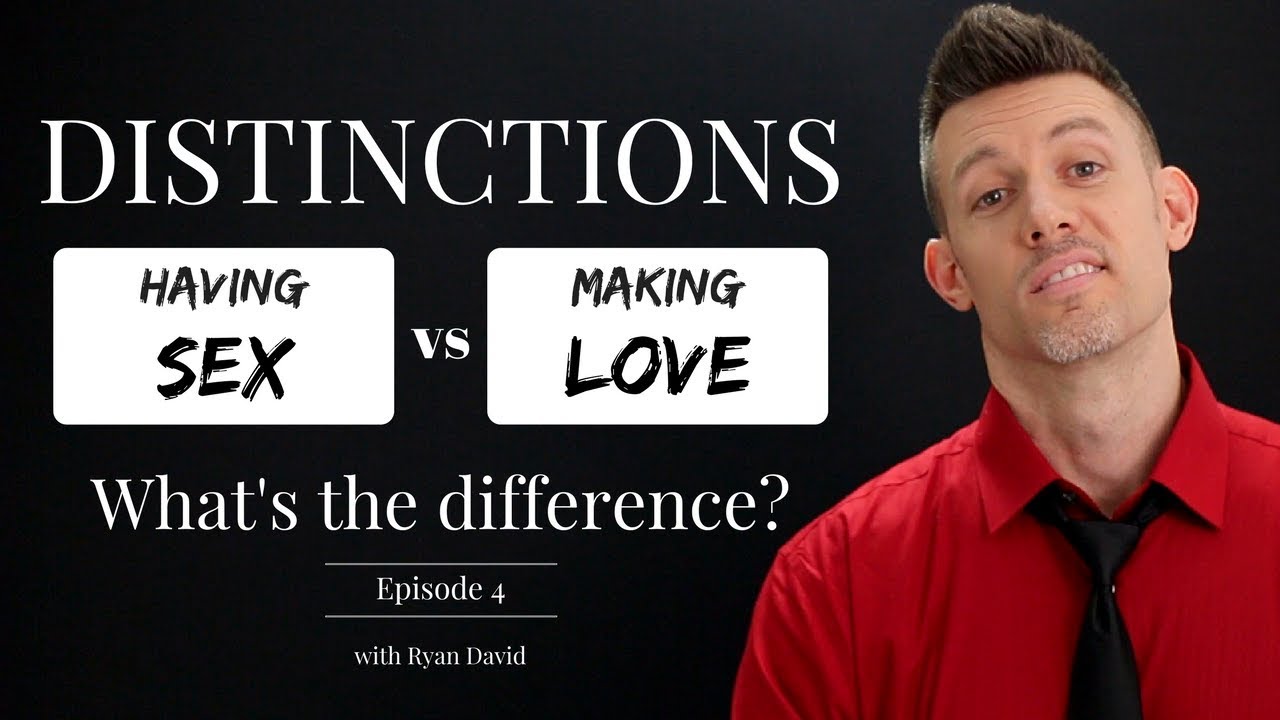
The way humans describe intimacy—whether as raw physical desire or tender emotional exchange—reveals more than just vocabulary preferences. Behind the phrases "have sex" and "make love" lies a complex interplay of neuroscience, culture, and personal psychology that reshapes relationships, self-perception, and societal norms. Studies on oxytocin surges during lovemaking versus adrenaline spikes in transactional encounters expose how biology itself distinguishes between fleeting pleasure and lasting connection, while cultural taboos from Victorian prudishness to modern hookup culture expose shifting moral landscapes.
From the sensory nuances of a hurried encounter to the deliberate pacing of shared vulnerability, the boundaries between sex and love blur in ways that challenge both individuals and partnerships. Media portrayals—from steamy Bollywood films to algorithm-driven dating apps—further distort or refine these distinctions, leaving many to question whether modern intimacy thrives on emotional authenticity or fleeting physical gratification. As attachment theory and neuroscience converge, the question persists: Are we wired to separate sex from love, or is the distinction itself a cultural construct?
The Psychological and Emotional Spectrum: "Have Sex" vs. "Make Love"

The distinction between "having sex" and "making love" transcends mere semantics—it reflects a complex interplay of neurobiology, cultural conditioning, and psychological attachment. While both terms describe intimate physical encounters, their emotional and societal weight varies dramatically, shaping individual experiences, relationships, and even mental health outcomes. This spectrum is not static; it evolves with cultural shifts, scientific discoveries, and societal norms, revealing how human connection is both biologically rooted and socially constructed. Understanding these differences requires examining brain chemistry, cross-cultural perspectives, and the psychological frameworks that influence how individuals interpret intimacy.
Neurobiological Foundations: Oxytocin, Dopamine, and the Brain’s Intimacy Circuit

The brain does not process "sex" and "love" through identical neural pathways, despite their overlapping physical manifestations. Studies in neurobiology and affective science highlight distinct biochemical responses that correlate with the emotional investment in an encounter. Oxytocin, often dubbed the "love hormone," plays a pivotal role in bonding and trust, particularly during prolonged physical intimacy. Research published in Biological Psychology (2015) found that oxytocin levels spike significantly in individuals engaged in lovemaking—characterized by extended foreplay, emotional vulnerability, and mutual satisfaction—compared to sexual encounters focused solely on physical release. This hormone fosters attachment, reducing stress and promoting feelings of security, which aligns with the emotional depth associated with "making love."
Conversely, dopamine, the neurotransmitter linked to pleasure and reward, dominates in short-term, high-stimulation sexual encounters. A study by PLOS ONE (2018) demonstrated that dopamine surges are more pronounced in goal-oriented sex, such as casual encounters or one-night stands, where the focus is on immediate gratification rather than emotional connection. This biochemical contrast explains why individuals often describe "having sex" as exhilarating yet transient, while "making love" feels profound and enduring. Additionally, serotonin and endorphins contribute to the emotional aftermath: serotonin levels may drop post-orgasm in committed relationships, reinforcing attachment, whereas endorphins—natural painkillers—spike during intense physical activity, which can overshadow emotional engagement in purely sexual acts.
Cultural Shaping of Intimacy: Western Individualism vs. Eastern Collectivism vs. Indigenous Holism
Perceptions of sex and love are deeply embedded in cultural narratives, which dictate whether intimacy is viewed as a physical act, a sacred bond, or a social obligation. Western cultures, particularly those influenced by liberal individualism, often compartmentalize sex and love, reflecting Enlightenment-era ideals of personal autonomy. The sexual revolution of the 1960s further blurred boundaries, promoting sex as a form of self-expression rather than a marital duty. However, even within Western societies, stigma persists: a Journal of Sex Research (2017) study revealed that casual sex is more socially accepted in countries like the Netherlands or Sweden, where secular humanism dominates, compared to the U.S., where religious conservatism still shapes attitudes.
Table of Contents
- The Psychological and Emotional Spectrum: "Have Sex" vs. "Make Love"
- Neurobiological Foundations: Oxytocin, Dopamine, and the Brain’s Intimacy Circuit
- Cultural Shaping of Intimacy: Western Individualism vs. Eastern Collectivism vs. Indigenous Holism
- Societal Stigma: Historical Context from Victorian Repression to Modern Dating Culture
- Psychological Profiles: Physical Pleasure Seekers vs. Emotional Connectors
- Evolution of Sexual Language: From Victorian Euphemisms to Digital Age Slang
- Physical and Sensory Experiences: The Tangible Differences Between Sex and Making Love
- Physiological Responses: The Science Behind Desire and Connection
- Sensory Breakdown: Touch, Sound, and Environment as Emotional Barometers
- Foreplay: Duration, Purpose, and Psychological Impact
- Body Language: The Silent Language of Intent
- The Role of Communication and Consent in Defining the Experience
- Explicit Versus Implicit Communication in Intimacy
- Scripts for Initiating Conversations About Emotional and Physical Expectations
- Consent as a Dynamic Agreement Beyond Legal Compliance
- Technology’s Role in Reshaping Communication About Sex and Love
- Cultural and Media Representations: How Pop Culture Shapes Perceptions of Sex and Love
- Historical Evolution of Sex and Love in Film, Literature, and Music
- Modern Pornography: Distorting Expectations and Redefining Intimacy
- Romantic Comedies and Dramas: Reinforcing or Challenging Binaries
- Cultural Comparisons: How Different Media Portray Sex and Love Across the Globe
In East Asian cultures, intimacy is frequently framed within confucian or taoist philosophies, where sexual acts are secondary to emotional harmony and familial duty. For example, in traditional Chinese medicine, qi (life energy) flows differently during sex versus love-making, with the latter emphasizing yin-yang balance and long-term partnership. A 2019 study in Culture, Medicine, and Psychiatry noted that Japanese couples often prioritize emotional synchronization over physical performance, reflecting a cultural emphasis on wa (harmony). Meanwhile, Indigenous cultures frequently view sex as part of a spiritual and communal fabric. Among the Maori of New Zealand, intimacy is tied to whakapapa (genealogy) and mana (prestige), where sexual acts outside committed bonds are seen as disrupting tribal cohesion. These examples illustrate how cultural values—whether individualistic, collectivist, or holistic—reshape the emotional weight of physical intimacy.
Societal Stigma: Historical Context from Victorian Repression to Modern Dating Culture
The stigma surrounding sex versus love has fluctuated dramatically over centuries, often reflecting broader power structures. During the Victorian era (1837–1901), sexual activity outside marriage was criminalized under laws like the Contagious Diseases Acts (1864–1886), which targeted women presumed to spread venereal diseases. "Making love" was confined to marital beds, while "having sex" was either taboo or transactional (e.g., prostitution). This duality persisted into the mid-20th century, where Freudian psychology reinforced the idea that sex was a biological drive, while love was a civilized sublimation of that drive.
The sexual revolution of the 1960s–70s challenged these norms, but not uniformly. While second-wave feminism advocated for sexual liberation, it also critiqued the objectification of women in casual encounters. A Feminist Studies (2020) analysis found that hookup culture, which emerged in the 1990s, created a paradox: women who engaged in casual sex faced double standards, labeled as "sluts" or "easy," whereas men were often praised for their sexual prowess. This gendered stigma persists today, as evidenced by a Psychology of Women Quarterly (2021) study showing that women report higher regret after one-night stands than men, due to societal pressures to seek emotional validation.
In contrast, committed relationships have historically been idealized, particularly in romantic love narratives popularized by 12th-century courtly love and later by Hollywood cinema. Modern dating apps like Tinder have further complicated these dynamics, with users often swiping for sex but seeking "love" in long-term matches. This duality of desire—exemplified by the rise of "situationships" (non-exclusive, non-committed relationships)—reflects a society grappling with the tension between instant gratification and emotional security.
Psychological Profiles: Physical Pleasure Seekers vs. Emotional Connectors
Individuals who associate sex primarily with physical pleasure tend to exhibit distinct psychological traits compared to those who equate it with emotional connection. Research in Personality and Individual Differences (2016) identified two broad profiles:
1. The Sensation-Seeker - Traits: High novelty-seeking, impulsivity, and low harm avoidance (as per Cloninger’s Temperament Model). - Motivations: Dopamine-driven reward sensitivity; sex as a means of stress relief or social validation. - Behavioral Patterns: Preference for short-term encounters, multiple partners, and minimal emotional investment. - Risk Factors: Higher likelihood of sex addiction (per DSM-5 criteria) and STI transmission due to less consistent protection use.
2. The Attachment-Oriented Individual - Traits: Secure attachment style (per Hazan & Shaver’s model), emotional intelligence, and long-term goal orientation. - Motivations: Oxytocin-fueled bonding; sex as a reinforcement of intimacy and trust. - Behavioral Patterns: Prioritize emotional safety, communication, and physical touch (e.g., cuddling post-coitus). - Outcomes: Greater relationship satisfaction and lower rates of infidelity (per Journal of Marriage and Family, 2019).
A third profile, the "Conflict-Avoidant", emerges in individuals with anxious or avoidant attachment styles, who may engage in sex to preempt emotional rejection or suppress vulnerability. For example, someone with an avoidant attachment might describe a one-night stand as "making love" to rationalize the lack of emotional follow-through, while an anxiously attached individual may equate sex with desperation for validation.
Evolution of Sexual Language: From Victorian Euphemisms to Digital Age Slang
The terminology used to describe intimacy has evolved in tandem with cultural movements, often reflecting shifting attitudes toward gender, power, and pleasure. A linguistic timeline highlights these changes:
- 1800s–1920s (Victorian Era): Sex was rarely discussed openly. Terms like "knowing someone" or "consummating a marriage" were used, while "making love" implied a marital, procreative act. Casual sex was termed "falling" or "sinning." - 1920s–1950s (Roaring Twenties & Post-War Era): The rise of Freudian psychoanalysis introduced terms like "sexual drive" and "libido." However, Hays Code (1930s–1960s) in Hollywood censored explicit references to sex, reinforcing e
Physical and Sensory Experiences: The Tangible Differences Between Sex and Making Love
The human body reacts distinctly to physical desire versus emotional connection, translating psychological intent into measurable physiological and sensory responses. During sex driven by primal instinct, physiological systems prioritize efficiency and release—heart rates spike sharply, muscles tense rapidly, and hormonal surges dominate the experience. Conversely, lovemaking unfolds as a slower, more deliberate orchestration of sensation, where touch becomes a language of trust, sound deepens intimacy, and the environment transforms into a sanctuary. These tangible differences manifest in every caress, breath, and shift in body language, creating a spectrum where physicality and emotion intertwine. Understanding these distinctions not only clarifies personal preferences but also empowers individuals to cultivate deeper connections or navigate boundaries with awareness.
The sensory experience of sex versus lovemaking is fundamentally shaped by intent, environmental cues, and the deliberate pacing of physical interaction. While transactional sex often emphasizes speed and mechanical precision, lovemaking prioritizes exploration, vulnerability, and the amplification of sensory details. Below, a breakdown of how touch, sound, and setting differentiate these experiences, alongside actionable steps to bridge the gap between purely physical encounters and emotionally charged intimacy.
Physiological Responses: The Science Behind Desire and Connection
When sex is driven by physical desire, the body operates in a state of heightened alertness, mirroring the fight-or-flight response. Testosterone and adrenaline levels surge, triggering rapid muscle contractions, elevated heart rates (often exceeding 120 beats per minute during peak arousal), and a temporary suppression of higher cognitive functions to facilitate instinctual behavior. Dopamine and norepinephrine flood the system, reinforcing the reward-driven nature of the act, while oxytocin release is minimal or delayed, as emotional bonding is not the primary objective.
In contrast, lovemaking activates the parasympathetic nervous system, promoting relaxation and prolonged arousal. Heart rates increase gradually (typically 80–100 beats per minute), cortisol levels remain stable, and oxytocin—the "bonding hormone"—is released in sustained waves, fostering emotional closeness. Serotonin and endorphins enhance sensory pleasure, making touch more sensitive and pleasurable over extended periods. Studies in Psychoneuroendocrinology (2014) highlight that couples who engage in lovemaking report lower stress responses and higher relationship satisfaction compared to those experiencing purely physical encounters.
A key physiological marker distinguishing the two is muscle tension patterns: - Sex (physical desire): Pelvic muscles contract sharply and rhythmically; grip strength increases (a phenomenon linked to heightened dominance/submission dynamics). - Lovemaking (emotional connection): Muscles engage in sustained, fluid tension, with deliberate pauses and deeper breathing to prolong sensation.
The difference lies not in the intensity of the response, but in its duration and emotional anchoring. Physical sex is a sprint; lovemaking is a marathon of shared sensation.
Sensory Breakdown: Touch, Sound, and Environment as Emotional Barometers
The way touch is administered serves as a silent negotiation between transaction and intimacy. In transactional sex, caresses often follow predictable, functional patterns: - Rough or abrupt strokes (e.g., hands gripping hips during penetration). - Limited exploration beyond erogenous zones, focusing on immediate gratification. - Pressure applied with urgency, as if efficiency is prioritized over pleasure.
Lovemaking, however, transforms touch into a dialogue of sensation: - Gentle, exploratory movements (e.g., tracing fingers along collagen-rich areas like the inner wrist or collarbone). - Synchronized breathing that creates a rhythmic harmony between partners. - Prolonged contact—holding hands, lingering kisses, or slow massages that extend beyond the sexual act.
Soundscapes further delineate intent: - Transactional sex: Breathing is rapid and shallow; vocalizations are often staccato (short, sharp moans) or suppressed entirely. Environmental noise (e.g., TV, music at high volume) may dominate to mask intimacy. - Lovemaking: Breathing deepens into a shared cadence; whispers, sighs, and prolonged moans become melodic and intentional. Silence is embraced as a form of communication, with partners often matching each other’s vocal tones to create a sense of unity.
Environmental design amplifies these differences: - Transactional settings: Dim or harsh lighting (e.g., neon or overhead lamps), utilitarian furnishings (e.g., beds with minimal linens), and neutral or impersonal decor (e.g., hotel rooms, backseat encounters). - Intimate settings: Soft, diffused lighting (e.g., candles, salt lamps, or natural light filtered through curtains), textured surfaces (e.g., silk sheets, plush rugs), and personalized touches (e.g., favorite scents, music playlists, or shared beverages).
The environment is not just a backdrop—it’s an active participant in shaping the narrative of the encounter. A cluttered room may signal distraction; a carefully arranged space whispers, "Stay with me."
Foreplay: Duration, Purpose, and Psychological Impact
Foreplay in transactional sex serves a utilitarian purpose: priming the body for quick arousal with minimal emotional investment. Characteristics include: - Duration: Typically 5–15 minutes, with a focus on direct stimulation (e.g., manual or oral techniques targeting genitalia immediately). - Purpose: Mechanical arousal—triggering physiological responses without deepening connection. - Psychological impact: Short-term dopamine spikes lead to satisfaction but leave little residual emotional effect. Partners may experience detachment post-orgasm, as the act was not anchored in shared vulnerability.
In contrast, lovemaking’s foreplay is an extended ritual of connection: - Duration: Often 20–60+ minutes, with phases including: - Non-sexual touch (e.g., back rubs, hair brushing, or holding hands while talking). - Verbal or non-verbal flirtation (e.g., teasing, compliments, or shared laughter). - Sensory deprivation/enhancement (e.g., blindfolds, feather touches, or guided imagery). - Purpose: Building anticipation and emotional safety. The goal is to synchronize arousal with emotional readiness, ensuring both partners feel seen and desired. - Psychological impact: Prolonged oxytocin release fosters post-coital bonding; partners often report increased trust and affection even after the act concludes.
Foreplay in lovemaking is not a prelude—it’s the main event. The emotional buildup often surpasses the physical peak in terms of lasting satisfaction.
Step-by-Step Transition from Physical to Emotional Intimacy To shift a purely physical encounter into one of emotional connection, sensory cues and communication must be intentionally layered. Below is a progressive guide:
1. Initiate Non-Genital Touch - Start with non-erotic zones (e.g., shoulders, forearms, or the nape of the neck) to signal safety. Avoid immediate genital contact to reduce performance pressure.
2. Introduce Verbal Affirmations - Use specific, present-tense phrases (e.g., "I love how your skin feels against mine" instead of generic "You’re hot"). This shifts focus from physical function to emotional presence.
3. Synchronize Breathing - Match your breath to your partner’s rhythm. Inhale together, exhale together—this creates neural synchronization, a phenomenon linked to empathy and trust (Harvard Business Review, 2018).
4. Extend Foreplay Beyond Genital Stimulation - Incorporate sensory play (e.g., blindfolded taste tests, guided visualization, or slow dance). The goal is to distract from the "goal" of orgasm and emphasize shared experience.
5. Use Eye Contact as a Bridge - Maintain prolonged eye contact during touch. Studies in Journal of Personality and Social Psychology (2016) show that mutual gaze increases oxytocin release by 64% compared to side-by-side interactions.
6. Incorporate Shared Vulnerability - Introduce lighthearted or serious sharing (e.g., "What’s something you’ve always wanted to try?" or "Tell me about a time you felt truly seen"). This creates emotional reciprocity.
7. Slow the Pace - Deliberately pause between touches, even if only for a few seconds. This forces both partners to reconnect with sensation and each other rather than rushing.
Body Language: The Silent Language of Intent
Body language serves as a non-verbal contract between partners, signaling whether an encounter is transactional or intimate. Below are key indicators:
| Transactional Sex | Lovemaking | Psychological Interpretation |
|---|
The Role of Communication and Consent in Defining the Experience
The boundary between sex and making love often hinges on how partners communicate—both before and during intimacy. While physical acts may appear similar, the emotional and psychological underpinnings differ dramatically based on whether explicit or implicit conversations occur. Consent, too, evolves beyond a legal formality into a dynamic agreement shaped by trust, negotiation, and mutual understanding. This section explores how verbal and non-verbal cues define intimacy, the impact of silence on emotional connection, and how technology reshapes these conversations—often with unintended consequences.
Explicit Versus Implicit Communication in Intimacy
Communication in intimacy exists on a spectrum, ranging from overt discussions to subtle non-verbal signals. Explicit communication—such as direct conversations about emotional expectations, boundaries, or desires—creates clarity and intentionality. In contrast, implicit communication relies on cues like eye contact, touch, or shared moods, which can lead to misunderstandings if not aligned with a partner’s true intentions.
Partners who engage in explicit discussions often report higher satisfaction in both physical and emotional aspects of intimacy. Studies in The Journal of Sex Research suggest that couples who regularly communicate about their needs feel more connected and experience sex as an act of vulnerability rather than mere physical release. However, implicit communication can dominate in relationships where emotional conversations are avoided, leading to sex that feels transactional rather than loving.
Verbal and Non-Verbal Cues in Different Relationship Stages The way partners communicate about intimacy varies across relationship stages, from casual dating to long-term commitments. Below are tailored approaches for initiating conversations at different stages:
"On a first date, explicit conversations about emotional expectations may feel premature, but non-verbal cues—like lingering touches or shared glances—can signal interest in moving beyond physical attraction. In committed relationships, silence about emotional needs often masks deeper dissatisfaction, while open discussions foster deeper intimacy." — Adapted from The Science of Sex (2020)
Scripts for Initiating Conversations About Emotional and Physical Expectations
Open conversations about intimacy require vulnerability and timing. Below are structured scripts tailored to different relationship stages, balancing honesty with sensitivity.
For First Dates or Casual Encounters "I’ve really enjoyed getting to know you, and I’d love to see where this could go. If we’re physical, I want to make sure we’re both comfortable with the pace—what feels good for you?" Purpose: Establishes mutual comfort without pressure while acknowledging physical attraction.
For New Relationships (Dating Phase) "I’ve been thinking about how we connect, and I’d love to understand what intimacy means to you. For me, it’s about feeling safe and heard—does that resonate with you?" Purpose: Introduces emotional expectations early to align desires.
For Committed Partners "I’ve noticed we’ve fallen into a routine with intimacy, and I’d love to check in: Are we both getting what we need emotionally and physically? No judgment, just curiosity." Purpose: Reopens dialogue to address evolving needs.
For Rebuilding Trust After Conflict "I want us to rebuild trust, and that includes talking about intimacy. Can we start small—like sharing what we’re feeling in the moment—without assuming we know each other’s limits?" Purpose: Reestablishes safety and transparency.
Consent as a Dynamic Agreement Beyond Legal Compliance
Consent in the context of sex and making love extends far beyond a one-time verbal or non-verbal affirmation. It is an ongoing negotiation that accounts for power dynamics, emotional states, and shifting boundaries. Legal consent—defined as enthusiastic, sober, and freely given—serves as a baseline, but true intimacy requires consent that evolves with the relationship.
Power Dynamics and Negotiation in Consent Power imbalances, whether due to age, relationship status, or social roles, can distort consent. For example, a partner who feels pressured to comply due to fear of rejection may give "consent" without genuine enthusiasm. Research from Consent Culture (2019) highlights that negotiated consent—where both parties actively discuss and adjust to each other’s comfort levels—reduces feelings of coercion and increases satisfaction.
Red Flags and Green Flags in Consent Communication Assessing whether a partner’s communication aligns with their intent involves observing both verbal and behavioral cues. Below is a framework to evaluate alignment:
| Green Flags (Aligns with Emotional Intimacy) | Red Flags (Misaligned with Intent) |
|---|---|
|
|
The Impact of Silence on Emotional Connection Silence during or before intimacy often stems from fear—fear of rejection, vulnerability, or misalignment. However, unspoken expectations can lead to sex that feels performative or emotionally detached. For example, a partner who avoids discussing emotional needs may engage in physical acts purely for release, leaving the other feeling unfulfilled.
Conversely, open discussions about emotional expectations transform sex into lovemaking. A study in Archives of Sexual Behavior (2018) found that couples who regularly discussed their feelings during intimacy reported higher relationship satisfaction and emotional closeness.
Technology’s Role in Reshaping Communication About Sex and Love
Digital communication—through dating apps, sexting, or social media—has altered how partners discuss intimacy, often introducing ambiguities that blur the lines between sex and lovemaking.
Dating Apps and the Illusion of Immediate Connection Apps like Tinder or Bumble prioritize physical attraction and quick matches, which can lead to rushed or misaligned expectations about intimacy. A 2021 survey by YouGov revealed that 42% of app users reported feeling pressured to engage in physical intimacy sooner than they desired, often without emotional context.
Sexting and the Challenge of Non-Verbal Cues Sexting removes non-verbal cues like tone, facial expressions, or body language, making it easier for messages to be misinterpreted. For example, a playful text might be taken as serious intent, or emotional cues may be lost in digital translation. Research in Computers in Human Behavior (2020) found that sexting partners who did not discuss emotional boundaries in person were more likely to experience dissatisfaction when meeting offline.
Misalignments Caused by Digital Communication - Overestimating Emotional Connection: Swipe-based dating can create a false sense of intimacy, leading partners to assume deeper emotional alignment than exists. - Disconnect Between Digital and Physical Intimacy: Sexting may feel safe in a text but translate poorly to in-person interactions, causing frustration. - Pressure to Perform: Social media and dating apps often glorify physical intimacy, making partners feel inadequate if their experiences don’t match unrealistic standards.
"A couple met on a dating app after weeks of flirty texts. When they finally met, he assumed her enthusiasm in messages meant she wanted physical intimacy immediately—she was surprised by the lack of emotional connection. The mismatch left both feeling unfulfilled, highlighting how digital communication can create unrealistic expectations." — Hypothetical scenario based on Digital Intimacy case studies (2022)
Cultural and Media Representations: How Pop Culture Shapes Perceptions of Sex and Love
From the silent films of the early 20th century to the hyper-sexualized algorithms of modern social media, pop culture has consistently acted as both a mirror and a distorting lens for society’s evolving attitudes toward sex and love. Media representations have oscillated between portraying sex as a purely transactional act—stripped of emotion—and framing lovemaking as a sacred, soul-binding experience. These depictions influence individual expectations, societal norms, and even real-world behavior, often reinforcing binary distinctions that obscure the fluid spectrum between the two. By dissecting how film, literature, music, pornography, and digital platforms have shaped these narratives, we uncover how cultural storytelling both reflects and reshapes the psychological and emotional landscapes of intimacy.
Historical Evolution of Sex and Love in Film, Literature, and Music
The portrayal of sex and love in media has undergone radical transformations, mirroring broader cultural shifts in morality, technology, and gender dynamics. In the early 20th century, literature and film often treated sex as a taboo subject, veiled in euphemisms or moralistic cautionary tales. For instance, D.H. Lawrence’s Lady Chatterley’s Lover (1928), initially banned for its explicit depictions of sexuality, challenged the Victorian-era repression by framing physical intimacy as an intrinsic part of human connection, albeit within a romanticized, almost spiritual context. Meanwhile, Hollywood’s Hays Code (1934–1968) enforced rigid censorship, allowing sex to be referenced only through innuendo or implied consequences—such as in Gone with the Wind (1939), where Scarlett and Rhett’s passion was depicted as both all-consuming and destructive, reinforcing the idea that love and sex were intertwined with societal ruin.
The 1960s and 1970s marked a turning point, as the sexual revolution and feminist movements pushed back against repression. Films like Stanley Kubrick’s Eyes Wide Shut (1999), though set in the 1930s, reflected modern anxieties by contrasting the eroticism of a masked orgy with the vulnerability of marital intimacy. Literature from this era, such as Anaïs Nin’s Delta of Venus (1977), celebrated the sensory and emotional dimensions of sex, positioning it as an art form rather than a mere biological act. Music, too, evolved: Bob Dylan’s Just Like a Woman (1966) and Joni Mitchell’s A Case of You (1971) framed love and desire as intertwined, while Marvin Gaye’s Let’s Get It On (1973) shifted the focus to physical connection as a form of emotional release, devoid of romantic idealism.
Modern Pornography: Distorting Expectations and Redefining Intimacy
The rise of internet pornography in the late 20th and early 21st centuries introduced a new paradigm, one that often reduces sex to a series of performative, high-stimulation acts devoid of emotional context. Studies suggest that 70% of men and 35% of women in the U.S. have consumed pornography, with exposure beginning as early as adolescence (Journal of Sex Research, 2014). The disconnect between pornographic depictions and real-world intimacy has led to a phenomenon known as "porn-induced performance anxiety," where individuals struggle to replicate the unrealistic pacing, body types, and lack of emotional engagement portrayed in mainstream content.
Research from Gary Wilson’s Your Brain on Porn (2012) and studies by the Kinsey Institute highlight how frequent porn consumption can alter perceptions of sexual norms, leading to: - Diminished satisfaction with real partners due to unrealistic expectations of physical appearance and technique. - Desensitization to emotional cues, as performers often adhere to scripts that prioritize visual stimulation over connection. - Blurring of consent boundaries, with some viewers struggling to distinguish between consensual acts depicted in porn and coercive behaviors in real life.
However, the ethical and feminist porn movements (e.g., Erika Lust, The Belladonna Collective) have countered this trend by emphasizing consent, storytelling, and emotional authenticity. These platforms redefine pornography as a medium for exploring intimacy, often framing sex as an act that can encompass both physical pleasure and emotional vulnerability.
Romantic Comedies and Dramas: Reinforcing or Challenging Binaries
Television and film have long used the sex-love binary as a narrative device, often contrasting casual encounters with deep romantic connections. Shows like Friends (1994–2004) and Sex and the City (1998–2004) played pivotal roles in normalizing discussions about sex outside marriage while simultaneously romanticizing love as the ultimate goal. In Friends, Ross and Rachel’s on-again, off-again relationship reinforced the idea that love was worth sacrificing physical gratification for emotional security, whereas Joey’s casual hookups were portrayed as comedic, even pitiful, in comparison. Sex and the City took a more progressive stance, arguing that women could enjoy sex without commitment—Carrie Bradshaw’s exploration of "shoe sex" and "manorexia" humorized the tension between desire and emotional fulfillment.
More recent series like Normal People (2020) and Fleabag (2016–2019) have pushed further, depicting sex as both a source of conflict and connection. Normal People’s raw portrayal of Connell and Marianne’s physical and emotional intimacy—where sex is sometimes painful, awkward, or deeply meaningful—challenges the idea that lovemaking must always be transcendent. Meanwhile, Fleabag’s non-linear, confessional style uses sex as a tool for self-discovery, blurring the lines between casual encounters and emotional healing.
Cultural Comparisons: How Different Media Portray Sex and Love Across the Globe
Media representations of sex and love vary significantly across cultures, reflecting differing values around modesty, gender roles, and emotional expression. Below is a comparative analysis of how Japanese romance anime, Bollywood films, and Western erotica depict intimacy, along with their cultural implications.
| Culture/Media Type | Depiction of Sex | Depiction of Love | Cultural Implications |
|---|---|---|---|
| Japanese Romance Anime (Your Lie in April, Fruits Basket) |
|
|
Reflects Japan’s collectivist culture, where individual desires must align with social harmony. The lack of explicit sex in mainstream media also stems from legal restrictions (e.g., Japan’s strict censorship laws until recent decades). |
| Bollywood Films (Dilwale Dulhania Le Jayenge, Dangal) |
|
|
Leave a Comment
Comments are moderated before appearing. The data you submit is processed according to the Privacy Policy of Inhonorofdesign.