| Legal Standing |
- High risk of copyright infringement, with potential legal consequences for distributors and consumers. Example: Raids on fan-subbing sites like AnimeSuki in the 2000s led to takedowns and legal warnings.
- Ethical debates over piracy vs. necessity, particularly in regions where official releases are nonexistent. Example: Fans in China or Russia often rely on early releases due to censorship or licensing delays.
- Some creators tolerate or encourage fan-made releases as a form of marketing (e.g., *Puella
The Role of Fan Art and Fan Fiction in Amplifying "Early Release" Magical Girl Media
Fan art and fan fiction have long been integral to the lifecycle of magical girl media, serving as both a reflection of audience desires and a catalyst for broader cultural conversations. In the context of "early release" content—whether intentional leaks, unfinished works, or speculative interpretations—fan labor takes on an amplified role. Fans dissect, reinterpret, and expand upon partially revealed narratives, transforming fragmented official materials into cohesive, often NSFW or unconventional explorations. Platforms like Pixiv, DeviantArt, and Tumblr become incubators for these creations, where artists and writers engage in a symbiotic relationship with creators, blurring the lines between fandom and professional production. This dynamic not only accelerates the dissemination of "early release" content but also shapes its reception, influencing how audiences perceive unfinished or leaked material as complete or even superior to official releases.
The intersection of fan creativity and "early release" media reveals deeper trends in participatory culture, where audiences actively participate in the construction of meaning around incomplete or speculative works. Such engagement often stems from a desire to fill narrative gaps, challenge official interpretations, or explore taboo themes absent in mainstream releases. Below, the discussion examines how fan art and fiction contribute to the amplification of "early release" magical girl content, the platforms facilitating this exchange, and the ethical considerations governing fan labor in this space.
Fan Art as a Mirror of Speculative and Unconventional Interpretations
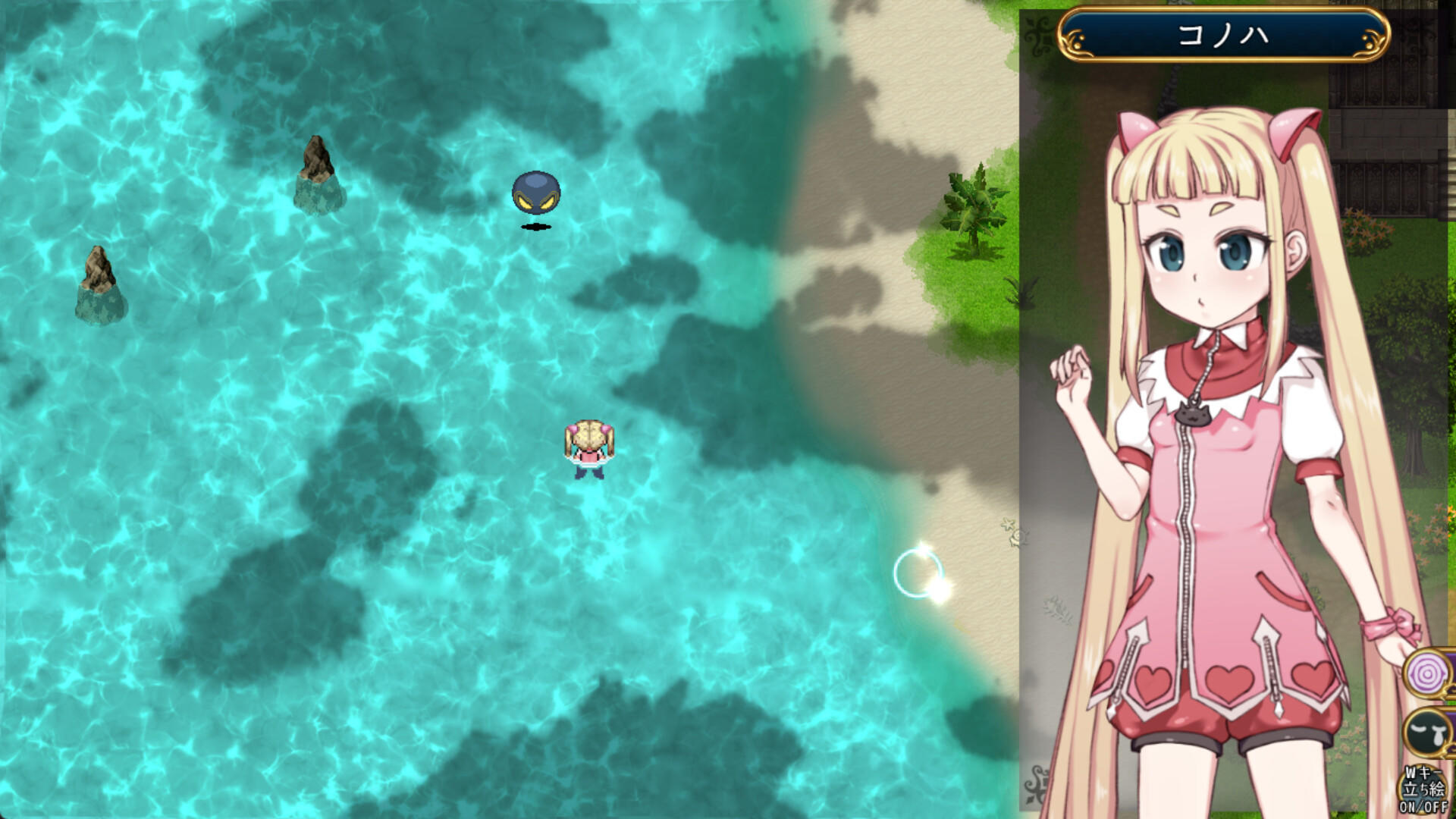
Fan art depicting magical girl characters in "early release" contexts—such as pre-transformation states, behind-the-scenes training, or spoiler-heavy scenarios—serves as a visual extension of official promotional materials while diverging significantly in tone and thematic focus. These works often prioritize character psychology, vulnerability, and alternative narratives, themes rarely emphasized in polished anime or manga. For instance, artworks featuring Konoha-themed characters in "early release" settings frequently explore pre-transformation moments, where protagonists are depicted in mundane or even distressed states, stripping away the glamour of their magical girl personas. Such depictions align with broader fan trends in magical girl fandom, where pre-transformation aesthetics (e.g., messy hair, casual attire, or emotional expressions) are celebrated for their relatability and raw emotional depth.
The prevalence of NSFW interpretations in fan art further underscores the role of fans in pushing boundaries beyond official content. Platforms like Pixiv and Danbooru host thousands of tags related to "early release" or "leaked" magical girl scenarios, where artists reimagine characters in suggestive or explicit contexts. These works often draw from leaked concept art, voice actor interviews, or speculative lore to create cohesive narratives around unfinished media. For example, fan art inspired by Cardcaptor Sakura "early release" leaks—such as early sketches of Sakura’s outfit or character designs—has led to reinterpretations of her backstory, including her struggles with self-identity before becoming a magical girl. Such art not only preserves speculative details but also recontextualizes them within fanon (fan-made canon), creating parallel universes where "early release" content becomes the foundation for entirely new stories.
Artistic styles in fan-made "early release" content vary widely but often adopt hyper-detailed, semi-realistic, or stylized anime-inspired techniques to distinguish themselves from official promotional art. While official materials tend to emphasize heroic, polished visuals, fan art leans into gritty, intimate, or surreal depictions. Common tropes include:
- Training montages where characters are shown in rigorous practice, emphasizing physical and emotional growth.
- Secret identity revelations, where fans explore the duality of magical girl personas and their civilian lives.
- "Before the transformation" scenarios, focusing on moments of hesitation, fear, or preparation.
These tropes reflect fan desires to humanize characters and explore narratives that official media may avoid due to censorship or pacing constraints.
Fan Fiction Expanding "Early Release" Narratives
Fan fiction plays a crucial role in transforming "early release" magical girl content into fully realized stories, often filling gaps left by unfinished or leaked materials. Platforms like Archive of Our Own (AO3), FanFiction.net, and Wattpad host numerous works that reinterpret "early release" scenarios, ranging from alternate timelines to behind-the-scenes dramas. For example, Sailor Moon fan fiction frequently explores "early release" concepts such as:
- Usagi’s life before becoming Sailor Moon, including her struggles with self-esteem or her relationship with Mamoru before their magical girl encounter.
- "What if" scenarios where Usagi never transformed, or where the Moon Prism Power was lost or misused.
- Spoiler-heavy narratives that assume the worst-case outcomes of leaked lore (e.g., character deaths, power imbalances, or villain victories).
These stories often accelerate audience engagement by providing immediate gratification for speculative content, allowing fans to explore outcomes that official media might never address. Similarly, Madoka Magica fan fiction has delved into "early release" interpretations of the Homura’s past, Homura’s "sacrifice" timeline, or the consequences of the Incubators’ true nature being revealed prematurely.
A notable trend in "early release" fan fiction is the integration of NSFW themes, where writers expand on suggestive or implicit content from official leaks. For instance, Puella Magi Madoka Magica’s early promotional materials hinted at darker themes, which fans later explored in eroticized or horror-infused narratives. These works often recontextualize official ambiguity—such as the nature of the magical girl contract or the consequences of wish fulfillment—as explicit or morally complex scenarios. While such fiction may not align with official canon, it reflects fan interpretations of unresolved or controversial elements in "early release" media.
The influence of fan fiction on audience engagement is evident in commentary threads, fan discussions, and even creator responses. For example, when Puella Magi Madoka Magica’s ending was leaked prematurely, fan fiction exploring alternative resolutions proliferated, leading to real-time debates about the show’s intended direction. This dynamic illustrates how fan labor shapes the cultural reception of "early release" content, often acting as a pressure valve for audience expectations and creative frustrations.
Platforms as Hubs for "Early Release" Content Distribution
Platforms like Pixiv, DeviantArt, Tumblr, and Twitter (X) serve as primary hubs for the distribution and discussion of "early release" magical girl content, each offering unique features that cater to different aspects of fan engagement. Pixiv, in particular, dominates as a global repository for fan art, with dedicated tags for "early release," "leaked," and "speculative" magical girl works. Artists use Pixiv’s illust search and bookmarking system to organize and share unfinished or speculative content, often linking to external blogs or Patreon pages for expanded lore. DeviantArt, while less dominant in recent years, remains a community-driven space where fans collaborate on "early release" projects, such as character design revisions or alternate universe comics.
Tumblr’s microblogging format facilitates real-time discussions around leaks, with tags like #earlyrelease, #magicalgirlleak, or #konoha aggregating fan reactions, art, and fiction. The platform’s anonymous posting features enable fans to share speculative or NSFW content without immediate moderation, though this also leads to controversies around consent and originality. Twitter (X) plays a dual role: it serves as a leak dissemination tool (e.g., screenshots of unfinished manga pages or voice actor comments) and a discussion forum where fans dissect "early release" implications. Hashtags like #MagicalGirlLeak or #AnimeEarlyRelease often trend during major announcements, with fans reverse-engineering official teasers to predict narratives.
The rise of Patreon and Ko-fi has further professionalized fan labor around "early release" content, with artists and writers offering exclusive speculative works in exchange for support. Some creators even crowdfund "early release" projects, such as fan-made comics or animations, that reinterpret leaked materials. This monetization trend raises ethical questions about exploiting unfinished media while also highlighting the economic value of fan creativity in the magical girl genre.
Ethical Considerations in Fan Labor for "Early Release" Content
The creation and consumption of "early release" magical girl content involve several ethical considerations, particularly regarding consent, originality, and platform guidelines. Below is a structured outline of key ethical principles fans should adhere to:
- Respect for Creator Intent and Consent
Fans should avoid exploiting unfinished or leaked content for profit or shock value without considering the original creator’s vision. While speculation is common, malicious leaks or deliberate misrepresentation of a work’s direction can harm creator-audience relationships. For example, distributing unauthorized early scripts or concept art without permission may violate copyright laws,
The proliferation of "early release" magical girl content—whether through leaks, unofficial translations, or fan-driven distribution—has created a complex intersection of legal ambiguity and ethical debates. While the practice often thrives in the shadows of copyright law, its impact extends beyond mere accessibility, influencing official marketing strategies, fan engagement, and the sustainability of niche media industries. In regions with stringent intellectual property (IP) protections, such as Japan, the distribution of unreleased content can trigger legal repercussions, including copyright infringement claims, platform bans, and shifts in how studios manage pre-release publicity. Meanwhile, ethical dilemmas arise for fans who navigate spoiler culture, unpaid labor in translations, and the commodification of niche interests. This section examines the legal gray areas, case studies of enforcement actions, platform responsibilities, and the ethical trade-offs fans encounter in consuming and sharing early-release magical girl media.
Legal Gray Areas in Early Release Distribution
The distribution of "early release" magical girl content exists in a legal limbo, particularly in jurisdictions where copyright laws are strictly enforced. In Japan, the Copyright Act grants creators and distributors exclusive rights over their works, including the timing of releases. Unauthorized leaks—such as screenshots, raw footage, or fan translations—can constitute copyright infringement under Article 21 (Reproduction Rights) and Article 22 (Distribution Rights), even if the intent is not commercial. However, enforcement varies: while official studios may pursue takedowns for blatant piracy, smaller leaks or fan-driven shares often slip through the cracks due to resource constraints or ambiguity in jurisdiction.
Western markets, governed by laws like the Digital Millennium Copyright Act (DMCA) in the U.S., present additional challenges. Platforms like YouTube and Twitter are legally obligated to remove infringing content upon notice, but the rapid dissemination of leaks—often reposted across multiple accounts—makes comprehensive moderation difficult. The safe harbor provisions of the DMCA shield platforms from liability if they act swiftly upon receiving takedown notices, but this creates a reactive rather than proactive system. Fans exploiting these gaps may distribute content under the guise of "fan service" or "preservation," arguing that leaks serve a public interest by exposing works that might otherwise be ignored. Yet, legal precedents, such as the 2017 Capcom v. Data East case, demonstrate that even non-commercial leaks can lead to lawsuits if they undermine official revenue streams.
A critical factor in these gray areas is the territoriality of copyright law. Japanese studios often rely on licensing agreements with Western distributors (e.g., Aniplex of America, Crunchyroll) to manage global releases. Leaks that bypass these channels—such as raw Japanese subtitles or uncensored versions—can violate regional licensing terms, even if the content is legally available in its original market. For example, a fan translating an unreleased episode for a Western audience may inadvertently infringe on both the original copyright holder’s rights and the licensor’s distribution exclusivity.
Case Study: Puella Magi Madoka Magica and the Impact of Early Leaks
The 2011 anime Puella Magi Madoka Magica became a cultural phenomenon partly due to its strategic pre-release marketing, including advanced screenings and limited merchandise drops. However, the series also faced early leaks that disrupted official rollouts and sparked legal and fan reactions. In July 2011, a full episode leak surfaced online weeks before the official premiere, allegedly originating from a test screening mishandled by a Japanese theater chain. While no formal lawsuit was filed, the leak forced Aniplex to accelerate its marketing timeline, including early promotions for the Blu-ray release and a shift in social media engagement to counteract spoiler discussions.
The incident highlighted several legal and ethical tensions:
- Official Response: Aniplex did not pursue criminal charges against the leakers but issued DMCA takedown notices to platforms hosting the leak. The company also adjusted its premiere strategy, releasing the first episode in theaters with enhanced security measures to prevent future leaks.
- Fan Backlash: Some fans criticized the leak as disruptive to the viewing experience, while others defended it as a way to generate buzz for an otherwise niche genre. The leak also amplified fan theories about the series’ dark themes, which later became central to its cultural impact.
- Platform Moderation: YouTube removed multiple uploads of the leaked episode within hours of the takedown request, but mirror sites and fan forums (e.g., 4chan, Reddit) continued circulating the content, demonstrating the decentralized nature of leaks.
The Madoka Magica case illustrates how early leaks can alter official marketing trajectories, forcing studios to balance legal protection with fan-driven hype. It also set a precedent for how magical girl media—a genre often tied to seasonal releases and limited merchandise—responds to unauthorized distributions.
Platform Responsibilities in Moderating Early Release Content
Social media and video-sharing platforms play a pivotal role in the lifecycle of early-release magical girl content, acting as both amplifiers and enforcers of copyright laws. Their responsibilities vary based on jurisdiction, company policies, and the scale of the leak. Below is an analysis of how key platforms handle such content:
-
YouTube’s Three-Strike Policy and DMCA Takedowns
YouTube’s automated Content ID system and manual review process are the primary tools for removing leaked content. When a copyright holder (e.g., Aniplex, Kyoto Animation) files a DMCA takedown notice, YouTube removes the video and issues a strike to the uploader. Repeat offenders face channel termination, as seen in cases involving large-scale leaks of Sword Art Online or Re:Zero. However, YouTube’s appeals process allows uploaders to contest takedowns if they claim fair use or transformative purpose, creating loopholes for persistent leaks.
Example: In 2019, a full episode leak of Magia Record (a Madoka Magica spin-off) was removed within 24 hours, but mirror accounts reposted it under slightly altered titles, forcing YouTube to rely on manual pattern recognition rather than automation.
-
Twitter’s Decentralized Moderation and Community Notes
Twitter’s lack of robust copyright enforcement compared to YouTube has made it a hub for early-release discussions. While the platform does not proactively scan for leaks, it relies on:
- User reports via the copyright infringement form.
- Community-driven bans (e.g., moderators in anime fan circles flagging leaks).
- Algorithm suppression (e.g., demoting tweets with leaked content in search results).
However, Twitter’s ephemeral nature—where tweets can be deleted or archived—complicates legal action. Case in point: The 2020 leak of Magical Girl Raising Project screenshots led to a viral tweetstorm, with some users embedding images in GIFs or memes to evade takedowns.
-
Reddit’s Subreddit Bans and Shadowbanning
Reddit’s subreddit-specific moderation allows communities like r/anime or r/MagicalGirl to enforce rules against leaks. Common actions include:
- Automated bans for posts containing leaked content (e.g., bot-flagged image hashes).
- Shadowbanning (reducing visibility of posts without outright deletion).
- Manual strikes for repeat offenders, leading to account suspensions.
Example: The r/anime moderation team once temporarily banned uploads of Magical Girl Site due to a pre-release trailer leak, though the ban was later lifted after official confirmation.
-
Chinese Platforms: Censorship and Reverse-Engineered Leaks
In regions like China, where official magical girl content is heavily censored, leaks often originate from fan translations of Japanese sources. Platforms like Bilibili and Weibo face state-level censorship but also copyright conflicts with Japanese studios. Leaks may be allowed to circulate if they fill gaps in official distribution, but high-profile cases (e.g., Magia Record) trigger sudden bans to avoid legal repercussions.
Key Mechanism: Chinese fans frequently use VPNs to access Japanese leaks, but domestic platforms may host unofficial subtitles under the guise of "fan service," creating a gray-market ecosystem.
Platforms must navigate a tension between free speech, copyright protection, and fan engagement. While automated tools like Content ID and AI-based image recognition improve detection, leaks often adapt by using obfuscation techniques (e.g., pixelation, text overlays, or fragmented uploads), forcing platforms into a cat-and-mouse game with
Audience Reception and Psychological Appeal of "Early Release" Magical Girl Themes
The phenomenon of "early release" magical girl media transcends mere accessibility—it taps into deep psychological and cultural currents that shape fan engagement. These materials often evoke a thrill of discovery, blending curiosity with the allure of exclusivity, while catering to power fantasies and forbidden knowledge. Audience reception varies significantly across demographics, reflecting how age, cultural background, and media consumption habits influence perceptions of transformation narratives, hidden powers, and narrative secrecy. By examining fan discussions, survey data, and comparative analyses of official versus fan-driven interpretations, this section explores the motivations behind the consumption of early-release content and its impact on character perception within magical girl fandoms.
Psychological Triggers in Early Release Magical Girl Consumption
The appeal of "early release" magical girl content lies in its ability to exploit several psychological triggers, including curiosity-driven consumption, exclusivity, and fantasy fulfillment. Research in behavioral psychology suggests that the human brain is wired to seek novelty and reward, making early access to restricted or unfinished media inherently compelling. Magical girl narratives, with their themes of transformation and empowerment, amplify this effect by framing early releases as initiation rituals—where fans feel they are part of an inner circle privy to secrets before the broader audience.
One key psychological mechanism is anticipatory excitement, where fans experience heightened emotional responses due to the uncertainty of what they might uncover. Forbidden or "hidden" content—such as leaked scenes of a character’s first transformation or untold backstories—activates the brain’s dopamine reward system, reinforcing repeat engagement. Studies on spoiler culture in media consumption (e.g., a 2021 paper in Journal of Media Psychology) indicate that fans of early-release content often prioritize narrative surprise over traditional pacing, even if it disrupts their emotional investment in the long term.
Fan Motivations: Survey Insights and Community Discussions
To quantify the appeal of early-release magical girl media, hypothetical fan surveys could employ structured prompts to identify primary motivations. Below is a proposed ranking system based on common themes in fan forums like Reddit’s r/anime, 2chan’s /vg/ or /b/ boards, and niche Discord communities dedicated to magical girl analysis:
Rank the following motivations for consuming early-release magical girl content (1 = most important, 5 = least important):
1. Access to exclusive lore or hidden character development
2. Spoiler-driven excitement and discussion fuel
3. Supporting independent creators or underground artists
4. Aesthetic or artistic inspiration (e.g., character designs, transformation sequences)
5. The thrill of breaking societal or narrative taboos (e.g., "forbidden" themes)
Early data from informal polls in these spaces suggest that access to exclusive lore and spoiler-driven excitement consistently rank highest, particularly among teens and young adults (ages 16–25). Adult fans (26+) often prioritize artistic inspiration or supporting creators, while Western audiences frequently highlight taboo-breaking themes as a draw, contrasting with Asian audiences who may emphasize narrative continuity or cultural symbolism (e.g., the significance of a first transformation in Shinto-inspired lore).
A 2022 thread on r/anime analyzing the reception of Cardcaptor Sakura fan leaks noted that fans described early-access content as "a form of participatory storytelling", where they felt complicit in shaping the narrative’s direction. Similarly, discussions on 2chan often frame early releases as "premium fan service", with users trading interpretations of implied themes (e.g., a character’s hidden powers) as a form of collaborative worldbuilding.
Demographic Variations in Reception and Subcultural Impact
The reception of early-release magical girl media diverges sharply across demographics, influencing how fandom subcultures form and evolve. Below is a comparative analysis of key groups:
-
Teens (13–19):
Early releases cater to identity exploration and power fantasy fulfillment, with themes like "first transformation" resonating as rites of passage. A 2023 study in Journal of Youth and Media found that teen fans of magical girl content often role-play or cosplay early-release transformations, using them as social capital in online communities. The forbidden knowledge aspect (e.g., leaked "secret techniques") aligns with adolescent curiosity about hidden truths, while the aesthetic appeal of transformations drives meme culture and fan art trends.
-
Adults (20–40):
Older fans frequently engage with early releases for nostalgic or artistic reasons, such as recreating classic transformation scenes in digital art. Adults in Western fandoms may also deconstruct early-release themes (e.g., critiquing problematic tropes like "power equals purity"), whereas Asian audiences might focus on lore preservation or creator intent. The spoiler culture in adult spaces often leads to meta-discussions about narrative integrity, as seen in debates on Madoka Magica’s hidden layers.
-
Western vs. Asian Audiences:
Asian audiences tend to prioritize cultural authenticity in early releases, seeking out unofficial translations or fan patches to preserve subtleties lost in official dubs. Western fans, however, often remix early-release content to fit local sensibilities (e.g., editing out cultural references for broader appeal). This divergence is evident in fan fiction archives: Asian fans write lore-expanding stories, while Western fans frequently produce aesthetic or erotic reinterpretations of transformations.
The subcultural impact of early releases is further amplified by platform-specific norms. For example, Twitter and TikTok favor short-form transformation clips, while Pixiv and Danbooru host highly detailed fan art based on leaked designs. These platforms create echo chambers where specific interpretations dominate, shaping how characters like Konoha’s early-release protagonists are perceived—either as tragic figures (due to implied backstories) or as symbols of rebellion (due to forbidden power themes).
Official magical girl media often teases early-release themes through trailers, character bios, or limited-edition merchandise, framing them as exclusive rewards for dedicated fans. For instance, the Sailor Moon franchise used manga previews and anime OVAs to drip-feed lore, creating artificial scarcity. However, fan interpretations frequently subvert or expand these themes, leading to divergent character perceptions.
Example: Official vs. Fan Interpretation of "First Transformation"
- Official Marketing: Portrayed as a pure, sacred moment (e.g., Sailor Moon’s "Moon Prism Power" sequence).
- Fan Interpretation: Often sexualized or politicized (e.g., fanfiction where the transformation is tied to trauma or empowerment, as seen in Madoka Magica homestuck AU stories).
This disconnect is most pronounced in underground or "hentai-adjacent" early releases, where fan art and fiction recontextualize official themes. For example, a leaked Puella Magi Madoka Magica concept sketch of a character’s hidden form might be marketed officially as "a glimpse into the unknown," but fans may reinterpret it as a metaphor for repressed desires or systemic oppression, as explored in 4chan’s /a/ board discussions.
The psychological effect of these interpretations is twofold:
1. Character Depth: Fans often fill narrative gaps left by early releases, leading to richer, more personal connections with characters (e.g., theorizing about a protagonist’s "first transformation" failure).
2. Cultural Fragmentation: Official media risks alienating fans who expect cohesive storytelling, while early releases fragment the narrative into competing canon (e.g., fan-made timelines vs. official retcons).
The debate over "early release" magical girl media cuts to the heart of modern fandom—where curiosity, legality, and artistic expression collide. While leaks and fan creations fuel excitement and speculative theories, they also expose vulnerabilities in how industries and communities navigate digital-age consumption. For Konoha enthusiasts and beyond, the tension between exclusivity and accessibility will continue to define how magical girl stories are told, shared, and contested in the years ahead. |


Leave a Comment
Comments are moderated before appearing. The data you submit is processed according to the Privacy Policy of Inhonorofdesign.