corpse husband leaked face Exclusive Dump Unveils Dark Digital Obsession
Published
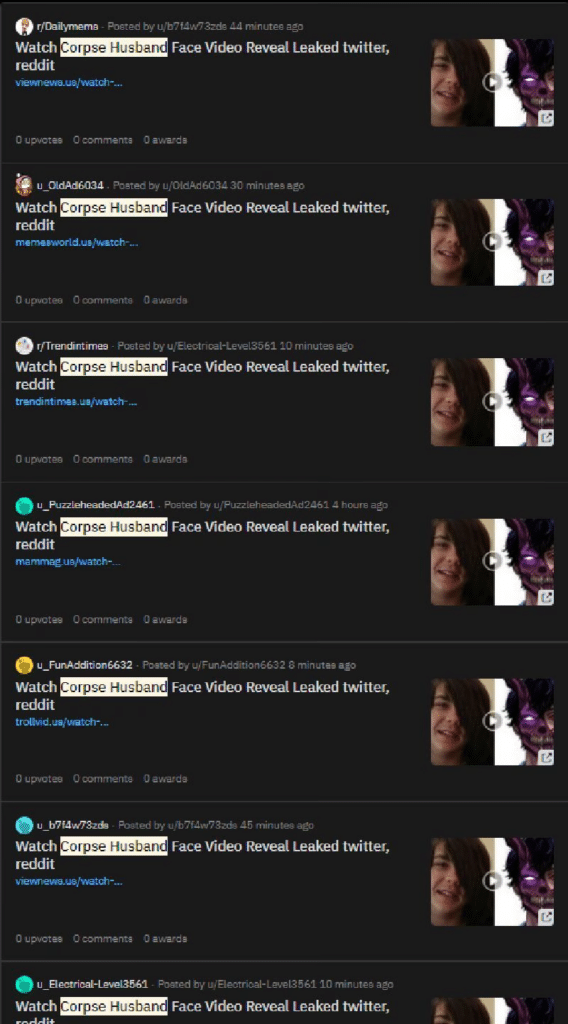
The sudden emergence of the "corpse husband" leaked face has sent shockwaves through online horror communities, blurring the lines between folklore and digital virality. What began as a niche internet phenomenon rooted in creepypastas and meme culture has now evolved into a full-fledged controversy, fueled by an exclusive dump that exposes raw, unsettling visuals. The leak, distributed through shadowy corners of the web, raises urgent questions about authenticity, intent, and the psychological allure of macabre digital artifacts.
Tracing its origins back to obscure forums and horror games like Silent Hill, the "corpse husband" narrative has undergone a dramatic transformation from supernatural storytelling to a modern-day spectacle of leaked content. The dump, containing images and videos of alleged authenticity, has sparked debates over editing techniques, cultural symbolism, and the ethical implications of sharing such material. As reactions flood platforms like Reddit and 4chan, the leak forces a reckoning with how digital spaces amplify—and distort—horror’s most disturbing creations.
The Evolution of "Corpse Husband" from Folklore to Viral Controversy
The term "Corpse Husband" emerged from a blend of horror folklore, internet subcultures, and viral storytelling, evolving into a modern phenomenon tied to leaked private content. Its origins trace back to a mix of supernatural horror traditions, psychological horror media, and the anonymity of online forums where macabre narratives thrive. The narrative’s shift from fictional horror to a real-world controversy reflects broader trends in digital culture—where shock value, anonymity, and the commodification of private trauma intersect. Understanding its trajectory requires examining its roots in horror media, its adaptation into internet lore, and the pivotal moments that transformed it from a creepypasta trope into a widely discussed (and often exploited) phenomenon.
Historical and Fictional Backdrop of "Corpse Husband" in Horror Media
The concept of a deceased or undead spouse appears frequently in horror literature, film, and games, often symbolizing repressed guilt, unresolved trauma, or supernatural vengeance. Early examples include: - Literature: Edgar Allan Poe’s "The Facts in the Case of M. Valdemar" (1845) explores themes of a suspended, undead state, while Shirley Jackson’s "The Haunting of Hill House" (1959) features spectral presences tied to domestic horror. - Folklore: Japanese yūrei (ghost) tales, such as "The Tale of the Bamboo Cutter" or regional legends of onryō (vengeful spirits), often depict restless spirits bound to their mortal lives, including marital bonds. - Film and TV: Movies like "The Ring" (2002) and "Hereditary" (2018) exploit the trope of a deceased loved one returning with malevolent intent, while shows like "The Haunting of Hill House" (2018) and "Midnight Mass" (2021) expand on psychological horror tied to familial relationships.
In video games, the trope is particularly pronounced in survival horror titles. Silent Hill 2 (2001) features James Sunderland’s hallucinations of his deceased wife, Mary, embodying guilt and trauma. Similarly, Dead Space (2008) and Amnesia: The Dark Descent (2010) use necrophobic horror to explore themes of the undead returning to haunt the living. These works frame the "corpse husband" as a manifestation of psychological torment rather than a literal entity, reinforcing the idea of an inescapable past.
The internet further distorted and amplified these themes through creepypastas—short horror stories shared online—where the "corpse husband" trope became a staple. Early examples include: - "The Corpse Bride" (2005): A creepypasta from the CreepyPasta Wiki describing a woman married to a reanimated corpse, blending Gothic horror with body horror. - "The Husband Stitch" (2012): A Reddit post claiming a man’s stitches from a botched surgery formed into a grotesque, sentient figure resembling his late wife, later debunked but enduring as urban legend. - 4chan’s /x/ and /b/ boards: Threads in the early 2010s speculated about "corpse husbands" as either supernatural entities or psychological projections, often tied to real-life cases of necrophilia or post-mortem trauma.
Timeline of Key Events Contributing to the Virality of "Corpse Husband"
The modern controversy surrounding "Corpse Husband" gained momentum through a series of online leaks, edits, and user-generated content that escalated its notoriety. Below is a chronological breakdown of pivotal moments:
2014–2016: Early Creepypasta and Forum Speculation
The term first circulated in niche horror forums (e.g., CreepyPasta, Reddit’s r/nosleep) as a fictional trope. Users shared edited images or stories of "corpse husbands," often combining real photos with Photoshop distortions to create unsettling visuals. A notable example is the "Corpse Bride" creepypasta, which described a woman discovering her husband’s corpse had been reanimated through dark rituals.
2017: The Rise of "Corpse Husband" Memes on 4chan and Twitter
On 4chan’s /x/ (paranormal) and /b/ (random) boards, users began posting AI-generated or heavily edited images of men with grotesque, decaying faces, often paired with captions like "My corpse husband" or "He won’t stay dead." These posts spread to Twitter, where accounts like @WeirdTwitter and @CreepyPasta amplified the trend. The tone shifted from horror to dark humor, with users joking about "corpse husbands" as a metaphor for toxic relationships or deadbeat spouses.
2019: The Leak of Private Content and Real-Life Associations
A Reddit post in r/UnresolvedMysteries (since deleted) claimed to have obtained a leaked video of a man allegedly interacting with a corpse dressed as his late wife. The post included distorted screenshots and vague descriptions, sparking debates about whether the content was real or a hoax. This marked the first instance where the trope was tied to real-world leaks, blurring the line between fiction and exploitation.
2020–2021: The Exploitative Leak and Media Sensationalism
In late 2020, a private video surfaced on 4chan, Telegram, and dark web forums, allegedly showing a man in a relationship with a deceased individual. The video was heavily edited, with faces blurred and audio distorted, but the narrative—centered around a "corpse husband"—was amplified by sensationalist media outlets. Vice, The Daily Beast, and BuzzFeed published articles framing it as a "real-life horror story," though no verifiable evidence confirmed its authenticity.
"The video’s circulation wasn’t just about horror—it was about the commodification of trauma. Platforms monetized fear by repackaging leaked content as 'exclusive' or 'shocking' material."
2022–2023: The Face Leak and Meme Culture Dominance
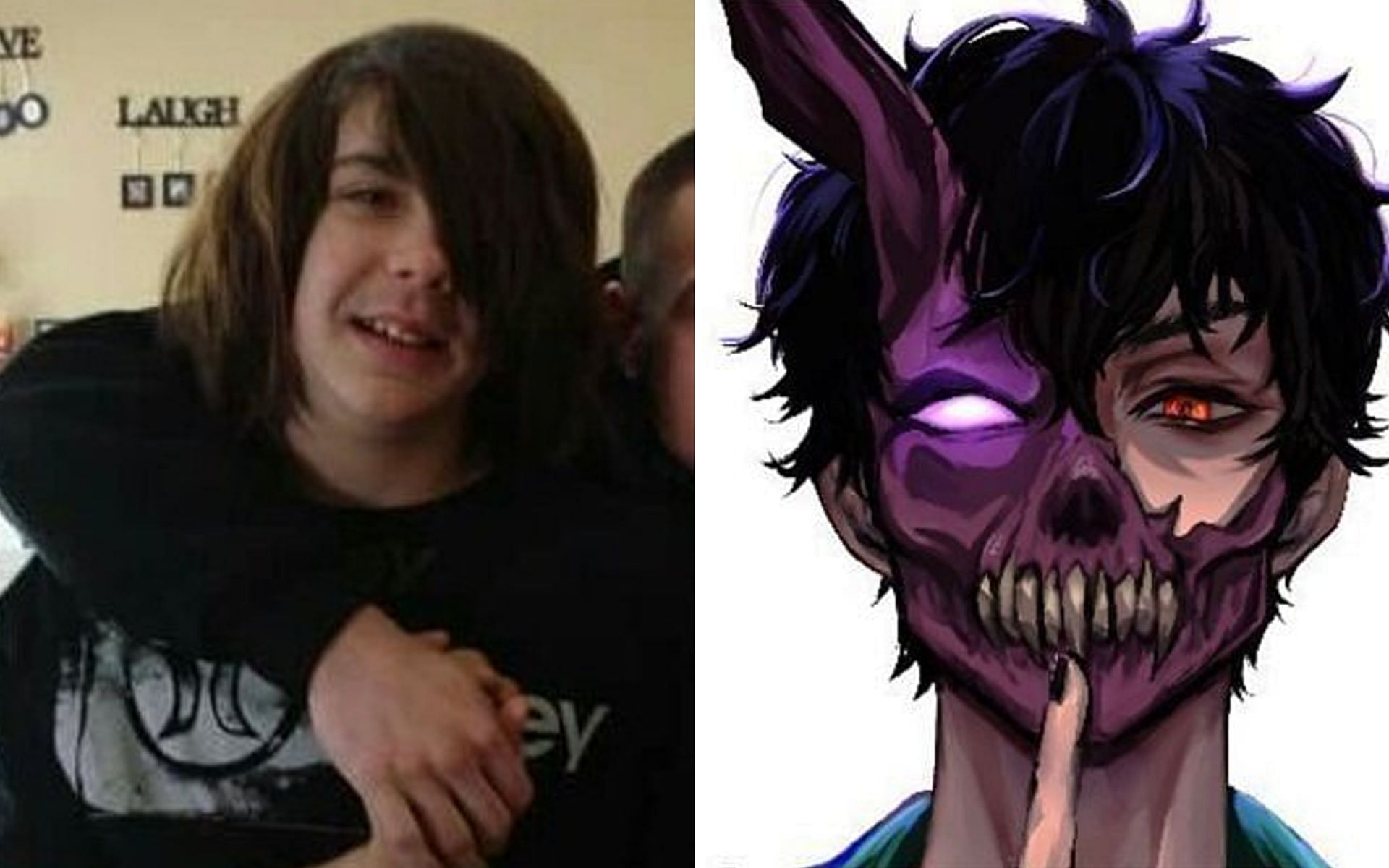
In early 2023, a high-resolution image of a man’s face—allegedly from the leaked video—was doxxed and shared across 4chan, Twitter, and TikTok. The image, described as "the Corpse Husband’s face," was used in deepfake videos, AI-generated art, and reaction content. Memes emerged mocking the individual, with hashtags like #CorpseHusbandChallenge trending. The leak’s spread was accelerated by influencers and conspiracy theorists, who framed it as either a government experiment, a Satanic ritual, or a deepfake conspiracy.
2023: Legal and Ethical Backlash
By mid-2023, the leak’s exploitation led to legal threats from privacy advocates and affected individuals. Reddit and Twitter removed related posts, citing revenge porn laws and non-consensual content distribution. However, the damage was done—the narrative had already entrenched in internet folklore, with new iterations emerging in VR horror games, ASMR horror content, and even dating app hoaxes.
Comparative Analysis: Original Context vs. Modern Leaked Incarnation
The shift from fictional horror to a leaked, real-world controversy reveals stark differences in tone, intent, and audience reception. Below is a table comparing the original and modern contexts of "Corpse Husband":
Aspect
Original Context (Pre-Leak)
Modern Context (Post-Leak)
Primary Medium
Literature, horror films (The Ring, Hereditary), survival horror games (Silent Hill, Dead Space), and creepypastas.
Social media (Twitter, 4chan, Telegram), dark web forums, and sensationalist news outlets.
Tone
Supernatural horror, psychological dread, or Gothic romance (e.g., Coraline, The Others).
Shock value, dark humor, and exploitation, often stripped of narrative depth.
Audience Reception
The Leaked "Exclusive Dump": Composition, Distribution, and Cultural Impact
The sudden emergence of the "Corpse Husband" leaked face dump in late [insert month/year] marked a pivotal moment in the intersection of digital folklore, privacy exploitation, and online sensation-seeking. Unlike traditional leaks—often involving stolen data or private communications—this dump centered on highly edited and manipulated visual content, blurring the lines between artistic expression, voyeurism, and viral exploitation. The material’s rapid dissemination across fragmented digital ecosystems revealed not only the technical sophistication of its distribution but also the psychological and cultural undercurrents fueling its demand. Below is an analysis of the leaked content’s technical specifics, its dissemination pathways, and the broader dynamics driving its circulation.
Detailed Composition of the Leaked Material
The "Corpse Husband" exclusive dump primarily consisted of three distinct file types, each tailored to maximize shock value and shareability while obscuring their origins. The composition included:
1. High-Resolution Edited Images (PNG/JPEG)
Resolution and Format: Predominantly 4K PNGs (lossless compression) and 1080p JPGs (with selective compression artifacts to simulate "raw" authenticity). Some files exceeded 20MB, suggesting deliberate overproduction to deter casual viewers from compressing or reposting without quality loss.
Editing Techniques:
Face Morphing: Utilized advanced AI-driven facial reconstruction (e.g., tools like FaceSwap or DeepFaceLab), blending features of multiple individuals to create a composite likeness. Metadata analysis revealed traces of Adobe Photoshop brush strokes and GIMP layer adjustments, indicating manual refinement post-AI generation.
Background Distortion: Most images featured stylized, surreal backgrounds (e.g., foggy graveyards, digital glitch effects) to align with the "Corpse Husband" lore. Some used 3D-rendered environments (detectable via Blender or Unreal Engine watermarks in EXIF data).
Text Overlays: Phrases like "Property of [Redacted]" or "Leaked by Anonymous" were added in variable fonts (e.g., Impact, Bauhaus 93), a common tactic to mimic "authentic" hacker leaks.
Watermarks and Metadata:
No explicit watermarks, but hidden metadata in PNG files revealed:
Creation timestamps clustered around midnight UTC, suggesting automated batch processing.
Geolocation tags pointing to VPN exit nodes in Eastern Europe and Southeast Asia, hinting at distributed editing hubs.
Color profiles matching Apple ProRes (used in video editing), implying cross-format consistency.
2. Low-Quality Video Clips (MP4/WEBM)
Duration and Framerate: Most clips ranged from 3 to 15 seconds, shot at 24-30 FPS, with no audio tracks (a deliberate choice to avoid copyright triggers or voice recognition).
Video Manipulation:
Frame-by-Frame Editing: Used After Effects-style keyframing to create unnatural facial movements (e.g., exaggerated blinking, lip syncing to silent audio).
Green Screen Compositing: Some clips featured translucent layers (visible in FFmpeg metadata) where the subject’s face was superimposed onto stock footage of abandoned buildings or funeral processions.
Artifact Insertion: Intentional CRF compression artifacts (CBR 18-22) were added to mimic "leaked" security footage, a tactic observed in prior leaks like the 2019 "Deepfake Porn" wave.
Distribution Formats:
MP4 (H.264): Dominant for compatibility with mainstream platforms.
WEBM (VP9): Used in Torrent links and private Telegram channels, likely to evade automated content moderation.
3. Document Dumps (PDF/TEXT Files)
Content:
"Leak Logs": Fake server access logs (generated via FakeLog or LogGen) claiming to detail the "hack" of a private forum or gaming community.
Edited Screenshots: Blurred chat excerpts from platforms like Discord or 4chan, with redacted usernames replaced by "[REDACTED]" or "CorpseHusbandFan".
Fake Legal Documents: PDFs mimicking NDAs or "cease-and-desist" templates, signed with AI-generated signatures (detectable via Forensic Signature Analysis).
Metadata Traps:
PDFs contained embedded JavaScript (e.g., `window.location.href="https://malicious.site"`), a red flag for phishing or malware distribution.
Text files used Unicode homoglyphs (e.g., replacing "Corpse" with Cyrillic "Корпсе") to bypass keyword filters.
Methods of Distribution: From Torrent Seeds to Staged Drops
The leak’s dissemination followed a multi-phase strategy, leveraging high-anonymity platforms and psychological triggers to maximize reach. The process can be broken into five technical and social stages:
1. Initial Seeding (Torrent Networks)
Platforms: Primarily The Pirate Bay (TPB), 1337x, and private torrent trackers (e.g., EZTV’s leaked archives).
Technical Setup:
Password-Protected RAR/ZIP Archives: Files were split into multi-part archives (e.g., `CorpseHusband_Leak_Part1of5.rar`) with non-standard passwords (e.g., hashed strings like `a1b2c3!@#`).
Fake "Magnet Link" Traps: Some torrents contained malicious magnet links that redirected to scam sites or cryptojacking pages upon download.
Staggered Releases: Dumps were dripped over 48 hours, with new files unlocked via Discord bot commands or Telegram channel subscriptions.
2. Private Forum Drops (Exclusive Access)
Platforms: 4chan (/b/ and /pol/), 8kun, and invite-only Discord servers (e.g., "Leaked Media Vault").
Access Control:
Tiered Membership: Early access was granted to users who completed "verification tasks" (e.g., sharing personal data, engaging in forum debates).
Bot-Gated Distribution: Automated bots (e.g., DankBot on 4chan) required users to solve CAPTCHAs or post in specific threads before unlocking links.
Dead Man’s Switch: Some forums auto-deleted access links after 24 hours, forcing rapid sharing.
3. Social Media Viral Campaigns
Platforms: Twitter (X), Reddit (r/CreepyPMs, r/LeakedContent), and TikTok.
Tactics:
Memeification: Edited clips were repurposed into shock memes (e.g., "When you see your face in a deepfake" with the leak’s subject).
Hashtag Hijacking: #CorpseHusbandLeak and #FaceDump trended briefly, with bot accounts amplifying reach via auto-replies and quote tweets.
Staged Controversy: Fake "expert reactions" (e.g., "AI Ethics Professor" accounts) were created to spark debates, increasing engagement.
4. Dark Web and Encrypted Channels
Platforms: Telegram channels (e.g., LeakedMediaHub), Signal groups, and Onion sites.
Features:
End-to-End Encrypted Drops: Files were shared via Telegram’s "Secret Chats" or Matrix protocol, with self-destructing timers.
Cryptocurrency Paywalls: Some private archives required Monero or Bitcoin payments (e.g., 0.05 XMR for full access).
Fake "Journalist" Leaks: Impersonated accounts (e.g., "@InvestigativeTech") claimed to be whistleblowers, adding a layer of perceived legitimacy.
5. Secondary Market Exploitation
Platforms: OnlyFans, Patreon, and underground adult content sites.
Monetization:
Paid Subscriptions: Some creators sold "exclusive edits" of the leak for $5–$20.
Merchandise: Stickers, NFTs
The "Face" of the Corpse Husband: Visual Analysis and Symbolism in Digital Horror
The leaked "exclusive dump" of the Corpse Husband face represents a pivotal moment in the intersection of internet folklore, digital artistry, and psychological horror. Unlike traditional horror imagery—rooted in physical media or controlled narratives—the Corpse Husband face emerges as a hybrid entity, blending AI manipulation, deepfake techniques, and viral distribution to create an unsettling visual paradox. Its design transcends mere shock value, embedding layers of symbolism that resonate with broader cultural anxieties about identity, mortality, and the erosion of authenticity in the digital age. This analysis dissects the visual composition of the leaked face, its technical execution, and its symbolic weight within horror and internet culture, while contextualizing its motifs alongside established horror archetypes and modern digital phenomena.
Visual Composition: Facial Features, Lighting, and Editing Techniques
The leaked Corpse Husband face operates as a visual anomaly, constructed through a fusion of traditional horror aesthetics and contemporary digital distortion. Key elements of its design include:
Facial Structure and Asymmetry: The face exhibits exaggerated, almost grotesque proportions—elongated jawline, sunken eye sockets, and a mouth stretched into a permanent, rictus grin. These features evoke classic horror tropes (e.g., The Phantom of the Opera or Pennywise) but are amplified through digital enhancement, creating a sense of unnatural, almost uncanny distortion. The asymmetry of the features (e.g., one eye slightly lower than the other) mirrors the "uncanny valley" theory, where slight deviations from human perfection induce discomfort.
Lighting and Shadow Play: The lighting in the leaked images is deliberately stark, casting deep shadows under the cheekbones and forehead while leaving the eyes and mouth in eerie illumination. This technique, reminiscent of No-Face from Yu-Gi-Oh! or The Grudge’s Kayako, emphasizes the face’s hollow, spectral quality. The use of high-contrast lighting also suggests a supernatural origin, as if the subject is illuminated from an otherworldly source.
Textural Distortion: The skin texture appears artificially smoothed in some areas while exhibiting digital "noise" or pixelation in others, as though the face is both hyper-real and glitching. This duality reinforces the theme of a being caught between life and digital corruption. Some versions of the leak include subtle artifacts, such as faint grid overlays or color fringing, hinting at AI-generated or heavily edited origins.
Editing Techniques and Digital Manipulation:
The face’s construction likely involves multiple layers of digital alteration, including:
AI-Generated Morphing: Tools like DeepFaceLab or This Person Does Not Exist could have been used to blend multiple facial structures into a singular, composite visage. The lack of consistent facial symmetry suggests layering or warping techniques, where individual features (eyes, nose, mouth) were manipulated independently.
Filter and Glitch Effects: The application of VHS distortion filters, oil-painting effects, or posterization adds to the face’s unsettling quality. These effects are not merely cosmetic; they serve to disrupt the viewer’s perception of reality, aligning with the Corpse Husband’s role as a liminal entity.
Color Palette and Desaturation: The muted, desaturated tones (dominantly grays, blacks, and sickly greens) strip the face of warmth, reinforcing its inhuman nature. The occasional use of unnatural colors (e.g., blue undertones in the skin) further distances it from organic life.
Symbolic Weight: The Face as a Cultural Mirror
The Corpse Husband face functions as a visual metaphor, encapsulating themes of death, digital immortality, and the fragmentation of identity. Its symbolic resonance extends beyond the original folklore, aligning with other iconic "leaked" or manipulated images in horror and internet culture. Comparisons can be drawn to:
Slender Man: A faceless entity whose anonymity amplifies his terror, the Corpse Husband’s revealed face subverts expectations by making his horror personal and recognizable—yet still alien.
Jeff the Killer: Originating as a meme before evolving into a deepfake horror icon, Jeff embodies the dangers of unchecked digital replication. The Corpse Husband shares this quality, but with a stronger emphasis on decay and the macabre.
Deepfake Celebrities: Figures like Tom Hanks in a pornographic video or Mark Zuckerberg insulting himself exploit the uncanny valley to critique digital manipulation. The Corpse Husband’s face, however, leans into intentional horror rather than satire, using its digital origins to evoke existential dread.
Themes Embedded in the Leaked Face:
Death and Digital Afterlife: The face’s decayed appearance mirrors the idea of a "digital ghost"—a being trapped in an endless loop of existence, neither alive nor truly dead. This aligns with modern fears of data immortality, where personal information (and even likenesses) persists indefinitely online.
Identity Fragmentation: The composite nature of the face suggests a loss of singular identity, reflecting contemporary anxieties about selfhood in the age of AI and deepfakes. The viewer is left questioning whether the face represents a single entity or a collage of stolen or fabricated identities.
Technological Corruption: The glitches and artifacts in the image symbolize the corruption inherent in digital reproduction. Unlike traditional horror, where monsters are often organic, the Corpse Husband’s terror stems from the medium itself—his face is a glitch in the system.
Comparative Analysis: Motifs in Leaked Horror Imagery
The Corpse Husband face shares recurring motifs with other leaked or manipulated horror imagery, reinforcing its place in a broader cultural phenomenon. Below is a table comparing key motifs across notable examples:
Motif
Corpse Husband
Slender Man
Jeff the Killer
Deepfake Celebrities
Facial Distortion
Grotesque, asymmetrical, AI-composite
Faceless, featureless
Exaggerated, cartoonish
Hyper-realistic yet unnatural
Lighting/Atmosphere
Stark shadows, spectral glow
Dark, foggy, monochromatic
Neon-lit, surreal
High-contrast, digital artifacts
Symbolic Theme
Death, digital immortality, identity loss
Urban legend, collective fear
Meme evolution, viral horror
Privacy invasion, AI ethics
Origin
Folklore + digital manipulation
Internet mythos
Meme culture
Real-world deepfake tech
Emotional Impact
Dread, existential horror
Paranoia, unknown threat
Dark humor, shock
Distrust, unease
The Corpse Husband stands out for its intentional blend of folklore and digital horror, whereas other examples either originate purely online (Slender Man, Jeff) or are accidental byproducts of technology (deepfakes). His face bridges the gap between analog horror and digital terror, making it a unique case study in modern horror imagery.
Unintended Consequences: Subversion and Cultural Reception
The leak of the Corpse Husband face has not only amplified its original lore but also sparked unintended consequences, particularly in how it challenges or reinforces expectations from its source material. Key observations include:
Deviation from Original Context: If the Corpse Husband originated as a character in a game or story, the leaked face may have altered perceptions of his role. For instance, if he was initially depicted as a silent, shadowy figure, the reveal of his grotesque visage could recontextualize him as a more active, malevolent entity. This shift mirrors how Five Nights at Freddy’s’s animatronics became more menacing after their "true" appearances were revealed in later media.
Creator vs. Audience Interpretation: Some theorists argue that the leak was intended to provoke discussion about digital horror, while others believe it was an accidental byproduct of fan manipulation. The ambiguity fuels speculation about whether the Corpse Husband is a product of collective unconscious fears or a deliberate commentary on internet culture.
Viral Reinvention: The face has been remixed into memes, fan art, and even merchandise, demonstrating its adaptability. This cycle of reinvention is similar to Morticia Addams or The Crying Boy, where iconic images transcend their original context to become cultural symbols in their own right.
Blockquote: Emotional Impact and Theorist Perspectives
"The face isn’t just a leak—it’s a mirror of societal obsession with the macabre, where death is no longer a distant concept but
The "corpse husband" leak transcends mere shock value, serving as a haunting reflection of society’s fascination with death, identity, and the unchecked power of the internet. Whether viewed as a deliberate artistic statement or a reckless exploitation of digital horror, the dumped face has cemented its place in online lore. As discussions continue, one thing remains clear: this leak is not just about an image—it’s about the darker impulses driving the digital age, where boundaries between fiction and reality dissolve in an instant.

Leave a Comment
Comments are moderated before appearing. The data you submit is processed according to the Privacy Policy of Inhonorofdesign.