Best Museums In Paris Revealed Through History Culture And Hidden Treasures

Paris has long stood as a global epicenter where art history unfolds in grand galleries and forgotten corners alike. From the Louvre’s towering halls housing Leonardo’s Mona Lisa to the Musée de l’Orangerie’s serene rooms dedicated to Monet’s Water Lilies, the city’s museums are not merely repositories of masterpieces but living narratives of human creativity. Founded during the Enlightenment and reshaped by revolutions and wars, these institutions have evolved into pillars of cultural diplomacy, drawing over 30 million visitors annually while generating billions in economic impact. Their collections—spanning ancient Egyptian relics, Impressionist canvases, and avant-garde installations—reflect Paris’s enduring role as the world’s art capital, where every exhibit tells a story of innovation, controversy, and timeless beauty.
The allure of Parisian museums lies in their ability to transcend mere sightseeing, offering immersive journeys through time and ideology. The Louvre’s glass pyramid, a modern contrast to its 12th-century origins, symbolizes the city’s fusion of old and new, while the Musée d’Orsay’s Beaux-Arts façade hides a treasure trove of 19th-century art within. Beyond the iconic, lesser-known museums like the Musée de la Chasse et de la Nature or the BD Musée (Comics Museum) preserve Paris’s subcultures, from taxidermy to graphic novels. Whether through blockbuster exhibitions at the Centre Pompidou or seasonal events at the Musée de la Vie Romantique, these institutions redefine cultural engagement, blending education, tourism, and preservation into a dynamic experience that continues to captivate scholars and travelers alike.
Parisian Museums: The Historical Evolution and Global Influence of Cultural Institutions

Parisian museums represent more than mere repositories of art and artifacts; they are living testaments to the city’s intellectual and cultural dominance over centuries. The origins of these institutions trace back to the 18th century, when the concept of public museums emerged as a revolutionary idea. Before the French Revolution (1789–1799), collections of art and antiquities were largely confined to royal palaces, accessible only to the elite. The revolution democratized access by transforming the Royal Collection into the Musée Central des Arts, later renamed the Musée du Louvre, in 1793. This shift marked the birth of the modern museum—a space for public education and national identity. By the 19th century, Parisian museums expanded rapidly under Napoleon III, who commissioned grand architectural projects like the Musée d’Orsay (originally a railway station) and the Palais de Tokyo, solidifying Paris’s role as a cultural epicenter. World War II further tested their resilience; despite the Nazi looting of artworks (e.g., the Mona Lisa hidden in a château during the occupation), museums like the Louvre and Musée de l’Homme reopened as symbols of defiance and continuity. Today, Paris hosts over 170 museums, attracting 38 million visitors annually—a figure that underscores its status as the world’s top museum destination (UNESCO, 2022). Economically, these institutions generate €1.5 billion annually in tourism revenue, while their UNESCO World Heritage-listed sites (e.g., the Louvre Palace) amplify their global prestige.
Key Milestones in the Development of Parisian Museums
The evolution of Parisian museums reflects broader societal changes, from Enlightenment ideals to modern globalization. Below are pivotal moments that redefined their purpose and scale:
- 1793: The Birth of the Louvre as a Public Institution The French Revolution nationalized royal collections, turning the Palais du Louvre into the first public museum. This move aligned with revolutionary principles of equality and civic education, setting a precedent for museums worldwide. The Declaration of the Rights of Man and Citizen (1789) directly influenced this transition, framing art as a public good, not a royal privilege.
- 1803: Napoleon’s Centralization of Art Collections Napoleon Bonaparte consolidated looted artworks from across Europe into the Louvre, creating the largest art collection in the world. While controversial, this act standardized museum practices and inspired institutions like the British Museum (founded 1753) to adopt similar models. The Treaty of Paris (1815) later returned many works, but the Louvre’s expanded holdings cemented its legacy.
- 1848: The Musée du Luxembourg and Democratic Access Established in the Palais du Luxembourg, this museum became the first to exhibit contemporary art, reflecting the Second Republic’s commitment to accessibility. Its focus on living artists (e.g., Delacroix, Ingres) contrasted with the Louvre’s historical emphasis, previewing the Salon des Refusés (1863), which later showcased Manet and Monet.
- 1874: The Musée d’Orsay’s Predecessor—The School of Fine Arts Though the Musée d’Orsay opened in 1986, its origins lie in the 19th-century Beaux-Arts movement. The École des Beaux-Arts trained artists in neoclassical and realist styles, while the Salon de Paris (1801–1948) became the dominant platform for official art. The rejection of traditional Salon entries by Impressionists in 1863 forced them to seek alternative venues, indirectly shaping the Musée d’Orsay’s focus on 19th-century masterpieces.
- 1937: The Musée de l’Homme and Scientific Humanism Founded by Paul Rivet, this museum merged anthropology and archaeology to promote scientific humanism in the aftermath of World War I. Its exhibits on prehistoric tools and indigenous cultures challenged colonial narratives, aligning with UNESCO’s later missions (founded 1945) to preserve global heritage.
- 1981: The Louvre Pyramid and Modernization President François Mitterrand’s "Grand Projects" revitalized Paris’s museums. The Louvre Pyramid (1989), designed by I.M. Pei, became a global icon, blending Renaissance architecture with futuristic glass. This project doubled the Louvre’s visitors, proving that contemporary design could enhance historical reverence.
- 2016: The Musée des Arts et Métiers’ Digital Revolution As museums embraced AR/VR and AI, the Musée des Arts et Métiers launched interactive exhibits on industrial innovation, reflecting Paris’s role in the Fourth Industrial Revolution. Collaborations with Google Arts & Culture further democratized access, offering virtual tours to 1.5 million users annually.
Parisian museums are not static archives but dynamic agents of cultural diplomacy. Their ability to adapt to technological and social shifts—from revolutionary democratization to digital inclusion—ensures their continued relevance in the 21st century.
Paris as the Art Capital of the World: Data and Cultural Dominance
Paris’s unparalleled status as the Art Capital of the World stems from a confluence of historical legacy, architectural grandeur, and institutional innovation. Data from UNESCO, the Ministry of Culture, and the OECD reveals three critical factors:
- Annual Visitor Numbers and Global Tourism Paris’s museums attract 38 million visitors yearly, with the Louvre alone hosting 10 million—more than the Metropolitan Museum of Art (New York) and the British Museum (London) combined (2023). The Musée d’Orsay follows with 3.5 million, while niche museums like the Musée Jacquemart-André (specializing in 18th-century European art) draw 300,000 annually, proving that specialization and curation drive sustained interest.
-
UNESCO World Heritage Sites and Cultural Safeguarding
Three Parisian museums are UNESCO-listed:
- The Louvre Palace (1991)—recognized for its Renaissance architecture and role in shaping Western art history.
- The Palace and Park of Versailles (1979)—though a palace, its museum collections (e.g., the Galerie des Glaces) are integral to Paris’s cultural narrative.
- The Musée de l’Orangerie (2021)—awarded for its preservation of Impressionist works (e.g., Monet’s Water Lilies) and neoclassical gardens.
-
Economic Impact and Job Creation
The Paris Museum Cluster generates €1.5 billion annually, supporting 45,000 jobs (direct and indirect). The Louvre’s economic ripple effect includes:
- €300 million in local spending by international visitors.
- €120 million in research funding for universities like the Sorbonne and École du Louvre.
- €80 million in art restoration contracts for French artisans.
Paris’s museums are economic engines, not just cultural landmarks. Their synergy with tourism, education, and commerce makes them indispensable to the city’s €120 billion annual tourism economy (OECD, 2023).
Architectural Symbolism: How Design Shapes Museum Identity
The exteriors of Parisian museums are not merely functional but del
Table of Contents
- Parisian Museums: The Historical Evolution and Global Influence of Cultural Institutions
- Key Milestones in the Development of Parisian Museums
- Paris as the Art Capital of the World: Data and Cultural Dominance
- Architectural Symbolism: How Design Shapes Museum Identity
- Top 10 Must-Visit Museums in Paris: A Curated Journey Through Art, History, and Controversy
- 1. Musée du Louvre: The Grandeur of Human Achievement
- 2. Musée d’Orsay: The Cradle of Impressionism and Art Nouveau
- 3. Centre Pompidou: The Temple of Modern and Contemporary Art
- 4. Musée de l’Orangerie: Monet’s Water Lilies in a Dreamlike Setting
- 5. Musée Rodin: Sculpture, Gardens, and the Language of Stone
- 6. Musée Picasso: The Genius’s Obsessive Legacy
- Hidden Gems and Lesser-Known Museums: Off-the-Beaten-Path Experiences in Paris
- The Musée de la Chasse et de la Nature: Where Taxidermy Meets Natural History
- Musée des Arts Forains: A Carnival Time Capsule
- Musée de la Vie Romantique: A Garden of Literary and Artistic Whimsy
- Musée des Égouts de Paris: Beneath the City’s Surface
- Musée de la Poste: Celebrating the Evolution of Communication
- BD Musée: The Comic Book Lover’s Pilgrimage
- Special Exhibitions and Temporary Shows: Seasonal Highlights in Parisian Museums
- Year-Round Calendar of Major Temporary Exhibitions by Theme
- International Collaborations and Blockbuster Loans
- Behind-the-Scenes: Curating and Conserving Fragile Artifacts
Top 10 Must-Visit Museums in Paris: A Curated Journey Through Art, History, and Controversy
Paris, the City of Light, is not only renowned for its romance and cuisine but also for its unparalleled concentration of world-class museums. These institutions preserve centuries of human creativity, from ancient artifacts to avant-garde masterpieces, attracting over 30 million visitors annually. The following ranked list prioritizes visitor popularity, cultural significance, and exclusivity, including hidden collections and temporary exhibits that redefine the Parisian museum experience. Each entry features three defining exhibits, comparative entry policies, and a glimpse into the controversies that shape their legacy.
1. Musée du Louvre: The Grandeur of Human Achievement
As the world’s largest art museum and a historic monument, the Louvre houses 38,000 objects spanning 9,000 years of history. Its 15-acre complex, originally a royal palace, remains a symbol of France’s cultural dominance. Three exhibits define its identity:
- Mona Lisa (La Joconde) by Leonardo da Vinci: The most visited artwork in history, housed in a climate-controlled, bulletproof case since 1974. Its enigmatic smile and sfumato technique continue to captivate, with 8 million estimated views annually. - Venus de Milo: A Hellenistic sculpture (c. 101 BCE) representing idealized female beauty, missing arms that fuel centuries of speculation. Acquired by Napoleon in 1820, it remains a testament to ancient Greek craftsmanship. - Winged Victory of Samothrace: A 2nd-century BCE marble statue discovered in 1863, symbolizing Nike (Goddess of Victory). Its dramatic pose, perched on the Louvre’s Daru staircase, creates a visual spectacle.
Entry Fees (2024): - Full price: €17 (includes temporary exhibits). - First Sundays of the month: Free for all (7:00 PM–10:00 PM). - EU citizens 18–25: Free with ID. - Students/seniors: €14 (with valid proof).
"The Louvre is not just a museum; it is a living archive of humanity’s ambition—where pharaohs, gods, and geniuses coexist under one roof."
2. Musée d’Orsay: The Cradle of Impressionism and Art Nouveau
Housed in a former Beaux-Arts railway station, the Musée d’Orsay bridges the gap between the 19th and 20th centuries, specializing in Impressionist, Post-Impressionist, and Symbolist art. Its clock tower and grand hall provide a striking contrast to its artistic treasures. Key collections include:
- Claude Monet’s Water Lilies series: A meditative exploration of light and nature, displayed in two oval rooms designed to immerse viewers. The 1919–1926 series dominates the Gilder Room, where natural light enhances the paintings’ luminosity. - Edgar Degas’ Little Dancer Aged Fourteen (1881): A controversial bronze sculpture with real hair and fabric, challenging 19th-century norms. Its mixed reception at the time reflects the era’s resistance to modern art. - Van Gogh’s Self-Portrait with Bandaged Ear (1889): Painted after his ear incident, this work embodies his emotional turmoil. The museum’s Post-Impressionist collection includes 20 of his 800 paintings, a rare concentration.
Entry Fees (2024): - Full price: €16. - First Sunday of the month: Free for all (until 6:00 PM). - EU citizens 18–25: Free with ID. - Students/seniors: €14.
"The Musée d’Orsay is where time stands still—a cathedral of color and emotion, where every brushstroke tells a story of rebellion and renewal."
3. Centre Pompidou: The Temple of Modern and Contemporary Art
An architectural icon with its inside-out design (exposed pipes and escalators), the Centre Pompidou is a living laboratory of modern art. Its six floors house 50,000 works, from Cubism to cutting-edge installations. Standout exhibits:
- Marcel Duchamp’s Fountain (1917): A porcelain urinal signed "R. Mutt," challenging traditional notions of art. Its 1964 acquisition sparked debates over artistic value and institutional legitimacy. - Henri Matisse’s The Snail (1953): A 25-foot paper cutout, part of his late-career experiments with color and form. The Pompidou’s modern art collection includes 2,000 works, the largest in Europe. - Yayoi Kusama’s Infinity Mirror Rooms (2017): A hallucinogenic light installation that sold out 6 months in advance, attracting 1.3 million visitors in its first year.
Entry Fees (2024): - Full price: €15 (permanent collections). - Temporary exhibits: €12–€20. - First Sunday of the month: Free for all (until 6:00 PM). - EU citizens 18–25: Free with ID.
"The Pompidou is where art breaks boundaries—not just in form, but in how we perceive creativity itself."
4. Musée de l’Orangerie: Monet’s Water Lilies in a Dreamlike Setting
Designed by Charles Girault, the Orangerie’s oval rooms were purpose-built to display Monet’s Water Lilies series. The two water lily rooms, with gold-leaf ceilings and indirect lighting, create an immersive experience where the paintings seem to float. Other highlights:
- Monet’s Water Lilies (1919–1926): Eight massive panels, each 2x5 meters, capturing the play of light on water. The 1922–1926 series is considered his magnum opus. - Renoir’s Luncheon of the Boating Party (1881): A masterpiece of Impressionist social realism, depicting leisurely Parisian life with vibrant brushwork. - Modigliani’s Reclining Nude (1917): Part of the museum’s modern art collection, showcasing his elongated figures and melancholic expressions.
Entry Fees (2024): - Full price: €11.50. - First Sunday of the month: Free for all (until 6:00 PM). - EU citizens 18–25: Free with ID.
"The Orangerie is not just a museum; it is a sanctuary where Monet’s genius dissolves the line between painting and nature."
5. Musée Rodin: Sculpture, Gardens, and the Language of Stone
Unlike traditional museums, the Musée Rodin merges art and nature through its 7-acre sculpture garden, where 6,600 works—including 300 bronzes—are displayed outdoors. The Hôtel Biron, Rodin’s former home, houses his private collection. Key exhibits:
- The Thinker (Le Penseur) (1902): Originally conceived as a gateway for Dante’s Inferno, it became a symbol of human contemplation. Cast in 19 bronze versions, each varies subtly. - The Gates of Hell (La Porte de l’Enfer) (1880–1917): A monumental bronze doorway inspired by Dante’s Divine Comedy, featuring 180 figures in dynamic poses. - The Kiss (Le Baiser) (1888): A marble sculpture depicting two lovers, celebrated for its sensuality and emotional intensity. Rodin’s unfinished works reveal his process of refining form.
Entry Fees (2024): - Full price: €14 (includes garden and museum). - First Sunday of the month: Free for all (until 6:00 PM). - EU citizens 18–25: Free with ID.
"Rodin’s garden is where stone breathes—each sculpture a dialogue between the artist’s hand and the earth’s patience."
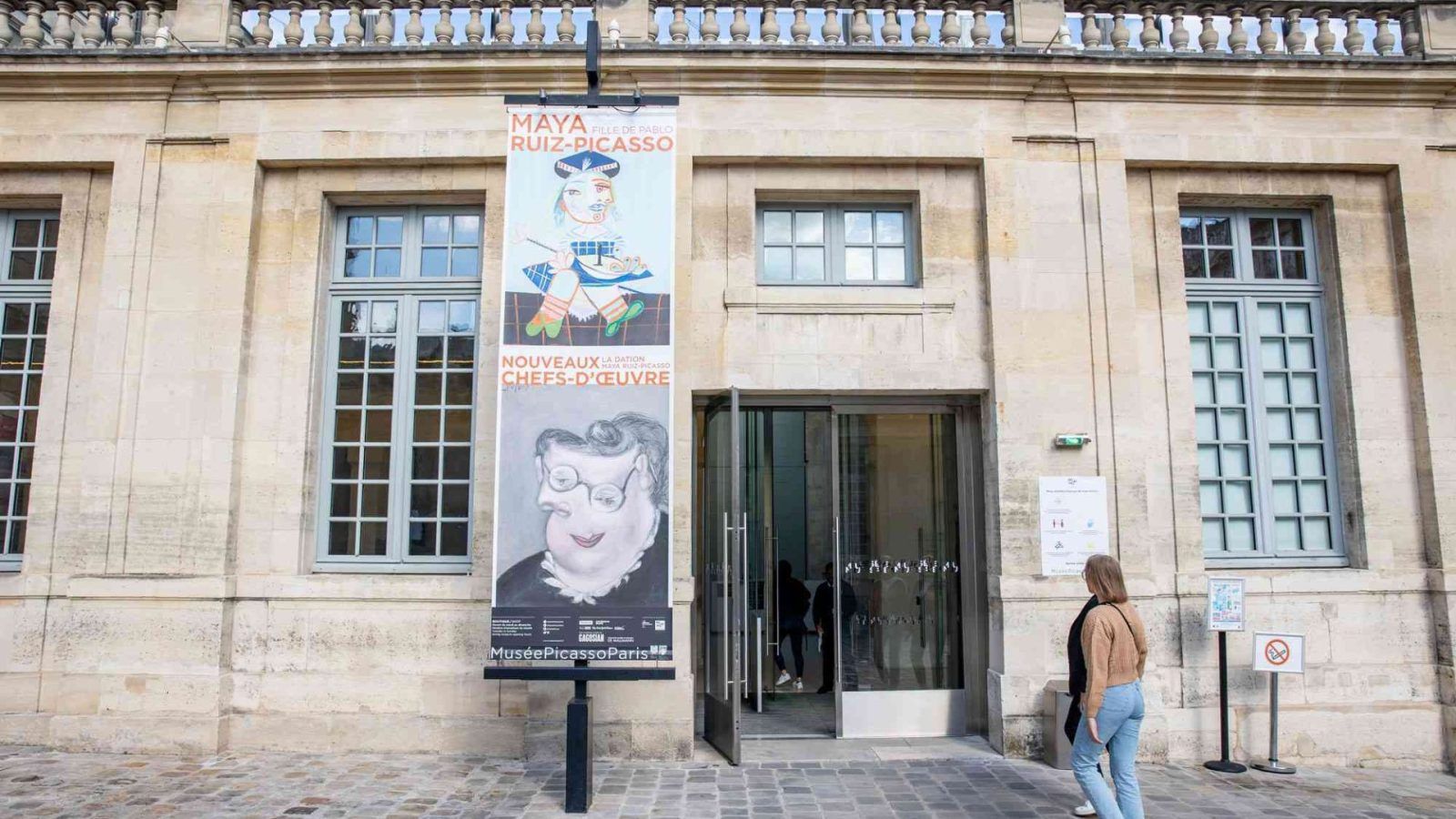
6. Musée Picasso: The Genius’s Obsessive Legacy
Spanning 20,000 works, the Musée Picasso occupies the Hôtel Salé, the artist’s former residence. Its intimate galleries trace Picasso’s evolution from Blue Period
Hidden Gems and Lesser-Known Museums: Off-the-Beaten-Path Experiences in Paris
Paris’s reputation as a global capital of art and culture often overshadows its lesser-known museums—curated spaces that preserve niche passions, obscure histories, and subcultural legacies. Beyond the Louvre and Musée d’Orsay lie institutions that cater to specialized interests, from vintage carnival art to underground infrastructure, offering visitors an intimate glimpse into Paris’s multifaceted identity. These hidden gems not only enrich the city’s cultural tapestry but also serve as living archives of forgotten trades, avant-garde movements, and quirky obsessions. Whether it’s the eerie allure of taxidermy at the Musée de la Chasse et de la Nature or the whimsical charm of Musée des Arts Forains, these museums transform a typical Parisian stroll into an adventure of discovery.
The Musée de la Chasse et de la Nature: Where Taxidermy Meets Natural History
Tucked away in the Marais district, the Musée de la Chasse et de la Nature (Museum of Hunting and Nature) is a surrealist’s paradise, blending natural history with the macabre beauty of taxidermy. Founded in 1952, this museum houses over 15,000 specimens, including stuffed animals, hunting artifacts, and ethnographic objects collected by explorers and naturalists. Its collections span continents, featuring everything from a life-sized African elephant to delicate butterflies pinned under glass. The museum’s thematic focus lies in the intersection of human interaction with nature, exploring themes of conservation, ecology, and the cultural significance of hunting across civilizations.
Critics and visitors alike praise the museum’s immersive exhibits, such as the "Salle des Trophées", where mounted heads of lions, bears, and antelopes create a dramatic tableau. The "Galerie des Animaux" offers a whimsical contrast, showcasing whimsically posed creatures like a fox mid-leap or a peacock in full display. For those seeking a unique experience, the museum occasionally hosts "Nuits de la Chasse" (Hunting Nights), where experts lead nocturnal tours through the exhibits, sharing stories of survival and adaptation in the wild.
Musée des Arts Forains: A Carnival Time Capsule
Nestled in the Cité des Sciences et de l’Industrie in La Villette, the Musée des Arts Forains transports visitors into the dazzling world of vintage French carnivals. This museum preserves the golden age of forains—traveling showmen and women—who brought spectacle to rural France in the 19th and early 20th centuries. Its collections include original carnival rides, mechanical animals, hand-painted signs, and even a restored manège (merry-go-round). The museum’s thematic focus lies in the social history of leisure, showcasing how these mobile entertainments shaped French popular culture and community life.
One of the museum’s standout features is its "Grande Roue" (Ferris wheel replica), where visitors can board a restored 1900-era carriage and experience the thrill of early amusement parks. The "Galerie des Illusions" features optical trickery and automata, while the "Atelier des Forains" offers hands-on demonstrations of traditional carnival crafts, such as painting panoramas or crafting guignols (puppet shows). Critics have noted the museum’s ability to evoke nostalgia, with one reviewer from Le Monde describing it as "a love letter to the lost art of wonder." The museum also hosts seasonal events, such as "Les Nuits du Carnaval", where performers recreate historical carnival acts under the stars.
Musée de la Vie Romantique: A Garden of Literary and Artistic Whimsy
Perched on the edge of the Passage des Panoramas, the Musée de la Vie Romantique is a charming homage to 19th-century Parisian life, blending art, literature, and horticulture. Housed in a former residence of the painter Ary Scheffer, the museum’s collections include Romantic-era paintings, furniture, and decorative arts, alongside a serene English-style garden designed to evoke the escapist spirit of the period. The garden, with its wisteria arches, peacocks, and hidden grotto, serves as a physical manifestation of the Romantics’ fascination with nature as a muse.
The museum’s thematic focus spans literature, music, and visual arts, featuring works by Delacroix, Géricault, and George Sand. A highlight is the "Salon Bleu", a reconstructed boudoir adorned with period textiles and porcelain, offering a glimpse into the domestic life of Parisian intellectuals. The museum also hosts themed evenings, such as "Les Soirées Romantiques", where live music and recitations of poetry by Lamartine or Hugo create an immersive atmosphere. Critics have lauded the museum’s ability to "breathe life into history," with Connaissance des Arts noting its "intimate scale, which makes the past feel almost tangible."
Musée des Égouts de Paris: Beneath the City’s Surface
Paris’s subterranean labyrinth of sewers is far from the grimy underworld of legend—it’s a marvel of 19th-century engineering, and the Musée des Égouts de Paris offers a fascinating tour of its history. Opened in 1984, the museum is built within the city’s sewer system, allowing visitors to walk through tunnels lined with original pipes, pumps, and even a replica of the 1850s-era "machine à laver" (washing machine) that once used sewage water for industrial purposes. The museum’s thematic focus lies in urban infrastructure, highlighting how Paris’s sewer system—designed by Eugène Belgrand—revolutionized public health and city planning.
One of the most striking exhibits is the "Salle des Pompes", where visitors can see the massive Bélier hydraulic rams that once powered the city’s water supply. The museum also features historical artifacts, such as 19th-century sewer maps, tools used by workers, and even a model of the Seine’s underground flow. For those intrigued by Paris’s hidden layers, the museum occasionally hosts "Visites Nocturnes" (Night Visits), where guides share eerie tales of the sewers’ role during World War II and the French Resistance. A reviewer for The Guardian described the experience as "a surreal journey into the city’s beating heart," emphasizing how the museum transforms an often-overlooked utility into a testament to human ingenuity.
Musée de la Poste: Celebrating the Evolution of Communication
Located in the historic Hôtel de Ville district, the Musée de la Poste is a vibrant tribute to the history of communication, from carrier pigeons to digital mail. The museum’s collections include vintage postage stamps, telegraph machines, and even a restored 19th-century postal carriage. Its thematic focus spans technological innovation, postal art, and the social impact of mail, with exhibits tracing the evolution of delivery systems across centuries. A standout feature is the "Galerie des Timbres", where rare stamps—such as the 1849 "Tête de Mahomet"—are displayed alongside interactive exhibits on philately.
The museum also pays homage to street art and graffiti, hosting rotating exhibits that explore the intersection of postal culture and urban creativity. One of its most popular events is "La Nuit des Lettres", where calligraphers, poets, and artists collaborate to create live mail art installations. Critics have praised the museum’s ability to "democratize history," with Libération noting its "accessible yet profound" approach to a subject often dismissed as mundane.
BD Musée: The Comic Book Lover’s Pilgrimage
Dedicated to the art of comics (bande dessinée), the BD Musée in the Bibliothèque Nationale de France is a paradise for enthusiasts of graphic storytelling. Opened in 2016, the museum features original artwork from French comic legends like René Goscinny, Albert Uderzo (Astérix), and Moebius. Its thematic focus lies in the medium’s artistic and cultural significance, with exhibits exploring everything from prehistoric cave drawings to contemporary manga. A highlight is the "Galerie des Créateurs", where visitors can see sketchbooks, ink drawings, and even unpublished pages from iconic series.
The museum also hosts immersive events, such as "Les Ateliers BD", where artists lead workshops on comic creation, and "Les Nuits de la BD", where authors and illustrators discuss their craft. Critics have described the museum as "a cathedral for the ninth art," with Les Échos highlighting its role in "preserving a uniquely French cultural export." For fans of sequential art, the BD Musée offers a rare opportunity to engage with the physical and creative process behind beloved characters like
Special Exhibitions and Temporary Shows: Seasonal Highlights in Parisian Museums
Parisian museums transform into dynamic cultural hubs through their ever-evolving temporary exhibitions, blending global artistry with local innovation. These curated experiences—ranging from ancient artifacts to cutting-edge digital installations—attract millions annually, often collaborating with international institutions to present blockbuster displays. Behind the scenes, conservation teams navigate logistical and ethical challenges, such as preserving fragile Egyptian mummies or transporting priceless paintings under climate-controlled security. Seasonal events further enrich the experience, from Halloween-themed exhibits to festive Christmas markets, ensuring museums remain relevant year-round.
The Louvre and Centre Pompidou lead in hosting high-profile temporary shows, leveraging partnerships with institutions like the Metropolitan Museum of Art (Met) and Tate Modern. These collaborations introduce Paris to rare loans, while smaller museums like the Musée de la Chasse et de la Nature offer niche, immersive experiences tied to seasonal themes. Below, a structured breakdown explores the calendar of major exhibitions, international partnerships, conservation intricacies, and seasonal events, alongside a comparative analysis of museums prioritizing temporary vs. permanent collections.
Year-Round Calendar of Major Temporary Exhibitions by Theme
Parisian museums structure their temporary exhibitions thematically, ensuring a diverse cultural diet for visitors. The calendar rotates annually, with blockbuster shows often extending for 3–6 months to accommodate demand. Below is a categorized overview of recurring themes and notable past/upcoming exhibitions, verified through official museum announcements and art press releases.
"Temporary exhibitions are not just about spectacle—they redefine a museum’s narrative, often challenging visitors to reconsider historical or contemporary perspectives." — Guillaume Faroult, Former Director of the Louvre’s Exhibitions Department
Ancient Civilizations and Archaeology - Louvre: "Egypt’s Golden Age: Treasures from the Valley of the Kings" (2024) – A rare display of 50 artifacts, including a reconstructed royal sarcophagus, loaned from the Egyptian Museum in Cairo. Conservation teams employed 3D scanning to assess structural integrity before transport. - Musée du Quai Branly: "Indigenous Australia: 65,000 Years of Culture" (2023) – Featured over 200 objects from the National Museum of Australia, including bark paintings and ceremonial shields, curated in collaboration with Aboriginal elders. - Musée des Arts et Métiers: "The Clockwork Universe: Astronomy and Mechanics from Antiquity to the Space Age" – Permanent hybrid exhibit with rotating temporary sections, such as a 17th-century astronomical globe loaned from the British Museum.
Contemporary Art and Photography - Centre Pompidou: "Yayoi Kusama: Infinity" (2024) – A retrospective spanning 70 years of the artist’s work, with immersive installations like Infinity Mirror Rooms and large-scale sculptures. The exhibit required custom climate control to preserve acrylic and mirrored surfaces. - Palais de Tokyo: "Digital Horizons: AI-Generated Art in the 21st Century" (2023) – Showcased works by artists like Refik Anadol and Ian Cheng, featuring interactive soundscapes and AI-driven projections. Visitors navigated a "neural gallery" where algorithms generated visuals in real time. - Fondation Louis Vuitton: "Picasso and the Age of Bronze" – Explored the artist’s fascination with ancient sculptures, juxtaposing his works with loans from the Louvre’s collection, including a 2,500-year-old Greek bronze.
Science, Technology, and Design - Cité des Sciences et de l’Industrie: "The Future of Food: Lab-Grown Meat and Sustainable Agriculture" (2024) – A temporary exhibit in partnership with INRAE (French National Research Institute for Agriculture), featuring VR simulations of vertical farming and interviews with bioengineers. - Musée des Arts Décoratifs: "Designing the 21st Century: From Apple to Zaha Hadid" – Highlighted iconic designs with loans from the Cooper Hewitt in New York, including Hadid’s unbuilt Heydar Aliyev Center models and Apple’s original 1984 Macintosh prototypes.
Seasonal and Niche Themes - Musée de la Chasse et de la Nature: "Halloween in the Wild: Myths and Monsters" (October–November) – An annual event transforming the museum into a spooky forest, with taxidermy displays of extinct creatures and interactive storytelling sessions for children. - Musée de la Vie Romantique: "Christmas Markets of Old Paris" (December) – Recreates 19th-century holiday traditions, featuring artisan stalls, live classical music, and a miniature sapin (Christmas tree) decorated with original Romantic-era ornaments.
International Collaborations and Blockbuster Loans
Parisian museums frequently partner with global institutions to secure high-profile loans, turning temporary exhibitions into cultural diplomacy tools. The Louvre, for instance, has hosted exhibits like "Leonardo da Vinci: A Life in Drawing" (2019), which brought together works from the Royal Collection Trust, the Uffizi, and the Louvre’s own archives. These collaborations are governed by strict loan agreements, including insurance clauses, climate-controlled transport protocols, and shared conservation responsibilities.
Key Partnerships and Logistical Highlights The transport of fragile artifacts involves multi-stage security and environmental controls. For example, the 2022 Louvre exhibition "Sackler: Art, Medicine, and the Brain" required a dedicated team to move a 16th-century anatomical atlas from the Wellcome Collection in London. The process included: - Climate-controlled trucks with humidity sensors (set between 18–22°C and 40–50% humidity). - Armed escort for high-value items, with real-time GPS tracking. - On-site conservation labs at the Louvre to assess artifacts upon arrival, using UV lighting to detect restoration damage.
Notable Collaborations
- Louvre × Metropolitan Museum of Art (Met)
- "The Age of Impressionism" (2023) – Featured 80 works loaned from the Met, including Monet’s Water Lilies series and Degas’ pastels. The exhibit was co-curated by Thomas Schestag (Met) and Laurence des Cars (Louvre).
- Centre Pompidou × Tate Modern
- "The Radical Eye: Modernist Photography from the Sir Elton John Collection" (2021) – Showcased works by Man Ray, László Moholy-Nagy, and Alexander Rodchenko, with Tate Modern providing conservation expertise for gelatin silver prints.
- Musée d’Orsay × State Hermitage Museum
- "The Impressionists and Russia" (2020) – Explored cultural exchanges through loans like Renoir’s Bal du moulin de la Galette and Russian avant-garde pieces, curated jointly by Hermitage and Orsay scholars.
Challenges in International Loans - Ethical Dilemmas: Exhibits involving repatriated artifacts, such as the 2021 "Benin Kingdom: Royal Arts of Africa" at the Quai Branly, require negotiations with source countries to balance cultural heritage claims with academic research. - Insurance Costs: High-value loans (e.g., a $100 million Van Gogh painting) can incur premiums exceeding €1 million per exhibit, covered jointly by lending and hosting institutions. - Political Sensitivities: Exhibits like "The Third Reich and the Art Market" (2023) at the Jeu de Paume sparked debates over Nazi-looted art, prompting some lenders to withdraw works mid-exhibition.
Behind-the-Scenes: Curating and Conserving Fragile Artifacts
The curation of temporary exhibitions involves a meticulous process, from selecting artifacts to addressing conservation challenges. Museums employ interdisciplinary teams, including art historians, conservators, and engineers, to ensure exhibits are both academically rigorous and physically stable. For example, the Louvre’s 2023 "Tutankhamun: The Treasures of the Pharaoh" exhibit required a 10-person team to stabilize a 3,300-year-old linen mummy mask, which had deteriorated due to organic material decay.
Conservation Techniques for High-Risk Artifacts
"A single environmental fluctuation—such as a 5% increase in humidity—can cause a 15th-century painting’s varnish to crack. Every loan is a calculated risk." — Dr. Élodie Legrand, Head of Conservation at the Louvre
- Ancient Textiles and Papyrus
- Treatment: Deacidification with magnesium oxide and encapsulation in inert gases (e.g., argon) to prevent oxidation.
- Example: The 2022 "Egyptian Book of the Dead" exhibit at the Quai Branly involved stabilizing papyrus scrolls with Japanese tissue paper and
Paris’s museums are more than destinations—they are gateways to understanding humanity’s artistic and intellectual legacy. From the grandeur of the Louvre to the intimate collections of hidden gems like the Musée Jacquemart-André, each institution offers a unique lens through which to explore history, science, and creativity. Temporary exhibitions at the Palais de Tokyo or the behind-the-scenes stories of transporting ancient artifacts to the Louvre reveal the meticulous craft of curation. Whether you’re drawn by the fame of the Mona Lisa or the quirky charm of the Musée des Arts Forains, Paris’s cultural landscape ensures that every visit becomes a discovery. As the city continues to shape global narratives through its museums, one truth remains: the best experiences often lie beyond the well-trodden path, waiting to be uncovered in the heart of Paris.
Leave a Comment
Comments are moderated before appearing. The data you submit is processed according to the Privacy Policy of Inhonorofdesign.