antichrist film sex scene Fast Download cultural analysis legal access guide

Lars von Trier’s Antichrist remains one of cinema’s most polarizing works, where raw psychological torment collides with explicit sexuality to challenge religious dogma and human fragility. The film’s infamous sex scenes—both visceral and symbolic—sparked global debates on censorship, faith, and artistic expression, cementing its place as a provocative masterpiece. Beyond its shock value, these moments serve as a stylistic weapon, dissecting trauma through von Trier’s unflinching lens while forcing audiences to confront taboos wrapped in biblical allegory.
The 2009 release ignited controversies that transcended mere outrage, exposing deep-seated tensions between artistic freedom and societal boundaries. While critics dissect its subversive themes—from existential despair to the erosion of morality—viewers grapple with practical questions: Where can the film be accessed legally without compromising quality or ethics? How do its technical demands (from DRM restrictions to format compatibility) shape the viewing experience across devices? This exploration bridges the gap between Antichrist’s cultural impact and the modern realities of acquiring, analyzing, and interpreting its most debated sequences.
The Cultural and Theological Context of Antichrist’s Controversial Scenes: A Cinematic Exploration of Faith, Madness, and Transgression
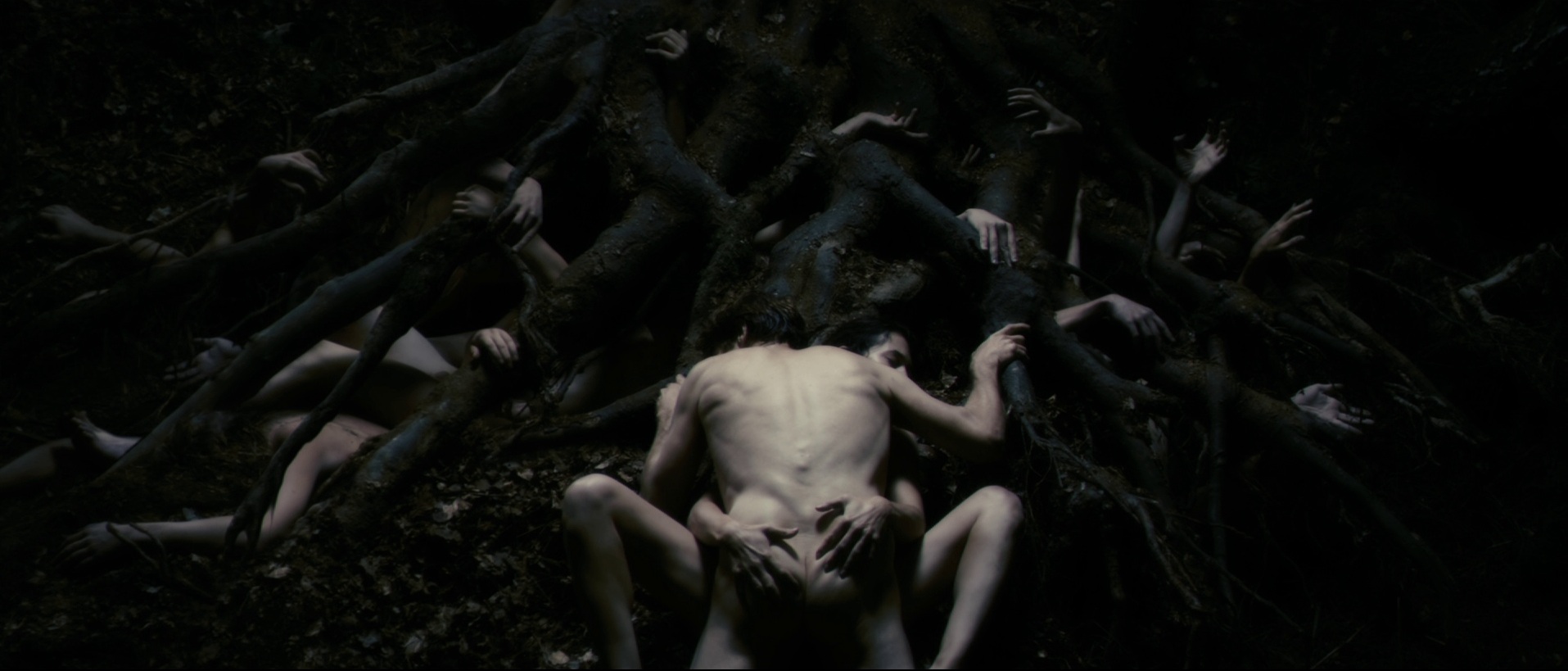
Lars von Trier’s Antichrist (2009) remains one of the most provocative and debated films of the 21st century, not merely for its visceral imagery but for its audacious deconstruction of religious symbolism, psychological torment, and existential despair. The film’s title itself—a direct invocation of the biblical Antichrist—serves as a provocative hook, blending apocalyptic dread with personal tragedy. Von Trier’s work challenges viewers to confront uncomfortable truths about faith, suffering, and the fragility of the human psyche, using sex as both a weapon and a metaphor. To understand its controversy, one must dissect the film’s theological roots, von Trier’s subversive intentions, and how its explicit content became a battleground between artistic expression and moral outrage.
The film’s reception was not uniform; European audiences often engaged with its themes of grief and madness, while American critics and censors frequently fixated on its graphic depictions of sex, framing them as gratuitous rather than thematically integral. This section examines how Antichrist disrupts traditional Christian narratives, compares its approach to other transgressive religious films, and analyzes the controversies that erupted over its most infamous scenes. Through scene-by-scene breakdowns and comparative data, the film’s explicit content is revealed as a deliberate stylistic choice—one that forces audiences to question the boundaries between sacrilege and artistic integrity.

Historical and Religious Symbolism in the Title Antichrist: From Biblical Prophecy to Cinematic Subversion
The concept of the Antichrist traces back to early Christian theology, where it was first articulated in the New Testament, particularly in the Epistles of John and the Book of Revelation. The term refers to a figure or force of evil destined to oppose Christ before the end times, often associated with deception, tyranny, and moral corruption. By the Middle Ages, apocalyptic literature—such as the Apocalypse of Pseudo-Methodius—expanded the mythos, depicting the Antichrist as a literal adversary who would usher in the final battle between good and evil.
Cinematic portrayals of the Antichrist have evolved from allegorical warnings to psychological explorations. Early examples include The Devil’s Advocate (1997), where Al Pacino’s character embodies satanic temptation, and Constantine (2005), which frames the Antichrist as a supernatural entity. However, von Trier’s Antichrist diverges sharply from these interpretations by stripping the figure of its supernatural trappings, instead grounding the narrative in raw, human suffering. The film’s title becomes a metaphor for the internalized "antichrist" within its protagonist—a force of self-destruction born from trauma rather than divine prophecy.
Table of Contents
- The Cultural and Theological Context of Antichrist ’s Controversial Scenes: A Cinematic Exploration of Faith, Madness, and Transgression
- Historical and Religious Symbolism in the Title Antichrist : From Biblical Prophecy to Cinematic Subversion
- Lars von Trier’s Artistic Intentions: Challenging Christian Narratives Through Psychological and Existential Horror
- Comparative Analysis: Antichrist ’s Sex Scenes Against Other Controversial Religious-Themed Films
- Timeline of Controversies: Censorship Debates, Festival Bans, and Public Reactions to Antichrist
- Where to Find Fast Downloads of Antichrist (Legally and Safely)
- Legal Platforms for Purchasing or Renting Antichrist
- Step-by-Step Guide to Downloading Antichrist via Authorized Services
- Technical Aspects of Downloading and Viewing Antichrist on Various Devices
- File Formats and Codecs for High-Quality Downloads
- Converting Downloaded Files for Optimal Playback
- Device-Specific Guides for Downloading and Storing Antichrist
- The Role of Sex Scenes in Antichrist : A Psychological and Cinematic Deep Dive
- Psychological Analysis: Repression, Liberation, and the Subconscious
- Visual Breakdown: Cinematography and the Unsettling Atmosphere
- Comparative Analysis: Sex and Madness in Von Trier’s Filmography
- Perspectives from Von Trier, Cast, and Crew
Von Trier’s approach aligns with a broader trend in modern cinema to reinterpret religious symbolism through psychological lenses. Films like The Last Temptation of Christ (1988) and Dogma (1999) similarly challenge sacred narratives, but Antichrist distinguishes itself by rejecting moral clarity entirely. Where The Last Temptation grapples with Christ’s humanity, and Dogma uses satire to critique organized religion, Antichrist presents faith as a fragile construct, easily shattered by grief. The film’s use of the title is thus less about literal evil and more about the collapse of meaning in the face of personal catastrophe.
Lars von Trier’s Artistic Intentions: Challenging Christian Narratives Through Psychological and Existential Horror
Von Trier has consistently described Antichrist as a film about "the death of God"—not in a philosophical sense, but as a visceral experience of spiritual unraveling. His inspiration drew from Friedrich Nietzsche’s proclamation of God’s death in The Gay Science, as well as his own personal struggles with depression and the loss of his daughter, who died by suicide in 2006. The film’s brutal imagery is not merely shock value but a reflection of how trauma distorts reality, turning love into obsession and faith into madness.
Von Trier’s subversion of Christian iconography is deliberate. The film’s opening shot—a close-up of a woman’s face in a forest, followed by a brutal axe murder—mirrors the martyrdom of saints, but with a twist: the victim is not sanctified but instead becomes a vessel for vengeance. The forest itself, a recurring symbol in von Trier’s filmography, represents both Edenic purity and primal chaos, a space where civilization’s rules no longer apply. The film’s infamous sex scenes are not erotic but grotesque, depicting a descent into bestiality that symbolizes the protagonist’s rejection of humanity in favor of primal survival.
The film’s structure mirrors the Stations of the Cross, but each "station" is a perversion of its religious counterpart. For example, the scene where the protagonist engages in violent sex with an animal (a goat) can be read as a blasphemous inversion of the Sacrament of Confession, where the act of absolution is replaced by degradation. Von Trier’s use of color further emphasizes this theme: the film’s palette shifts from muted blues and greens (symbolizing grief) to sickly yellows and reds (representing madness and bloodshed), creating a visual language that reinforces the protagonist’s psychological unraveling.
Comparative Analysis: Antichrist’s Sex Scenes Against Other Controversial Religious-Themed Films
Antichrist’s explicit content has often been compared to other transgressive religious films, but its intent and execution differ significantly from its predecessors. Below is a comparative analysis of key works:
- The Last Temptation of Christ (1988) – Martin Scorsese Scorsese’s film explores Christ’s humanity by depicting his struggles with doubt and desire, including a controversial scene where he fantasizes about a married woman. Unlike Antichrist, The Last Temptation retains a spiritual core, using sex as a metaphor for Christ’s mortal weaknesses rather than a descent into madness. The film was widely condemned by religious groups but defended as a serious artistic exploration of faith. Its sex scenes, while explicit, serve a narrative purpose tied to Christ’s journey, whereas Antichrist’s scenes are devoid of redemptive arc.
- Dogma (1999) – Kevin Smith Smith’s film uses dark comedy and satire to critique organized religion, culminating in a scene where a character is impregnated by a dog in a literal "dogma" (divine law). The sex in Dogma is absurd rather than horrific, serving as a tool for mocking religious hypocrisy. While both films challenge sacred narratives, Dogma’s tone is irreverent and playful, whereas Antichrist’s approach is bleak and unrelenting. The latter’s sex scenes are not comedic but traumatizing, reinforcing the protagonist’s psychological collapse.
- The Passion of the Christ (2004) – Mel Gibson Gibson’s film is a hyper-literal depiction of Christ’s crucifixion, with graphic violence but no sexual content. Its controversy stemmed from its unflinching portrayal of suffering, which some argued glorified martyrdom. Antichrist, by contrast, rejects martyrdom entirely, presenting pain as a cycle of self-destruction. The two films occupy opposite ends of the spectrum: one seeks to inspire faith through suffering, while the other dismantles faith through psychological horror.
- Heretical (2012) – Craig William Macneill This lesser-known film also blends religious and sexual transgression, featuring a priest engaging in bestiality. However, Heretical lacks Antichrist’s thematic depth, using shock value without exploring the psychological or existential dimensions of its acts. Von Trier’s film transforms sacrilege into a meditation on grief, whereas Heretical relies on cheap provocation.
The key distinction lies in von Trier’s refusal to provide catharsis or moral judgment. Unlike The Last Temptation, which offers a tragic but humanized Christ, or Dogma, which uses humor to critique religion, Antichrist presents its protagonist’s actions as inexorable consequences of trauma. The sex scenes are not about temptation or satire but about the erosion of the self, making them far more disturbing than those in other films.
Timeline of Controversies: Censorship Debates, Festival Bans, and Public Reactions to Antichrist
Antichrist’s release was met with immediate backlash, with controversies unfolding across Europe and the U.S. Below is a chronological breakdown of key events:
- May 2009 – Cannes Film Festival Withdrawal
The film was initially scheduled to premiere at Cannes but was pulled after protests from religious groups and threats of boycotts. Festival organizers cited concerns over its "extreme" content, though von Trier defended the film
Where to Find Fast Downloads of Antichrist (Legally and Safely)
Lars von Trier’s Antichrist (2009) remains a polarizing yet critically acclaimed film, blending psychological horror with existential themes. For viewers seeking fast, legal access, navigating authorized platforms ensures high-quality downloads without legal or security risks. This section outlines reputable sources for purchasing, renting, or borrowing the film, alongside troubleshooting common access issues. Additionally, it contrasts legal alternatives with the dangers of illegal downloads, while providing methods to bypass regional restrictions ethically. Official subtitle and language options are also detailed to enhance accessibility for global audiences.Legal Platforms for Purchasing or Renting Antichrist
Antichrist is widely available on major digital marketplaces, though pricing and regional availability vary. Below are the most reliable platforms, categorized by service type, along with pricing strategies and compatibility notes.Note: Prices are approximate (USD) as of mid-2024 and subject to regional fluctuations. Always verify availability on the platform’s official site.
Digital Video Stores (Purchase/Rent)- Amazon Prime Video
- Availability: USA, UK, Canada, Australia, Germany, France, Japan, and other regions via Prime Video Store.
- Pricing:
- Purchase: ~$14.99–$19.99 (HD/4K varies).
- Rent: ~$3.99–$5.99 (HD), often bundled with other von Trier films.
- Features:
- Download for offline viewing (DRM-protected).
- 4K Ultra HD available in select regions (e.g., USA, UK).
- Eligible for Prime Video Channels subscriptions in some markets.
- Troubleshooting:
- DRM Errors: Ensure device meets Amazon’s DRM requirements (e.g., Fire TV, Android, iOS, or compatible smart TVs). Use the Prime Video app for seamless downloads.
- Region Locks: Purchases are non-transferable; rentals expire after 48 hours unless extended.
- Apple TV (iTunes)
- Availability: Global, with regional pricing adjustments.
- Pricing:
- Purchase: ~$14.99–$19.99 (HD).
- Rent: ~$4.99–$7.99 (HD).
- Features:
- Download to Apple devices via iTunes or Apple TV app.
- 1080p resolution standard; 4K limited to newer iPhones/iPads and Apple TV 4K.
- Seamless integration with AirPlay for wireless streaming.
- Troubleshooting:
- Device Compatibility: iOS 15.0+ or macOS Ventura required for purchases. Older devices may face DRM restrictions.
- Country Restrictions: Some regions (e.g., China) may require VPNs to access the iTunes Store.
- Google Play Movies & TV
- Availability: USA, UK, Canada, Australia, India, and 60+ countries.
- Pricing:
- Purchase: ~$12.99–$17.99 (HD).
- Rent: ~$3.99–$6.99 (HD).
- Features:
- Download to Android devices or Chromecast for offline viewing.
- Wide compatibility with Google ecosystem (e.g., Pixel, Nexus, Chromebooks).
- Bundle options with other A24 or von Trier films.
- Troubleshooting:
- DRM Issues: Use the Google Play Movies app for automatic DRM handling. Non-Google devices may require sideloading.
- Refund Policy: Rentals are non-refundable; purchases offer 48-hour refunds if unopened.
- Microsoft Store (Windows 10/11)
- Availability: USA, UK, Canada, Australia, and select EU countries.
- Pricing:
- Purchase: ~$14.99–$19.99 (HD).
- Rent: ~$4.99–$7.99 (HD).
- Features:
- Download via Microsoft Store app on Windows PCs.
- Integration with Xbox and Xbox Cloud Gaming.
- 1080p standard; 4K available on compatible Xbox consoles.
- Troubleshooting:
- Activation Errors: Ensure Windows is activated and connected to a Microsoft account. Use the "Get Help" option in the Store app for DRM fixes. Subscription-Based Streaming (Rentals via Add-Ons)
- Netflix
- Availability: USA, Canada, UK, Australia, and 90+ countries (varies by license).
- Access Method:
- Occasionally available via Netflix’s "Top Picks" rental section (~$3.99–$5.99).
- Historically part of themed collections (e.g., "Psychological Thrillers").
- Troubleshooting:
- Unavailable in Region: Check Netflix’s "Movies" tab for rental listings or use a VPN (see later section).
- Shudder (AMC Networks)
- Availability: Global, with regional content libraries.
- Pricing: Included with Shudder subscription (~$5.99/month) or rentable separately (~$3.99).
- Features:
- Curated horror collection; Antichrist often appears in themed marathons.
- Download for offline viewing on mobile/desktop.
-
Select a Platform: Choose based on device compatibility (e.g., Apple TV for iOS, Google Play for Android).
Example: For Amazon Prime Video on Android:
- Open the Prime Video app.
- Navigate to "Store" > "Movies" > Search "Antichrist."
- Verify Availability: Confirm HD/4K options and pricing. Some regions offer discounts during sales (e.g., Black Friday).
- Initiate Purchase/Rental:
- For purchases, select "Buy" and confirm download location (device storage or cloud).
- For rentals, choose "Rent" and set an expiration date (typically 48 hours).
- Download and Install:
- On supported platforms, the file downloads automatically. For manual downloads (e.g., iTunes), connect the device and sync.
- DRM Note: Files are encrypted; playback requires the original platform’s app (e.g., Amazon Prime Video app for Amazon purchases).
-
Troubleshooting Common Issues:
- Download Failures: Restart the app/device or check internet connection. Clear cache via app settings.
- Playback Errors: Ensure the app is updated. For DRM issues, reauthorize the device in account settings.
- Region Blocks: Use a VPN if the film is unavailable (detailed in the "Bypassing Regional Restrictions" section).
- MP4 (MPEG-4 Part 14) A widely compatible format using the H.264 video codec and AAC audio codec. MP4 files balance compression and quality, making them ideal for general use. However, they may not retain the full dynamic range of Antichrist’s original film grain and depth if compressed aggressively.
- Video Codec: H.264 (AVC) – Efficient but may lose some high-frequency details in heavy compression.
- Audio Codec: AAC – Standard for dialogue and music, but less precise for surround sound compared to lossless formats.
- Best Use Case: Streaming or casual viewing on most devices.
- MKV (Matroska) A container format that supports multiple audio/video/subtitle tracks without re-encoding. MKV files often retain higher quality when sourced from lossless rips or Blu-ray equivalents, as they avoid proprietary restrictions.
- Video Codec: H.265 (HEVC) or ProRes (for lossless) – HEVC offers superior compression for 4K resolution, while ProRes preserves raw film quality but results in larger file sizes.
- Audio Codec: FLAC (lossless) or DTS-HD Master Audio – Critical for Antichrist’s immersive sound design, including the film’s disorienting audio cues.
- Best Use Case: Archival storage or high-end playback systems where quality is prioritized over compatibility.
- Blu-ray Disc Image (ISO/IMG) Uncompressed or lightly compressed copies of the original disc, often distributed as ISO files. These retain the highest fidelity but require burning to a disc or mounting via software for playback.
- Video Codec: VC-1 or MPEG-2 – Used in Blu-ray standards, ensuring minimal generation loss.
- Audio Codec: Dolby TrueHD or DTS-HD – Preserves multi-channel surround sound as intended by the director.
- Best Use Case: Purists or users with Blu-ray drives and compatible players.
- A high-quality source file (e.g., MKV with H.265/HEVC).
- HandBrake (free, open-source) or VLC (for simpler conversions).
- Sufficient storage space (conversion may double file size temporarily). Using HandBrake for Conversion: HandBrake is preferred for advanced users due to its granular control over encoding settings. To convert an MKV file to MP4 for broader compatibility: 1. Open HandBrake and load the source file (drag and drop or use the "Open File" button). 2. Select the Destination:
- Choose a folder for the output file.
- Name the file (e.g., `Antichrist_720p.mp4`). 3. Configure Video Settings:
- Format: MP4 (MPEG-4).
- Video Codec: H.264 (x264).
- Resolution: Match the source (e.g., 1920x1080 for 1080p).
- Frame Rate: Keep original (24 fps for Antichrist).
- Quality: Use RF (Rate Factor) 18-22 for near-visual losslessness (lower RF = better quality but larger file).
- Preset: "Normal" or "High Profile" for H.264. 4. Configure Audio Settings:
- Codec: AAC (for compatibility) or AC3 (for Dolby Digital).
- Bitrate: 320 kbps (AAC) or 640 kbps (AC3) for clear dialogue and sound effects.
- Channels: Stereo or 5.1 (if source supports it). 5. Subtitles: Embed or attach subtitles (e.g., English SDH for hard-of-hearing viewers). 6. Start Encoding: Click "Start Encode" and wait for completion (may take hours for high-quality settings). Using VLC for Quick Conversion: VLC offers a simpler workflow for basic conversions, though with less control over settings: 1. Open VLC and go to Media > Convert/Save. 2. Add the source file (MKV/ISO). 3. Click Convert/Save and select Profile > Video - H.264 + MP3 (MP4). 4. Choose a destination and start the conversion. 5. Post-Conversion: Manually adjust audio/subtitle tracks if needed via VLC’s playback options.
- Video: H.264 at RF 20 for 1080p (balance of quality and file size).
- Audio: AAC 320 kbps or AC3 640 kbps for immersive sound.
- Subtitles: Embed English SDH and Danish subtitles if available.
- Download Method:
- iOS: Use third-party apps like Infuse or Plex (sideload via AltStore or App Store if legally sourced). Avoid jailbreaking for security.
- Android: Use MX Player or VLC for direct file playback. For downloads, sideload from trusted sources (e.g., Google Drive, NAS).
- Storage:
- Internal Storage: Limited by device capacity (e.g., 128GB–1TB). Use MP4 for efficiency.
- External Storage: MicroSD cards (up to 1TB) or cloud sync (Google Drive, Dropbox) for portability.
- Optimization: Enable compression in Google Drive (reduces file size by ~50% with minimal quality loss).
- Playback:
- Recommended Apps: VLC (supports MKV/MP4), MX Player (hardware acceleration for smoother playback).
- Subtitles: Load `.srt` files manually or use embedded subtitles in MKV. Tablets (iPad/Android Tablets):
- Download Method:
- iPad: Use Apple Files app or Plex for streaming/downloads. Side-load via AltStore for DRM-free content.
- Android Tablets: FX Player or BS Player support a wide range of codecs.
- Storage:
- Internal SSD: Prioritize for fast access (e.g., Samsung Galaxy Tab S series).
- External SSDs: USB-C/Thunderbolt SSDs (e.g., Samsung T7 Shield) for 4K playback.
- Playback:
- Hardware Acceleration: Enable in VLC or MX Player for 4K HDR support (if tablet supports it).
- Audio: Use LDAC or aptX codecs for high-res audio if headphones support it. Smart TVs (
Step-by-Step Guide to Downloading Antichrist via Authorized Services
Legal downloads require adherence to platform-specific workflows. Below are generalized steps for purchasing/renting, with platform-specific adjustments noted. General Process for Purchasing/Renting:| Platform | Download Location | DRM Handling | Offline Viewing Limit |
|---|---|---|---|
| Amazon Prime Video | Device storage or cloud (via app) | Widevine DRM (requires app) | Unlimited (purchases); rental expires |
| Apple TV (iTunes) | iCloud or device storage | FairPlay DRM (Apple devices only) | Unlimited (purchases); rental expires |
| Google Play Movies | Android device storage | Widevine DRM (Google app required) | Unlimited (purchases); rental expires |
| Microsoft Store | Windows PC storage |
Leave a Comment
Comments are moderated before appearing. The data you submit is processed according to the Privacy Policy of Inhonorofdesign.